


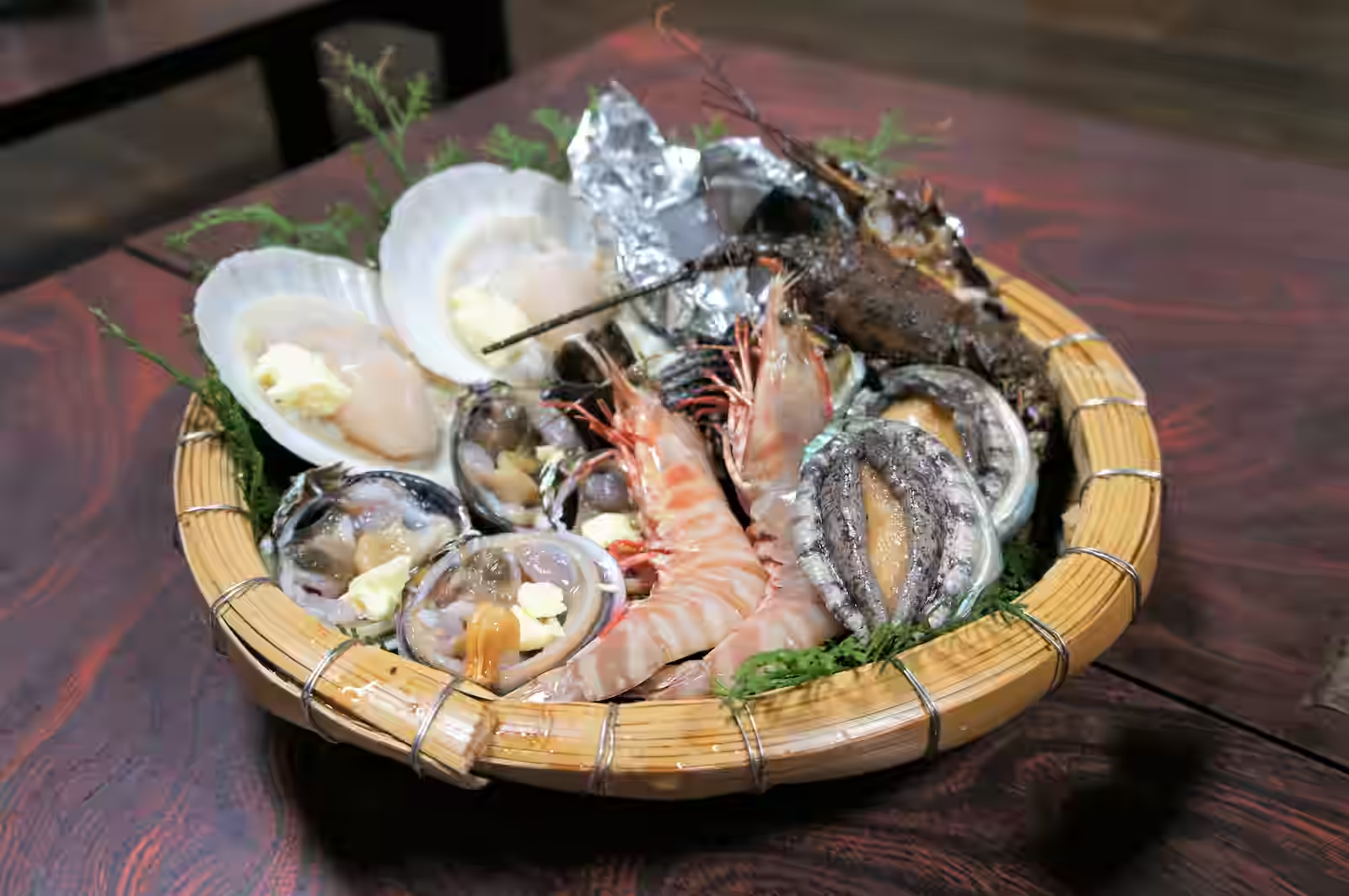


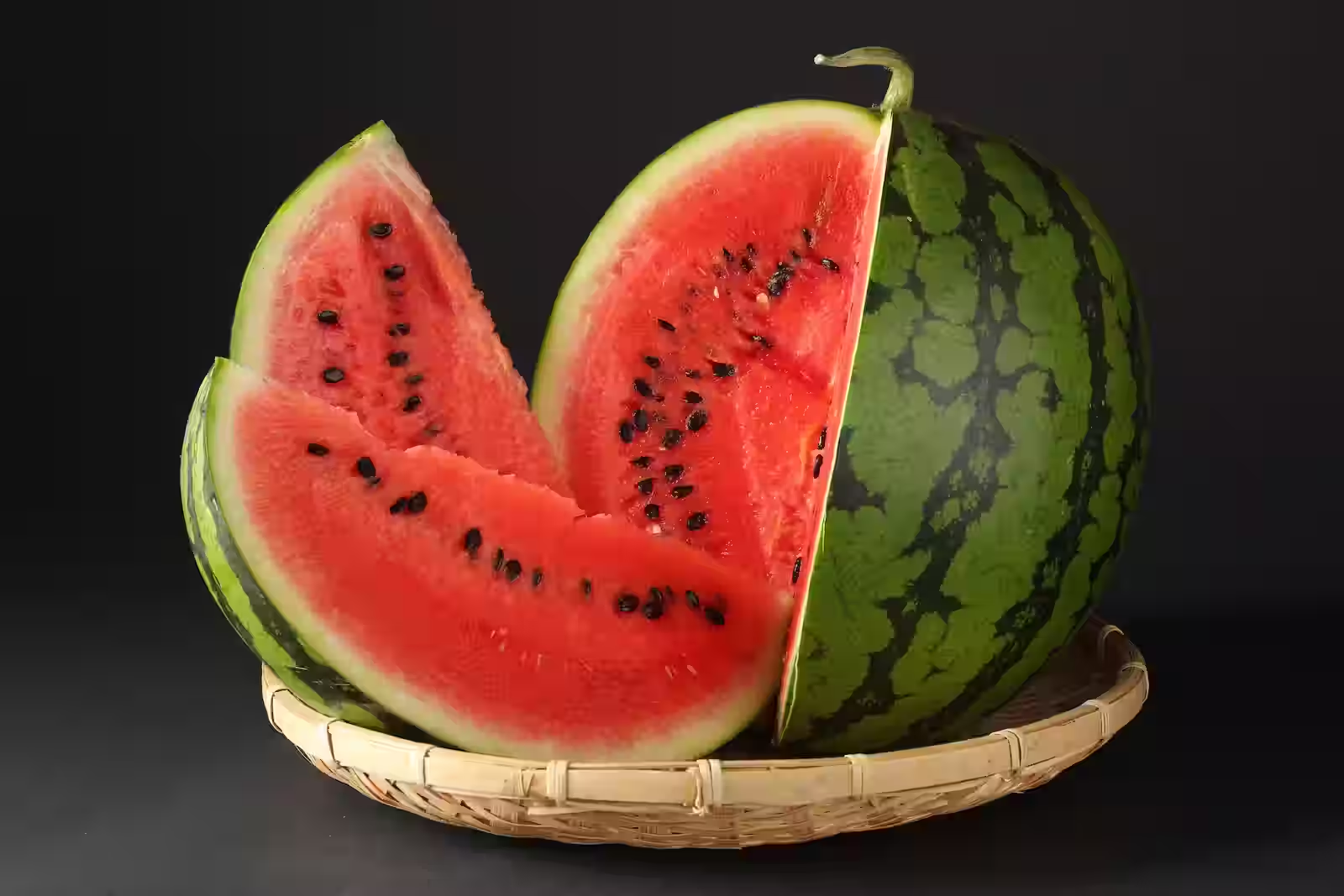

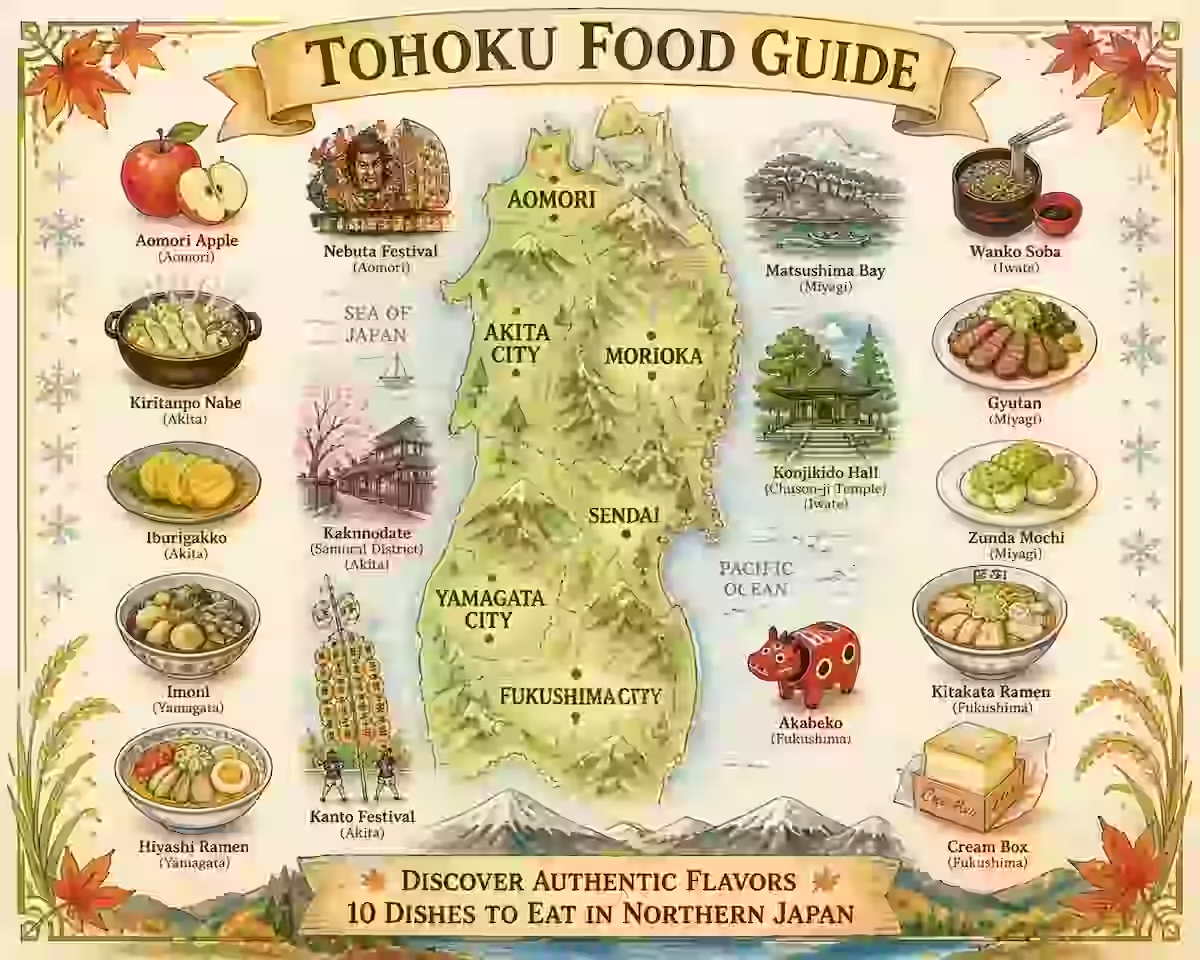
Rugged mountains, snowy winters, and fertile farmland shape the unique flavors of Tohoku cuisine. Local communities developed hearty hot pots, preserved foods, and regional specialties to survive the long cold season. Six prefectures share that background, yet each one cooks differently. This Tohoku food guide covers the dishes worth travelling for, the sake that comes with them, and a three-day route through the region.
What Food Is Tohoku Famous For?
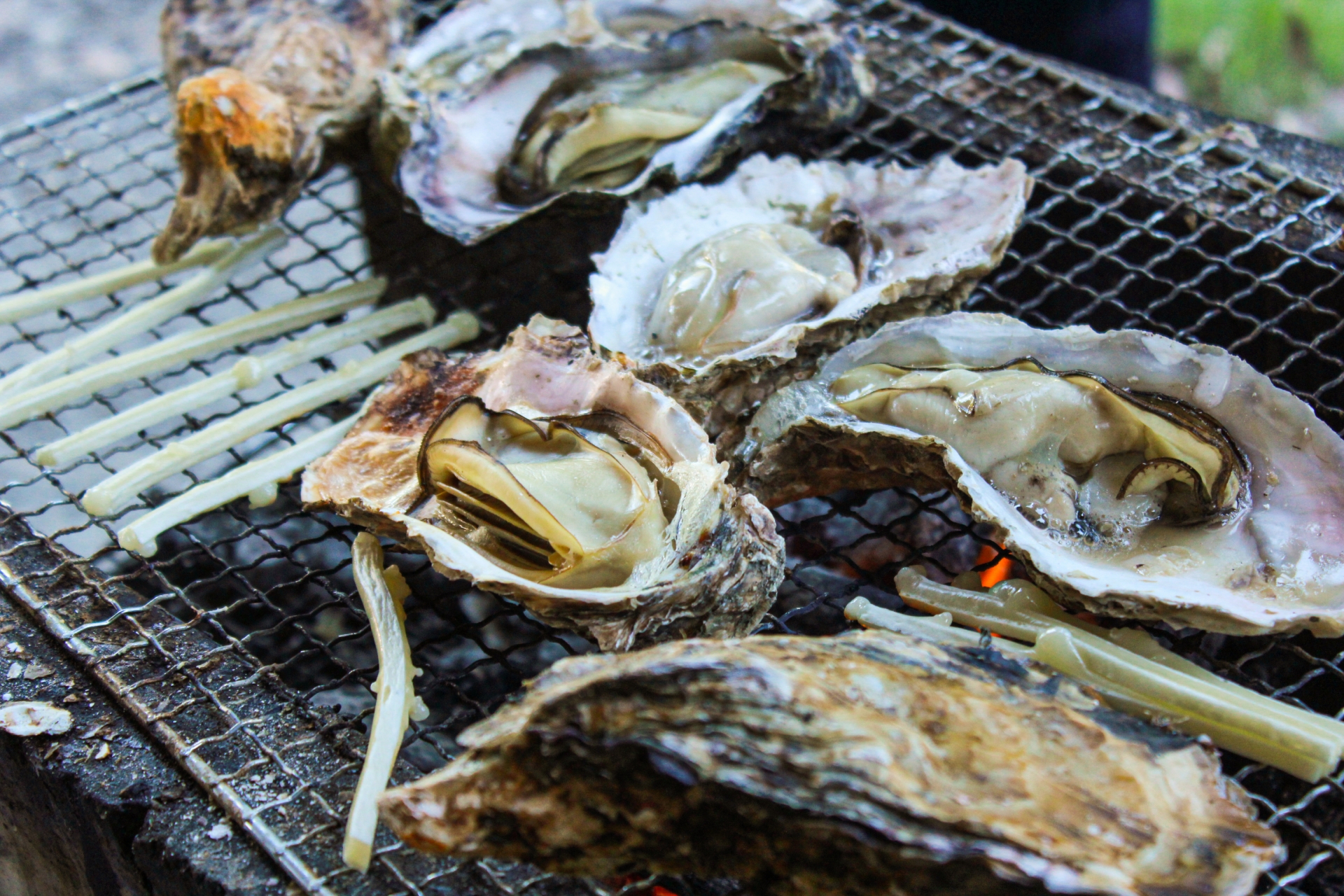
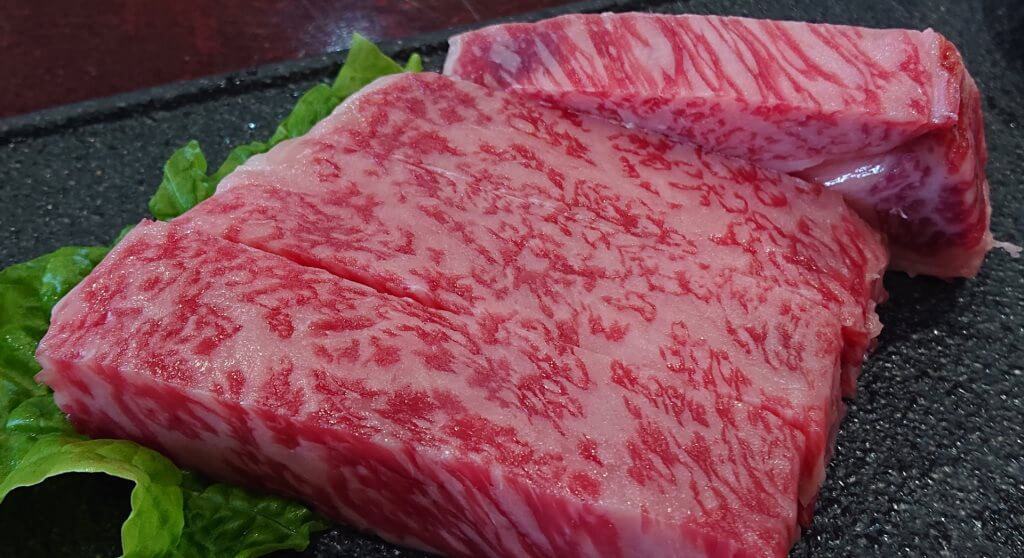
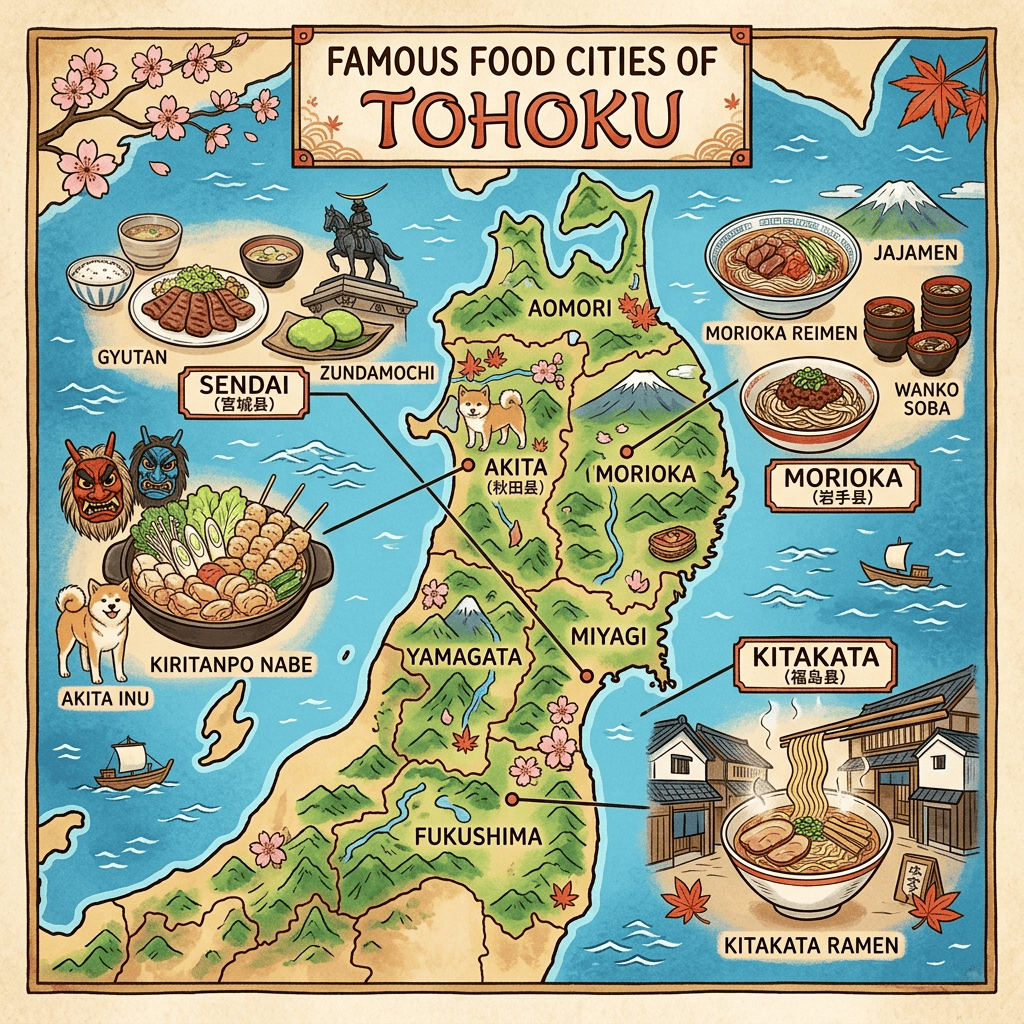
Tohoku is famous for grilled beef tongue in Sendai, rice-stick hot pot in Akita, and endless small bowls of soba in Iwate. Kitakata ramen from Fukushima ranks among Japan’s three great ramen styles. Cold-water seafood from the Sanriku coast, including its celebrated oysters, plus apples from Aomori, and Yonezawa beef from Yamagata round out the picture. Above all, the region cooks for winter, so hot pots, preserved vegetables, and premium rice sit at the centre of almost every meal.
People across Tohoku still eat these dishes every day, not only at festivals. That everyday quality is part of the appeal. Prices also stay noticeably lower than in Tokyo or Kyoto. For the wider national picture, our Japan Food Guide covers every region in the same format.
Quick Facts About Tohoku Food
| Region | Northern Honshu, Japan |
|---|---|
| Prefectures | Aomori, Iwate, Miyagi, Akita, Yamagata, Fukushima |
| Core ingredients | Rice, seafood, apples, wagyu, miso, fermented and preserved foods |
| Signature dishes | Gyutan, kiritanpo nabe, wanko soba, Kitakata ramen, imoni |
| Food identity | Snow-country cooking built on rice, fermentation, and two very different seas |
| Best season | Autumn for the harvest, winter for seafood and hot pots |
| Main food cities | Sendai, Morioka, Akita, Yamagata, Aomori, Kitakata |
| Access from Tokyo | Tohoku Shinkansen, roughly 1.5 to 3.5 hours |
Top 10 Must-Try Tohoku Foods
Short on time? Start here. Each entry belongs to a different corner of the region, so working through the list doubles as a route plan.
Naturally, that leaves plenty out. Aomori apples, zunda mochi, and the Koriyama cream box all have devoted followings too.
Why Tohoku Food Is Unique in Japan
Plenty of Japanese regions claim a distinctive kitchen. Tohoku’s case rests on five things that rarely overlap elsewhere in the country.
Japan’s Rice Belt
Clean snowmelt and sharp day-to-night temperature swings suit rice remarkably well. Several of the country’s best-known brands come from here, including Akita Komachi and Hitomebore. As a result, meals get built around the rice rather than around a main protein. Dishes like kiritanpo and the mochi cuisine of southern Iwate only make sense in that light.
Snow-Country Cuisine
Snow shuts parts of Tohoku down for months. Fresh vegetables historically vanished by December, so households cooked long and slow. Hot pots, root vegetables, and dried fish carried families to spring. Northern Iwate also sat in the path of the yamase, a cold Pacific wind that ruined rice crops. Farmers there turned to wheat and buckwheat, which produced dumpling soups such as hittsumi and the wheat cracker Nanbu senbei.
A Deep Fermentation Culture
Fermentation here came from necessity, not fashion. Miso, soy sauce, pickles, and dried fish all did the work of a refrigerator. Sendai miso still ranks among Japan’s most recognised regional misos. Akita smokes its daikon over firewood to make iburigakko, a pickle that tastes like nothing else in the country. Meanwhile, the same cold that preserves food also suits slow sake brewing.
Two Very Different Seas
The Pacific side gives Tohoku the Sanriku coast, where the cold Oyashio current meets the warm Kuroshio. That collision produces exceptional oysters, sea urchin, abalone, and wakame. Hot pots like donko nabe came straight off those boats. The Sea of Japan side, by contrast, was shaped by the old Kitamaebune shipping route. Kombu, salt, and sugar arrived by ship, and Akita and Yamagata cooking absorbed all three.
Mountain Foraging Traditions
Inland villages never stopped gathering. Sansai mountain vegetables, matsutake and other mushrooms, walnuts, and wild game still appear on spring and autumn menus. Walnut tofu and the charcoal-grilled Tono jingisukan both grew out of that upland life. Admittedly, some of these traditions are fading. Even so, they remain far more visible here than in western Japan.
Famous Tohoku Food by Prefecture
Every prefecture in Tohoku claims a signature dish. Coastal areas lean on seafood, while inland basins built their cooking around rice and hot pots. The table below sorts it out at a glance.
| Prefecture | Signature dish | Also known for |
|---|---|---|
| Aomori | Aomori apples | Oma tuna, senbei jiru, scallops, garlic |
| Iwate | Wanko soba | Morioka reimen, jajamen, Maesawa beef, Sanriku seafood |
| Miyagi | Gyutan | Zunda mochi, Matsushima oysters, sasa kamaboko |
| Akita | Kiritanpo nabe | Inaniwa udon, hinai jidori chicken, iburigakko, sake |
| Yamagata | Imoni | Yonezawa beef, cherries, cold soba, dashi |
| Fukushima | Kitakata ramen | Cream box, peaches, kozuyu, sauce katsudon |
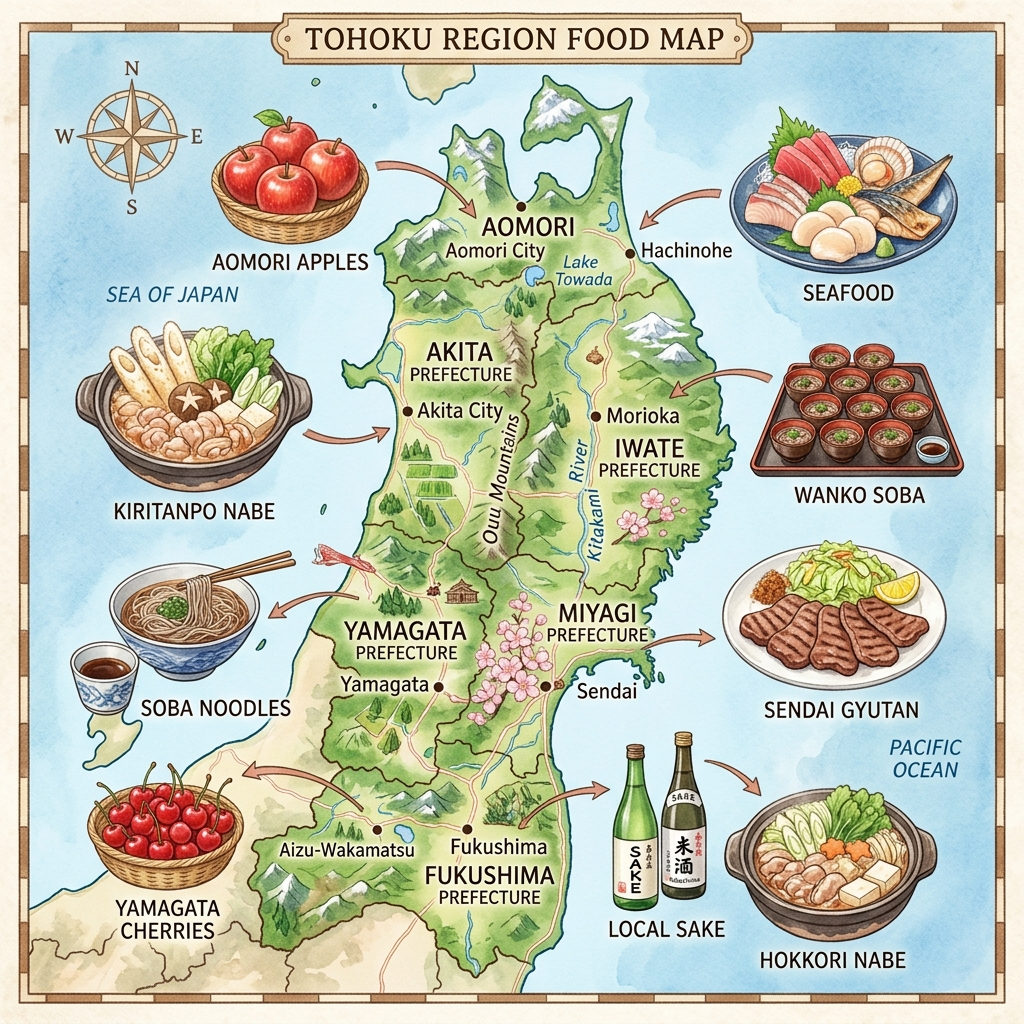
Explore Each Prefecture in Detail
- 青AomoriJapan’s apple capital, plus Oma bluefin tuna and the Nanbu senbei soup called senbei jiru.Aomori food
- 岩IwateMorioka’s three great noodles, Sanriku coast seafood, and Maesawa wagyu from Oshu.Iwate food
- 宮MiyagiSendai gyutan, sweet zunda made from edamame, and oysters from Matsushima Bay.Miyagi food
- 秋AkitaKiritanpo hot pot, silky Inaniwa udon, smoked iburigakko pickles, and celebrated sake.Akita food
- 山YamagataRiverside imoni parties in autumn, Yonezawa beef, cherries, and serious soba culture.Yamagata food
- 福FukushimaKitakata ramen, the Koriyama cream box, peaches, and the clear kozuyu soup of Aizu.Fukushima food
Going deeper on one prefecture? We publish full prefecture guides as well. Start with the Aomori Food Guide or the Iwate Food Guide, both of which cover history, seasons, and model routes in detail.
The Four Dishes That Define Tohoku Food
Four dishes carry the region’s reputation nationally. They differ in almost every respect, so the comparison below helps before you commit a meal to one.
| Gyutan | Kiritanpo Nabe | Wanko Soba | Kitakata Ramen | |
|---|---|---|---|---|
| Prefecture | Miyagi | Akita | Iwate | Fukushima |
| Base | Charcoal-grilled beef tongue | Grilled rice sticks in chicken broth | Buckwheat soba in tiny bowls | Flat wheat noodles in soy broth |
| Taste | Smoky, salty, deeply savoury | Rich, rounded, gently sweet | Clean and nutty | Light, clear, quietly moreish |
| Best season | Year-round | Autumn and winter | Year-round, events in autumn | Year-round, popular at breakfast |
| Eat it in | Sendai | Akita City, Odate | Morioka, Hanamaki | Kitakata |
| Budget | Higher | Mid | Mid to higher | Low |
Gyutan: Sendai’s Grilled Beef Tongue
A Sendai restaurateur created gyutan just after the war, working with a cut nobody else wanted. The idea caught on quickly, and today it defines the city. What makes it unique is the texture, since no other Japanese grilled meat gives quite that snap.
- Origin: Sendai, Miyagi Prefecture, late 1940s
- Ingredients: Thick-sliced beef tongue, salt, barley rice, oxtail soup, pickles
- Taste: Firm and springy, smoky at the edges, far leaner than it looks
- Where to eat: Specialist counters around Sendai Station
Our full Sendai gyutan guide covers ordering tips and the difference between salt and miso styles.
Kiritanpo Nabe: Akita’s Rice-Stick Hot Pot
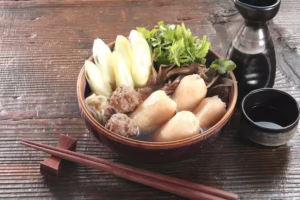
Cooks in Akita mash freshly cooked rice, wrap it around cedar skewers, then toast it over an open fire. Those sticks go into a chicken broth with burdock, maitake, and seri greens. Its uniqueness lies in the rice acting as both starch and thickener.
- Origin: The Odate and Kazuno area of Akita, historically a woodcutters’ meal
- Ingredients: Rice sticks, hinai jidori chicken, burdock root, maitake, seri
- Taste: Savoury and rounded, with rice slowly thickening the broth
- Where to eat: Akita City izakaya and ryokan, mostly October to March
See the kiritanpo nabe guide, or read about kiritanpo rice sticks on their own.
Wanko Soba: Iwate’s Bottomless Bowls
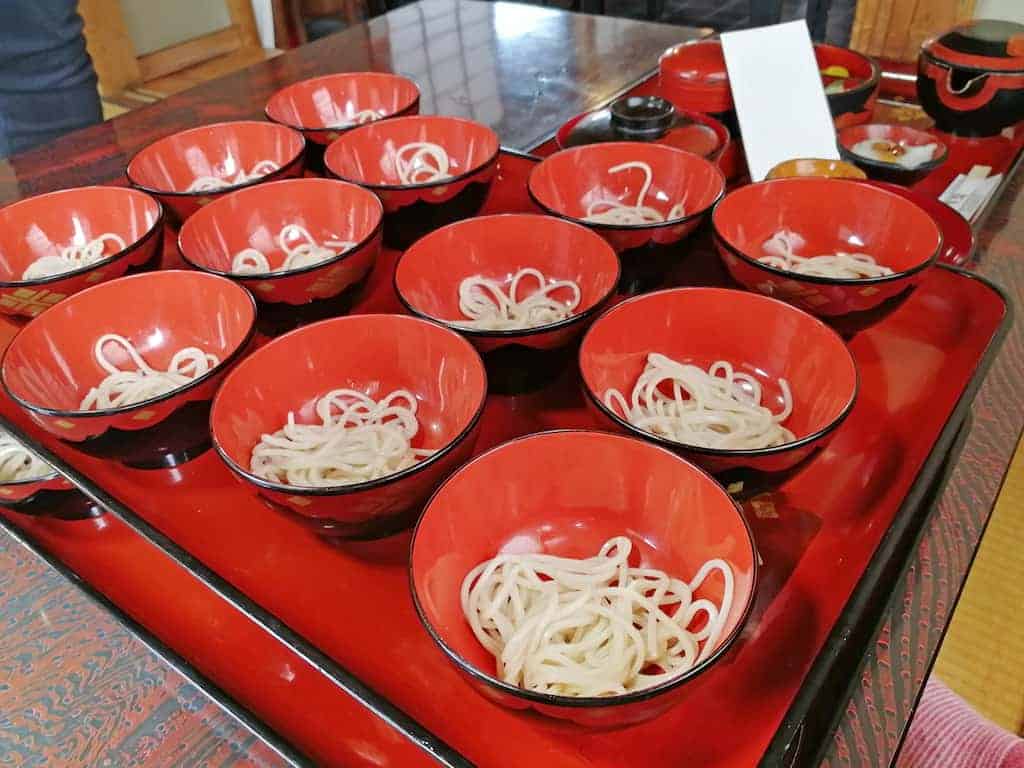
This one is a ritual rather than a recipe. A server drops a mouthful of soba into your bowl, then refills it the instant you finish. The lid is the only way to stop it, which is exactly why people remember the meal.
- Origin: Morioka and Hanamaki, Iwate, from rural soba hospitality
- Ingredients: Buckwheat soba, dipping broth, and a tray of small toppings
- Taste: Clean and nutty, with condiments shifting each bowl
- Where to eat: Long-running soba houses in Morioka and Hanamaki
Full details, including the counting system, sit in our wanko soba guide.
Kitakata Ramen: Fukushima’s Morning Bowl
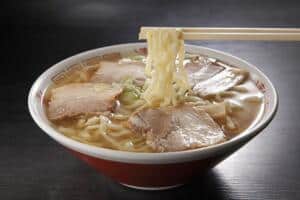
Kitakata is a small city with an unusually large number of ramen shops. Locals eat it in the morning, a habit known as asa-ra. Few ramen styles stay this restrained, and that restraint is the whole point.
- Origin: Kitakata, Fukushima, shaped by soft local water and soy brewing
- Ingredients: Thick flat curly noodles, clear soy broth, chashu, menma
- Taste: Light and clean, with chewy noodles carrying the character
- Where to eat: Kitakata City, ideally before 10am
Try our guide to authentic Kitakata ramen for shop-by-shop notes. For comparison, Kamaishi ramen takes the opposite approach with ultra-thin noodles.
More Famous Tohoku Cuisine
Beyond the big four, six more dishes show how varied the region really is. Some are sweet, one is strictly seasonal, and another is a bakery item that only makes sense in Koriyama.
-
 山形
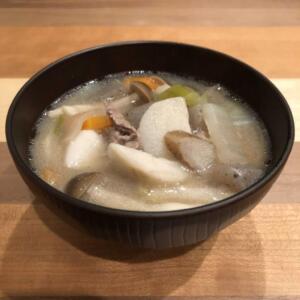
山形Imoni (芋煮)
A taro and beef stew simmered in soy broth. Yamagata families cook it on riverbanks every autumn at gatherings called imonikai.
Read the Imoni guide -
 岩手
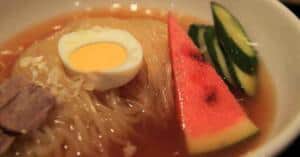
岩手Morioka Reimen (盛岡冷麺)
Chewy starch noodles in chilled beef broth, finished with kimchi and fruit. It arrived from Korea and became a Morioka staple.
Read the Morioka Reimen guide -
 秋田
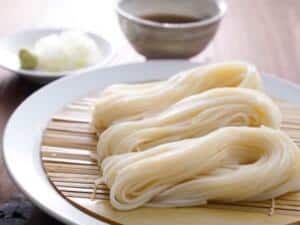
秋田Inaniwa Udon (稲庭うどん)
Thin, hand-stretched udon with a glassy surface. Makers dry it slowly, which gives a smoothness ordinary udon never reaches.
Read the Inaniwa Udon guide -
 青森
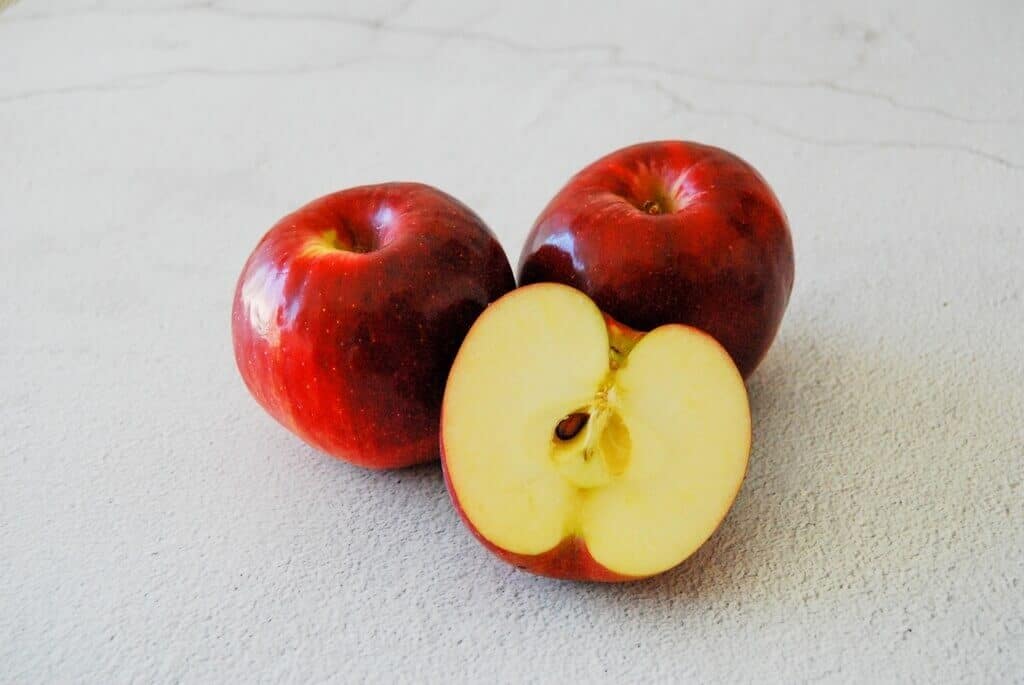
青森Aomori Apples (青森りんご)
Aomori grows most of Japan’s apples. Cold nights and long autumns build the acidity that makes Fuji and Toki so aromatic.
Read the Aomori Apple guide -
 宮城
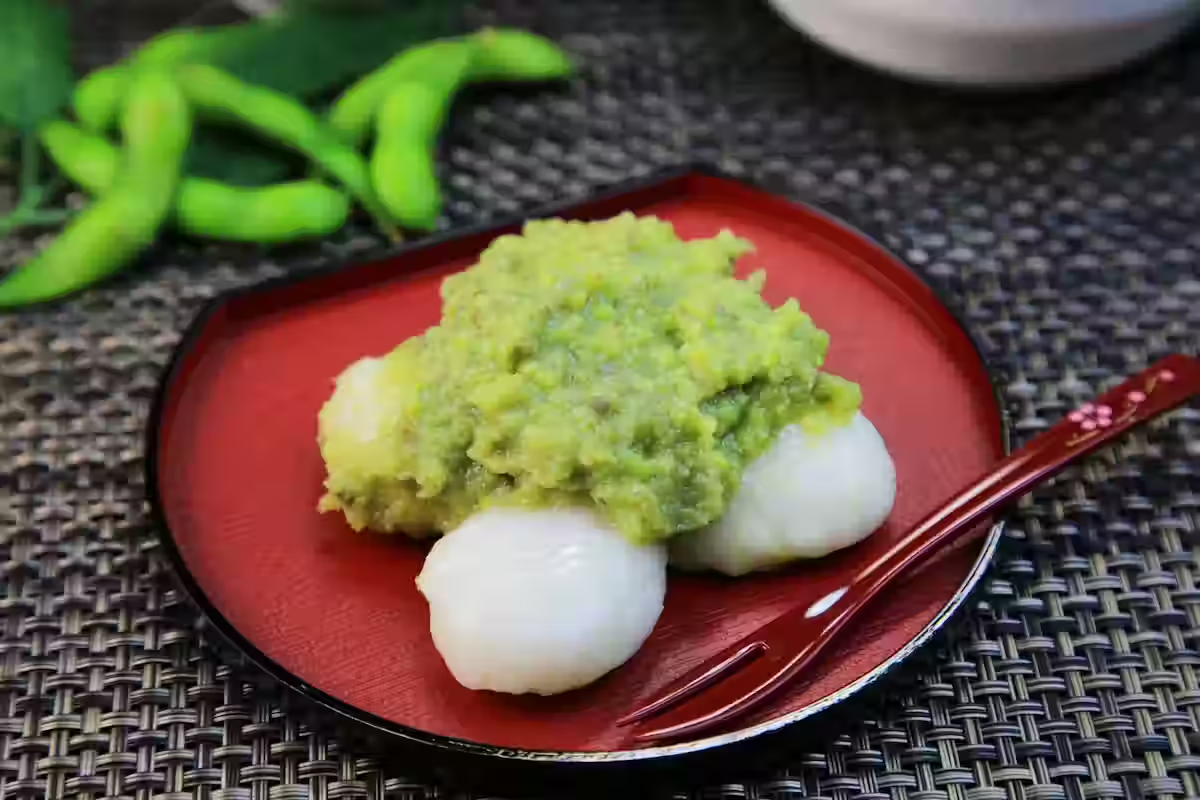
宮城Zunda Mochi (ずんだ餅)
Soft rice cakes under bright green edamame paste. The sweetness stays gentle, and the bean flavour comes through clearly.
Read the Zunda Mochi guide -
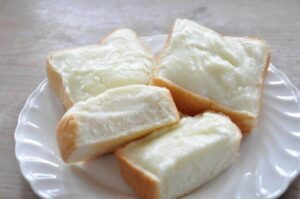
 福島
福島Cream Box (クリームボックス)
A square of soft bread spread thickly with milk cream. Koriyama bakeries have sold it for decades, and locals grew up on it.
Read the Cream Box guide
Iwate alone adds a dozen more, from Morioka jajamen and Maesawa beef to Sasuke pork and Noda shio ramen. Browse the whole regional collection under Tohoku food.
Tohoku and Japanese Sake
Ask a Japanese drinker where the best sake comes from, and Tohoku enters the conversation immediately. Dassai may be the famous export name, yet it comes from Yamaguchi in the far west. The bottles that collectors chase hardest tend to come from the north.
Why the North Brews So Well
Three conditions line up here. Cold winters let brewers ferment slowly, which produces cleaner aromatics. Soft snowmelt water suits delicate styles. Above all, the region grows excellent rice, including dedicated brewing varieties. Traditional brewmaster guilds also formed here, and the Nanbu Toji of Iwate remain among the most influential in Japan. If you want the technical side, our article on sandan jikomi, the three-step mashing method, explains how the process actually works.
Akita, Yamagata, and Fukushima
Akita builds bold, textured sake, and Aramasa in Akita City has become one of the most talked-about breweries in the country. Yamagata took a different route, developing a prefecture-wide quality standard, and Juyondai from Takagi Shuzo remains famously hard to buy. Fukushima, meanwhile, has dominated the National New Sake Appraisal in recent years, and Hiroki from Aizu leads its reputation abroad.
What to Pair It With
- Dry Akita sake with kiritanpo nabe or smoked iburigakko
- Fruity Yamagata sake with Yonezawa beef or cold soba
- Clean Fukushima sake with Kitakata ramen chashu and clear kozuyu soup
- Iwate sake with Sanriku oysters, sea urchin, or donko nabe
Seasonal Tohoku Foods
When is the best season to visit for food? Autumn wins for most travellers. The rice harvest, imoni season, mushrooms, and Pacific saury all land at once, and the weather still cooperates. Winter comes a close second, since seafood peaks and every hot pot tastes better in the snow.
| Season | What to eat | Where |
|---|---|---|
| Spring, Mar-May | Sansai mountain vegetables, new wakame, bamboo shoots, cherries later on | Yamagata, Sanriku coast |
| Summer, Jun-Aug | Morioka reimen, sea urchin, hoya, cold soba, peaches | Iwate, Aomori, Fukushima |
| Autumn, Sep-Nov | Imoni, new rice, matsutake, Pacific saury, apples | Yamagata, Miyagi, Aomori |
| Winter, Dec-Feb | Kiritanpo nabe, oysters, iburigakko, mochi dishes, sake | Akita, Miyagi, inland towns |
Winter also brings out the region’s mochi culture. Southern Iwate turns it into a formal cuisine, and the Iwate Food Guide covers that tradition in full.
3-Day Tohoku Food Route
Three days covers the core of Tohoku food without rushing. The whole route runs on the Tohoku Shinkansen, so a rental car stays optional. Book gyutan and wanko soba ahead in peak season.
- 1Day 1 – SendaiArrive by late morning and eat gyutan near the station. Spend the afternoon at Matsushima for oysters, then return for an izakaya evening with Miyagi sake. Finish with zunda mochi.
- 2Day 2 – MoriokaForty minutes north by shinkansen. Take on wanko soba at lunch, walk the old merchant streets, then close the day with Morioka reimen after yakiniku. Squeeze in jajamen if you can.
- 3Day 3 – AkitaCross west on the Akita Shinkansen. Order kiritanpo nabe in winter or Inaniwa udon in summer. Buy iburigakko and a bottle of Akita sake before heading home.
Have a fourth day? Swap in Kitakata for morning ramen, or head to Yamagata in September for an imoni gathering by the river.
Where to Eat the Best Tohoku Food
Where can you eat Tohoku food? Sendai is the obvious base, since it has the region’s biggest restaurant scene and the fastest train links. Morioka, Akita, Yamagata, and Aomori each concentrate their specialties near the station. For ramen alone, Kitakata is worth the detour.
Sendai, the Regional Capital
Sendai anchors any Tohoku food trip. Gyutan counters cluster around the station, and the covered arcades hide izakaya serving Miyagi sake and Matsushima oysters. Zunda sweets appear everywhere, admittedly including some tourist versions.
Morioka, the Noodle City
Morioka built its identity on three unrelated noodle dishes. You can eat all of them in a single day without much walking, though the wanko soba probably needs its own afternoon. Nanbu ironware shops sit along the same streets.
Akita and Yamagata
Akita City does kiritanpo nabe and Inaniwa udon properly, especially in winter. Yamagata, by contrast, revolves around soba, Yonezawa beef, and imoni. Visit in September and you may stumble into a riverside imonikai party.
Aomori, Hachinohe, and Kitakata
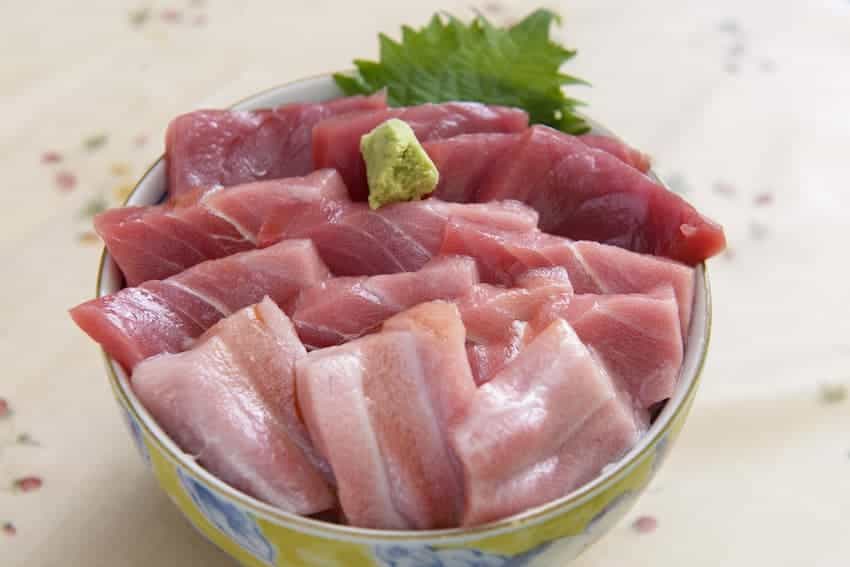
Aomori’s markets sell apples, scallops, and Oma bluefin tuna within minutes of the station. Hachinohe adds senbei jiru and a famous morning market. Kitakata, finally, is a small city where ramen shops open at seven. Our Aomori Food Guide maps the northern half in more detail.
Why Tohoku Belongs on Every Food Itinerary
Tohoku rewards travellers who slow down. The region never packaged itself for tourism the way Kyoto or Osaka did, so its cooking stayed close to daily life. You taste that immediately. A bowl of Kitakata ramen at breakfast, a riverside pot of imoni in October, or a winter kiritanpo nabe all feel like local habits rather than attractions.
The ingredients help too. Rice, apples, wagyu, and Sanriku shellfish rank among Japan’s best, yet prices stay reasonable. Add the sake, which many drinkers rate above anything from the west, and the case builds quickly. Six prefectures, six kitchens, and one shared instinct for surviving winter well. That is the short version of Tohoku food, and it is worth several trips. Start with the Japanese food by area index if you want to compare it against the rest of the country.
Tohoku Food Guide FAQ
What food is Tohoku famous for?
Tohoku is famous for premium rice, cold-water seafood, and hearty hot pots. Gyutan, kiritanpo nabe, wanko soba, and Kitakata ramen lead the list of traditional Tohoku dishes. Sanriku oysters, Oma tuna, and Yonezawa beef carry the region’s reputation for ingredients. Above all, the region cooks for long winters, so preserved and fermented foods appear at almost every meal.
Why is Tohoku food different from other regions of Japan?
Cooks here historically used more salt and more preservation, simply to survive heavy snow. That produced deeper, saltier, more robust flavours than you find in Kansai. Rice also plays a bigger role, since Tohoku grows some of the country’s best. Fermentation runs deeper too, from Sendai miso to Akita’s smoked iburigakko pickles.
When is the best season to try Tohoku food?
Autumn is the strongest all-round season. New rice, imoni, mushrooms, Pacific saury, and apples all arrive together, and travel stays comfortable. Winter runs a close second, since seafood reaches its peak and hot pots taste better in the snow. Spring brings mountain vegetables, while summer suits cold noodles and sea urchin.
Which city in Tohoku is best known for food?
Sendai serves as the culinary capital and the easiest base. It offers gyutan specialists, a large izakaya district, and quick access to Matsushima oysters. Morioka competes strongly on noodles, however, and Kitakata dominates on ramen. For the best food in Tohoku overall, most travellers combine Sendai with one or two smaller cities.
Is Tohoku a good region for sake?
Yes, and many Japanese drinkers rate it the best. Cold winters, soft snowmelt water, and excellent brewing rice all line up here. Akita, Yamagata, and Fukushima lead on reputation, and Fukushima has dominated the national new sake appraisal in recent years. Look for Aramasa, Juyondai, and Hiroki if you can find them.
How many days do I need for a Tohoku food trip?
Three days covers Sendai, Morioka, and Akita at a comfortable pace. Add a fourth for Kitakata ramen or a Yamagata imoni gathering. The Tohoku Shinkansen links most of the route, so you rarely need a car. Coastal detours along Sanriku are the main exception.
What sweets and souvenirs should I bring home?
Zunda sweets from Sendai travel reasonably well and taste distinctly local. Nanbu senbei from Iwate and Aomori keeps for months and packs flat. Kamome no Tamago from the Sanriku coast is another classic. For something less sweet, consider Akita iburigakko pickles or a bottle of Tohoku sake.
References
- Ministry of Agriculture, Forestry and Fisheries, Our Regional Cuisines, https://www.maff.go.jp/j/keikaku/syokubunka/k_ryouri/ (Accessed July 2026)
- Tohoku Tourism Promotion Organization, Official Tohoku travel guide, https://www.tohokukanko.jp/en/ (Accessed July 2026)
- Aomori Prefecture Tourism, Aomori local food and produce, https://www.aomori-tourism.com/en/ (Accessed July 2026)
- Iwate Prefecture Tourism, Iwate regional cuisine and Sanriku seafood, https://www.iwate-tourism.jp/en/ (Accessed July 2026)
- Miyagi Prefecture Tourism, Sendai gyutan and Miyagi specialties, https://www.miyagi-kankou.or.jp/en/ (Accessed July 2026)
- Akita Prefecture Tourism, Kiritanpo, Inaniwa udon and Akita food culture, https://www.akita-tourism.or.jp/en/ (Accessed July 2026)
- Yamagata Prefecture Tourism, Imoni and Yamagata seasonal produce, https://www.yamagatakanko.com/en/ (Accessed July 2026)
- Fukushima Prefecture Tourism, Kitakata ramen and Fukushima local food, https://www.tif.ne.jp/en/ (Accessed July 2026)
Related Articles
- Gyutan (牛タン) (Surveyed: July 2026)
- Kiritanpo Nabe (きりたんぽ鍋) (Surveyed: July 2026)
- Wanko Soba (わんこそば) (Surveyed: July 2026)
- Kitakata Ramen (喜多方ラーメン) (Surveyed: July 2026)
- Imoni (芋煮) (Surveyed: July 2026)
- Sanriku Oysters (三陸牡蠣) (Surveyed: July 2026)
- Oma Tuna (大間まぐろ) (Surveyed: July 2026)
- Yonezawa Beef (米沢牛) (Surveyed: July 2026)
- Aomori Food Guide (Surveyed: July 2026)
- Iwate Food Guide (Surveyed: July 2026)
- Japan Food Guide (Surveyed: July 2026)