



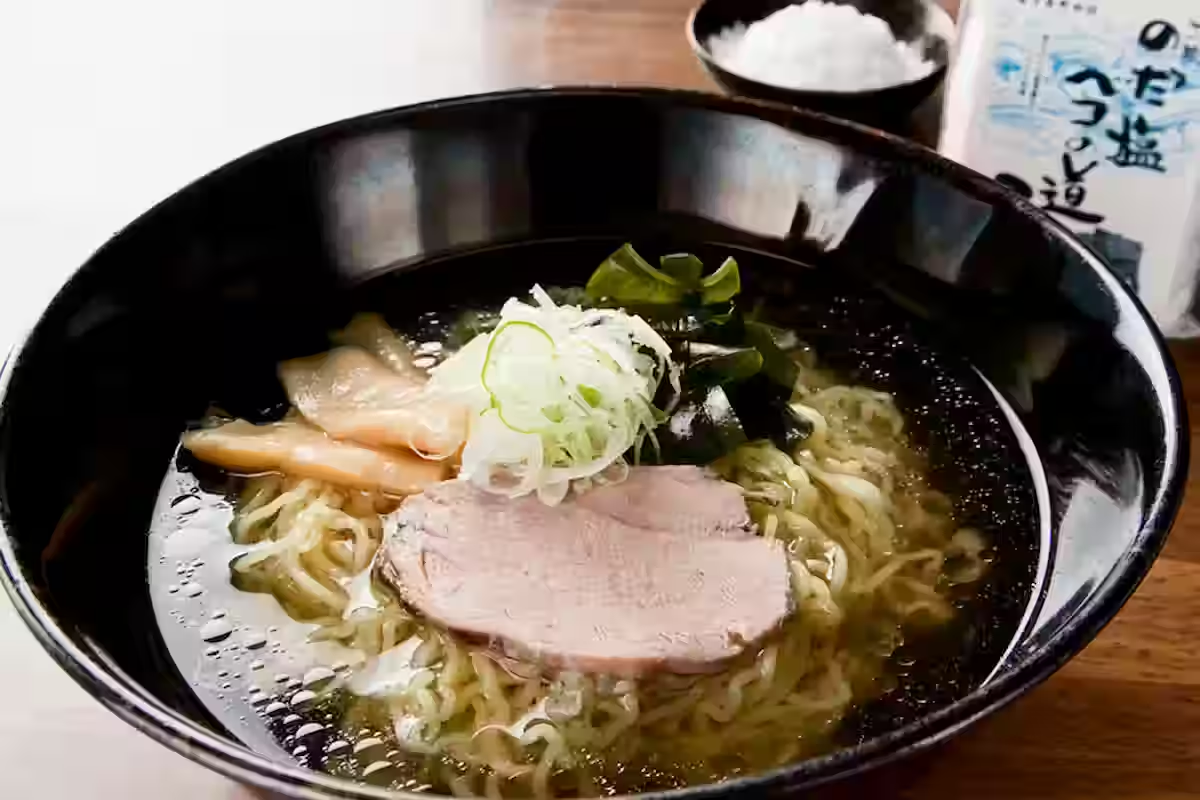
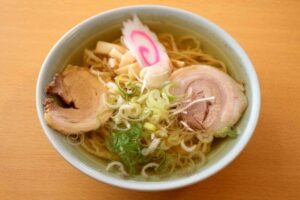
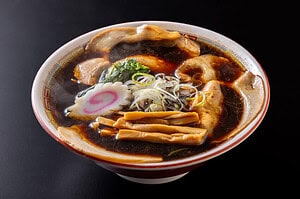
Noda shio ramen is Japanese salt ramen made using Noda salt from Iwate Prefecture. It features a clear broth, mineral-rich flavor, and handmade-style noodles.
The taste is clean, dry, and smooth. The broth feels light at first, but then a quiet sea-based umami appears. It works well for people who do not enjoy heavy ramen.
“Noda shio” refers to traditional sea salt produced in Noda Village. This is the key element that makes the ramen special.
Basic Information About Noda Shio Ramen
Noda shio ramen is a local ramen specialty from Noda Village along the Sanriku coast. The main feature is its use of natural salt made through traditional methods.
Unlike typical salt ramen, this bowl highlights the salt itself. The broth stays clear, yet it carries gentle depth and mild sweetness. That balance creates a relaxed eating experience.
The noodles are often slightly firm and smooth. Some versions even include Noda salt in the dough. Because of that, the noodles and soup feel connected.
For a wider ramen overview, see the Japanese ramen guide.
For regional dishes, visit the Iwate food guide.
What Does Noda Shio Ramen Taste Like?
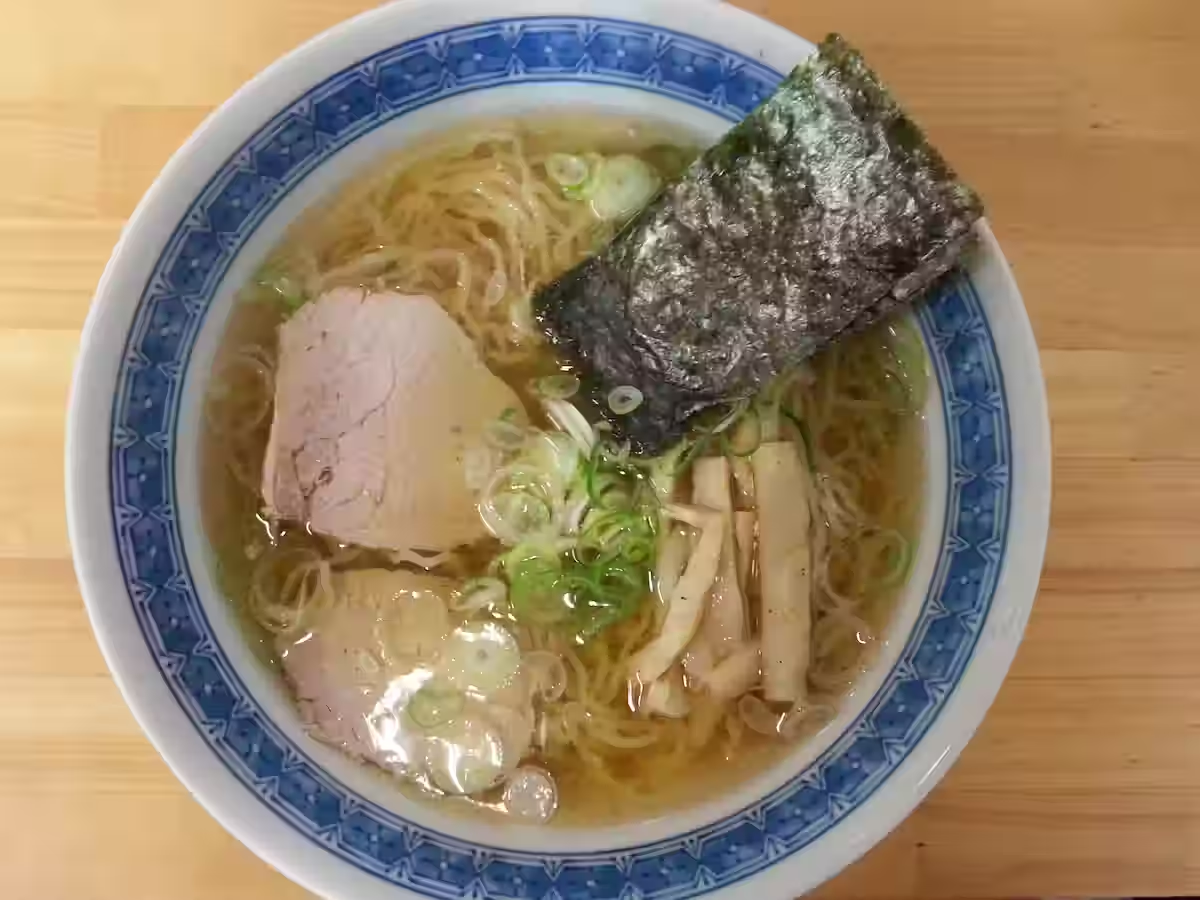
Noda shio ramen tastes light, clean, and gently salty. The first sip feels delicate, but a quiet seafood-like umami appears soon after. The salt flavor stays mellow instead of sharp.
This mild taste comes from Noda’s traditional direct-boiling method. Workers slowly heat seawater and form salt crystals by hand. That process creates a softer mineral profile.
Unlike tonkotsu or miso ramen, the broth does not feel oily. Most people can finish the bowl without feeling heavy. The noodles stay firm, while toppings like wakame enhance the ocean character.
Overall, the experience feels refreshing rather than intense. That is why many travelers remember it.
Why Does Noda Salt Make This Ramen Special?
Noda salt comes from seawater along the Sanriku coast. The area has long traditions of salt production dating back centuries.
Unlike industrial salt, workers heat seawater slowly. They monitor temperature carefully and collect salt by hand. This technique keeps minerals intact.
Because of this, the salt tastes round and gentle. It does not hit the tongue sharply. In a clear broth, that difference becomes obvious.
Many ramen rely on strong broth. In contrast, this bowl highlights the salt itself. That focus makes it unique among regional ramen.
Noda Shio Ramen Compared With Other Salt Ramen
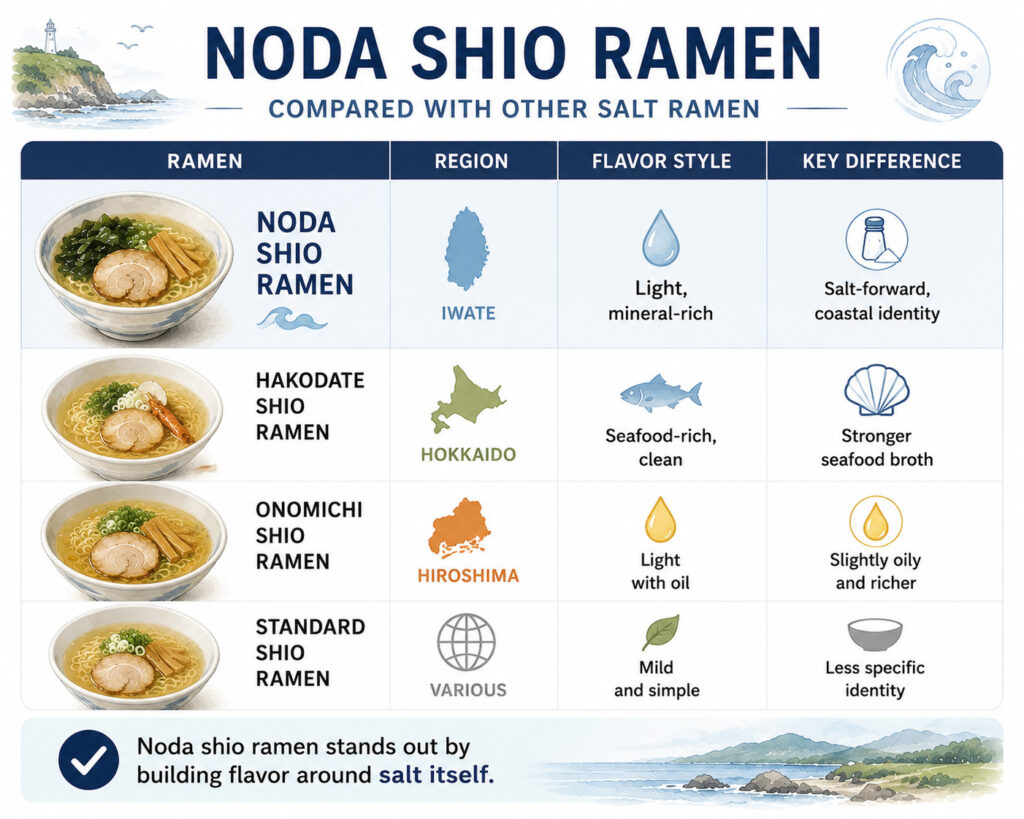
| Ramen | Region | Flavor Style | Key Difference |
|---|---|---|---|
| Noda Shio Ramen | Iwate | Light, mineral-rich | Salt-forward, coastal identity |
| Hakodate Shio Ramen | Hokkaido | Seafood-rich, clean | Stronger seafood broth |
| Onomichi Shio Ramen | Hiroshima | Light with oil | Slightly oily and richer |
| Standard Shio Ramen | Various | Mild and simple | Less specific identity |
This comparison shows why Noda shio ramen stands out. It focuses less on broth ingredients. Instead, it builds flavor around salt itself.
How to Eat Noda Shio Ramen: A Simple Guide
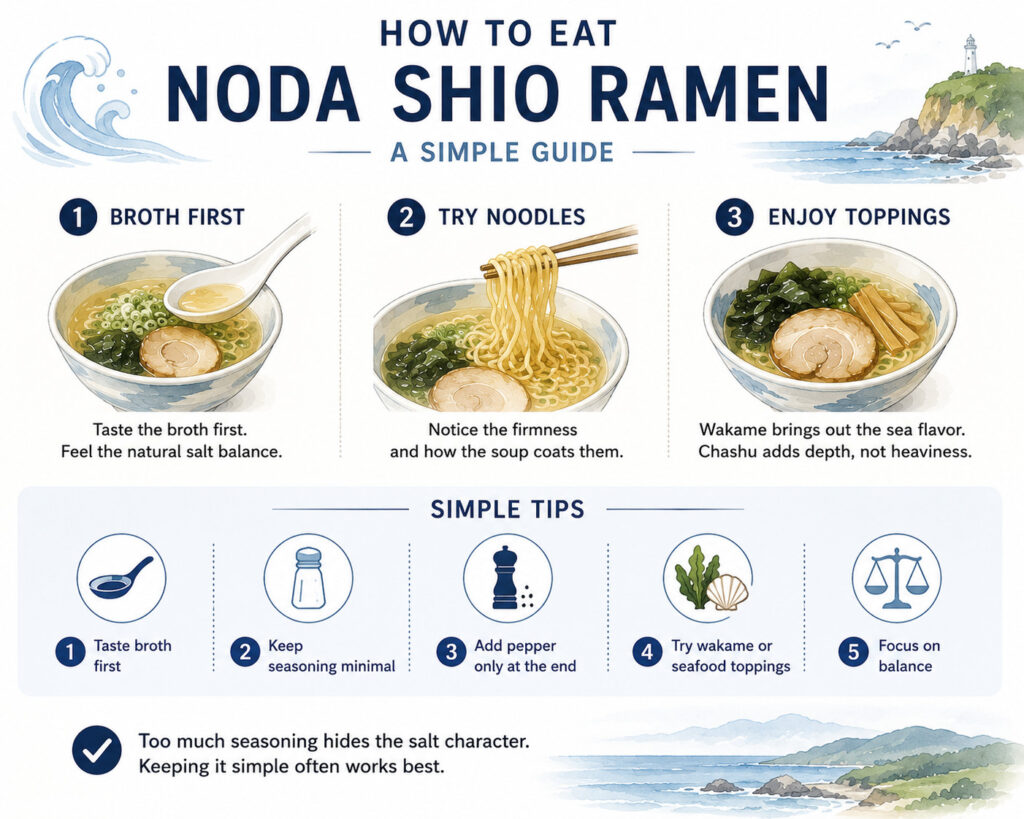
Start with the broth. Taste it before touching anything else. This step shows the natural salt balance.
Next, try the noodles. Notice the firmness and how the soup coats them.
After that, enjoy toppings. Wakame connects well with the sea flavor. Chashu adds depth without overpowering the broth.
Follow these simple tips:
- Taste broth first
- Keep seasoning minimal
- Add pepper only at the end
- Try wakame or seafood toppings
- Focus on balance
Too much seasoning hides the salt character. Keeping it simple often works best.
Where to Eat Noda Shio Ramen
Restaurant Paapuru (道の駅のだ内)
Location: Noda Village, Iwate Prefecture
Type: Casual local restaurant inside a roadside station
- Opening hours: Around 11:00 to 15:00 (varies seasonally)
- Closed: Irregular days
- Access: About 10–15 minutes by taxi from Rikuchu-Noda Station
- Price: ¥800–¥1,200 per bowl
This restaurant is one of the easiest places to try the dish. The atmosphere stays relaxed and local.
Souvenir ramen packs are also available nearby. These usually cost ¥500–¥1,000 for two servings. That makes them one of the best Iwate ramen souvenirs.
How to Get to Noda Village
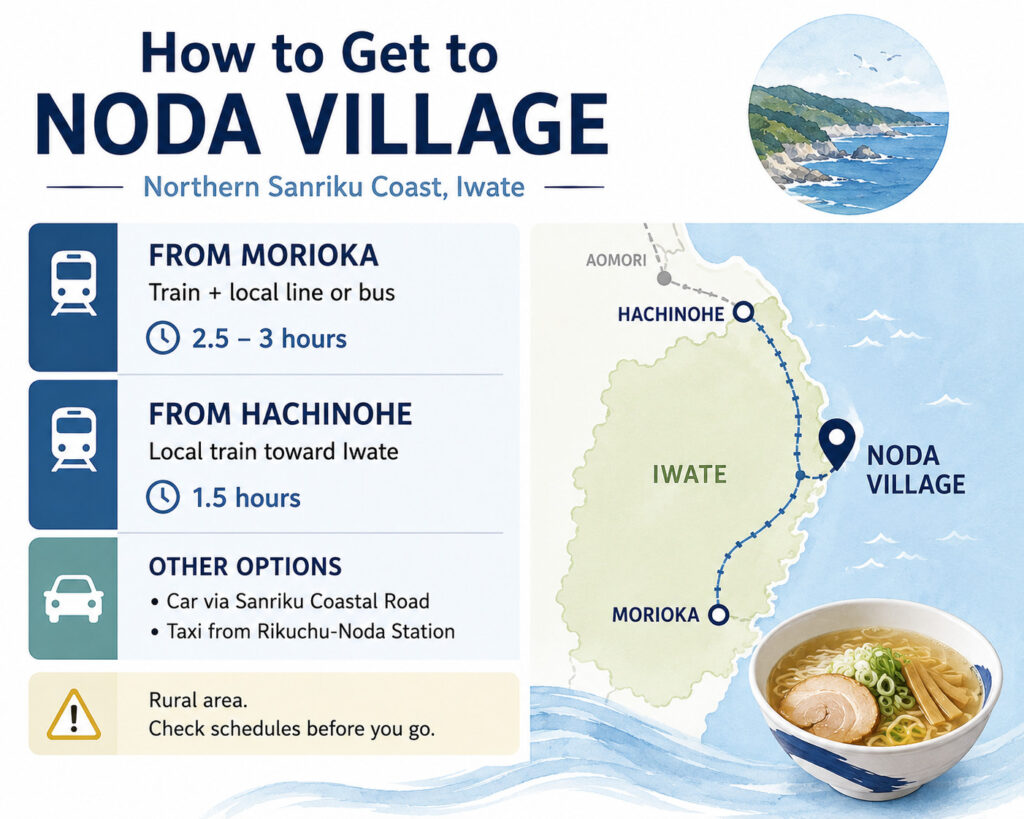
Noda Village is located along the northern Sanriku coast. Travel requires some planning.
From Morioka:
- Train + local line or bus
- Around 2.5 to 3 hours total
From Hachinohe:
- Local train toward Iwate
- Around 1.5 hours
Other options:
- Car via the Sanriku Coastal Road
- Taxi from Rikuchu-Noda Station
Because the area is rural, public transport schedules may be limited. Check times before departure.
When Is the Best Time to Visit?
Noda shio ramen is available year-round. However, winter enhances the experience.
From December to March, the cold coastal weather makes the warm broth feel comforting. The clean salt flavor pairs especially well with winter air.
In summer, the ramen feels lighter. Pairing it with fresh local seafood adds another layer. Both seasons offer different strengths.
The History of Noda Shio Ramen and Noda Salt
The history begins with salt, not ramen. Noda Village has produced salt for centuries.
In the past, traders carried the salt inland using horses. Later, modern systems replaced traditional production. As a result, local salt culture almost disappeared.
In recent decades, producers revived the old method. That revival gave new life to the region.
After the 2011 Great East Japan Earthquake, the area faced serious damage. Recovery efforts included promoting local food culture. Noda salt and regional ramen became part of that story.
Eating this ramen today connects to that quiet history.
Why Is Noda Shio Ramen So Popular in Iwate?
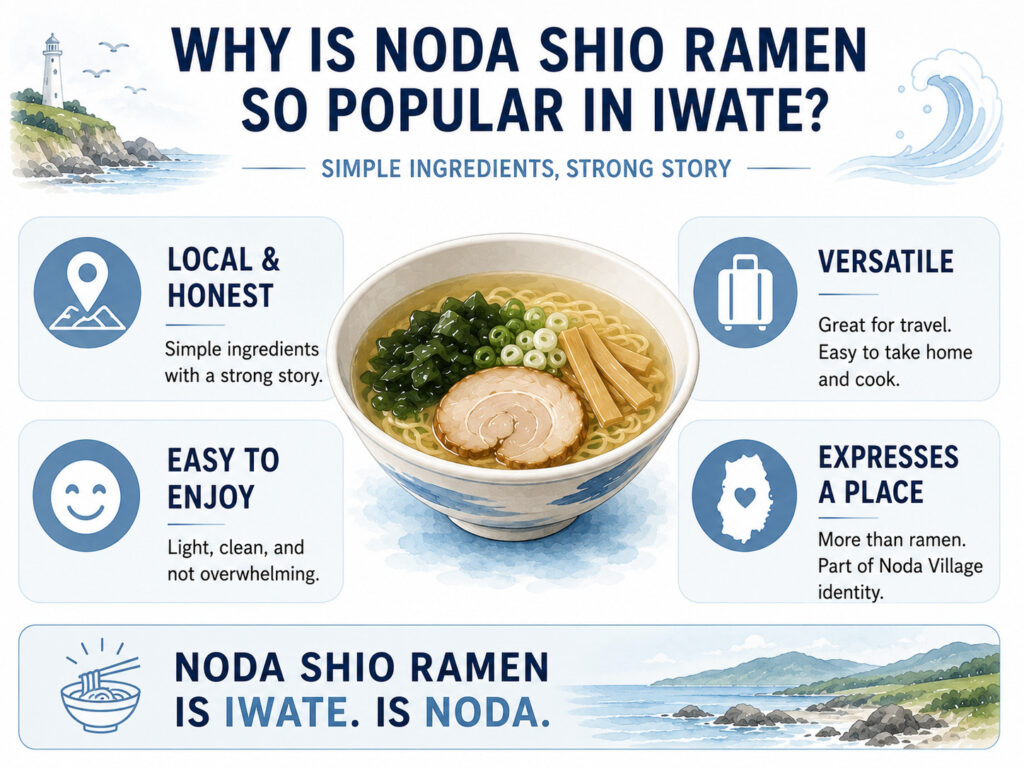
Noda shio ramen is popular because it feels local and honest. The ingredients are simple, but the story behind them is strong.
The flavor is easy to understand. It is not oily or overwhelming, so more people can enjoy it. At the same time, it still feels unique.
Another reason is its versatility. As a travel meal, it feels satisfying without being heavy. As a souvenir, it remains easy to carry and cook.
Most importantly, it expresses a place. This is not just ramen. It is part of Noda Village identity.
Final Thoughts
Noda shio ramen is a coastal ramen shaped by salt, sea, and history. It may look simple, yet the flavor tells a deeper story.
The broth stays clean. The noodles hold gently. The experience feels calm and complete.
If you visit Iwate, this dish is worth seeking out. It offers something rare in ramen culture. A quiet bowl, built on tradition, that stays memorable long after the trip.
Noda Shio Ramen FAQ
What is Noda shio ramen?
It is a regional noodle dish from Noda Village in Iwate Prefecture. Local artisans boil seawater to create the mineral-rich salt that flavors the clear, light broth. Chefs highlight this pure ingredient rather than relying on heavy animal fats to deliver deep umami. Diners appreciate the resulting soup because it provides a uniquely refreshing experience compared to most standard Japanese noodles.
What does Noda salt ramen taste like?
It tastes incredibly light, clean, and gently savory. The first sip delivers a delicate touch before revealing a robust, seafood-like umami depth. Traditional boiling methods keep the seasoning mellow and completely remove any harsh briny spikes. Unlike heavy tonkotsu or rich miso soups, this clear broth refreshes the palate instantly. Diners frequently drink every last drop of the soup without feeling overly full.
Why is Noda shio ramen popular?
Diners love it because chefs use a historic, locally harvested seasoning with ancient origins. The light broth perfectly satisfies customers seeking a healthy alternative to greasy, rich bowls. Visitors actively seek out this coastal specialty to complete their culinary travel experience in northern Japan. Furthermore, the dish strongly symbolizes the region’s resilient recovery after the 2011 tsunami. These cultural and historical elements greatly enhance the overall dining experience.
Where can you eat Noda shio ramen?
You will find the most authentic bowls at Restaurant Paapuru inside the local Roadside Station. Several other independent eateries and tourist facilities across the village also serve their own delicious variations. Restaurant operators occasionally adjust their menus depending on the tourist season and local ingredient harvests. Travelers should always check official tourism websites or call the shops directly before planning their visit.
Is Noda shio ramen heavy?
No, diners categorize this dish as incredibly light compared to most modern styles. Cooks keep the oil content low and avoid overpowering animal fats or aggressive spices entirely. Nevertheless, the pure mineral seasoning delivers plenty of savory depth to satisfy your hunger completely. Thanks to this elegant balance, you can comfortably eat a large bowl even for a quick lunch or late-night snack.
How much does Noda shio ramen cost?
A standard bowl typically costs between 700 and 900 yen. Prices vary slightly depending on the specific diner and the extra toppings you select. Budget-conscious travelers appreciate this affordable price point immensely. You can easily enjoy a high-quality regional specialty without spending too much money.
Is Noda shio ramen vegetarian or vegan friendly?
Traditional recipes typically contain chicken or fish extracts in the soup base. Vegans and vegetarians cannot safely eat the standard restaurant versions because of these animal products. However, home cooks can easily create a plant-based alternative using vegetable broth and the famous local seasoning. You just need to purchase the authentic packaged salt directly from the village.
What are the main ingredients in Noda shio ramen?
The main ingredients include thin wheat noodles, clear broth, roasted pork, bamboo shoots, and green onions. The artisanal seawater seasoning acts as the absolute star of the recipe. Local chefs keep the toppings intentionally simple to let the delicate soup shine. This minimalist approach guarantees a perfect harmony of flavors in every single bite.
Can I make Noda shio ramen at home?
Yes, you can assemble this delicious meal directly in your own kitchen. Gift shops and online stores sell convenient souvenir boxes containing both the noodles and the liquid soup base. Home cooks simply boil the noodles, mix hot water into the broth packet, and arrange their favorite fresh toppings. You can recreate the authentic coastal experience perfectly in just a few minutes.
Is Noda shio ramen popular outside Japan?
It remains relatively unknown outside the country. You will rarely find this specific regional bowl at Japanese restaurants in North America or Europe. The limited production of the artisanal seasoning keeps this dish highly exclusive. Global food enthusiasts must travel directly to Iwate Prefecture to experience this hidden coastal treasure.
References
- Noda Village Official Website, “Restaurant Paapuru”, checked in 2026, Restaurant Paapuru recommends Noda salt ramen using local specialty Noda salt.
- Noda Village Cocofuru, “Roadside Station Noda Noda Salt Ramen”, checked in 2026, souvenir ramen uses Noda salt made by traditional direct boiling in both noodles and soup.
- Net Paapuru, “Noda Salt Ramen”, checked in 2026, product includes two servings, 120g noodles each, and uses Noda salt in noodles and soup.
- Noda Village Tourism Association, “Wood-Fired Direct-Boiled Noda Salt”, checked in 2026, Noda salt history appears from 1588, production uses naturally filtered seawater and direct boiling.
- Iwate Sanriku Tourist Guide, “Papuru Noda Village”, checked in 2026, Restaurant Paapuru serves Noda shio ramen using local natural sea salt.
- Japanese Ramen, checked in 2026, related internal article for Japanese ramen styles and regional ramen culture.




Comments