




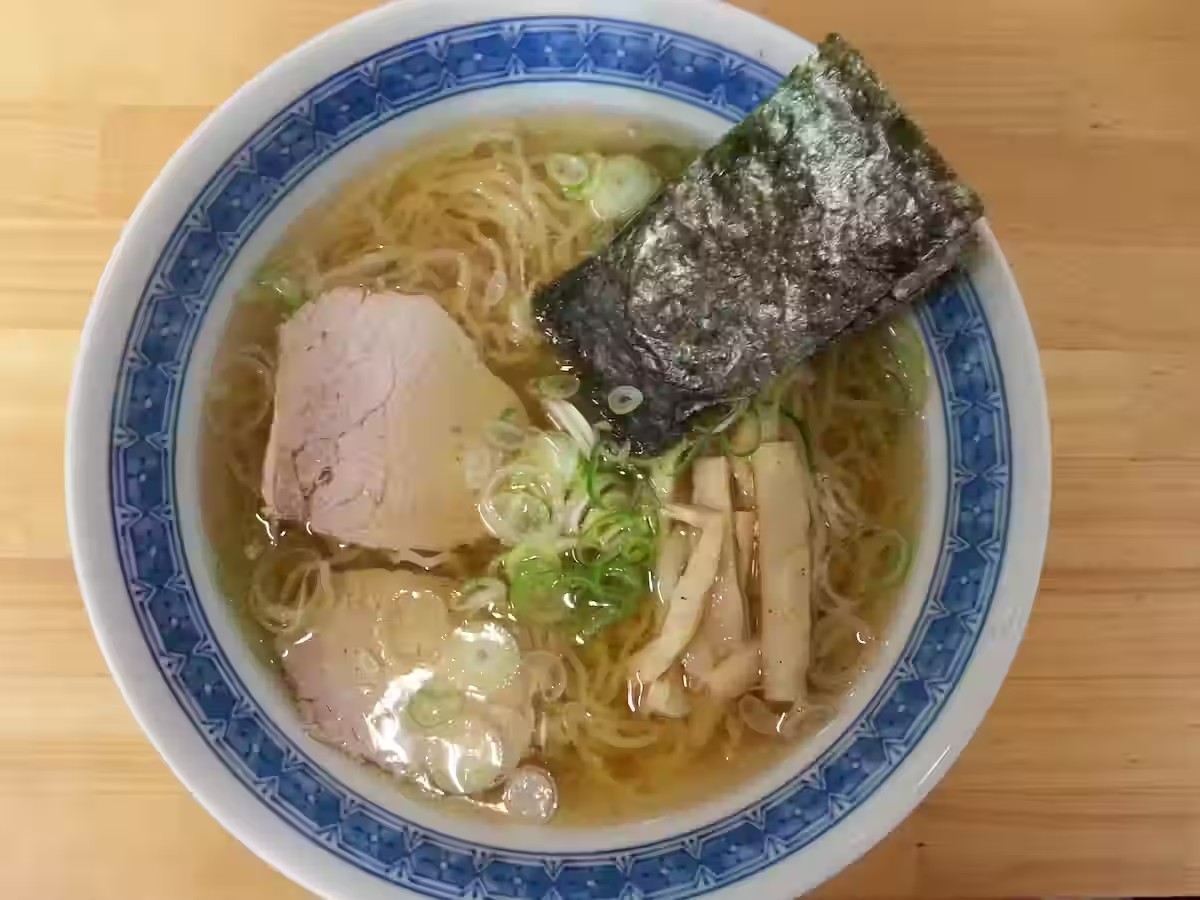
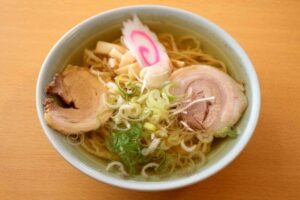
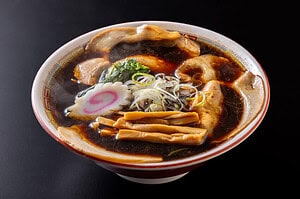
Kamaishi ramen is a traditional Japanese ramen from Kamaishi City in Iwate Prefecture. Ultra-thin curly noodles, a clear soy sauce broth, and a gentle, nostalgic flavor define this local ramen. The style feels simple at first glance, yet the taste slowly reveals depth.
This is not the kind of ramen that tries to overwhelm you. Instead, it offers a light, balanced experience that reflects everyday life in a coastal industrial town. So, what is Kamaishi ramen in Japan? It is a historic local noodle dish shaped by workers, fishermen, and the need for fast, satisfying meals.
What Is Kamaishi Ramen?
Kamaishi ramen is a regional ramen built around thin curly noodles and a clear shoyu broth. The soup usually combines seafood and chicken stock, creating a clean and lightly savory taste. Compared to heavy styles like tonkotsu, this bowl feels much easier to finish.
The defining point is the noodle structure. Ultra-thin noodles cook quickly and absorb flavor well. This trait connects directly to the city’s past. Workers in steel plants and fishermen needed food that arrived fast, so ramen shops adapted accordingly.
Because of that, this dish is both practical and cultural. It is a classic example of how local life shapes Japanese ramen.
What Does Kamaishi Ramen Taste Like?
Kamaishi ramen tastes clean, light, and gently savory. The first impression is a soft soy sauce aroma, followed by subtle seafood and chicken umami. The broth stays smooth, without oiliness or heaviness after eating.
Unlike richer ramen styles, the bowl never feels overwhelming. Many people describe it as nostalgic, similar to early postwar Japanese ramen culture. The ultra-thin curly noodles add a quick, springy bite that enhances the lightness of the soup.
At times, I wonder if the simplicity hides complexity. However, after a few sips, the balance becomes clear. It is not flashy, but it stays memorable.
How Is Kamaishi Ramen Different From Other Ramen?
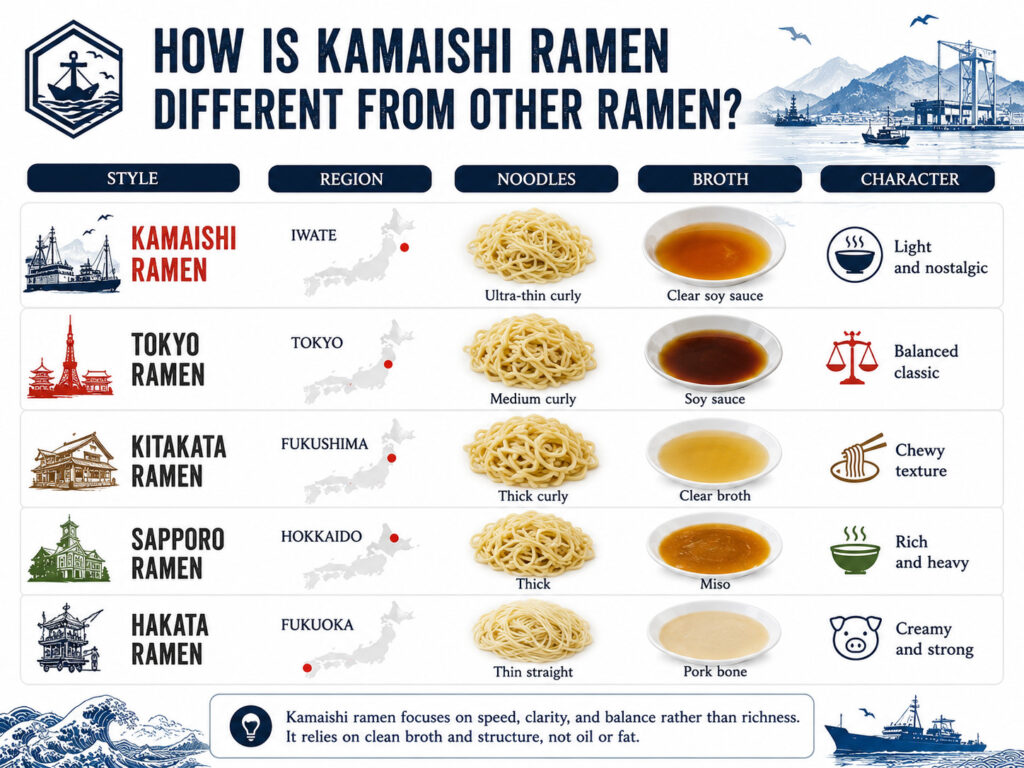
| Style | Region | Noodles | Broth | Character |
|---|---|---|---|---|
| Kamaishi ramen | Iwate | Ultra-thin curly | Clear soy sauce | Light and nostalgic |
| Tokyo ramen | Tokyo | Medium curly | Soy sauce | Balanced classic |
| Kitakata ramen | Fukushima | Thick curly | Clear broth | Chewy texture |
| Sapporo ramen | Hokkaido | Thick | Miso | Rich and heavy |
| Hakata ramen | Fukuoka | Thin straight | Pork bone | Creamy and strong |
This comparison helps explain the difference quickly. Kamaishi ramen focuses on speed, clarity, and balance rather than richness. While many ramen styles pursue depth through oil or fat, this one relies on clean broth and structure.
For more ramen styles, see the Japanese ramen guide.
What Is the History Behind Kamaishi Ramen?
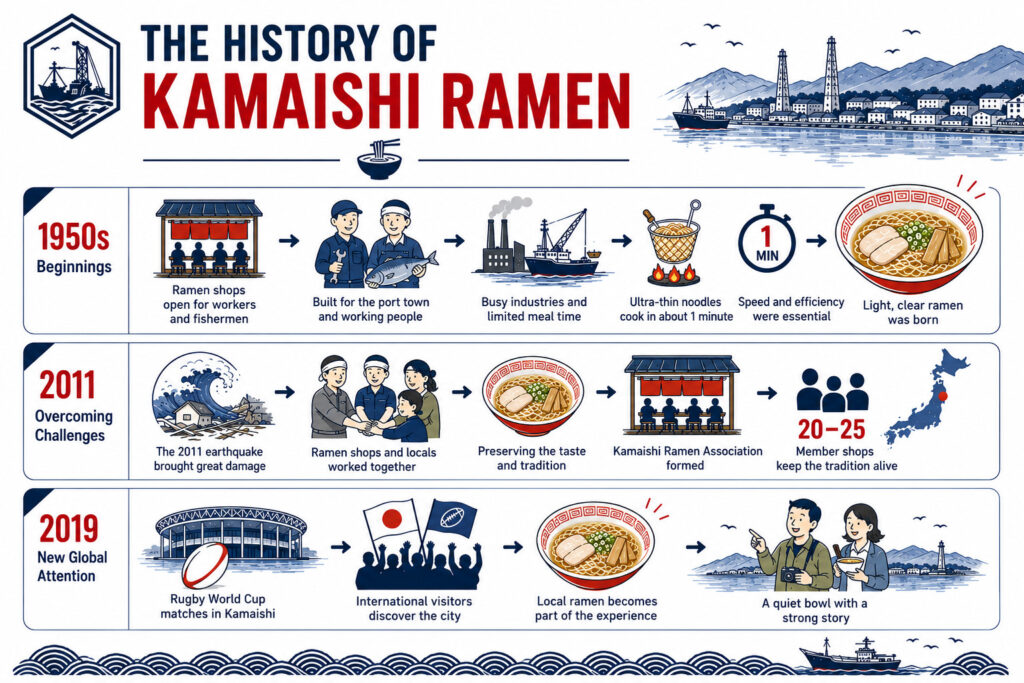
The history of this ramen dates back to around the mid-1950s. Local shops began serving noodles to workers and fishermen who needed something fast and warm.
Steel production, fishing, and port activity shaped daily life in Kamaishi. Workers often had limited time for meals. Shops responded by using ultra-thin noodles that cooked in about a minute.
That detail matters more than expected. Faster boiling time reduced waiting time and increased turnover. In a busy port town, efficiency was part of survival. The noodle choice was not just culinary. It was a business decision.
The city later faced major challenges, including the 2011 Great East Japan Earthquake. Ramen shops and local groups worked together to preserve the style. Today, the Kamaishi Ramen Association includes around 20 to 25 member shops, keeping the tradition alive.
More recently, international visitors noticed the city during the 2019 Rugby World Cup. Matches at Kamaishi Recovery Memorial Stadium brought new attention. Local ramen quietly became part of that experience.
Why Are the Noodles So Thin?
Ultra-thin noodles are one of the most important features of this style. They boil quickly, often in about one minute. That speed allowed shops to serve customers efficiently during busy shifts.
At the same time, the texture feels light and easy. Thick noodles can feel heavy with each bite. These thin curly noodles instead feel quick and smooth, fitting the overall character.
So, the shape and thickness are not random. They connect directly to local work rhythms and customer needs.
How Should You Eat Kamaishi Ramen?
Timing matters more than expected. Because the noodles are so fine, they soften quickly. Eating the ramen while it is hot keeps the best texture.
Start with the broth. Notice the clear soy sauce base and gentle umami. Then move quickly to the noodles before they lose firmness.
A simple approach works best:
- Taste the broth before adding anything
- Eat the noodles early while still firm
- Keep toppings simple
- Avoid strong seasoning at first
- Compare different shops if possible
This is a light ramen, so finishing the bowl should feel easy.
Where Can You Eat Kamaishi Ramen in Kamaishi City?
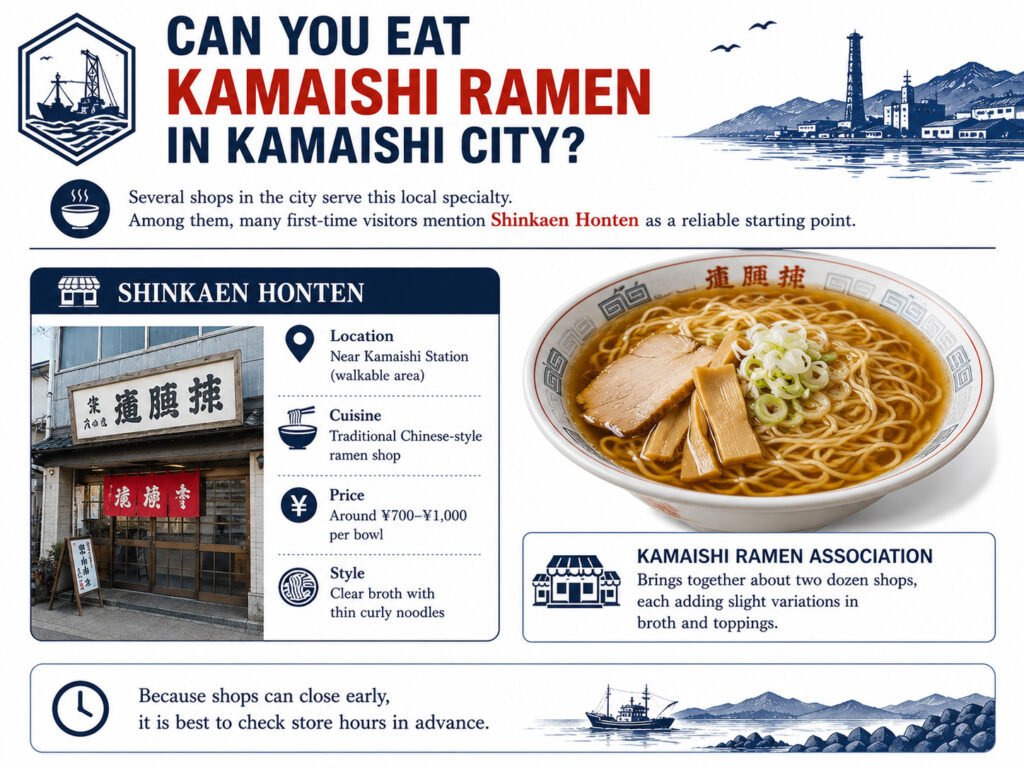
Several shops in the city serve this local specialty. Among them, many first-time visitors mention Shinkaen Honten as a reliable starting point.
Shinkaen Honten is located near Kamaishi Station and offers a classic version of the dish.
- Location: Near Kamaishi Station (walkable area)
- Cuisine: Traditional Chinese-style ramen shop
- Price: Around ¥700–¥1,000 per bowl
- Style: Clear broth with thin curly noodles
In addition, the Kamaishi Ramen Association brings together about two dozen shops, each adding slight variations in broth and toppings.
Because shops can close early, it is best to check store hours in advance.
How to Get to Kamaishi
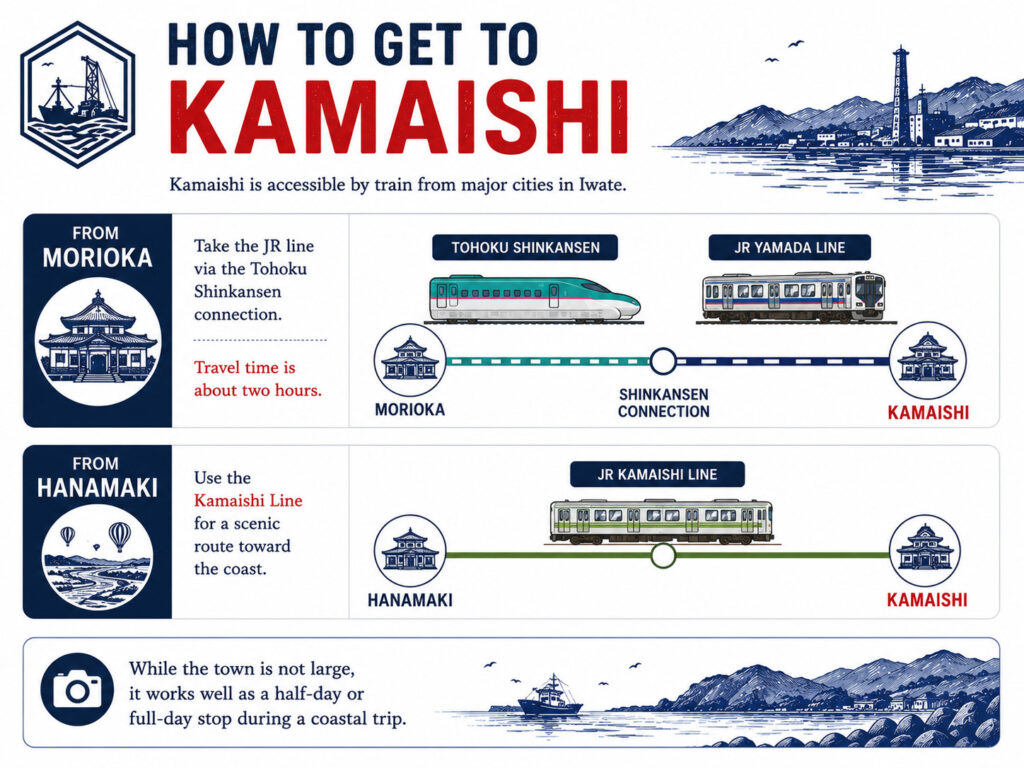
Kamaishi is accessible by train from major cities in Iwate.
From Morioka: take the JR line via the Tohoku Shinkansen connection.
Travel time is about two hours.
From Hanamaki: use the Kamaishi Line for a scenic route toward the coast.
While the town is not large, it works well as a half-day or full-day stop during a coastal trip.
Why Is Kamaishi Ramen Famous?
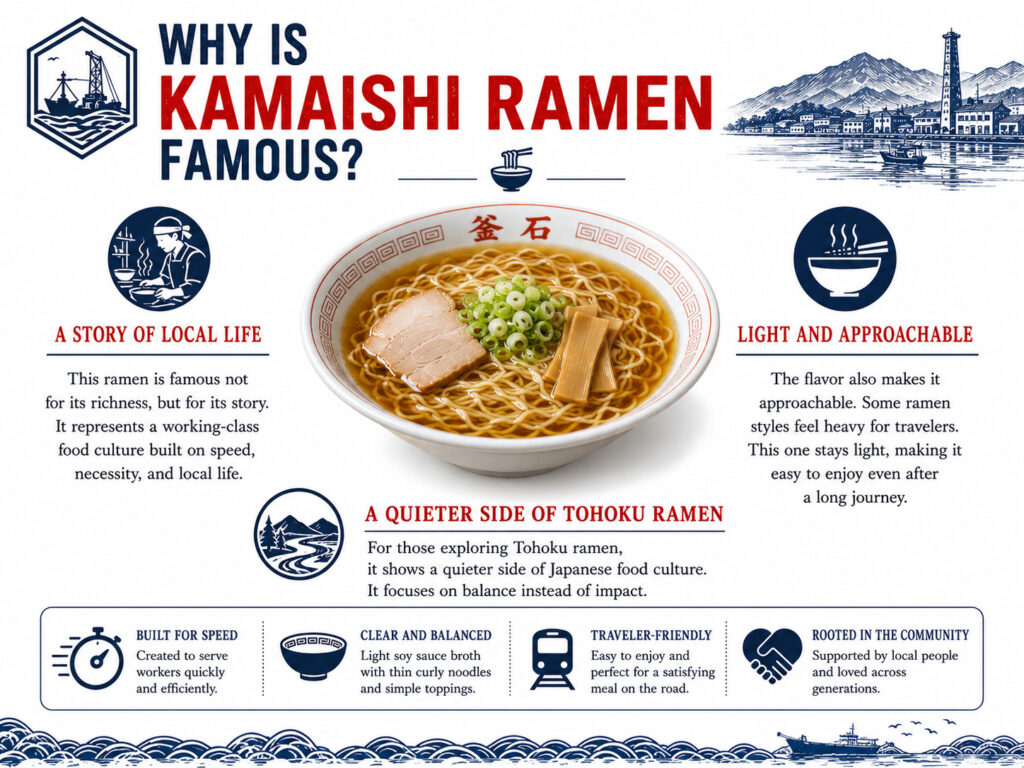
This ramen is famous not for its richness, but for its story. It represents a working-class food culture built on speed, necessity, and local life.
The flavor also makes it approachable. Some ramen styles feel heavy for travelers. This one stays light, making it easy to enjoy even after a long journey.
For those exploring Tohoku ramen, it shows a quieter side of Japanese food culture. It focuses on balance instead of impact.
Final Thoughts
Kamaishi ramen is a classic ramen from Iwate that focuses on clarity rather than richness. The combination of thin noodles and clear broth creates a light and satisfying meal.
It may not feel dramatic at first. Still, the balance and history behind it add quiet depth. For travelers exploring regional ramen, this dish offers a gentle, authentic introduction to Tohoku’s food culture.
Kamaishi Ramen FAQ
What is Kamaishi ramen?
It represents a beloved local noodle dish from Iwate Prefecture. Chefs prepare this regional specialty using ultra-thin curly noodles and a crystal-clear soy sauce broth. The overall flavor delivers a light, perfectly balanced, and highly nostalgic taste. This comforting meal beautifully reflects the historic steel-working culture and coastal heritage of the local port city.
What does Kamaishi ramen taste like?
This dish delivers an incredibly clean, gentle, and savory taste. The light broth offers a soft soy sauce aroma, followed by subtle, comforting notes of seafood and chicken. Unlike modern variations, it never feels greasy, oily, or heavy on the stomach. Many diners recognize a nostalgic tone reminiscent of early 20th-century Japanese noodle soups. The incredibly thin noodles keep the entire bowl light and exceptionally easy to finish.
Why are the noodles in Kamaishi ramen so thin?
The noodles boast an ultra-thin shape because they cook incredibly fast. Local shops historically needed to serve hungry steelworkers quickly during their short, busy breaks. This rapid cooking time drastically improved kitchen efficiency and customer turnover at crowded food stalls. Over time, this practical design choice became the most defining characteristic of the entire dish.
Where can travelers eat Kamaishi ramen?
You will find this delicious dish widely available throughout the city. Cozy local diners, small noodle shops, and restaurants near the main train station serve it daily. A historic shop named Shinkaen Honten offers a perfect starting point for your culinary journey. Since business hours sometimes change, we highly recommend checking the restaurant schedules before you visit.
Is Kamaishi ramen a shoyu ramen?
Yes, this regional specialty belongs strictly to the soy sauce (shoyu) category. The clear broth utilizes a light, savory soy sauce seasoning to create its refreshing base. The unique combination of ultra-thin curly noodles and a low-fat soup structure sets it apart from other varieties. This delicate balance ensures a highly distinct character despite sharing a common ingredient base with standard soy sauce soups.
Is Kamaishi ramen good for first-time visitors?
Yes, new diners find this gentle noodle dish incredibly approachable and easy to love. The clear soup completely avoids heavy fats, making the savory flavor exceptionally clean and simple to understand. We highly recommend starting with a standard bowl to appreciate the pure, unadorned taste of the local broth. This comforting, light-bodied meal serves as a perfect introduction to traditional Japanese noodle culture.
Where does Kamaishi ramen come from?
This unique noodle style originates from Kamaishi City on the rugged Sanriku Coast of Iwate Prefecture. Local food stalls first developed the dish in the early post-war era to feed busy workers in the thriving local steel industry. The surrounding sea and mountains heavily influenced the simple, comforting recipe over the decades. Today, the entire community celebrates it as a proud symbol of their regional culinary identity.
How much does Kamaishi ramen cost?
A standard bowl typically costs between 600 and 800 yen. Prices vary slightly depending on the specific diner and the extra toppings you select, like roasted pork slices (chashu). This incredibly affordable price point reflects the dish’s humble origin as a quick, daily worker’s meal. You can easily enjoy a filling, high-quality regional lunch without spending too much money.
Is Kamaishi ramen vegetarian or vegan friendly?
Traditional recipes typically contain pork bone, chicken, and seafood extracts in the clear dashi soup base. Vegans and vegetarians cannot safely eat the standard restaurant versions due to these animal products. However, home cooks can easily prepare a plant-based alternative using vegetable broth and the signature curly noodles. You should always check the ingredient labels of instant souvenir packs before purchasing.
Can I make Kamaishi ramen at home?
Yes, you can easily cook this delicious meal in your own kitchen. Many souvenir shops in Iwate Prefecture sell convenient home-cooking kits containing fresh curly noodles and liquid soup packets. Home cooks simply boil the ultra-thin noodles for less than a minute, mix the broth with hot water, and add simple garnishes like green onions. This quick preparation allows you to recreate the authentic coastal experience effortlessly in just a few minutes.
References
- Kamaishi City Portal Site, “Kamaishi Ramen”, checked in 2026, Kamaishi ramen uses fine curly noodles, light amber soy sauce soup, and has 24 association member stores.
- Kamaishi Tourism and Products Association, “Kamaishi Ramen”, checked in 2026, Kamaishi ramen features ultra-fine curly noodles and amber clear soy sauce soup.
- Eats.jp, “Kamaishi Ramen”, checked in 2026, Kamaishi ramen is described as ultra-thin curly noodles with clear amber soy sauce-based broth.
- TABERUKOTO, “Kamaishi ramen”, checked in 2026, Kamaishi ramen developed as quick-to-serve ramen for fishermen in the mid-1950s.
- Japanese Ramen, checked in 2026, related internal article for Japanese ramen styles and regional ramen culture.
- Iwate Food Guide, checked in 2026, related internal category for Iwate local dishes and Tohoku regional food.
- Morioka Reimen, checked in 2026, related internal article for another famous Iwate noodle dish.
- Wanko Soba, checked in 2026, related internal article for Iwate’s traditional noodle culture.




Comments