

How Japanese Sake Is Made– Explore traditional brewing methods, ingredients, fermentation, and sake craftsmanship. –
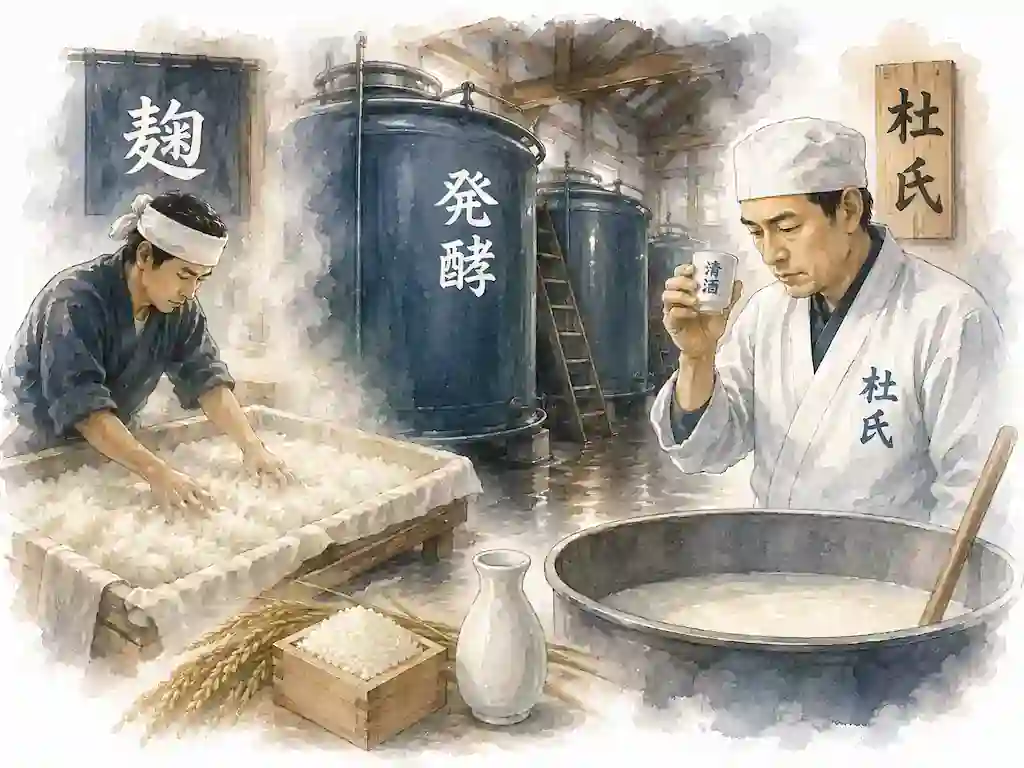
Japanese sake brewing combines rice polishing, koji mold, fermentation, and centuries of craftsmanship. Learn about the techniques and terminology behind sake production.
-
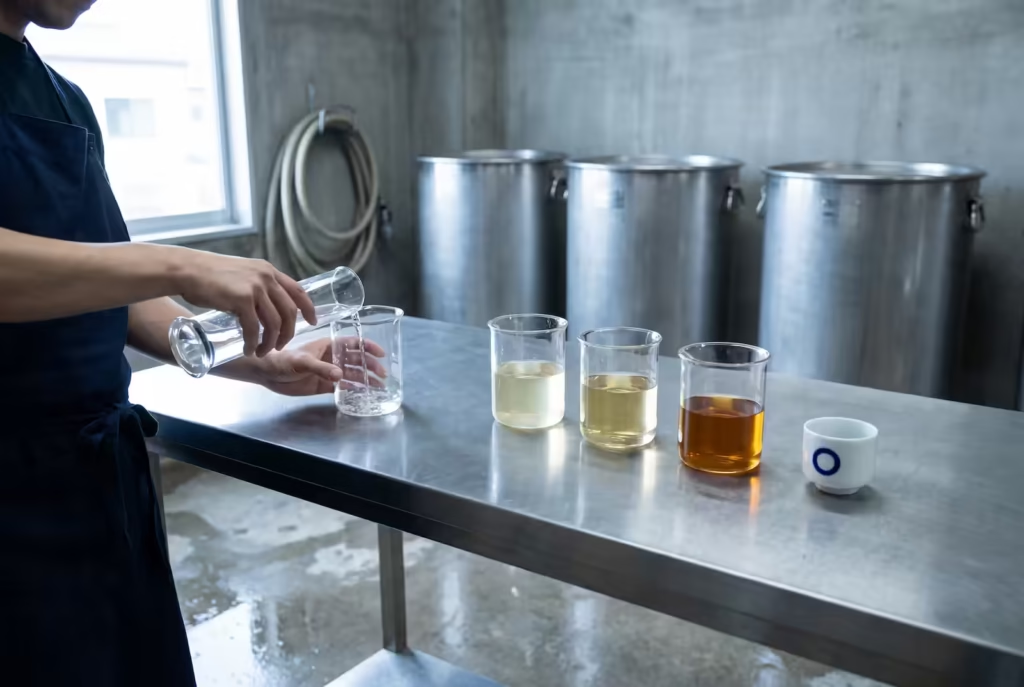

Chogo (調合): Blending and Adjusting Sake for Consistent Quality
Two tanks of sake sit side by side in a storage building. Same rice, same yeast, same recipe, same brewing season. Yet one tastes rounder, while the other carries sharper acidity. So what happens next? Somebody tastes both, then decides ... -
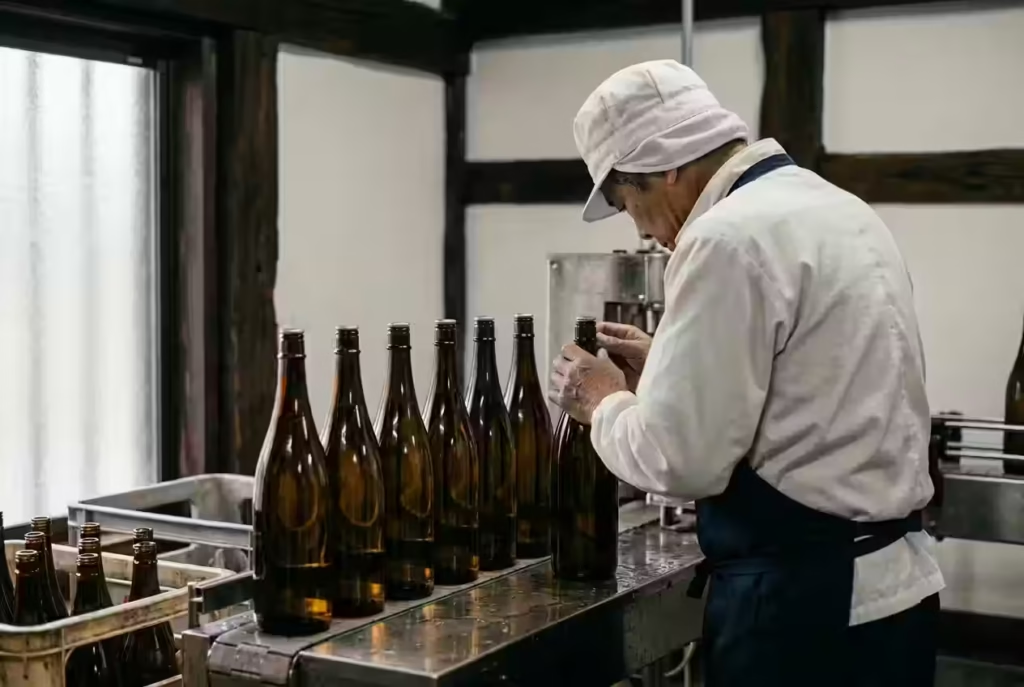
Bottling (瓶詰め): How Sake Becomes a Product
Bottling, or binzume (瓶詰め) in Japanese, is the stage where finished sake enters its retail container. Brewers fill, seal and then check the liquid they have spent months preparing, usually after clarification, dilution and heat treatm... -
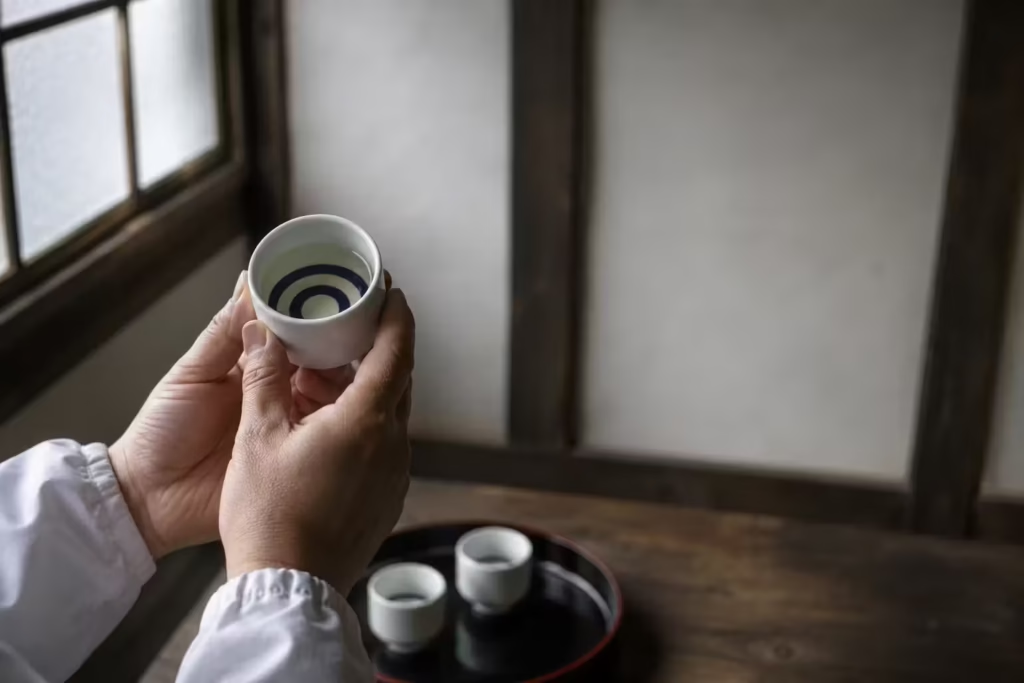

Hi-ochi (火落ち): Bacterial Spoilage in Sake
Hi-ochi (火落ち) is the bacterial spoilage of sake. It strikes after brewing finishes, and a small group of ethanol-tolerant lactic acid bacteria causes it. Sake is a hostile place for microbes, so the fact that anything spoils it at all... -

Karashi: Rice, Koji and Moto Conditioning
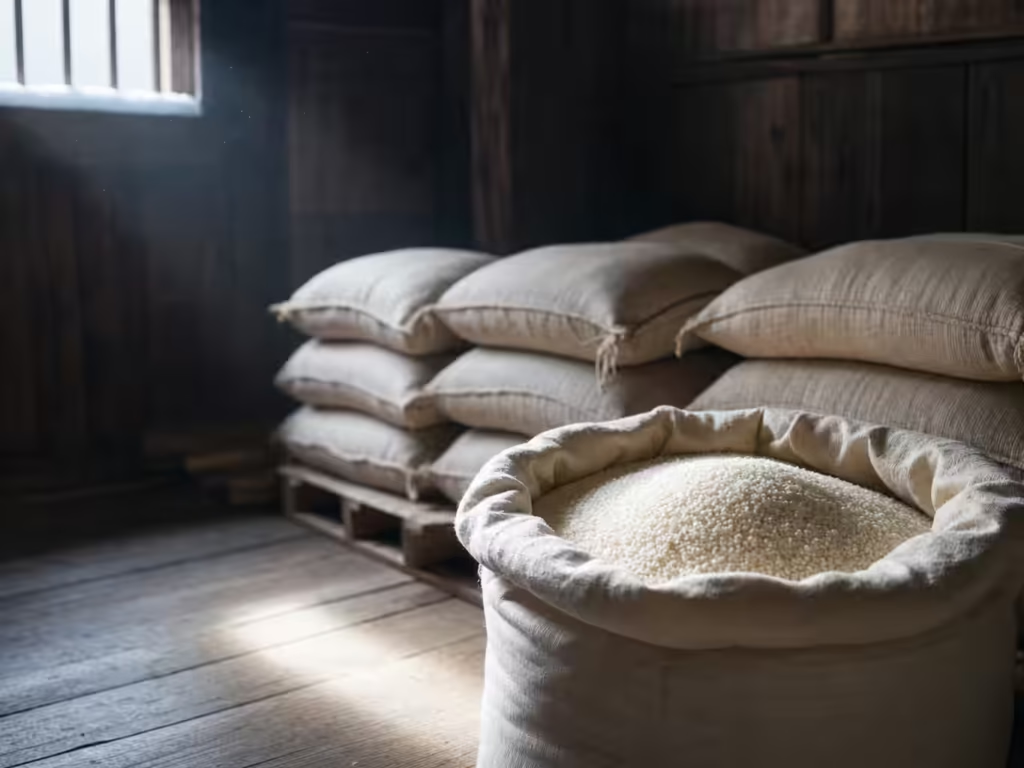
Karashi (枯らし) is a conditioning period in sake brewing, and it happens three separate times. Rice rests after polishing, koji rests after leaving the koji room, and the finished starter rests before it enters the main mash. Japanese b... -
Koji Buai (麹歩合): How Much Rice Becomes Koji
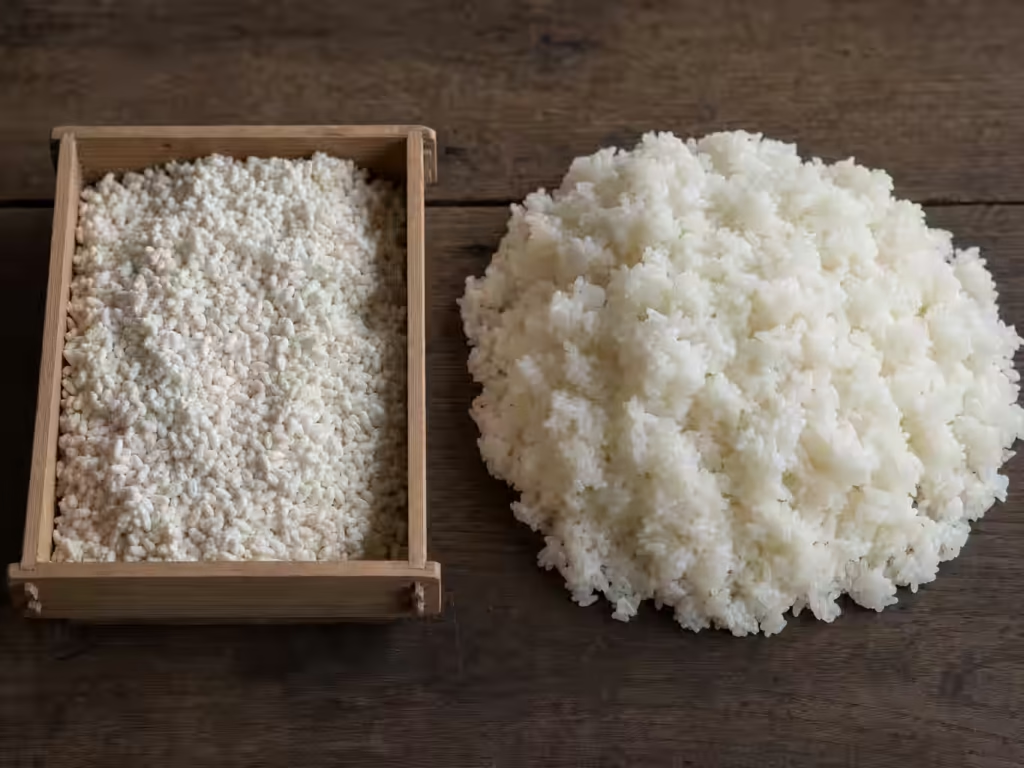
Ask a brewer what makes sake possible and the answer rarely starts with rice. It starts with koji. Yet koji is not added freely, and the amount is measured to the kilogram. That measurement has a name: koji buai. Koji buai (麹歩合) is th... -

Jukusei (熟成): How Aging Transforms Sake
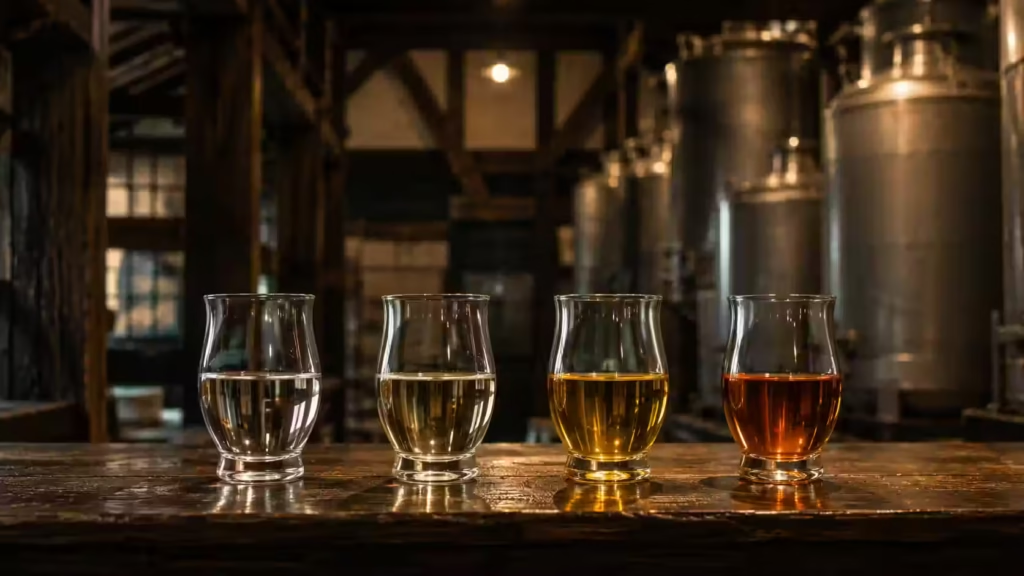
Jukusei (熟成) is the maturation of sake after brewing has finished. During this stage, time, temperature, and storage conditions gradually reshape its aroma, flavor, color, and texture. Most sake goes through some maturation before rele... -
Shikomi Haigo (仕込配合): The Brewing Recipe That Defines Sake
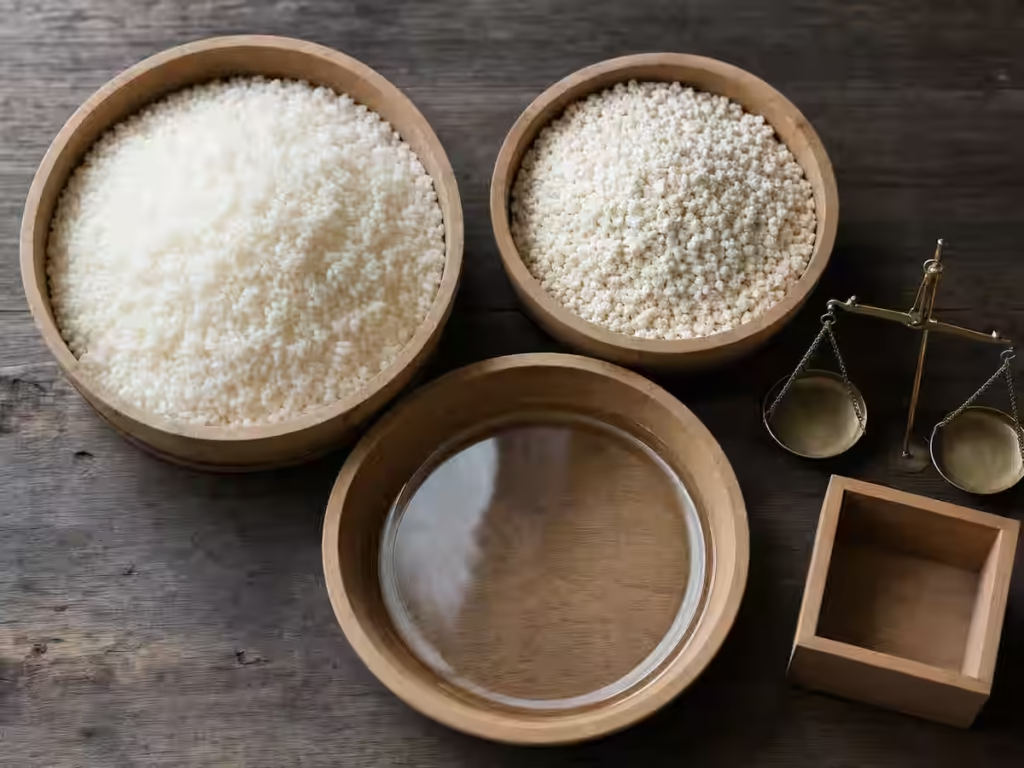
Two breweries can start with the same rice variety, the same well, and the same yeast. Yet the sake in the glass tastes nothing alike. The reason usually hides in a document that drinkers never see. Brewers call it the shikomi haigo. So ... -
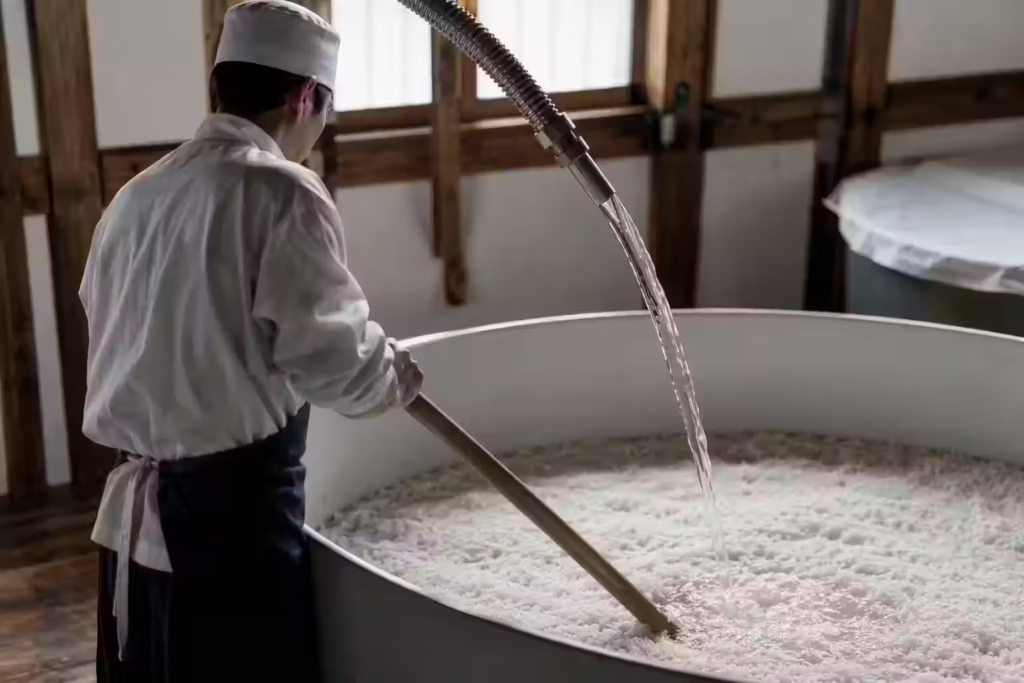
Kumimizu Buai (汲水歩合): The Water-to-Rice Ratio That Shapes Sake
Kumimizu buai (汲水歩合) is sake's water-to-rice ratio. Brewers calculate it by dividing the brewing water in liters by the total rice in kilograms, then multiplying by 100. Most breweries work somewhere between 125 and 135 percent. That... -
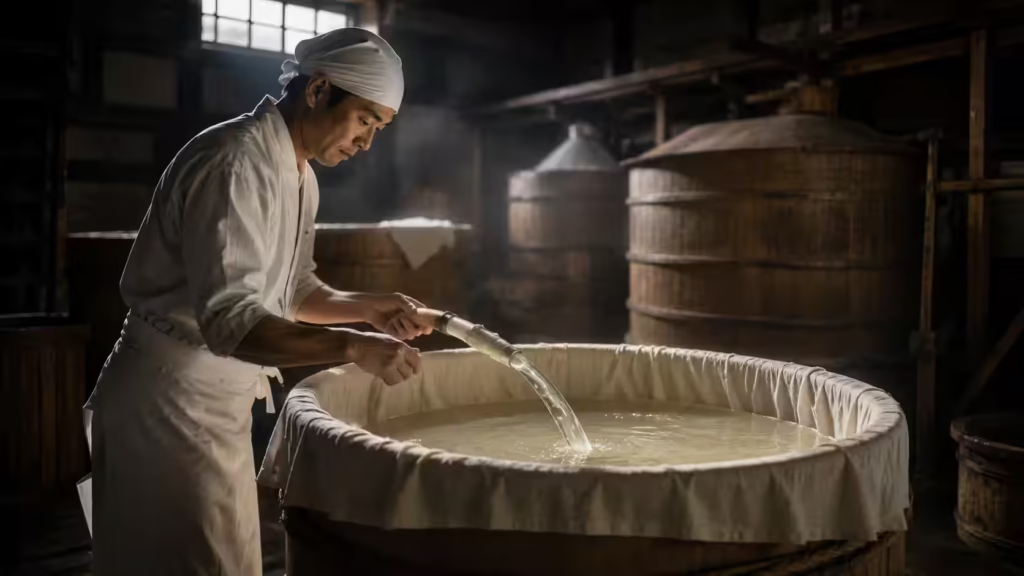
Oribiki (滓引き): How Sake Racking Removes Sediment After Pressing
Oribiki (滓引き) is the sake racking step that separates clear sake from settled sediment after pressing. Brewers rest the freshly pressed sake until solids sink, then draw the clear liquid gently into another tank. It happens after pres... -
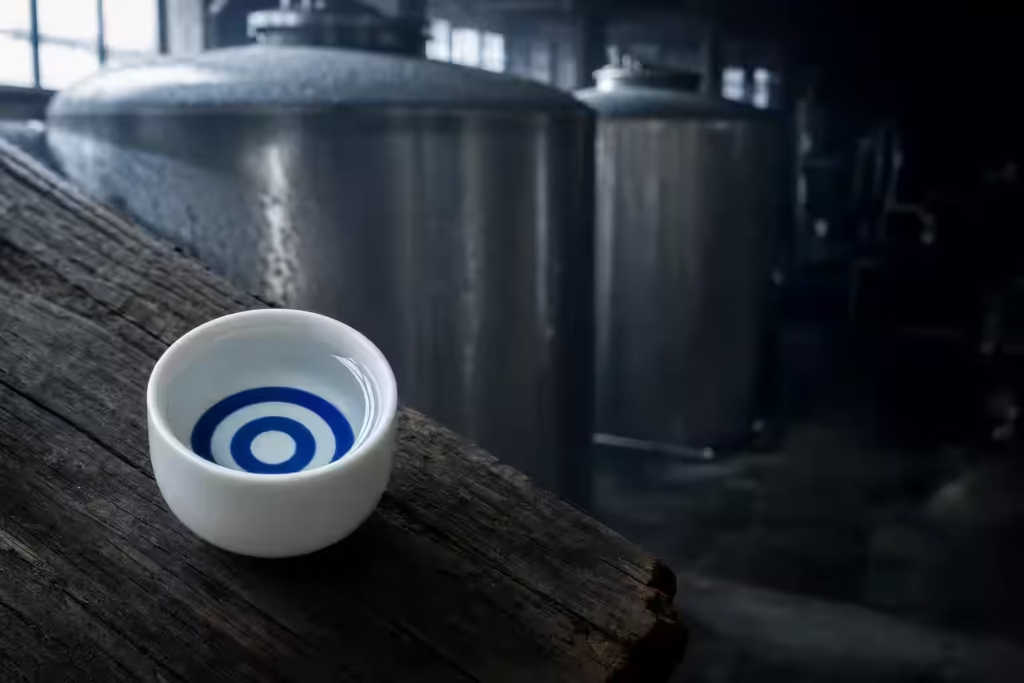
Orisage (滓下げ): Clarifying Sake Before Bottling
Pour a glass of good sake and hold it up to the light. That transparency looks effortless, yet it takes weeks of quiet work. So what is Orisage? Orisage (滓下げ) is the clarification step brewers carry out before bottling. It settles the...
-1024x576.avif)