

Japanese Sweets– Wagashi, Mochi and Traditional Japanese Desserts –
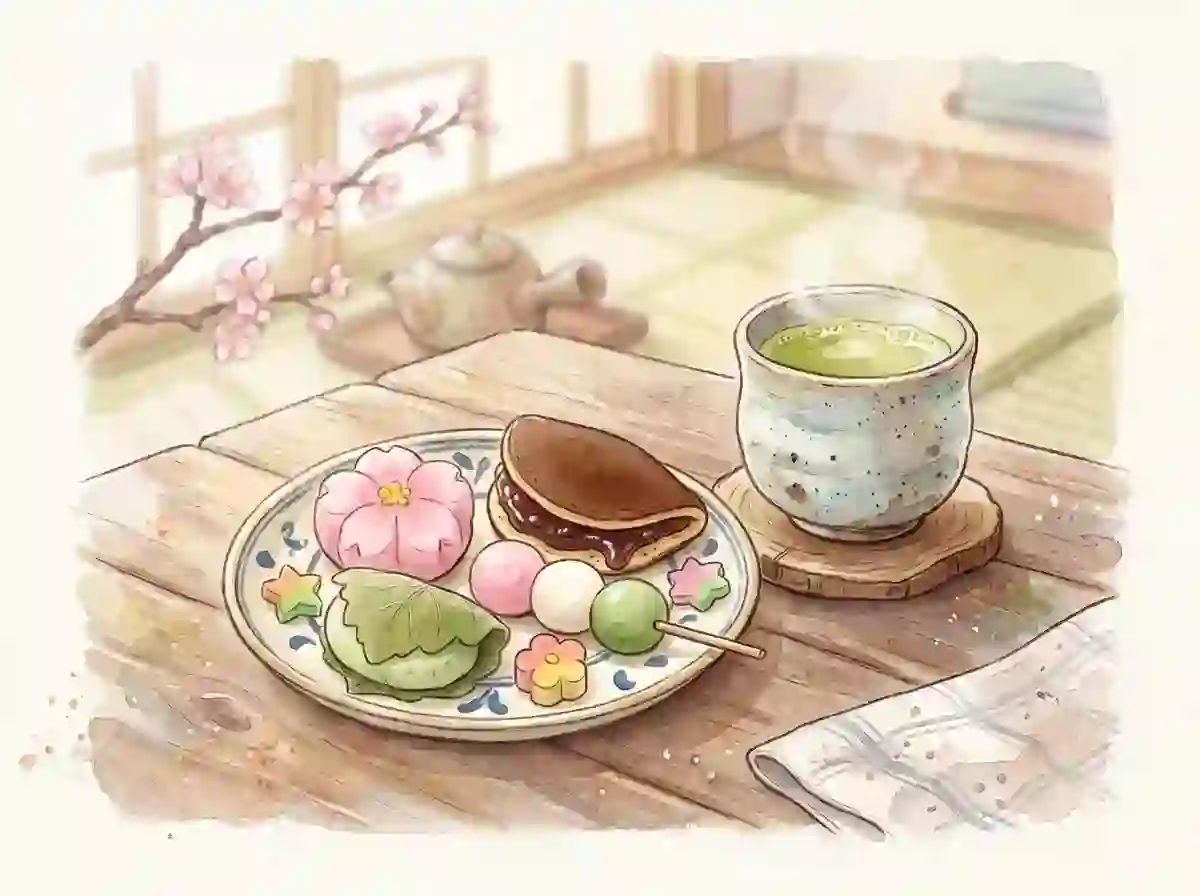
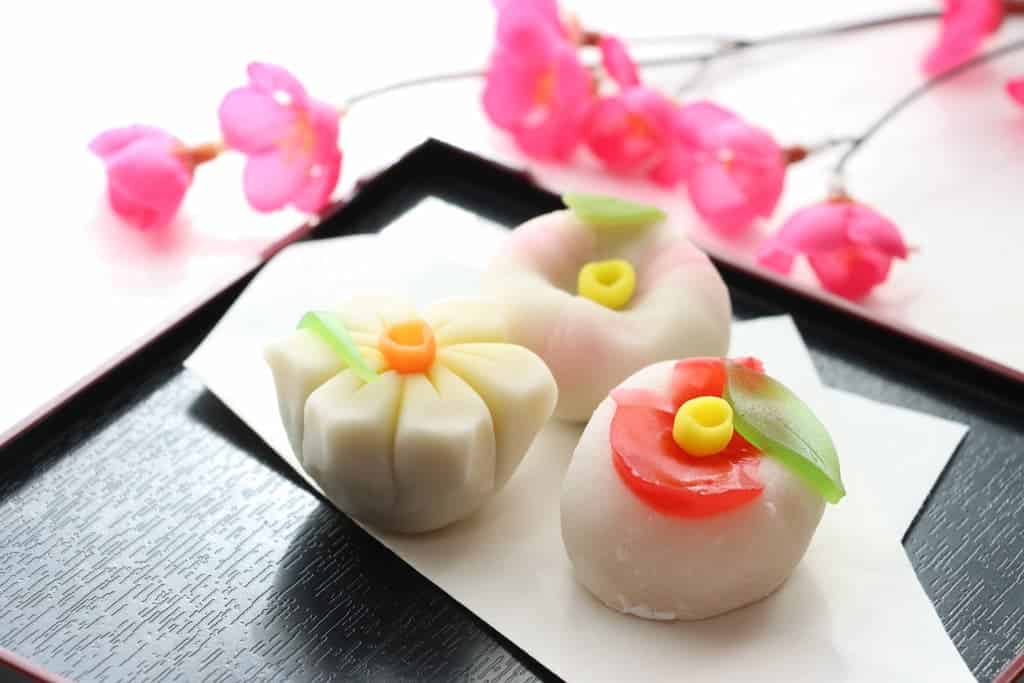
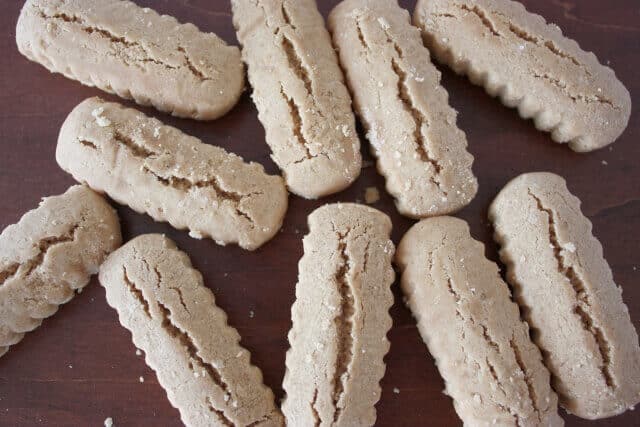
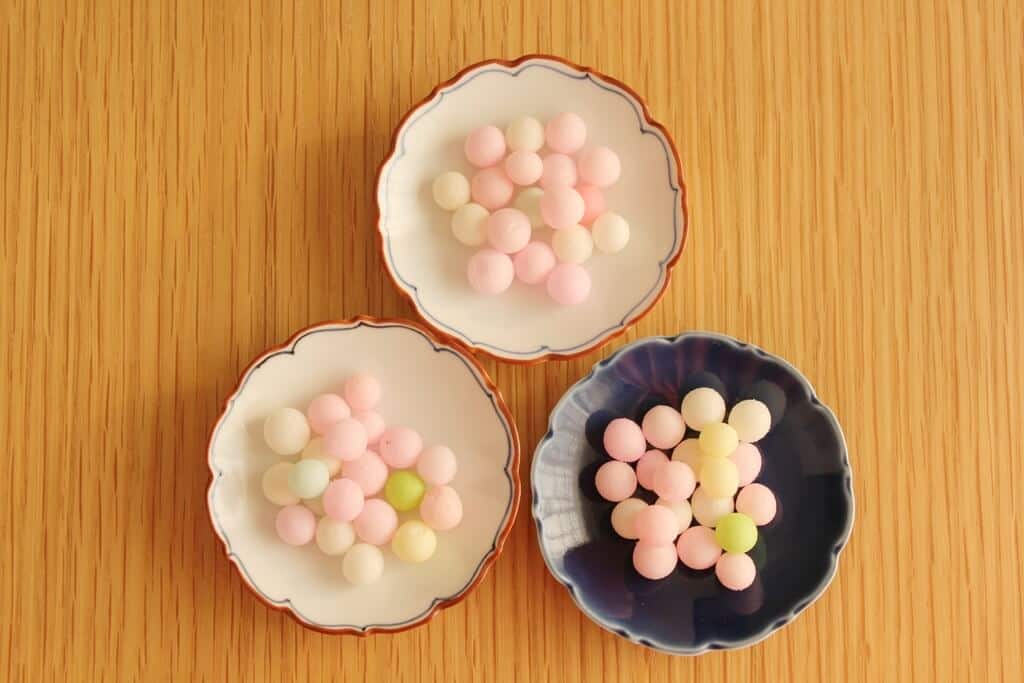
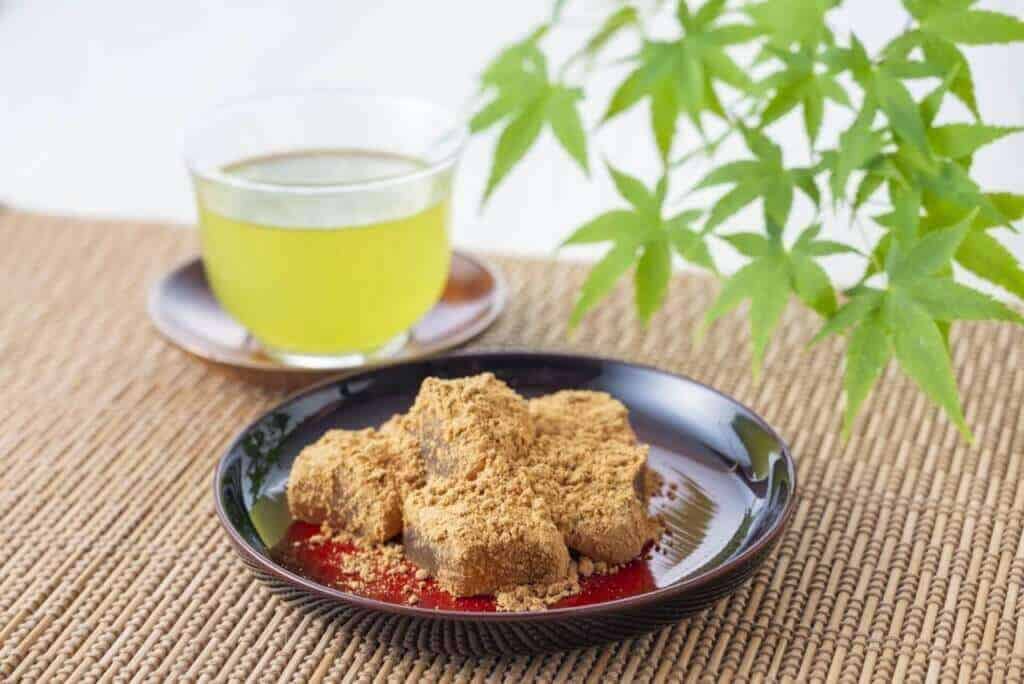
Japanese sweets, known as “wagashi,” are traditional desserts that reflect Japan’s seasonal beauty and culinary craftsmanship. These sweets are often made with simple ingredients such as rice flour, mochi, red bean paste, and sugar.
Many wagashi are carefully designed to represent the four seasons. For example, sakura mochi is associated with spring, while seasonal sweets with maple or chestnut flavors appear in autumn. These desserts are often enjoyed with green tea and are an important part of Japanese tea culture.
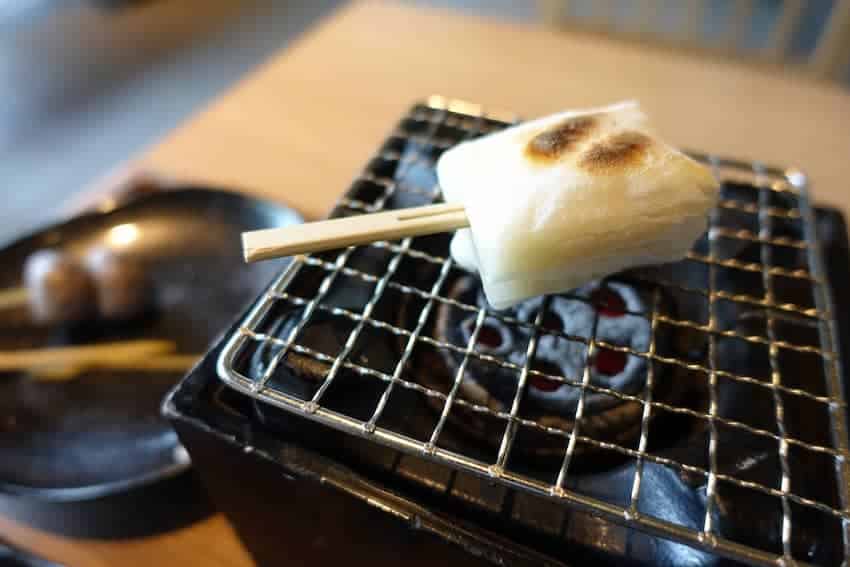
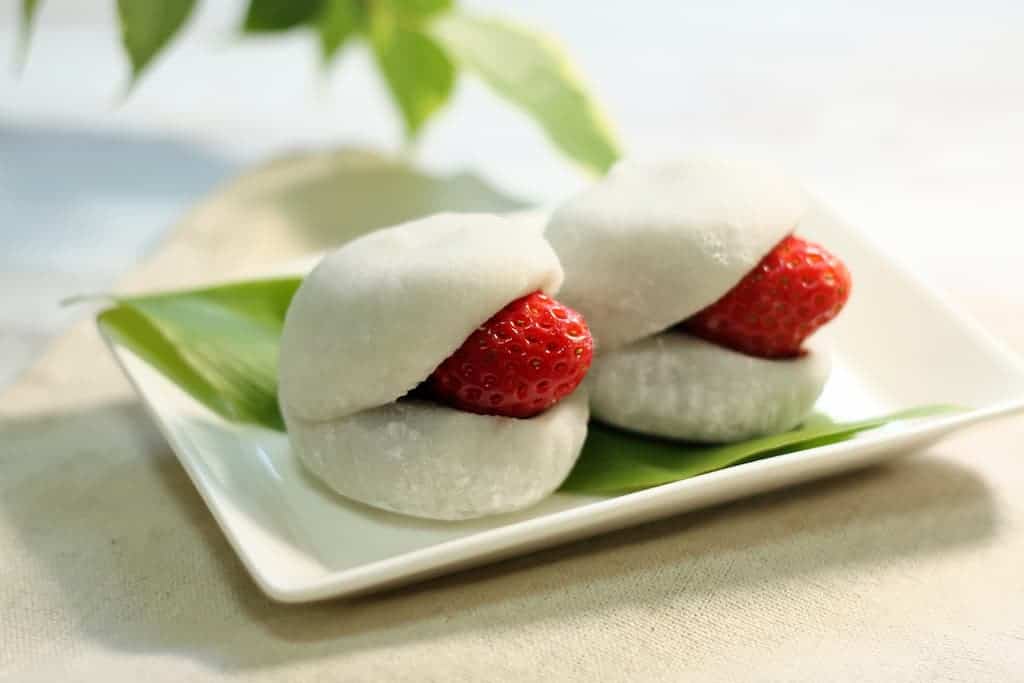
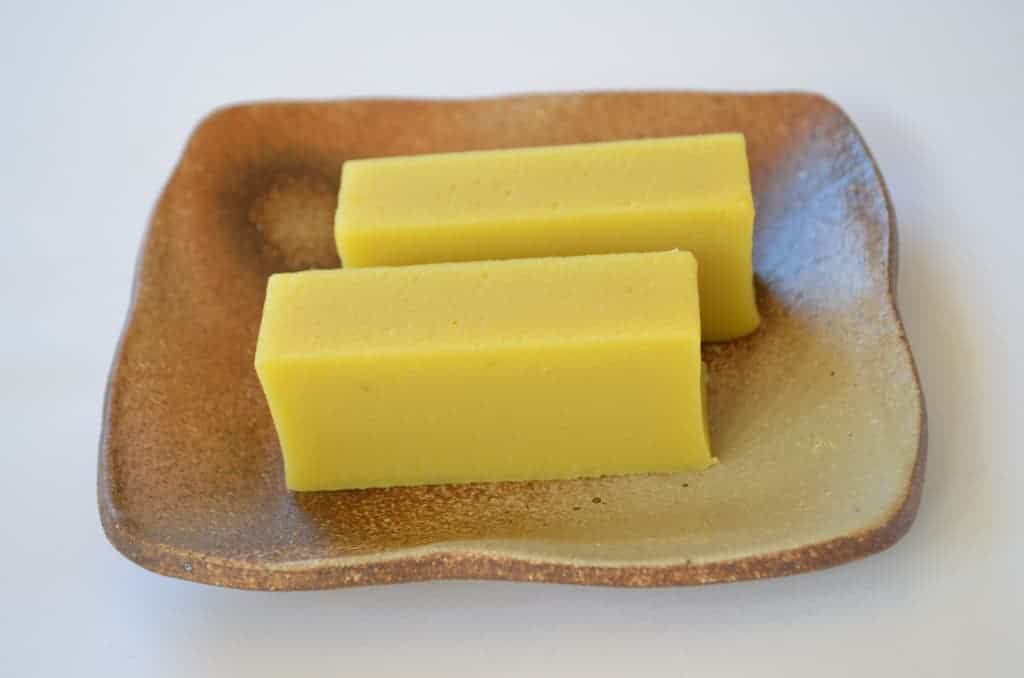
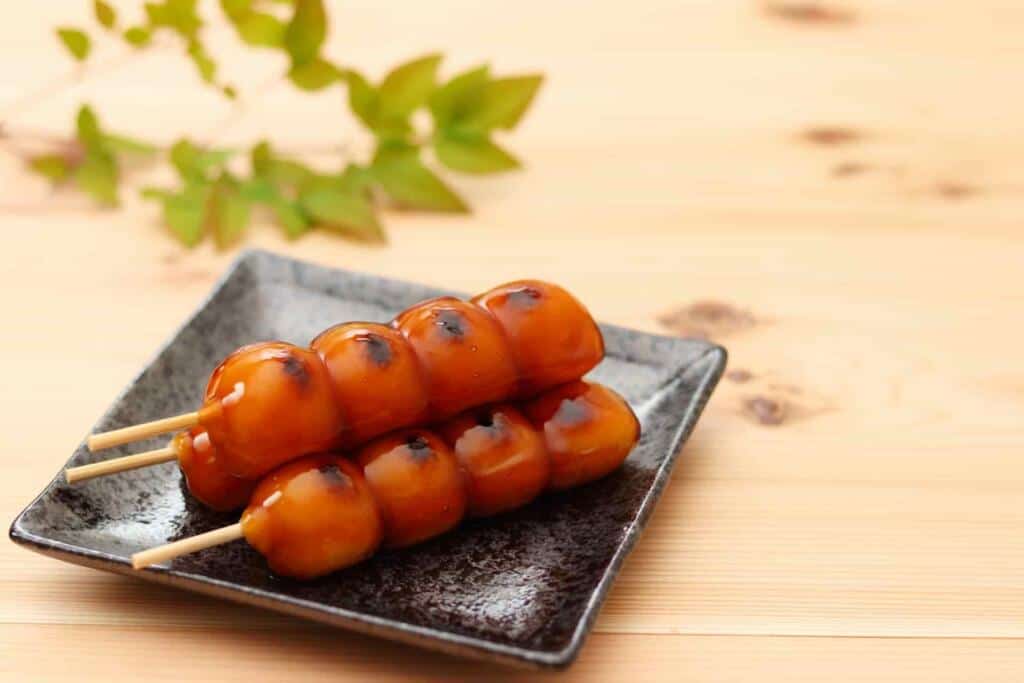
Some of the most popular Japanese sweets include mochi rice cakes, dango dumplings, dorayaki pancake sandwiches filled with red bean paste, and yokan jelly desserts made from sweet bean paste and agar.
In this category, explore Japanese sweets, traditional wagashi, and popular desserts that showcase the delicate flavors and artistic presentation of Japanese confectionery.
-
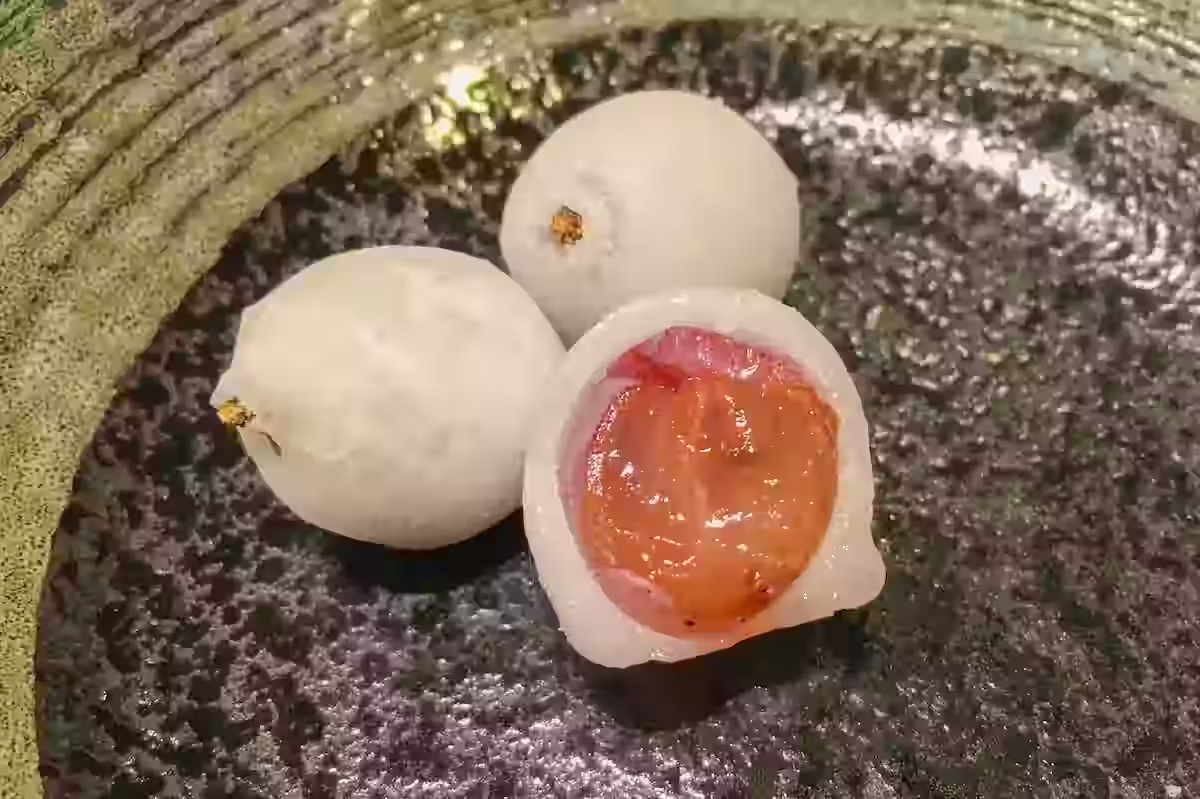

Tsuki no Shizuku (月の雫)
Some sweets stop you mid-bite. Tsuki no Shizuku is one of them. These Japanese candied grapes combine a crispy sugar shell with a burst of cold, juicy grape inside. The contrast is surprising in the best way. What Is Tsuki no Shizuku? Ts... -
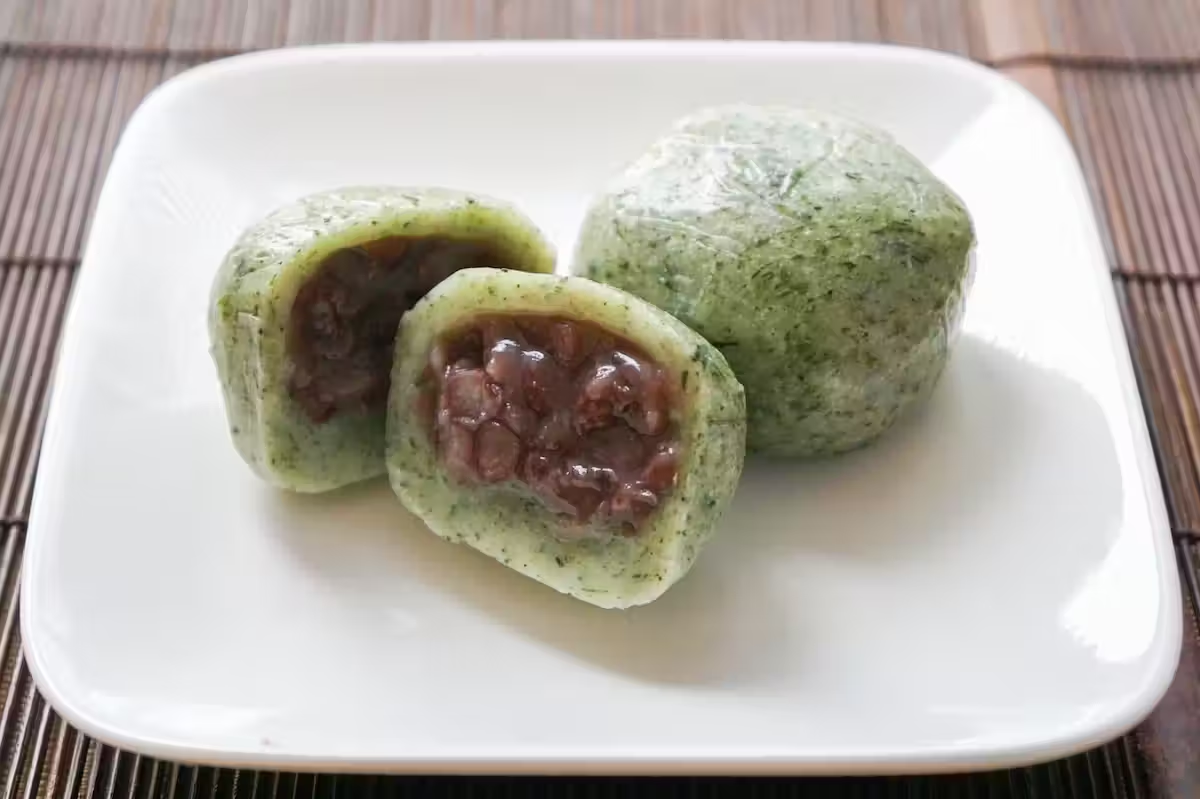
Urajiro manju (うらじろまんじゅう)
Not every Japanese sweet makes it into travel guides. Urajiro manju is exactly the kind of thing you stumble across in a small confectionery tucked into a Yamanashi mountain town, buy one out of curiosity, and then find yourself thinking... -
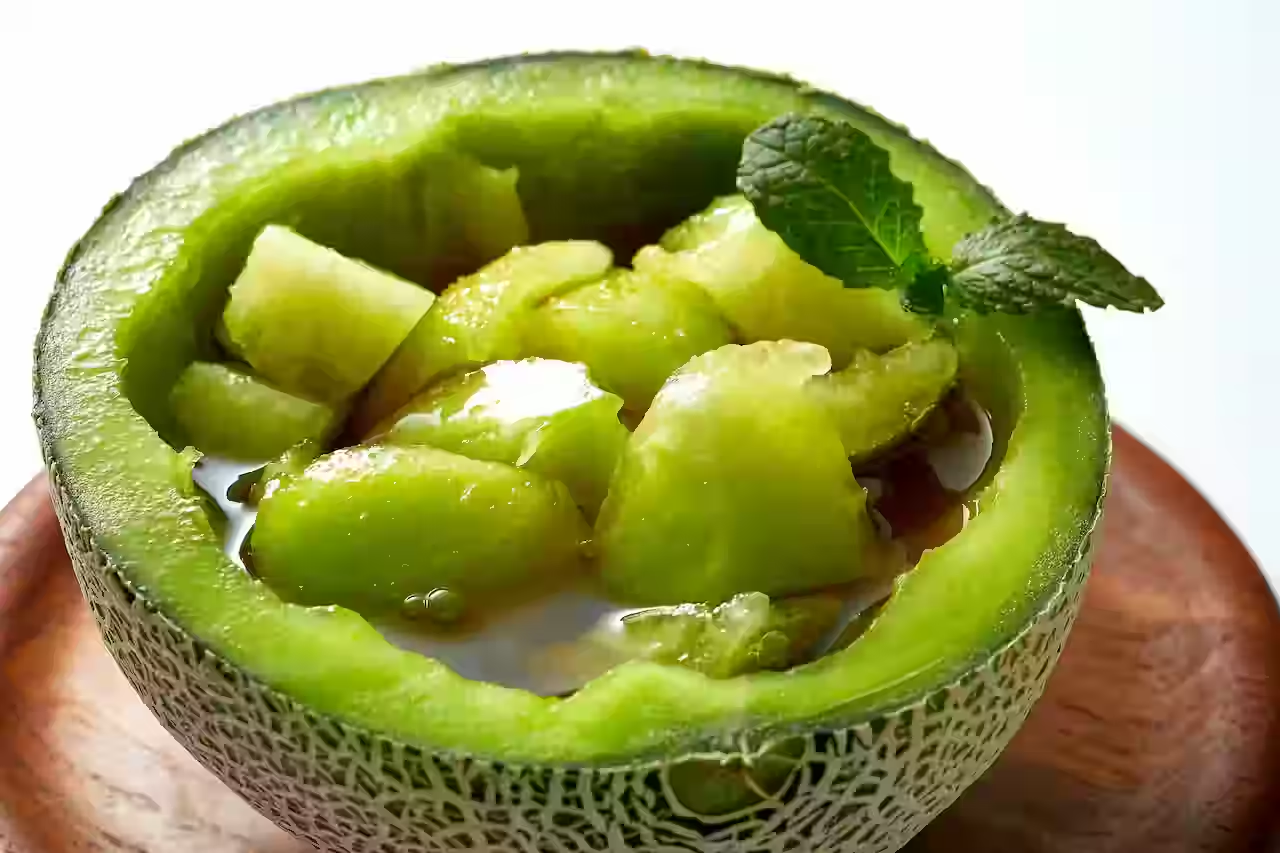
Ibaraking Melon (イバラキング)
If you've spent any time exploring Japanese fruit culture, you know how seriously people take their melons. Walk into any department store basement and you'll find them: perfectly shaped, gift-wrapped, and priced like jewelry. Among them... -
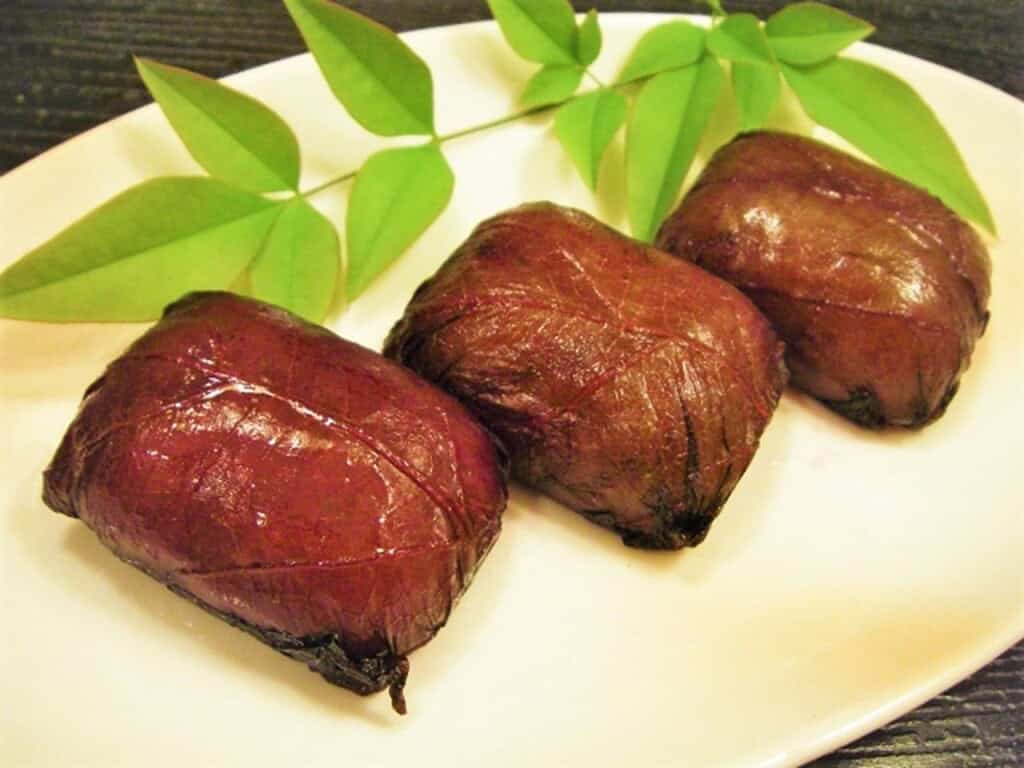

Mito no Ume (水戸の梅)
What Is Mito no Ume? Some foods carry a place's entire identity in a single bite. In Mito, the capital of Ibaraki Prefecture, that food is Mito no Ume (水戸の梅). At first glance, it looks almost exactly like a real pickled plum. Unwrap ... -
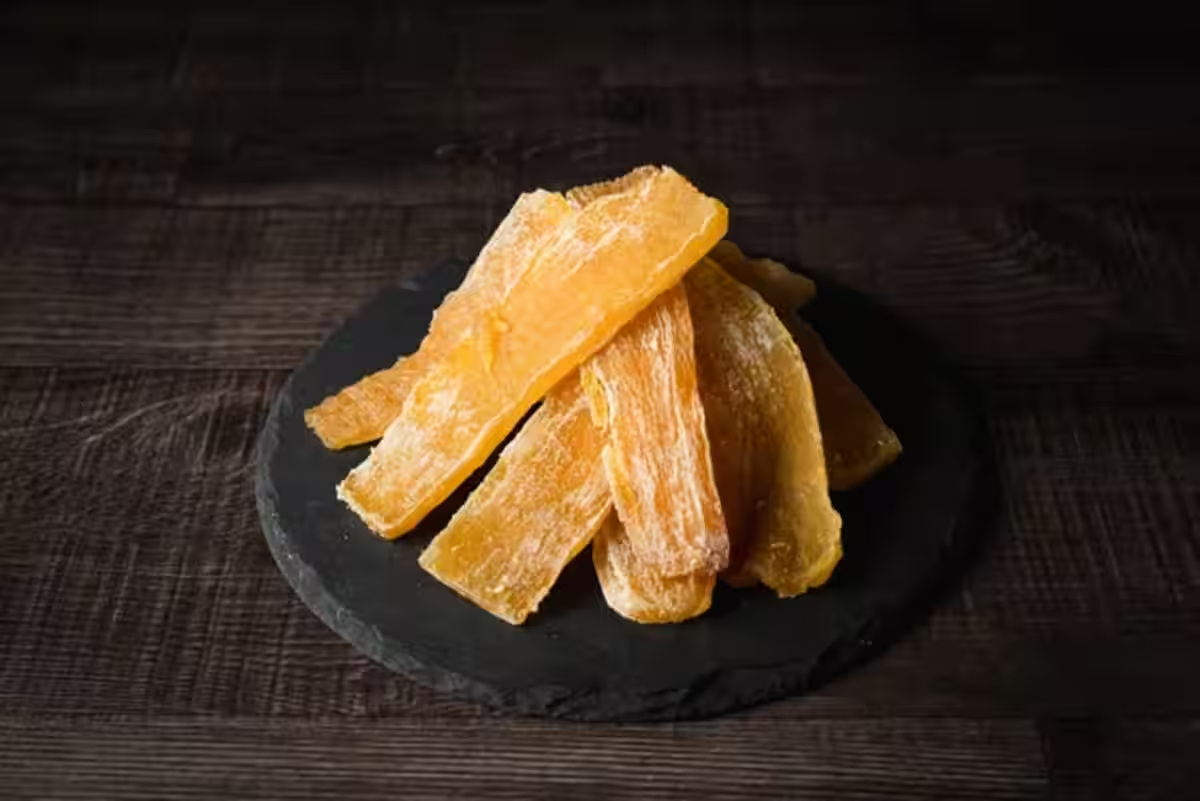

Hoshiimo (干し芋)
If you've ever wandered through a Japanese convenience store or browsed the snack aisle at an Asian grocery, you may have spotted a pale, chewy-looking slice wrapped in simple packaging. That's hoshiimo, and it's far more interesting tha... -
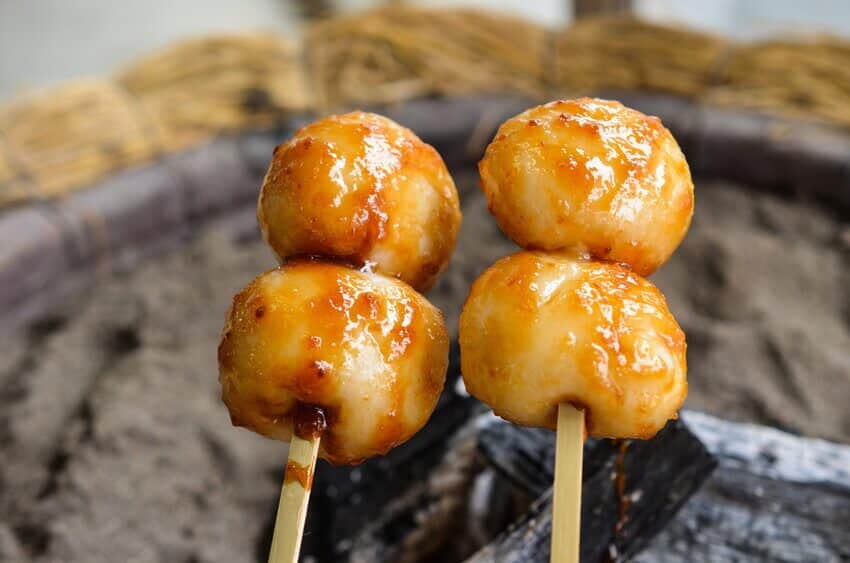

Bandai mochi (ばんだい餅)
Japan's rich culinary history is full of unique local dishes, and one such treasure is Bandai mochi from the mountainous regions of Tochigi Prefecture. Unlike the sticky rice cakes you might be familiar with, this dish offers a different... -
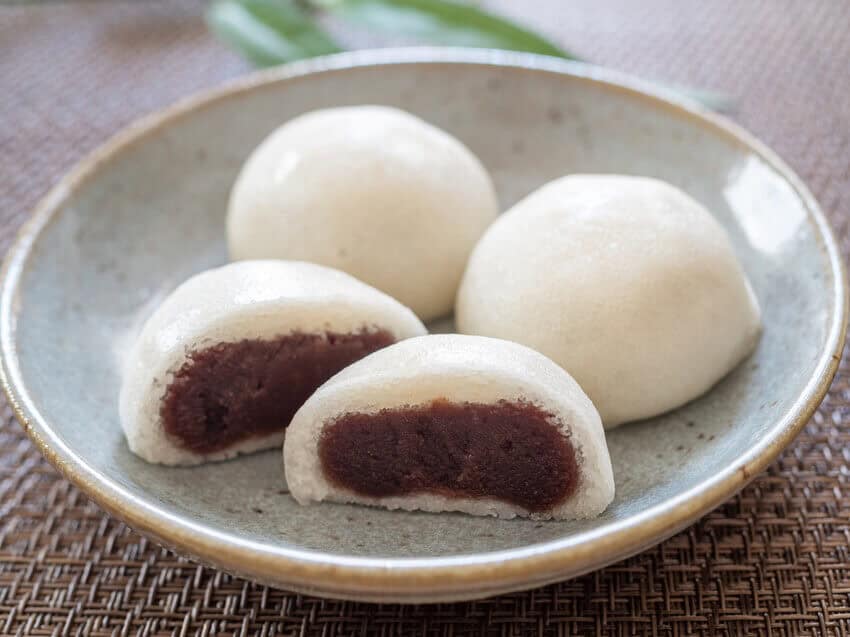

Saka manjyu (酒まんじゅう)
Sake manjyu is a Japanese steamed bun made from wheat flour dough fermented with rice koji (natural sake yeast) and filled with sweet red bean paste. The koji fermentation makes the dough soft and fluffy, giving the bun a gentle sake-lik... -
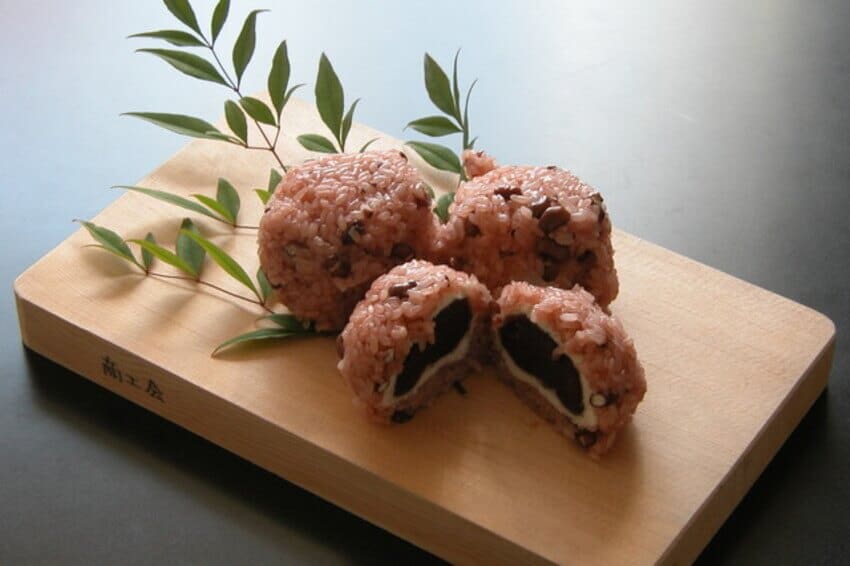

Iga Manjyu ( いがまんじゅう)
Iga Manjyu is a unique sweet treat from Japan, mainly found in Saitama Prefecture. It stands out because it combines a soft steamed bun with sticky rice mixed with red beans. This article will explain what Iga Manjyu is, where it comes f... -

Tansan Manjyu (炭酸まんじゅう)
Tansan Manjyu (炭酸まんじゅう) is a special and tasty Japanese steamed bun. This dish has double name that shows both its special way of making it and its strong connection to old Japanese country life. The "Tansan" part tells us about a... -
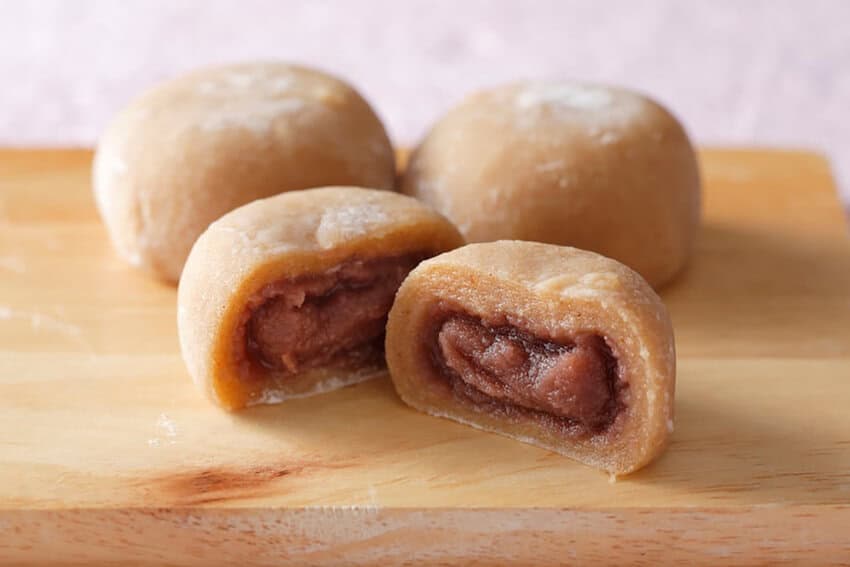

Tochi mochi (栃もち)
Tochi Mochi is a distinctive Japanese rice cake that stands apart due to its primary ingredient: the "tochi" nut. This shows how Japanese people used what they had and were smart about cooking. It tastes and feels different from regular ...