


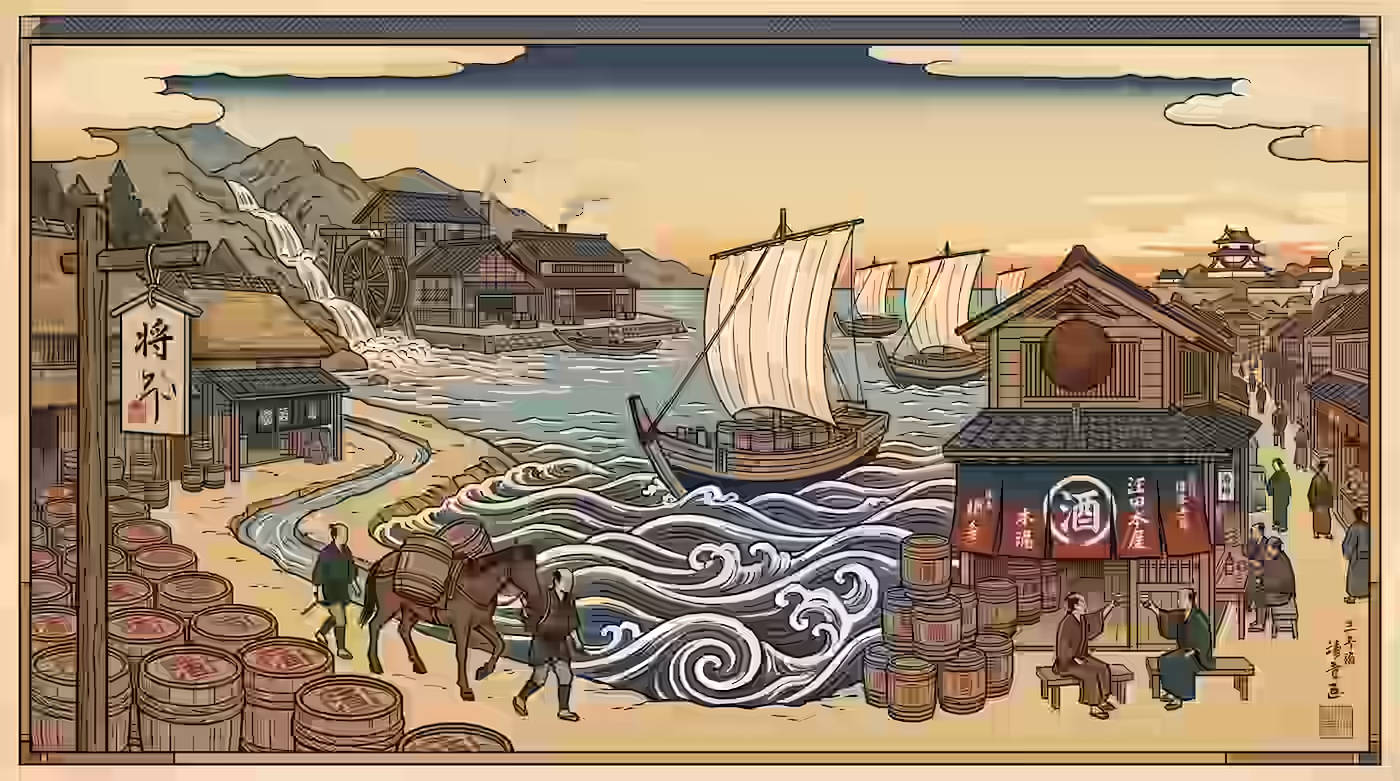
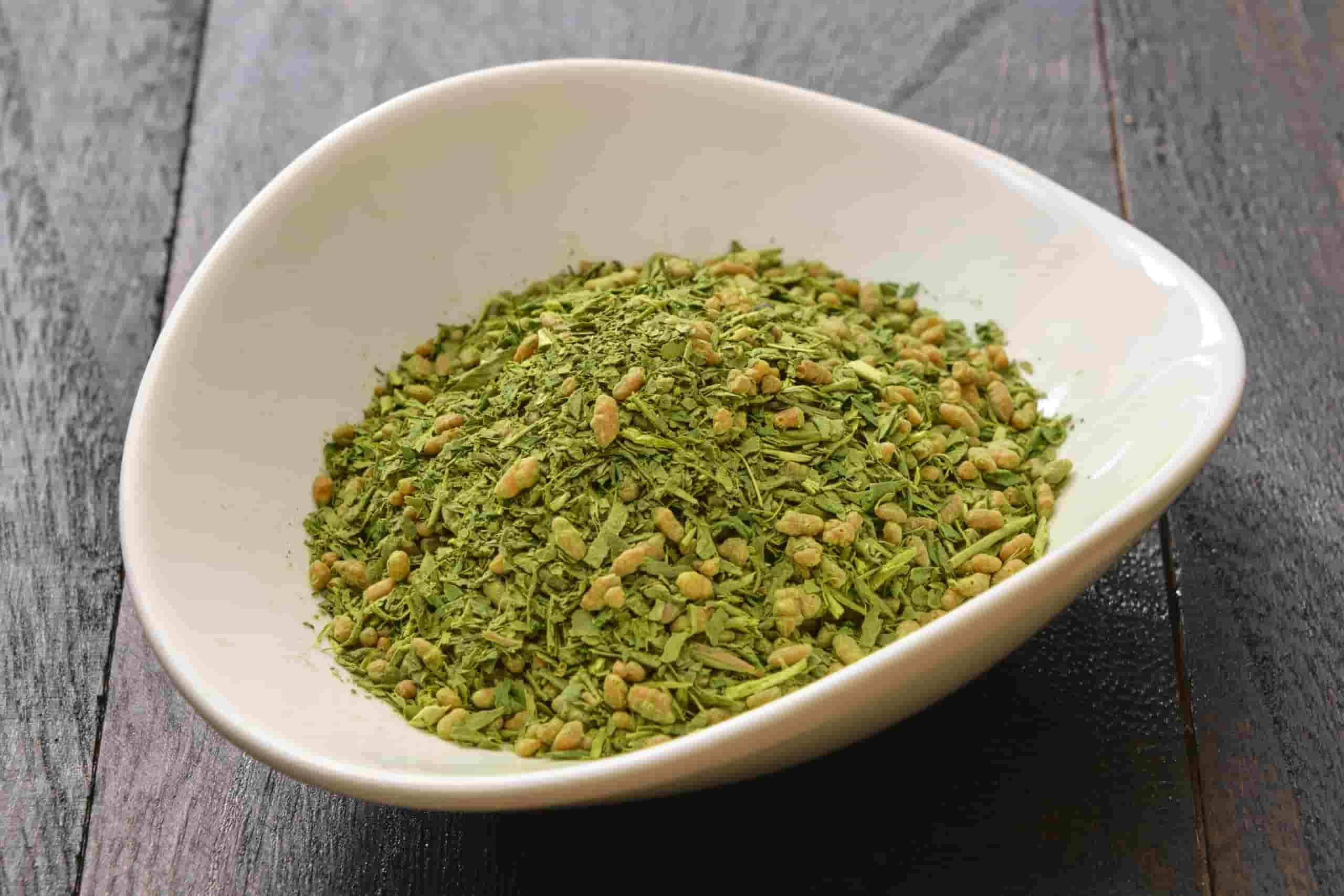
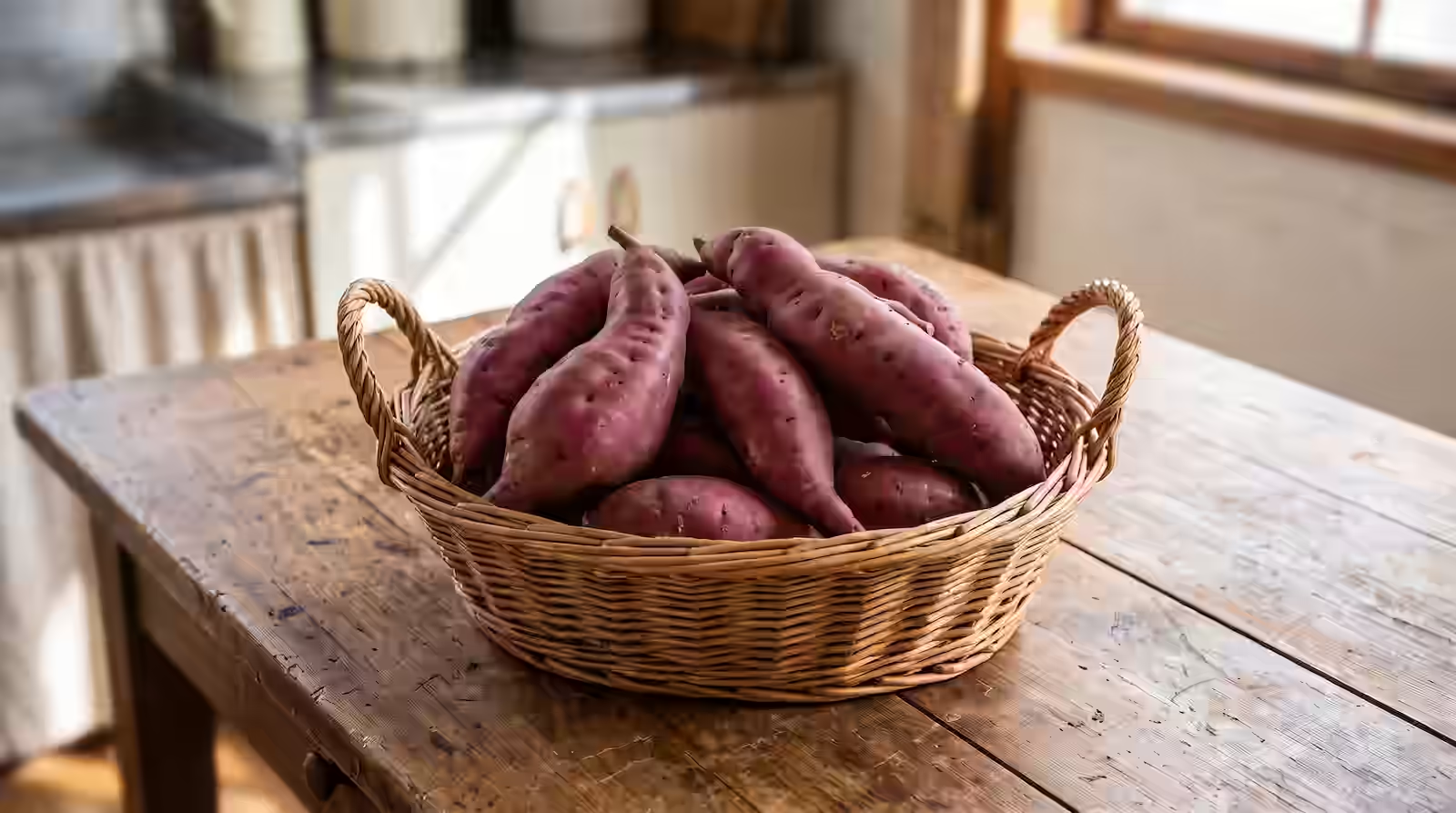
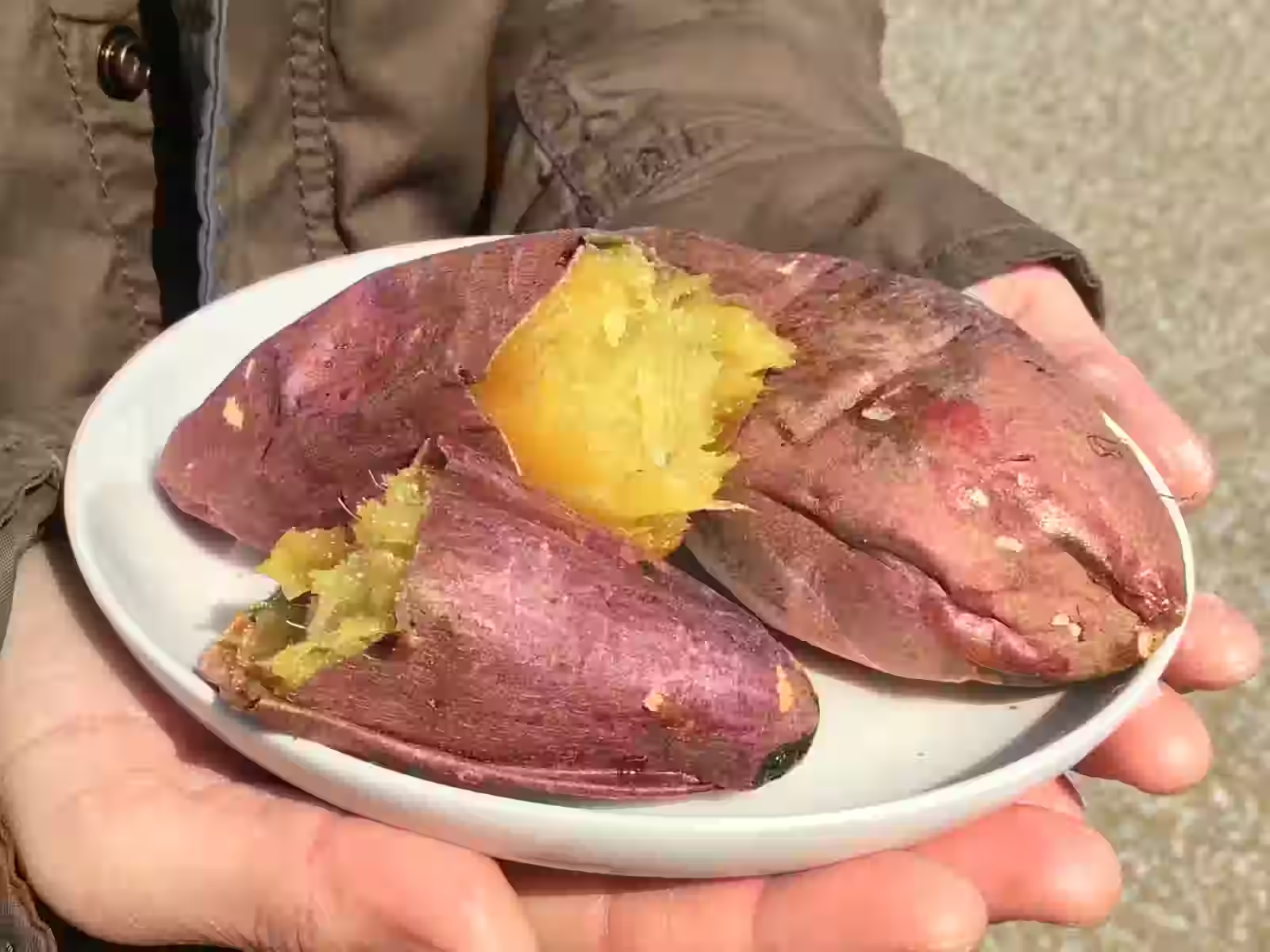

Food in Japan is an English-language reference on Japanese regional cuisine, sake, and food culture. This page explains how the site researches, writes, and corrects its articles, so you can judge for yourself how much weight to give what you read here.
In short
- We cover regional dishes that have little or no description in English, whether or not anyone searches for them.
- We work from Japanese-language primary sources, not from other English food sites.
- When a fact cannot be traced to a source, we say so instead of estimating it.
- Personal impressions are labelled as personal impressions.
- Contributed and partner articles are labelled as such, every time.
- We correct errors when we find them, and we welcome being told about them.
Ryo Iwa is the founder and editor of the site, and is responsible for everything published on it. He was born and raised in Japan, and reads the Japanese-language material that most of these articles rest on.
01What We Cover, and Why
Japan has an unusual number of dishes that never travel. A soup eaten in three towns and nowhere else. A sweet sold at one shrine. A preserved fish that makes sense only where the winters are long enough to need it. Many of these have no description in English at all.
This site started from a simple wish: that visitors go beyond Tokyo, Kyoto, and Osaka, and eat the thing that only exists where they are standing. Food turns out to be a good reason to get on a train.
The longer aim is a complete English-language reference to Japanese food and drink. Complete means the famous dishes as well as the obscure ones, since a guide with gaps in the middle is not much of a guide.
How that shapes what we publish
It means we write about subjects almost nobody searches for. A dish being obscure is a reason to cover it here, not a reason to skip it. Some articles will never draw meaningful traffic, and we publish them anyway, because the alternative is that the gap stays a gap.
Broader regional guides sit alongside those pieces and do the work of bringing readers in. That balance is deliberate, and we adjust it as we learn what actually helps people plan a trip.
Well-known dishes, covered differently
Famous foods belong in a complete reference, so we write about them too. The question is what we add. Another surface-level explainer of sushi or ramen helps nobody, and there are plenty already.
So our articles on well-known dishes go after the parts that usually get skipped. Where did the dish come from, and why did it take this particular form? What problem was it solving, and for whom? Which regional versions survive, and how do they differ? Those answers sit in Japanese-language material that English writing rarely reaches, which is where most of our research time goes.
One consequence worth naming. Because we follow gaps rather than search demand, coverage is uneven at any given moment. Some prefectures and some categories are far better served than others. The aim is to close those gaps over time, though it is slow work for a small site.
02Who Writes for Us
Not every article is written by the editor. Three kinds of contribution appear on this site, and we tell you which one you are reading.
Editorial articles
Researched and written in-house. Most of the site falls into this category, including the reference and brewing sections.
Commissioned writing
Some articles are written by freelance writers we commission and pay. They receive the same sourcing requirements set out on this page, and their work is edited and fact-checked before it goes live.
Contributed and partner articles
A smaller number of articles come from outside organisations, such as regional tourism associations, producers, and shops, or are written together with them. No money changes hands, and these articles carry a visible label at the top of the page.
Every writer has their own account on this site, so the byline on an article names the person who actually wrote it. Nothing is published under the editor’s name unless he wrote it. Where an article came from an outside organisation, that organisation is named in the disclosure box at the top of the page.
03How We Research
Primary sources first
Most articles begin with Japanese-language material that rarely reaches English readers. Typical sources include publications from the National Research Institute of Brewing, labelling standards issued by the National Tax Agency, prefectural and municipal food records, agricultural ministry data, and industry glossaries such as the one maintained by the Society for Nada Sake Research.
Academic literature is used where it exists. Peer-reviewed papers on brewing microbiology, food chemistry, and agricultural science appear in the reference lists of our technical articles.
Cross-checking
A single source is rarely enough. Claims are checked against more than one independent source wherever the material allows, and disagreements between sources are treated as information rather than as an obstacle. Where sources conflict and cannot be reconciled, the article says so.
What we use, and what we don’t
Sources we rely on
- Government agencies and national research institutes
- Prefectural and municipal records
- Peer-reviewed academic papers
- Industry associations and their published glossaries
- Official sites of producers, breweries, and restaurants
- Firsthand observation and conversation
Sources we do not cite
- Wikipedia
- Content farms and unattributed aggregators
- Other food blogs
- AI-generated summaries of unnamed sources
- Claims we can trace no further than secondary English writing
The second column can still be useful for orientation. It is not evidence, so it does not appear in our reference lists.
Verifying citations
Author names, journal titles, volume numbers, and page ranges are checked against the publisher’s page or PubMed before publication. Reference lists carry the month and year each source was consulted.
Why this is a separate step. A citation with the right title and the wrong author is still a fabricated citation. Titles and authors get checked separately, because getting one right does not guarantee the other.
04When a Fact Cannot Be Verified
Plenty of food writing fills gaps with plausible-sounding detail. We try not to.
Unverifiable claims
When a figure, date, or origin story cannot be traced to a source, the article says so rather than estimating. Phrases such as widely credited, usually dated to, or the record does not settle this signal that the evidence is thinner than a flat statement would suggest.
Competing accounts
Many regional dishes have more than one origin story. Where accounts genuinely conflict, we present the disagreement instead of choosing the tidiest version.
Confidential industry figures
Some information is deliberately not public. Sake breweries treat their mash formulas as trade secrets, and those figures differ by brewery, by brand, and by product type.
Our brewing articles therefore report published industry standards and stop there. We do not estimate a named producer’s internal numbers. Where an article uses an illustrative example to explain a calculation, it says clearly that the example is constructed and belongs to nobody.
05Fact and Impression
Taste, aroma, and texture are subjective. Articles mark those passages as personal impressions rather than presenting them as verified description.
We also avoid inventing experiences. If an article describes a conversation, a visit, or a tasting, it happened. Where the writing draws on published material rather than firsthand experience, it does not pretend otherwise.
06Images
Main article photographs show the actual dish, ingredient, or place being described. These are photographs, not illustrations, and we do not use generated imagery in that role.
Explanatory diagrams, charts, and infographics are a different matter. Some are drawn by the author, and some are produced with image-generation tools. Either way they illustrate a concept rather than document a specific restaurant, brewery, or product.
07Internal Links
Links between our own articles are checked as live pages before publication. Links to articles that have not yet been published are left out, even when the connection would be useful to the reader.
08Advertising
This site carries display advertising served through Google. That revenue covers hosting and running costs, and it is the only commercial arrangement on the site.
- No affiliate links
- No sponsored posts or paid placements
- No payment accepted in exchange for coverage or a favourable review
Advertisers have no influence over which topics we cover or what we write about them. We keep ad density low enough to stay out of the reader’s way, and we reduce it further as traffic grows. If a meal, product, or brewery visit is ever provided free of charge, the article will say so.
09Partnerships and Contributed Content
We work with regional tourism associations, producers, and shops on a small number of articles. These relationships help us reach material and expertise we could not otherwise access. They also create an obvious risk, so we handle them under fixed rules.
What we disclose, and where
Every article produced with or contributed by an outside organisation carries a disclosure box at the top of the page, before the main text. It names the organisation and describes the relationship. This policy page is not enough on its own, because most readers arrive at a single article and never see it.
Example of an on-page label: This article was produced in collaboration with 【Organisation name】. They provided 【material, access, or images】. Editorial decisions remained with Food in Japan.
What partners can and cannot do
Partners may
- Supply background material, data, and images
- Arrange access to producers, breweries, and facilities
- Check the article for factual errors before publication
- Be named and credited in the disclosure box
Partners may not
- Require removal of accurate but unflattering information
- Approve or veto the article as a condition of cooperation
- Buy a favourable assessment
- Place links that pass search ranking value
No money changes hands
We do not accept payment for contributed or collaborative articles, and we do not pay organisations to supply them. Tourism associations, producers, and shops come to us, or we approach them, because the subject deserves an English-language write-up that does not otherwise exist.
The freelance writers we commission are paid by us. That is a separate arrangement and does not involve the organisations described here.
How contributions are reviewed
Nothing arrives and goes straight up. Every submission moves through the same three gates, and it can stop at any of them.
Guidelines check
We publish contributor guidelines covering scope, structure, sourcing, and tone. A submission that does not meet them goes back before anyone starts fact-checking.
Fact-checking
Claims are checked against primary sources under the same rules as our own articles. Citations are verified, and figures that cannot be traced are removed rather than softened.
Revision, or decline
Where something is unclear or unsupported, we ask for changes. Where the piece still does not meet the standard, we decline to publish it. That has happened, and it will happen again.
Material that reads as promotional rather than informative is rewritten or dropped, whoever wrote it.
Links in contributed articles
Links to an organisation’s own site appear where they serve the reader as a source, in the same way we link any official page. We do not trade links for content, and we do not include a link because it was asked for. Where a link exists for any reason other than the reader, it is marked so that it does not pass search ranking value.
10Corrections
We get things wrong sometimes. When that happens, we would rather fix it than quietly leave it.
Tell us what looks wrong
Write to us through the contact page with the article title and the specific point in question. A source, if you have one, helps a great deal.
We check it
We go back to the primary source. If the correction stands up, it gets made as soon as we can confirm it.
We say what changed
Corrections that change the meaning of a passage are noted on the article itself. Minor fixes such as typos are made without a note.
Requests from businesses to remove accurate but unflattering information are declined. Requests to correct information that is genuinely wrong are always welcome.
11Updates and Review
The modified date on an article changes only when the content itself has been checked or revised. We do not refresh dates to look current.
Reference lists carry the month and year each source was consulted, so you can see how recent the underlying research is. Information that changes often, such as prices and opening hours, should always be confirmed with the business before you travel.
12What This Site Is Not
Food in Japan is a reference on cuisine and food culture. It does not offer medical, dietary, or nutritional advice.
Articles may mention allergens or traditional health beliefs where those form part of the cultural record. Nothing here should be treated as guidance on what is safe for you personally. Readers with allergies or dietary restrictions should confirm ingredients directly with the restaurant or producer.
Found an error, or have a question?
Corrections, questions, and interview requests are all welcome.