




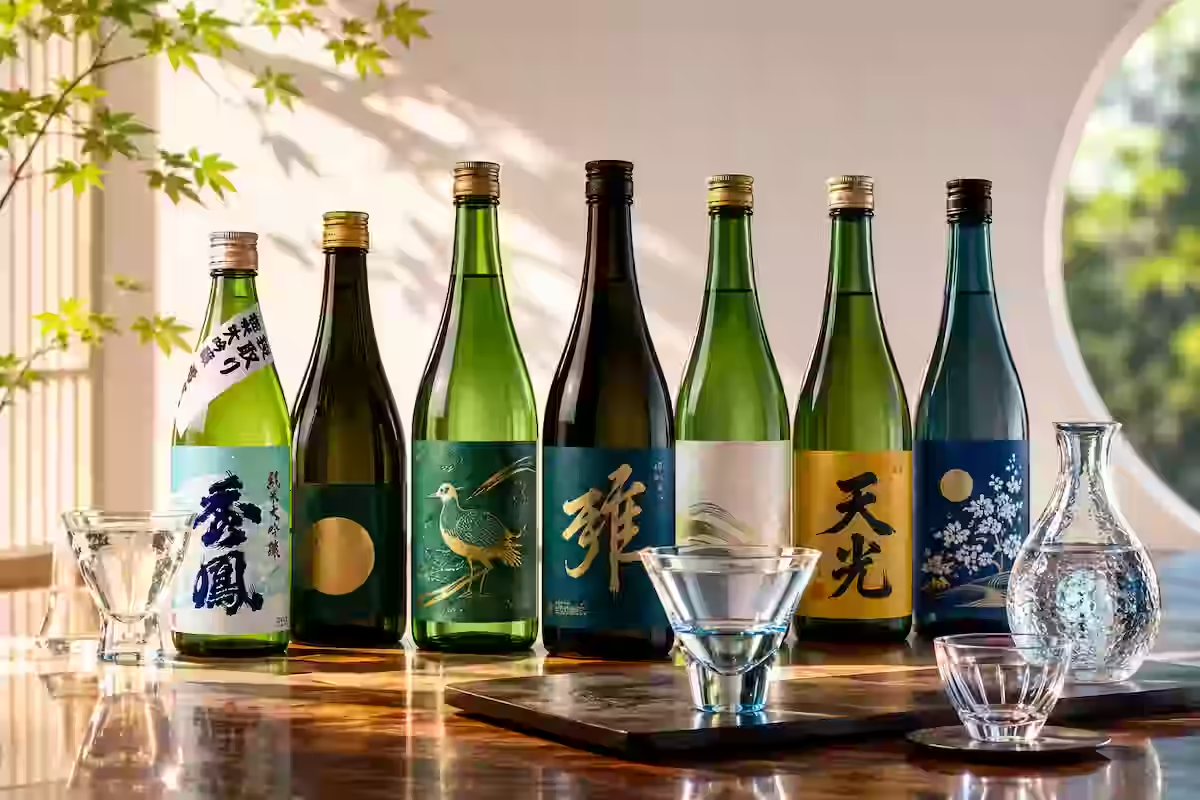
Japanese sake includes many different styles shaped by rice polishing, fermentation, filtration, aging, and brewing traditions. Some sake is fragrant and elegant, while others are rich, creamy, dry, or intensely complex. This guide introduces the major types of Japanese sake and explains what makes each style unique.
Basic Types
These are the foundational categories of Japanese sake and the starting point for understanding sake classification.
Premium Types
Premium sake styles are largely defined by rice polishing ratios and refined brewing methods.
Ginjo
Elegant sake known for fruity aroma and refined texture.
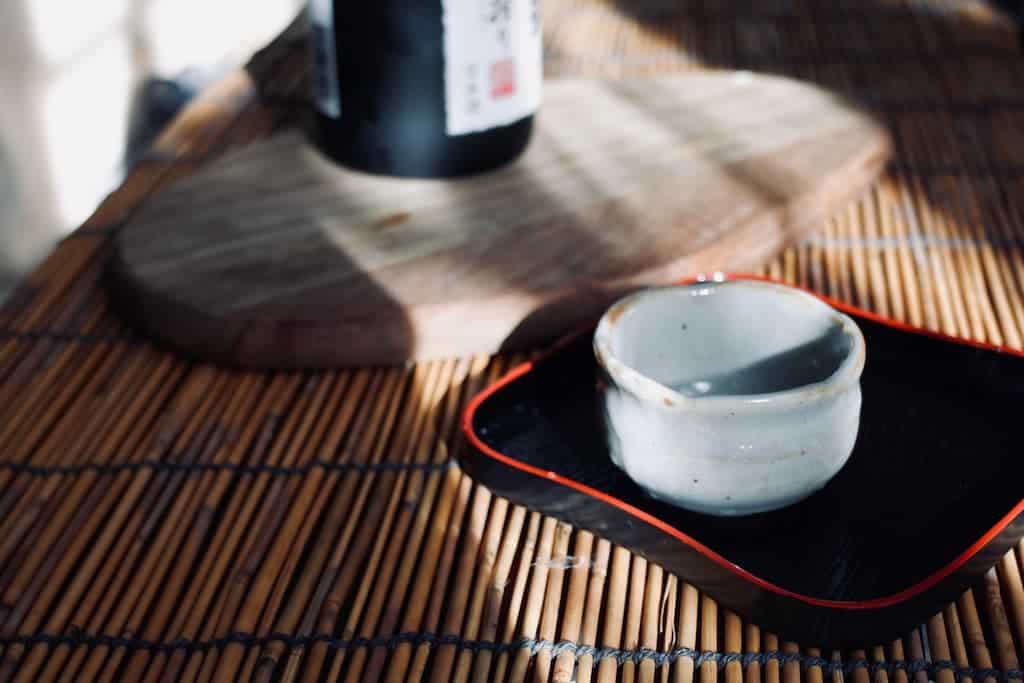
Daiginjo
Highly polished premium sake with luxurious fragrance and delicate flavor.
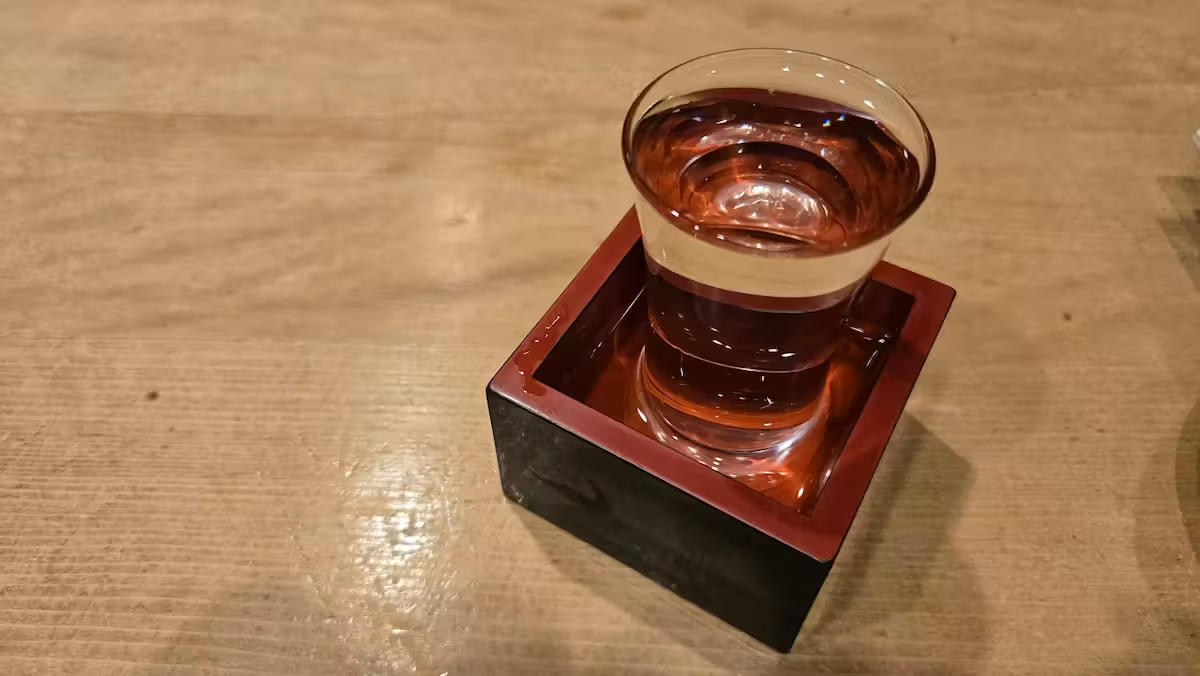
Junmai Ginjo
Balanced premium sake combining rice richness with ginjo fragrance.
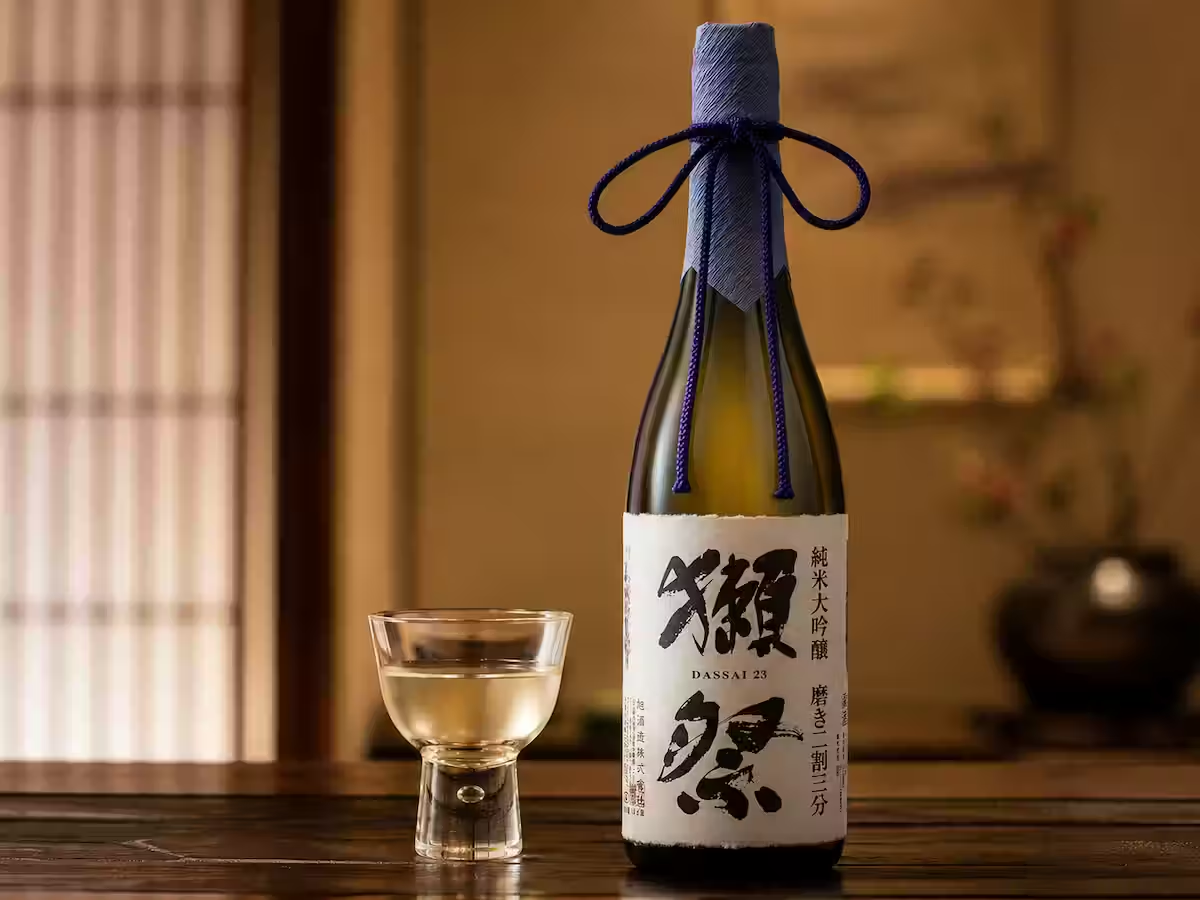
Junmai Daiginjo
One of the highest grades of sake with exceptional refinement and aroma.
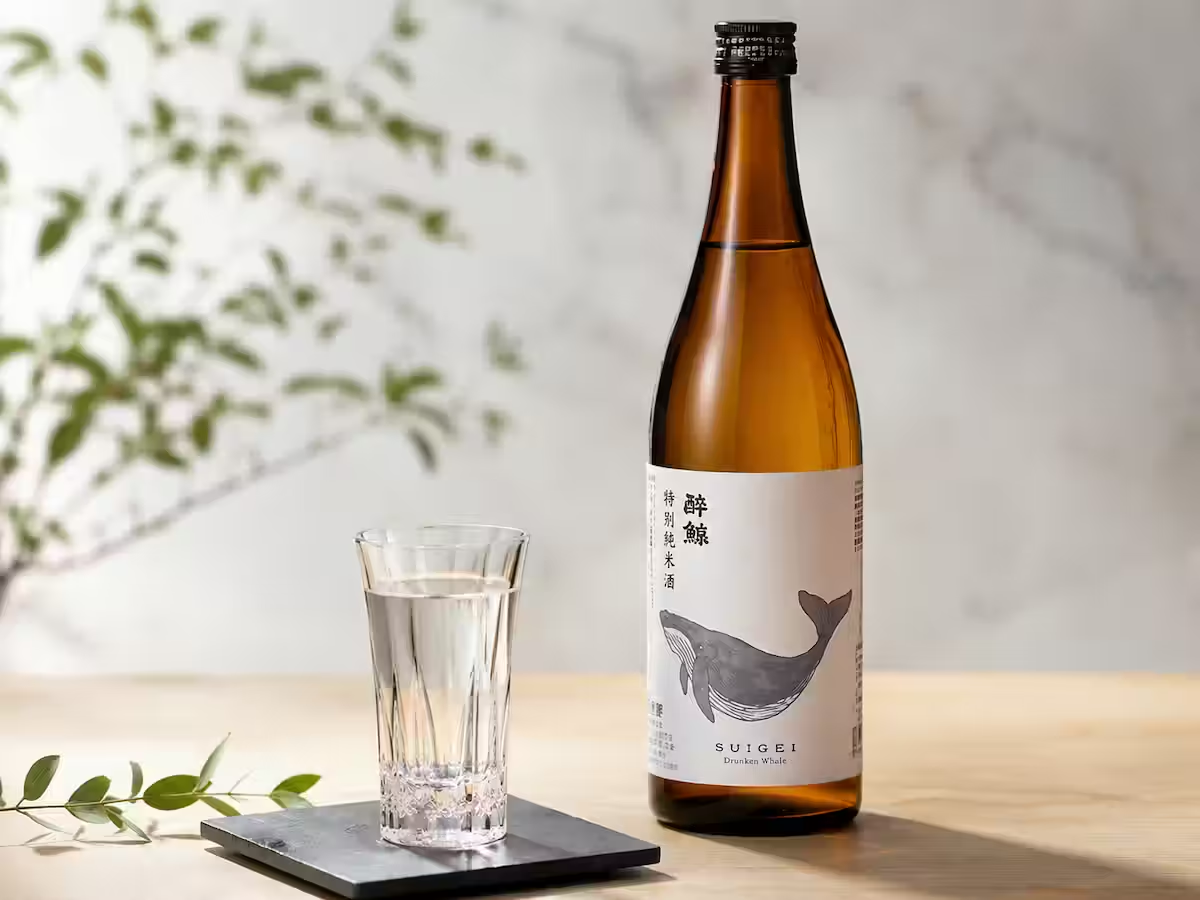
Tokubetsu Junmai
Special Junmai sake made with unique brewing methods or polishing standards.
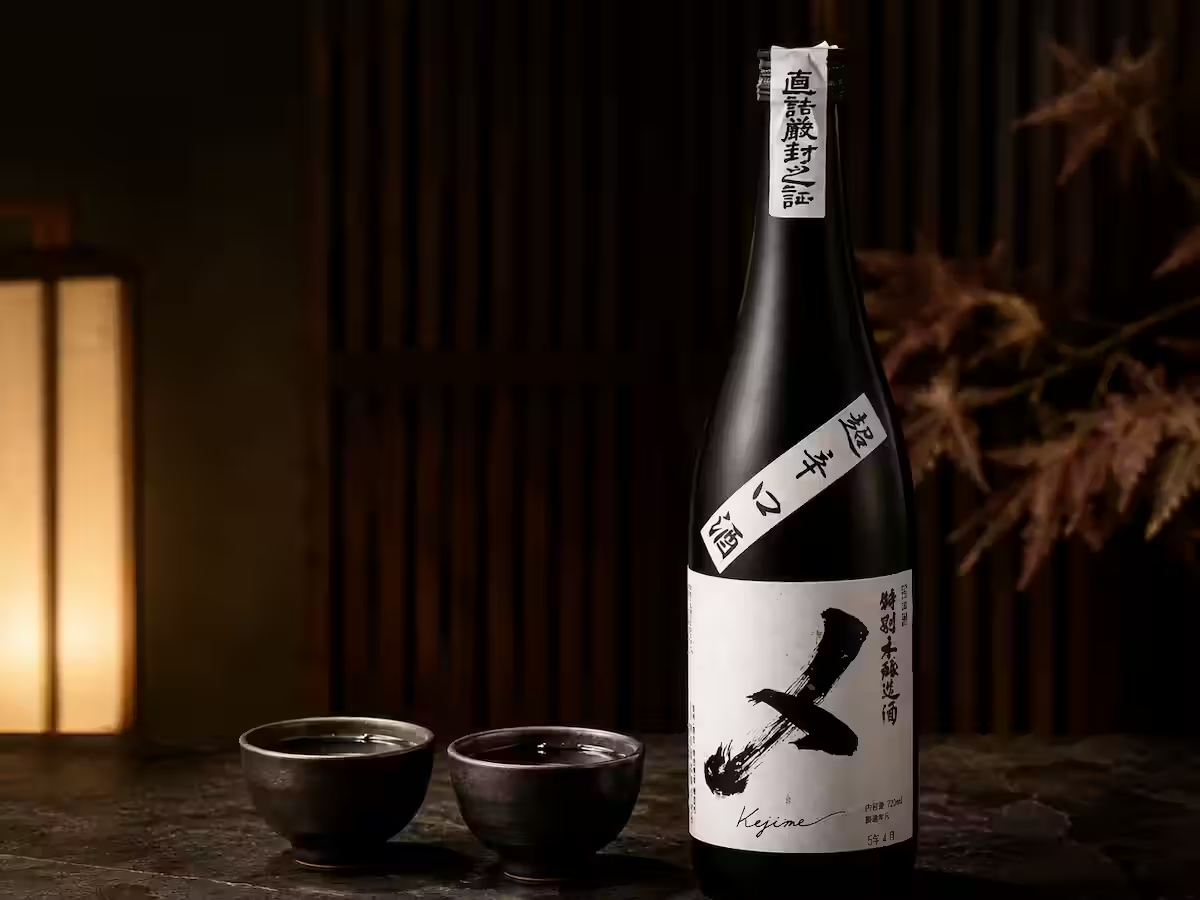
Tokubetsu Honjozo
A special-grade honjozo with elevated brewing standards and balance.
Special Styles
These sake styles are known for unique textures, production methods, or flavor characteristics.

Nigori
Cloudy sake with creamy texture and soft sweetness.
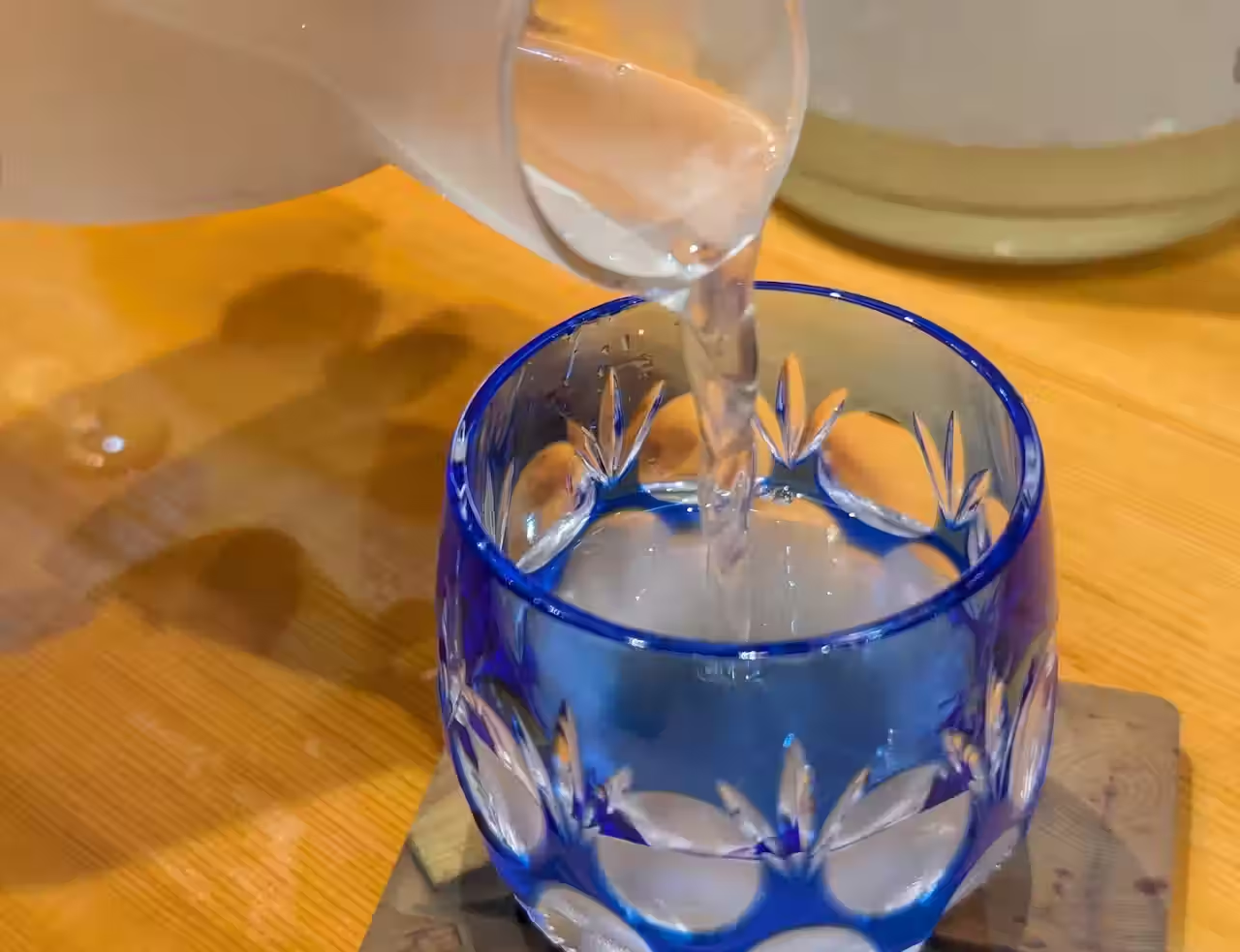
Namazake
Unpasteurized sake with fresh aroma and lively flavor.

Genshu
Undiluted sake with higher alcohol content and bold flavor.
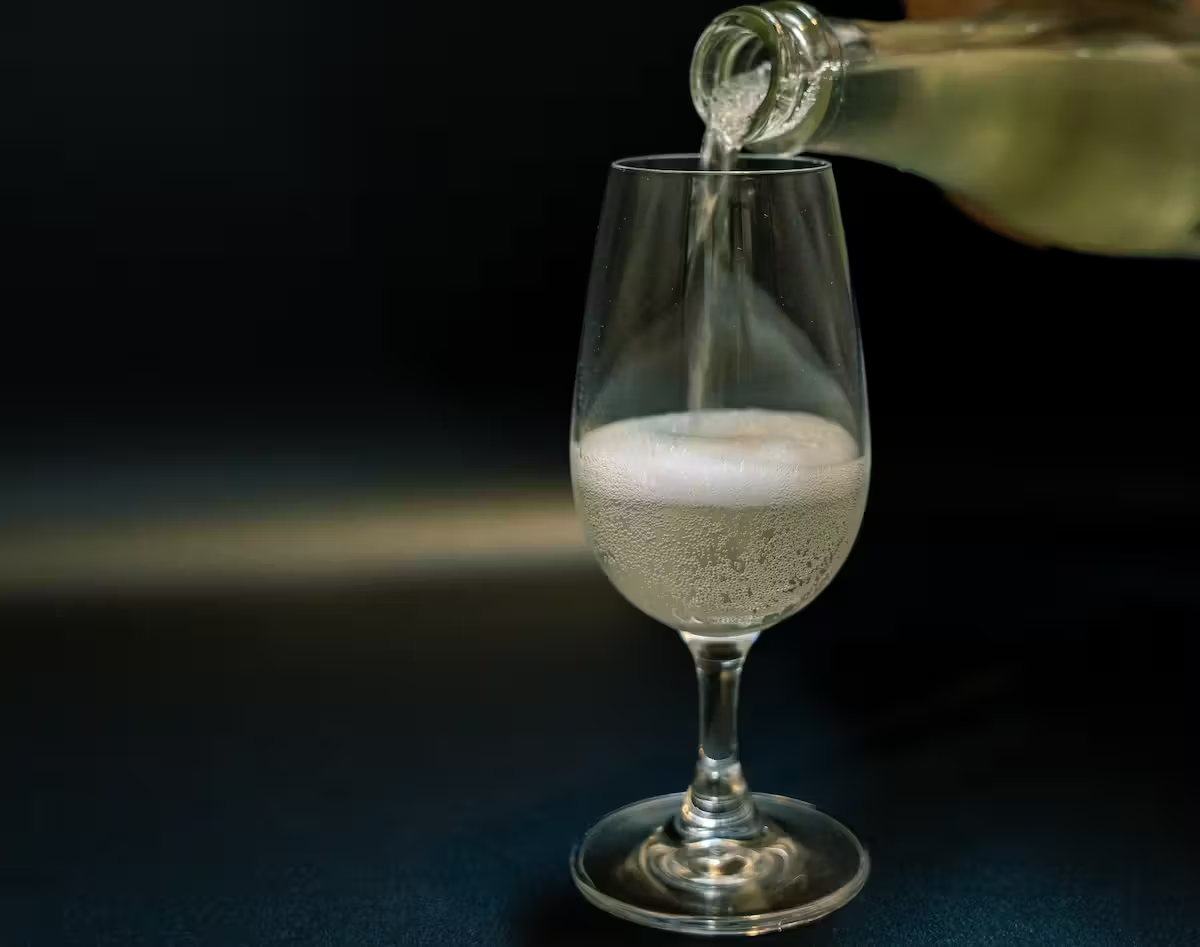
Sparkling Sake
Refreshing sparkling sake with light bubbles and modern appeal.
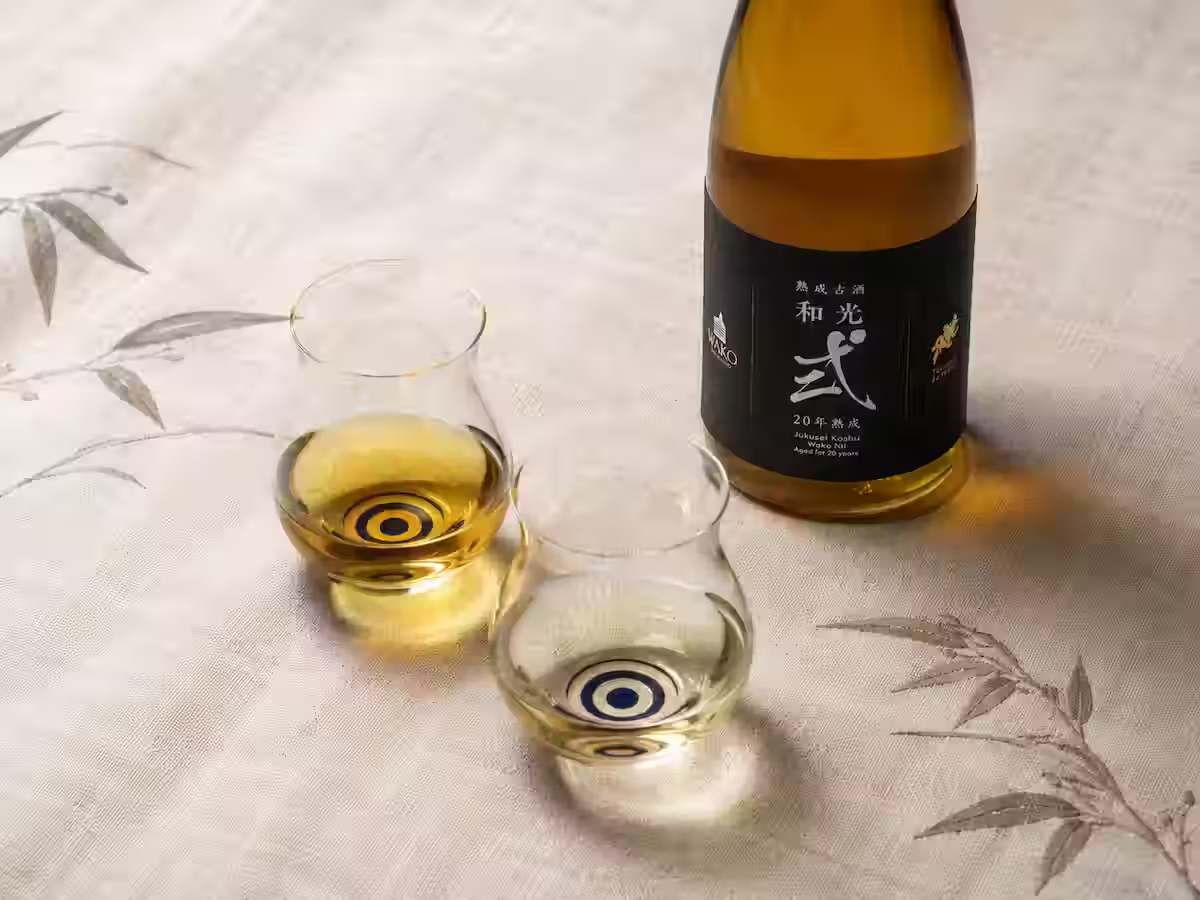
Koshu
Aged sake with mature aroma, amber color, and deep complexity.
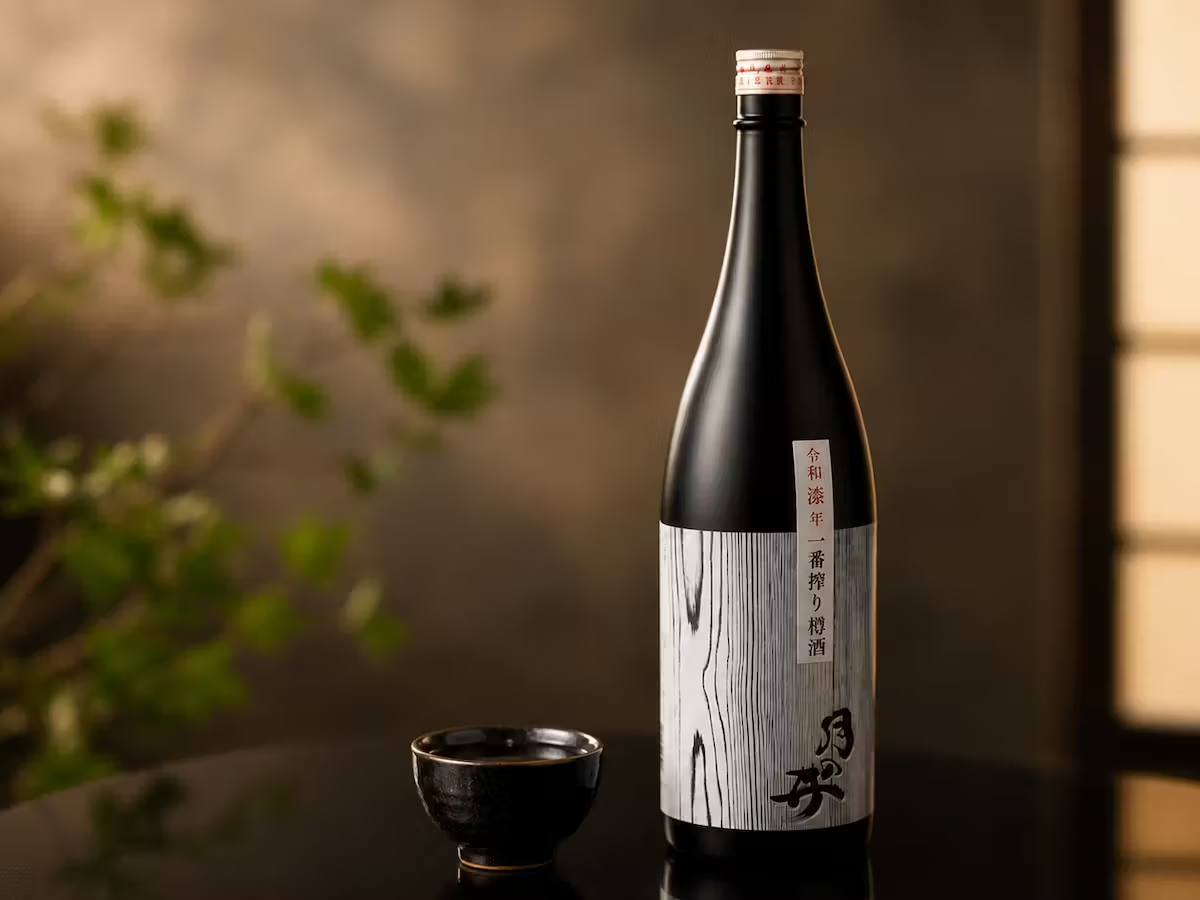
Taruzake
Cedar barrel-aged sake with distinctive woody aroma.
Advanced Brewing Terms
These terms are commonly used by breweries and sake enthusiasts to describe pressing stages and specialized brewing techniques.
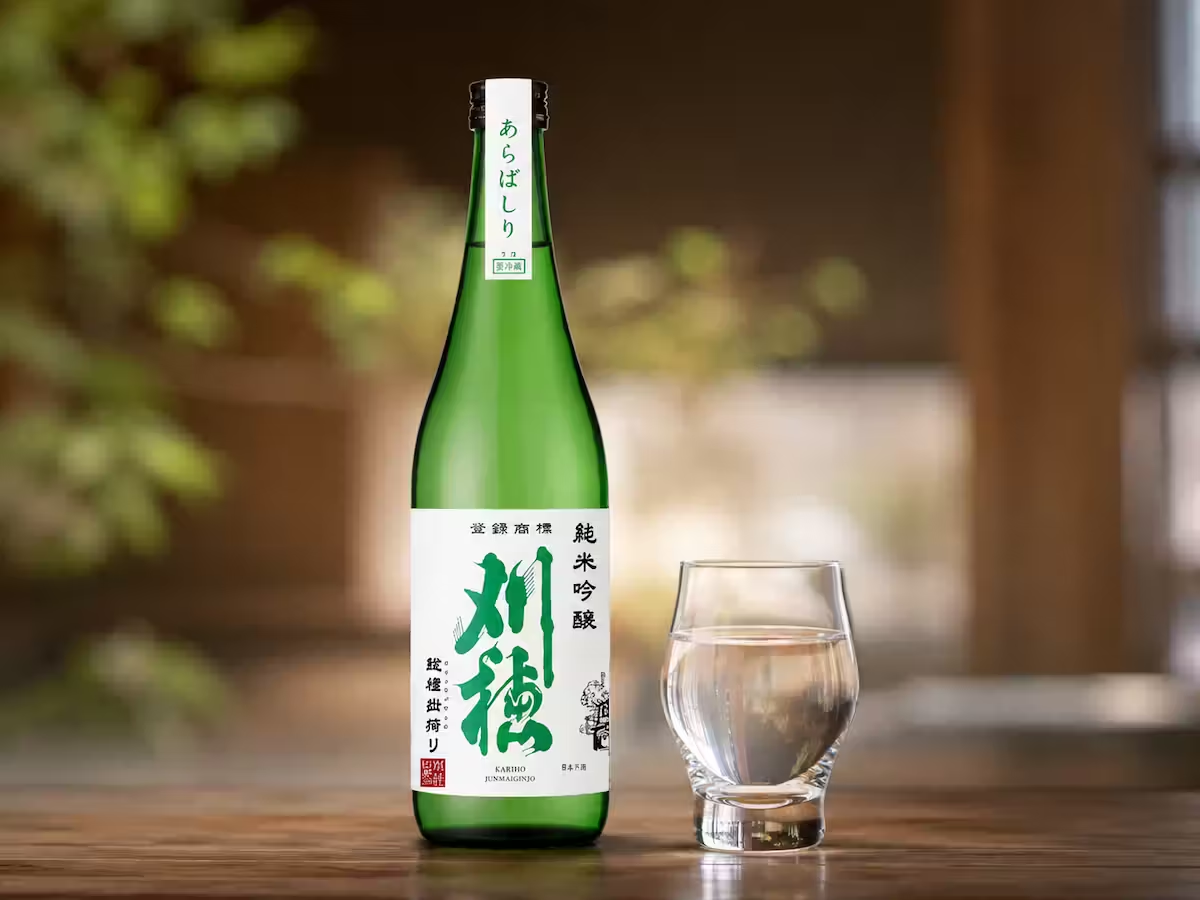
Arabashiri
The first free-run sake pressed from the mash with lively flavor.
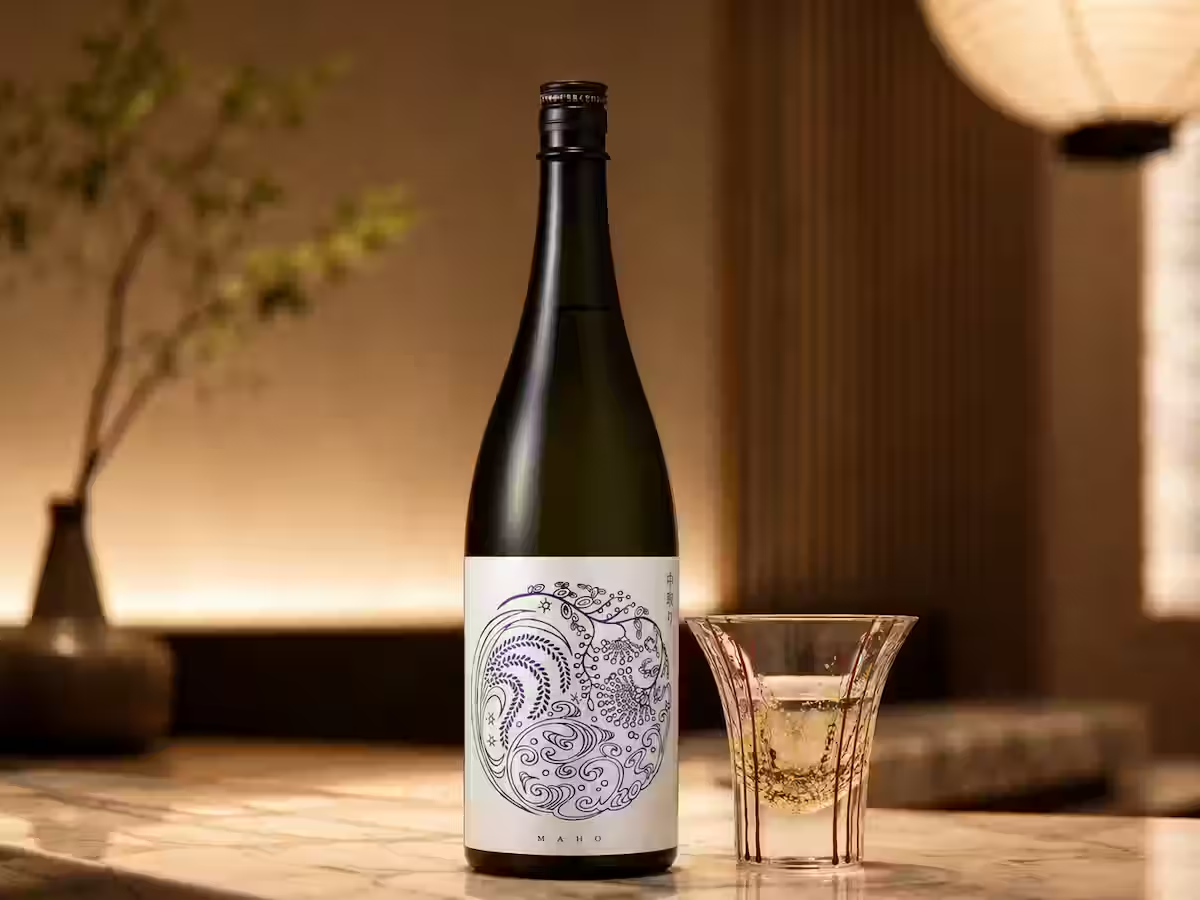
Nakadori
The middle pressing considered the cleanest and most balanced portion.
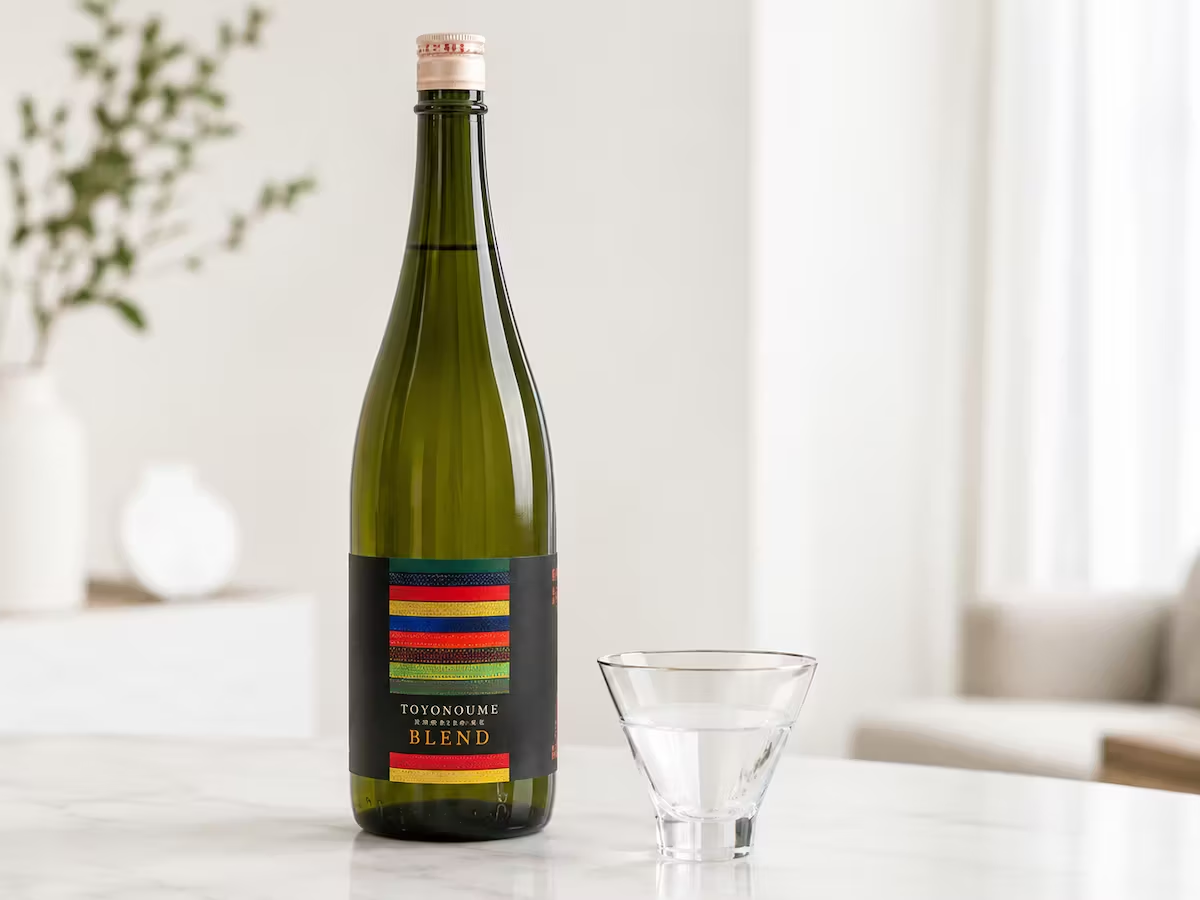
Seme
The final pressing stage with stronger and more robust character.
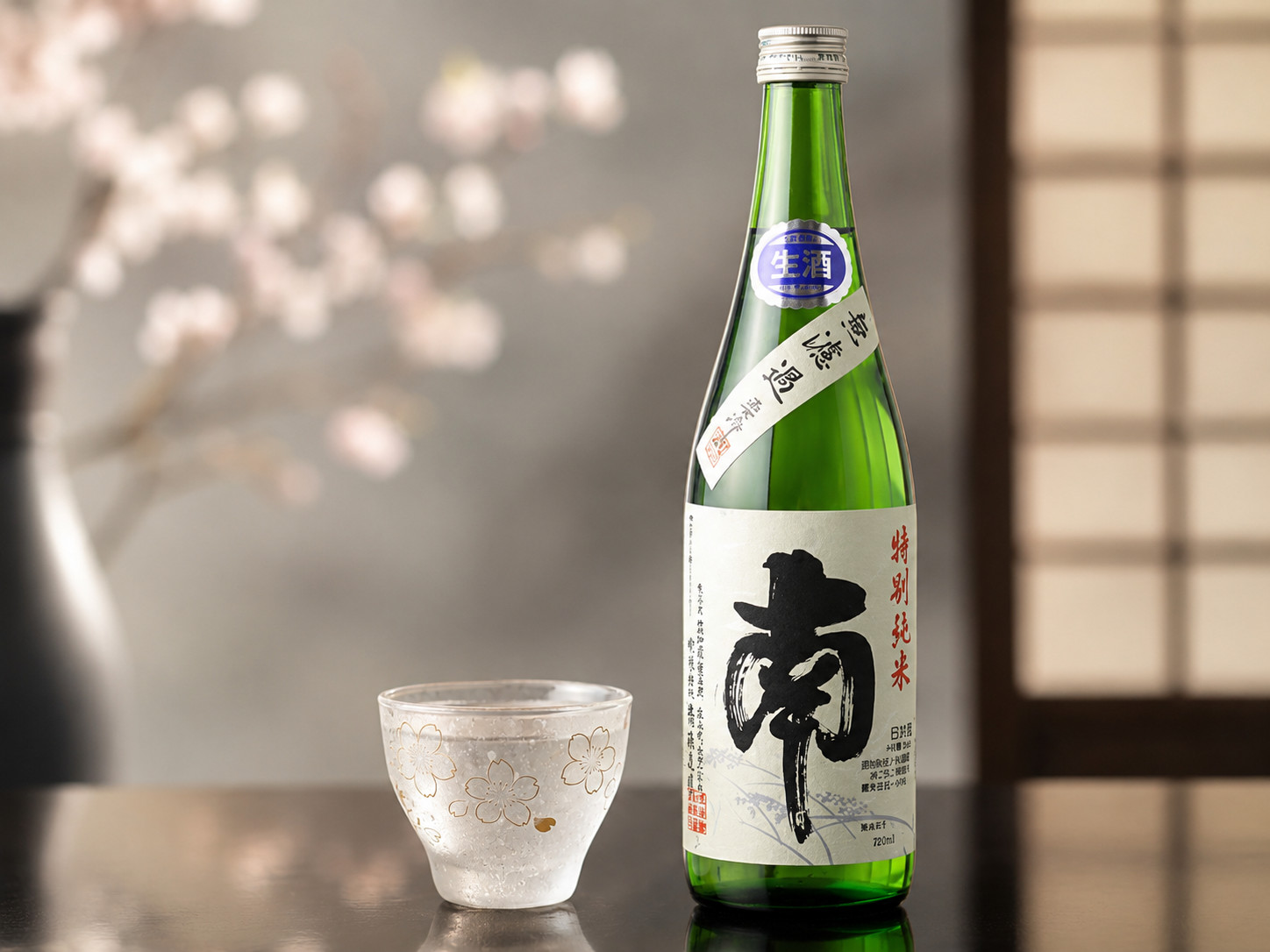
Muroka
Unfiltered sake preserving natural aroma and depth.
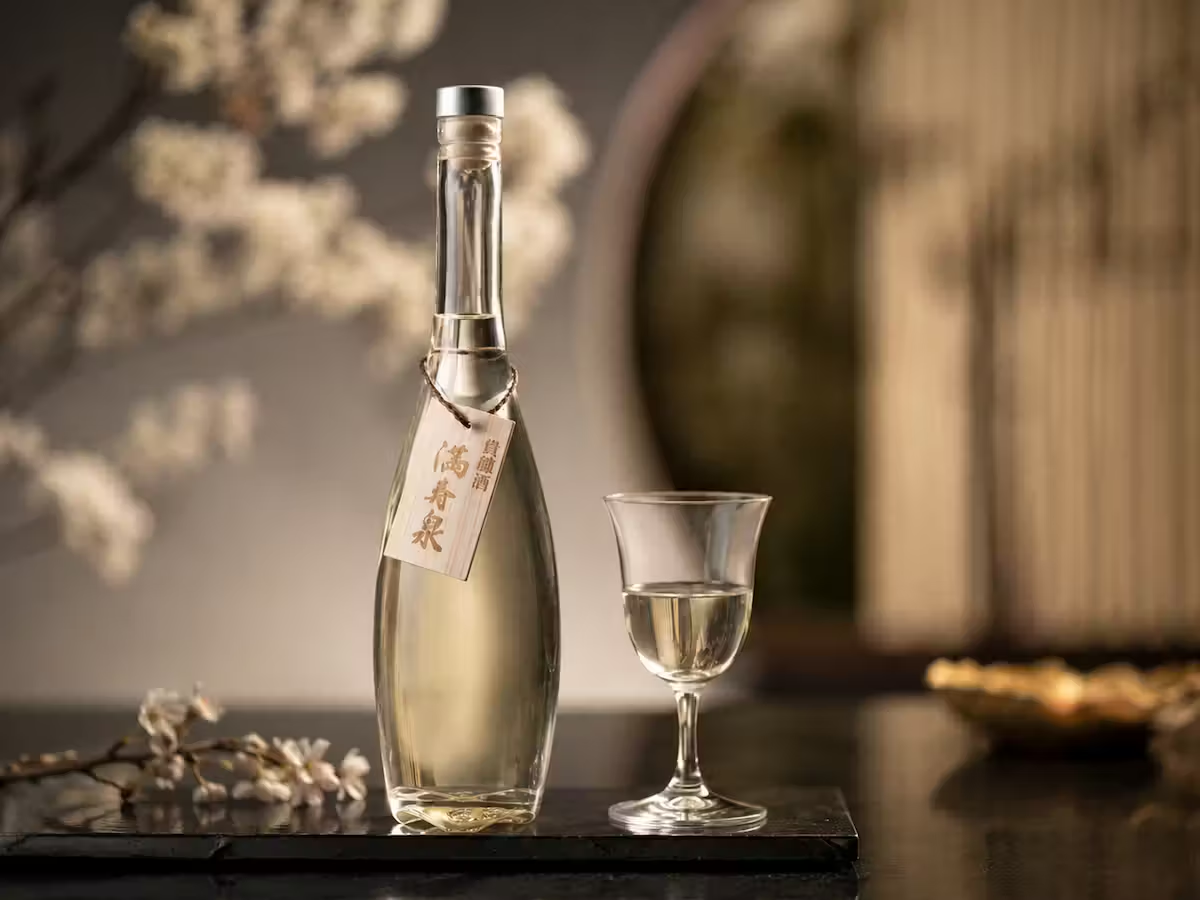
Kijoshu
Sweet luxurious sake brewed using sake instead of water during fermentation.

Namagenshu
Fresh unpasteurized undiluted sake with powerful flavor and aroma.
Quick Comparison Guide
| Type | Aroma | Body | Typical Style |
|---|---|---|---|
| Junmai | Low to Medium | Rich | Traditional |
| Ginjo | High | Light | Fruity |
| Nigori | Medium | Creamy | Sweet |
| Genshu | Medium | Bold | Strong |
| Koshu | Complex | Deep | Aged |
Beginner’s Guide to Understanding Sake
What does rice polishing mean?
Rice polishing removes the outer layers of rice grains. Higher polishing ratios often produce lighter and more aromatic sake.
What is the difference between Junmai and Ginjo?
Junmai emphasizes rice flavor and richness, while Ginjo focuses on elegant aroma and refined texture.
Can sake be served warm?
Yes. Junmai and Honjozo are commonly enjoyed warm, while Ginjo styles are often served chilled.
Which sake is best for beginners?
Many beginners start with fruity Ginjo or sweet Nigori because they are approachable and easy to drink.