



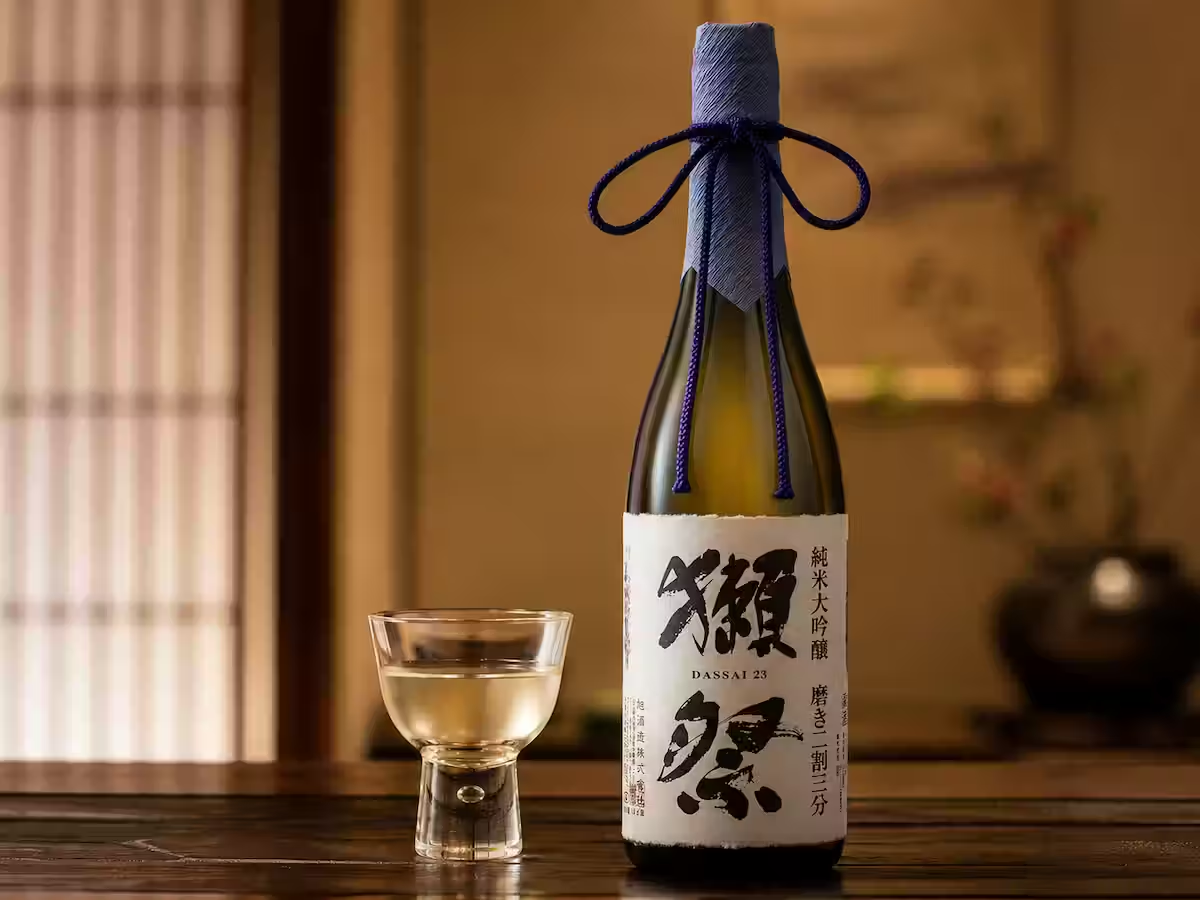
Junmai Daiginjo is considered one of the most refined styles of Japanese sake. Made with highly polished rice and no added alcohol, it is known for delicate fruity aroma, silky texture, and elegant balance. This style often appears in fine dining settings, gift culture, and celebratory moments. It represents pure rice craftsmanship in its most precise form.
For many first-time drinkers, it feels surprisingly approachable. The flavor is clean, smooth, and gently aromatic. While it is a luxury Japanese sake, it does not overwhelm the palate. Instead, it offers quiet refinement and clarity.
What Is Junmai Daiginjo?
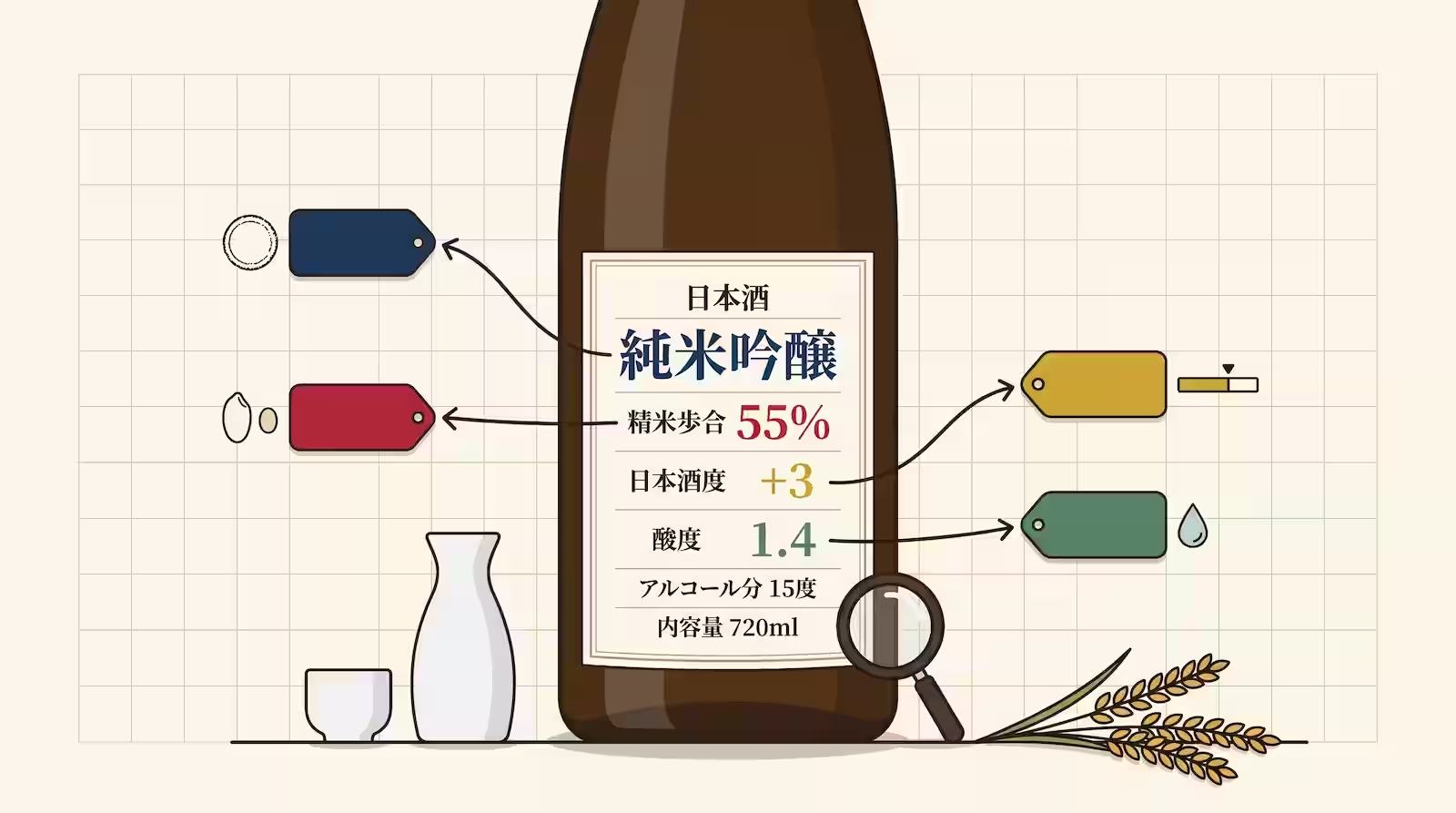
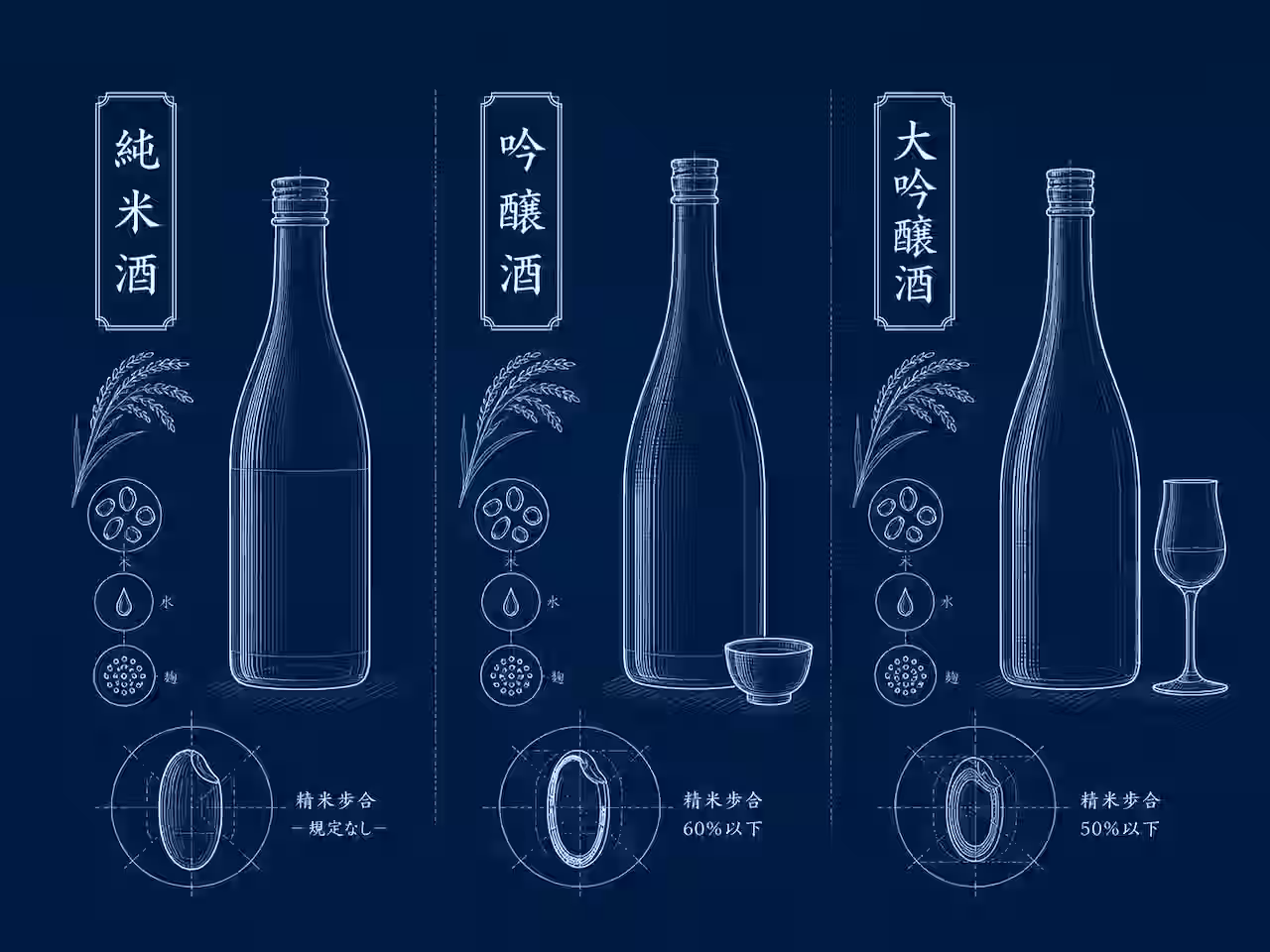
Junmai Daiginjo is a premium sake made only from rice, water, koji, and yeast. The term is simple to understand. Junmai means pure rice sake, and Daiginjo refers to a highly polished, aromatic brewing style. Together, they create a refined, rice-only sake with no added alcohol.
The key point is the rice polishing ratio. Brewers polish rice down to 50 percent or less. In other words, more than half of each grain is removed before brewing begins. This process eliminates rough elements and leaves a clean core, which leads to a lighter and more elegant flavor.
If you want a broader overview, see the
sake guide
Junmai Ginjo vs Junmai Daiginjo
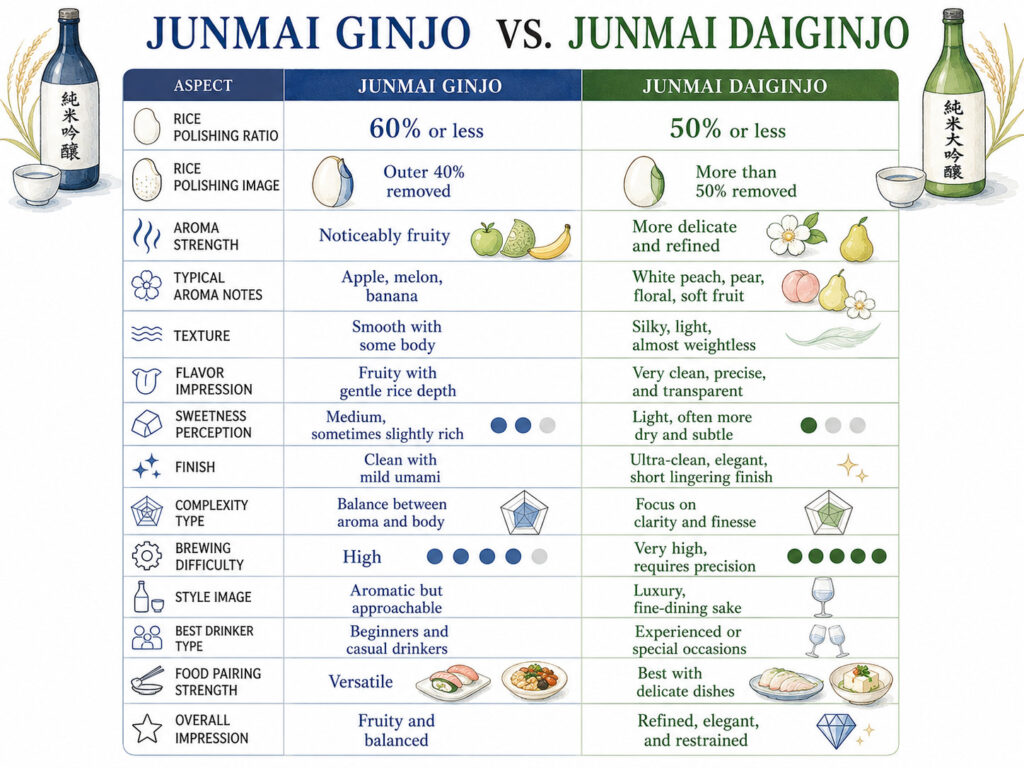
| Aspect | Junmai Ginjo | Junmai Daiginjo |
|---|---|---|
| Rice polishing ratio | 60% or less | 50% or less |
| Rice polishing image | Outer 40% removed | More than 50% removed |
| Aroma strength | Noticeably fruity | More delicate and refined |
| Typical aroma notes | Apple, melon, banana | White peach, pear, floral, soft fruit |
| Texture | Smooth with some body | Silky, light, almost weightless |
| Flavor impression | Fruity with gentle rice depth | Very clean, precise, and transparent |
| Sweetness perception | Medium, sometimes slightly rich | Light, often more dry and subtle |
| Finish | Clean with mild umami | Ultra-clean, elegant, short lingering finish |
| Complexity type | Balance between aroma and body | Focus on clarity and finesse |
| Brewing difficulty | High | Very high, requires precision |
| Style image | Aromatic but approachable | Luxury, fine-dining sake |
| Best drinker type | Beginners and casual drinkers | Experienced or special occasions |
| Food pairing strength | Versatile | Best with delicate dishes |
| Overall impression | Fruity and balanced | Refined, elegant, and restrained |
The difference feels clearer than it looks on paper. Junmai Ginjo keeps a bit more body and rice depth. Junmai Daiginjo moves toward precision and lightness. It feels cleaner, softer, and more aromatic.
Higher polishing does not always mean better taste. Many drinkers prefer Junmai Ginjo for its balance. Still, Junmai Daiginjo stands out for its elegance and sense of control. It shows how restraint can create beauty in flavor.
Flavor, Aroma, and Texture
Junmai Daiginjo is known for its fruity and elegant aroma. The fragrance, called ginjo-ka, develops through careful fermentation. You may notice apple-like aroma, melon notes, banana sweetness, and delicate floral hints. These are subtle, never loud.
The texture feels smooth and almost weightless. Each sip delivers a transparent flavor with an ultra-clean finish. Some bottles lean dry, while others offer a gentle sweetness. Either way, the experience remains refined.
Many wine drinkers find this style approachable. It often reminds people of aromatic white wines, especially those with floral or fruit-driven character. That similarity makes it a natural bridge between wine and sake.
How Junmai Daiginjo Is Made
The process focuses on precision and patience. Brewers begin with extreme rice polishing, removing more than half of each grain. They then use low-temperature fermentation to protect delicate aromas. Every step requires careful control.
Unlike wine, sake creates sugar and alcohol at the same time during fermentation. This gives Japanese rice wine its unique structure. The process moves slowly, with attention to temperature and timing.
This style reflects quiet craftsmanship. Brewers rely on experience rather than force. Small adjustments can change the final aroma and texture in significant ways.
For more details, see the
how sake is made guide
Why Junmai Daiginjo Feels Special
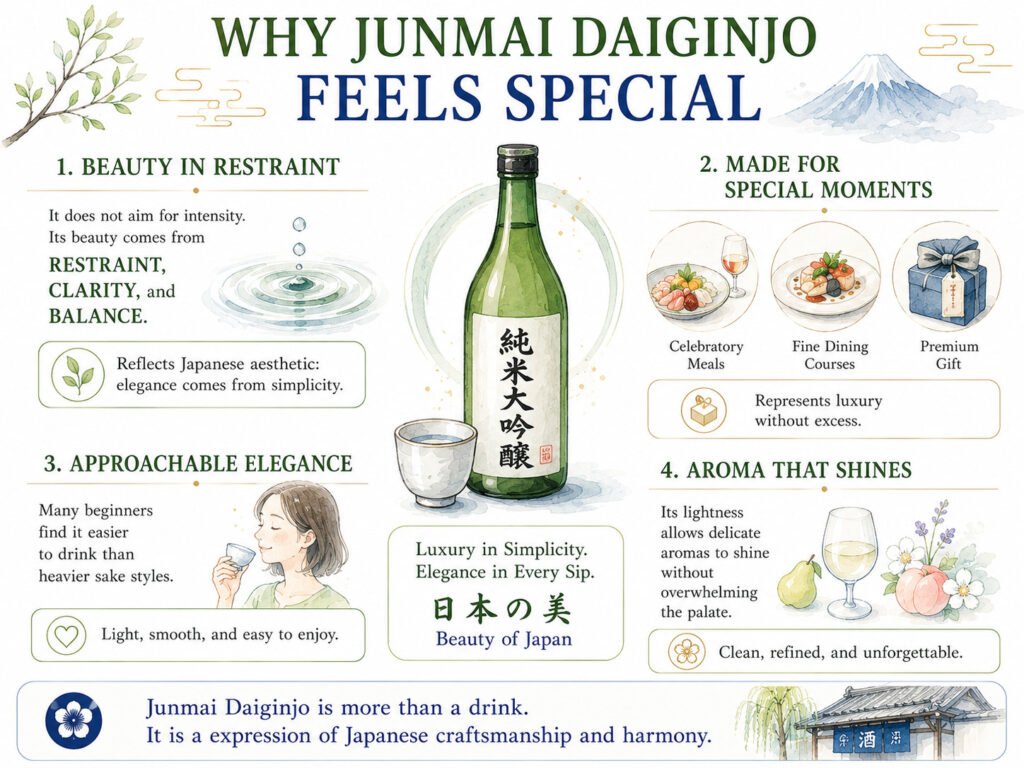
Junmai Daiginjo does not aim for intensity. Its beauty comes from restraint, clarity, and balance. This approach reflects a deeper Japanese aesthetic, where elegance comes from simplicity.
The style often appears in special settings. You may encounter it in celebratory meals, fine dining courses, or as a premium gift. It represents luxury without excess.
Even then, it remains approachable. Many beginners find it easier to drink than heavier sake styles. Its lightness allows the aroma to shine without overwhelming the palate.
How to Drink Junmai Daiginjo
Junmai Daiginjo is best served chilled. Cooling enhances the fresh aroma and keeps the finish clean. A temperature between 8°C and 12°C usually works well.
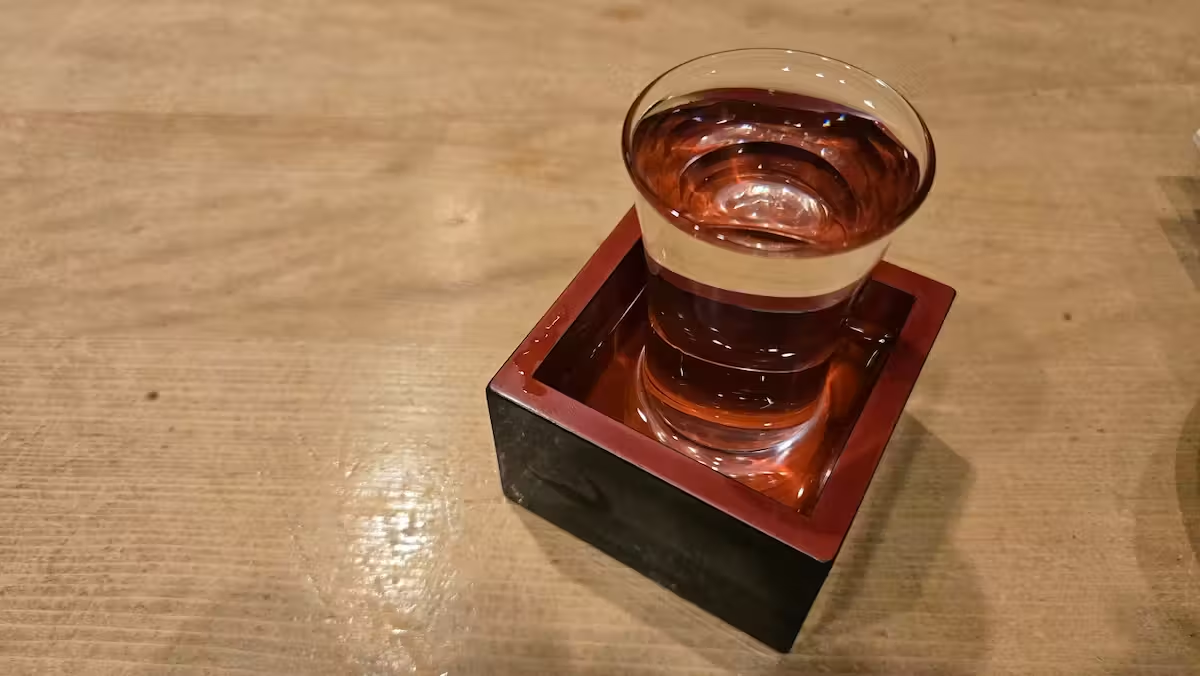
A wine glass is often the best choice. It allows the aroma to expand and creates a more complete experience. Traditional sake cups work too, but they limit fragrance.
Warming is not recommended. Heat can soften or hide the delicate aroma. Starting cold gives the clearest impression of the sake’s character.
Food Pairing with Junmai Daiginjo
This style pairs best with light and balanced dishes. Subtle flavors allow the aroma to stand out. Simple combinations often work better than complex ones.
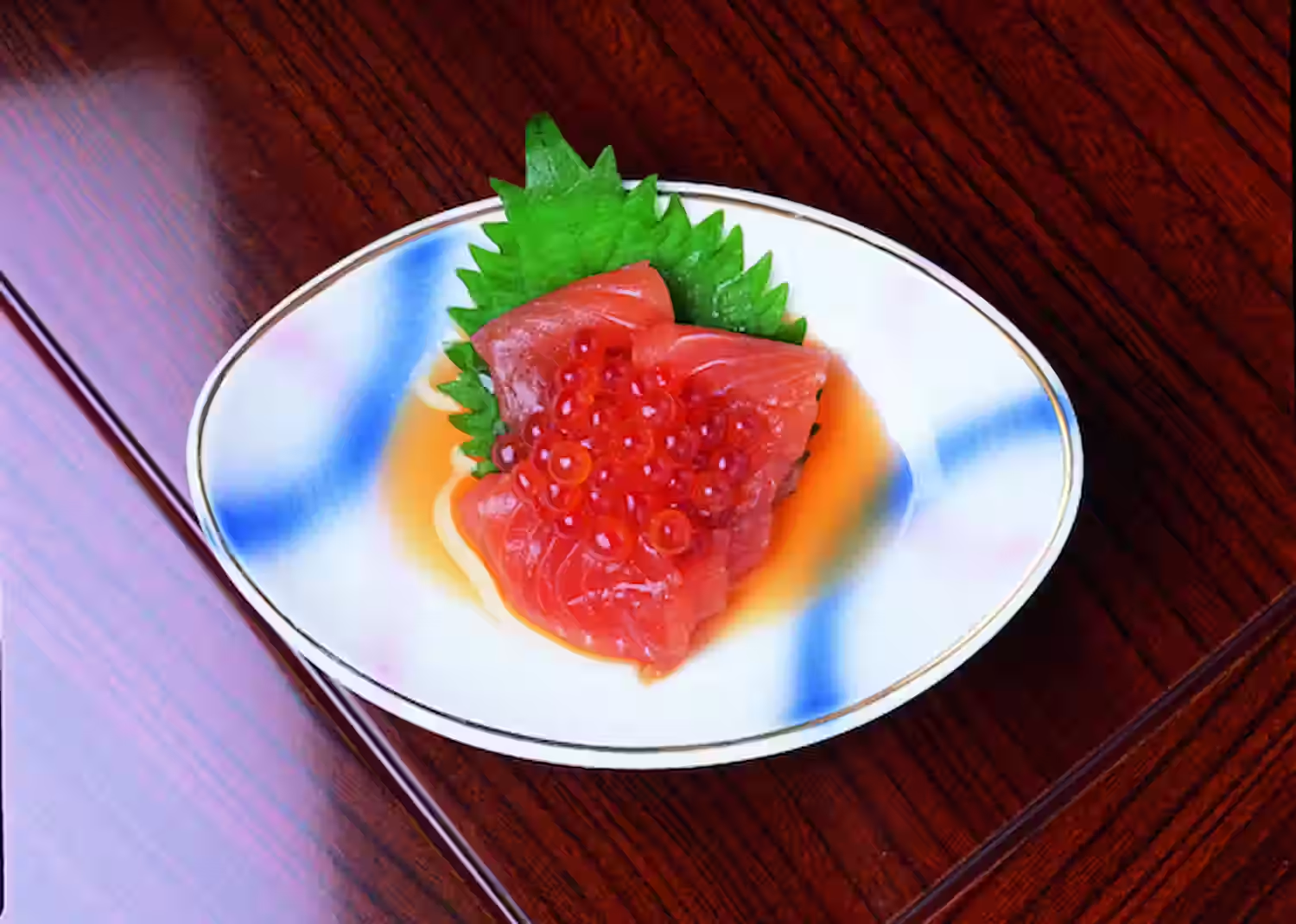
Best pairings include sushi, sashimi, oysters, scallops, tofu, and lightly seasoned fish. Soft cheeses such as brie or mozzarella also match well. These foods support the delicate profile without overpowering it.
Stronger dishes can hide the aroma. Spicy sauces, heavy meats, and bold cheeses may interrupt the balance. Gentle pairings usually bring out the best results.
Recommended Junmai Daiginjo
| Bottle | Style Image |
|---|---|
| Dassai 23 | Extremely refined and aromatic |
| Hakkaisan Junmai Daiginjo | Clean and food-friendly |
| Kubota Manju | Smooth with understated elegance |
Dassai 23 is widely known for its extreme polishing and refined aroma. It represents the luxurious side of this category. Hakkaisan offers a balanced and quiet style that pairs well with meals. Kubota Manju provides smooth texture and a subtle, controlled finish.
Each bottle highlights a different side of Junmai Daiginjo. Choosing between them depends more on preference than price.
Final Thoughts
Junmai Daiginjo represents Japanese craftsmanship in its purest form. It focuses on clarity, balance, and subtle expression. The flavor may feel quiet at first, but it reveals depth over time.
It is not a sake that demands attention. Instead, it invites it. That gentle experience is part of its charm.
Junmai Daiginjo FAQ
What is Junmai Daiginjo?
It represents the highest grade of premium Japanese sake. Brewers make it using pure water, koji, and rice polished to 50 percent or less, completely avoiding added alcohol.
Where does Junmai Daiginjo come from?
This top-tier beverage originates from highly skilled breweries across Japan. Master brewers developed this refined style to showcase the ultimate purity of rice.
What does Junmai Daiginjo smell like?
It delivers bright, fruity, and floral aromas. Drinkers frequently notice elegant scents of apple, melon, and soft spring flowers.
Is Junmai Daiginjo sweet or dry?
Brewers produce both sweet and dry styles. However, most bottles offer a beautifully balanced flavor with a crisp, clean finish.
Why is Junmai Daiginjo expensive?
The complex brewing process demands incredible time and precision. Brewers discard more than half of the rice grain during polishing, which significantly increases production costs.
Should Junmai Daiginjo be chilled?
Yes, you should chill it before serving. Cold temperatures perfectly preserve the delicate aroma and maintain the clean, crisp flavor profile.
Is Junmai Daiginjo good for beginners?
Yes, new drinkers enjoy it immensely. The incredibly smooth texture and light, fruity aroma create a perfect introduction to premium rice wine.
Where can I drink Junmai Daiginjo in Japan?
You will find the best bottles at upscale restaurants and premium sushi counters nationwide. High-end department stores and specialized liquor shops also stock these luxury brands everywhere.
Is Junmai Daiginjo vegetarian or vegan friendly?
This traditional alcohol contains absolutely no animal products. Vegans and vegetarians can safely enjoy this 100% plant-based drink anywhere.
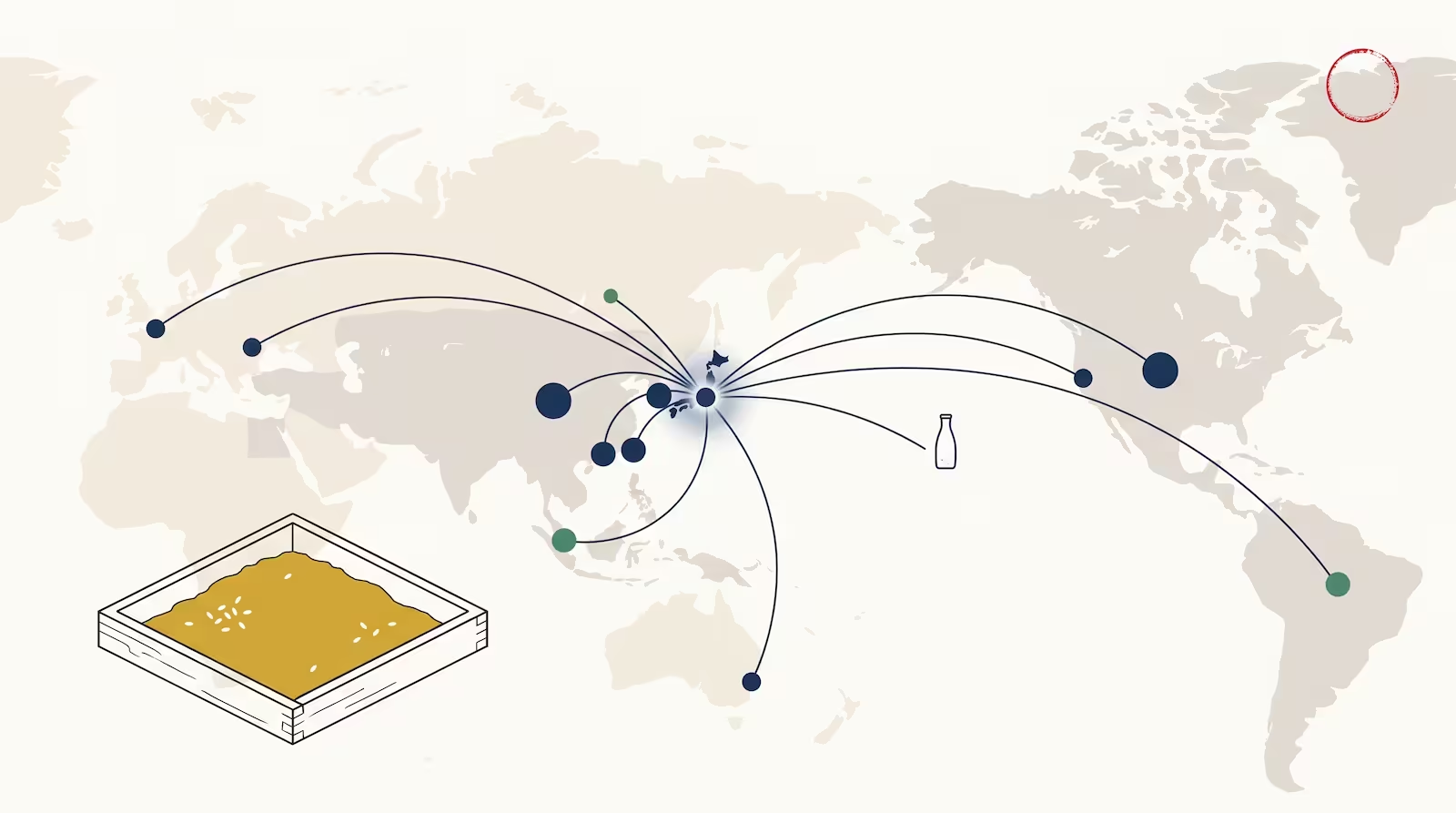
Is Junmai Daiginjo popular outside Japan?
It enjoys massive popularity among global wine enthusiasts. Diners eagerly order these elegant bottles at high-end Japanese restaurants in North America, Europe, and Asia.
References
Japan Sake and Shochu Makers Association, “About Premium Sake Classification”
https://japansake.or.jp/
National Tax Agency Japan, “Special Designation Sake Standards”
https://www.nta.go.jp/




Comments