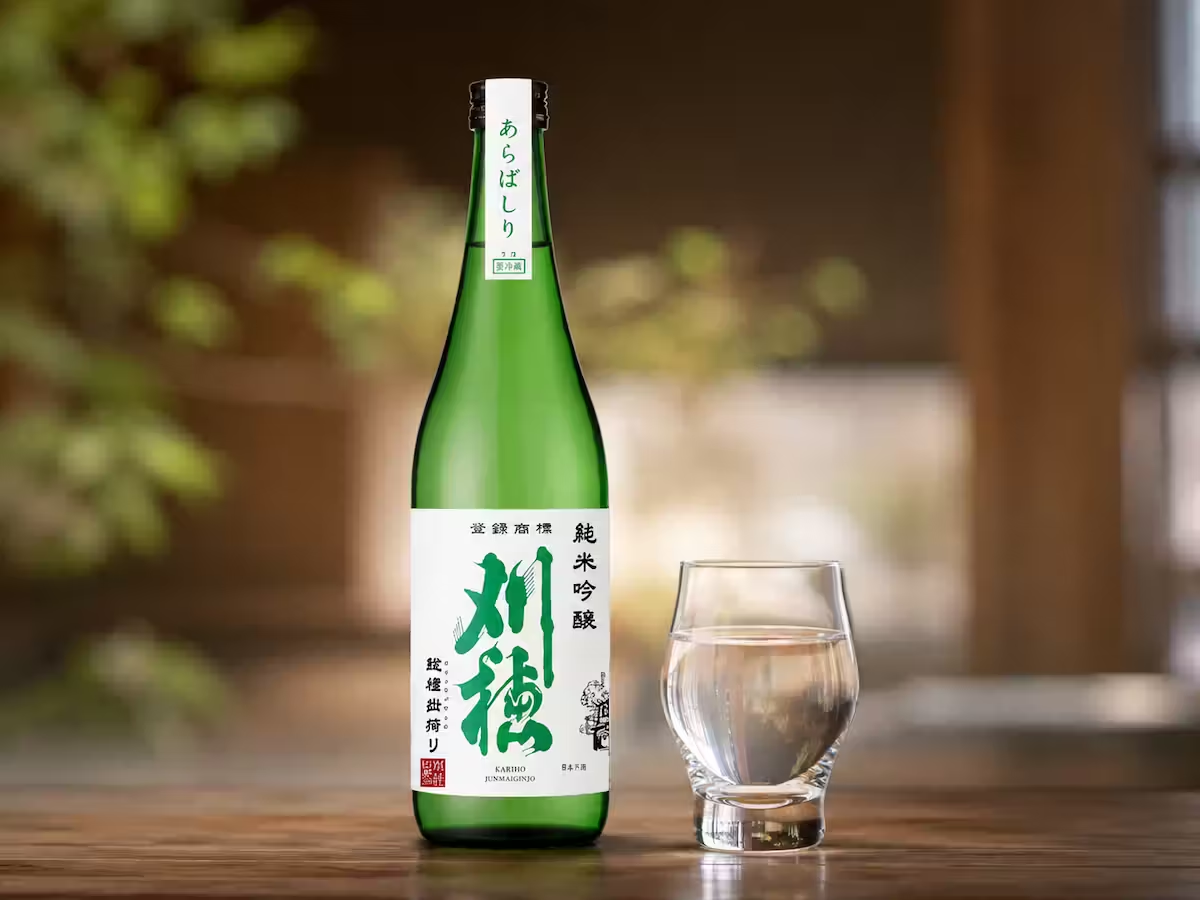
Arabashiri is the first sake that flows out during pressing. Because it comes from the earliest stage, it often tastes lively, fresh, and slightly wild. Many enthusiasts chase it each winter for that brewery‑fresh feeling.
This is a seasonal sake with character, not a polished showpiece. Expect bright aroma, quick energy, and a clean finish. Some bottles pour slightly cloudy. That raw edge becomes part of the charm.
Arabashiri means the earliest run in the sake pressing process. Brewers collect it at the start, before the press reaches a steady pace. That timing often preserves a vivid, just‑made impression.
In practice, arabashiri is a pressing fraction. It is not a rice grade. It is not a sweetness label either. The name points to when the liquid appears.
Winter is sake season in Japan. Breweries ferment in cold weather, and new bottles arrive as the season begins. Arabashiri often appears early, so it feels like the first snapshot of the year.
Fans also like its less polished personality. Early press sake can feel slightly fizzy, sharp, or uneven compared with later cuts. That rough freshness can feel honest. For some drinkers, that honesty beats perfection.
Limited release sake adds urgency. Many breweries bottle only small volumes. When a batch sells out, it usually waits until next winter. That cycle turns arabashiri into a seasonal ritual.
If you like other fresh winter styles, compare namazake and genshu.
Sake Pressing Fractions: Where Arabashiri Fits
Brewers often divide pressing into three fractions. Labels vary by brewery, but the idea stays common. Each fraction can taste noticeably different.
Pressing fraction
When it appears
Typical character
Why people buy it
Arabashiri
First run
Bright, lively, sometimes rough
Fresh first‑run excitement
Nakadori
Middle cut
Balanced, clean, often elegant
Precision and clarity
Seme
Last run
Stronger, heavier, more rustic
Depth, blending, niche appeal
This table also explains the difference between arabashiri and nakadori. Nakadori often tastes calmer and more “finished.” Arabashiri often feels more spontaneous and energetic.
Why Pressing Creates Different Flavors
Pressing does not happen in one flat moment. Pressure changes over time. Extraction changes with it.
Some breweries use a traditional fune press. Others use modern presses such as Yabuta‑style machines. Either way, the early phase behaves differently from later phases.
Early flow can carry more aroma and a lighter texture. Later flow can bring more weight and intensity. That is simple physics, not only romance.
What Does Arabashiri Taste Like?
Close-up of a cloudy, soft haze sake in a ceramic cup, showcasing Japan’s early-ripening sake profile.
Arabashiri often tastes clean, bright, and gently savory. Many bottles show melon, pear, green apple, or light floral notes. A faint prickle can appear, like soft carbonation.
The “slightly wild” side shows up in concrete ways. Some bottles feel sharper at the edges. Some feel uneven compared with nakadori. Others feel brisk and almost electric.
Arabashiri can also look cloudy. This cloudiness does not necessarily mean nigori sake. Early pressing can carry more fine rice particles into the liquid. The haze often softens mouthfeel rather than adding sweetness.
Chilling usually helps if the alcohol feels sharp. Cold temperature tightens aroma and smooths roughness. Food pairing also makes the style easier.
Arabashiri vs Shiboritate
These two words often appear together on winter labels. Yet they describe different ideas.
Arabashiri describes a fraction. It tells you which part of pressing the sake came from. Shiboritate describes timing, meaning freshly pressed sake.
A bottle can be both. Still, overlap is not guaranteed. Some shiboritate bottles use nakadori. Some arabashiri bottles do not use the shiboritate label.
Start chilled. Cold serving sharpens fruity aroma and calms rough edges. A wine glass can help aroma open, especially for aromatic bottles.
Pour small amounts. The flavor can feel bold at first. Slow pacing lets the profile settle.
Refrigerate after opening. Freshness fades faster in lively styles. Try to finish within a few days.
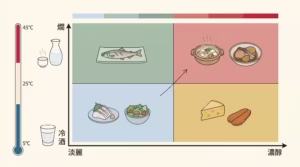
Food makes the style easier to read. These pairings often work well.
Yakitori with salt
Grilled fish with salt
Tempura
Fried chicken
Mushrooms with soy sauce
Light winter hot pots
Why Winter Is Sake Season
Breweries traditionally brew in colder months. Cold fermentation helps stability and aroma control. Winter also matches the rhythm of rice harvest and water conditions.
That is why Japanese new sake culture peaks in winter. Shops stock refrigerated shelves with fresh releases. Drinkers compare bottles like seasonal produce.
Arabashiri fits perfectly into this pattern. It arrives early, feels alive, and disappears quickly. That cycle keeps attention high.
A Short History, Then Today
Brewers have long noticed differences during pressing. Early tools made those changes easy to taste. Modern equipment later made fraction bottling easier to sell.
That shift increased visibility. More breweries began labeling early‑run sake as arabashiri. Drinkers could compare pressing fractions across brands.
Today, arabashiri remains a limited winter sake. Some bottles aim for bright aroma. Others aim for rustic freshness.
Final Thoughts
Arabashiri shows the bold side of Japanese sake. It offers bright aroma, lively taste, and a close‑to‑the‑brewery feeling. Winter is its natural stage.
If you enjoy seasonal bottles, compare arabashiri with nakadori once. Watch how pressing fractions change aroma and texture. That single comparison can make sake feel more alive.
Arabashiri FAQ
What is arabashiri?
It represents the very first run of liquid that brewers obtain during the pressing stage. Brewmasters collect this fresh portion directly from the earliest phase of the filtration process. This distinct timing typically brings a lively, robust, and highly refreshing impression to the palate. Many regional breweries release this raw-style sake as a highly limited winter bottling.
What does arabashiri mean?
The term translates literally to “rough run” or “first run” in English. It strictly describes a specific pressing fraction rather than a particular rice polishing grade. It also does not indicate a specific sweetness level or flavor profile. The Japanese expression simply highlights exactly when the liquid emerges from the press.
What does arabashiri taste like?
It delivers an incredibly fresh, wild, and robust flavor profile. Drinkers often experience a slight, pleasant effervescence alongside a young, green fruitiness. The texture feels light but carries a rustic, slightly raw finish on the palate. Many diners compare its lively spirit to a young, unfiltered natural wine.
How is arabashiri different from nakadori?
This initial pressing fraction emerges first under only the natural weight of the bags, while nakadori represents the highly prized middle cut. The middle fraction typically delivers a cleaner, more harmonious, and balanced flavor profile. In contrast, this early-run liquid can feel sharper, brisker, and slightly more robust. Many sake enthusiasts enjoy tasting both distinct varieties side by side to compare their characters.
Is arabashiri the same as shiboritate?
Not necessarily, though the two categories occasionally overlap. The term shiboritate simply translates to “freshly pressed sake” and describes the timing of the release. In contrast, this specific term describes a precise pressing fraction during the actual filtration stage. While a single bottle can technically belong to both categories, local breweries vary their labeling styles significantly.
Is arabashiri cloudy?
Yes, some bottles contain a slight, natural cloudiness. The earliest phase of pressing frequently carries fine rice particles and yeast from the fermentation tank. However, this delicate haze differs significantly from standard, heavily sedimented cloudy sake. The fine particles gently soften the overall mouthfeel and add a highly pleasing texture, though many bottles still pour almost completely clear.
Where can I drink arabashiri in Japan?
You will find these seasonal bottles mostly during the winter brewing season from December to February. Specialized local liquor stores (jizake-ya) and premium department store basements stock them in refrigerated cases. Many traditional izakayas also serve these fresh pours to match their winter seafood menus. You should check with specialty shops early because breweries produce these batches in highly limited quantities.
How much does arabashiri cost?
A standard 720ml bottle typically costs between 1,500 and 3,000 yen at retail. Prices vary depending on the specific brewery, the rice-milling ratio, and the overall premium category. Because breweries release these bottles as seasonal, unpasteurized specialties, they sometimes command a slight premium. They still offer an excellent value for experiencing such a vibrant, fresh-off-the-press flavor.
Is arabashiri vegetarian or vegan friendly?
This traditional beverage contains absolutely no animal products. Brewers craft the liquid using only premium sake rice, koji mold, yeast, and pure water. Vegans and vegetarians can safely enjoy this 100% plant-based rice wine alongside any seasonal meal.
Should arabashiri be refrigerated?
Yes, you must keep these bottles strictly in the refrigerator at all times. Because brewers almost always bottle this style raw and unpasteurized, heat can quickly ruin the delicate, fresh aromas. Warm temperatures will also trigger unwanted secondary fermentation inside the bottle. You should store the bottle in a dark, cold place and consume it quickly after opening.
Ryo Iwa is the founder and editor of foodinjapan.org. Born and raised in Japan, he writes from regional travel, market visits, and Japanese-language primary sources that rarely reach English readers, including brewing institute publications and industry glossaries. Where a figure cannot be traced to a source, the article says so.
He has been a Google Maps Local Guide for over 10 years, with more than 1,800 reviews and over 41,000 photos viewed hundreds of millions of times. He previously spent two decades as an IT consultant in Japan, the US, and the UK.
















Comments