




Ryo Iwa– Author –

-

Kaki no Dotenabe (かきの土手鍋)
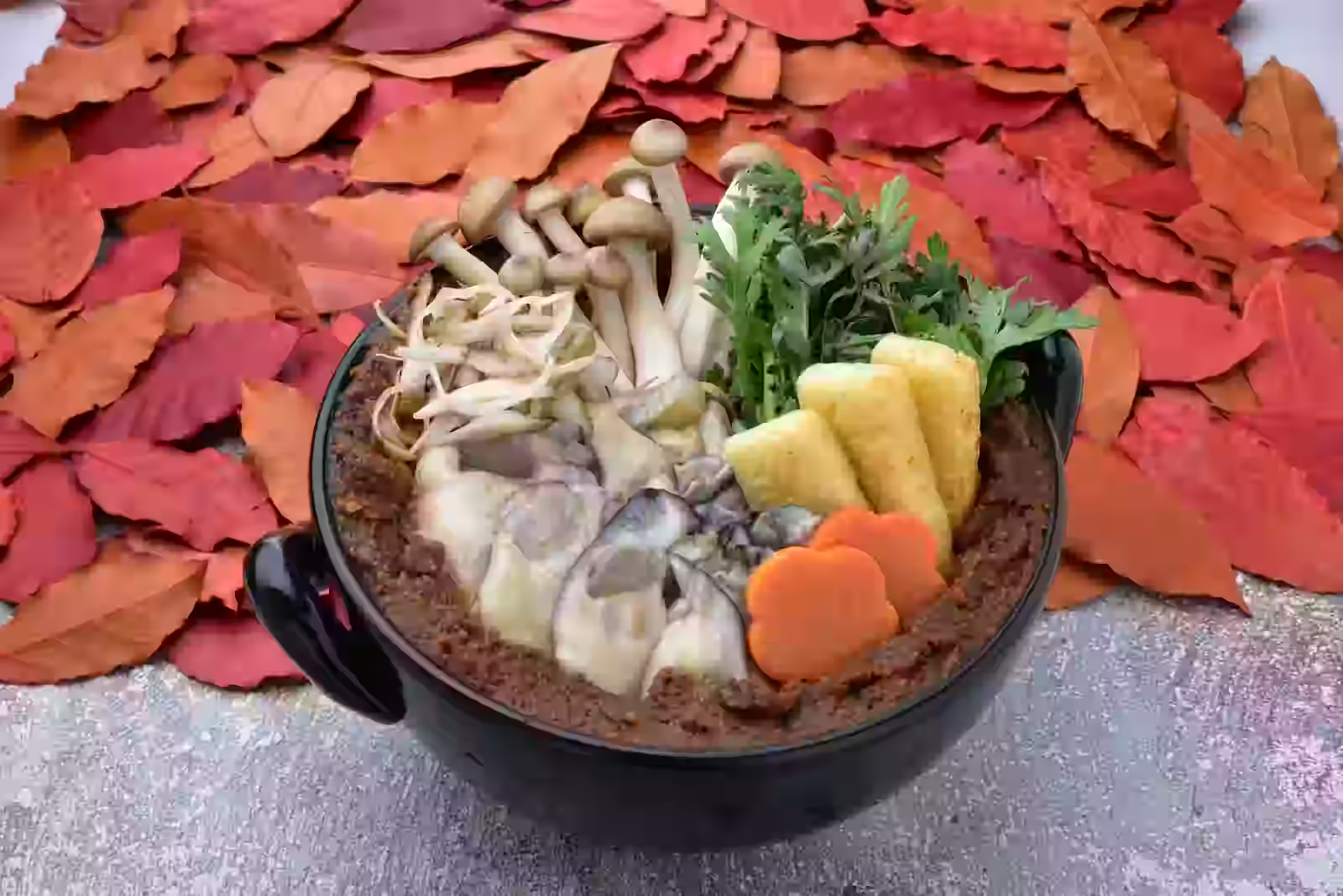
Picture a clay pot on a winter table in Hiroshima, its inner rim coated with a thick ridge of miso. That ridge is the whole point of Kaki no Dotenabe, a Hiroshima oyster hot pot. Oysters, tofu, and vegetables simmer in dashi broth, and d... -


Kubota Sake: The Niigata Brand That Redefined Dry Japanese Sake
Order Kubota at an izakaya, a casual Japanese pub, and you will usually get a restrained, smooth sake with a clean, quick finish. Kubota sake is a Niigata brand made by Asahi-Shuzo and first released in 1985. It became one of the best-kn... -
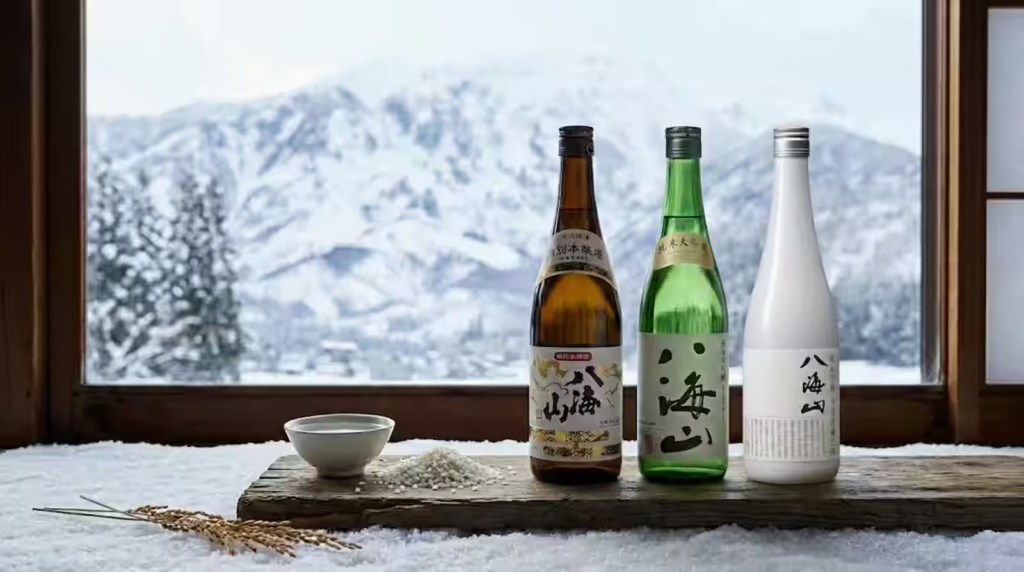

Hakkaisan Sake: The Story of Niigata’s Snow-Country Brewery
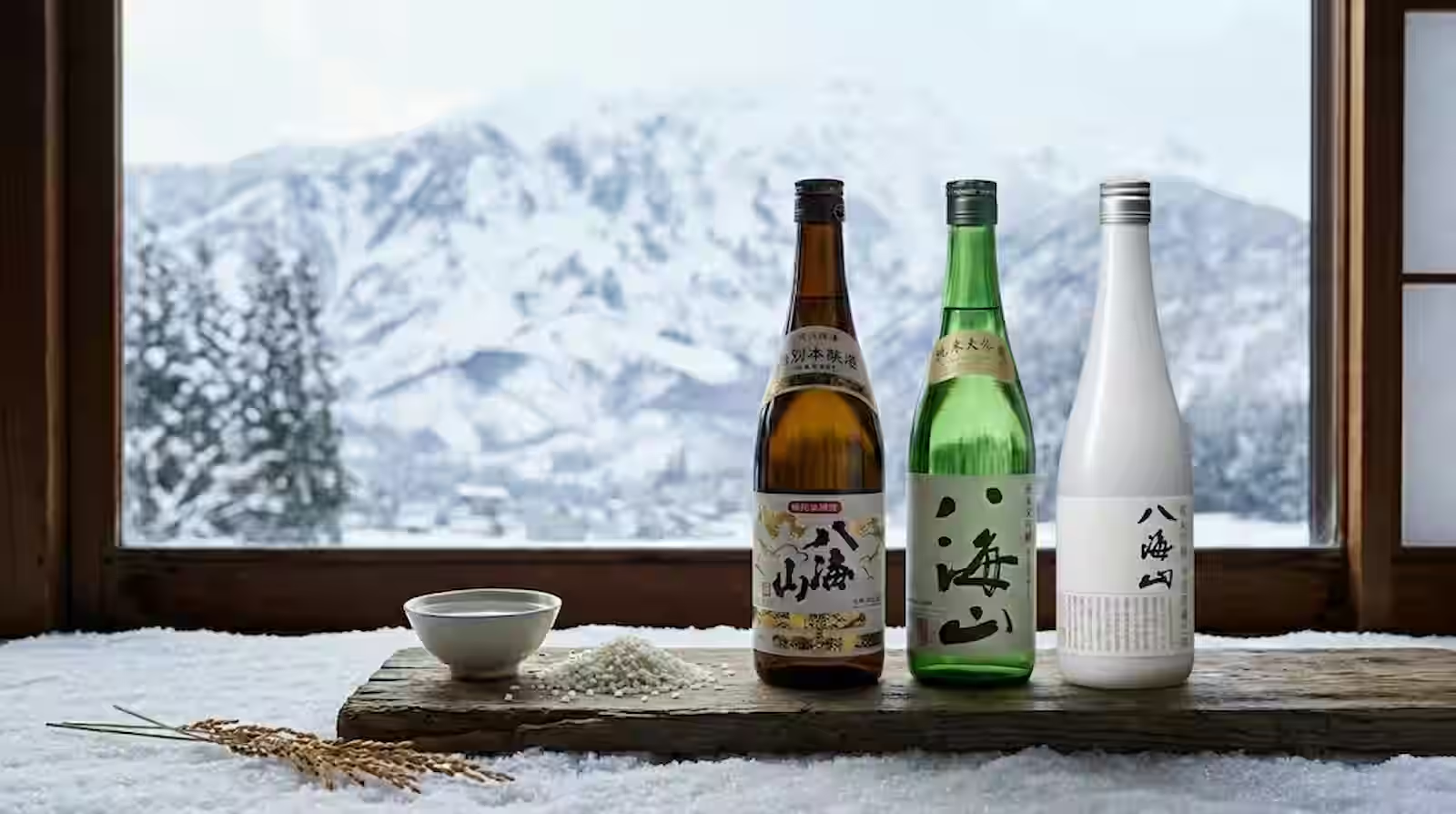
For much of the winter, deep snow covers the valley around Minamiuonuma in Niigata Prefecture, although the depth varies by place and year. However, the brewery there does not treat that snow only as an obstacle. Hakkaisan sake is built ... -
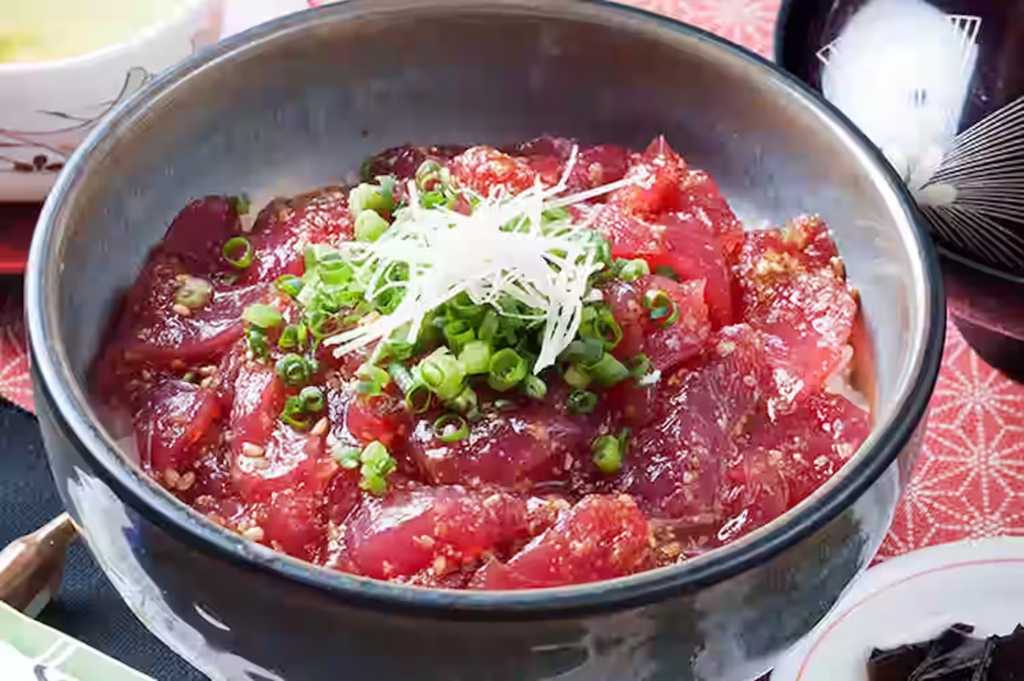

Hyugadon (ひゅうが丼)
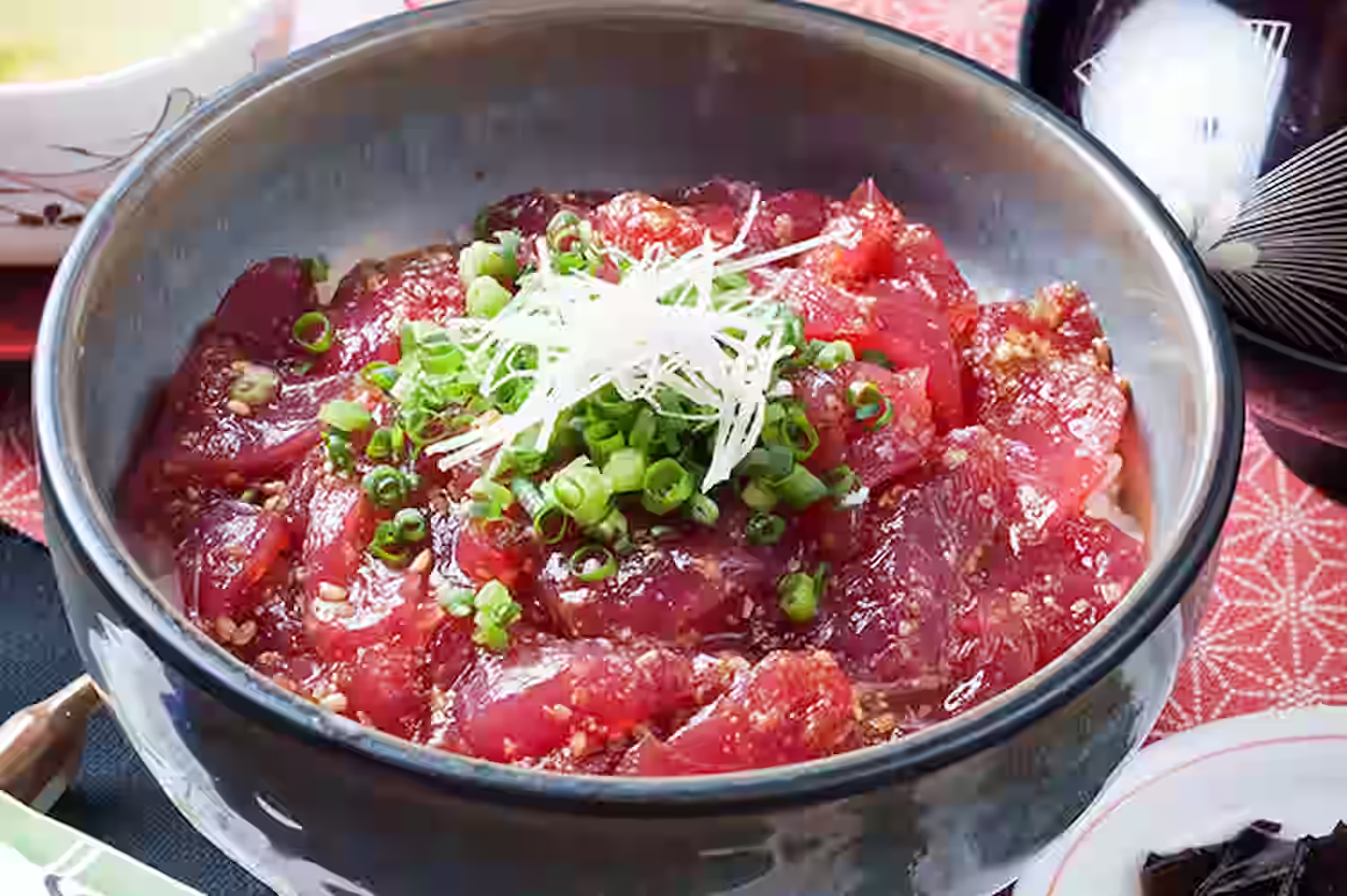
A bowl of hot rice arrives topped with slices of raw tuna, glossy with a sweet sesame-soy sauce. That bowl is Hyugadon (ひゅうが丼), a Japanese marinated tuna rice bowl from Tsukumi in Oita Prefecture, on the island of Kyushu. People als... -
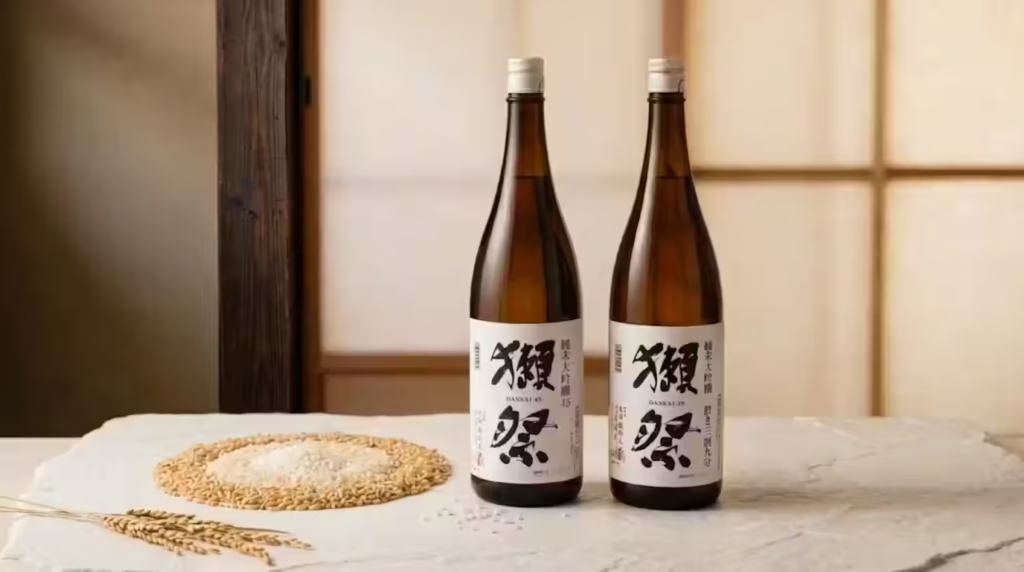
Dassai Sake: The Story Behind Japan’s Global Junmai Daiginjo Brand
Bottles with a bold "23" on the label appear on sake lists in Japan and overseas. The figure is easy to mistake for alcohol strength, but it means something else. Dassai sake is a Junmai Daiginjo brand from Iwakuni in Yamaguchi Prefectur... -
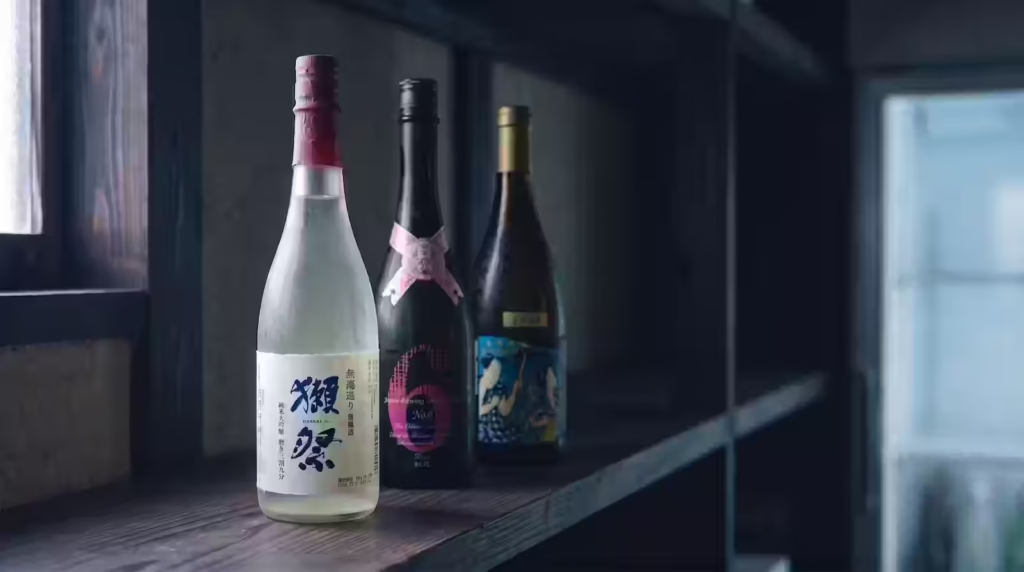
How to Store Sake: A Practical Guide to Freshness and Storage
You carry a bottle home from a liquor shop, and a small worry starts. Should it go in the fridge, or is the cupboard fine? Knowing how to store sake answers that question, and it takes only a few habits. In short, sake keeps best when it... -
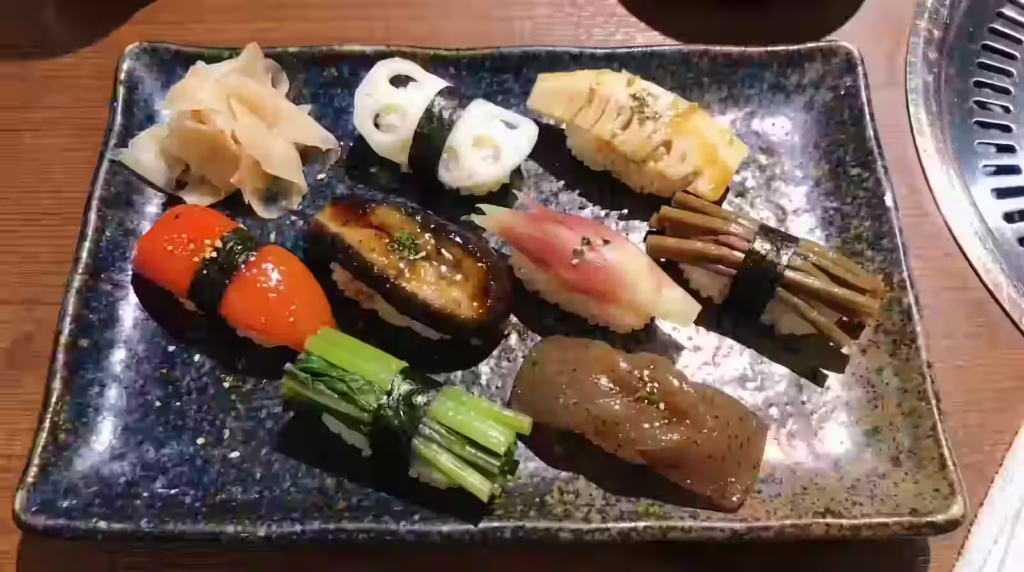
Tosa Inaka Sushi (土佐田舎寿司)
At Kochi's Sunday Market, packs of local sushi may look nothing like the nigiri you know. Pink buds, green stalks, and dark mushrooms replace the seafood that many visitors expect. This is Tosa Inaka Sushi (土佐田舎寿司), the mountain-ve... -
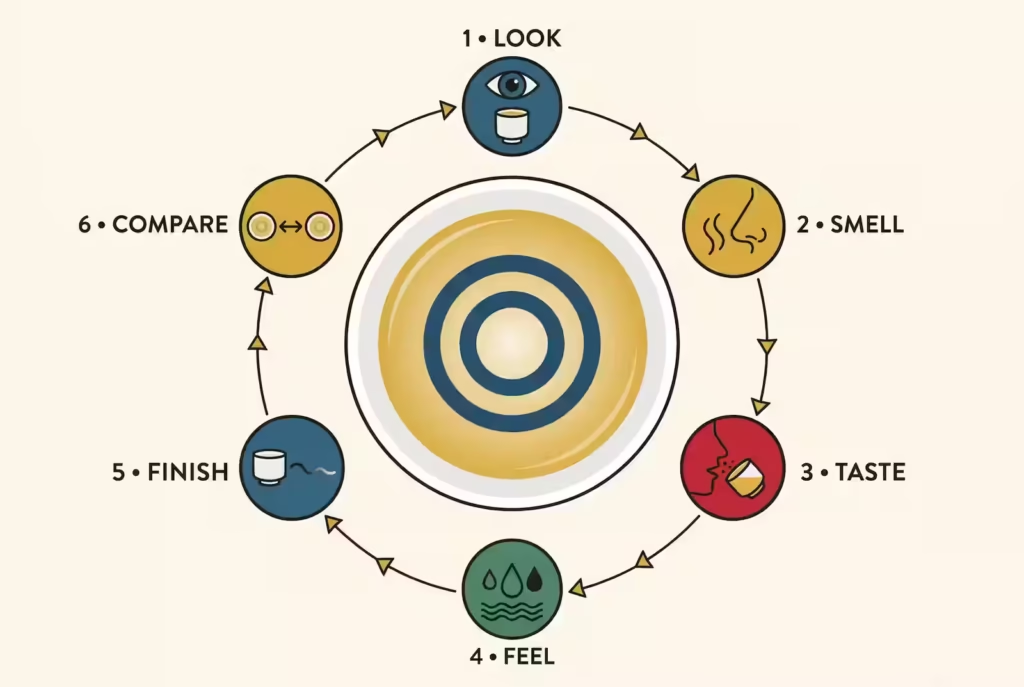

How to Taste Sake: A Beginner’s Guide to Japanese Sake
Pour a glass of sake and take a sip. Then try to say what you noticed. Most people stall right there, because nobody taught them what to look for. This guide on how to taste sake fixes that gap with six simple steps. To taste sake, first... -
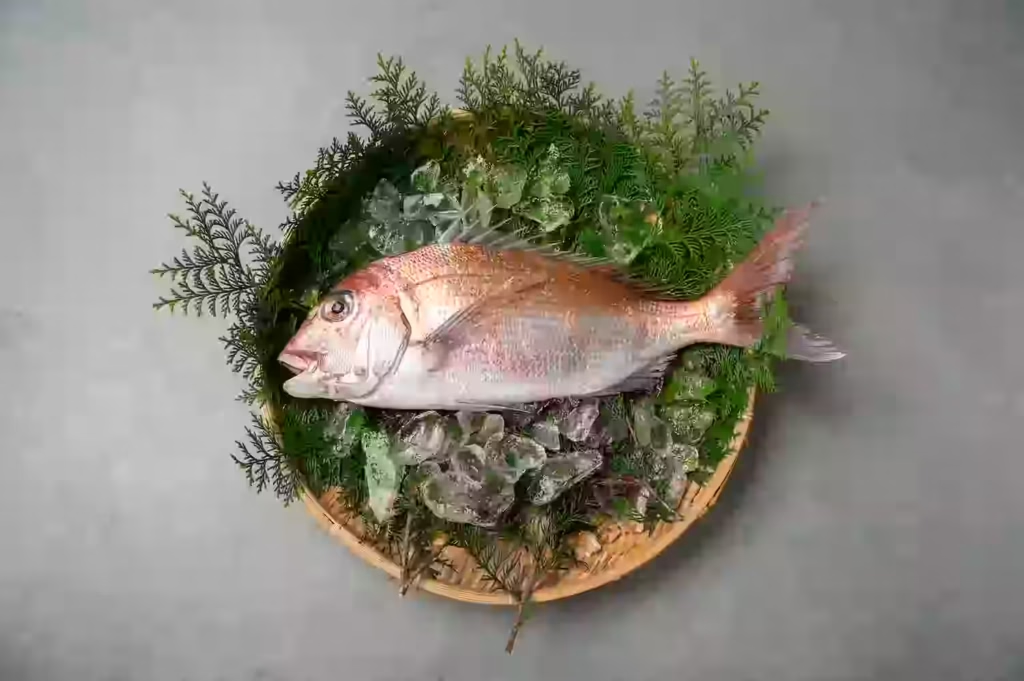
Naruto Sea Bream (鳴門鯛)
Order sashimi in Naruto and the white fish on your plate may push back a little when you bite. That fish is often Naruto sea bream (鳴門鯛), known locally as Narutodai. It is Japanese red sea bream, or madai, from the fast waters around ... -
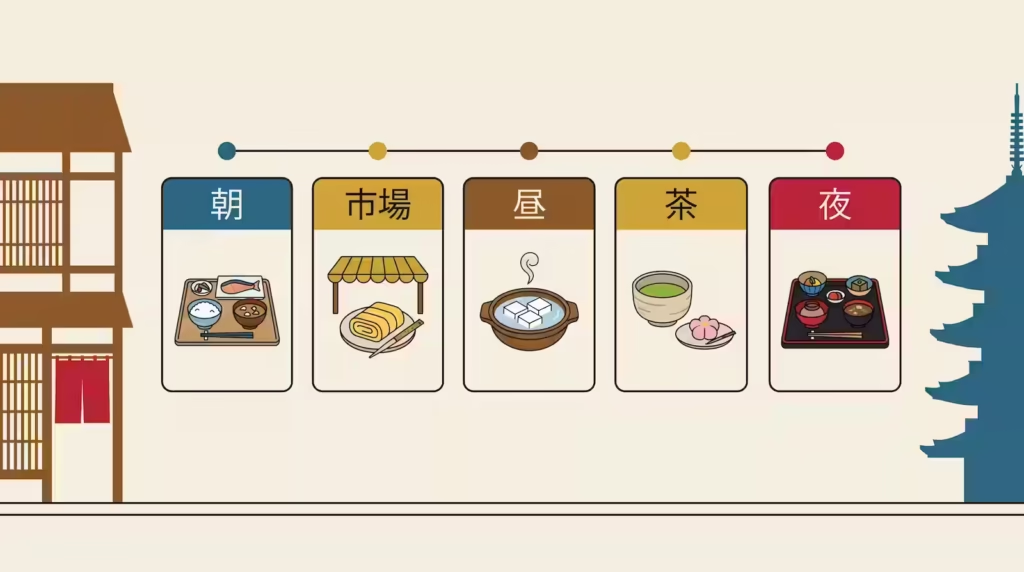
One Day in Kyoto: A Food Itinerary from Breakfast to Dinner
You have one day in Kyoto, a list of temples, and room for a few memorable meals. So where should you begin? Many first-time visitors eventually ask 京都で何食べる (Kyoto de nani taberu?), meaning "What should I eat in Kyoto?" The answer...