'/%3E%3Cpath%20fill='%23b2b2b2'%20d='M241%20382q0%2016%2017%2026%2017%2011%2042%2011t42-11q16-11%2017-26V269H241'/%3E%3Cpath%20fill='%239f7e00'%20d='M241%20379q0%2014%208%2023%209%209%2021%209%2014%200%2021-9%209-9%209-23V269h-59'/%3E%3Cpath%20d='M241%20339v-70h59v110q0%2014-9%2023l-6%205v-68h-15v72q-8%200-14-4v-68zm59%2040c0%2022%2015%2032%2029%2032%2021%200%2030-18%2030-32v-40h-59'/%3E%3Cpath%20fill='%239f7e00'%20d='M266%20277v5h2v12h-3v-5h2v-5h-9v5h2v5h-4v9h3v18h-5v10h34v-10h-5v-18h3v-9h-4v-5h2v-5h-9v5h2v5h-3v-12h2v-5zm42%20101q0%2010%206%2017%206%206%2015%207%2010-1%2016-7%206-7%206-17v-29h-43'/%3E%3Ccircle%20fill='%230044ad'%20cx='329.5'%20cy='372'%20r='6'/%3E%3Cellipse%20fill='%230044ad'%20cx='300'%20cy='340'%20rx='16'%20ry='21'/%3E%3C/svg%3E)


'%3E%3Cpath%20stroke='%23000'%20stroke-width='4'%20d='m-35-37-13%2020m5%203%2013-20m5%203-13%2020m63%2042%206-9m1-2%206-9m5%203-6%209m-1%202-6%209m5%203%206-9m1-2%206-9m-96%200%2013%2020m5-3-6-9m-1-2-6-9m5-3%2013%2020m63-42-6-9m-1-2-6-9m5-3%2013%2020m5-3-6-9m-1-2-6-9'/%3E%3Ccircle%20r='24'%20fill='%23cd2e3a'/%3E%3Cpath%20fill='%230047a0'%20d='M0%200a12%2012%200%201%201%2020%2013%2024%2024%200%201%201-40-26A12%2012%200%201%200%200%200'/%3E%3C/g%3E%3C/svg%3E)



Japanese Food– Traditional Dishes, Local Specialties & Food Culture of Japan –

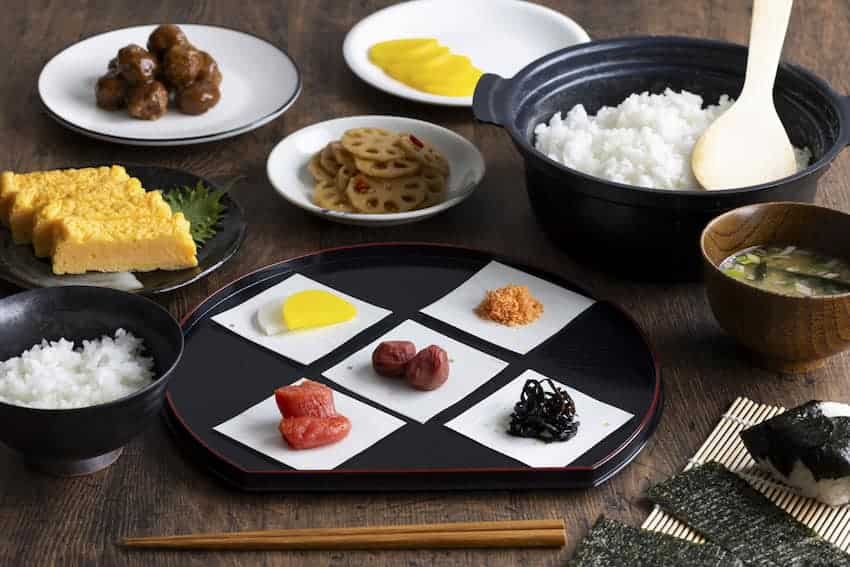
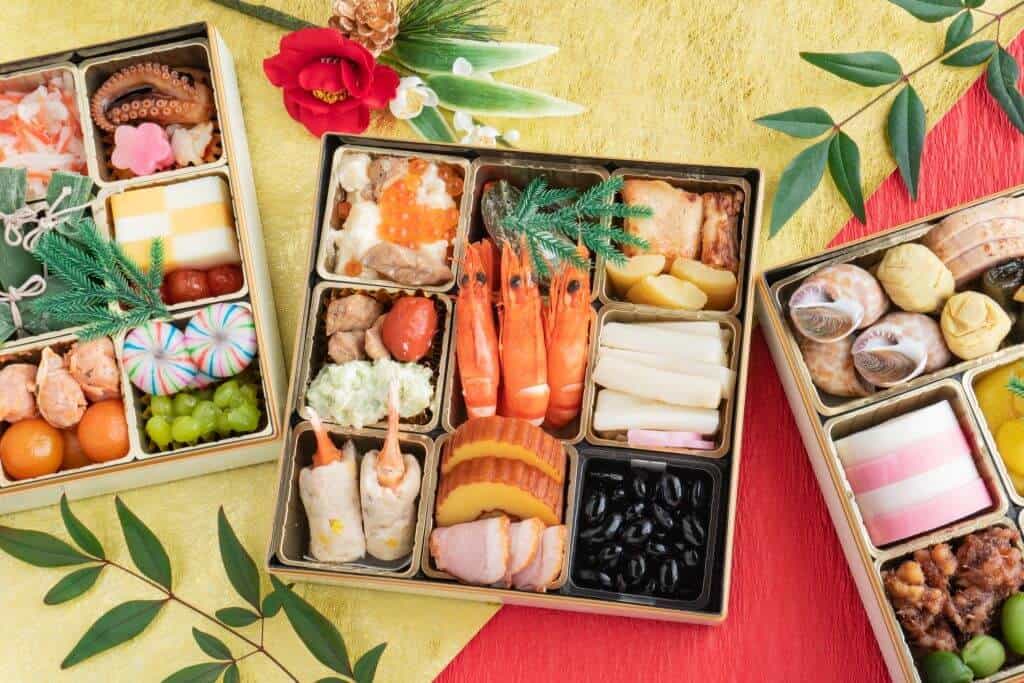
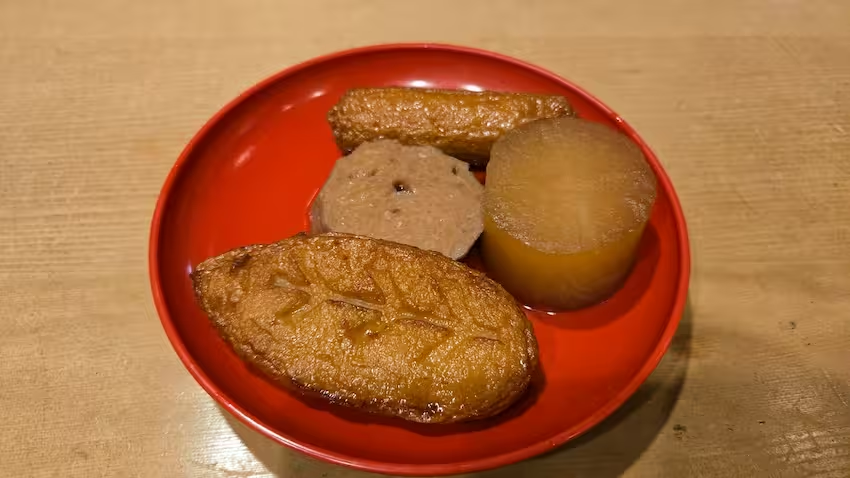
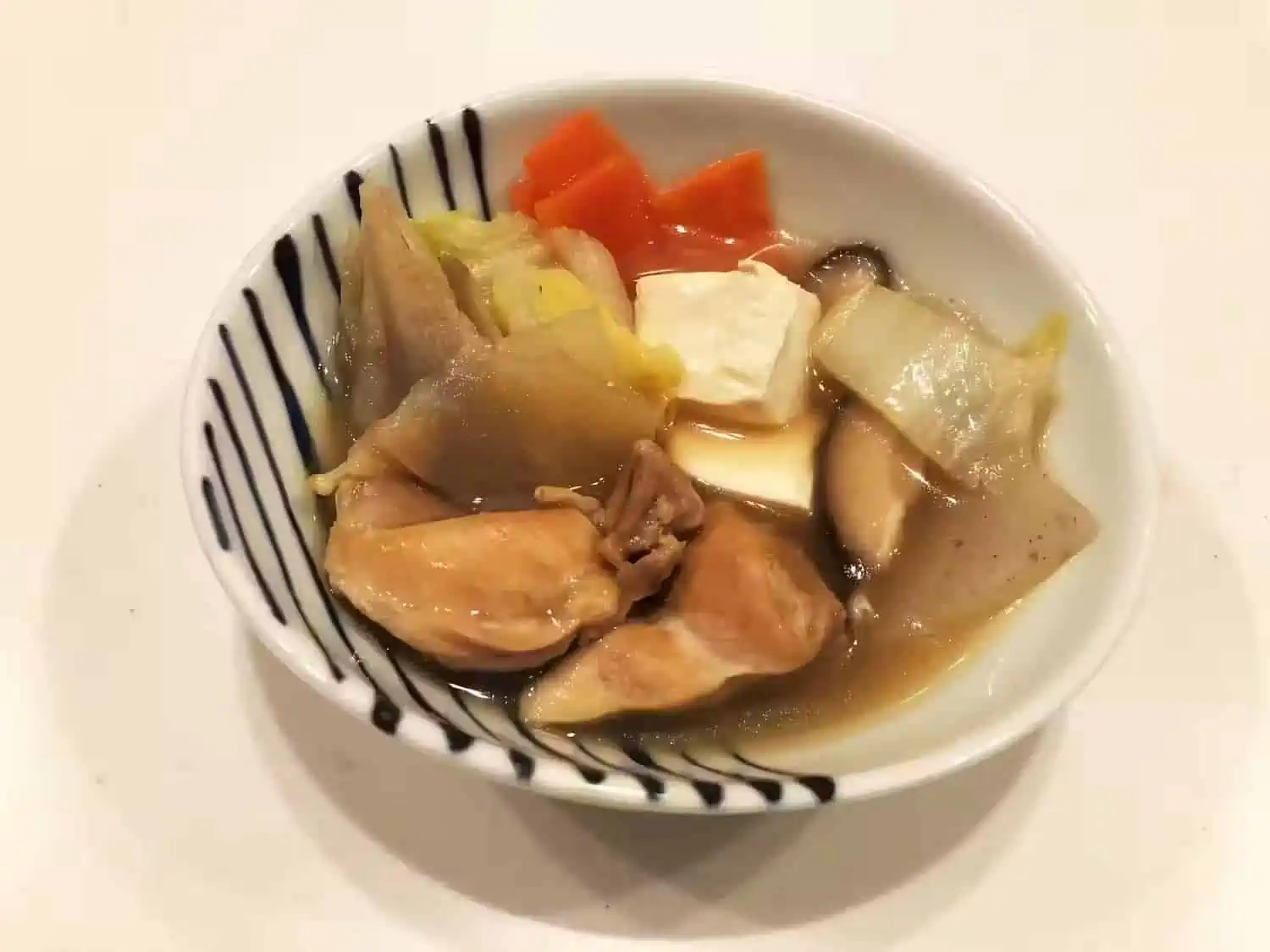
Japanese food is known worldwide for its balance of flavor, seasonal ingredients, and beautiful presentation. From traditional washoku cuisine to modern street food and everyday meals, Japan offers a rich and diverse culinary culture that reflects centuries of history and regional traditions.
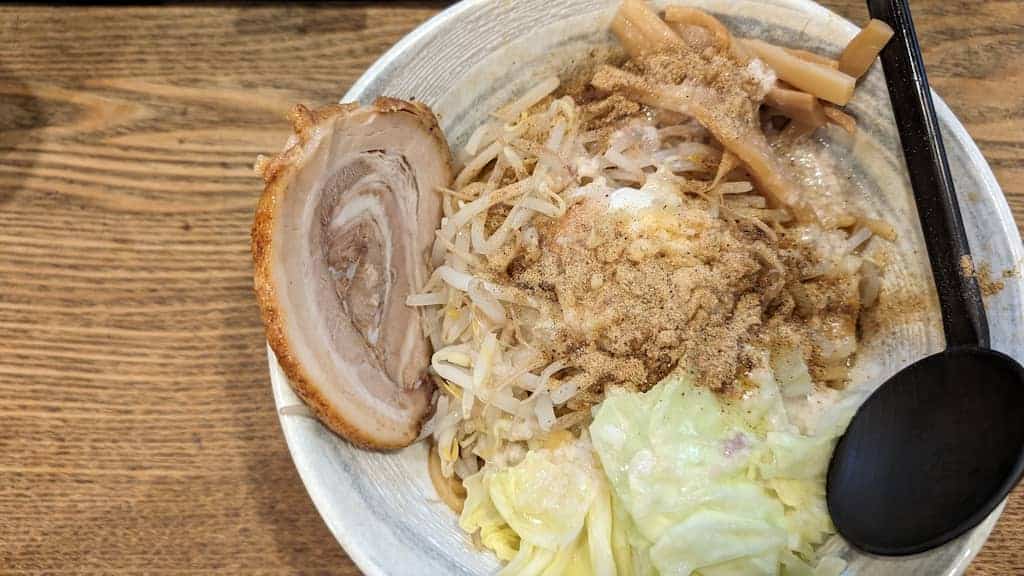
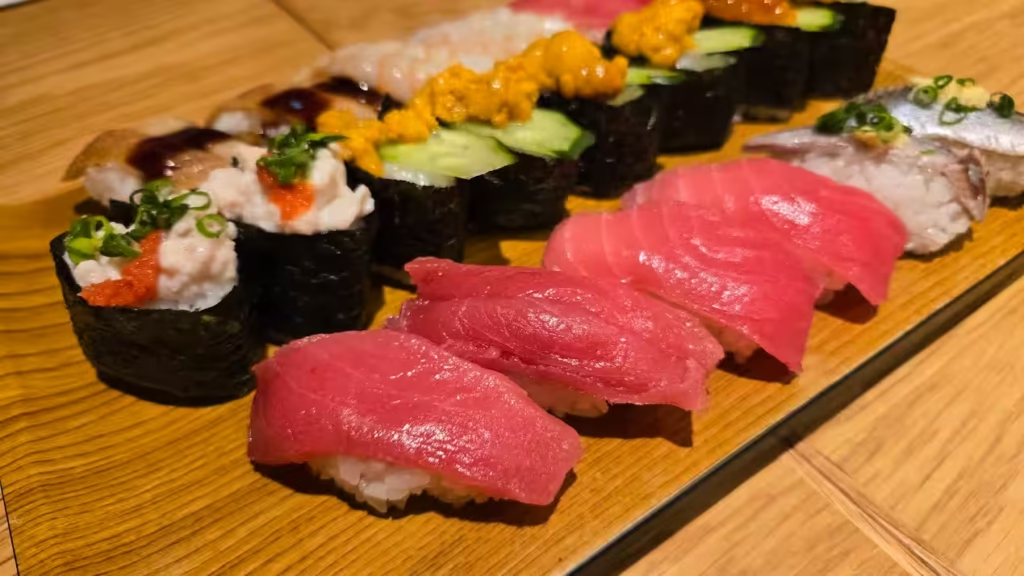
Many dishes are enjoyed throughout the entire country rather than being tied to a single region. Popular foods such as ramen, sushi, tempura, curry rice, and udon are widely available across Japan and have become iconic parts of Japanese cuisine.
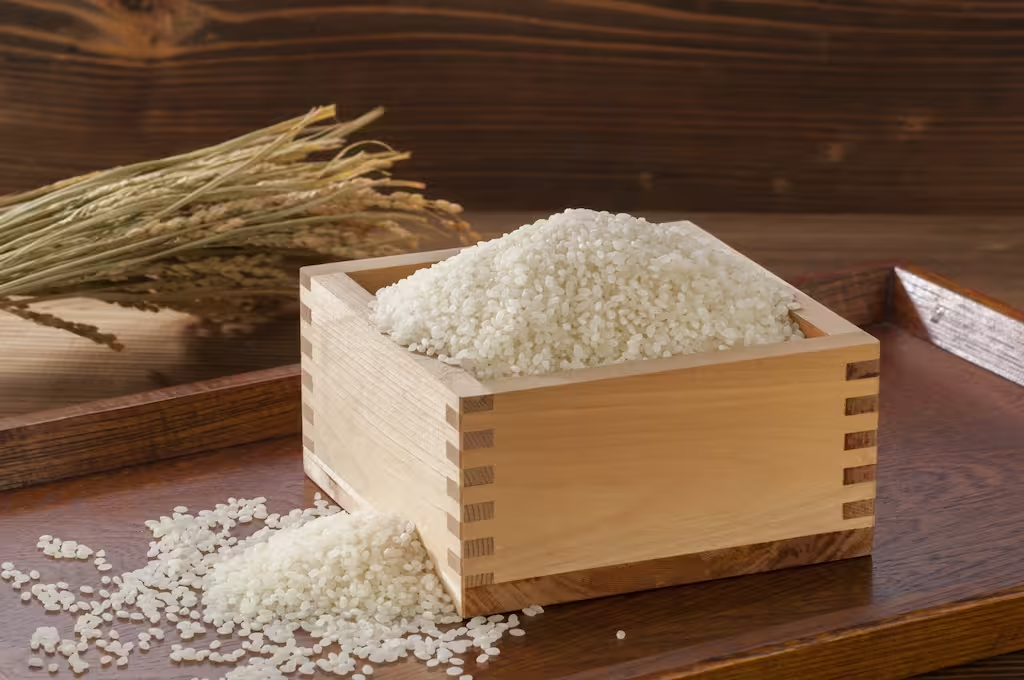
Japanese food culture also emphasizes seasonality, known as “shun,” where ingredients are enjoyed at their peak freshness. Meals often combine rice, soup, vegetables, seafood, and meat to create a balanced dining experience.
In this category, explore Japanese food that represents the cuisine of Japan as a whole. Learn about traditional dishes, everyday meals, cooking methods, ingredients, and food culture that define the flavors of Japan.
-
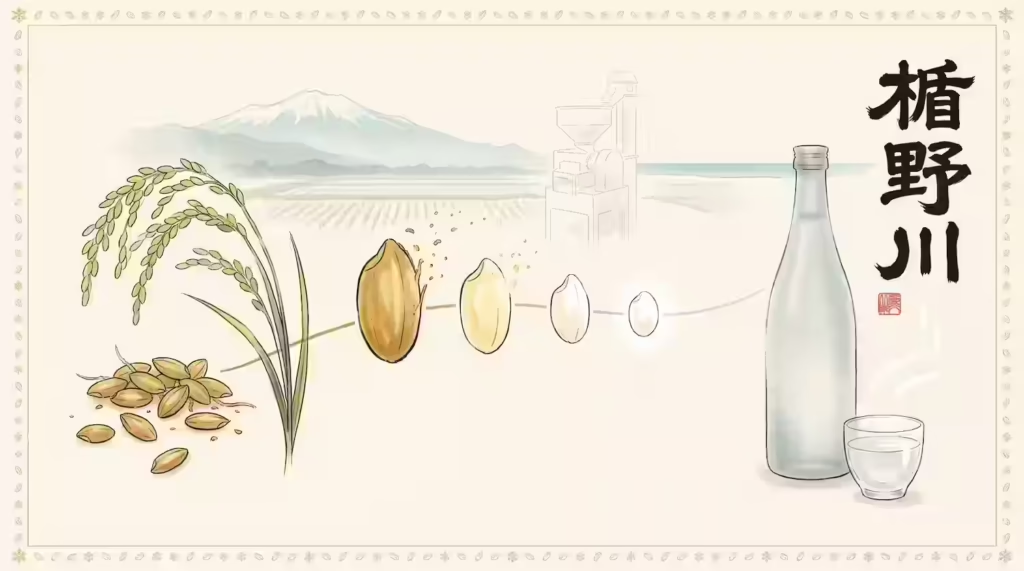

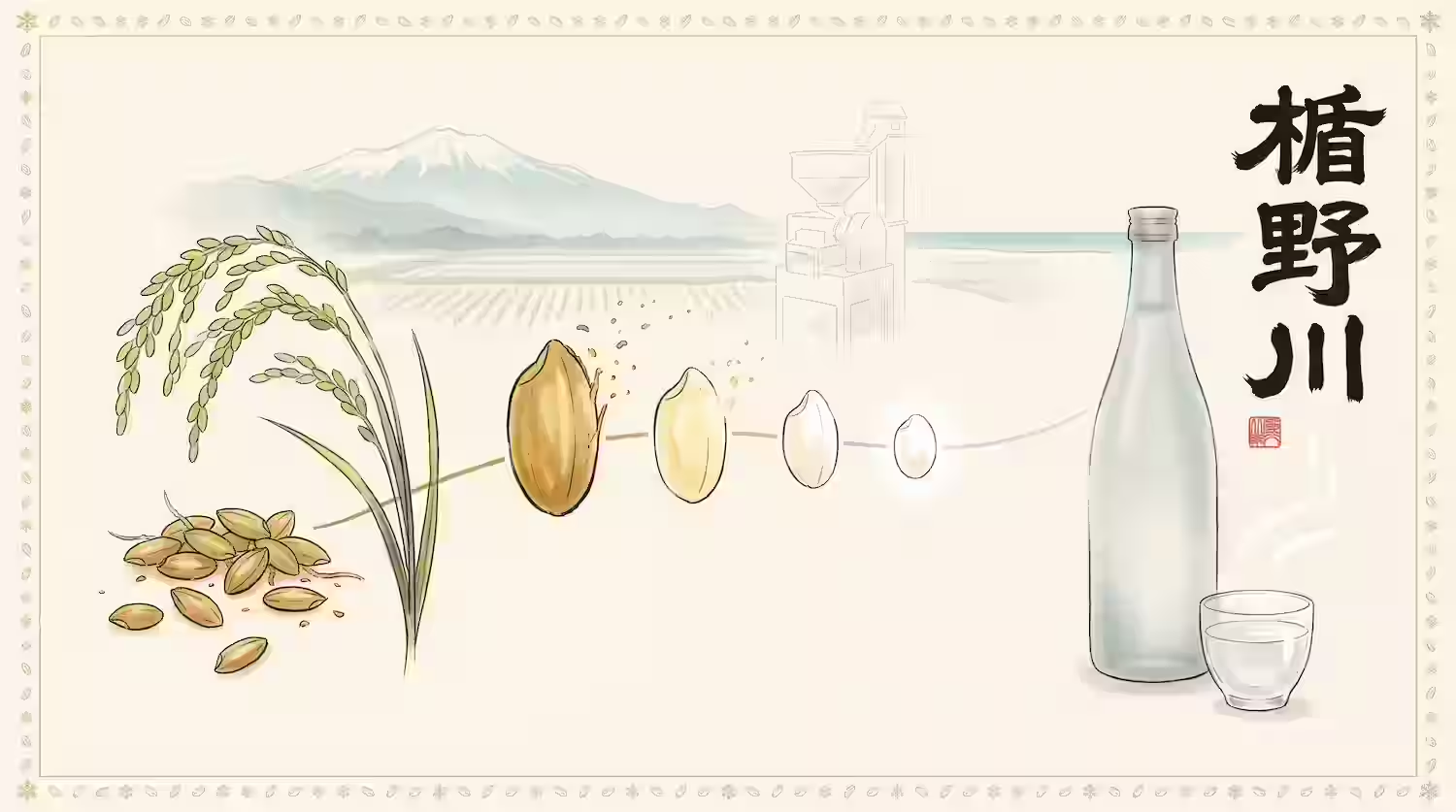
Tatenokawa Sake: Japan’s Junmai Daiginjo Specialist
Tatenokawa (楯野川) is best known for a sake made from rice polished until only 1 percent of its original weight remains. Yet the brewery is more than one record number. In Sakata, on Yamagata's Shonai Plain, it has built a whole range a... -
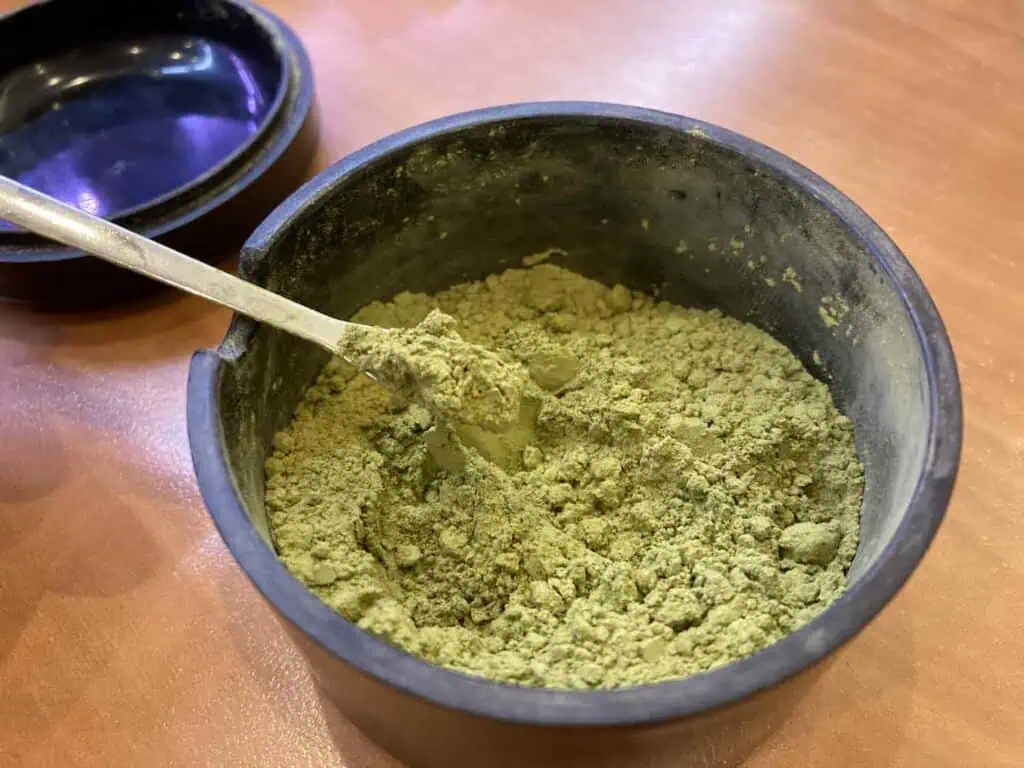

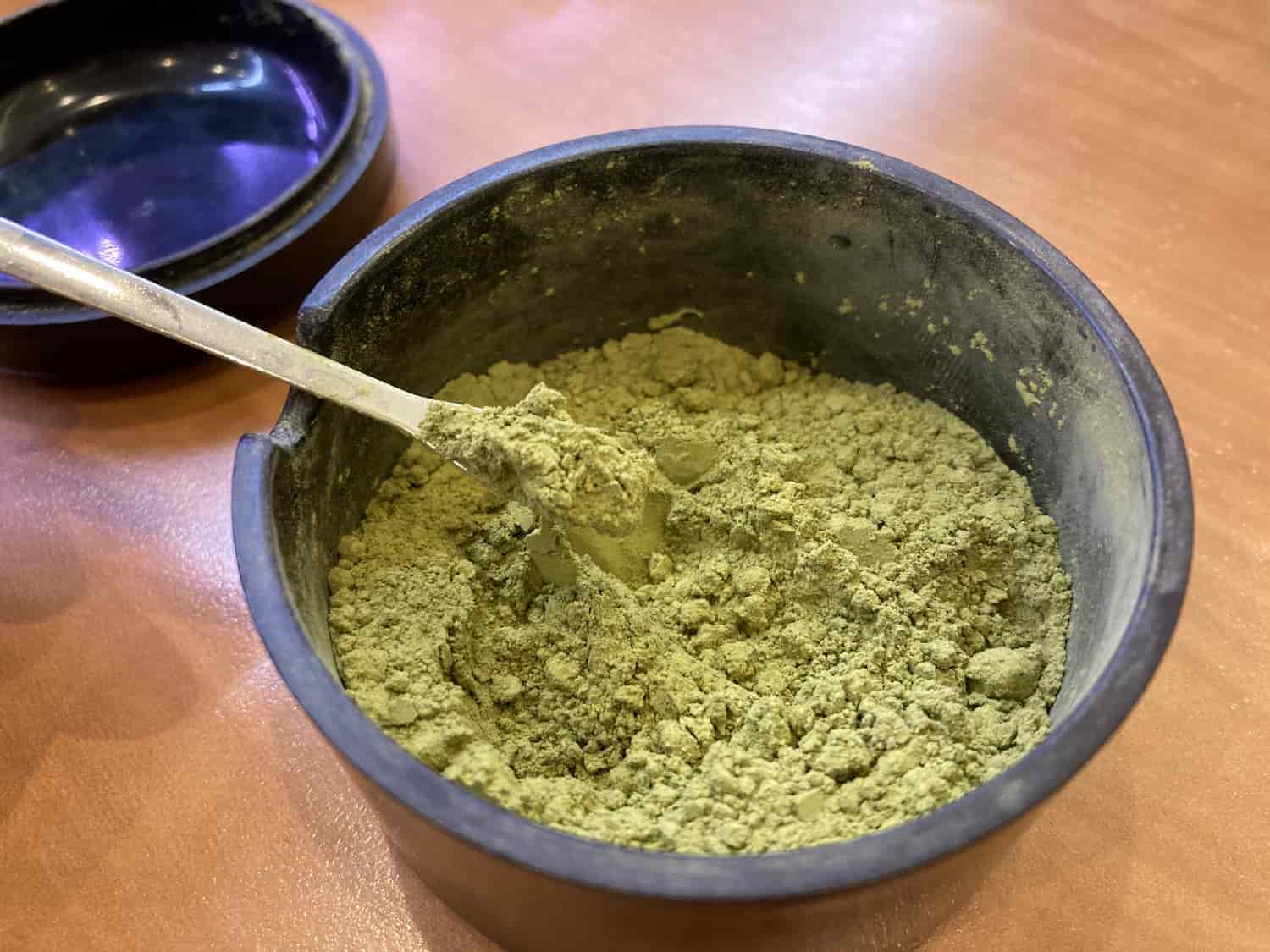
Funmatsucha (粉末茶)
At many conveyor-belt sushi restaurants in Japan, every seat comes with the same small kit: a stack of cups, a hot-water tap built into the counter, and a little jar of bright green powder with a tiny scoop. You add a scoop, press the ta... -
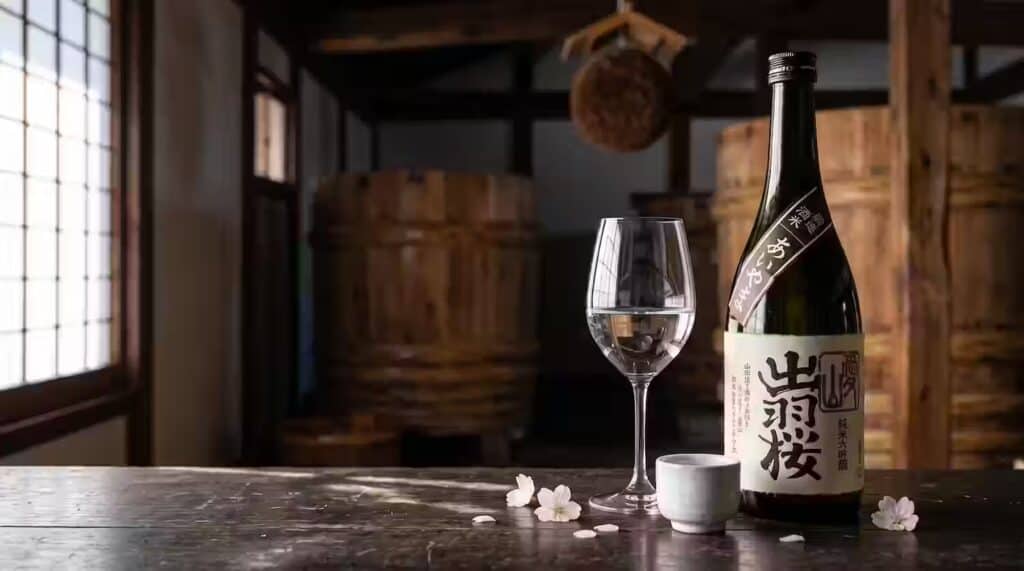
Dewazakura Sake: The Brewery That Helped Bring Ginjo to the Public
Today, fragrant ginjo sake is easy to find in Japan and overseas. In 1980, however, few everyday drinkers knew the word "ginjo." Dewazakura is a sake brewery founded in 1892 in Tendo, Yamagata Prefecture, in Japan's northern Tohoku regio... -

Kaze no Mori Sake: Nara’s Innovative Approach to Fresh, Unfiltered Nihonshu
Open a well-chilled bottle of Kaze no Mori sake, and the first sip may prickle gently. It feels more like a lively young white wine than a sparkling drink. However, nobody added that gas. Instead, it is left over from fermentation and st... -
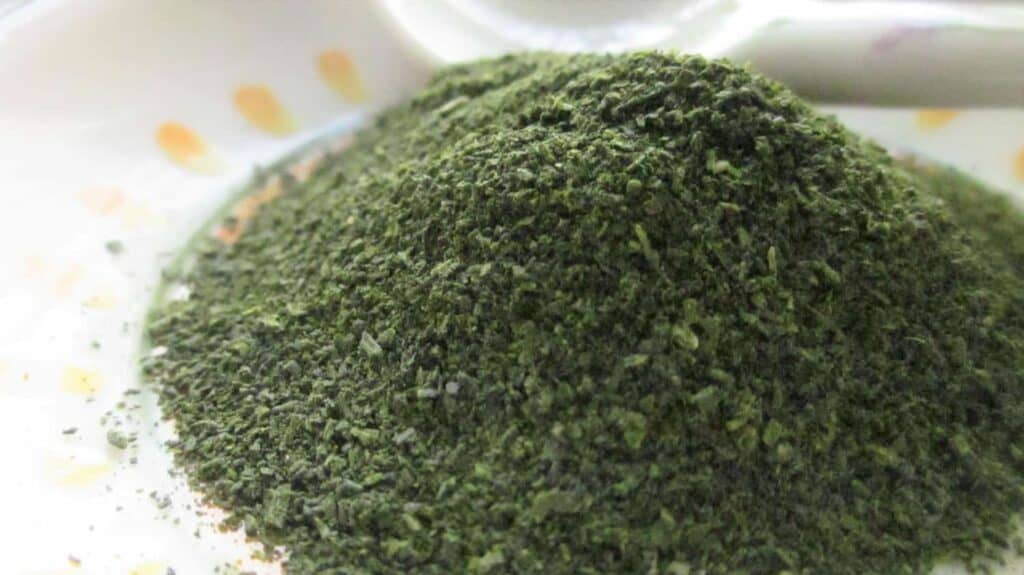

Konacha (粉茶)
Sit down at a sushi counter in Tokyo, and before you have even opened the menu, a tall, heavy cup lands in front of you. The tea inside is a deep, slightly cloudy green, very hot and pleasantly strong. Most visitors drink it without a se... -

Shichiken Sake: Mountain Water, Tradition, and Japanese Sparkling Sake
One bottle is lightly cloudy and velvety. Another is dry, with aromas the brewery compares to pink grapefruit. A third rests in whisky casks, and the brewery describes maple and vanilla-like notes. All three are Shichiken sake (七賢), an... -
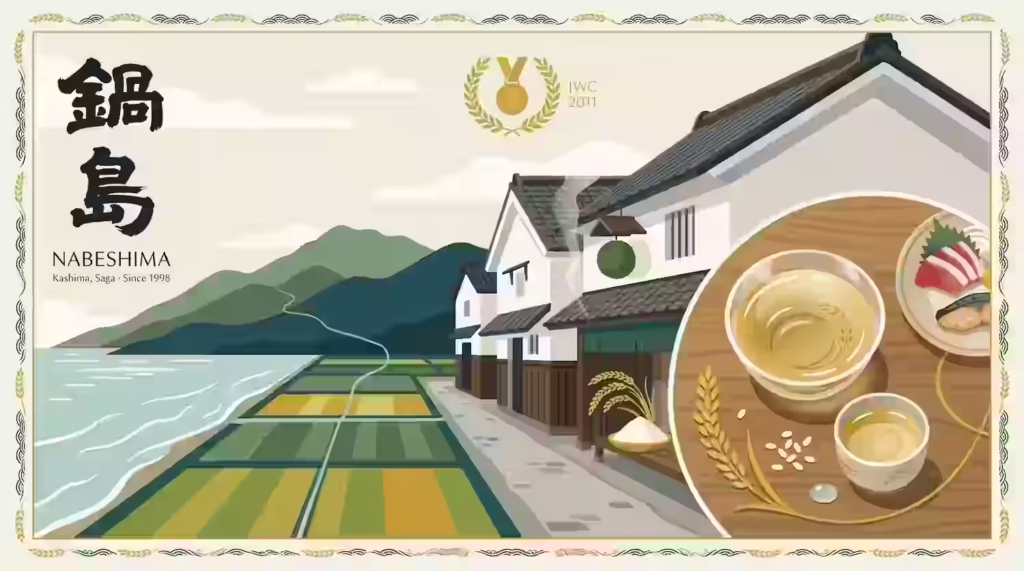
Nabeshima Sake: Saga’s Award-Winning Japanese Sake Brand
Picture a quiet brewing street near the Ariake Sea, lined with white-walled storehouses. In 2011, a sake from one of those breweries took the top sake prize at the International Wine Challenge in London. The bottle was a Nabeshima sake (... -
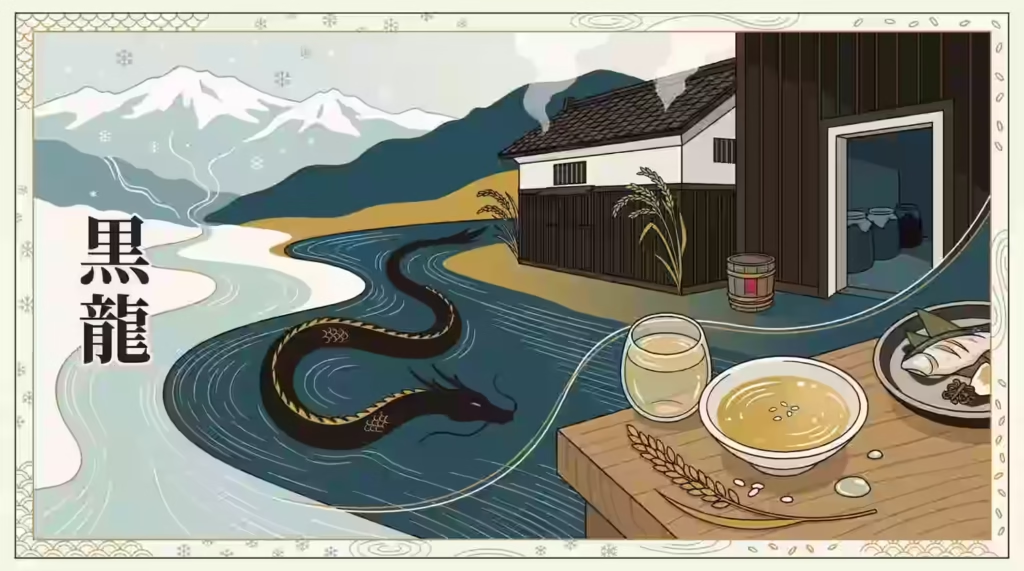
Kokuryu Sake: The Fukui Brewery That Helped Pioneer Premium Daiginjo
In 1975, a brewery in Fukui Prefecture released a daiginjo at a time when such highly refined sake was still closely tied to technical competitions rather than ordinary retail. Daiginjo is a highly polished, slow-fermented style. The bot... -

Isojiman Sake: Shizuoka’s Pursuit of Premium Japanese Sake
Isojiman (磯自慢) is a sake brand from Isojiman Shuzo, a brewery founded in 1830. It is based in Yaizu, a fishing port in Shizuoka Prefecture. The brewery describes itself as an early pioneer of ginjo brewing in Shizuoka. Its sake is kno... -
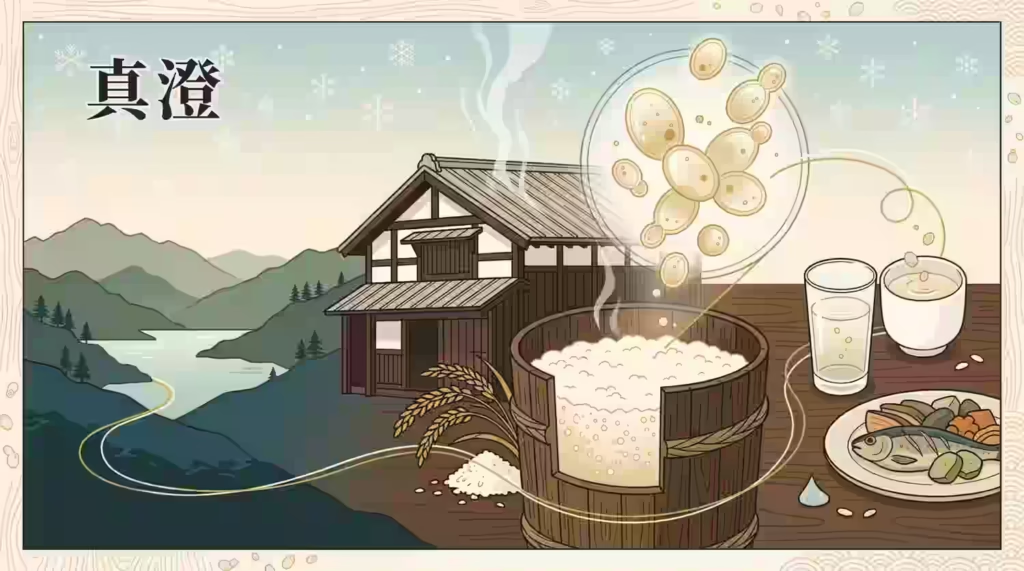
Masumi Sake: The Nagano Brewery Behind Japan’s No. 7 Yeast
Most sake brands are known for a taste, a rice, or a famous bottle. Masumi is known for something you cannot see: a yeast. In 1946, researchers isolated a yeast from sake fermenting at this Nagano brewery. The strain was later distribute...