





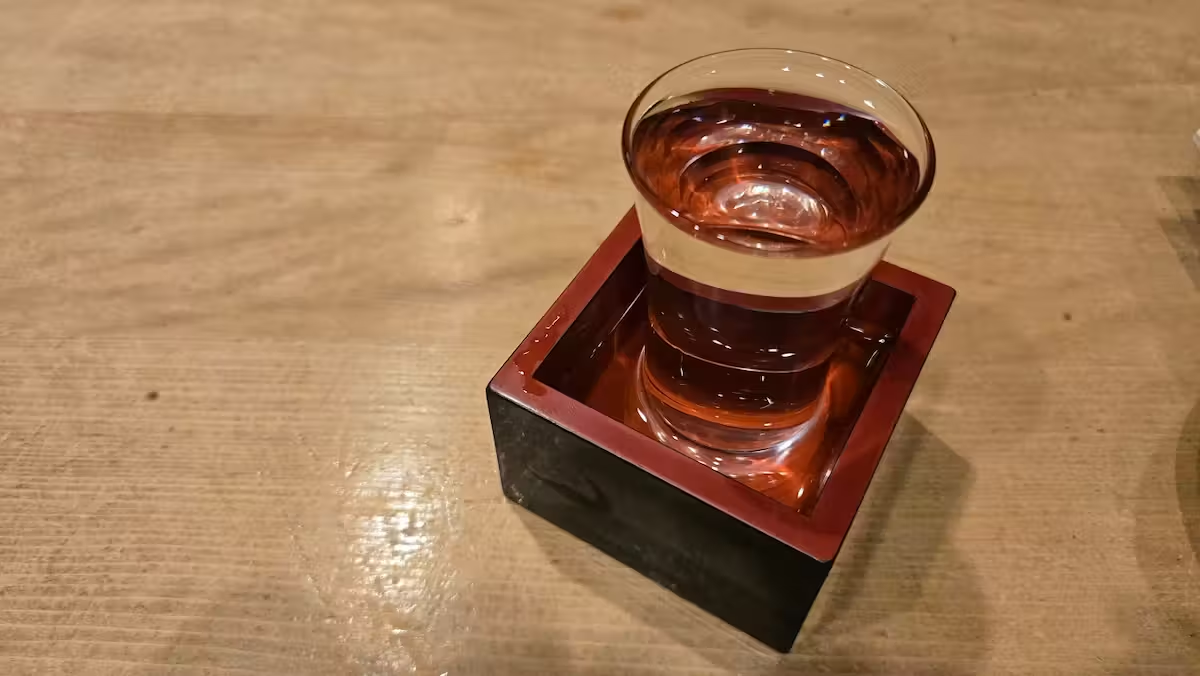
Junmai Ginjo is a premium Japanese sake known for its fruity aroma, smooth texture, and refined balance. Made without added alcohol, it combines polished rice with elegant brewing techniques. The result is clean, fragrant, and approachable.
For many drinkers, Junmai Ginjo feels like a gentle first step into premium sake. It often smells like apple, melon, pear, banana, or soft flowers. The taste can be dry, lightly sweet, or somewhere in between.
In simple terms, Junmai means pure rice sake. Ginjo means an aromatic brewing style. Together, Junmai Ginjo sake gives polished rice, pure expression, and a smooth Japanese sake experience.
Basic Information About Junmai Ginjo
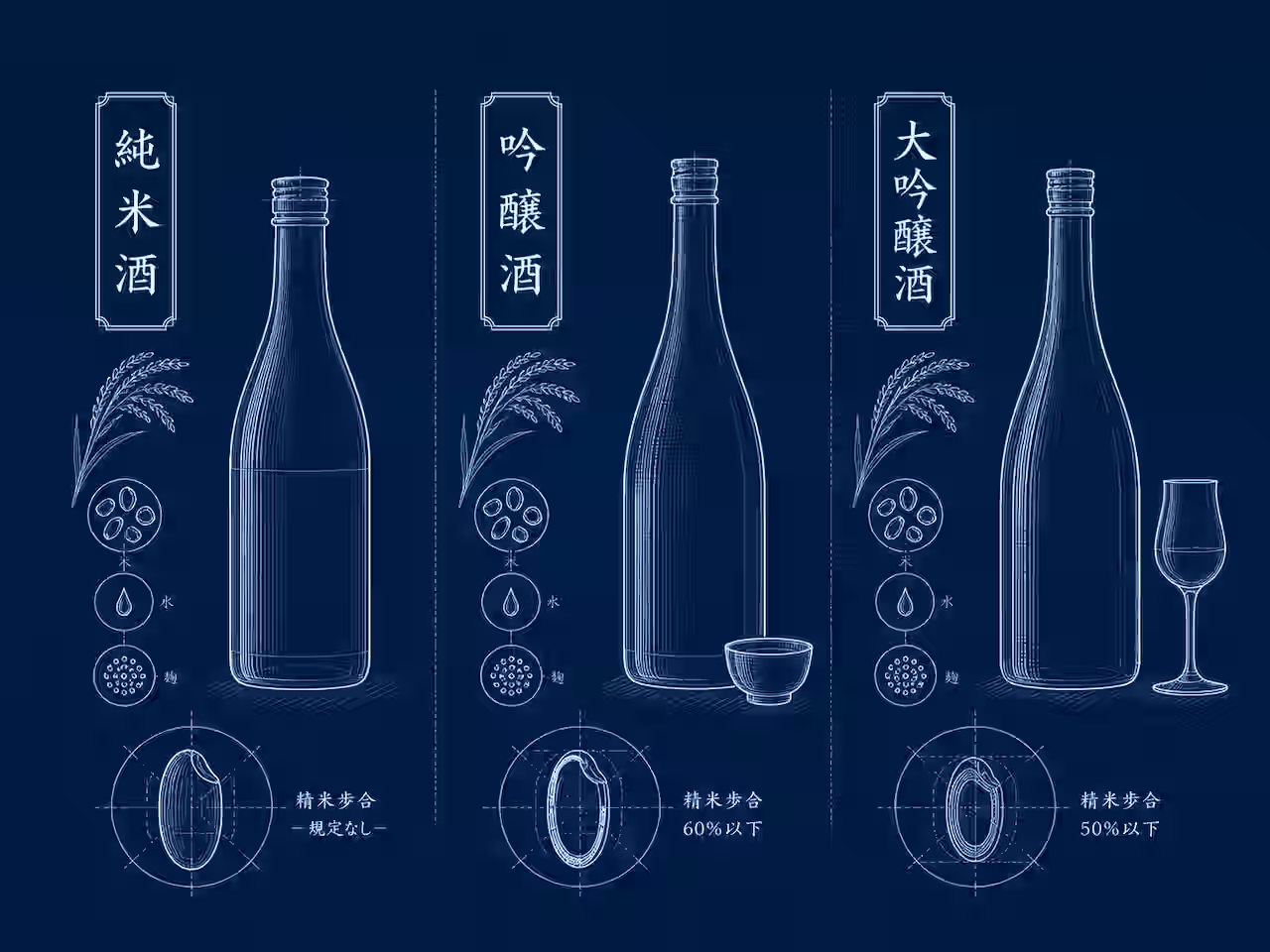
So, what is Junmai Ginjo sake? It is a premium sake made with rice, koji, yeast, and water. Brewers do not add distilled alcohol. The rice polishing ratio must be 60% or lower.
That number matters. Brewers polish away at least the outer 40% of each rice grain. This removes parts that can create heavier flavors. The remaining rice helps create a cleaner and more delicate sake flavor profile.
Junmai Ginjo belongs to the Junmai sake category. It also belongs to the ginjo sake family. This means it combines pure rice brewing with a fragrant ginjo brewing method.
The fruity aroma is called ginjo-ka in Japanese. It is one of the signature traits of premium aromatic sake. When the aroma feels fresh and balanced, the sake can feel almost wine-like.
Many wine drinkers enjoy Junmai Ginjo because of its fruity aroma and elegant texture. It does not taste like wine, of course. Still, its floral fragrance and clean finish feel familiar to people who like white wine.
For a wider overview, see the sake guide. You can also compare categories in the types of Japanese sake guide.
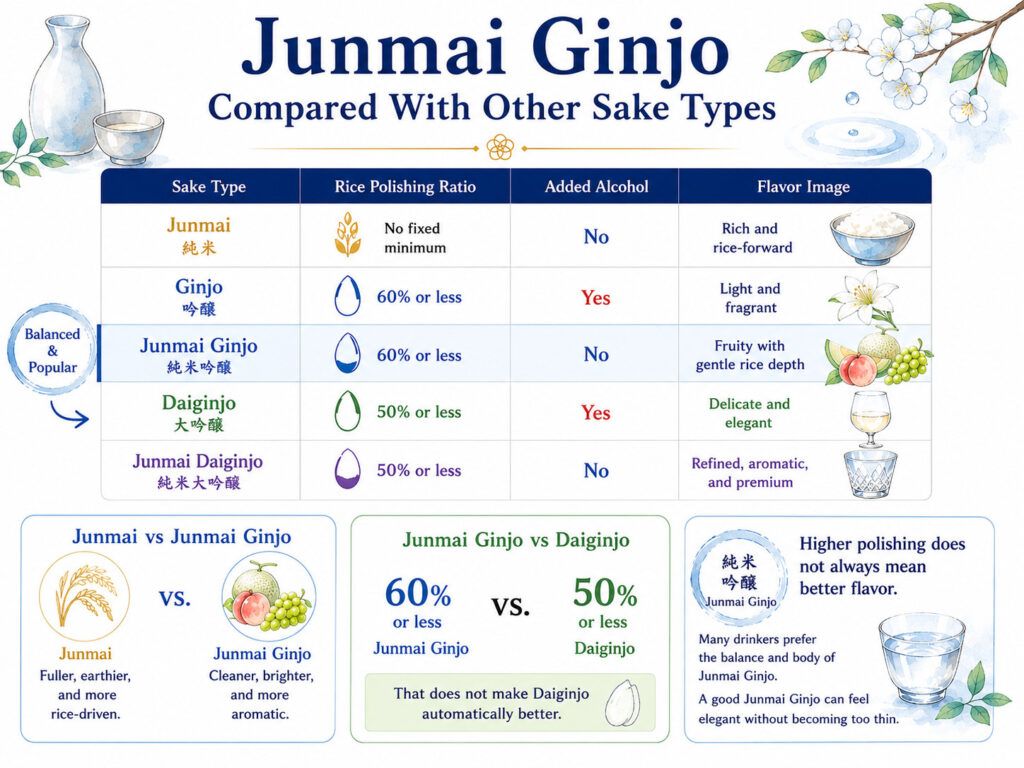
Junmai Ginjo Compared With Other Sake Types
| Sake Type | Rice Polishing Ratio | Added Alcohol | Flavor Image |
|---|---|---|---|
| Junmai | No fixed minimum | No | Rich and rice-forward |
| Ginjo | 60% or less | Yes | Light and fragrant |
| Junmai Ginjo | 60% or less | No | Fruity with gentle rice depth |
| Daiginjo | 50% or less | Yes | Delicate and elegant |
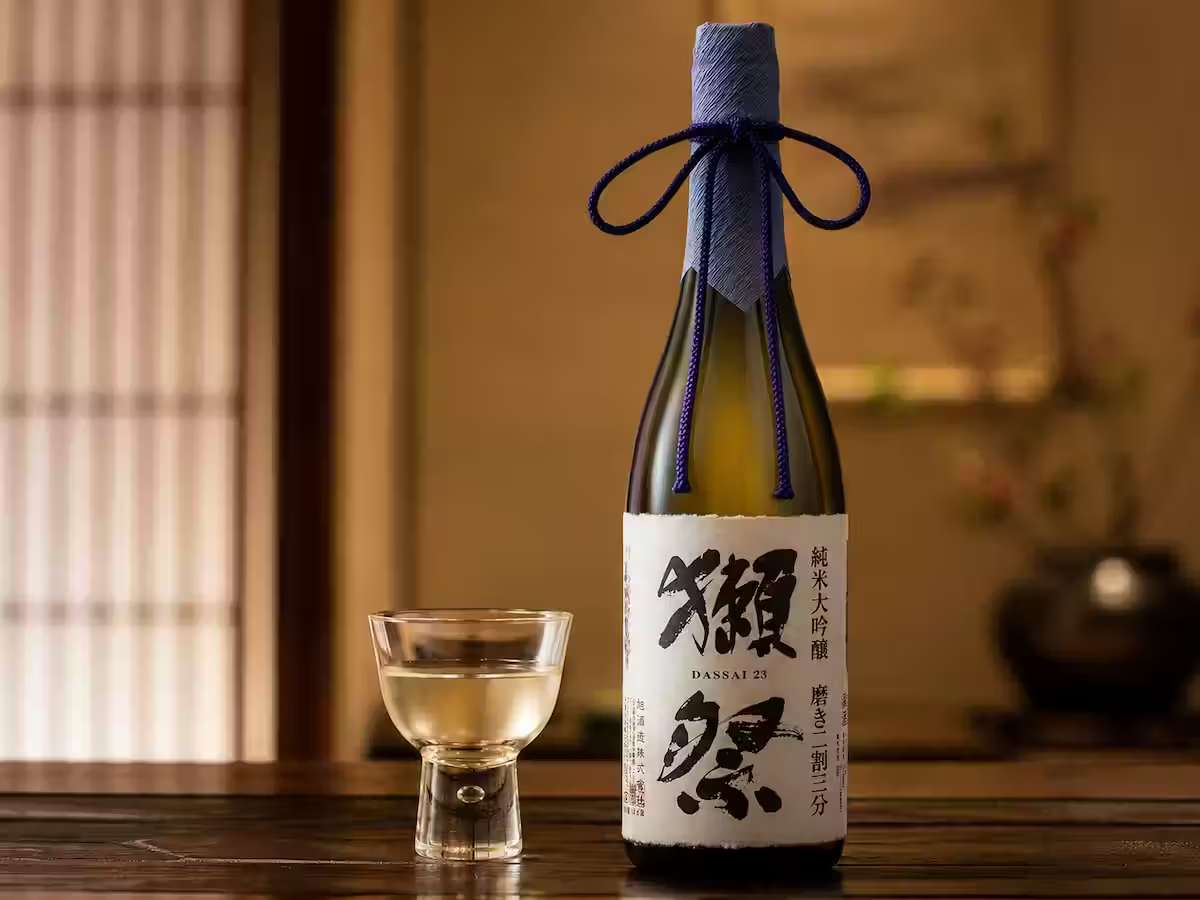
| Junmai Daiginjo | 50% or less | No | Refined, aromatic, and premium |
This table helps explain the difference between Junmai and Junmai Ginjo. Junmai often tastes fuller, earthier, and more rice-driven. It usually feels cleaner, brighter, and more aromatic.
Junmai Ginjo vs Daiginjo can also confuse beginners. Daiginjo uses rice polished to 50% or less. Junmai Ginjo uses rice polished to 60% or less. That does not make Daiginjo automatically better.
Higher polishing does not always mean better flavor. Many drinkers prefer the balance and body of Junmai Ginjo. I understand that feeling. A good Junmai Ginjo can feel elegant without becoming too thin.
Taste, Aroma, and Texture
Junmai Ginjo taste often feels fruity, refined, and smooth. Common aromas include green apple, melon, pear, banana, white peach, and floral fragrance. These notes make it a strong choice for people searching for fruity Japanese sake.
The texture can feel silky and lightly rounded. Because it uses no added alcohol, Junmai Ginjo often keeps gentle rice depth. That gives balanced flavor with soft body.
Is Junmai Ginjo sweet or dry? Both styles exist. Some bottles taste dry and fragrant. Others feel lightly sweet, smooth, and fruit-forward. Many sit comfortably in the middle.
The best Junmai Ginjo for beginners should not feel sharp or heavy. Look for words like fruity, smooth, balanced, medium dry, or aromatic. A chilled glass often makes the fragrance clearer.
How JunmaiGinjo Is Made
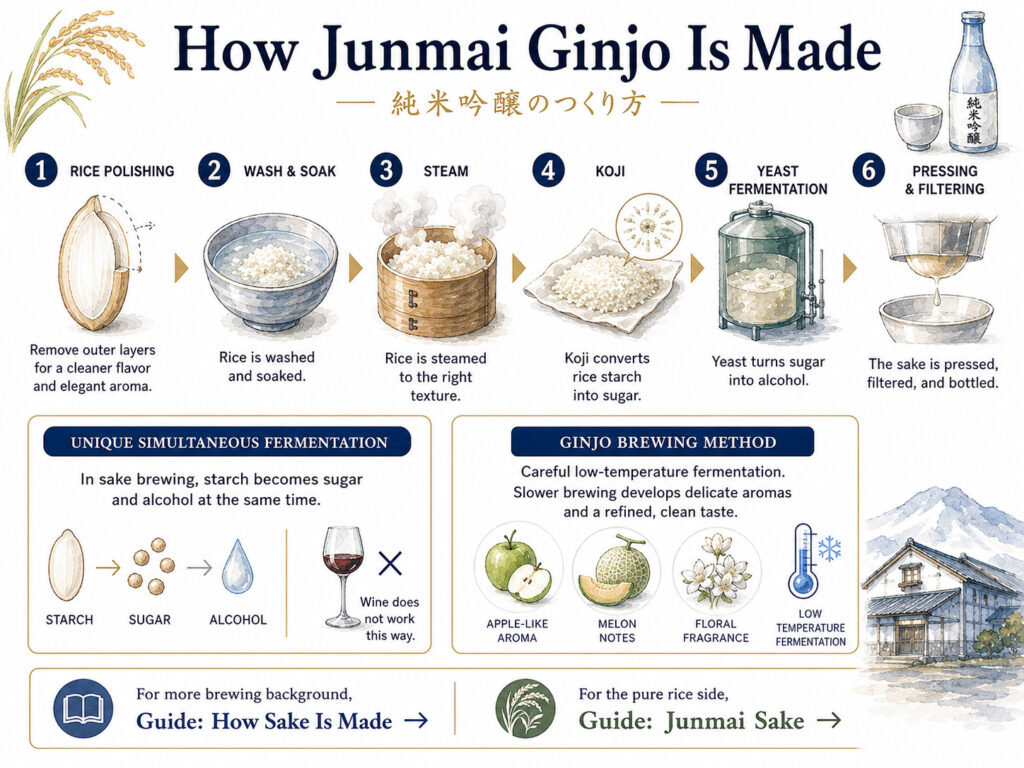
Junmai Ginjo starts with rice polishing. Brewers remove the outer layers of the rice grain. This step helps create a cleaner flavor and a more elegant aroma.
After polishing, the rice is washed, soaked, steamed, and prepared for fermentation. Koji changes rice starch into sugar. Yeast then turns that sugar into alcohol.
Sake fermentation is unusual because starch becomes sugar and alcohol at the same time. Wine does not work this way. This process gives Japanese sake its unique depth.
The ginjo brewing method uses careful low-temperature fermentation. This slower process helps develop apple-like aroma, melon notes, and floral fragrance. It takes patience, but the result can feel beautifully precise.
For more brewing background, see the guide to how sake is made. For the pure rice side, see the Junmai sake guide.
History and Today
Junmai Ginjo history connects to modern rice polishing and aromatic sake brewing. In the past, deep rice polishing took much more effort. Better polishing machines helped brewers create cleaner and more refined sake.
Ginjo sake grew through technical study and brewing competitions. Brewers explored rice, yeast, temperature, and aroma. Over time, the style moved from expert circles into everyday premium sake shops.
Modern sake classification made the category easier to understand. Junmai Ginjo became a clear label for drinkers seeking pure rice and fragrant brewing. Today, many breweries treat it as a core premium sake.
Its current appeal is easy to see. Junmai Ginjo feels elegant, but not intimidating. It works for gifts, restaurants, home meals, and first-time sake drinkers.
How to Drink Junmai Ginjo Sake
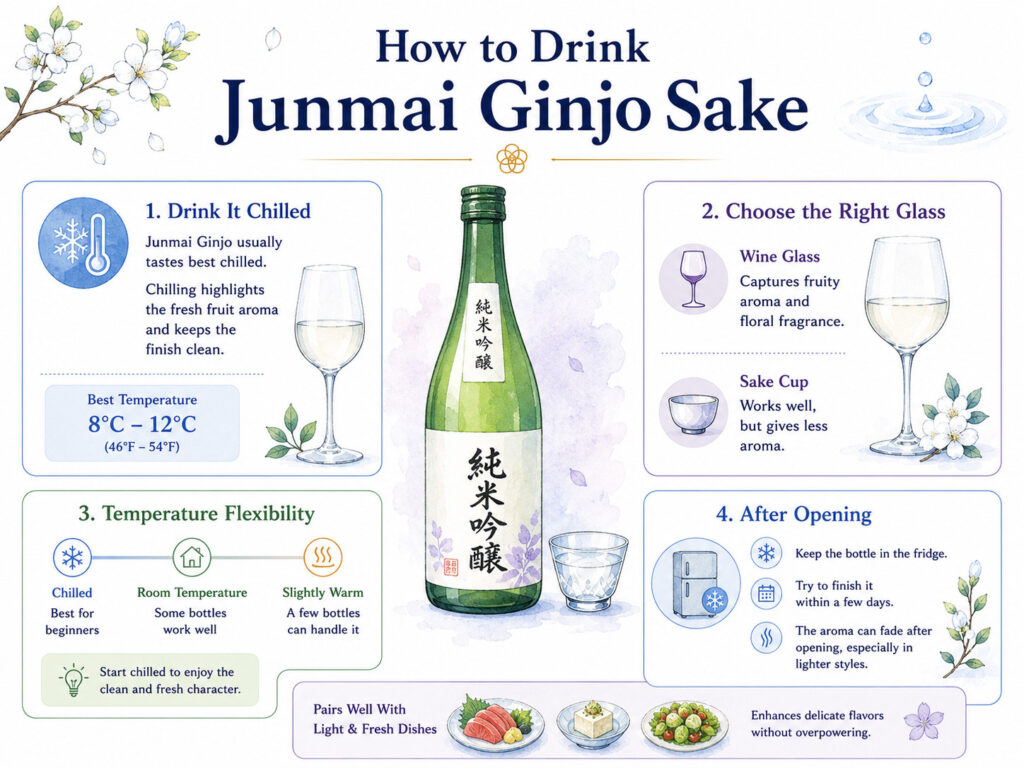
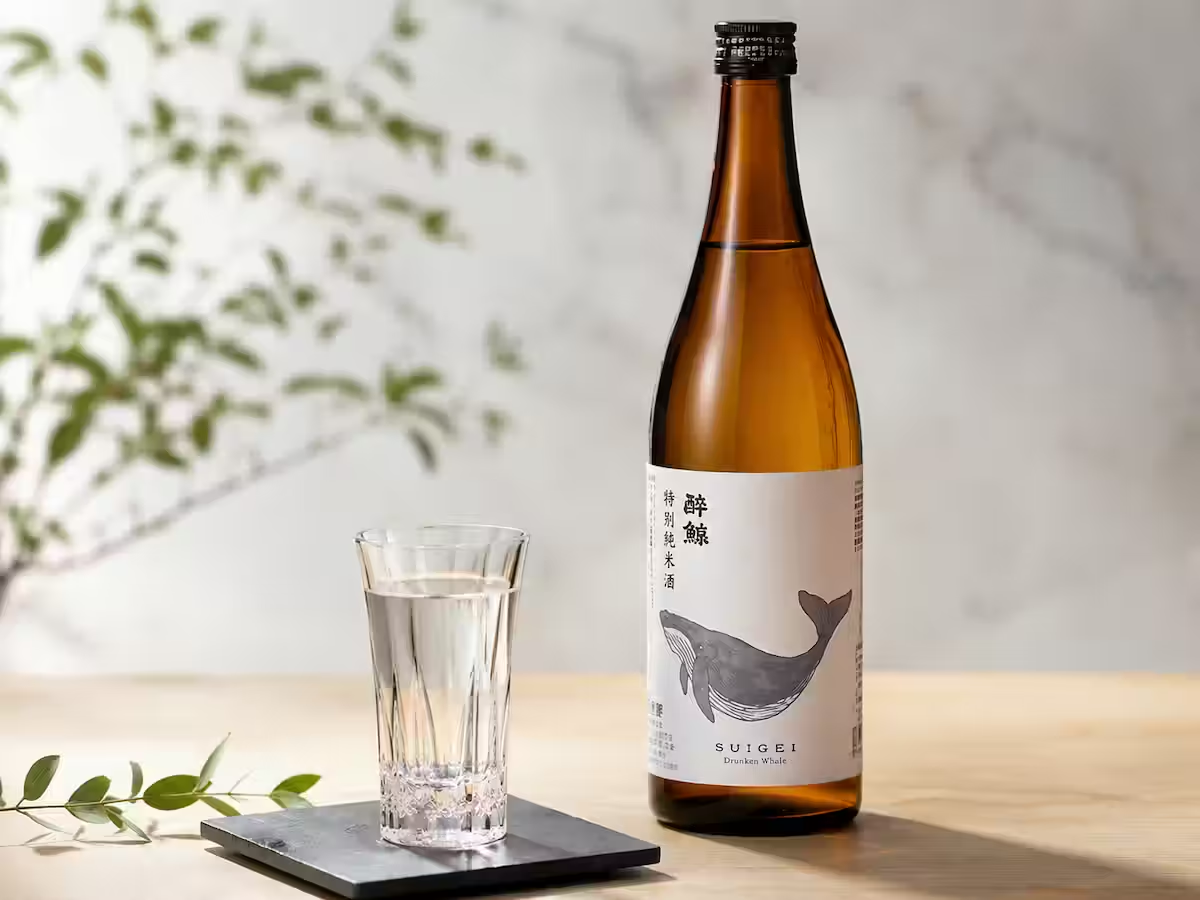
Junmai Ginjo usually tastes best chilled. Chilling highlights the fresh fruit aroma and keeps the finish clean. A range around 8°C to 12°C often works well.
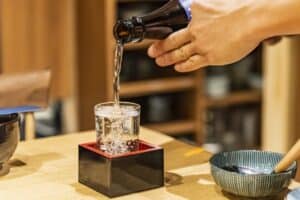
A wine glass is a good choice. It helps capture the fruity sake aroma and floral fragrance. A small sake cup also works, but it gives less aroma.
Some bottles can handle room temperature. A few may even work slightly warm. Still, beginners should start chilled. It shows the clean side of the sake more clearly.
Once opened, keep the bottle in the fridge. Try to finish it within a few days. The aroma can fade after opening, especially in lighter styles.
Best Food Pairing With JunmaiGinjo
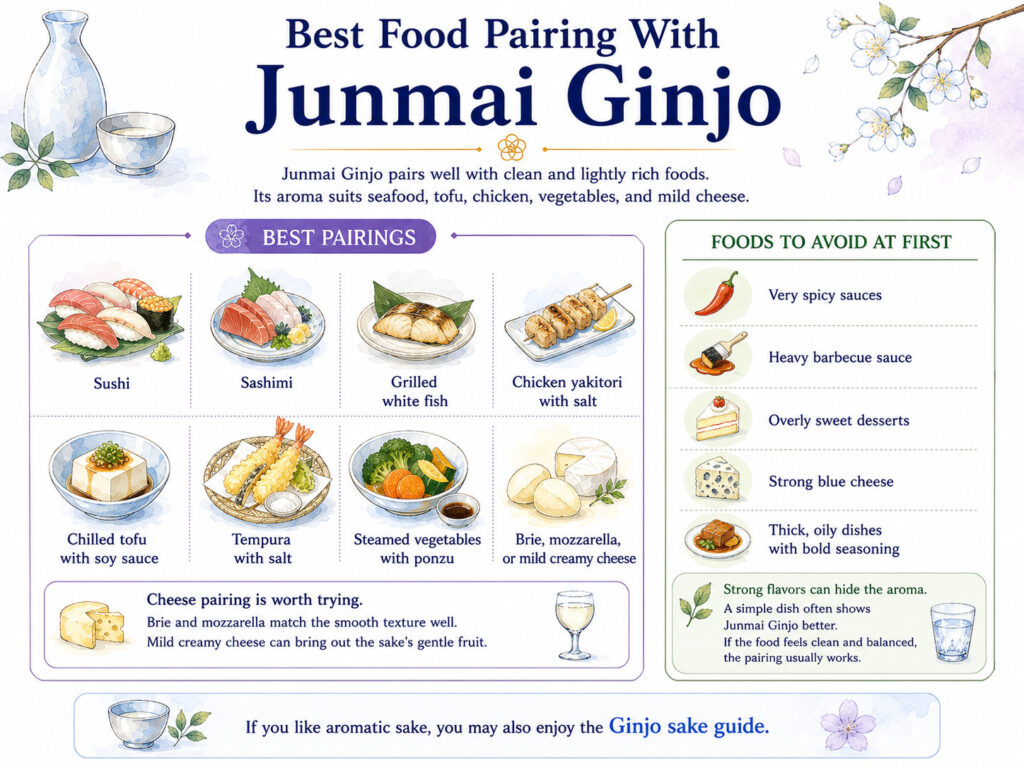
Junmai Ginjo pairs well with clean and lightly rich foods. Its aroma suits seafood, tofu, chicken, vegetables, and mild cheese. It can also work beautifully with simple Japanese dishes.
Best pairings:
- Sushi
- Sashimi
- Grilled white fish
- Chicken yakitori with salt
- Chilled tofu with soy sauce
- Tempura with salt
- Steamed vegetables with ponzu
- Brie, mozzarella, or mild creamy cheese
Cheese pairing is worth trying. Brie and mozzarella match the smooth texture well. Mild creamy cheese can bring out the sake’s gentle fruit.
Foods to avoid at first:
- Very spicy sauces
- Heavy barbecue sauce
- Overly sweet desserts
- Strong blue cheese
- Thick, oily dishes with bold seasoning
Strong flavors can hide the aroma. A simple dish often shows Junmai Ginjo better. If the food feels clean and balanced, the pairing usually works.
If you like aromatic sake, you may also enjoy the Ginjo sake guide.
Recommended Junmai GinjoSake
Recommendations depend on your taste and market. Still, these bottles give useful starting points. They are not rankings, but they help beginners compare styles.
| Bottle | Style Image | Best For |
|---|---|---|
| Hakkaisan Junmai Ginjo | Clean and food-friendly | Sushi, fish, and gifting |
| Dewazakura Dewa Sansan | Fruity and fresh | Wine lovers and beginners |
| Hakushika Junmai Ginjo | Mild and balanced | Everyday meals and casual dinners |
Hakkaisan Junmai Ginjo works well for people who like clean sake. It has a refreshing profile and pairs easily with food. This makes it a safe premium Japanese sake for gifting.
Dewazakura Dewa Sansan Junmai Ginjo suits drinkers who enjoy fruit and freshness. It can show green apple, gentle acidity, and a bright finish. Wine lovers may find it approachable.
Hakushika Junmai Ginjo gives a mild, balanced profile. It is not too loud, which can be helpful for beginners. Try it with seafood, chicken, tofu, or vegetables.
When choosing, do not chase price alone. Check the rice polishing ratio, serving temperature, and flavor notes. The best bottle is the one you want to drink again.
Final Thoughts
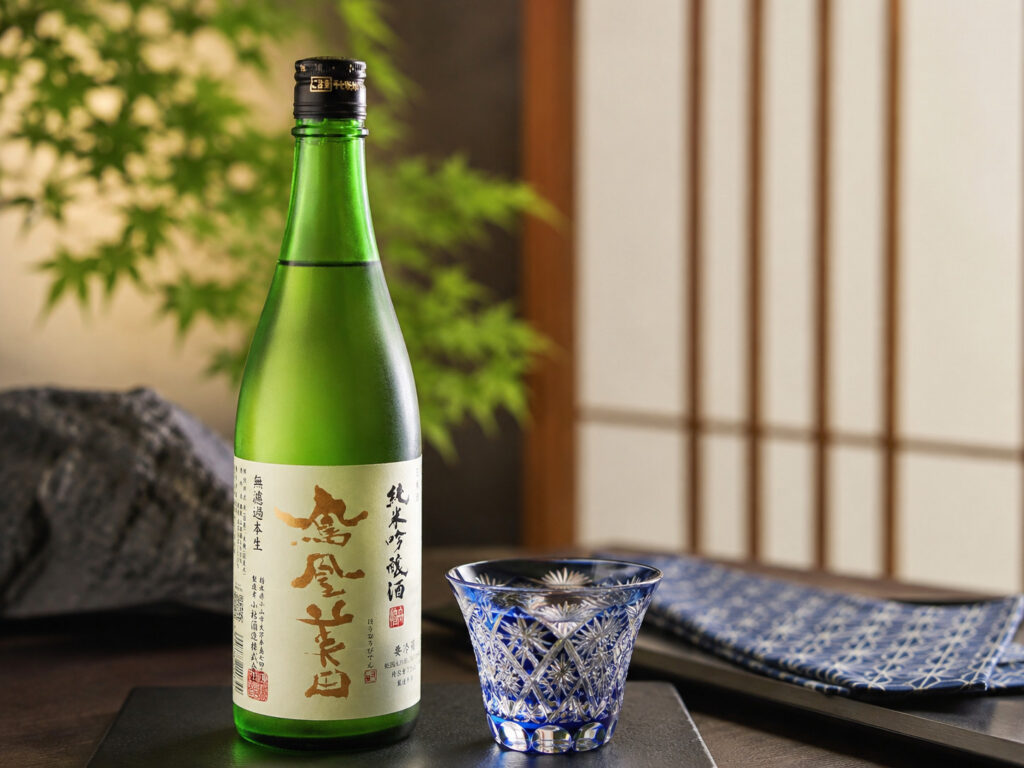
Junmai Ginjo offers classic Japanese craftsmanship in a bottle. It combines polished rice, pure ingredients, fruity aroma, and gentle depth.
For
beginners, it gives an easy path into premium sake.
wine drinkers, it offers aroma, elegance, and a clean finish.
sake lovers, it remains endlessly enjoyable across breweries and regions.
A good bottle should slow the meal down, not rush it. That may be the best way to understand Junmai Ginjo.
Junmai Ginjo FAQ
What is Junmai Ginjo?
It represents a premium Japanese sake. Brewers make it using only rice, koji, yeast, and water. They add absolutely no distilled alcohol to this pure beverage.
Where does Junmai Ginjo come from?
This premium beverage originates from sake breweries across Japan. Master brewers developed this refined style significantly during the late 20th century to highlight pure, aromatic rice flavors.
What does Junmai Ginjo taste like?
It delivers a fruity, smooth, and perfectly balanced flavor. Drinkers frequently notice pleasant notes of apple, melon, pear, banana, and spring flowers.
Is Junmai Ginjo sweet or dry?
Brewers produce both sweet and dry styles. Many bottles deliver a medium-dry taste, offering soft fruit notes and a wonderfully clean finish.
What is the rice polishing ratio for Junmai Ginjo?
Japanese law requires a rice polishing ratio of 60 percent or lower for this specific category. This rule means brewers must polish away at least 40 percent of the original rice grain.
What is the difference between Junmai and Junmai Ginjo?
The main difference involves the polishing rate and brewing technique. Standard Junmai features pure rice with no strict polishing rules, while this refined version requires special cold-temperature brewing and rice polished down to 60 percent or less.
Is Junmai Ginjo good for beginners?
Yes, new drinkers enjoy it immensely. Its fruity aroma, smooth texture, and balanced flavor create the perfect premium introduction for absolute beginners.
How should I drink Junmai Ginjo?
You should serve it chilled in a wine glass or a traditional ceramic cup. Diners successfully pair it with sushi, fresh fish, tofu, chicken, or mild cheese.
Is Junmai Ginjo good for wine drinkers?
Yes, it strongly appeals to wine drinkers, especially those who love aromatic white wines. The bright fruit notes and smooth texture feel wonderfully familiar to wine enthusiasts.
Where can I drink Junmai Ginjo in Japan?
You will find the best bottles at authentic izakaya pubs and upscale restaurants nationwide. Liquor stores and supermarkets also stock these high-quality brands everywhere.
How much does Junmai Ginjo cost?
A standard 720ml bottle typically costs between 1,500 and 3,000 yen. Prices vary depending on the specific brewery and the exact rice polishing ratio.
Is Junmai Ginjo vegetarian or vegan friendly?
This traditional drink contains absolutely no animal products. Vegans and vegetarians can safely enjoy this 100% plant-based rice wine anywhere.
What are the main ingredients in Junmai Ginjo?
The main ingredients include special sake rice, koji mold, yeast, and pure water. The highly polished rice gives the beverage its distinctive fruity aroma.
Is Junmai Ginjo popular outside Japan?
It enjoys massive popularity outside Japan. Global sake enthusiasts eagerly order it at high-end Japanese restaurants in North America, Europe, and Asia. This elegant brewing style successfully introduces the beauty of Japanese rice wine to the entire world.
References
- Japan Sake and Shochu Makers Association, “Sake Brewing Processes and Flavor”, checked in 2026, rice polishing affects flavor and special designated sake categories use polishing-rate standards.
- National Tax Agency, “Components of Japanese Sake”, checked in 2026, typical sake alcohol content is 15% to 16%, and Ginjo aroma includes apple-like and banana-like compounds.
- Types of Japanese Sake, checked in 2026, Junmai Ginjo uses rice polished to 60% or less and no added alcohol.
- Junmai Sake, checked in 2026, Junmai sake uses rice, rice koji, and water without added alcohol.
- Ginjo, checked in 2026, Ginjo sake uses rice polishing of 60% or less and focuses on aromatic brewing.
- Sake, checked in 2026, related internal article for Japanese sake history, types, and drinking culture.
- Hakkaisan, “Hakkaisan Junmai Ginjo 55”, checked in 2026, alcohol 15.5% and rice polishing ratio 55%.
- Dewazakura Sake Brewery, “Dewazakura Dewa Sansan”, checked in 2026, Junmai Ginjo category, polishing ratio 50%, and alcohol 15%.
- Hakushika, “Junmai Ginjo”, checked in 2026, alcohol 14.7%, rice polishing rate 60%, and sake meter value +1.




Comments