



Ryo Iwa– Author –

-
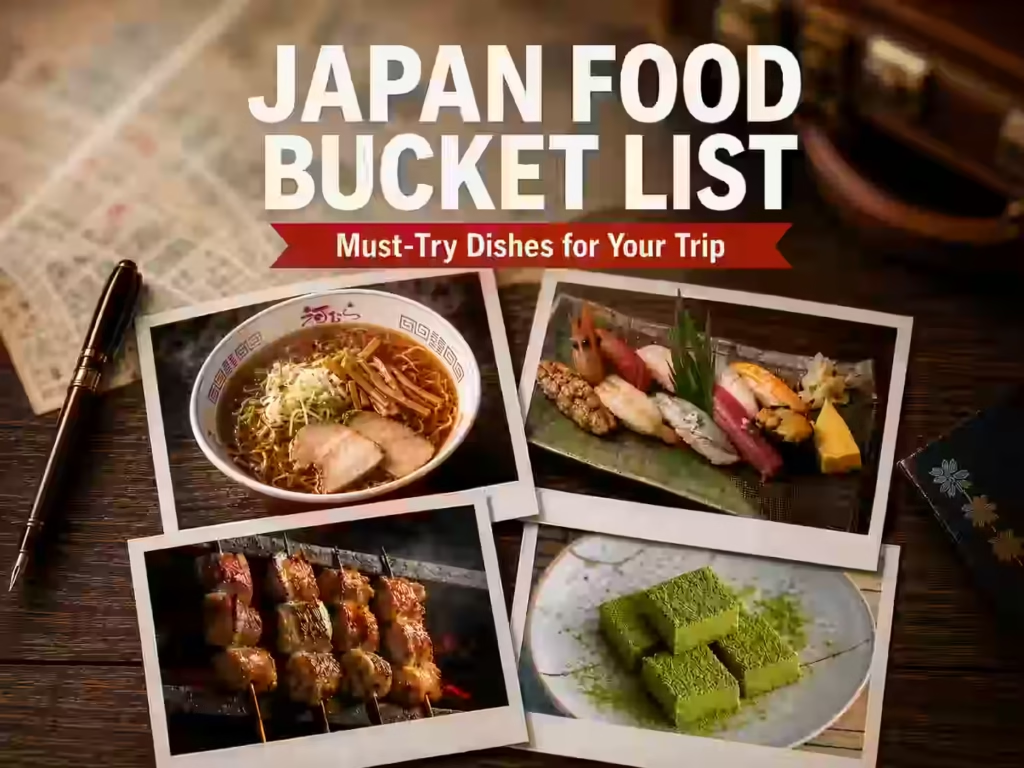

Japan Food Bucket List: 15 Must-Try Foods for Your First Trip
In general, a two-week trip to Japan gives you around forty opportunities to eat. That sounds like plenty, until you realize that all 47 prefectures have their own specialties and food traditions. This Japan food bucket list therefore na... -
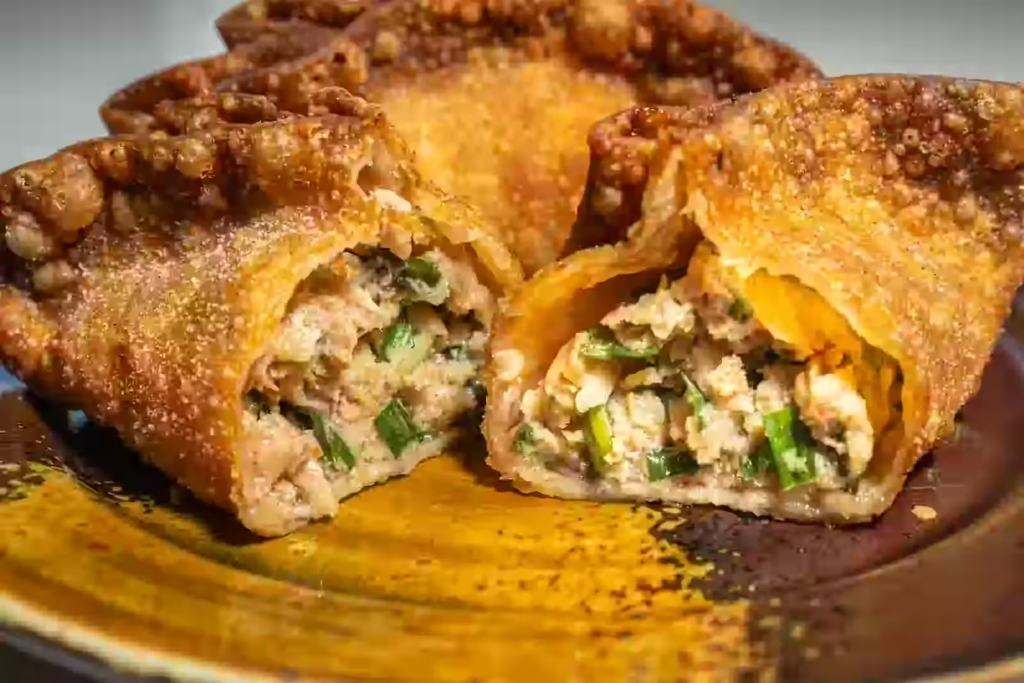

Tsu Gyoza (津ぎょうざ)
Tsu Gyoza (津ぎょうざ) is a giant deep-fried dumpling from Tsu City, the capital of Mie Prefecture. Each one uses a custom wrapper 15 centimeters across, so a single piece replaces about three ordinary gyoza. It began in school lunches r... -
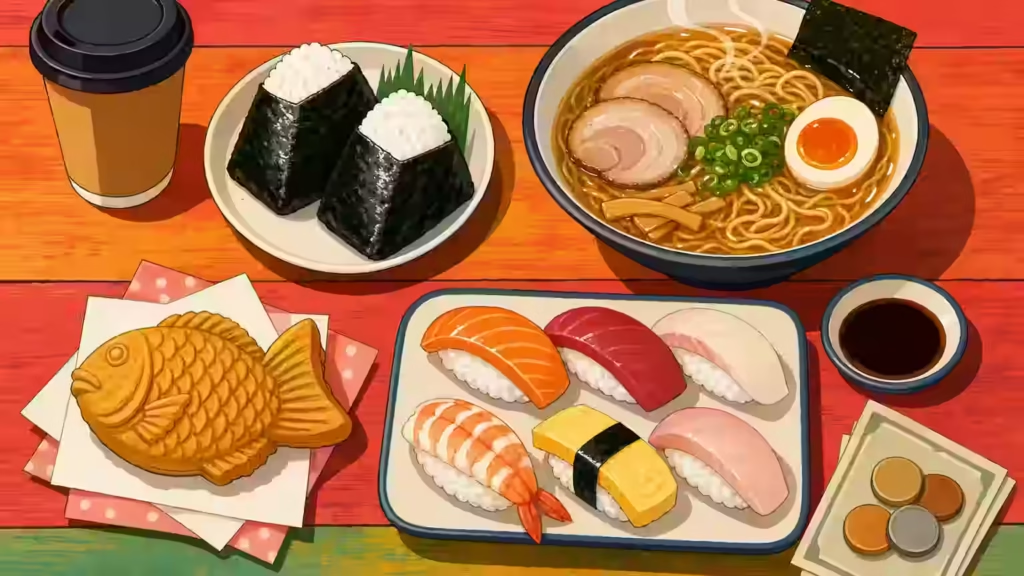

Japan Is on Sale: How $30 Buys an Entire Day of Amazing Food in Japan
In some major North American cities, a restaurant ramen meal can approach $30 once tax, tip, and maybe a side or a drink reach the check. In Japan, the same budget can stretch across a whole day. Breakfast, a proper restaurant lunch, an ... -
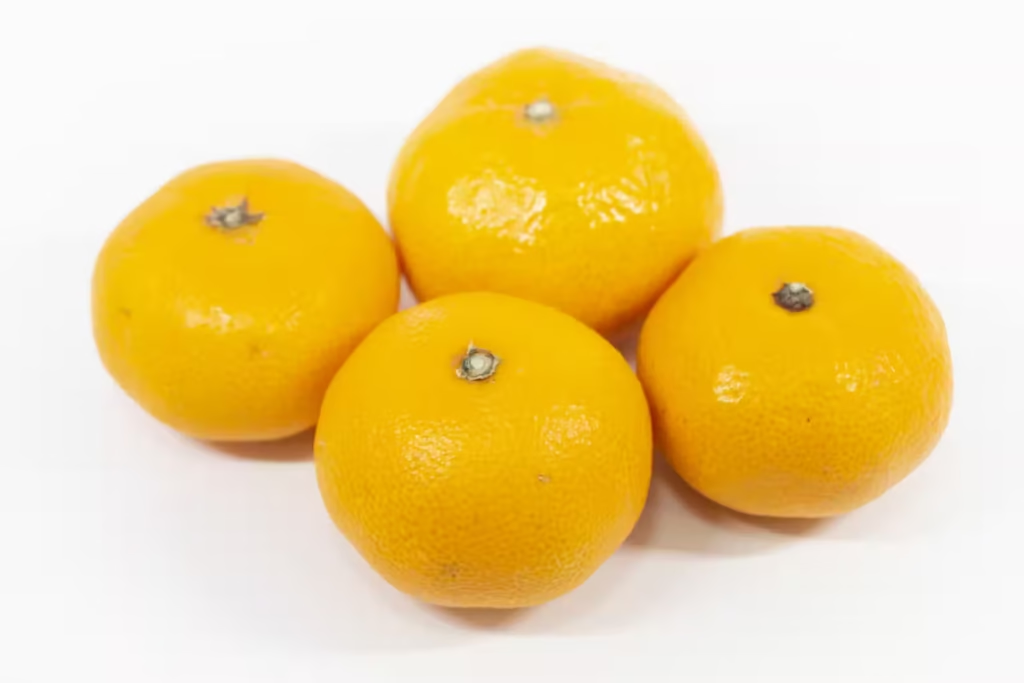
Mie Nanki Mikan (三重南紀みかん)
Mie Nanki Mikan (三重南紀みかん) is a Japanese mandarin orange from the southern tip of Mie Prefecture. Growers there ship citrus in almost every month of the year, which is rare in Japan. The brand covers Unshu mandarins from three town... -
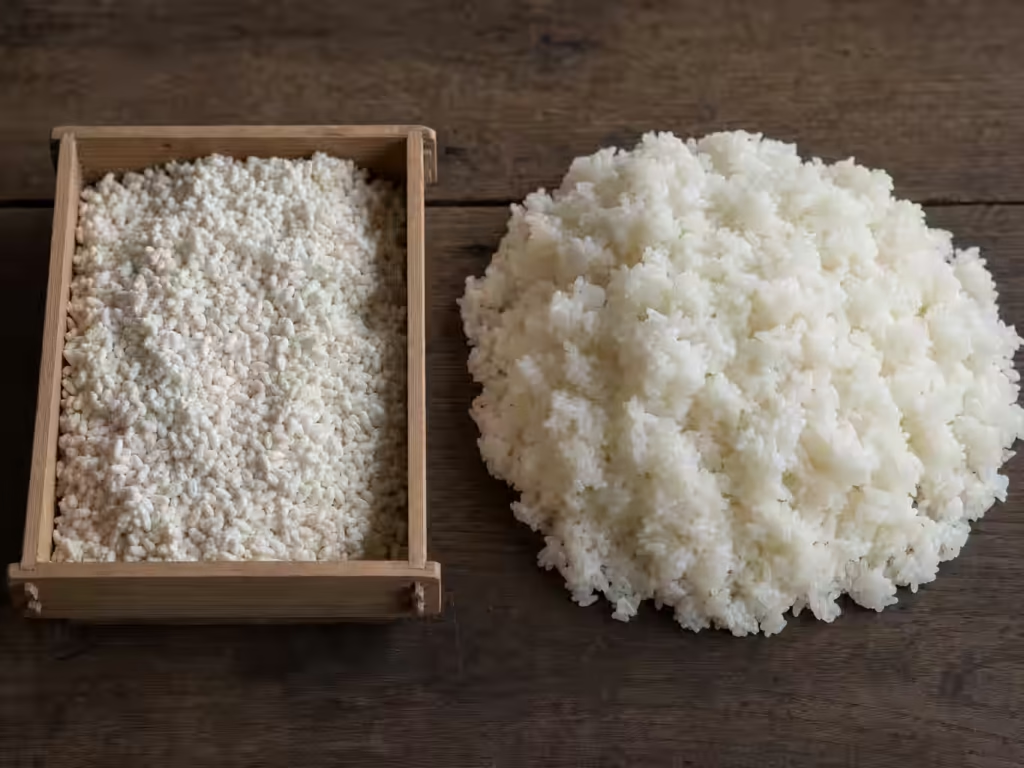
Koji Buai (麹歩合): How Much Rice Becomes Koji
Ask a brewer what makes sake possible and the answer rarely starts with rice. It starts with koji. Yet koji is not added freely, and the amount is measured to the kilogram. That measurement has a name: koji buai. Koji buai (麹歩合) is th... -
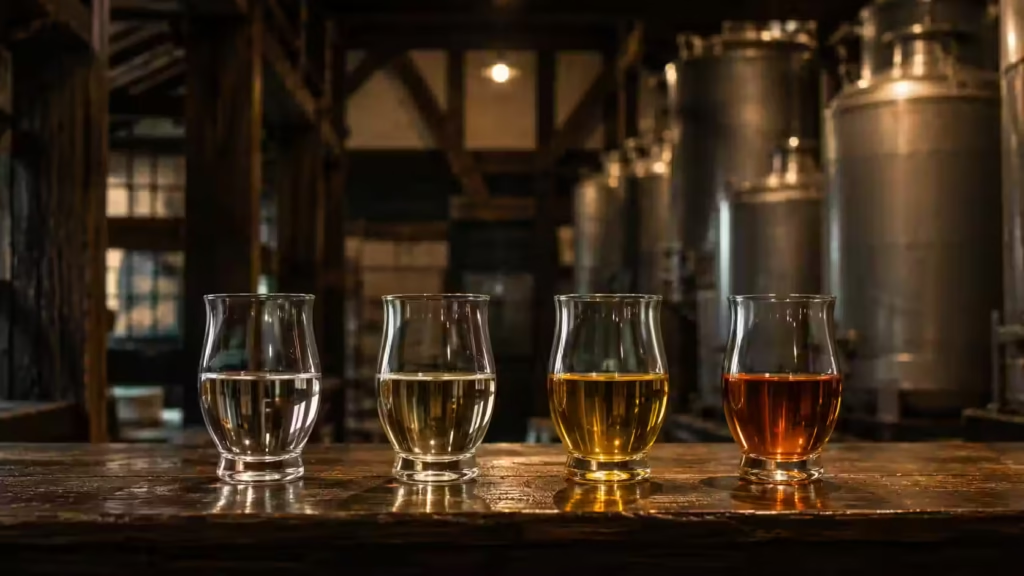
Jukusei (熟成): How Aging Transforms Sake
Jukusei (熟成) is the maturation of sake after brewing has finished. During this stage, time, temperature, and storage conditions gradually reshape its aroma, flavor, color, and texture. Most sake goes through some maturation before rele... -
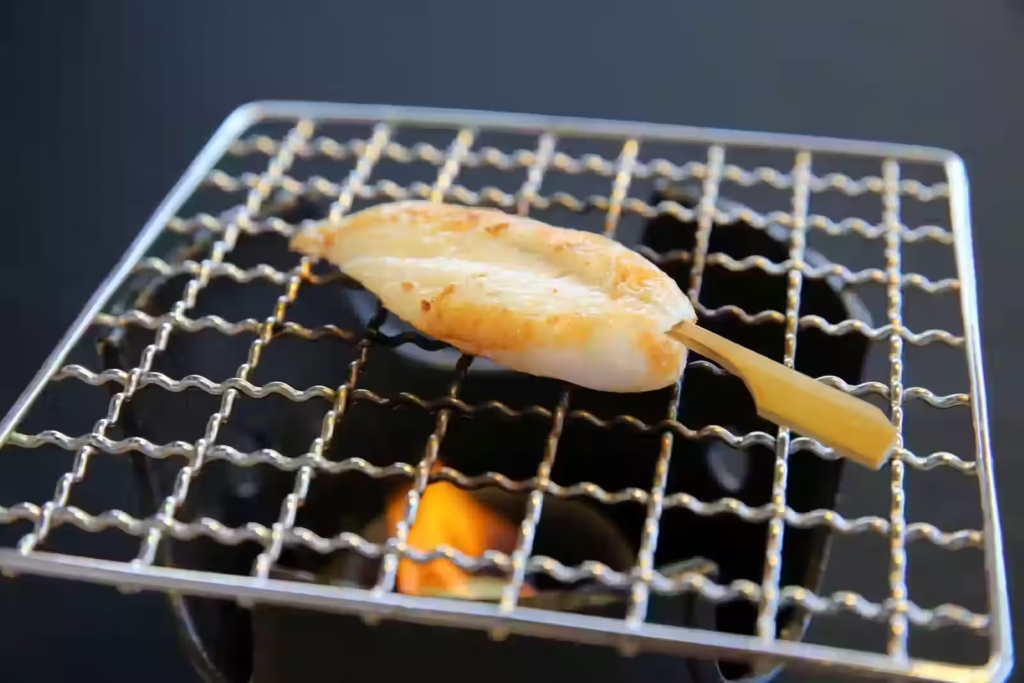
Sasa Kamaboko (笹かまぼこ)
Sasa kamaboko, also called sasakama, is a leaf shaped grilled Japanese fish cake from Sendai in Miyagi Prefecture. Makers grind white fish into a seasoned paste, press it flat, then grill each piece until the surface browns lightly. For ... -
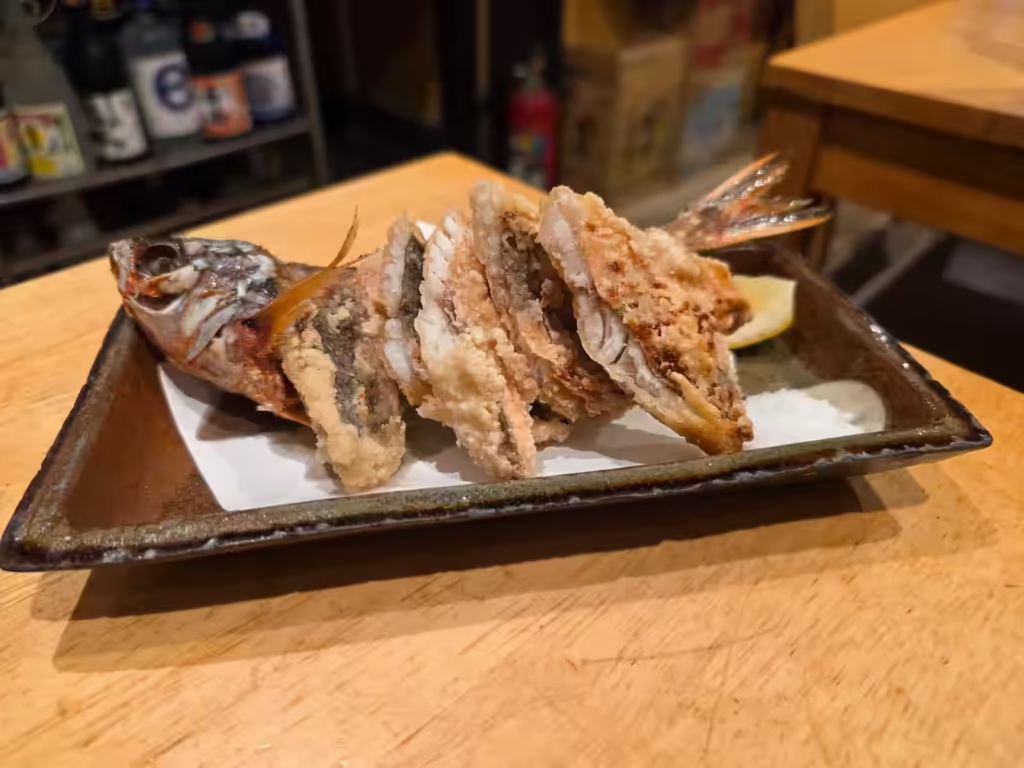
Gurukun (ぐるくん)
Gurukun is Okinawa's prefectural fish, and most visitors first meet it as a whole small fish split open and deep-fried until the bones crunch. Locals call the dish gurukun no karaage. It tastes mild and clean rather than strong, so it su... -
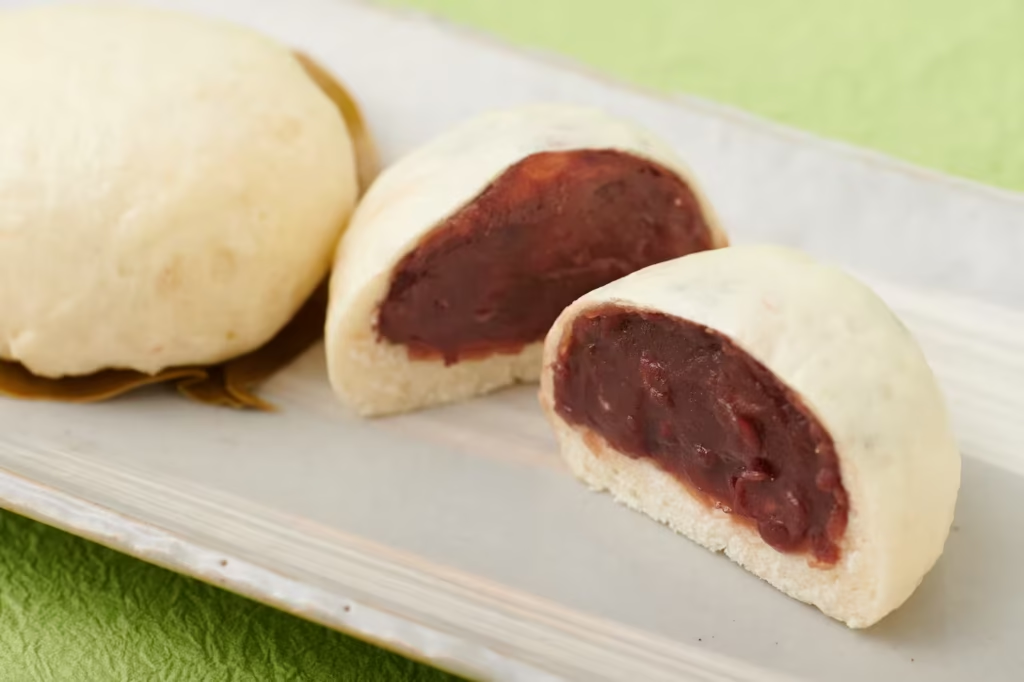

Barappa Manju (ばらっぱまんじゅう)
Barappa manju is a steamed wheat-flour bun filled with sweet red bean paste, cooked on a single wild leaf. It comes from the Hokuso area of northern Chiba Prefecture, and people there eat it during summer festivals and Obon. The leaf giv... -
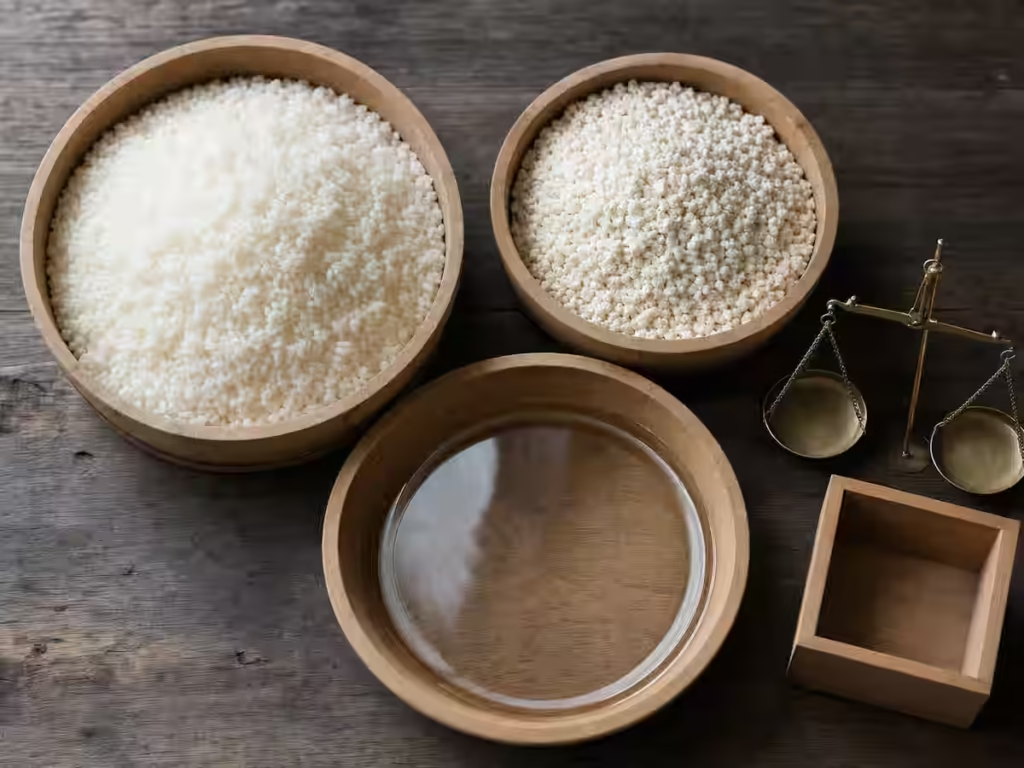
Shikomi Haigo (仕込配合): The Brewing Recipe That Defines Sake
Two breweries can start with the same rice variety, the same well, and the same yeast. Yet the sake in the glass tastes nothing alike. The reason usually hides in a document that drinkers never see. Brewers call it the shikomi haigo. So ...