




Ryo Iwa– Author –

-
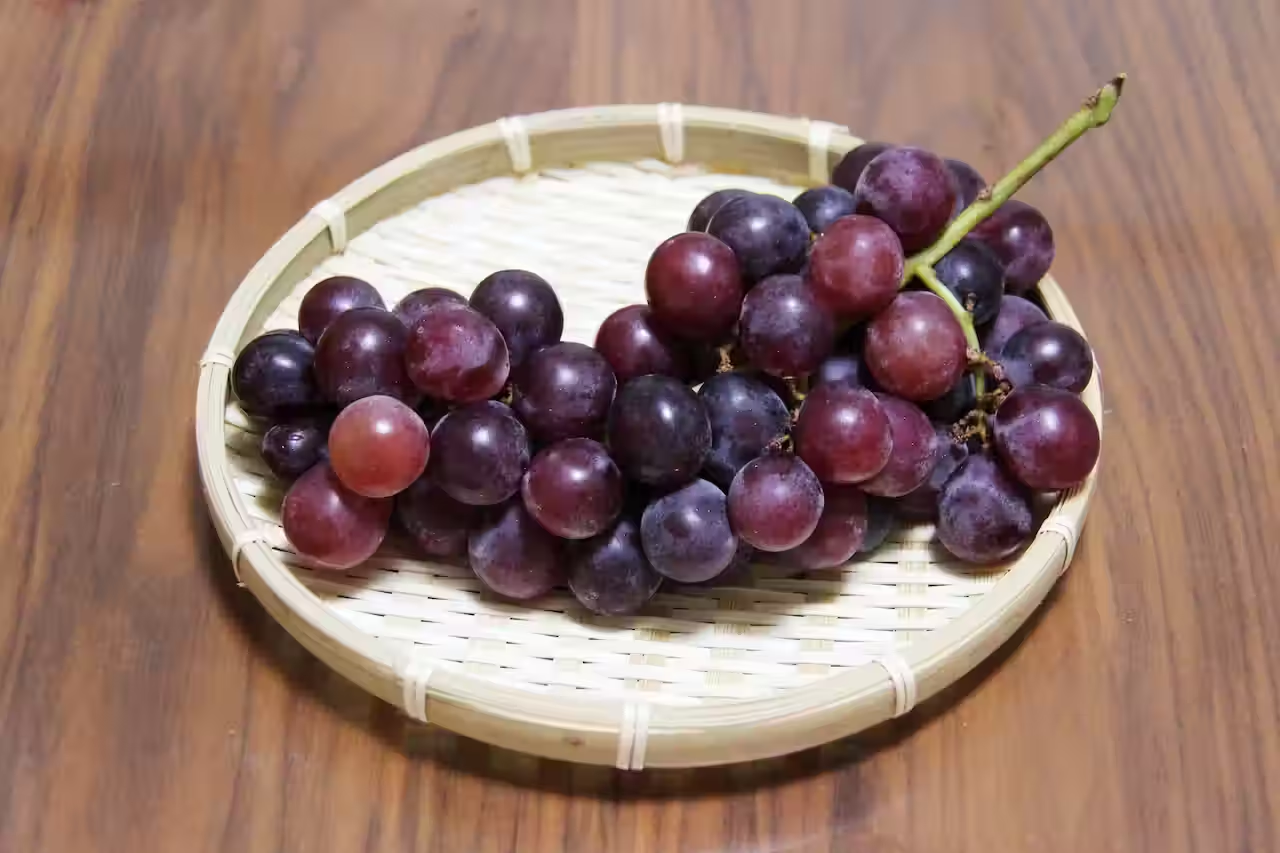

Kyoho Grapes (巨峰)
Kyoho grapes are large, dark purple Japanese grapes. Their juicy, sweet flesh and refreshing acidity make them genuinely hard to resist. If you have never tried one, you are missing something memorable. What Are Kyoho Grapes? The Kyoho g... -

Firefly Squid (ホタルイカ)
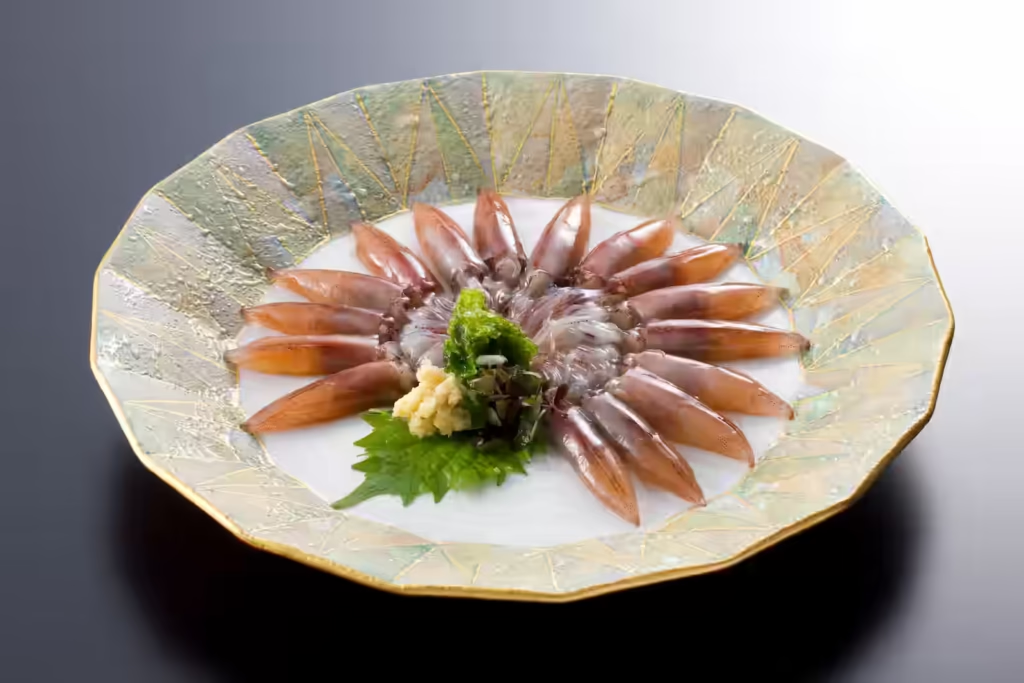
Firefly squid, known as hotaru ika (ホタルイカ) in Japanese, is a small bioluminescent squid that Japan treats as a spring delicacy. Toyama Bay is the place most closely associated with it, because every spring huge numbers of females ri... -

Bottling (瓶詰め): How Sake Becomes a Product
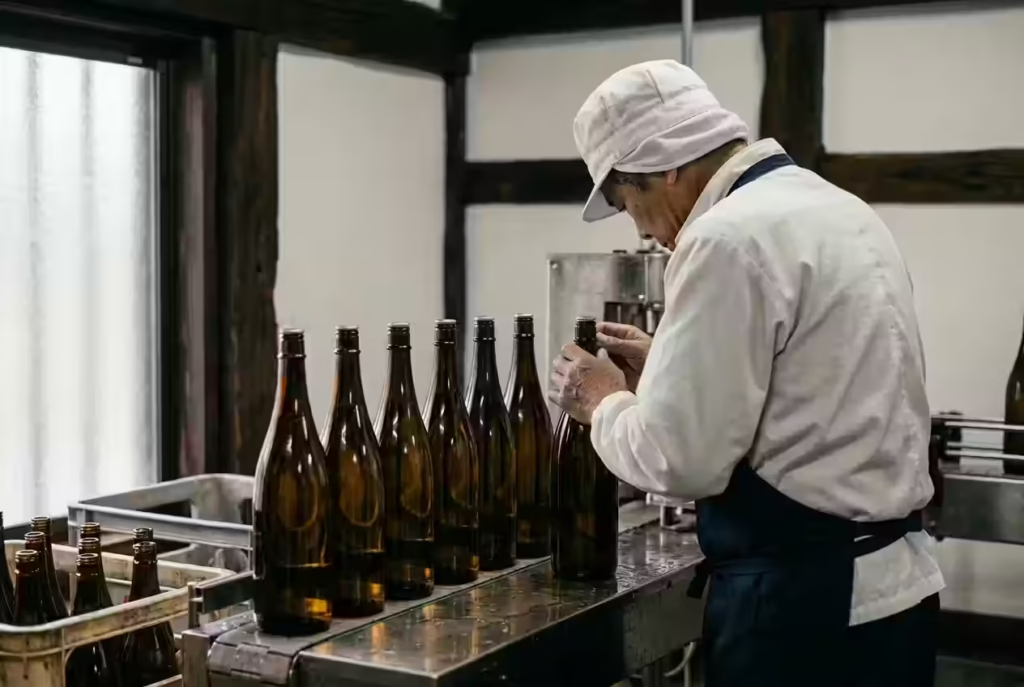
Bottling, or binzume (瓶詰め) in Japanese, is the stage where finished sake enters its retail container. Brewers fill, seal and then check the liquid they have spent months preparing, usually after clarification, dilution and heat treatm... -
Hi-ochi (火落ち): Bacterial Spoilage in Sake
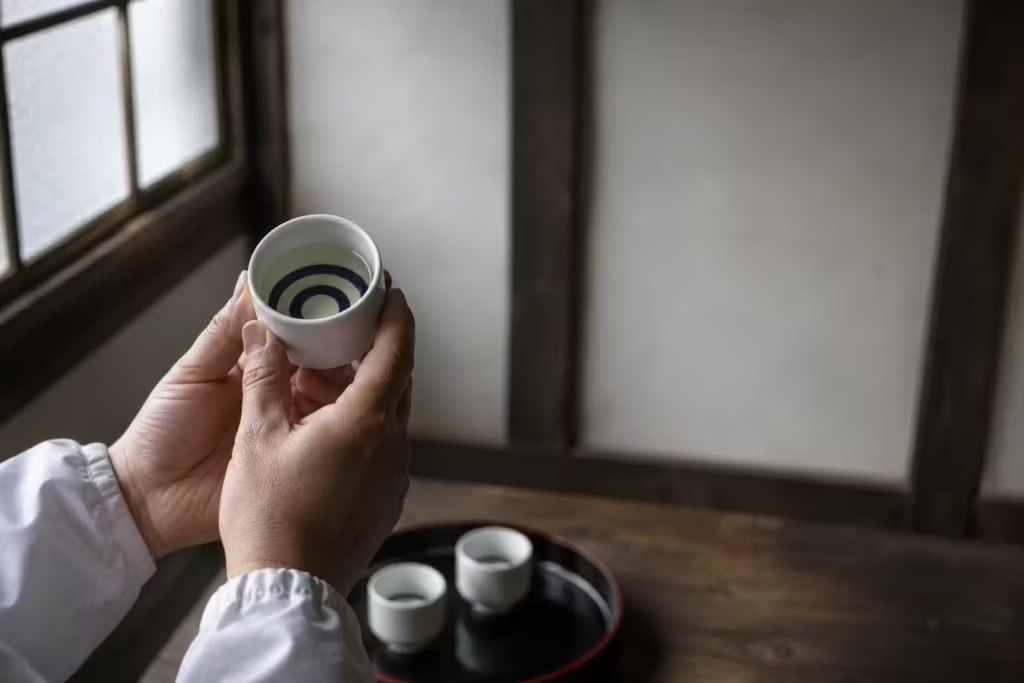
Hi-ochi (火落ち) is the bacterial spoilage of sake. It strikes after brewing finishes, and a small group of ethanol-tolerant lactic acid bacteria causes it. Sake is a hostile place for microbes, so the fact that anything spoils it at all... -

Japan Wagyu Guide: How to Eat Real A5 Wagyu & Yakiniku for Under $35
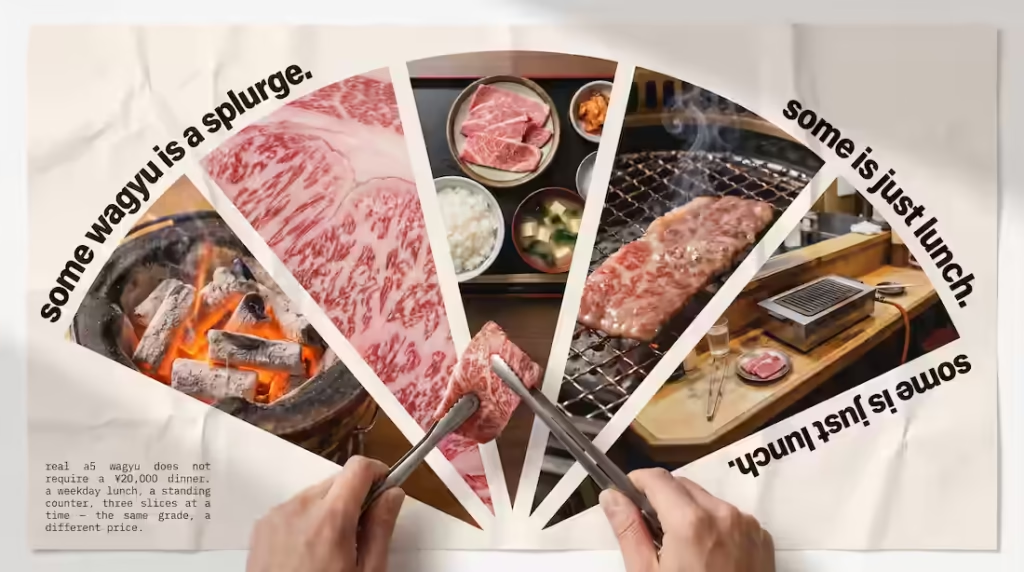
You are standing outside a Tokyo yakiniku shop, and the lunch board reads "A5 Wagyu set, ¥2,980." Is it genuinely A5, or is there a catch? A5 is the highest combination in Japan's beef carcass grading system, although it describes a grad... -
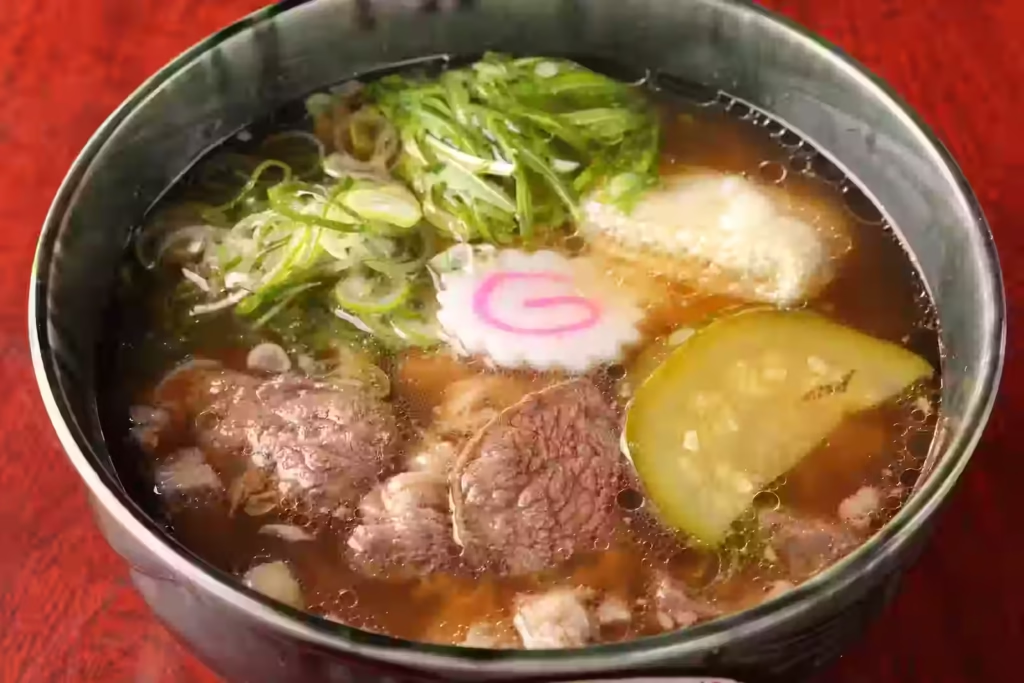
Obanazawa Beef Ramen (尾花沢牛ラーメン)
Obanazawa beef ramen is a local noodle specialty from Obanazawa City in Yamagata Prefecture. It pairs slow-simmered Obanazawa beef, a branded wagyu, with a chili-pickled watermelon called pesora-zuke. Order a bowl here and that bright re... -
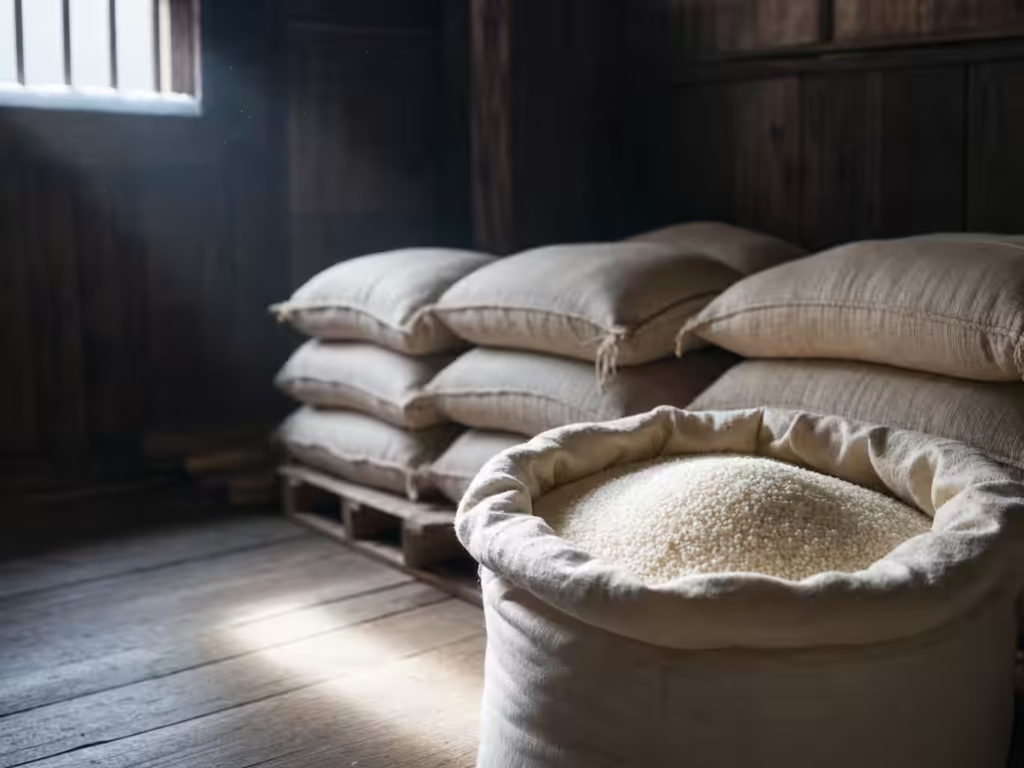

Karashi: Rice, Koji and Moto Conditioning
Karashi (枯らし) is a conditioning period in sake brewing, and it happens three separate times. Rice rests after polishing, koji rests after leaving the koji room, and the finished starter rests before it enters the main mash. Japanese b... -
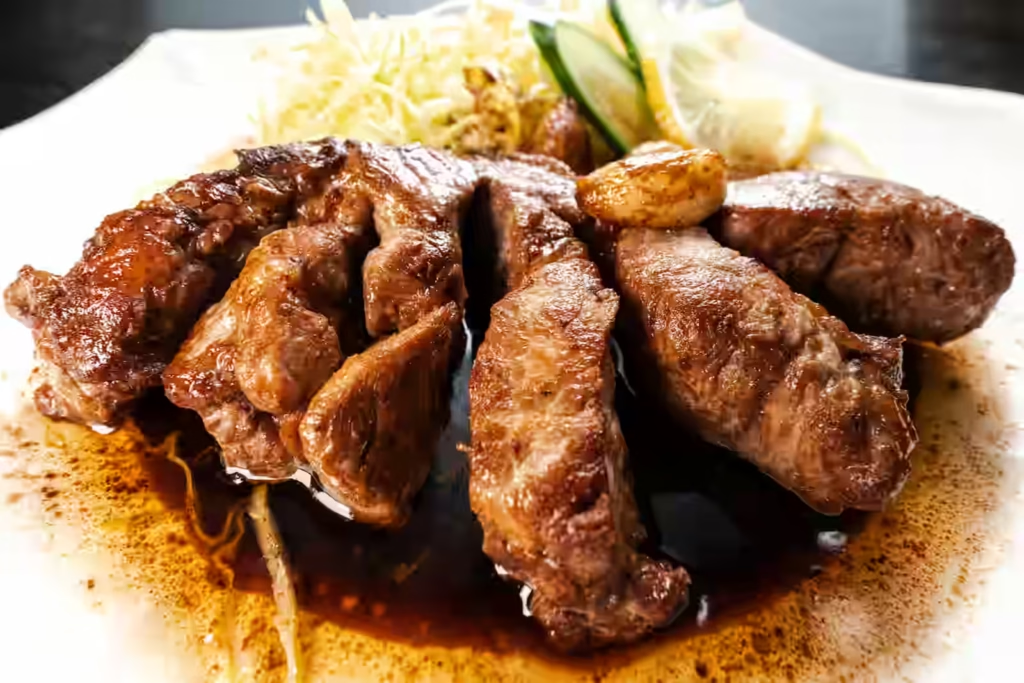
Yokkaichi Tonteki (四日市とんてき)
Yokkaichi Tonteki is a Japanese pork steak from Mie Prefecture in central Japan, sautéed with whole garlic cloves and finished in a dark garlic sauce. Locals treat it as a local specialty rather than a restaurant showpiece. The pork arri... -

How to Order Food in Japan: A First-Timer’s Guide
You can usually order at Japanese restaurants without speaking Japanese. Pointing at a menu photo, tapping a tablet or buying a meal ticket is usually enough. What confuses first-time visitors is rarely the language. It is the process, b... -
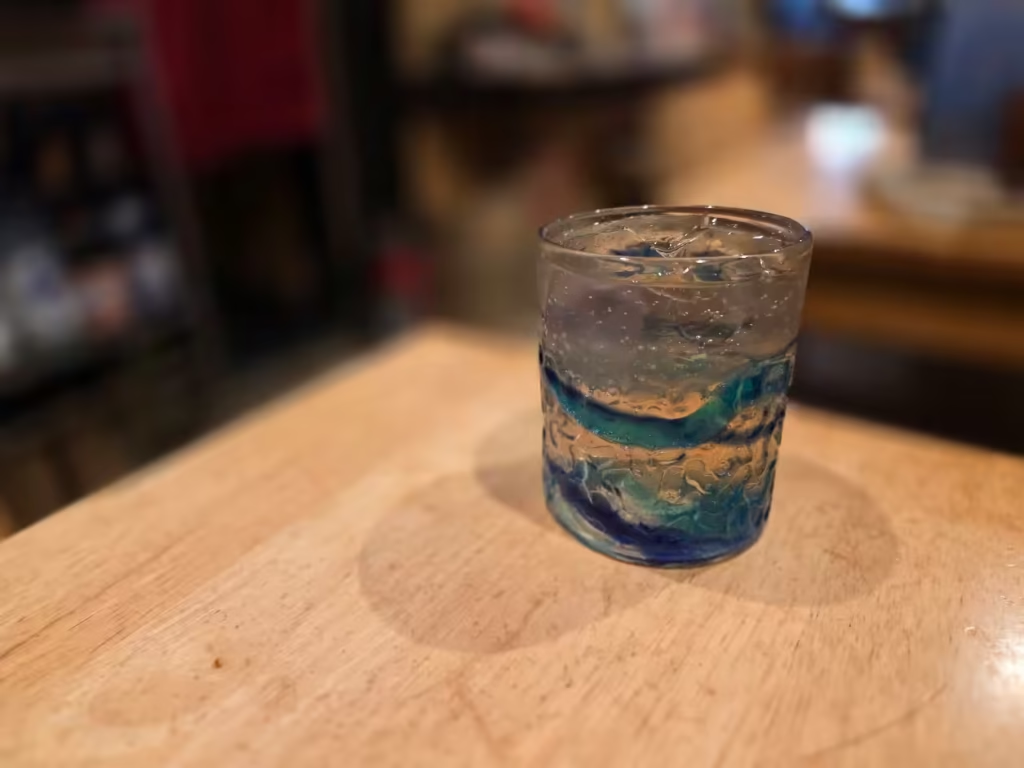
Shikuwasa Drink (シークワーサードリンク)
Shikuwasa drink is Okinawa's everyday citrus beverage, made from a small green fruit called Citrus depressa. It tastes sharply sour with a green, faintly bitter edge, so almost nobody drinks it straight. Instead, locals dilute it with co...