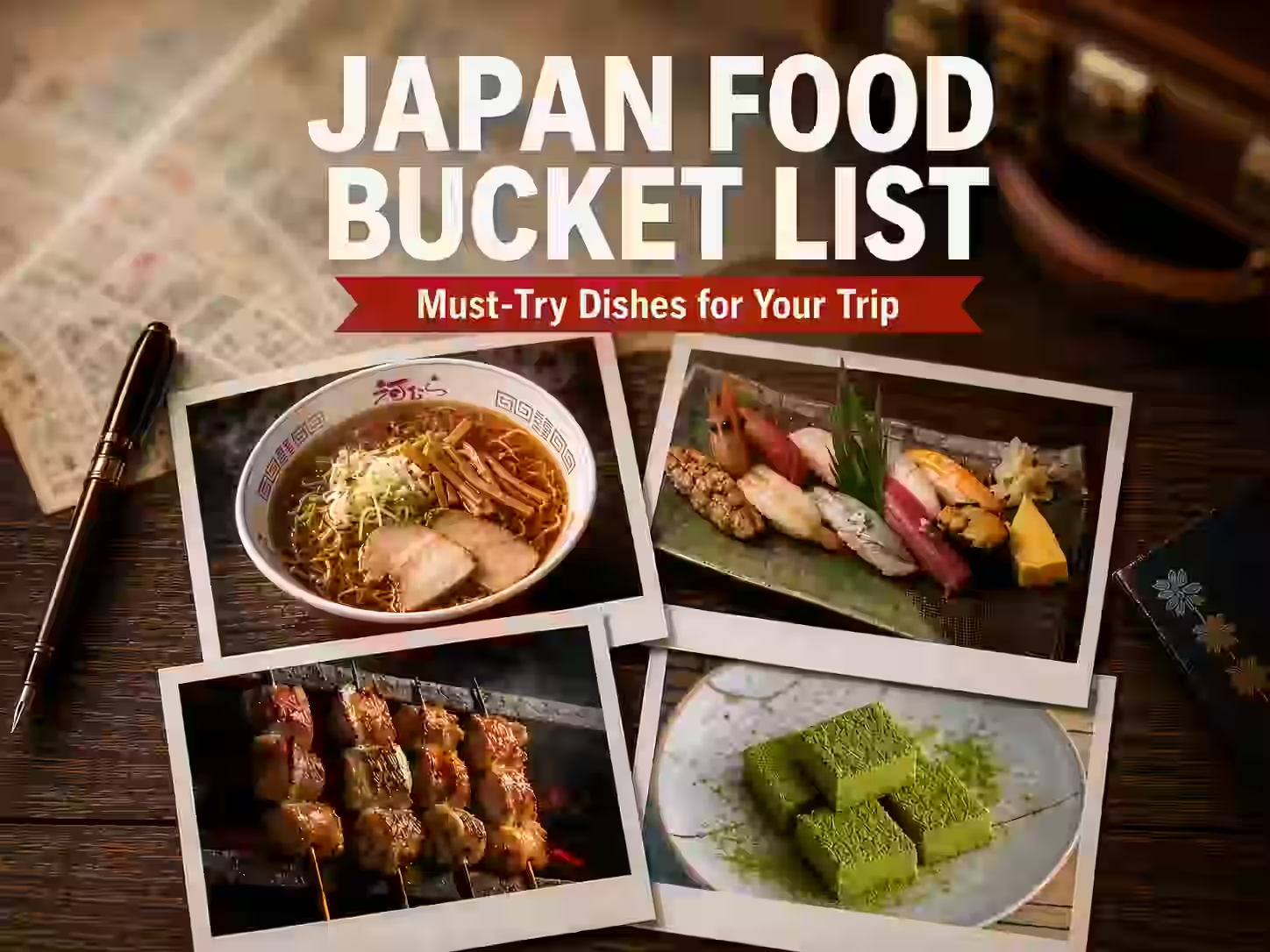
In general, a two-week trip to Japan gives you around forty opportunities to eat. That sounds like plenty, until you realize that all 47 prefectures have their own specialties and food traditions. This Japan food bucket list therefore narrows the field to fifteen essential Japanese food experiences, helping first-time visitors decide what deserves a place in their itinerary.
Each entry then tells you what to order, where the dish tastes best, and what to expect to pay in yen and US dollars. The list also covers daily budgets, reservations, and dietary restrictions.
TOC
Quick Answer: What Food Should You Try in Japan?
First-time visitors should generally prioritize ramen, sushi, yakitori, and matcha sweets. After that, add tempura, wagyu or yakiniku, udon or soba, Japanese curry, tonkatsu, okonomiyaki, and takoyaki. With more days to spare, include sukiyaki or shabu-shabu, a traditional Japanese breakfast, an ekiben for a train journey, and at least one regional specialty.
Japan Food Bucket List at a Glance
Prices generally cover casual to mid-range dining, shown as broad per-person ranges. Premium sushi, wagyu, tempura, and kaiseki, however, can cost considerably more. Dollar amounts also use a rounded rate of US$1 to ¥160.
Food
Best place or region
Typical price
1. Ramen
Tokyo, Fukuoka, Sapporo
¥900–¥1,500 (US$6–$9)
2. Sushi and seafood
Tokyo, Hokkaido, Kanazawa
¥1,500–¥8,000 (US$9–$50)
3. Yakitori and izakaya
Tokyo, Osaka, Fukuoka
¥3,000–¥5,000 (US$19–$31)
4. Matcha and wagashi
Uji, Kyoto, Nishio, Tokyo
¥400–¥1,800 (US$3–$11)
5. Tempura
Tokyo, Kyoto
¥1,000–¥3,000 (US$6–$19)
6. Wagyu and yakiniku
Kobe, Matsusaka, Tokyo
¥2,000–¥20,000 (US$13–$125)
7. Udon or soba
Kagawa, Nagano, Tokyo
¥600–¥1,800 (US$4–$11)
8. Japanese curry
Nationwide, Sapporo for soup curry
¥700–¥1,500 (US$4–$9)
9. Tonkatsu
Tokyo, Nagoya
¥1,000–¥2,500 (US$6–$16)
10. Okonomiyaki
Osaka, Hiroshima
¥1,000–¥2,000 (US$6–$13)
11. Takoyaki
Osaka
¥500–¥900 (US$3–$6)
12. Sukiyaki or shabu-shabu
Tokyo, Kyoto, Osaka
¥3,000–¥10,000 (US$19–$63)
13. Kaiseki or Japanese breakfast
Kyoto, Kanazawa, ryokan stays
¥1,000–¥30,000 (US$6–$188)
14. Onigiri or ekiben
Convenience stores, major stations
¥150–¥2,000 (US$1–$13)
15. One regional specialty
Every region of Japan
Varies
Four experiences therefore get the most space below. They are widely available, easy to fit into a first trip, and useful for understanding everyday and special-occasion dining. The remaining eleven, meanwhile, appear in shorter form.
What Does Japanese Food Taste Like?
Japanese cooking covers an enormous range, although many traditional dishes emphasize balance, seasonality, and the natural character of their ingredients. Dashi, above all, forms the foundation of many soups, sauces, and simmered dishes. A common version combines kombu kelp with dried bonito, while other broths use dried sardines, shiitake mushrooms, shellfish, or chicken. Soy sauce, miso, mirin, vinegar, and aromatic oils then build saltiness, sweetness, acidity, and depth.
Texture and aroma matter as much as flavor. Travelers usually encounter springy noodles, sticky rice, crisp tempura, chewy octopus, and the slippery texture of grated yam. Charcoal smoke defines yakitori, while seasoned rice, grilled fish, and pickles give an ekiben its character. Fermented natto and grated yam can challenge first-time visitors, so nobody should feel obliged to enjoy everything immediately.
1. Ramen — Japan’s Everyday Comfort Bowl
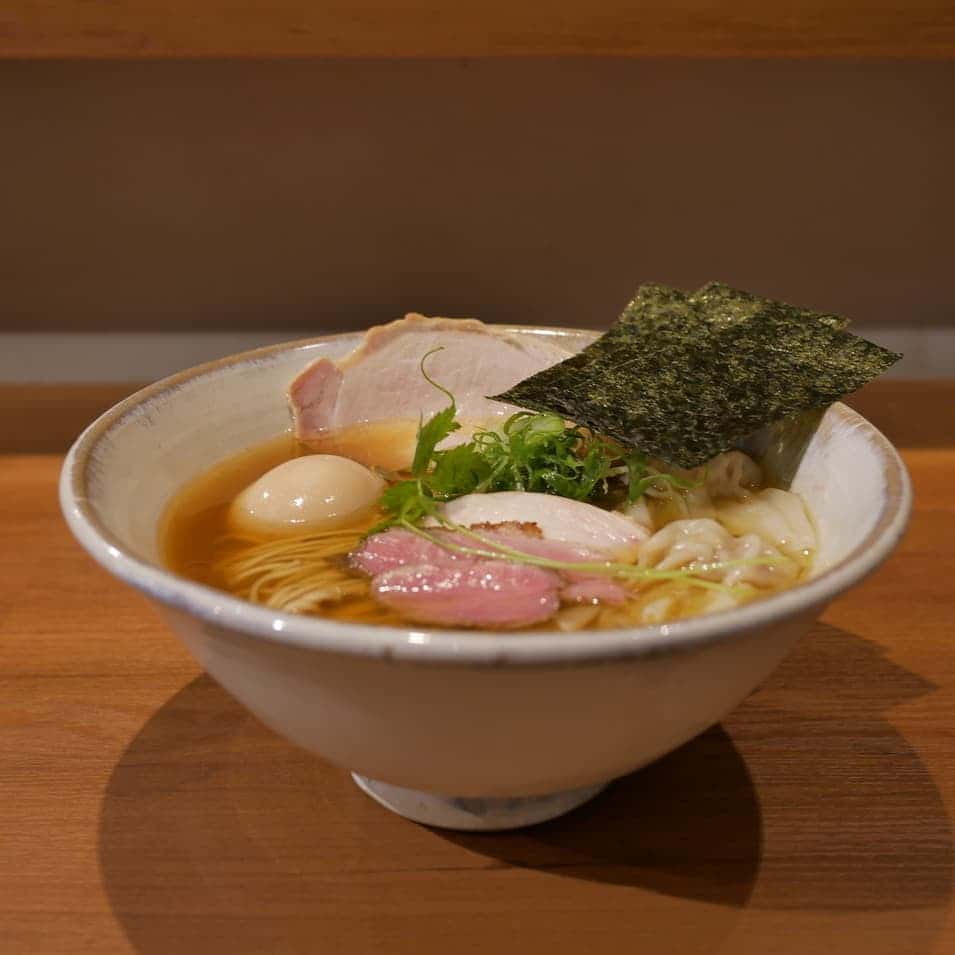
Authentic Japanese ramen featuring tender pork, soft-boiled egg, seaweed, and fresh green garnish in a ceramic bowl.
Typical price: ¥900–¥1,500 (about US$6–$9)
Best places: Tokyo, Fukuoka, Sapporo
Reservation: usually unnecessary
Best for: solo travelers and quick meals, especially at lunch
Ramen is a Japanese noodle dish with roots in Chinese-style wheat noodles, served in a seasoned broth or, in the case of tsukemen, with a separate dipping soup. Almost every region has built its own version, so the bowl changes as you travel north or south. Tokyo, meanwhile, has an exceptionally dense and competitive ramen scene, with styles ranging from classic shoyu bowls to modern seafood, chicken, and vegan broths. Our Japanese ramen guide covers those regional styles in further detail.
Ramen styles worth trying
Tokyo shoyu: commonly built on soy-based seasoning with chicken, seafood dashi, or a blend of both. Many versions taste lighter in body than tonkotsu or miso ramen.
Hakata tonkotsu: Fukuoka’s creamy pork bone broth, usually served with thin, firm noodles. Shops usually offer kaedama, an extra noodle portion for the remaining soup.
Sapporo miso: commonly combines miso seasoning with a rich broth, aromatic oil, and stir-fried vegetables. That surface layer of oil keeps the bowl hot, which matters in a Hokkaido winter.
Tsukemen: cold noodles served beside a concentrated dipping broth rather than in it. The separated format makes the texture of the noodles especially easy to appreciate, and it stays popular year-round.
Shio ramen deserves a mention too. Salt-based bowls often look lighter in color and seasoning, although the broth itself can still taste rich.
How to use a ramen ticket machine
Check the payment options first, because older machines take cash only.
Choose your bowl from the buttons, so you can order before sitting down. Shops usually place the flagship at the top left.
Then collect the printed ticket and your change.
Hand the ticket to the staff when you sit down.
Finally, answer any questions about noodle firmness and extra toppings.
Not every shop uses a machine, though. Many older counters simply take your order at the table, while newer ones increasingly use tablets or QR codes instead.
Food in Japan Tip: slurping causes no offense here, yet nobody requires it either. So eat in whatever way feels comfortable to you.
Two dietary notes matter before you order. Tonkotsu broth uses pork bones, and shops usually cut chashu from pork belly or shoulder. The noodles also contain wheat, and a vegetable ramen may still sit in a meat or fish broth, so ask first if that affects you.
2. Sushi and Seafood — From Conveyor Belt to Omakase
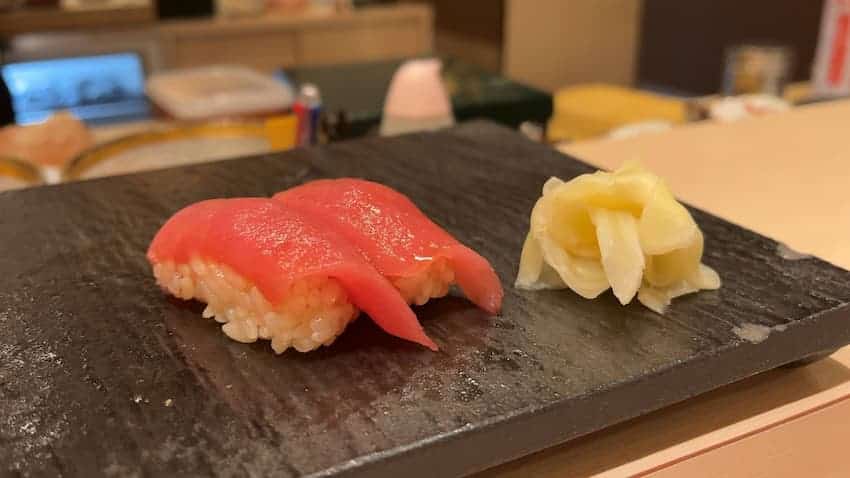
Sushi featuring fresh tuna nigiri with pickled ginger on a black plate, showcasing authentic Japanese cuisine.
Omakase: ¥10,000–¥40,000 and above (about US$63–$250 and above)
Best places: Tokyo, Hokkaido, Kanazawa
Reservation: recommended for omakase
Sushi spans a wider price range than anything else on this list. In nigiri sushi, a piece of seafood or another topping is shaped over vinegared rice known as shari. Because setting, sourcing, and technique vary so much, the word covers everything from inexpensive conveyor-belt plates to ¥30,000 counter courses. Our Japanese sushi guide also explains the main styles.
What should first-time visitors order?
Maguro: lean tuna, clean and mild, so it works well as a first bite
Chutoro: medium fatty tuna, richer but still balanced
Hotate: scallop, sweet and soft
Uni: sea urchin, rich and almost custard-like, though not for everyone
Ikura: salmon roe, salty and bursting
Tamago: a sweet, tender omelette that is approachable for beginners
Two more toppings certainly reward a second order. Amaebi is sweet shrimp with a slightly sticky texture, while anago is simmered sea eel, served warm under a sweet glaze.
Three ways to experience sushi
Kaitenzushi: conveyor belts and tablet ordering, so the pace stays relaxed. Entry-level plates start low, so families and cautious eaters do well here.
Tachigui sushi: standing counters that serve especially quickly. They suit solo diners, and the chef works within arm’s reach.
Omakase: the chef decides the sequence and the pace. Book ahead, arrive on time, read the cancellation policy, and declare allergies when you reserve.
Food in Japan Tip: visit a good conveyor-belt shop or a casual counter before you book an expensive omakase. Then you will understand what the higher price actually buys.
Etiquette stays simpler than the internet suggests. Fingers and chopsticks both work, though you should dip the fish lightly rather than soaking the rice. Ask before photographing, since some counters prohibit it, and skip strong perfume at high-end shops. Mention allergies and dislikes when you reserve instead of on the day.
3. Yakitori and Izakaya — Japan After Dark
Typical price: ¥3,000–¥5,000 per person with drinks (about US$19–$31)
Best places: Tokyo, Osaka, Fukuoka
Reservation: helpful on Friday and Saturday evenings
Best for: nightlife, especially over small shared plates
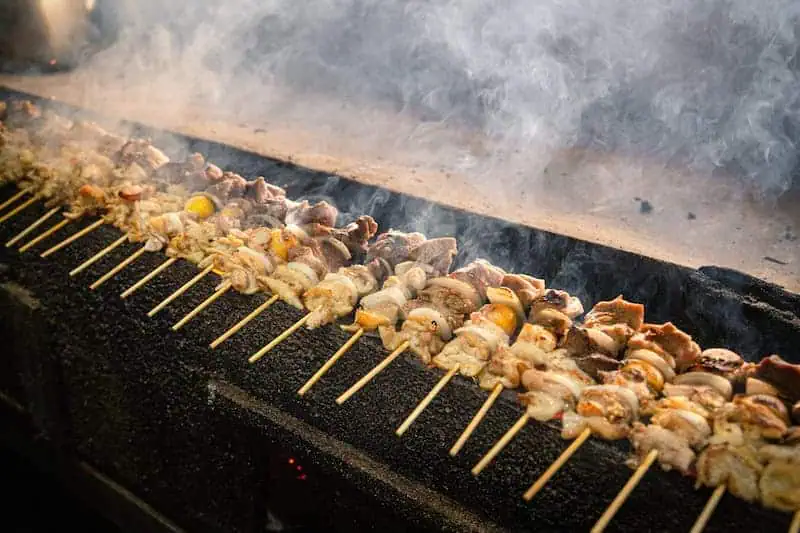
Yakitori means pieces of chicken grilled on skewers, traditionally over charcoal, although shops also grill vegetables. Cooks use almost every part of the bird, so a good menu can run to twenty items. Izakaya, meanwhile, are casual pubs that serve those skewers alongside sashimi, fried snacks, and cold beer. Above all, the yakitori alleys beneath and around Tokyo’s railway tracks offer one of the most atmospheric introductions.
Beginner-friendly skewers
Momo: thigh, juicy and forgiving, so start here
Negima: thigh alternating with leek
Tsukune: minced chicken meatball, usually glazed
Tebasaki: wing, crisp at the edges
Kawa: skin, grilled until crisp or pleasantly chewy, depending on the shop
More adventurous choices, including hatsu (heart), reba (liver), sunagimo (gizzard), and bonjiri (tail), sit a tier above. Try one or two individually before ordering a mixed set.
Tare or shio?
Tare is a savory-sweet soy-based sauce brushed over the skewers while they cook. Shio simply means salt, so the chicken flavor comes through more clearly. Order one of each if you can, because the contrast teaches you more than any description.
Tare de onegaishimasu. — With the sweet sauce, please.
Shio de onegaishimasu. — With salt, please.
Osusume de onegaishimasu. — Your recommendation, please.
What is otoshi?
Otoshi is a small appetizer that many izakaya bring out automatically, usually without asking. It often works as a table charge, so it appears on the bill even though nobody ordered it. Prices generally run from ¥300 to ¥600 per person, though each restaurant sets its own rule.
Food in Japan Tip: order a few skewers and one or two small plates first, then build from there. You can always add more later, and that keeps the pace comfortable.
4. Matcha and Japanese Sweets — A Bittersweet Finish
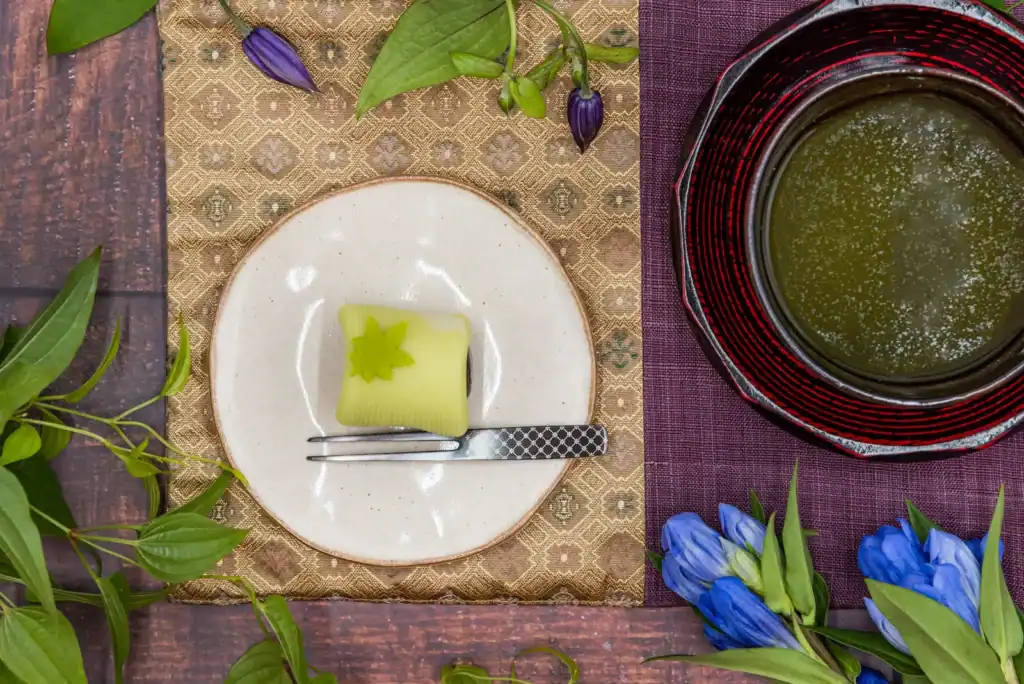
Fresh Japanese matcha green tea and traditional wagashi dessert served on a ceramic plate with floral accents.
Street snack: ¥400–¥800 (about US$3–$5)
Café dessert: ¥800–¥1,800 (about US$5–$11)
Tea and wagashi set: ¥1,000–¥3,000 (about US$6–$19)
Best places: Uji, Kyoto, Shizuoka, Nishio, Tokyo
Matcha is a powdered green tea, whisked into water rather than steeped in it. Uji in Kyoto Prefecture and Nishio in Aichi, meanwhile, both hold long reputations for growing and grinding it. Tokyo cafés offer an especially wide range of modern matcha desserts, from parfaits and cakes to specialty lattes.
Matcha sweets to try
Matcha parfait, usually layered with red bean, jelly, and mochi
Soft serve in a cone, usually the easiest version to find
Nama chocolate, especially soft and intense
Warabi mochi served with matcha powder, kinako soybean flour, or both
Traditional wagashi, usually served beside a bowl of whisked matcha
Is matcha sweet?
No, and that certainly surprises many first-time drinkers. Unsweetened matcha can taste vegetal and pleasantly bitter, with varying levels of umami, sweetness, and astringency depending on its quality and preparation. Sugar, milk, and chocolate supply all the sweetness in desserts instead.
Food in Japan Tip: pair one sweet wagashi with unsweetened matcha. That combination, in short, shows the balance the tradition intends.
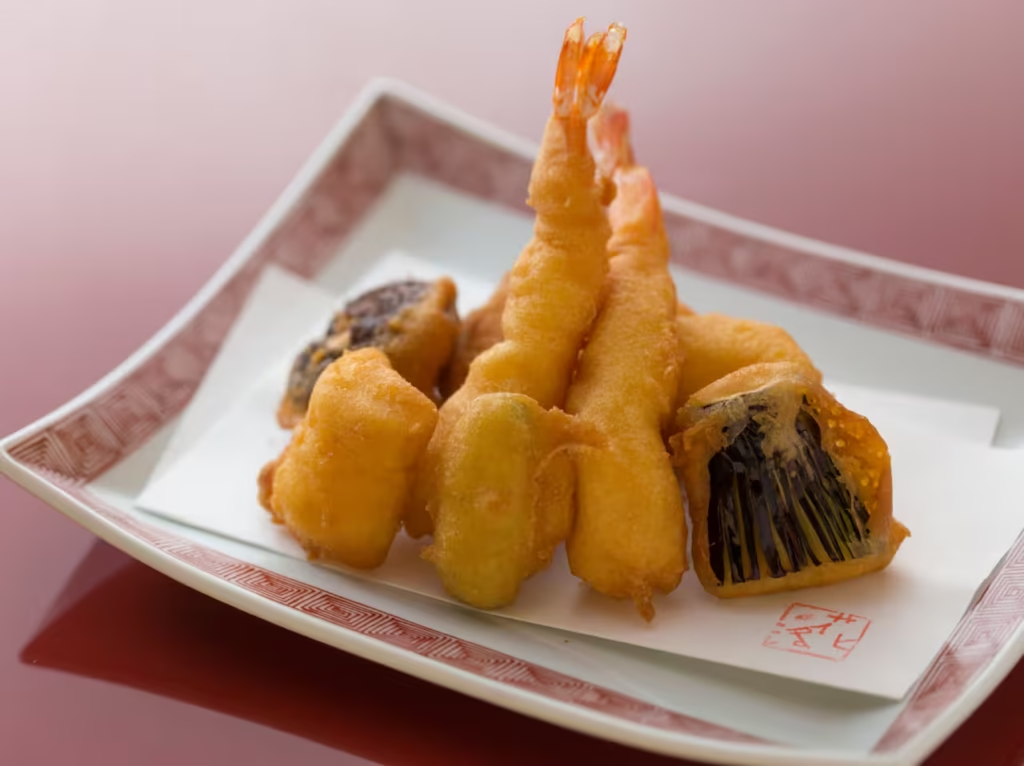
5. Tempura
Tempura means seafood and vegetables fried in a thin, light batter, so it eats lighter than it looks. Shrimp, white fish, sea eel, and seasonal vegetables generally form the standard line-up. Order a tempura teishoku for a full set meal, or tendon for tempura over rice with a sweet tare sauce.
What to order: ebi shrimp, kisu whiting, anago sea eel, plus whatever vegetable the season brings
Typical price: ¥1,000–¥3,000 (about US$6–$19)
Best places: Tokyo and Kyoto, especially at counter shops
Specialist counters work differently, though. A chef fries each piece to order in front of you, and courses there generally start around ¥8,000 (about US$50). Eat each piece soon after it arrives, while the batter is still crisp and the ingredient is at its best.
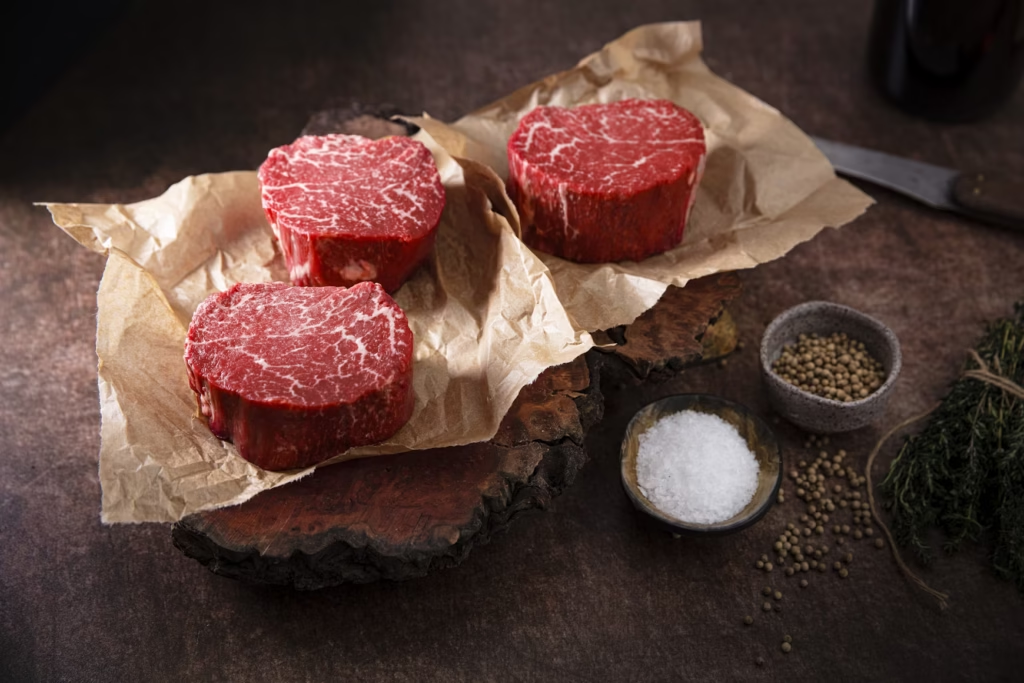
6. Wagyu and Yakiniku
Wagyu is not a single brand, although many visitors assume so. In Japan, the term refers to beef from designated Japanese cattle breeds, while names such as Kobe, Matsusaka, and Omi identify particular regional brands with their own standards. Kobe therefore represents one option among many rather than the top of a single ranking. Our wagyu beef guide also explains the grading system.
What to order: yakiniku by the cut, a wagyu steak, or sukiyaki
Premium wagyu dinner: ¥8,000–¥20,000 and above (about US$50–$125 and above)
Best places: Tokyo, Osaka, Kobe, Matsusaka
Yakiniku offers the best value for a first taste, because you order individual cuts and grill them at the table yourself. Start with harami or karubi, then compare a premium cut later in the meal. Thin, heavily marbled slices generally need only brief cooking, although you should follow the restaurant’s guidance for thicker cuts.
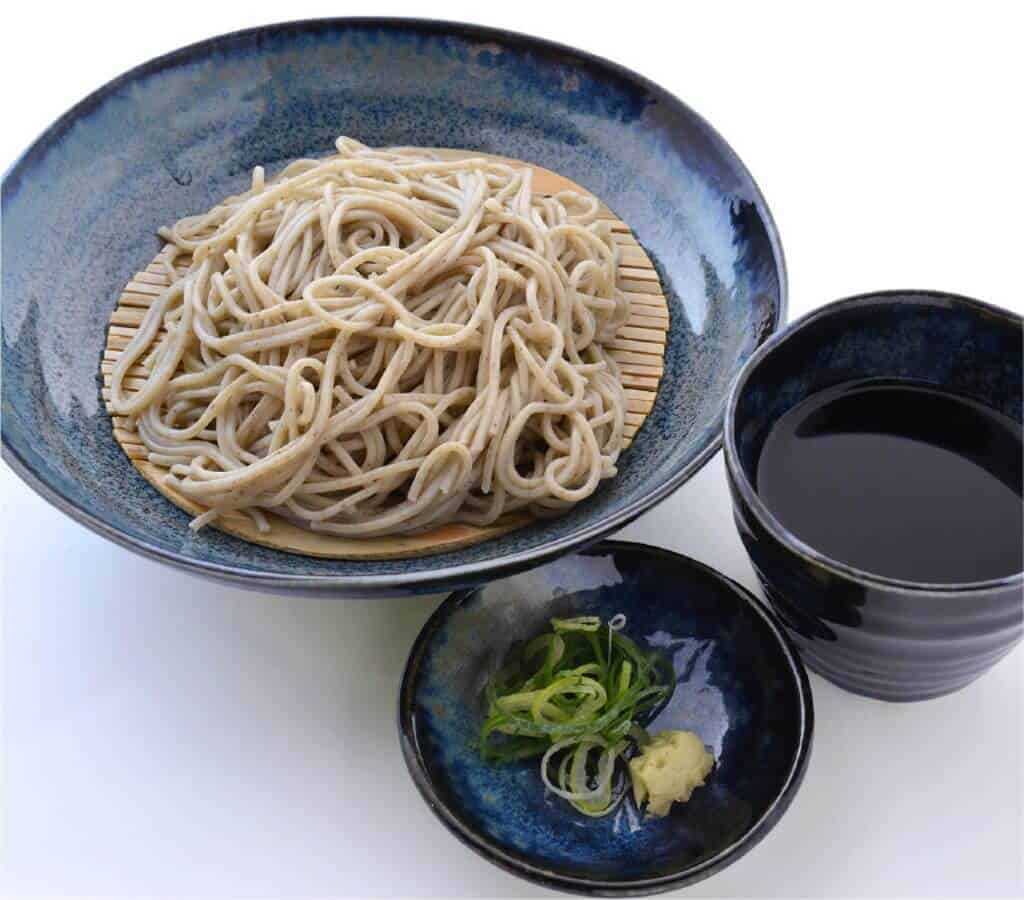
7. Udon or Soba
Hand Pulled Soba Noodles with Dipping Sauce and Condiments in Traditional Japanese Dish.
Udon are thick wheat noodles, while soba are generally thinner noodles made with buckwheat, often mixed with wheat flour. In the bowl, udon tastes mild and chewy, whereas soba carries a nuttier, earthier flavor. Both arrive hot in broth or cold with a dipping sauce, so the season often decides for you.
What to order: Sanuki udon, kitsune udon, zaru soba, or tempura soba
Typical price: ¥600–¥1,800 (about US$4–$11)
Best places: Kagawa for udon, Nagano and Tokyo for soba
One warning matters more here than elsewhere. Because cross-contact is common and buckwheat reactions can be severe, anyone with a diagnosed buckwheat allergy should seek medical advice before travelling. Avoid ordinary soba restaurants unless the establishment can clearly confirm safe handling. Our Japanese noodles guide, similarly, covers the regional styles.
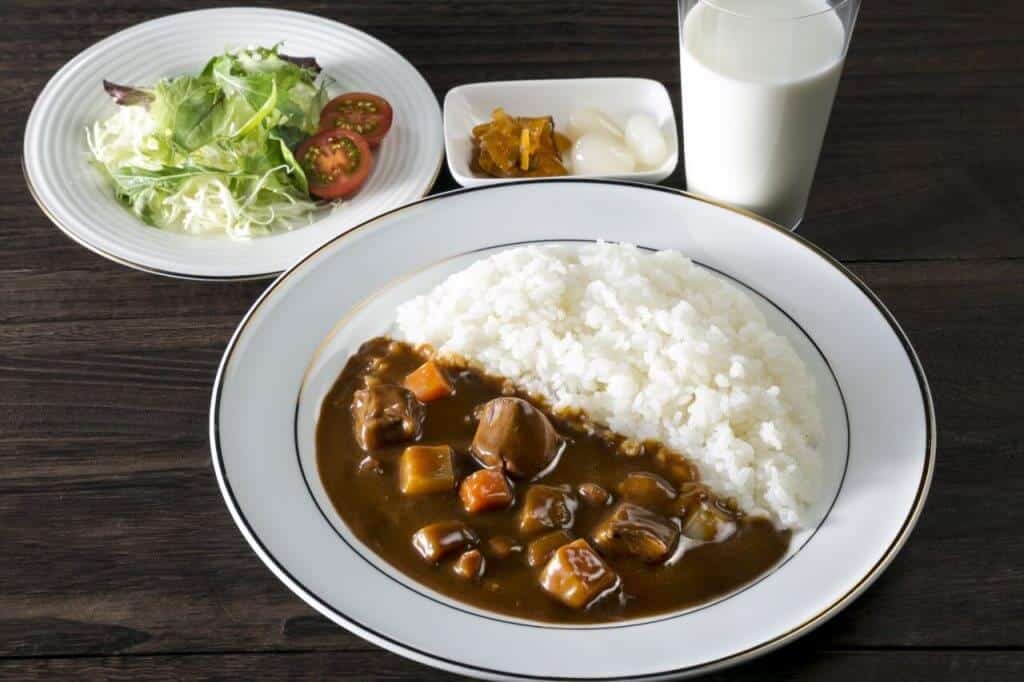
8. Japanese Curry
Yokosuka Kaigun Curry
Japanese curry is commonly thicker and milder than many curries visitors may know from South or Southeast Asia, although spice levels vary by restaurant. Cooks build it from a roux, then ladle it over rice. So it costs little, fills you up quickly, and suits children as easily as adults. Our Japanese curry guide further traces how the dish arrived.
What to order: curry rice, katsu curry, soup curry, or curry udon
Typical price: ¥700–¥1,500 (about US$4–$9)
Best places: chain shops nationwide, plus Sapporo for soup curry
Sapporo’s soup curry, however, differs enough to count as a separate dish. There the curry instead arrives as a thin, heavily spiced broth holding large pieces of chicken and vegetables. Rice comes on the side, and diners alternate between the rice, broth, meat, and vegetables in whichever way they prefer.
9. Tonkatsu
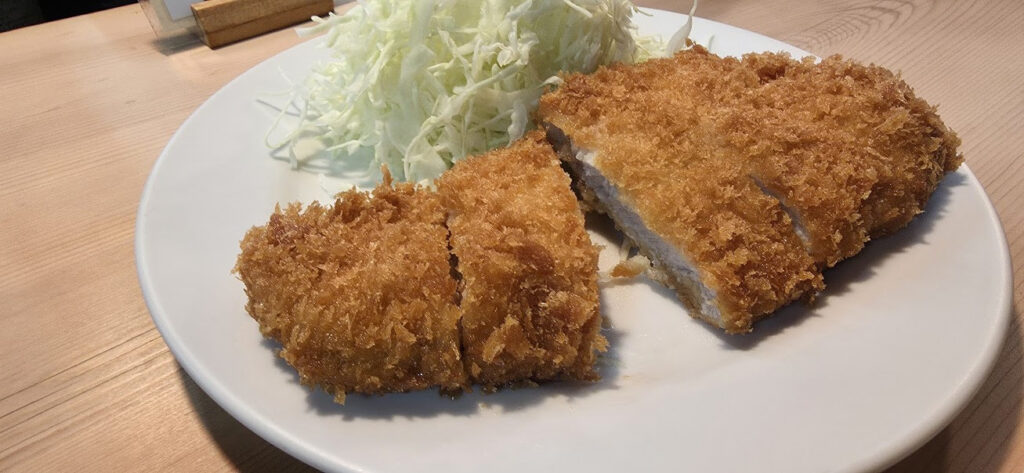
Tonkatsu is a breaded, deep-fried pork cutlet, usually cut into strips. Restaurants usually serve it as a teishoku set with rice, shredded cabbage, and miso soup. Rosu uses a fattier loin cut, while hire uses leaner tenderloin or fillet.
What to order: rosu katsu teishoku, or katsudon if you prefer it simmered over rice
Typical price: ¥1,000–¥2,500 (about US$6–$16)
Best places: Tokyo and Nagoya
Nagoya also adds a local variation called miso katsu, which arrives under a dark, sweet red miso sauce. Some specialist shops also offer free refills of rice, cabbage, or miso soup, so check the menu before ordering more.
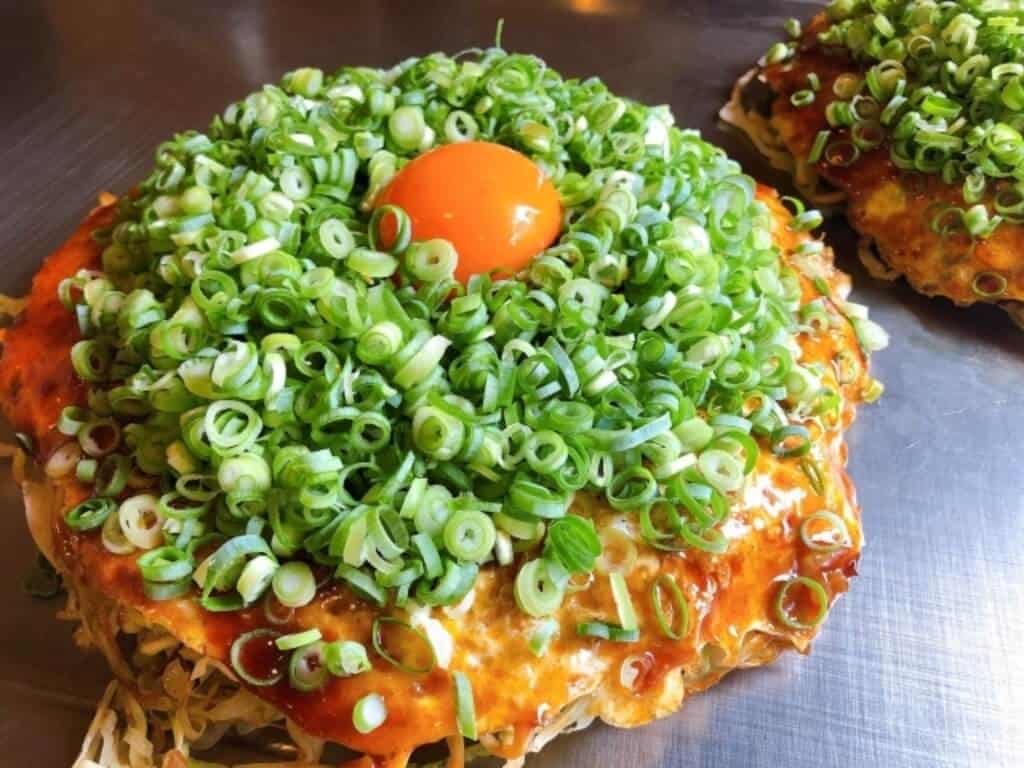
Okonomiyaki is a savory pancake of batter, shredded cabbage, and, above all, your chosen fillings. Osaka mixes everything together before it hits the griddle. Hiroshima instead layers batter, cabbage, pork, and noodles into a tall stack, usually yakisoba-style noodles or udon, so the two versions taste quite different.
What to order: pork and squid in Osaka, the noodle-layered version in Hiroshima
Typical price: ¥1,000–¥2,000 (about US$6–$13)
Best places: Osaka and Hiroshima
Some restaurants cook the okonomiyaki for you, while self-cook establishments provide the batter and ingredients at the table. Ask which system applies before you sit down, particularly if you would rather watch than cook. Tokyo, meanwhile, has its own thinner relative called monjayaki.
11. Takoyaki
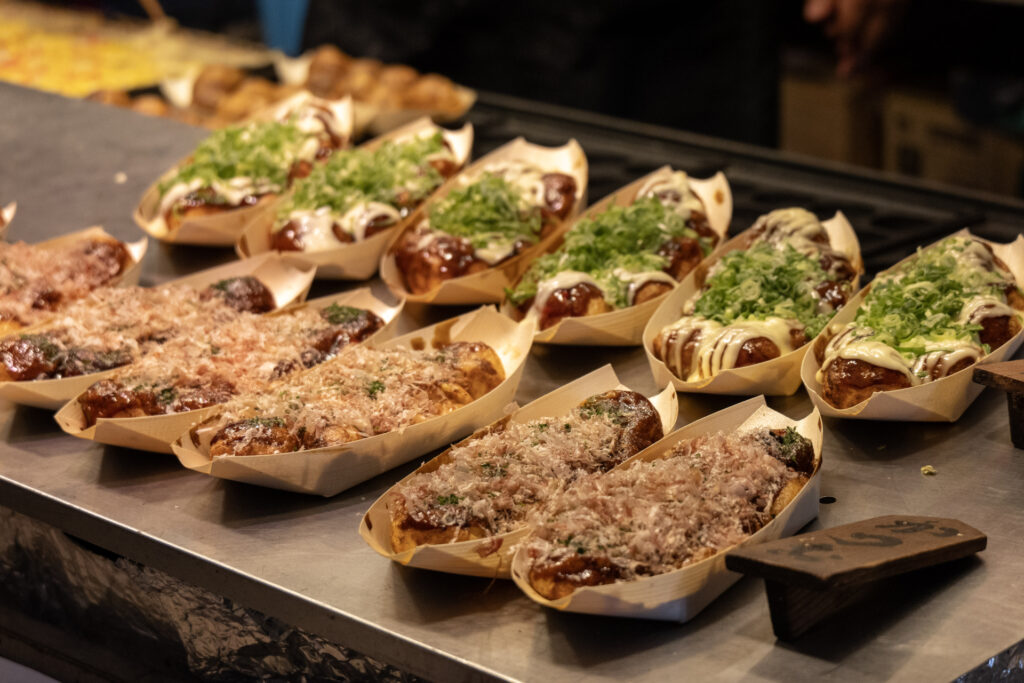
Variety of Japanese street food snacks with toppings, sauces, and garnishes on display.
Takoyaki are round balls of dashi-flavored batter, usually with diced octopus inside. Vendors then finish them with sauce, Japanese mayonnaise, aonori seaweed, and bonito flakes. Osaka created the snack in the 1930s, and the city still sets the standard.
What to order: a standard tray of six or eight with the classic sauce, mayonnaise, aonori, and bonito flakes
Typical price: ¥500–¥900 (about US$3–$6)
Best places: Osaka, especially Dotonbori and Shinsekai
Still, one practical warning applies every time. The center stays extremely hot, so wait a moment and then bite carefully. For more options at street level, see our Japanese street food guide.
12. Sukiyaki or Shabu-Shabu
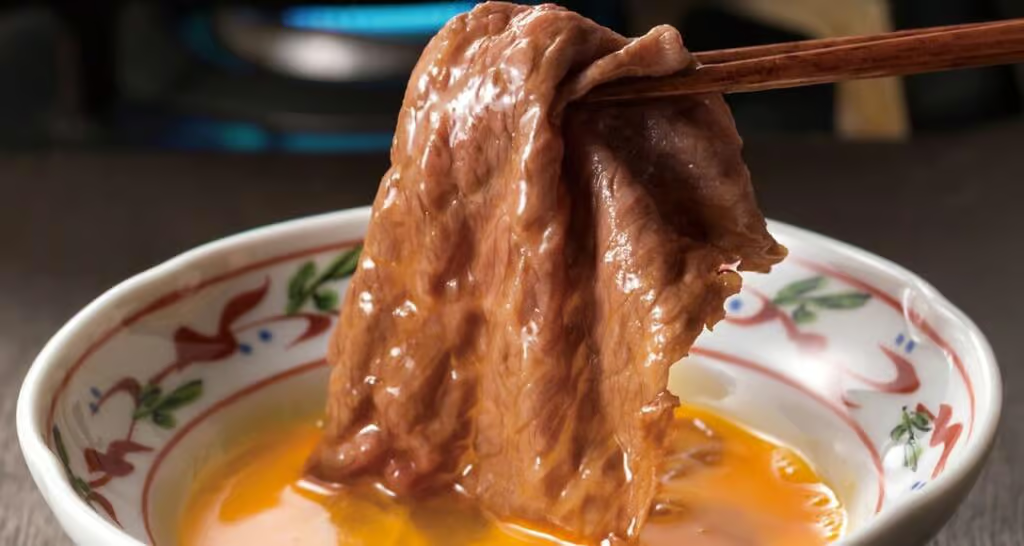
Both dishes commonly feature thin slices of beef cooked at the table, although shabu-shabu restaurants may also offer pork, seafood, or vegetables. Sukiyaki, for example, simmers the beef in warishita, a sweet mixture of soy sauce, sugar, and mirin. Shabu-shabu instead swishes each slice through hot broth, then pairs it with ponzu or sesame sauce.
What to order: a set course, since it includes vegetables, tofu, and noodles
Typical price: ¥3,000–¥10,000 and above (about US$19–$63 and above)
Best places: Tokyo, Kyoto, Osaka
Sukiyaki generally suits anyone who enjoys sweet, rich flavors. Shabu-shabu works better if you prefer something clean and light, so choose by taste rather than by price. Kanto and Kansai also differ in how cooks add the sauce, making it worthwhile to try sukiyaki again in another region.
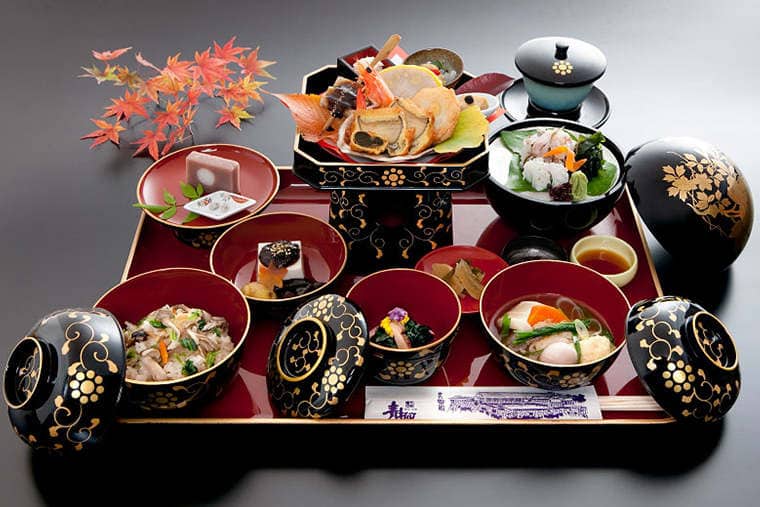
13. Kaiseki or a Traditional Japanese Breakfast
Traditional Japanese Kaiseki meal served in beautifully decorated lacquerware bowls and plates, showcasing authentic Japanese cuisine.
These experiences offer two different ways to encounter traditional Japanese meal structure. Kaiseki presents seasonality through a formal sequence of courses, usually eight or more. A Japanese breakfast, meanwhile, brings rice, soup, grilled fish, pickles, and side dishes together in an everyday format.
Traditional Japanese breakfast: ¥1,000–¥3,000 (about US$6–$19)
Kaiseki dinner: ¥8,000–¥30,000 and above (about US$50–$188 and above)
Best places: Kyoto, Kanazawa, and ryokan stays anywhere
Many ryokan packages also include both dinner and breakfast in the room rate. Although the total stay may cost a great deal, the package provides a convenient way to experience a seasonal multi-course dinner and a traditional breakfast in one place.
UNESCO recognizes washoku not as a single dish, but as a set of knowledge, skills, practices, and traditions connected to preparing and sharing food. A ryokan breakfast therefore offers an accessible glimpse of values such as seasonality, balance, local ingredients, and careful presentation.
14. Onigiri or Ekiben
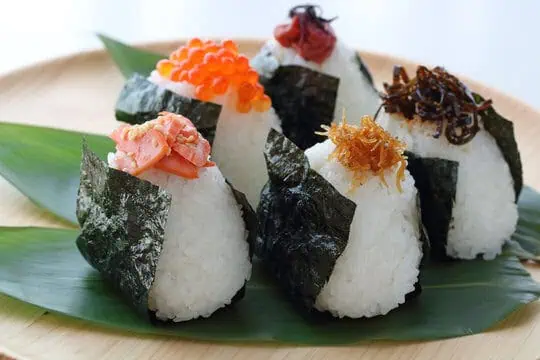
Filename: sushi-variety-in-japan.jpg.
Of course, not every meal needs a restaurant. Convenience stores sell onigiri, portable portions of seasoned or filled rice, often triangular and wrapped in nori. Station kiosks and department store basements, meanwhile, sell ekiben, boxed meals built for train journeys.
Onigiri: ¥150–¥350 (about US$1–$2)
Ekiben: ¥900–¥2,000 (about US$6–$13)
Best places: any convenience store, plus Tokyo Station and other major hubs
Ekiben often reflect the station or region where they are sold, so a box from Sendai looks nothing like one from Hiroshima. Depachika food halls provide another excellent source of bento, with a particularly wide choice of prepared dishes, seasonal foods, and premium options. This section exists for one reason: nobody needs an expensive restaurant three times a day.
15. One Regional Specialty
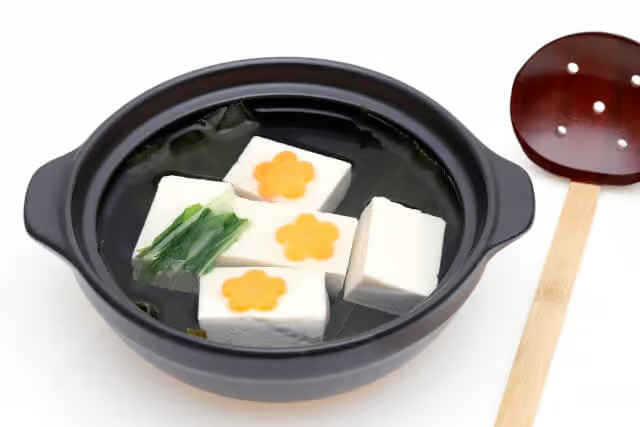
Steamed yuba tofu with floral carrot decorations in a traditional Japanese hot pot.
This final slot stays deliberately open, so treat it as a prompt rather than a rule. Japan does not run on one national menu, so the dish you remember longest may be something you had never heard of. Instead, choose whatever the place you visit actually cooks.
Hokkaido: soup curry, or crab and uni from the northern coast
Sendai: gyutan, thick-cut grilled beef tongue
Nagoya: hitsumabushi grilled eel, or miso katsu
Kyoto: yudofu and obanzai home-style side dishes
Osaka: kushikatsu, deep-fried skewers served with a tangy dipping or pouring sauce
Okinawa: Okinawa soba, with its thick wheat noodles and clear broth
Prices vary widely, although most regional specialties fall between ¥1,000 and ¥3,000 (about US$6–$19). Our Japan food guide breaks the country into eight regions, so use it to plan around your actual route. The Hokkaido and Kyushu guides also go deeper on the two areas most travelers add first.
How Much Should You Budget for Food in Japan?
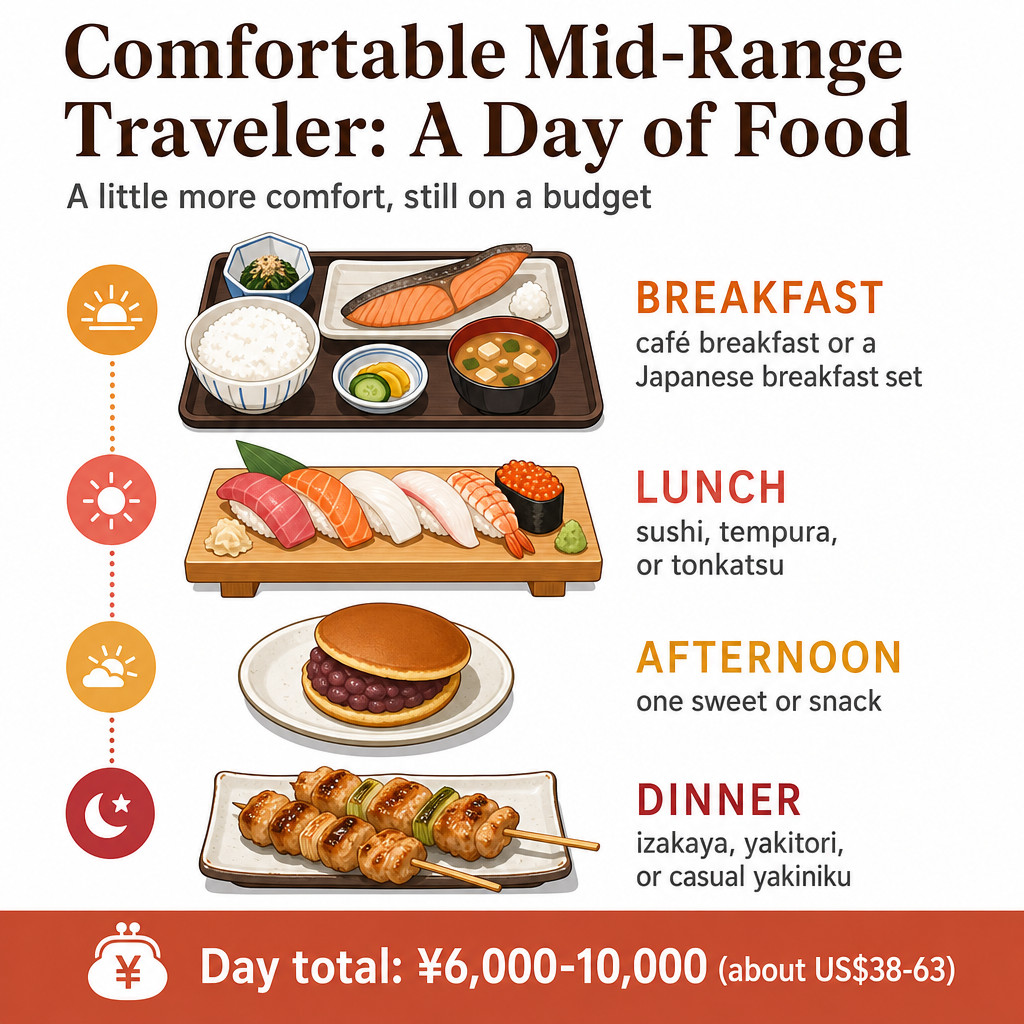
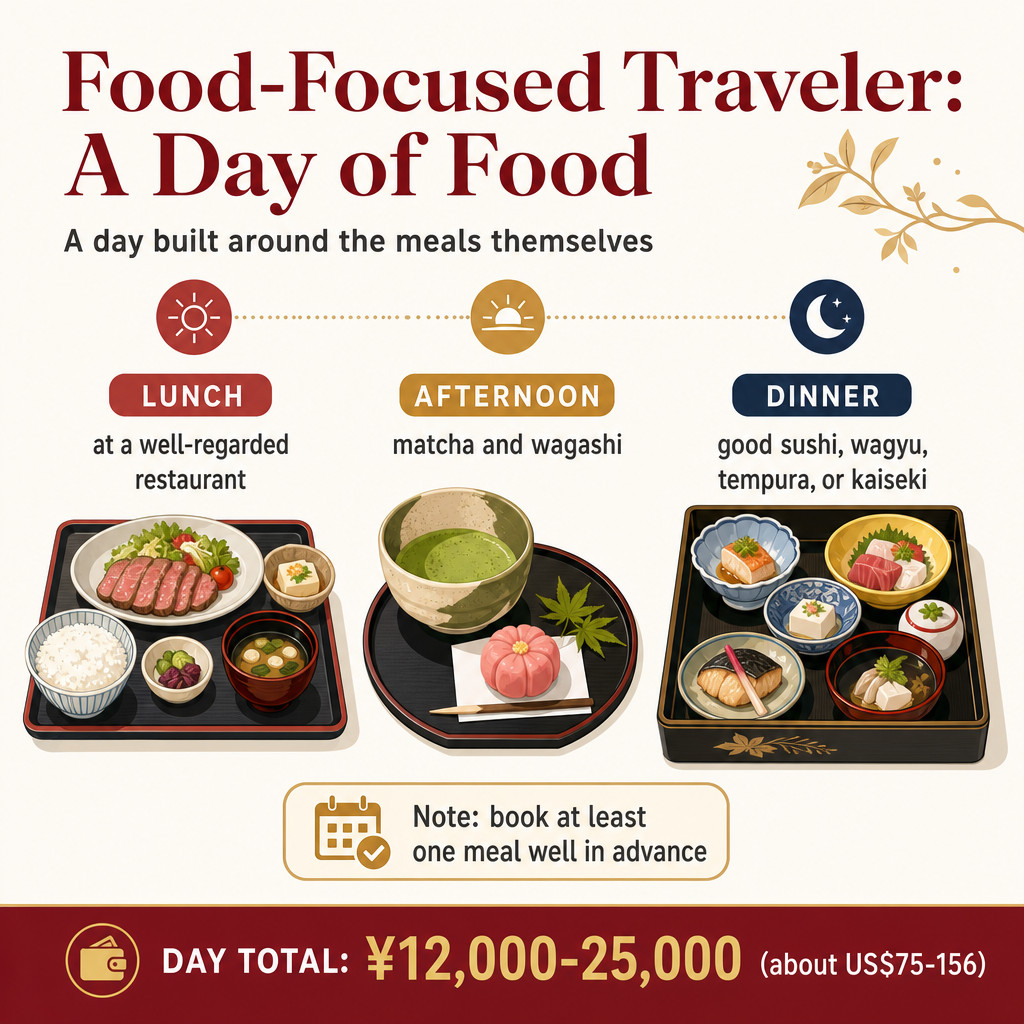
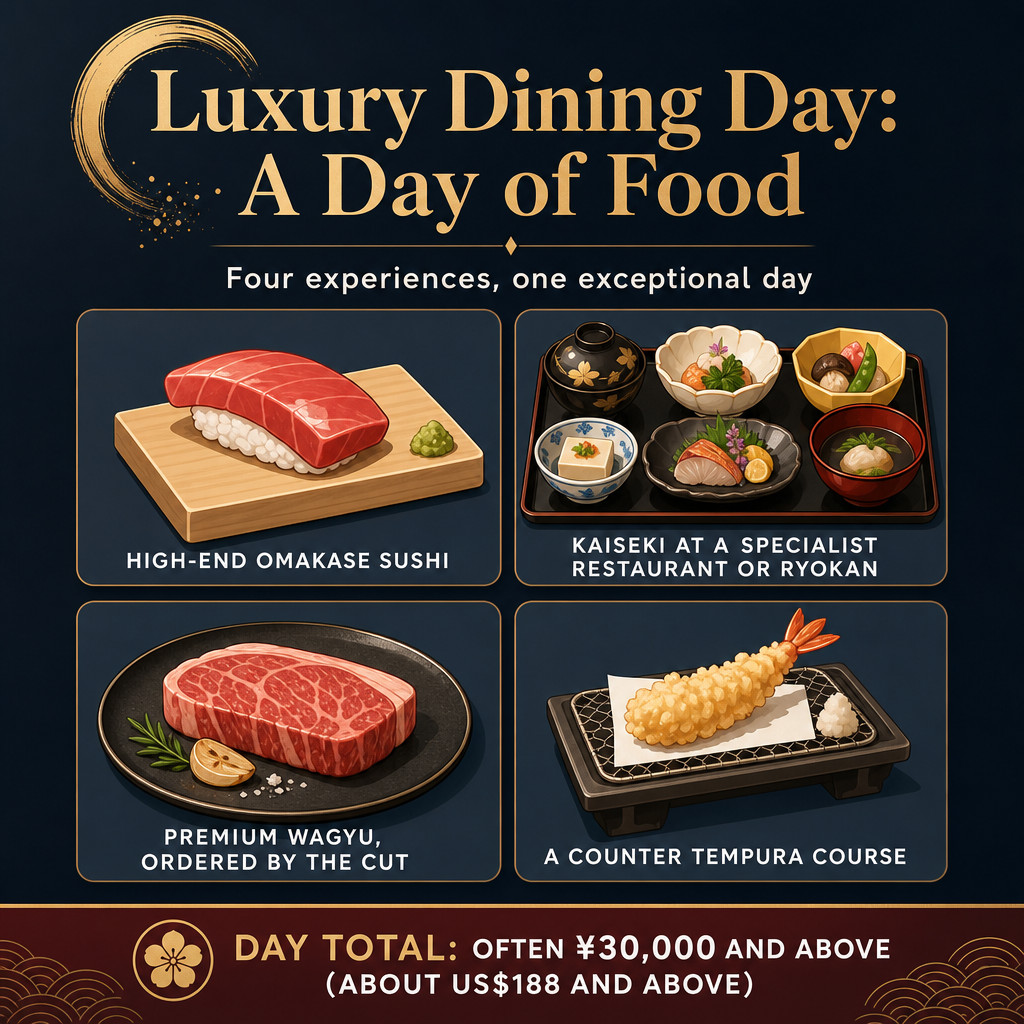
Food costs in Japan vary more by choice than by city. In fact, a ¥400 rice ball and a ¥30,000 omakase counter often sit within walking distance of each other. The four tiers below therefore describe habits rather than destinations, and all figures show yen per person, per day at a rounded rate of US$1 to ¥160.
In short, these estimates cover food and ordinary non-alcoholic drinks. Alcohol, hotel breakfast packages, reservation fees, service charges, and special-occasion dining may raise the total considerably.
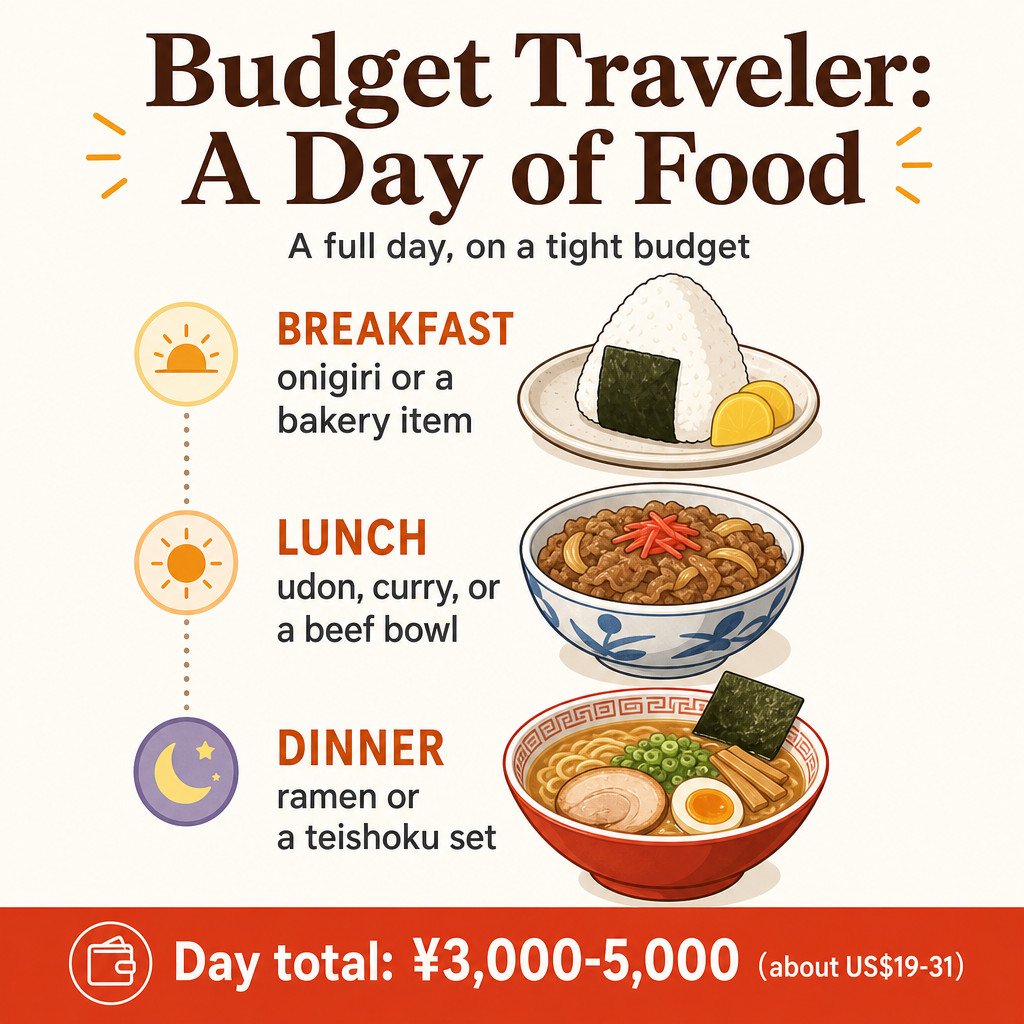
Budget traveler: around ¥3,000–¥5,000 per day (about US$19–$31)
Onigiri or a bakery item for breakfast
Udon, curry, or a beef bowl at lunch
Ramen or a teishoku set for dinner
Comfortable mid-range traveler: around ¥6,000–¥10,000 per day (about US$38–$63)
Café breakfast or a Japanese breakfast set
Sushi, tempura, or tonkatsu at lunch
Izakaya, yakitori, or casual yakiniku at dinner
One sweet or snack during the afternoon
Food-focused traveler: around ¥12,000–¥25,000 per day (about US$75–$156)
Lunch at a well-regarded restaurant
Matcha and wagashi in the afternoon
Good sushi, wagyu, tempura, or kaiseki at dinner
At least one meal booked well in advance
Luxury dining day: often ¥30,000 and above (about US$188 and above)
High-end omakase sushi
Kaiseki at a specialist restaurant or ryokan
Premium wagyu, ordered by the cut
A counter tempura course
Overall, lunch offers the largest single saving. Many serious restaurants serve shorter or more affordable lunch courses, making midday one of the best opportunities to experience higher-end dining on a moderate budget. Booking one ambitious lunch instead of one ambitious dinner therefore stretches a mid-range budget a long way.
What to Know Before Eating in Japan
No tipping
Tipping is not customary at ordinary restaurants, cafés, or bars in Japan, unlike in many other countries. So if you leave extra cash by mistake, staff may assume that you forgot it and try to return it. Otoshi, table charges, and service charges are separate from tipping and may be added to the advertised food price, so check the restaurant’s policy when booking or entering.
Payment methods
Credit cards and IC cards are widely accepted at many urban businesses, yet small restaurants, market stalls, and older ticket machines often take cash only. The Japan National Tourism Organization advises visitors to confirm in advance whether a particular shop accepts credit cards, and to prepare cash before travelling to rural or remote areas. Check the payment logos at the entrance before you order, and keep some yen in reserve.
Reservations
Book popular and high-end restaurants before your trip, not during it.
Arrive on time, since counter restaurants run on a fixed schedule.
Read the cancellation policy before you confirm.
Tell the restaurant early whenever your group size changes.
Finally, declare allergies and dietary needs at the moment you book.
Five useful Japanese phrases
Osusume wa nan desu ka? — What do you recommend?
Kore o onegaishimasu. — This one, please.
Eigo no menu wa arimasu ka? — Do you have an English menu?
Okaikei onegaishimasu. — The bill, please.
Gochisosama deshita. — Thank you for the meal.
Vegetarian, Halal, and Allergy Considerations
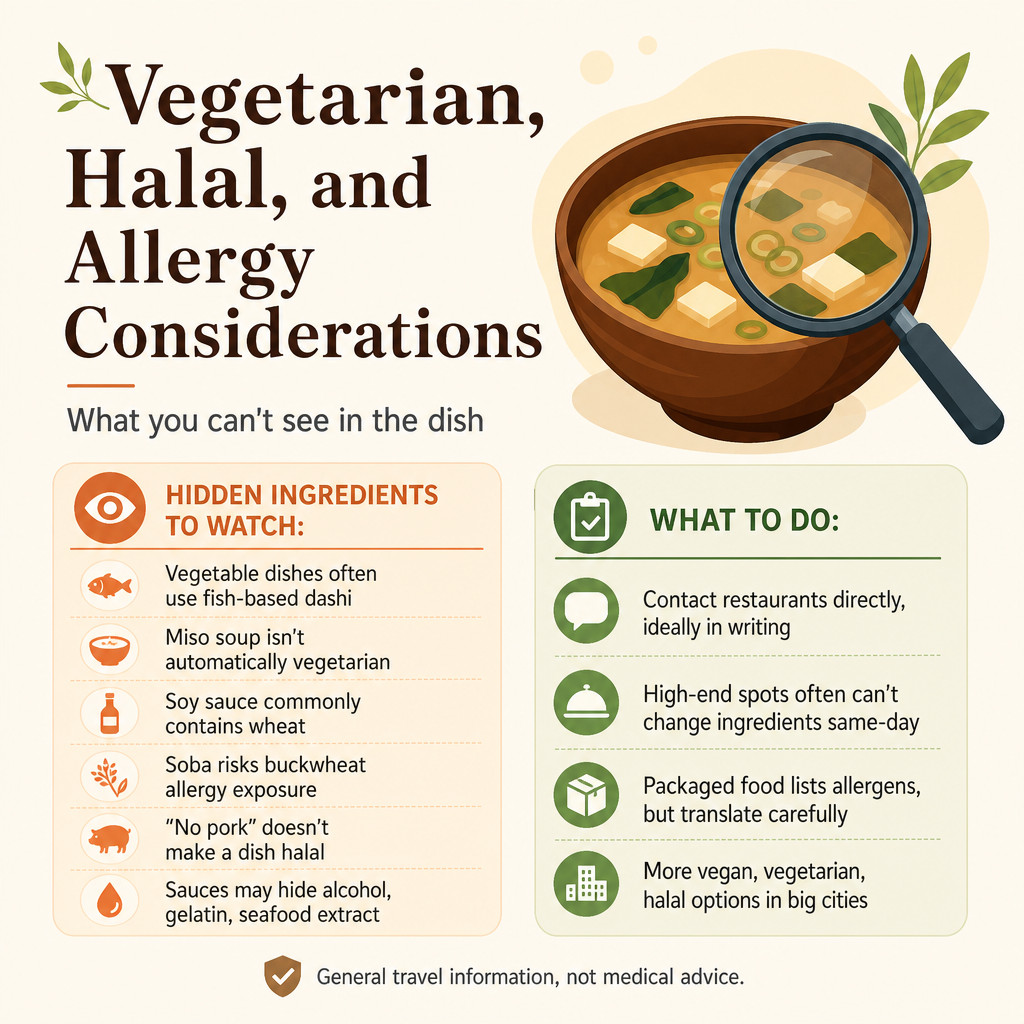
Dietary restrictions can require more planning in Japan, because ingredients such as dashi, soy sauce, mirin, and cooking sake are not always visible in the finished dish. Read the checklist below before you rely on appearances.
Vegetable dishes, including simmered vegetables, frequently contain fish-based dashi.
Miso soup usually starts from bonito dashi, so it is not automatically vegetarian.
Soy sauce also commonly contains wheat.
Soba restaurants pose a serious risk to anyone with a buckwheat allergy.
“No pork” does not make a dish halal.
Sauces may similarly contain alcohol, gelatin, seafood extract, or animal stock.
Travelers with severe allergies should therefore contact the restaurant directly, ideally in writing.
High-end restaurants often cannot change ingredients on the day, since they order produce well ahead.
Packaged food can be easier to assess, because it carries ingredient and allergen information. However, machine translation may miss compound ingredients or cross-contact warnings, so travelers with severe allergies should not rely on a translated photograph alone. Larger cities also hold a growing number of vegan and vegetarian restaurants, plus restaurants that advertise halal menus or certification.
This guide provides general travel information, so it does not replace medical advice.
Japan Food Bucket List FAQ
What are the five most important foods to try in Japan?
Start with ramen, sushi, tempura, and yakitori, then add one regional specialty. Together, they introduce noodles, seasoned rice and seafood, delicate frying, and charcoal grilling, so the range feels wide. The regional dish then connects the list to the place you actually visit.
How much should I budget for food per day in Japan?
Budget travelers usually manage on around ¥3,000 to ¥5,000 per person, per day. Mid-range visitors usually spend ¥6,000 to ¥10,000, while food-focused travelers plan for ¥12,000 to ¥25,000. Alcohol and special-occasion dining raise those figures, so mix the tiers across your trip.
Is food expensive in Japan?
Everyday meals are often good value, and menu prices commonly include consumption tax. Noodles, curry, teishoku sets, and convenience store rice balls, for example, all sit well under ¥1,500. However, some restaurants add service charges, table charges, or otoshi, so the final bill may exceed the food price shown.
Do I need restaurant reservations in Japan?
Casual restaurants rarely need one, so you can walk into most ramen shops and teishoku places. Omakase sushi, kaiseki, and well-known restaurants often fill weeks ahead, so book those before you leave home. Always read the cancellation policy first, since some counters charge for a no-show.
Is it easy to eat alone in Japan?
Yes, and Japan handles solo dining better than most countries. Ramen counters, soba stands, curry shops, and standing sushi bars generally all assume single customers. Some chains even seat you in an individual booth, so a table for one never looks unusual.
Do I have to slurp noodles in Japan?
No, and slurping certainly remains optional. The habit cools hot noodles and draws broth along with them, although nobody will judge a quiet eater. Focus instead on finishing the bowl while the noodles still hold their texture.
Why did a small dish appear on my izakaya bill?
That dish is otoshi, a small appetizer served automatically at many izakaya, usually without an order. It usually works as a seating charge, so expect roughly ¥300 to ¥600 per person. The practice is standard rather than a mistake, although each restaurant sets its own amount.
Can vegetarians and vegans eat well in Japan?
Tokyo, Kyoto, and Osaka provide far more dedicated vegan and vegetarian options than most rural areas. Ordinary restaurants remain harder, though, because fish-based dashi turns up in vegetable dishes and miso soup. Ask specifically about dashi rather than about meat, and research options before visiting the countryside.
Your Japan Food Bucket List
Fifteen experiences fit comfortably into a ten-day trip, especially if you treat lunch as your main meal. Save the checklist below, then work through it at your own pace. Nobody needs to complete every line, because one memorable regional bowl often beats four rushed ones.
Order ramen from a ticket machine
Try sushi at a counter
Compare tare and shio yakitori
Pair matcha with wagashi
Eat freshly fried tempura
Taste Japanese wagyu
Choose between udon and soba
Order Japanese curry
Try tonkatsu as a teishoku set
Compare Osaka and Hiroshima okonomiyaki
Eat takoyaki in Osaka
Experience sukiyaki or shabu-shabu
Enjoy a traditional Japanese breakfast
Buy an ekiben for a train journey
Discover one regional specialty
Save this Japan food bucket list before your trip, then see how many experiences you can check off along the way. Our regional guides also cover what to eat in every part of the country. Follow @FoodinJ on X for regional specialties and practical dining tips.
Ryo Iwa is the founder and editor of foodinjapan.org. Born and raised in Japan, he writes from regional travel, market visits, and Japanese-language primary sources that rarely reach English readers, including brewing institute publications and industry glossaries. Where a figure cannot be traced to a source, the article says so.
He has been a Google Maps Local Guide for over 10 years, with more than 1,800 reviews and over 41,000 photos viewed hundreds of millions of times. He previously spent two decades as an IT consultant in Japan, the US, and the UK.












Comments