





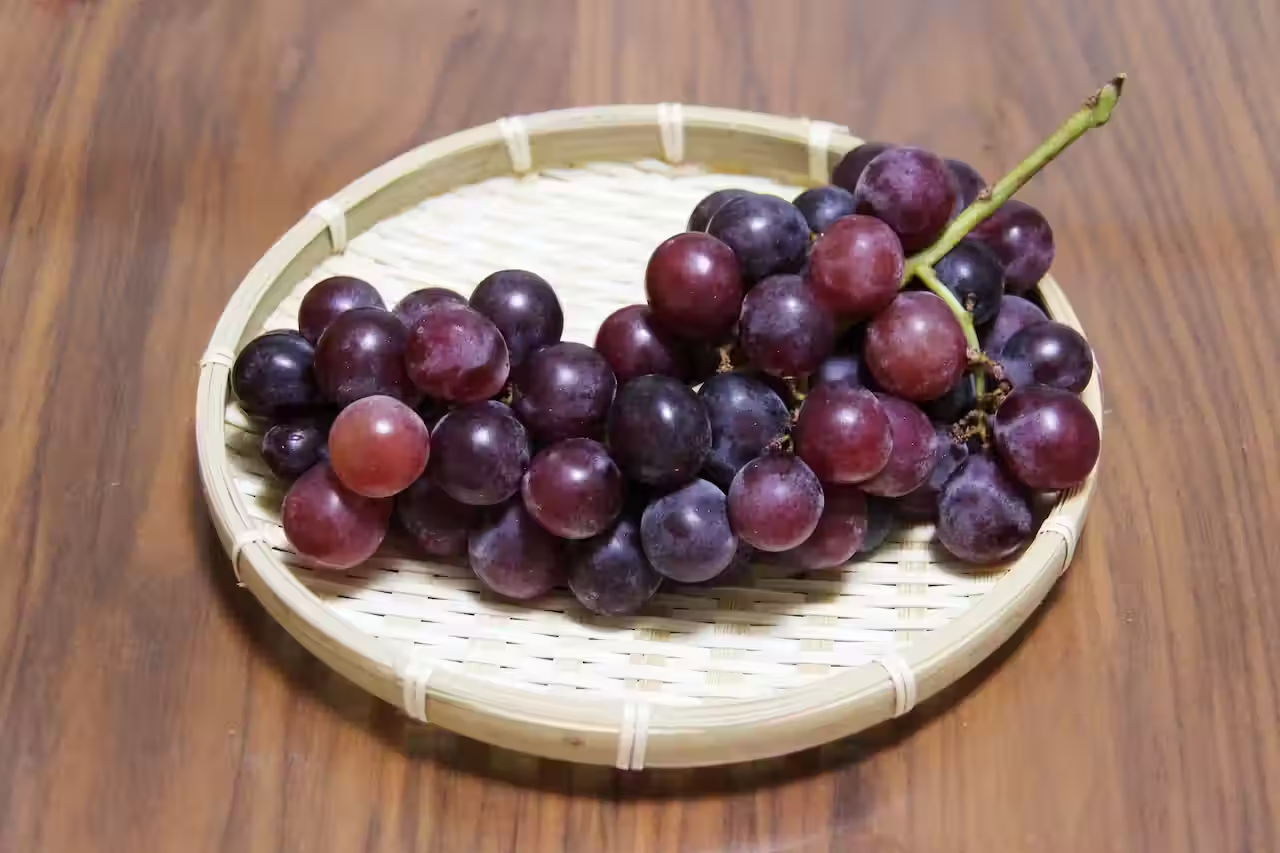
Kyoho grapes are large, dark purple Japanese grapes. Their juicy, sweet flesh and refreshing acidity make them genuinely hard to resist. If you have never tried one, you are missing something memorable.
What Are Kyoho Grapes?
The Kyoho grape variety belongs to a hybrid family of Vitis vinifera and Vitis labrusca. Each berry grows notably large, often reaching the size of a small plum. The outer skin is deep purple, nearly black.
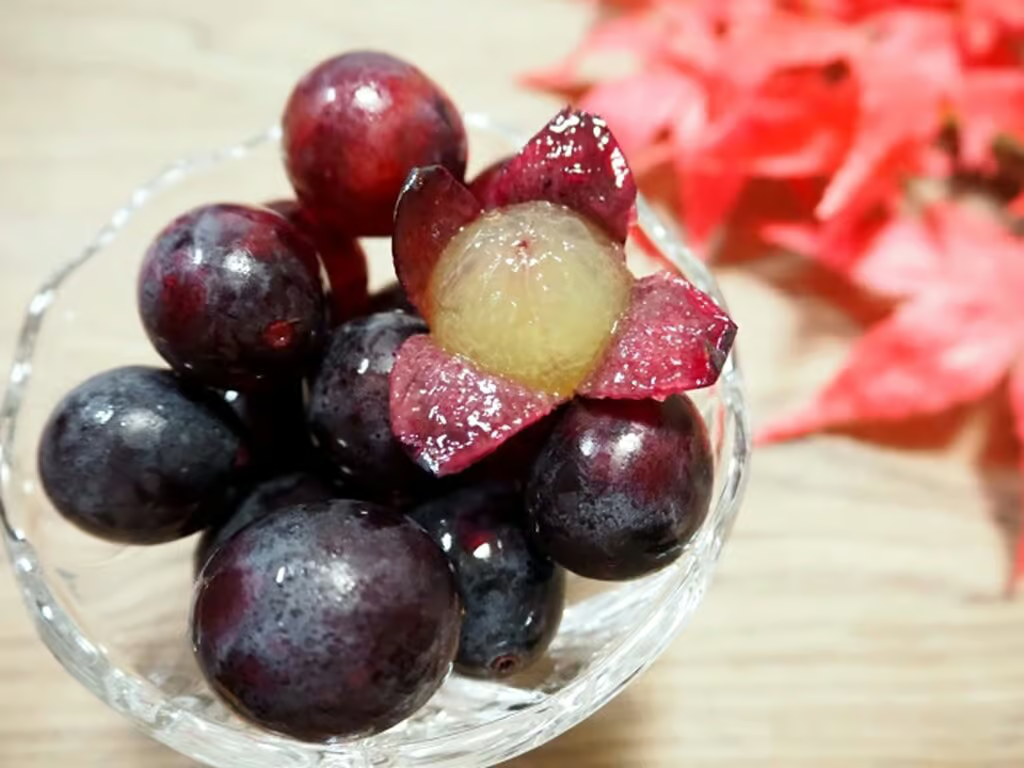
Inside, the flesh is pale green, soft, and jelly-like. Most people slip off the thick skin before eating. The flavor is clean, sweet, and unmistakably Japanese in character.
People in Japan call Kyoho grapes the “king of grapes.” That title feels well-earned. Few other fruits in Japan carry the same level of prestige.
Why Are Kyoho Grapes So Famous?
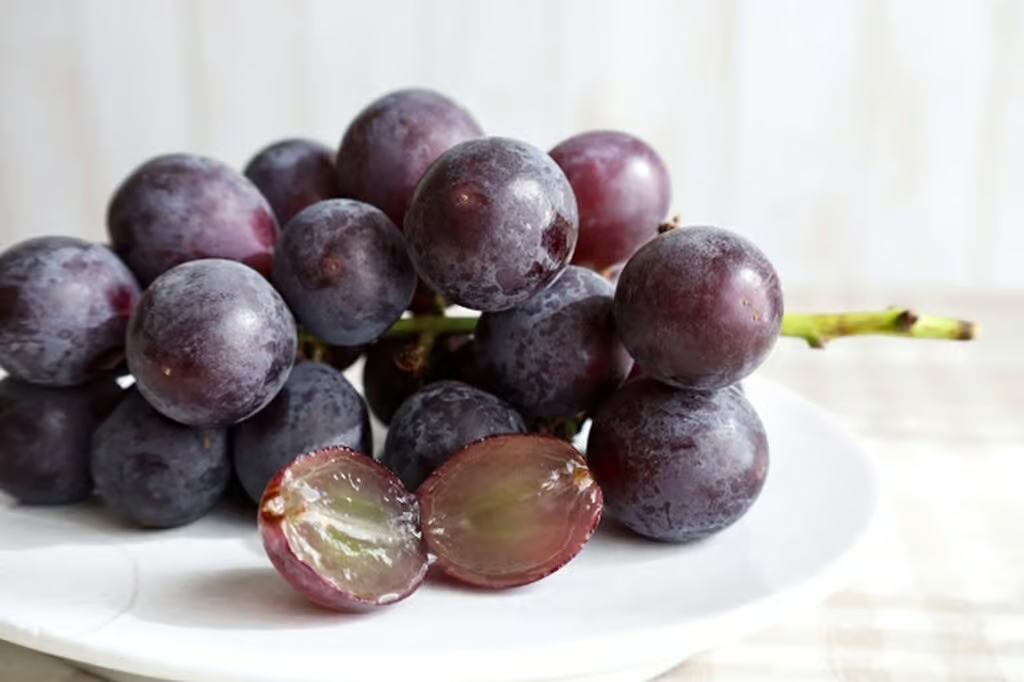
Flavor drives the fame of Kyoho grapes more than anything else. The sweetness is bold but never cloying. A light tartness keeps every bite balanced and refreshing.
Japanese consumers take fruit quality very seriously. A single bunch of premium Kyoho grapes can cost several thousand yen. This pricing is completely normal within Japan’s gift fruit culture.
You will find Kyoho grapes at supermarkets and specialty fruit shops each summer. They appear in desserts, parfaits, and cocktails across the country. For more on how fruit fits into Japanese food culture, check out our Japanese fruit guides.
Kyoho Grape Characteristics and Flavor Profile
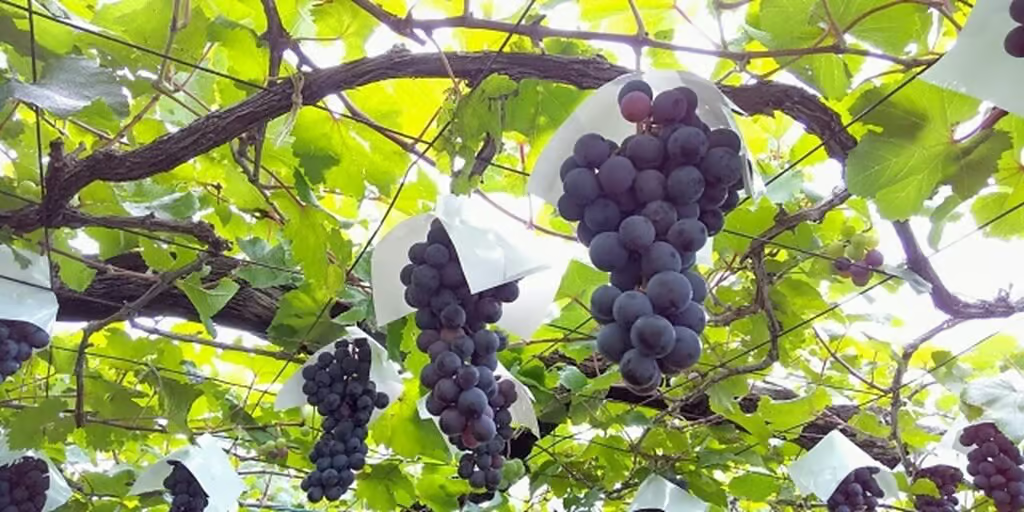
Describing the Kyoho grape flavor in one word feels nearly impossible. Sweet, yes. But also floral, fruity, and layered with a pleasant aroma.
Each berry weighs roughly 10 to 15 grams. This makes them far larger than standard Western table grapes. Some premium Kyoho varieties grow even bigger.
The Brix sugar level typically ranges from 17 to 21 degrees. Most common grapes measure between 14 and 17 by comparison. This gap explains why Japanese Kyoho grapes taste so distinctly sweet.
Chill them before eating. The cold brings out their aroma beautifully. On a hot Japanese summer day, few snacks feel as satisfying.
Kyoho Grape vs. Other Grapes: A Quick Comparison
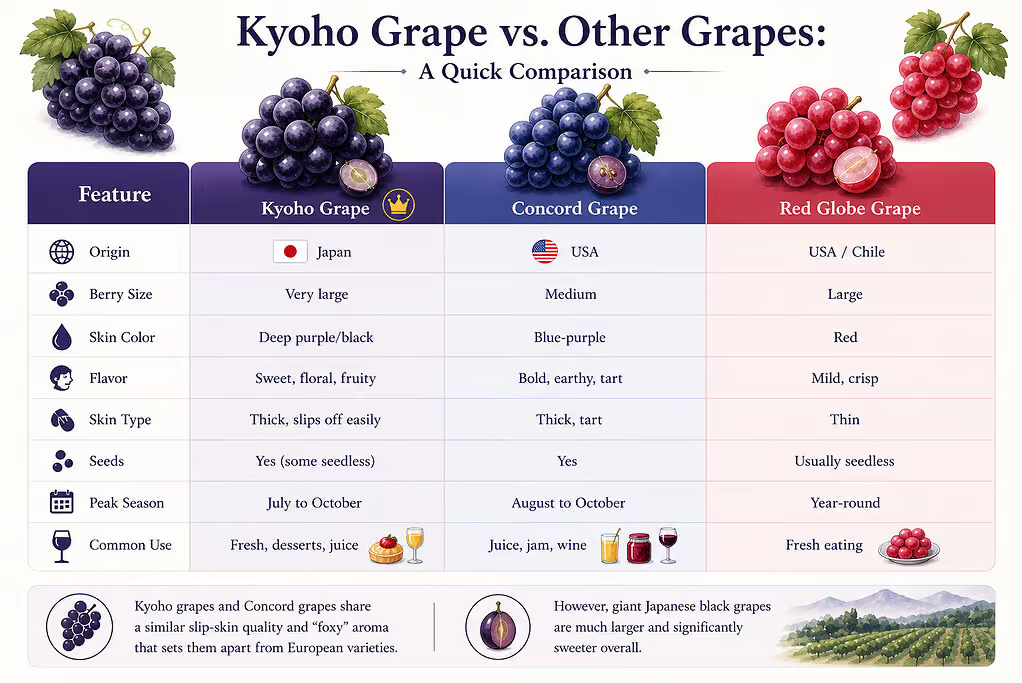
| Feature | Kyoho Grape | Concord Grape | Red Globe Grape |
|---|---|---|---|
| Origin | Japan | USA | USA / Chile |
| Berry Size | Very large | Medium | Large |
| Skin Color | Deep purple/black | Blue-purple | Red |
| Flavor | Sweet, floral, fruity | Bold, earthy, tart | Mild, crisp |
| Skin Type | Thick, slips off easily | Thick, tart | Thin |
| Seeds | Yes (some seedless) | Yes | Usually seedless |
| Peak Season | July to October | August to October | Year-round |
| Common Use | Fresh, desserts, juice | Juice, jam, wine | Fresh eating |
Kyoho grapes and Concord grapes share a similar slip-skin quality. Both carry a “foxy” grape aroma that sets them apart from European varieties. However, giant Japanese black grapes are much larger and significantly sweeter overall.
The History of Kyoho Grapes
The Kyoho grape story begins in 1937. A Japanese horticulturist named Yasushi Ōi developed the variety through careful crossbreeding. He combined Ishiharawase, a European hybrid, with Centennial, an American cultivar.
The name “Kyoho” references an old poetic name for Mount Fuji. It suggests grandeur, scale, and national pride. That meaning suits a grape this large and celebrated.
Commercial cultivation spread widely through the 1950s and 1960s. By the 1970s, Kyoho grapes had become Japan’s most widely grown grape variety. Their dominance in the Japanese market lasted for several decades.
Today, major production zones include Yamanashi, Nagano, and Fukuoka prefectures. China now cultivates Kyoho grapes on an enormous scale. Global demand for this variety continues to climb steadily each year.
Kyoho Grape Season and Where to Find Them
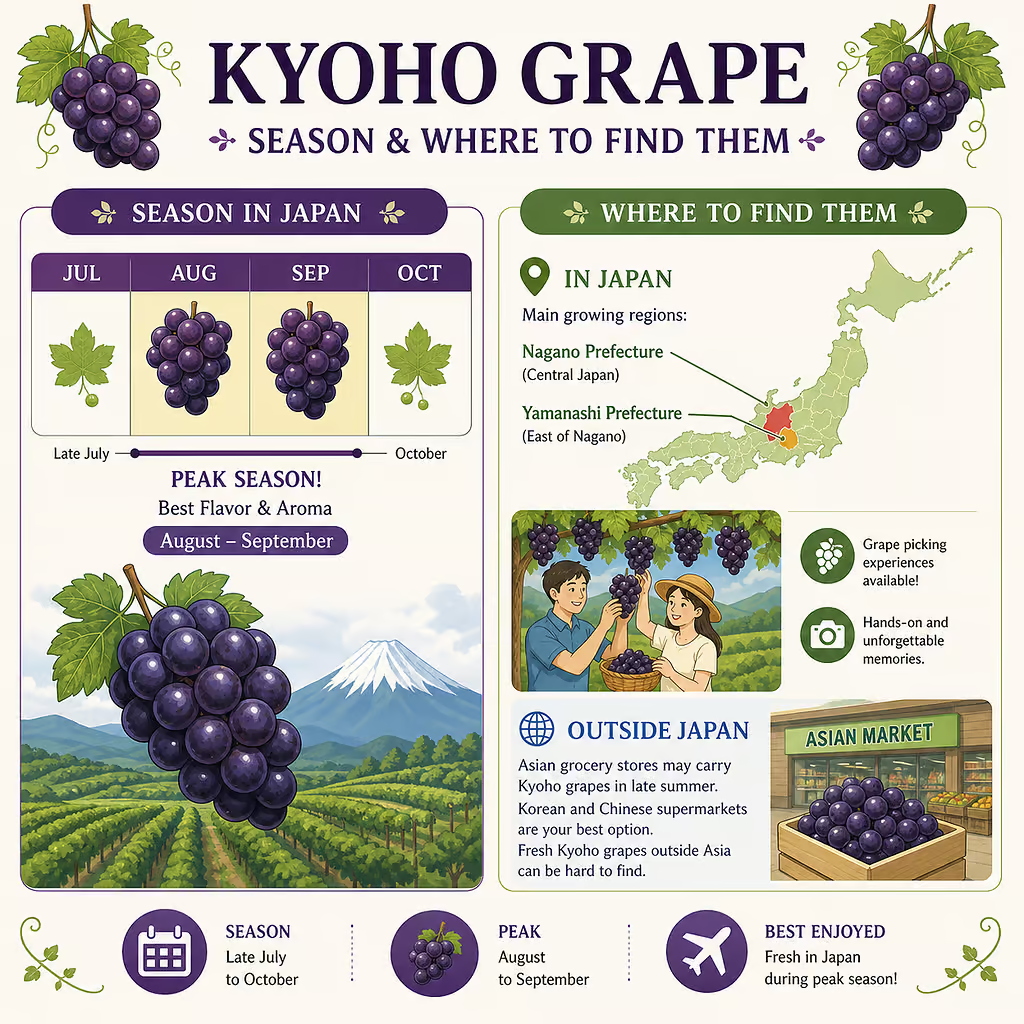
The Kyoho grape season runs from late July through October in Japan. August and September mark the peak, when flavor and aroma reach their best. Timing a visit to Japan during this window is genuinely worthwhile.
Many farms in Yamanashi and Nagano offer grape-picking experiences for visitors. These trips provide a hands-on look at Kyoho grape cultivation up close. Check our seasonal fruit guide for tips on fruit experiences across Japan.
Outside Japan, Asian grocery stores sometimes carry Kyoho grapes during late summer. Korean and Chinese supermarkets are your best option. Finding fresh ones outside Asia, though, can take real effort.
Nutrition and Health Benefits
Kyoho grapes offer genuine nutritional value beyond their taste. The deep purple skin contains anthocyanins and polyphenols. Research links these compounds to antioxidant and anti-inflammatory effects.
One cup of Kyoho grapes provides roughly 60 to 70 calories. Natural sugars make up most of that energy. Vitamin C and small amounts of potassium round out the nutritional profile.
Kyoho grapes are not a low-sugar fruit. Moderation matters, especially for those managing carbohydrate intake. As part of a balanced diet, though, they fit in well.
Grape skins contain resveratrol, a compound that currently draws significant scientific interest. Some early studies point to potential heart health benefits from dark grape consumption. These findings are promising, though researchers consider them preliminary.
How to Enjoy Kyoho Grapes
Eating fresh Kyoho grapes is the simplest pleasure of all. Chill them in the fridge for an hour first. Then pinch the skin at the stem end and slide the flesh directly into your mouth.
For desserts, Kyoho grapes work beautifully in tarts, parfaits, and fruit salads. Some pastry chefs in Japan incorporate Kyoho grape juice into jellies and sorbets. The deep color makes any dessert look immediately elegant.
Kyoho grape wine exists in small batches from a handful of Japanese producers. The style tends to be fruity, bold, and slightly rustic in character. It is niche, but worth seeking out for adventurous wine lovers.
As a Kyoho grape gift idea for someone special, a beautifully packaged bunch communicates real care. Japanese gift-giving culture places enormous value on this kind of seasonal awareness. Few choices feel as thoughtful during a summer visit.
Browse our complete guide to Japanese fruits for more inspiration.
Kyoho Grapes FAQ
What are Kyoho Grapes?
They are a premium fruit variety from Japan. Farmers grow them to produce massive, dark purple berries. Food lovers know them for their slip-skin nature and intensely sweet, wine-like juice.
Where do Kyoho Grapes come from?
These dark berries originate from Shizuoka Prefecture. A Japanese agricultural researcher developed this specific crossbreed in 1937, though Yamanashi and Nagano prefectures cultivate most of them today.
What do Kyoho Grapes taste like?
They deliver a rich, sweet, and slightly tart flavor. The thick skin peels away easily, revealing a jelly-like, juicy interior. Diners often compare them to eating a burst of fresh concord grape jam.
Where can I eat Kyoho Grapes in Japan?
You will find the freshest ones in Yamanashi and Nagano prefectures during late summer and autumn. Famous agricultural areas host interactive fruit-picking farms. Supermarkets and luxury fruit parlors also sell these popular berries nationwide.
How much do Kyoho Grapes cost?
A standard bunch typically costs between 500 and 1,500 yen. Prices vary greatly depending on the season, the berry size, and the beautiful gift packaging.
Are Kyoho Grapes vegetarian or vegan friendly?
This natural crop contains absolutely no animal products. Vegans and vegetarians can safely enjoy this 100% plant-based luxury fruit anywhere.
What are the main ingredients in Kyoho Grape desserts?
The main ingredients in seasonal parfaits include the fresh peeled berries, whipped cream, and grape jelly. The dark purple juice gives these desserts their distinctive rich flavor and vibrant color.
Can I eat Kyoho Grapes at home?
Yes, you can easily enjoy them at home. Japanese grocery stores stock massive displays of them from August to October. Diners simply wash them, pinch the skins off, and eat the sweet centers fresh.
What is the difference between Kyoho Grapes and Shine Muscat?
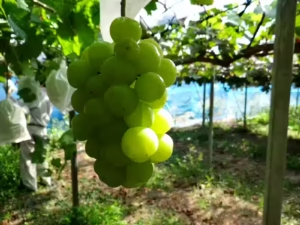
The main difference involves the skin and color. This dark purple variety features a thick, bitter skin that diners usually discard, while the light green Shine Muscat allows diners to eat the entire berry with its crisp, edible skin.
Are Kyoho Grapes popular outside Japan?
They enjoy massive popularity across East Asia. Shoppers eagerly buy them at premium supermarkets in Taiwan, South Korea, and Hong Kong. This classic autumn fruit successfully represents Japanese agricultural excellence globally.
References
- Yamanashi Prefectural Government – Grape Production Statistics (2023): https://www.pref.yamanashi.jp
- Japan Agricultural Cooperatives (JA) – Kyoho Grape Variety Overview (2022): https://www.zenchu-ja.or.jp
- National Agriculture and Food Research Organization (NARO) Japan – Grape Cultivation Data (2023): https://www.naro.go.jp
- USDA Agricultural Research Service – Grape Variety and Nutritional Database (2023): https://www.ars.usda.gov
- Healthline – Grapes: Nutrition Facts and Health Benefits (2023): https://www.healthline.com/nutrition/benefits-of-grapes




Comments