



Ryo Iwa– Author –
-

Sake Glasses and Cups: A Guide to Japanese Sake Vessels
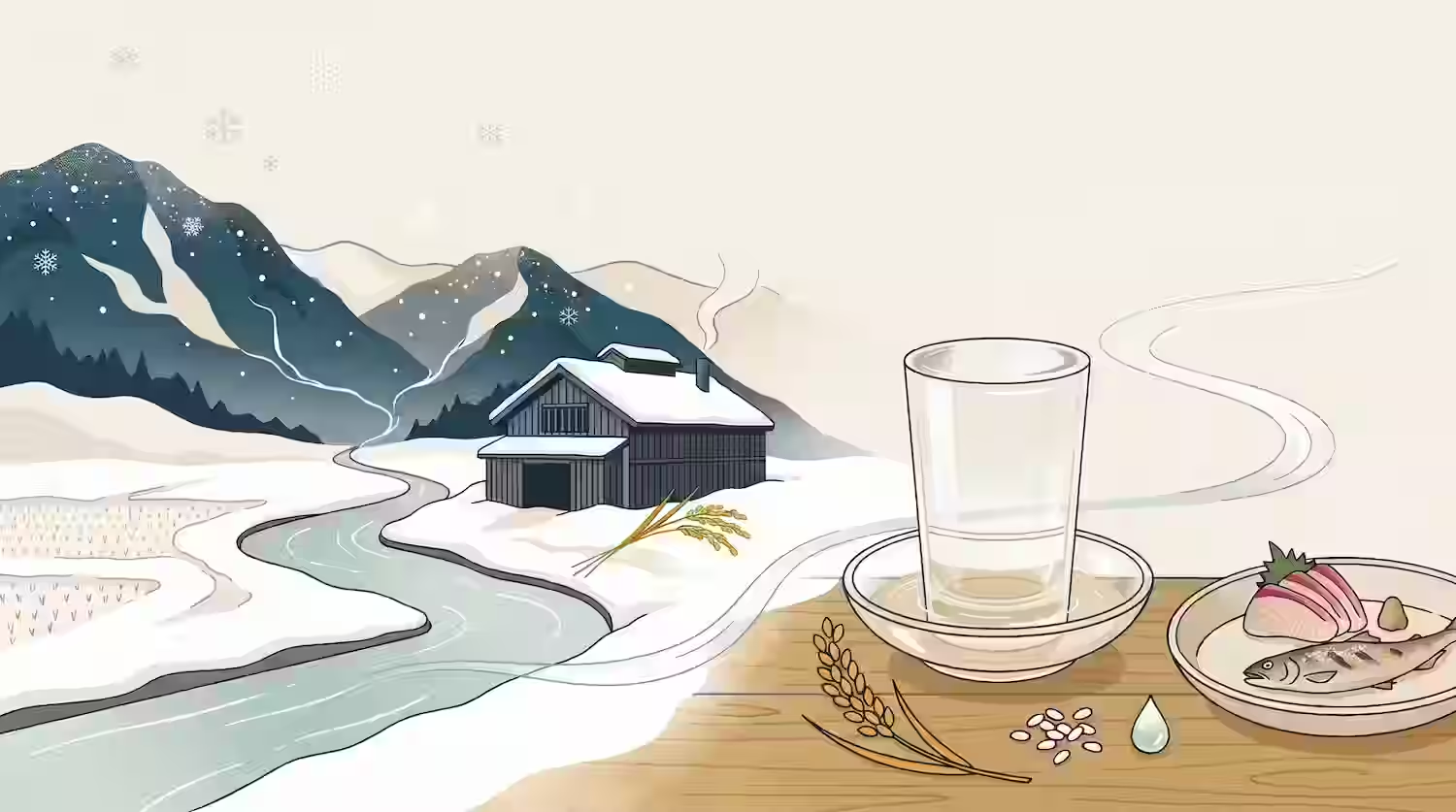
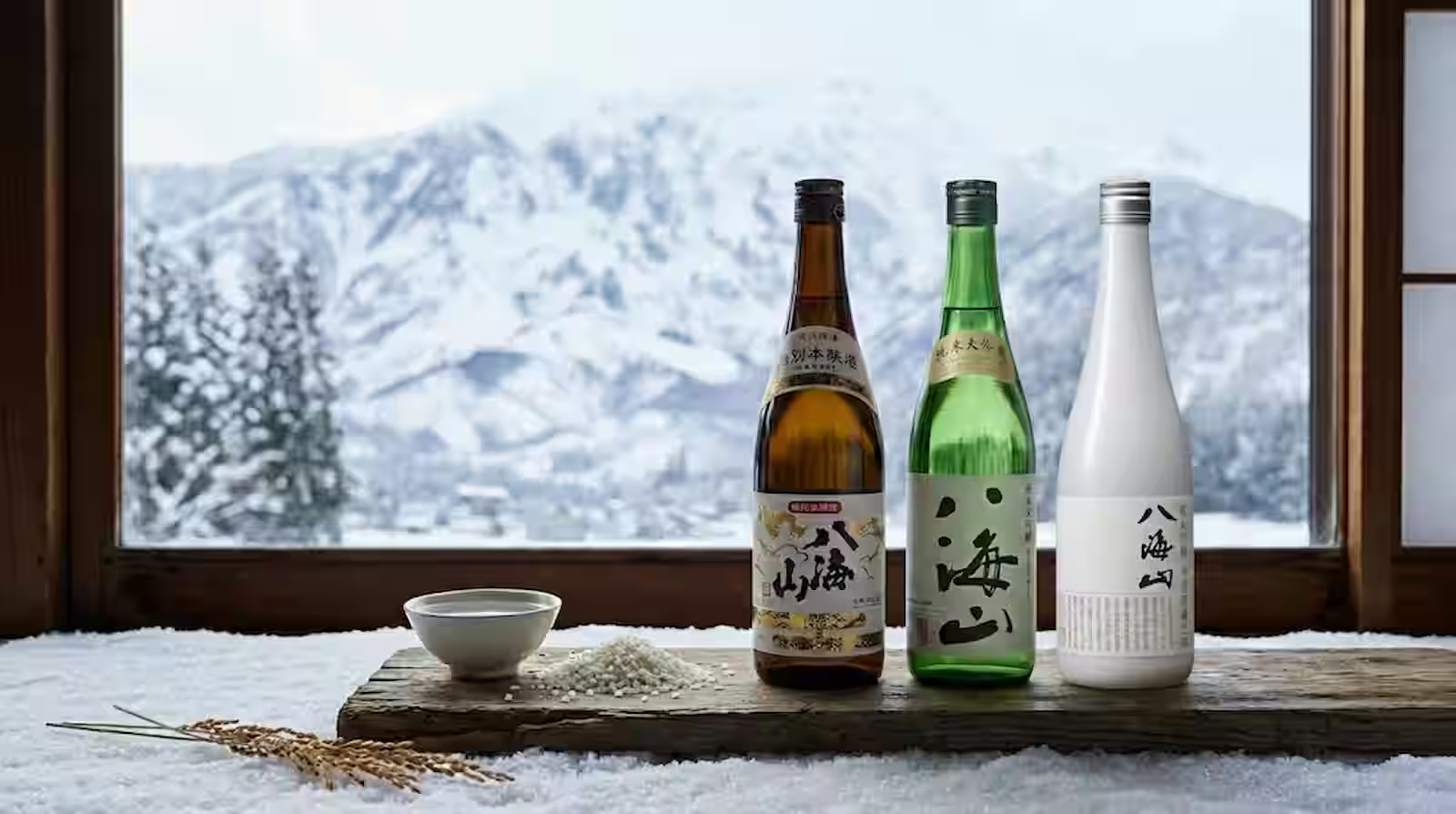
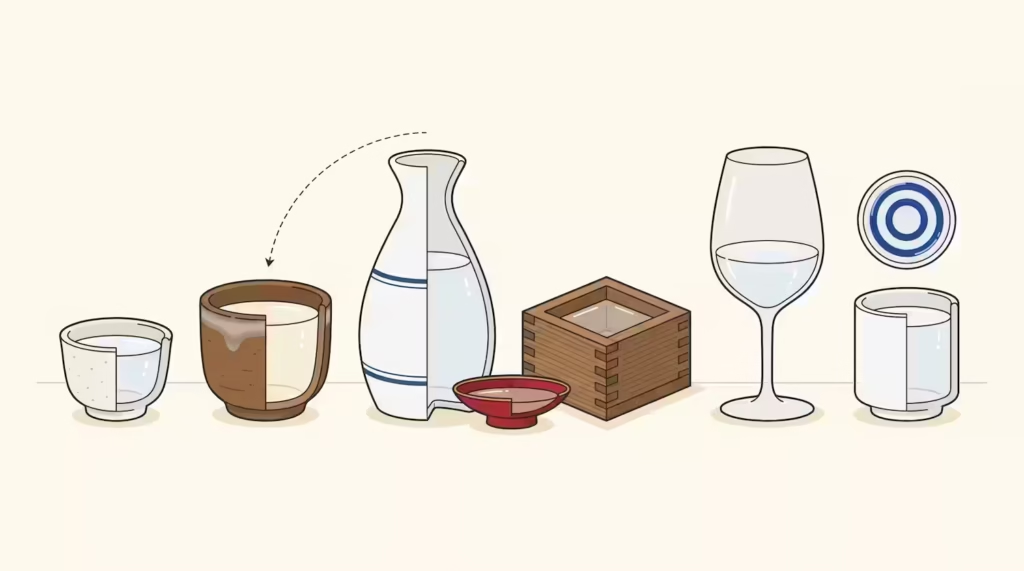
Pour the same sake into three vessels: a small ceramic cup, a straight-sided glass and a wine glass. Then smell each one. The sake has not changed, yet the three pours may not seem the same. One might seem quieter, another brighter. This... -

Oiwa Somen (大岩そうめん)
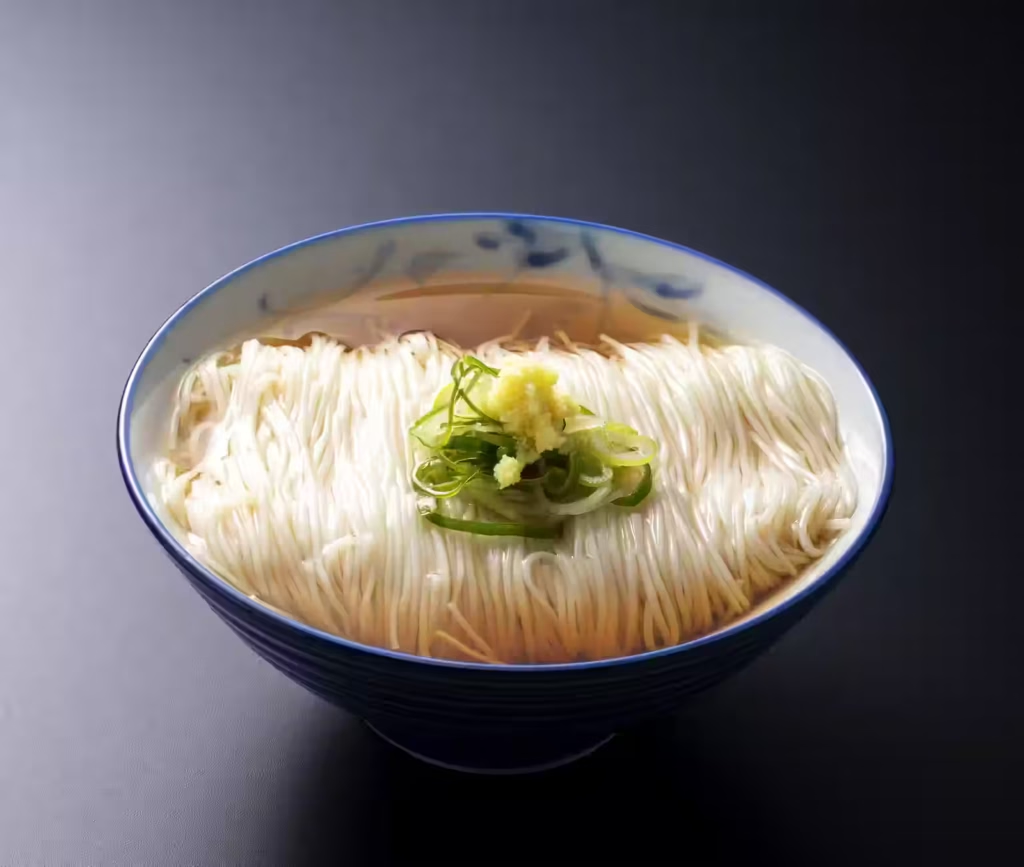
Climb the hundred stone steps at Oiwasan Nissekiji Temple, and the smell that reaches you is dashi. Oiwa somen is the noodle specialty of the Oiwa district in Kamiichi Town, Toyama Prefecture. A small cluster of shops around the temple a... -

Sudachi Buri (すだちぶり)
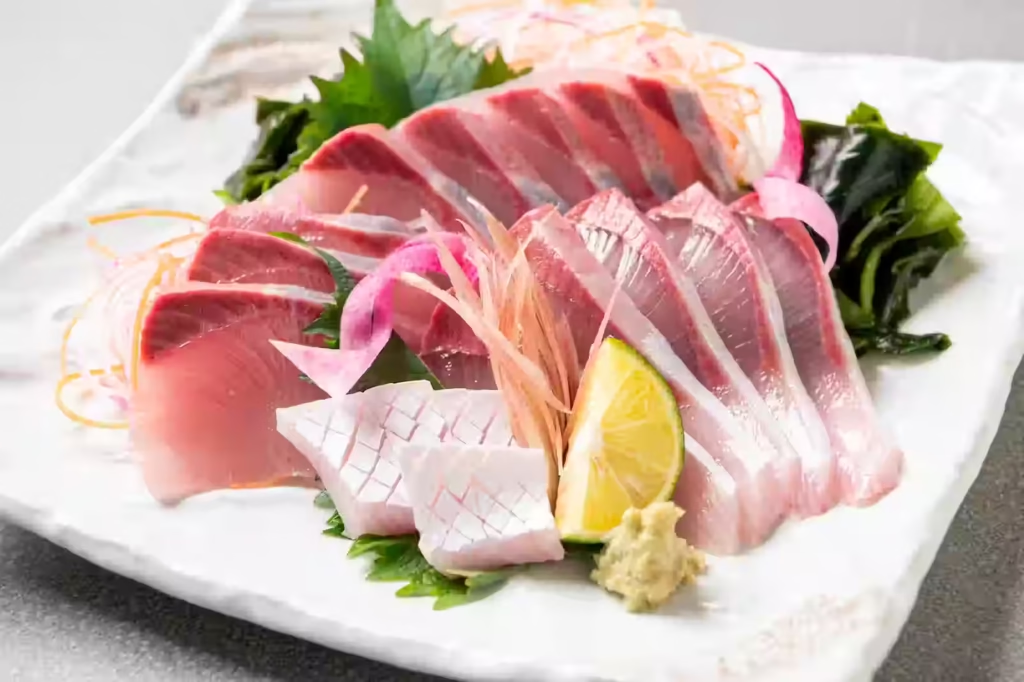
Picture a Japanese yellowtail raised on feed that contains locally grown citrus peel. It may sound unusual, but in Tokushima the idea has become a recognized regional brand. Sudachi Buri (すだちぶり) is farmed in Kitanada, just west of t... -
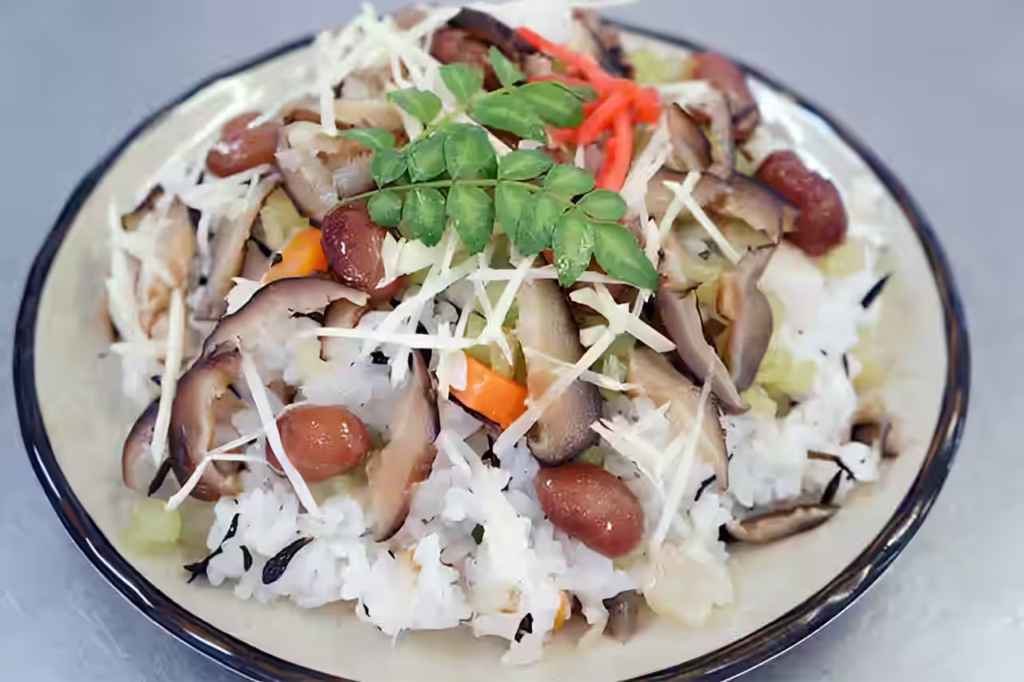
Kakimaze (かきまぜ)
Kakimaze is Tokushima's festival rice dish, a mixed sushi rice loaded with simmered vegetables and, unusually, sweet red kidney beans. Locals also call it barazushi, gomoku-zushi, or mazekuri depending on the town. In the yuzu-growing so... -


Meiji Era Sake: How Tax and Science Modernized Japanese Brewing
In 1899, Japan's liquor tax overtook the land tax as the largest source of national revenue. In other words, brewing changed enormously in a single generation. Meiji era sake, the nihonshu brewed between 1868 and 1912, still began with r... -
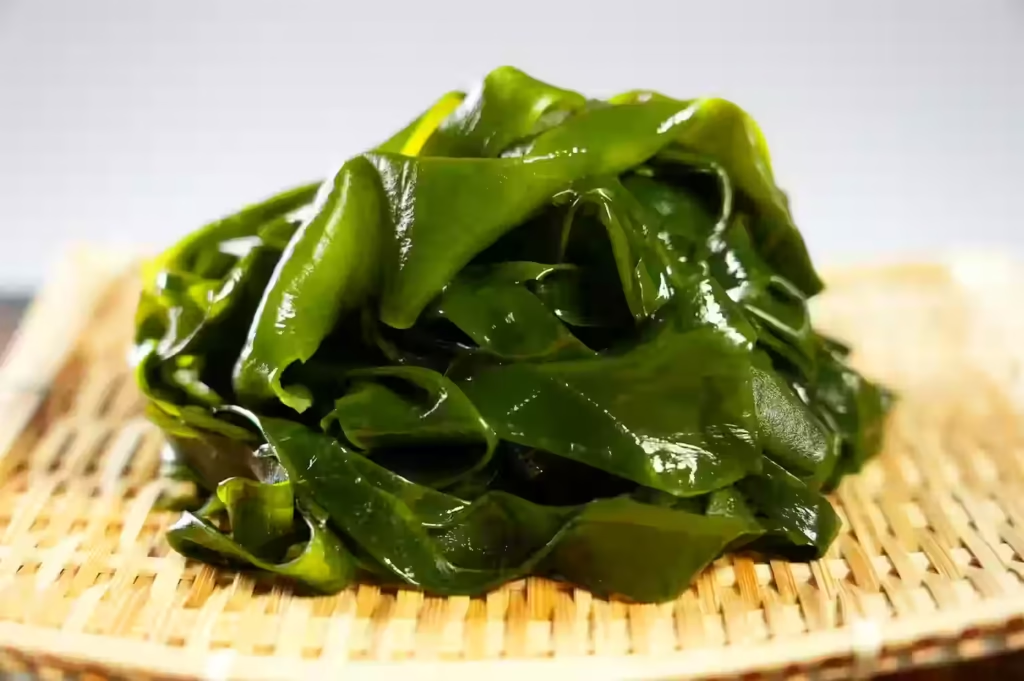

Naruto Wakame (鳴門わかめ)
Open a bowl of miso soup in Tokushima and the seaweed inside may not behave the way you expect. It holds its shape and bites back a little. Locally, that seaweed is often Naruto wakame (鳴門わかめ), a Japanese seaweed specialty from the ... -
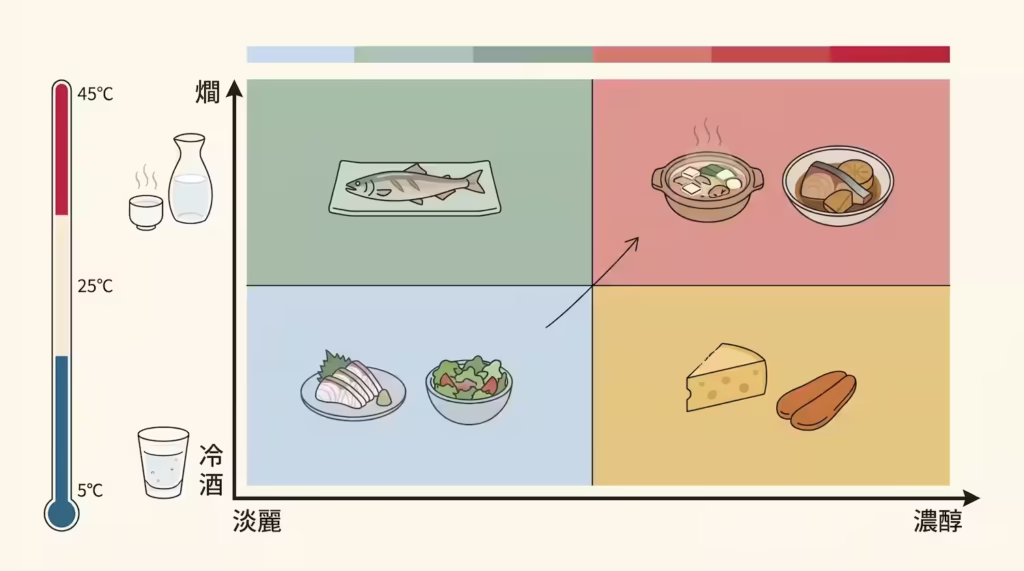
Sake and Food Pairing: How to Match Japanese Sake with Food
A plate of salt-grilled fish arrives, its skin still crackling. You take a sip of sake, then a bite of fish, then another sip. Somehow the fish tastes richer and the sake feels cleaner. Why does that happen, and can you make it happen on... -
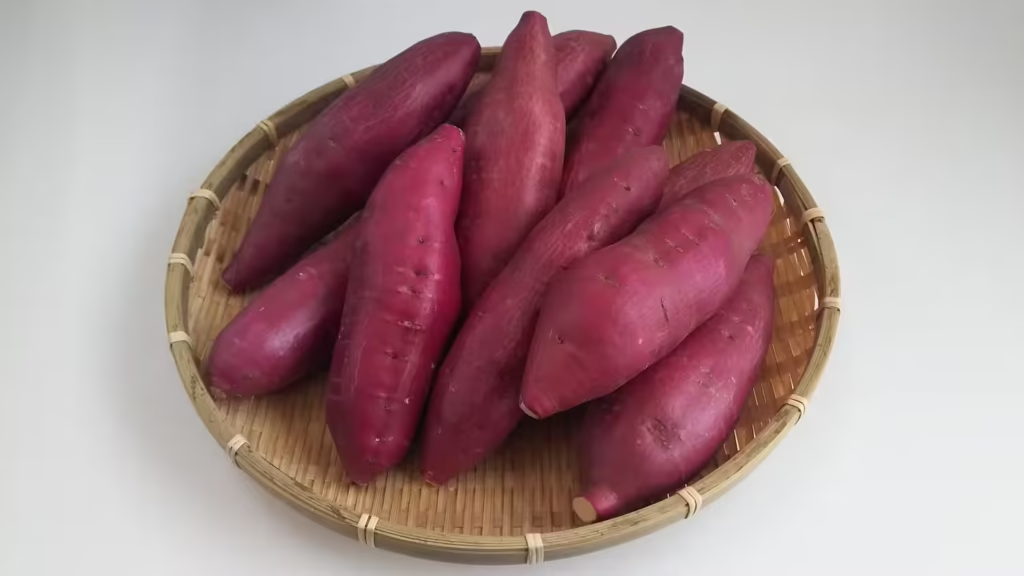

Naruto Kintoki (なると金時)
In autumn, shoppers across Kansai are likely to see one Tokushima name repeated on produce signs: Naruto Kintoki. This Naruto Kintoki sweet potato comes from sandy fields in Tokushima Prefecture, on the island of Shikoku. Roast one slowl... -
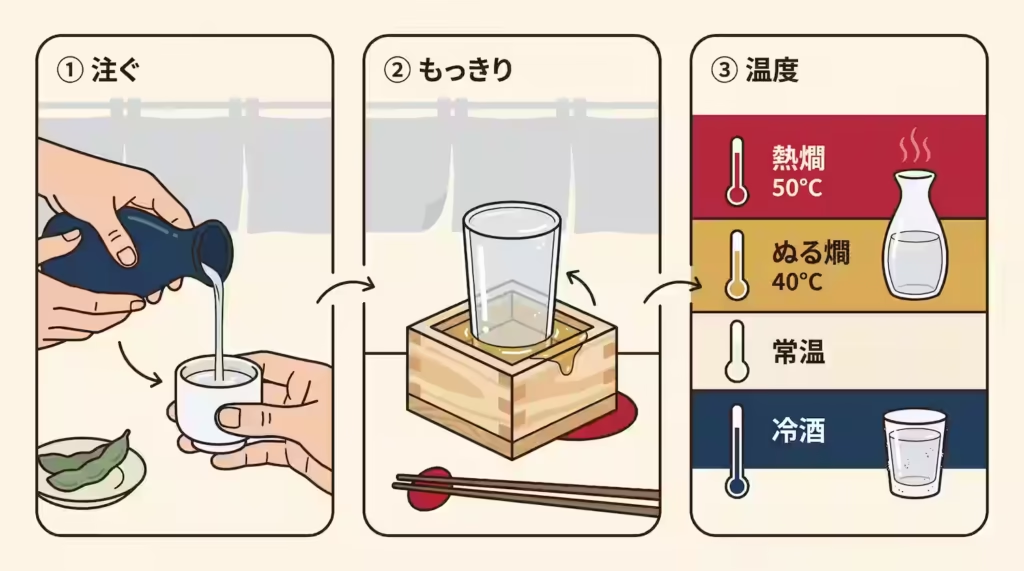
How to Drink Sake in Japan: A Beginner’s Guide
You sit down at a small izakaya counter, and the staff slide over a menu with a long column of kanji. Some words look familiar from bottle labels, while others do not. Meanwhile, someone nearby is sipping something warm from a tiny cup, ... -
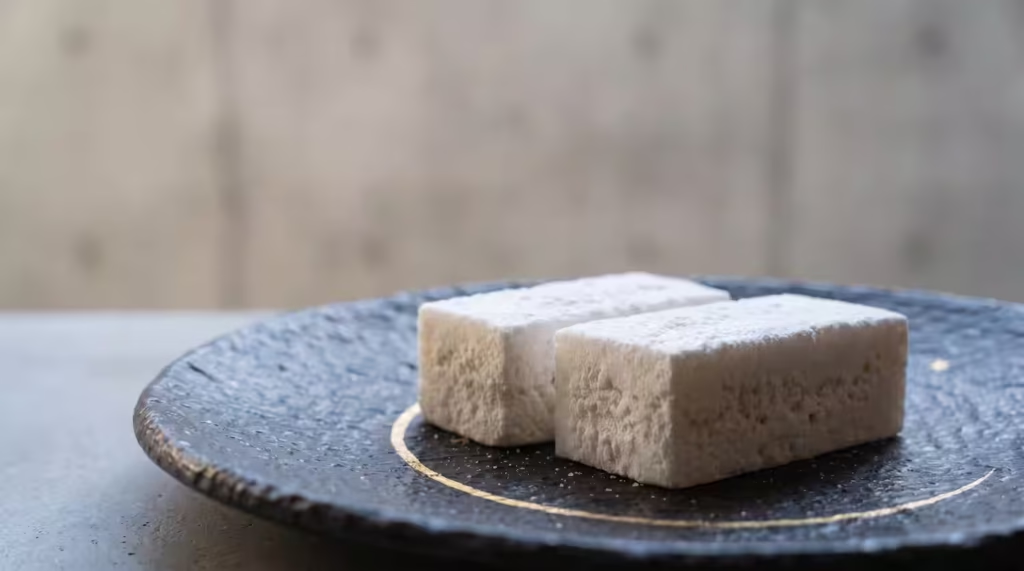
Tsukisekai (月世界)
Picture a small, plain white rectangle sitting on a plate next to a cup of tea. At first, it looks almost too simple to be a famous sweet. Then you bite into it. Local sources describe a light, crisp bite, and according to the maker, the...