


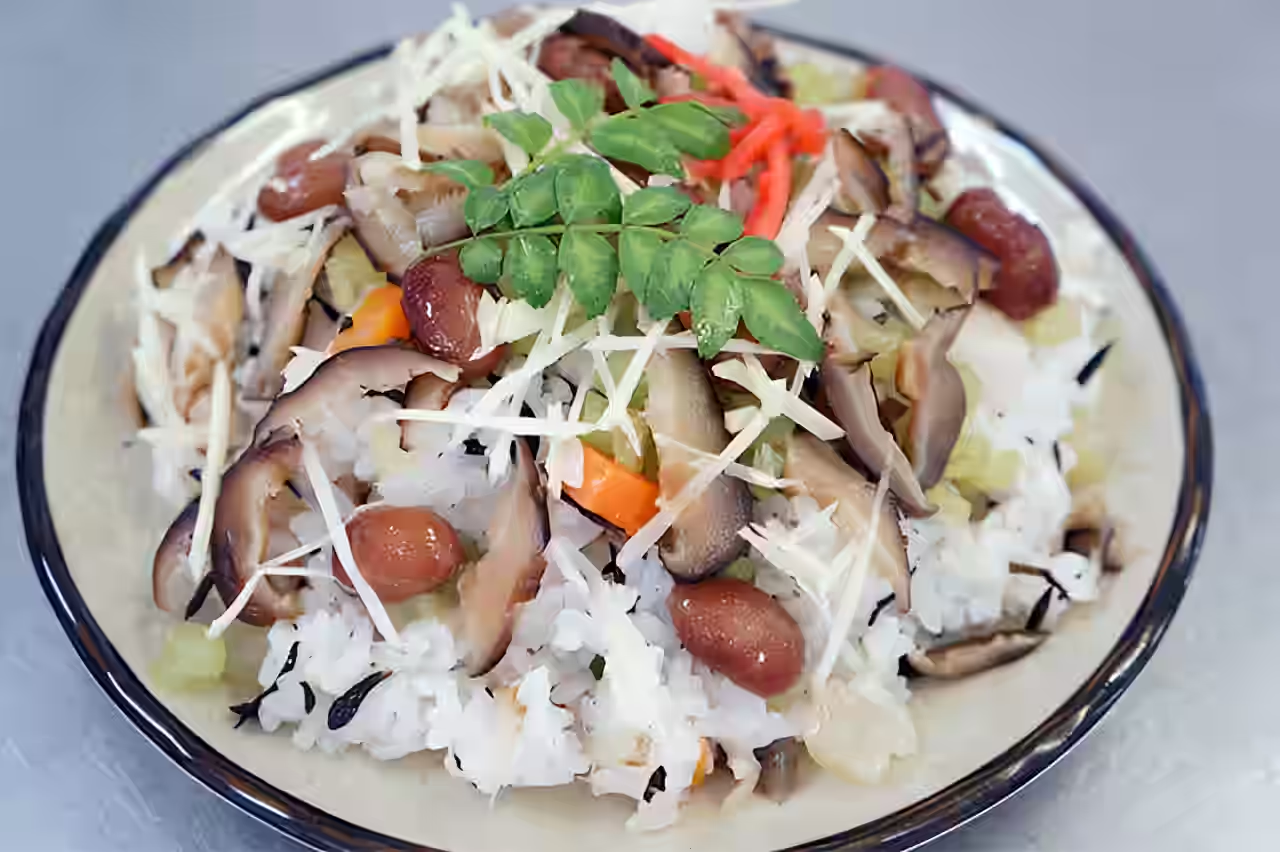


Kakimaze is Tokushima’s festival rice dish, a mixed sushi rice loaded with simmered vegetables and, unusually, sweet red kidney beans. Locals also call it barazushi, gomoku-zushi, or mazekuri depending on the town. In the yuzu-growing south, cooks skip brewed vinegar entirely and season the rice with citrus juice instead.
English guides usually file this under Japanese mixed rice and leave it there. That description misses the point, though. Kakimaze sits in an awkward gap between mazegohan and chirashi sushi, and the sweet beans confuse almost everyone who tries it first. This guide explains what it actually is, why the beans belong, and how it differs from every other mixed rice dish in Japan.
Kakimaze at a Glance
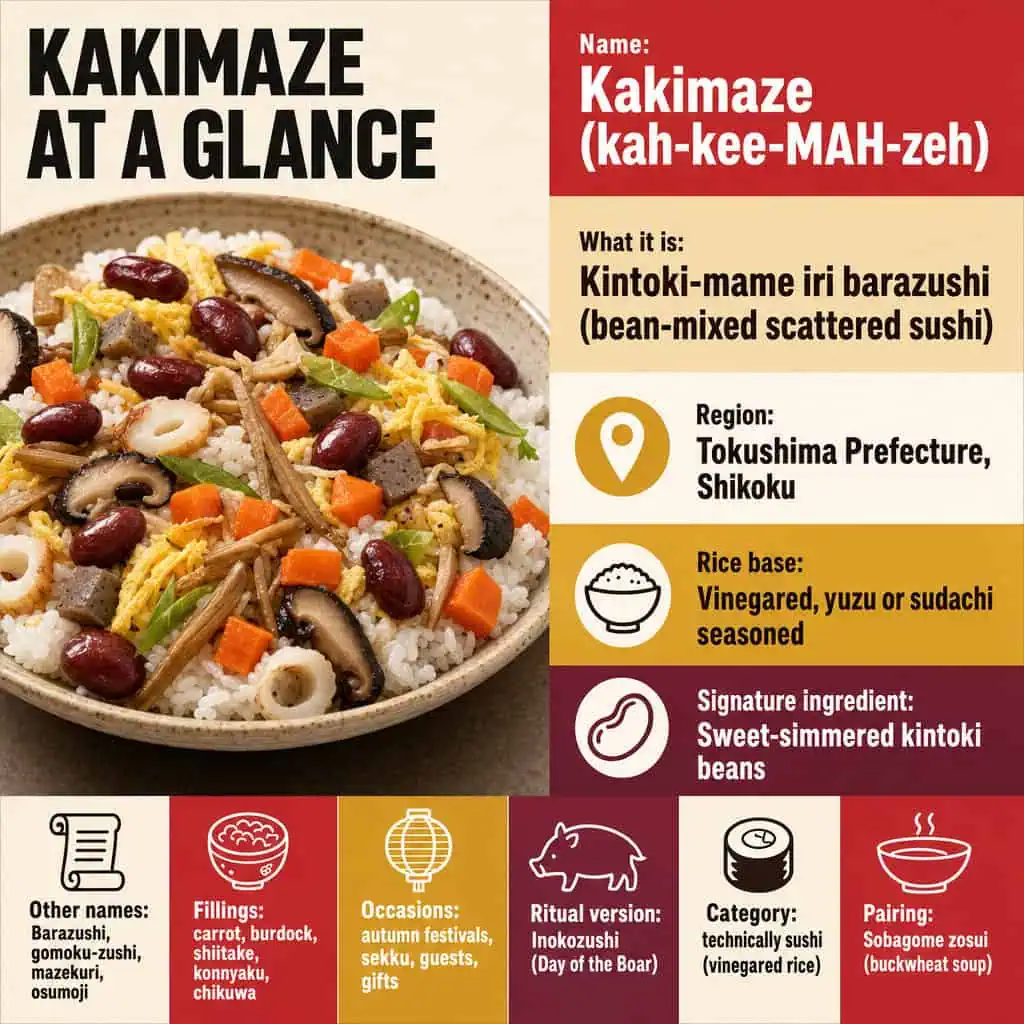
Here is the short version before the detail. Every point below comes from Japanese government or prefectural sources, listed at the end.
| Japanese name | Kakimaze (かきまぜ), roughly kah-kee-MAH-zeh |
|---|---|
| Official listing | Kintoki-mame iri barazushi (金時豆入りばら寿司) |
| Other local names | Barazushi, gomoku-zushi, mazekuri, osumoji |
| Region | Tokushima Prefecture, Shikoku |
| Rice base | Vinegared sushi rice, often seasoned with yuzu or sudachi juice |
| Signature ingredient | Sweet-simmered kintoki beans, a red kidney bean |
| Common fillings | Carrot, burdock, dried shiitake, konnyaku, chikuwa, koya-dofu |
| Typical occasions | Autumn festivals, seasonal sekku, guests, gifts between households |
| Ritual version | Inokozushi, offered on the Day of the Boar in the old tenth month |
| Category | Technically sushi, since the rice is vinegared |
| Classic pairing | Sobagome zosui, a buckwheat grain soup from the Iya valley |
What Is Kakimaze?
Kakimaze is a scattered sushi from Tokushima Prefecture on the island of Shikoku. Cooks simmer a pile of vegetables separately, then fold everything through seasoned rice. The name simply means to stir or mix together.
One Dish, Several Local Names
Naming varies by household as much as by town. Some families say barazushi, while others use gomoku-zushi, mazekuri, or osumoji. All of these point to the same bowl.
The Ministry of Agriculture, Forestry and Fisheries registers it as kintoki-mame iri barazushi, meaning barazushi with kintoki beans. That official name is a mouthful, and hardly anyone in Tokushima says it aloud. In practice you will hear kakimaze at the table.
Why the Rice Is Vinegared
This detail trips up a lot of English descriptions, so it deserves a clear answer. Kakimaze uses sushi rice, not plain steamed rice. Because the rice is seasoned with vinegar, the dish counts as sushi rather than as ordinary mixed rice.
That single fact separates kakimaze from mazegohan, which uses unvinegared rice. Admittedly the visual difference is small. One taste settles it, however, since the acidity arrives immediately.
The Bean That Surprises Everyone
Kintoki beans are the element nobody expects. Cooks simmer these red kidney beans with sugar and soy sauce until soft and frankly quite sweet. Then the beans go into the sushi rice alongside the savory vegetables.
Sweet beans in vinegared rice sounds wrong on paper. I hesitated the first time too, to be honest. Yet the combination works, largely because the vinegar keeps the sweetness from taking over. Tokushima uses kintoki beans widely, and they turn up in other local dishes such as denbu and mame-ten-tama as well.
Why Tokushima Developed This Dish
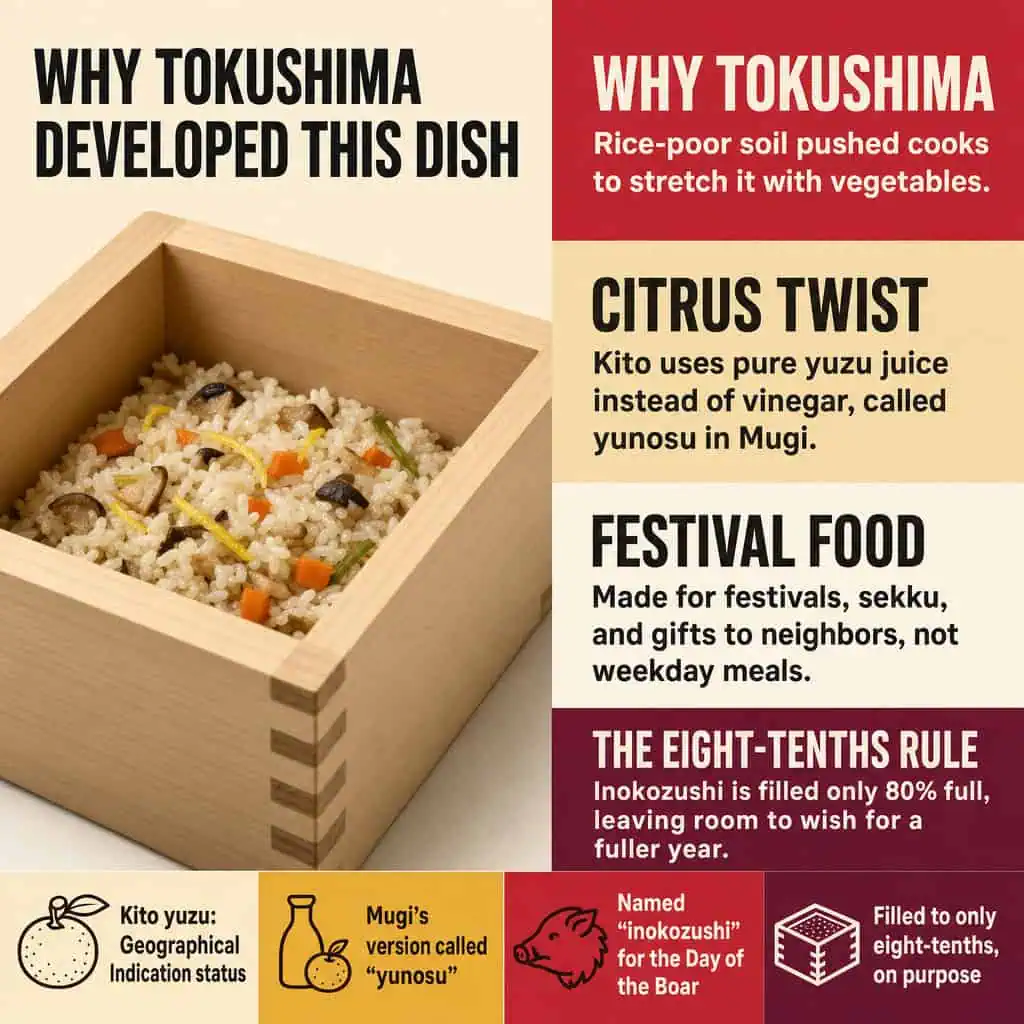
Geography explains most of it. Tokushima never had easy rice country, and that shortage shaped the local table for centuries.
Stretching a Difficult Rice Harvest
The prefecture’s soil suited rice poorly, especially in the mountains. Consequently households padded out what rice they had with whatever else grew nearby. Adding a generous volume of vegetables made a small amount of rice feed a full room.
That origin story still shows in the proportions. A good kakimaze carries almost as much filling as rice. Compared with a Tokyo-style chirashi, the balance tilts noticeably toward the vegetables.
Citrus Instead of Rice Vinegar
Southern and western Tokushima grow serious quantities of citrus, which changed how families season the rice. In Naka Town’s Kito district, cooks use pure yuzu juice rather than brewed vinegar. Mugi Town does the same and calls its yuzu vinegar yunosu.
Kito yuzu carries a Geographical Indication registration, so this is not a casual substitution. The Agency for Cultural Affairs recognised the Kito version of kakimaze under its 100-Year Food programme. Sudachi, another Tokushima citrus, appears in similar roles across the prefecture.
The result tastes different from mainland barazushi. Yuzu brings fragrance rather than sharpness, therefore the rice smells floral before it tastes sour.
Festival Food, Not Everyday Food
Kakimaze belongs to occasions rather than to Tuesday dinner. Families make it for autumn festivals, seasonal sekku days, and visits from relatives. Households also send portions to neighbours as a gift, which is how many people first taste a version other than their own.
Tokushima keeps a wider sushi tradition alongside it. Bouze no sugatazushi, made with whole silver pomfret, appears at the same autumn festivals. Amego zushi and pressed sushi fill out the rest of the calendar.
Inokozushi and the Eight-Tenths Rule
One version carries a name of its own. Kakimaze prepared for the Day of the Boar, in the tenth month of the old lunar calendar, is called inokozushi. Households offered it at the household altar together with the year’s crops.
The serving custom is the part I find hardest to forget. Cooks deliberately filled the wooden masu measure only to eight-tenths, never to the brim. Leaving that gap expressed a wish for a full measure the following year, so the empty space was the whole point.
Few households still keep the lunar-calendar timing today. Nevertheless the custom explains why this dish belongs to harvest and gratitude rather than to appetite alone.
Kakimaze, Mazegohan, and Takikomi Gohan
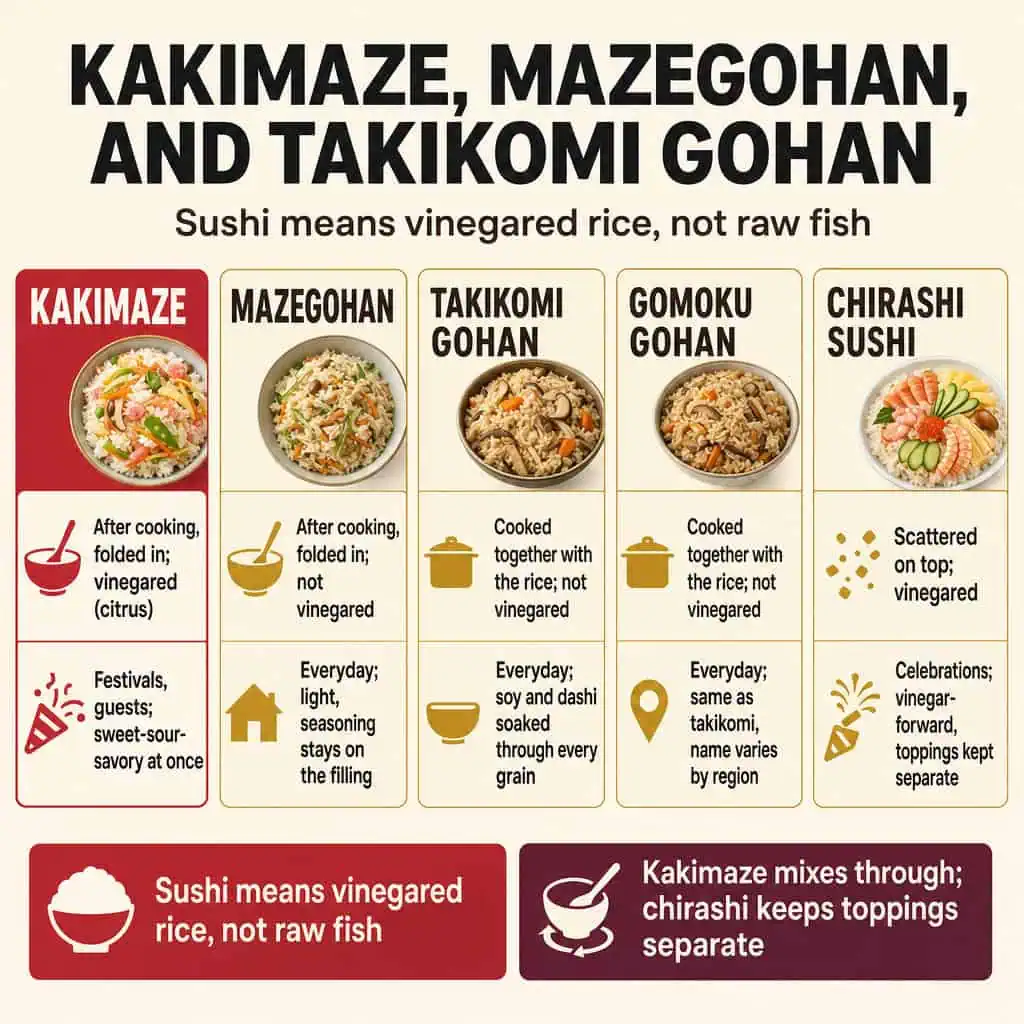
Japanese has three separate words for what English lumps together as mixed rice. The distinction is mechanical rather than poetic, so it is easy to learn.
| Dish | When ingredients meet the rice | Is the rice vinegared? | Served at | Typical flavor |
|---|---|---|---|---|
| Kakimaze | After cooking, folded in | Yes, often with citrus juice | Festivals and guests | Sweet, sour, savory at once |
| Mazegohan | After cooking, folded in | No | Everyday meals | Light, seasoning stays on the filling |
| Takikomi gohan | Cooked together with the rice | No | Everyday meals | Soy and dashi soaked through every grain |
| Gomoku gohan | Cooked together with the rice | No | Everyday meals | Same as takikomi, name varies by region |
| Chirashi sushi | Scattered on top | Yes | Celebrations | Vinegar forward, toppings separate |
Is Kakimaze Sushi?
Technically yes, although the answer surprises people. Sushi is defined by vinegared rice rather than by raw fish, so a bowl of vegetables over seasoned rice qualifies. Most versions of kakimaze contain no raw fish whatsoever.
Readers coming from a sushi background sometimes find that hard to accept. Nevertheless the Japanese category works exactly that way, and Tokushima locals call the dish a sushi without hesitation.
How It Differs from Chirashi Sushi
Both dishes start from sushi rice, yet the assembly differs. Chirashizushi in the Tokyo style scatters sashimi across the surface, keeping rice and toppings separate. Kakimaze mixes everything through instead, and the toppings that remain on top are mostly decorative.
Ingredients diverge as well. Where a Tokyo chirashi leans on raw seafood, kakimaze relies on simmered root vegetables and beans. Cost explains part of that difference, since this was food for ordinary rural households.
What Goes Into Kakimaze
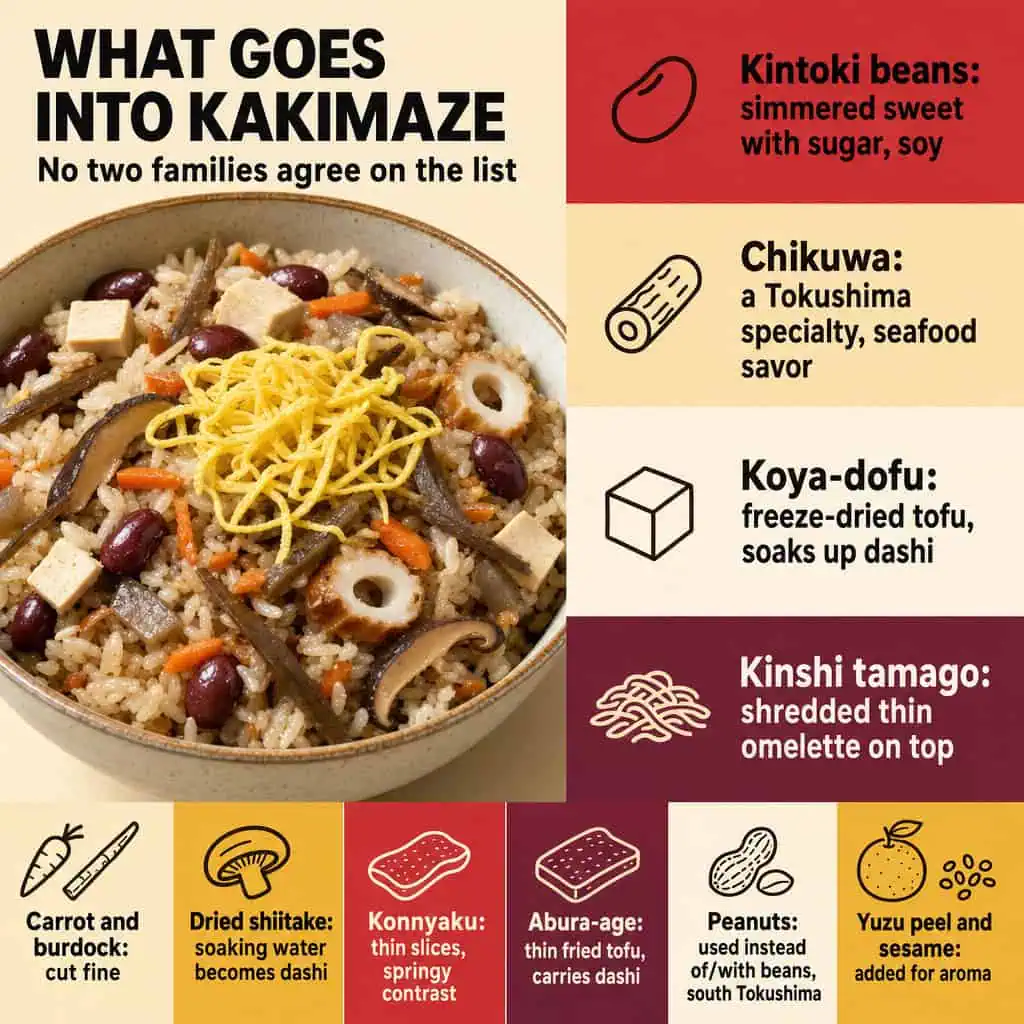
No two families agree on the exact list. Still, a recognisable core appears almost everywhere.
- Kintoki beans: simmered with sugar and soy sauce, so they taste distinctly sweet
- Carrot and burdock: cut fine, therefore they distribute evenly through the rice
- Dried shiitake: rehydrated, and the soaking water becomes part of the dashi
- Konnyaku: sliced thin for a springy contrast
- Chikuwa: a Tokushima specialty, adding gentle seafood savour
- Koya-dofu: freeze-dried tofu that soaks up the simmering liquid
- Abura-age: thin fried tofu, sliced fine so it carries the dashi
- Peanuts: used instead of or alongside beans in parts of southern Tokushima
- Kinshi tamago: shredded thin omelette, scattered over the top
- Yuzu peel and sesame: added at the end for aroma
The Simmering Liquid Does the Work
Cooks simmer the vegetables in dashi with soy sauce, sugar, and sake until the liquid nearly disappears. Because the filling carries all the seasoning, the rice itself stays relatively plain. Shiitake soaking water usually joins the dashi, which deepens the savour without extra ingredients.
Chikuwa deserves a mention here. Tokushima is known for it, and the tube-shaped fish cake brings a light seafood note to a dish that otherwise contains no fish at all.
What Does Kakimaze Taste Like?
Describing this one honestly takes a moment, because three flavors arrive nearly together.
Sweet, Sour, and Savory in One Mouthful
Acidity hits first, softer than a Tokyo sushi bar and more perfumed. Sweetness follows from the beans and the simmered vegetables. Underneath both, dashi and soy sauce hold everything together.
The overall effect leans gentle rather than sharp. Nothing in the bowl shouts, which is probably why it suits a room full of people eating slowly.
Texture and Aroma
Texture is the quiet pleasure here. Burdock stays slightly fibrous, konnyaku springs back, and the beans turn soft enough to break under the tongue. Meanwhile the rice keeps enough separation between grains to avoid feeling heavy.
Yuzu-seasoned versions smell noticeably different. Lift the bowl and the citrus arrives before anything else, which I found more memorable than the taste itself. Sesame and shredded peel reinforce that impression.
Will First-Timers Like the Sweet Beans?
Reactions genuinely split, so it seems fair to say so. Some visitors love the contrast immediately. Others find sweet beans in vinegared rice unsettling, at least for the first few bites.
My suggestion is to eat the beans together with a piece of burdock or konnyaku. Combining them balances the sweetness, and the dish makes more sense that way.
How Kakimaze Is Made
The method is straightforward, though it involves three separate preparations. Timing matters more than technique.
Preparing the Beans and Vegetables
Soak dried kintoki beans overnight, then simmer them gently with sugar and a little soy sauce. Prefectural cooks warn against lifting the beans out of their cooking liquid too early, since the skins wrinkle. Adding cold water during the simmer keeps the temperature steady.
Cut the carrot, burdock, shiitake, konnyaku, chikuwa, and abura-age into small pieces of similar size. Afterwards simmer them together in seasoned dashi until barely any liquid remains. Excess moisture would loosen the rice later.
Seasoning the Rice
Cook the rice slightly firmer than usual. While it is still hot, fold in the vinegar mixture with a cutting motion rather than a stirring one. Yuzu or sudachi juice replaces some or all of the rice vinegar in southern Tokushima.
Fan the rice as you mix to drive off steam. This step gives sushi rice its gloss, and skipping it leaves the grains sticky.
Bringing It Together
Drain the simmered filling well, then fold it through the seasoned rice. Reserve some beans for the top. Finish with shredded omelette, blanched snow peas, pickled ginger, and a little yuzu peel.
Let the bowl rest for ten minutes before serving. During that pause the flavors settle, and the rice cools to the temperature Tokushima families actually eat it at.
What to Eat with Kakimaze
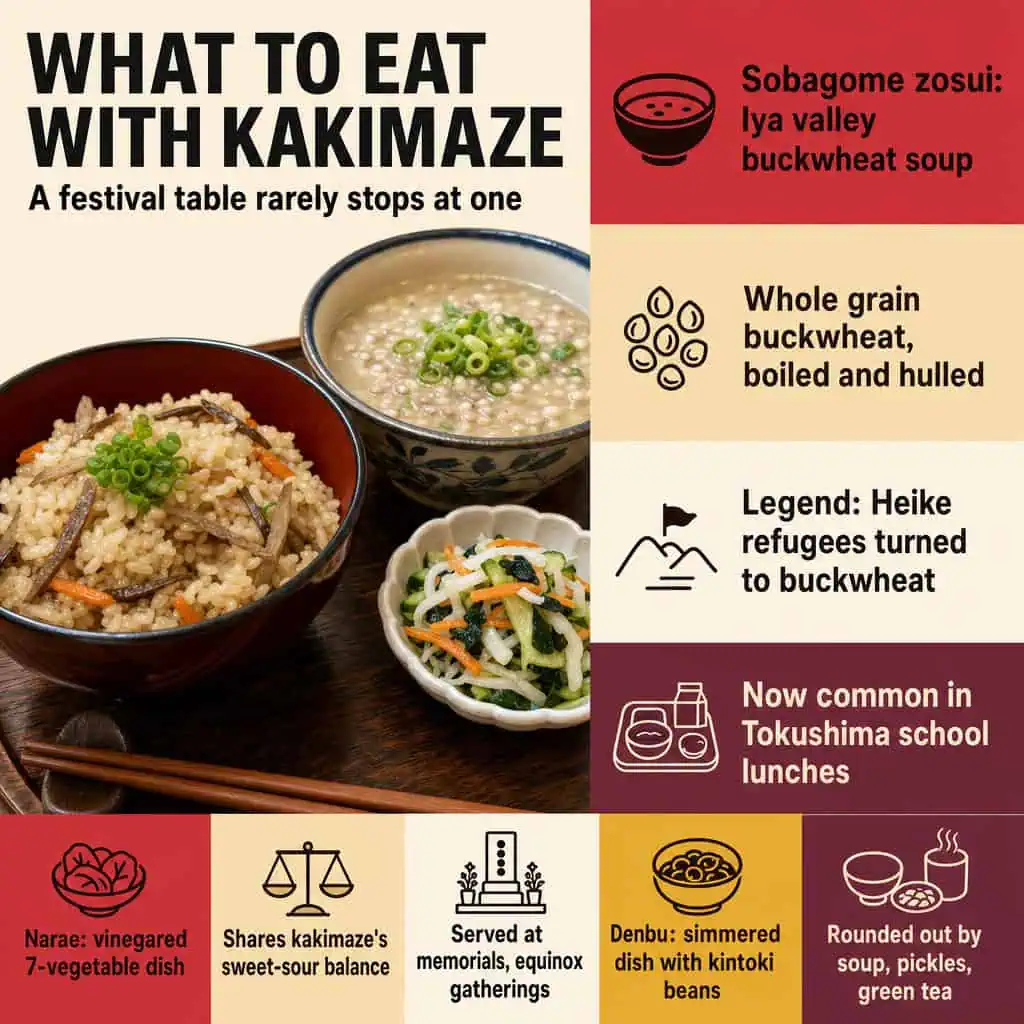
A festival table in Tokushima rarely stops at one dish. Two companions in particular turn kakimaze into a proper meal.
Sobagome Zosui, the Classic Partner
Sobagome zosui is a soup from the Iya valley in western Tokushima, and it pairs naturally with the sweetness of kakimaze. Cooks boil whole buckwheat grains in salted water, hull them, then dry them. Eating buckwheat as whole grain rather than as flour is genuinely rare in Japan.
Local telling connects the dish to Heike clan refugees who fled into these mountains after defeat in the Genpei War. Rice would not grow on the steep slopes, so buckwheat took its place. Today the soup appears regularly in Tokushima school lunches, often made with local Awa Odori chicken.
Narae and Other Side Dishes
Narae is a vinegared vegetable dish built from seven ingredients, including daikon, carrot, lotus root, and konnyaku. Since it shares the sweet-sour register of kakimaze, the two sit together comfortably. Families serve narae at memorial gatherings and equinox observances.
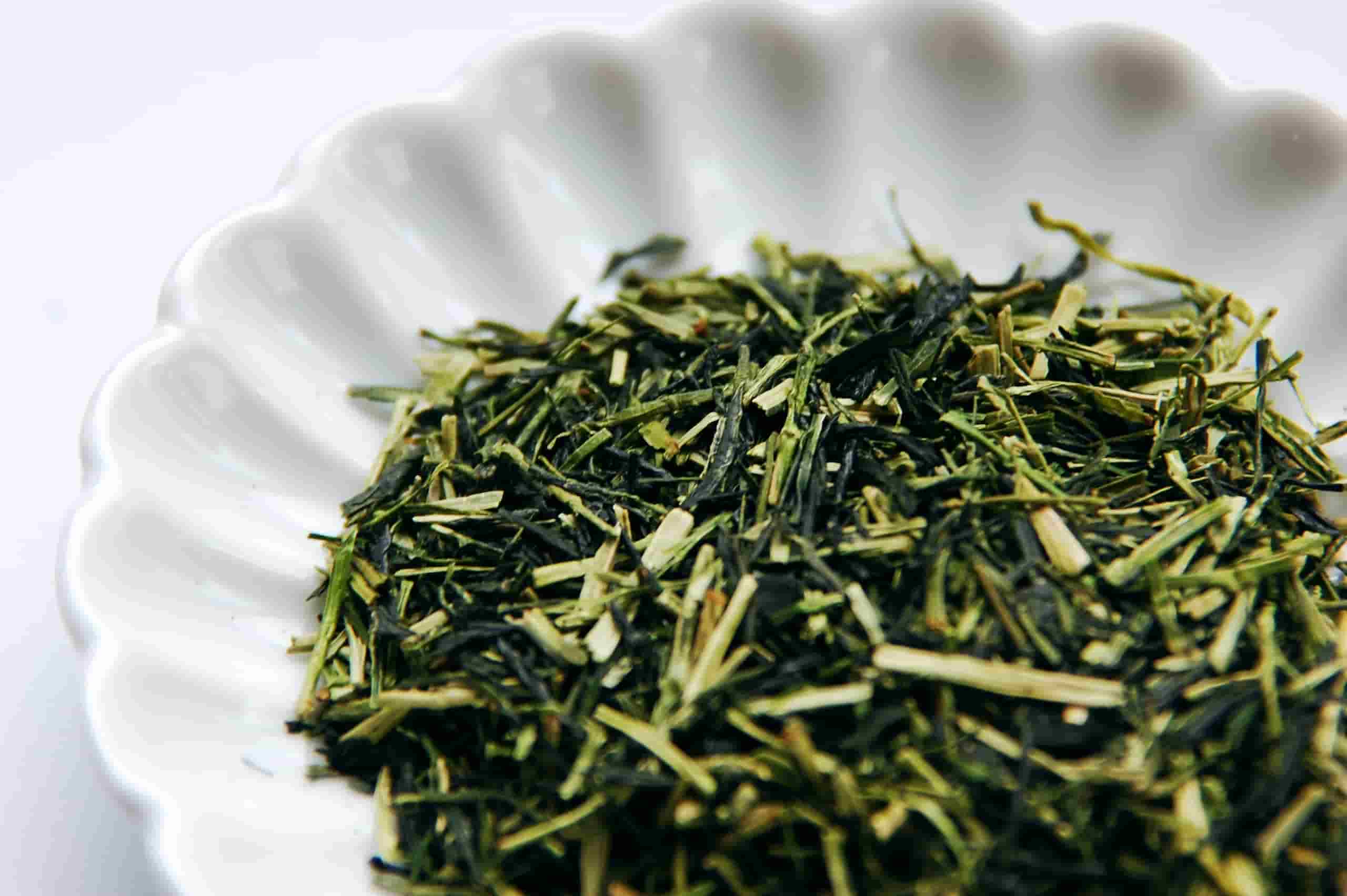
Denbu, a finely chopped simmered dish with kintoki beans, works as a second side. Clear soup and pickles round out the table. Green tea suits the meal better than anything stronger, in my experience.
Where to Try It in Tokushima
Finding kakimaze takes more planning than finding ramen. It remains home cooking first and restaurant food second.
Restaurants, Markets, and Timing
Roadside stations and local product shops often sell packed portions, particularly around festival season. Restaurants serving Awa kyodo ryori list it as barazushi more often than as kakimaze. Autumn gives you the best odds, since that is when families make it most.
Ask for barazushi if kakimaze draws a blank. Both terms circulate, and the second one travels better outside the prefecture.
Other Tokushima Food Worth Ordering
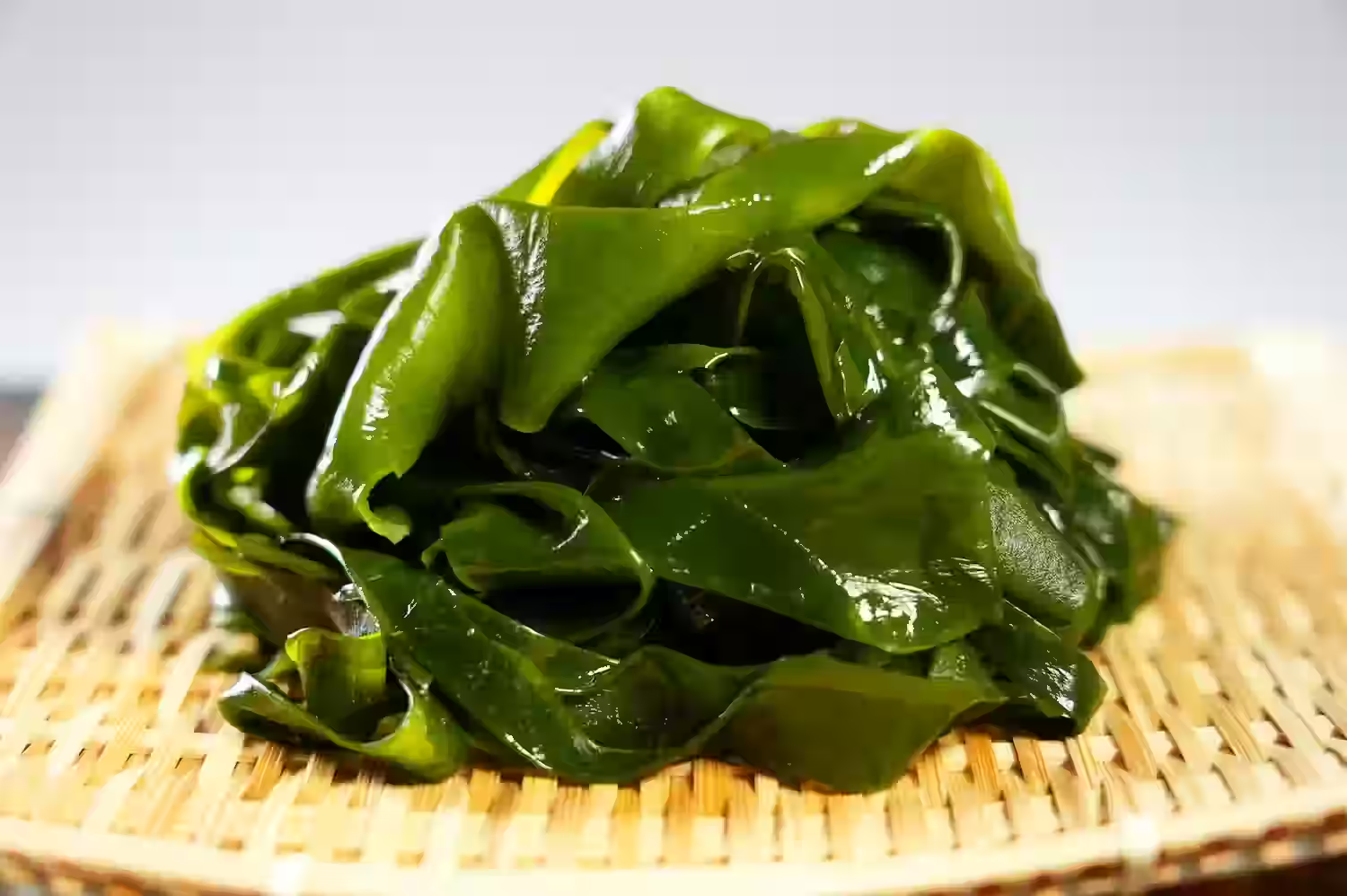
While you are there, Tokushima ramen makes an obvious contrast with its sweet-salty broth and raw egg. Awa Odori chicken appears in everything from grilled skewers to the soup mentioned above. Naruto wakame and Iya soba complete the list.
Our Shikoku food guide covers how these fit alongside dishes from Kagawa, Ehime, and Kochi.
Notes for Travelers with Dietary Needs
Vegetarian versions are possible, but the standard recipe is not vegetarian. Dashi normally contains dried sardine or bonito, and chikuwa is made from fish. Konnyaku, shiitake, and kombu dashi can replace both if a cook is willing.
Allergens deserve a check as well. Soy sauce contains soy and usually wheat, the omelette topping contains egg, and southern versions may include peanuts. Ask before ordering when an allergy is serious.
Making Kakimaze Outside Japan
Most of the ingredients travel surprisingly well. Two of them need thought.
Substitutes That Work
Red kidney beans stand in directly for kintoki beans, since they are closely related. Simmer them with sugar and soy sauce yourself rather than buying them plain. For the citrus, lime juice mixed with a little rice vinegar approximates yuzu better than lemon does.
Burdock is the hardest item to find. Parsnip cut into thin shavings gives a similar fibrous bite, though the flavor runs sweeter. Skip it entirely rather than substituting something crunchy but bland.
A Practical Note on Leftovers
Kakimaze keeps better than plain rice, because vinegar slows spoilage. Store it covered at cool room temperature for the same day, and refrigerate anything left after that. Cold rice hardens, so let refrigerated portions sit out briefly before eating.
Conclusion
Kakimaze earns attention for a reason that has nothing to do with luxury. It came from a prefecture that struggled to grow rice, and it solved that problem with vegetables, beans, and local citrus. The sweet beans still divide opinion, which honestly makes it more interesting than a safe dish would be.
If you visit Tokushima in autumn, order it as barazushi and ask for sobagome zosui alongside. Otherwise the recipe travels well enough to try at home. Our Japan food guide covers where similar regional rice dishes turn up elsewhere.
Kakimaze FAQ
What is kakimaze?
Kakimaze is Tokushima’s mixed sushi rice, officially listed as barazushi with kintoki beans. Cooks simmer vegetables separately, then fold them through vinegared rice with sweet red kidney beans. Locals also call it barazushi, gomoku-zushi, mazekuri, or osumoji. Families serve it at autumn festivals and seasonal celebrations.
Is kakimaze the same as mazegohan?
No, and the difference is the vinegar. Mazegohan folds ingredients into plain steamed rice, whereas kakimaze uses seasoned sushi rice. Both mix the filling in after cooking, which separates them from takikomi gohan. Because its rice is vinegared, kakimaze counts as a sushi dish.
How does kakimaze differ from chirashi sushi?
Both begin with vinegared rice, yet the assembly differs. Tokyo-style chirashi scatters raw fish across the surface and keeps the rice underneath. Kakimaze instead mixes simmered vegetables and beans throughout, using only a light garnish on top. Raw seafood rarely appears in a Tokushima bowl.
Why does kakimaze contain sweet beans?
Kintoki beans are a Tokushima staple, so they appear in several local dishes besides this one. Cooks simmer them with sugar and soy sauce until soft and sweet. The vinegar in the rice keeps that sweetness balanced. Some southern areas use peanuts in a similar role.
Why is yuzu juice used instead of vinegar?
Southern Tokushima grows citrus in quantity, therefore local cooks season rice with it directly. Naka Town’s Kito district uses pure yuzu juice with no brewed vinegar at all. Mugi Town calls its yuzu vinegar yunosu. The Agency for Cultural Affairs recognised the Kito version under its 100-Year Food programme.
What does kakimaze taste like?
Expect sweet, sour, and savory arriving almost together. Citrus-seasoned rice tastes gentler and more fragrant than standard sushi rice. Simmered burdock, shiitake, and konnyaku supply depth and varied texture. Overall the balance leans mild rather than sharp.
Can kakimaze be vegetarian?
Not as normally made, though adaptation is simple. Standard dashi uses dried sardine or bonito, and chikuwa is a fish product. Substituting kombu and shiitake dashi solves the broth, while omitting chikuwa handles the rest. Confirm with the kitchen when ordering, since recipes vary by household.
What is sobagome zosui and why pair it with kakimaze?
Sobagome zosui is a buckwheat grain soup from the Iya valley in western Tokushima. Cooks salt-boil whole buckwheat, hull it, then dry it before simmering it with vegetables and chicken. Its savory broth offsets the sweetness of kakimaze well. Together they form the standard Tokushima festival pairing.
Where can travelers try kakimaze?
Look in roadside stations and local product shops, especially during autumn festival season. Restaurants serving Awa regional cuisine usually list it as barazushi rather than kakimaze. Ask for barazushi if the first name draws a blank. Home cooking remains its main setting, so availability varies.
What is inokozushi?
Inokozushi is kakimaze prepared for the Day of the Boar in the tenth month of the old lunar calendar. Households offered it at the altar alongside the year’s crops. Cooks filled the wooden masu measure only to eight-tenths on purpose, wishing for a full measure the next harvest. Few families still follow the lunar timing today.
Can I make kakimaze at home outside Japan?
Yes, and most substitutes work well. Red kidney beans replace kintoki beans directly, simmered with sugar and soy sauce. Lime juice with a little rice vinegar approximates yuzu more closely than lemon. Burdock is the hardest item to source, so use thinly shaved parsnip or leave it out.
References
Image Credit
- 出典:農林水産省ウェブサイト「うちの郷土料理」 https://www.maff.go.jp/j/keikaku/syokubunka/k_ryouri/search_menu/menu/44_11_tokushima.html (2026年8月利用)
- Source: Ministry of Agriculture, Forestry and Fisheries website, Our Local Cuisine, https://www.maff.go.jp/j/keikaku/syokubunka/k_ryouri/search_menu/menu/44_11_tokushima.html (Surveyed: August 2026)
Government and Prefectural Sources
- Ministry of Agriculture, Forestry and Fisheries, Our Local Cuisine: Barazushi with Kintoki Beans, Tokushima Prefecture, https://www.maff.go.jp/j/keikaku/syokubunka/k_ryouri/search_menu/menu/44_11_tokushima.html (Surveyed: August 2026)
- Ministry of Agriculture, Forestry and Fisheries, Our Local Cuisine: Tokushima Prefecture index, https://www.maff.go.jp/j/keikaku/syokubunka/k_ryouri/search_menu/area/tokushima.html (Surveyed: August 2026)
- Ministry of Agriculture, Forestry and Fisheries, Our Local Cuisine: Sobagome Zosui, Tokushima Prefecture, https://www.maff.go.jp/j/keikaku/syokubunka/k_ryouri/search_menu/menu/44_1_tokushima.html (Surveyed: August 2026)
- Ministry of Agriculture, Forestry and Fisheries, Our Local Cuisine: Denbu, Tokushima Prefecture, https://www.maff.go.jp/j/keikaku/syokubunka/k_ryouri/search_menu/menu/44_17_tokushima.html (Surveyed: August 2026)
- Ministry of Agriculture, Forestry and Fisheries, Our Local Cuisine: Narae, Tokushima Prefecture, https://www.maff.go.jp/j/keikaku/syokubunka/k_ryouri/search_menu/menu/44_13_tokushima.html (Surveyed: August 2026)
- Ministry of Agriculture, Forestry and Fisheries, Our Local Cuisine: Iya Soba, Tokushima Prefecture, https://www.maff.go.jp/j/keikaku/syokubunka/k_ryouri/search_menu/menu/44_5_tokushima.html (Surveyed: August 2026)
- Ministry of Agriculture, Forestry and Fisheries, Our Local Cuisine, Area Stories: Tokushima, https://www.maff.go.jp/j/keikaku/syokubunka/k_ryouri/area_stories/tokushima.html (Surveyed: August 2026)
- Agency for Cultural Affairs, 100-Year Food Programme: Tokushima Prefecture list (Kito district kakimaze, Mugi pressed sushi), https://www.bunka.go.jp/seisaku/shokubunka/foodculture/hyakunenfood/jirei/list_tokushima.html (Surveyed: August 2026)
- Tokushima Prefecture, Tokushima Local Cuisine and Local Ingredient Recipe Collection, https://www.pref.tokushima.lg.jp/shokuiku/recipe/H28-2index.html (Surveyed: August 2026)
Food Culture and Regional Documentation
- Rural Culture Association Japan, Complete Collection of Japanese Food Life Vol. 36: Interviews on the Food of Tokushima, https://www.ruralnet.or.jp/zensyu/syoku/syoku36.html (Surveyed: August 2026)
- Japan School Lunch Association, Regional Foods: Sobagome Zosui, Tokushima Prefecture, https://www.zengakuei.or.jp/kyodosyoku/pref/tokushima_1.html (Surveyed: August 2026)
- Umami Information Center, Local Cuisine and Umami: Tokushima Prefecture, https://www.umamiinfo.jp/japaneseumami/localcuisine/category-05/tokushima/ (Surveyed: August 2026)
- JA Kyosai, Local Cuisine Recipes of 47 Prefectures: Tokushima, https://social.ja-kyosai.or.jp/prefecture/recipe/tokushima/ (Surveyed: August 2026)
- Kyodo Ryori Monogatari, Kakimaze (Barazushi) with Kintoki Beans, including the inokozushi custom, http://kyoudo-ryouri.com/food/565.html (Surveyed: August 2026)
- Kyodo Ryori Monogatari, Bouze no Sugatazushi, Tokushima Prefecture, http://kyoudo-ryouri.com/food/562.html (Surveyed: August 2026)
- Awa Fude, Tokushima Prefecture, Kakimaze (Barazushi) recipe published via Cookpad, https://cookpad.com/recipe/3737960 (Surveyed: August 2026)
Further Academic Reading
- CiNii Research, search results for Tokushima regional cuisine and food culture, https://cir.nii.ac.jp/ (Surveyed: August 2026)
- J-STAGE, Japanese academic journal platform, search results for regional food culture research, https://www.jstage.jst.go.jp/ (Surveyed: August 2026)
- National Diet Library Search, bibliographic records on Tokushima food culture, https://ndlsearch.ndl.go.jp/ (Surveyed: August 2026)
Related Articles
- Shikoku Food Guide (Surveyed: August 2026)
- Tokushima Ramen (Surveyed: August 2026)
- Awa Odori Chicken (Surveyed: August 2026)
- Chirashizushi (Surveyed: August 2026)
- Sushi (Surveyed: August 2026)
- Kamameshi (Surveyed: August 2026)
- Chikuwa (Surveyed: August 2026)
- Uwajima Taimeshi (Surveyed: August 2026)
- Shiraae (Surveyed: August 2026)
- Oden (Surveyed: August 2026)
- Chugoku Food Guide (Surveyed: August 2026)
- Japan Food Guide (Surveyed: August 2026)




Comments