




Ryo Iwa– Author –

-

Contemporary Sake in Japan: Craft, Globalization, and a Living Tradition
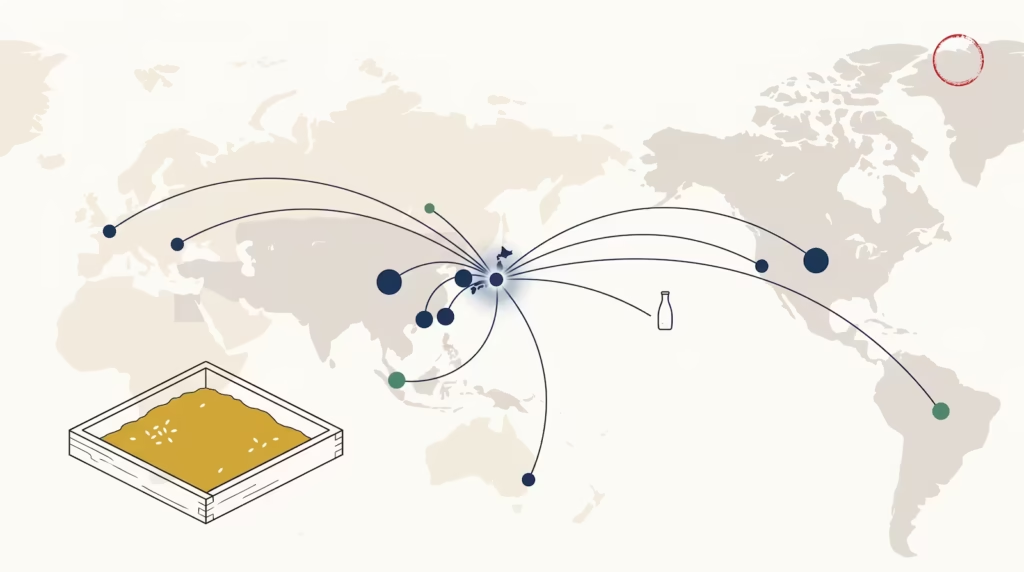
In 2025, Japan exported about 45.9 billion yen of sake to a record 81 countries and regions. Meanwhile, the country's own sake drinkers kept buying less, as they have almost every year since 1973. Contemporary sake is the story of how th... -
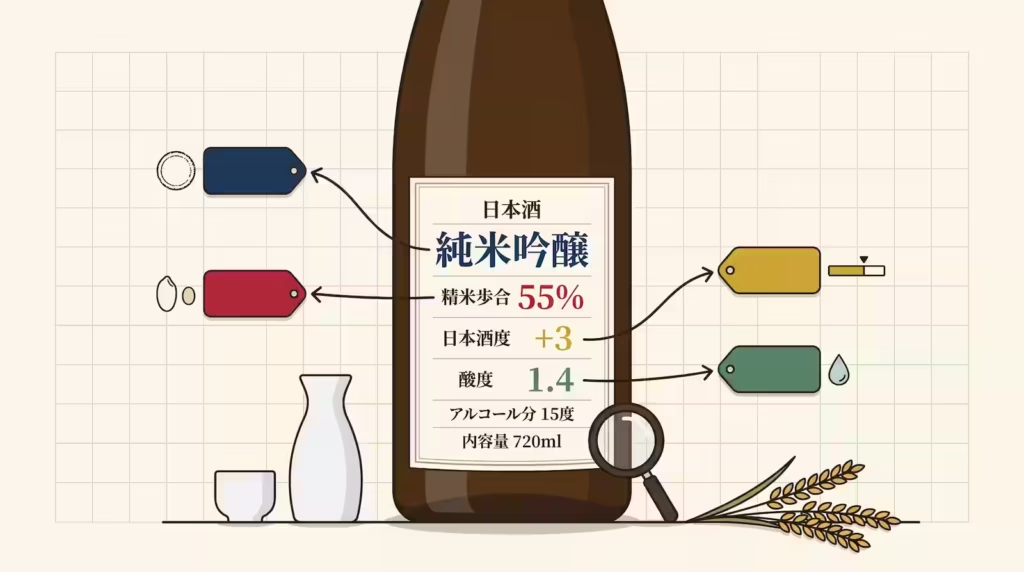
How to Read a Japanese Sake Label: A Beginner’s Guide
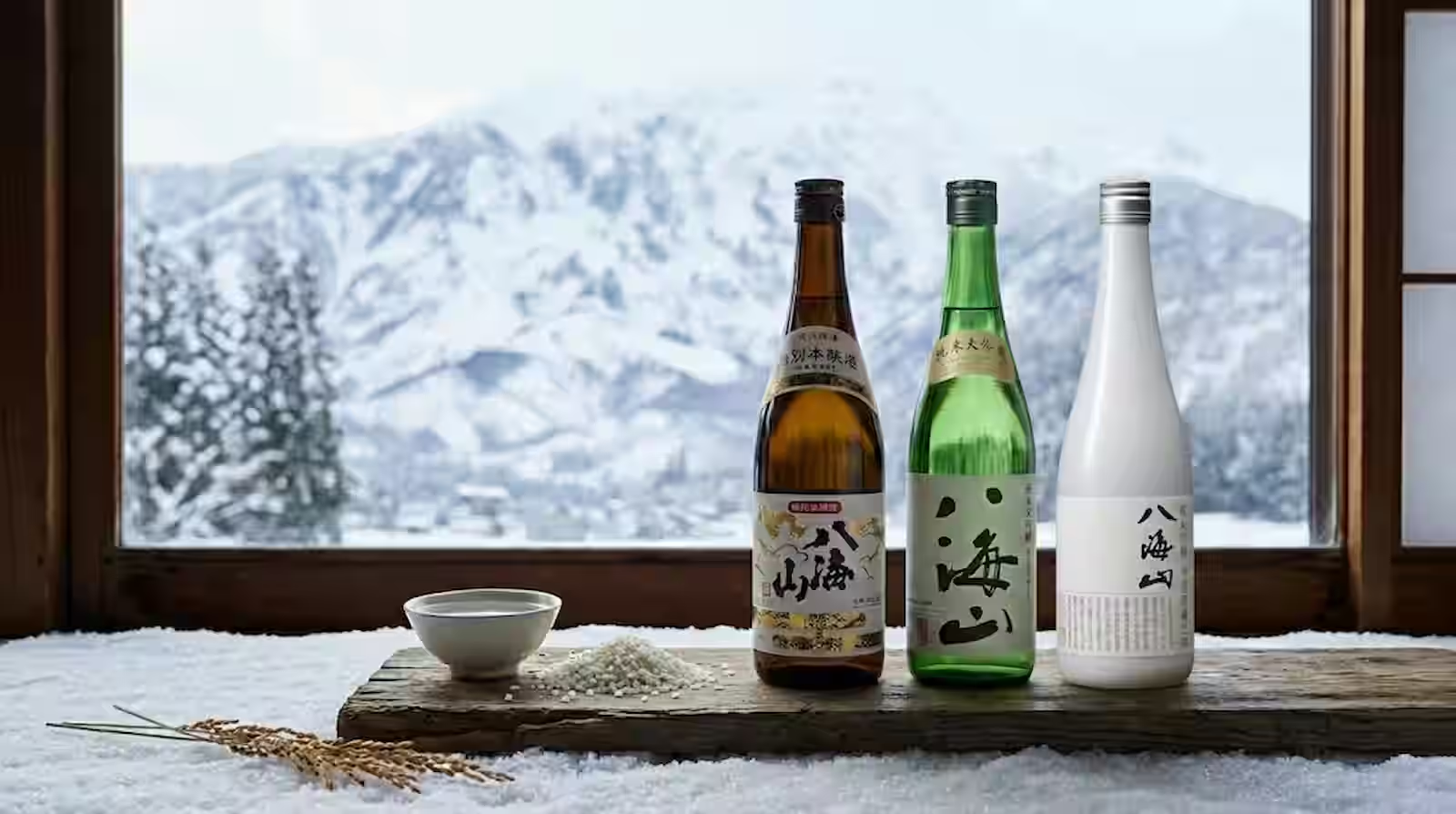
You pick up a bottle in a Japanese liquor shop and turn it around. On the back, you find a column of kanji and numbers: Junmai Ginjo, 55%, 15%, Yamada Nishiki, +3. So learning how to read a sake label means spotting which clues matter, a... -
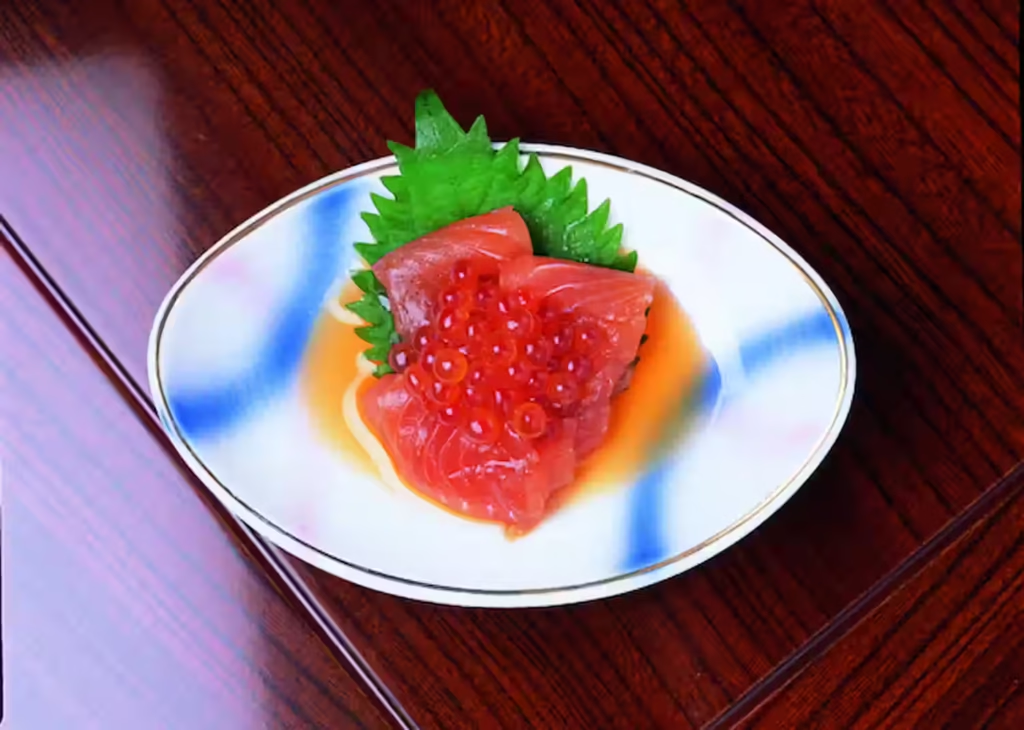

Kōyō-zuke (紅葉漬)
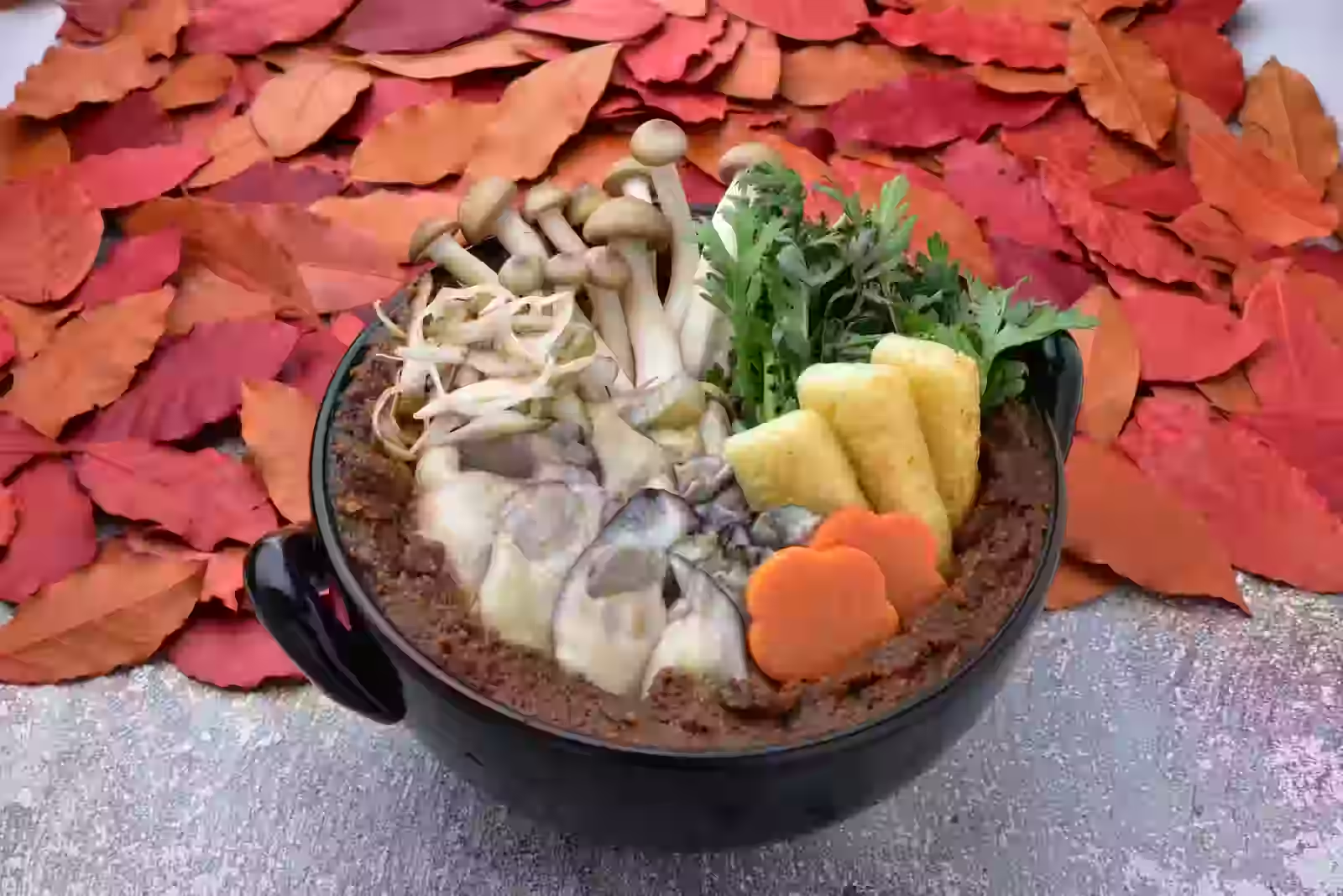
Kōyō-zuke (紅葉漬), also written koyo-zuke or koyozuke, is a ready-to-eat fermented salmon specialty from northern Fukushima Prefecture. Producers make it by curing and maturing salmon with rice koji and salt. The result is salty and sav... -
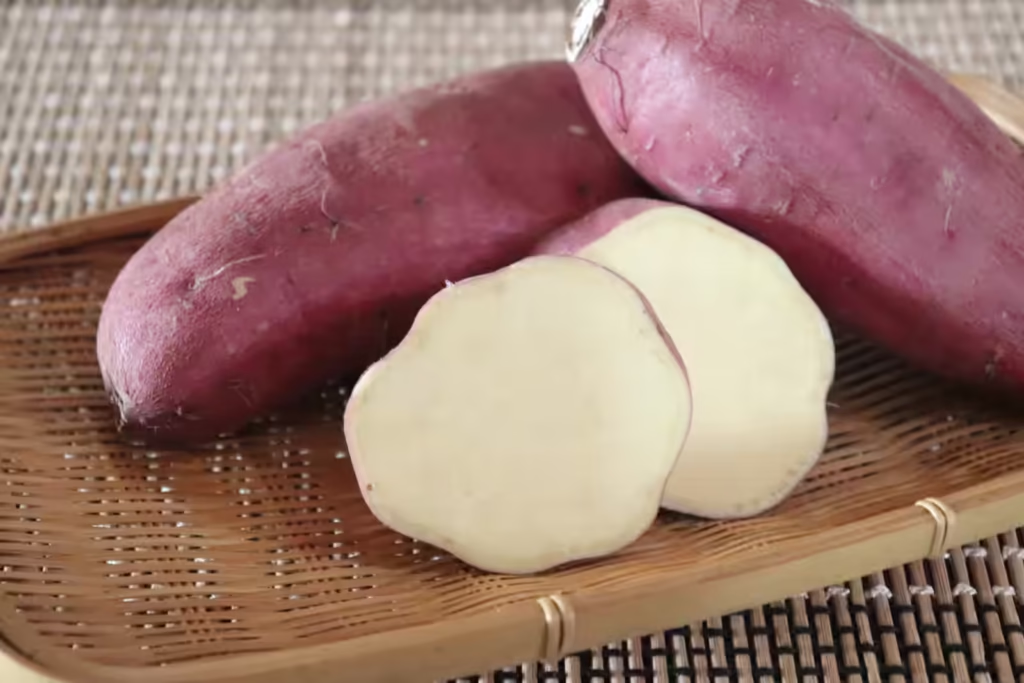

Beniazuma Sweet Potato (紅あずま)
On a cold evening in Tokyo, the aroma of yaki imo, Japan's roasted sweet potato, still drifts through shopping streets. Today, many vendors favor moist, intensely sweet cultivars, but Beniazuma once defined the classic fluffy style acros... -
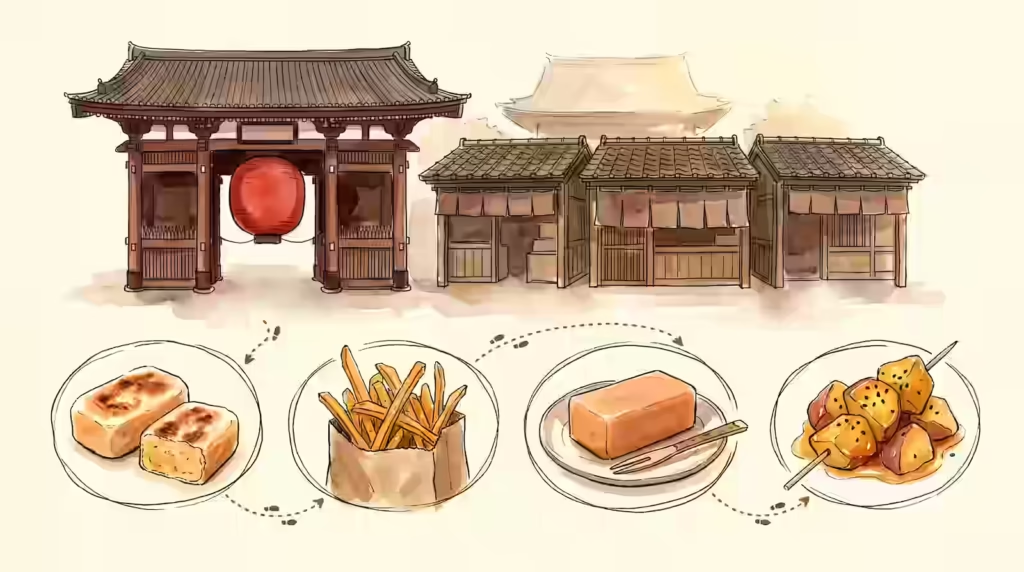
Asakusa Sweet Potato Food Guide: Yakiimo, Daigaku Imo, Imo Yokan and More
Walk a few blocks from Kaminarimon Gate in Asakusa, and you start to notice a pattern. One shop sells candied sweet potatoes, and the next sells sweet potato bars. A third, meanwhile, grills little sweet potato cakes. The Asakusa sweet p... -
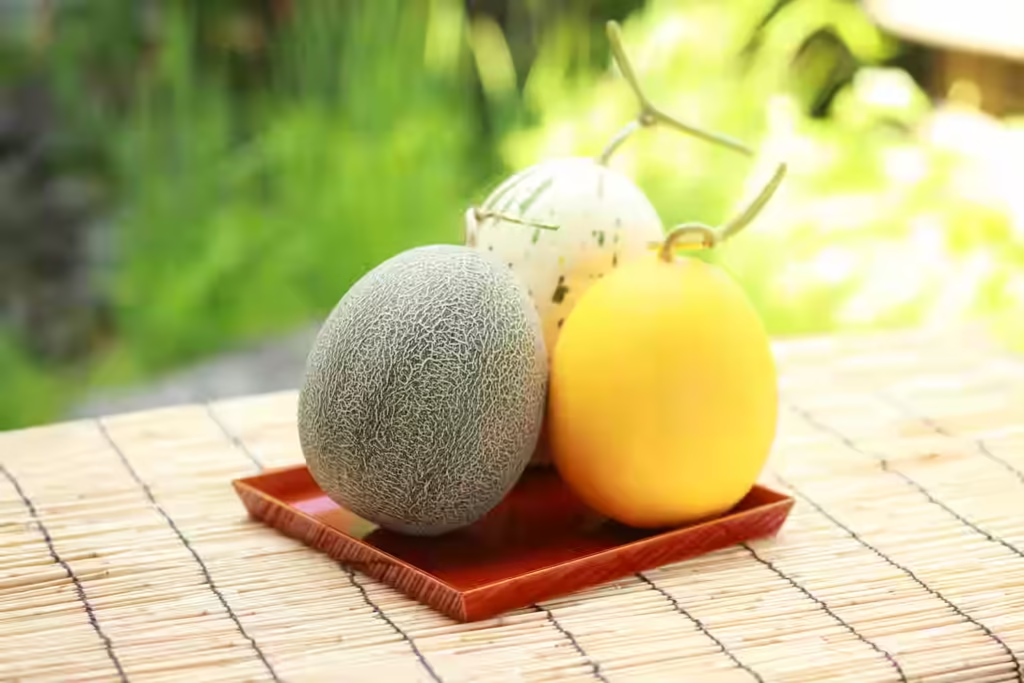
Thank You Melon (サンキューメロン)
Japan's most famous gift melons wear a fine white net. Thank You Melon (サンキューメロン) does not. Instead, this pale, smooth-skinned melon with green flesh grows only in the Hachiryu district of Mitane Town. That district lies on the S... -
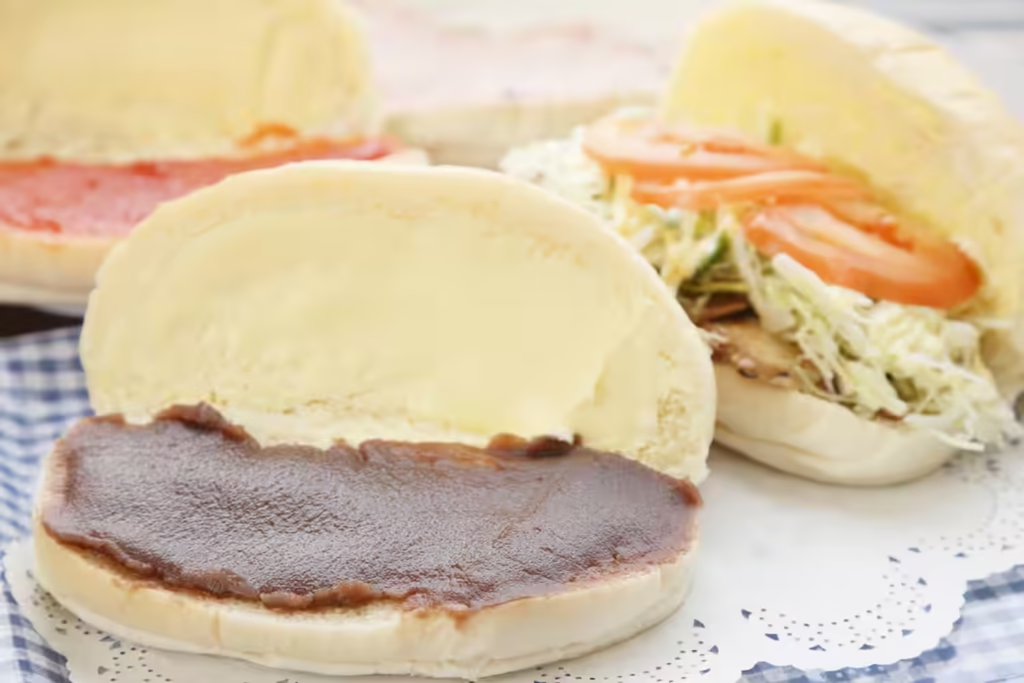
Fukuda Pan (福田パン)
Fukuda Pan (福田パン) is not known for croissants or elaborate pastries. Instead, this family-run bakery in Morioka, the capital of Iwate Prefecture in northern Japan, specializes in one oversized style of coppe pan. It has been in busin... -
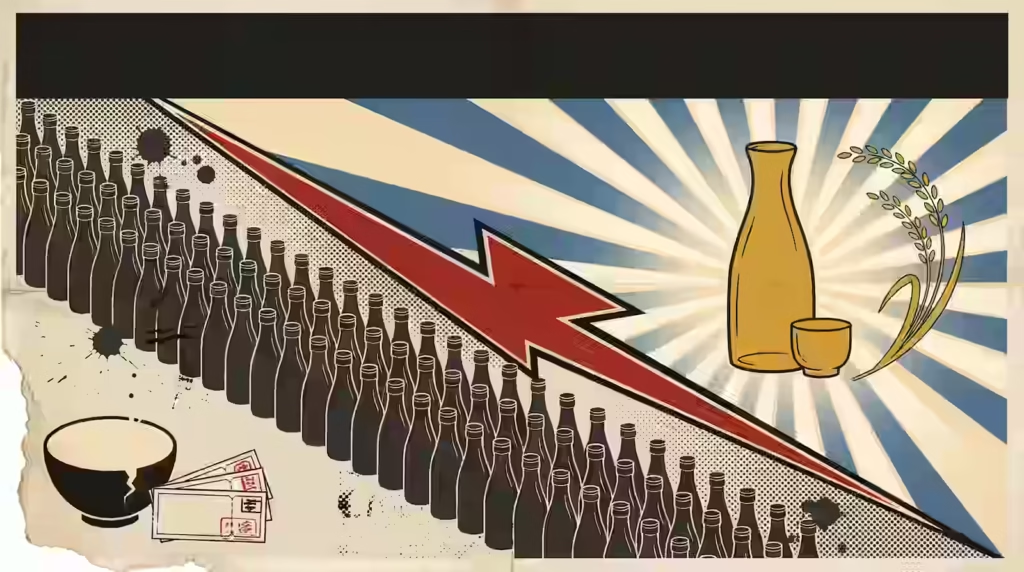
Modern Sake History: War, Mass Production, and the Ginjo Revival
In fiscal 1973, Japan's breweries shipped about 1.77 million kiloliters of sake, more than in any year before or since. Fifty years later, the figure was under 400,000. Modern sake is the story of how Japan got from one number to the oth... -
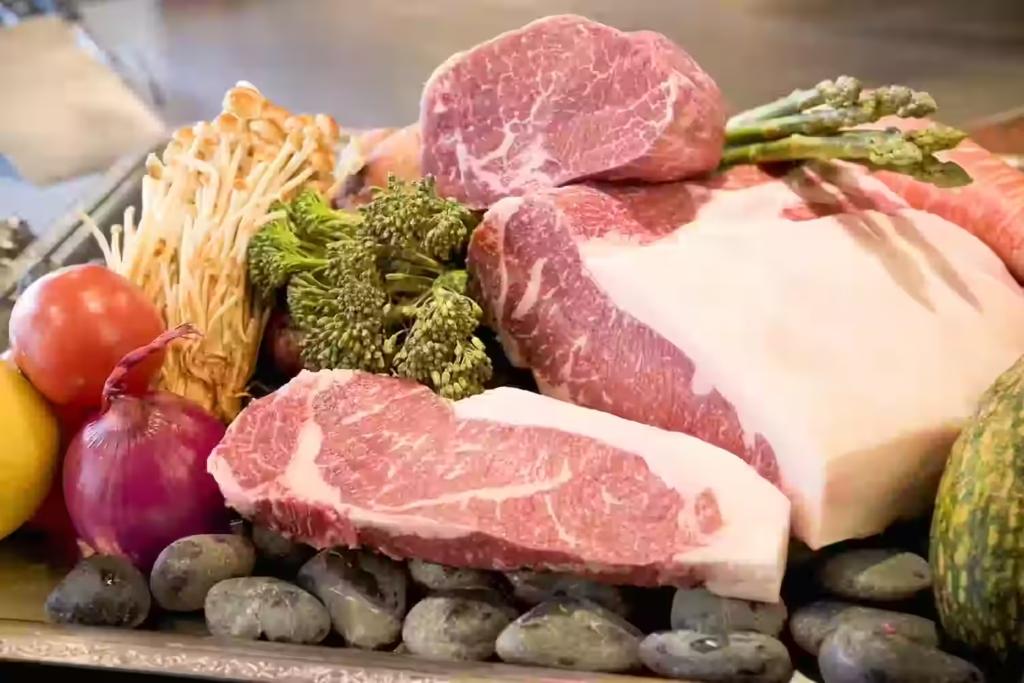
Iwaizumi Tankaku Beef (岩泉短角牛)
Say “Wagyu” to many travelers, and they picture beef so marbled it looks almost white. Iwaizumi Tankaku Beef (岩泉短角牛) tells a different story. The beef comes from Japanese Shorthorn cattle raised in Iwaizumi, Iwate Prefecture. It sta... -
Nara and Heian Sake: Court Brewing and History
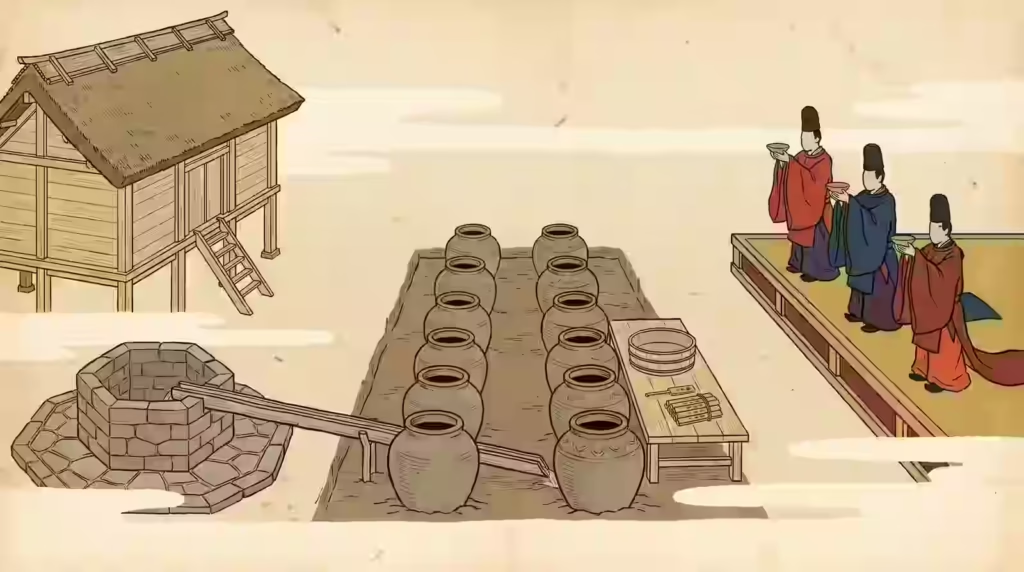
Beneath the grass of the Heijo Palace site in Nara, archaeologists uncovered a well surrounded by hexagonal stone paving. Nearby lay wooden pipes, the sockets of large ceramic jars, and wooden tablets carrying notes about brewing. These ...