


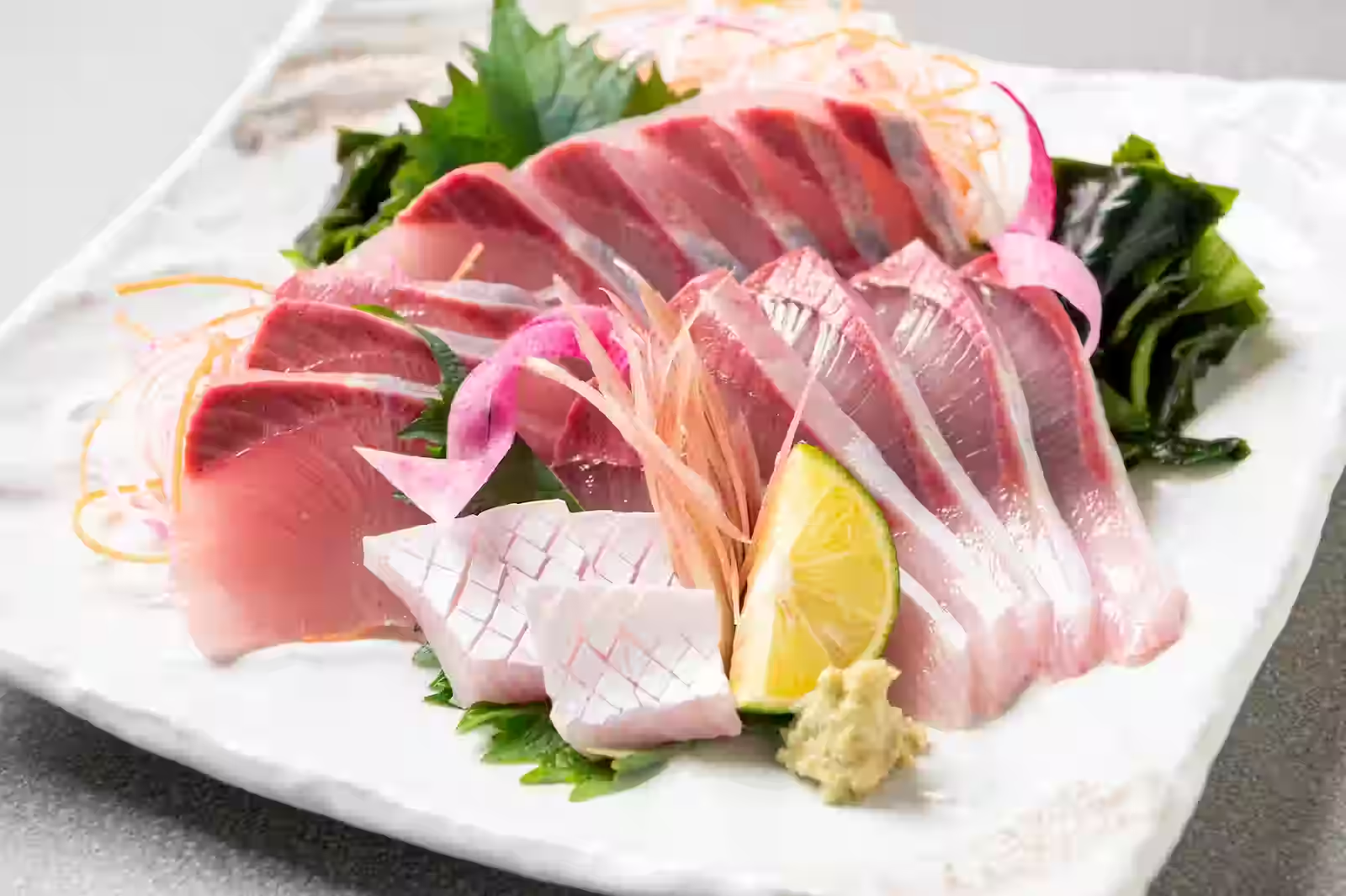
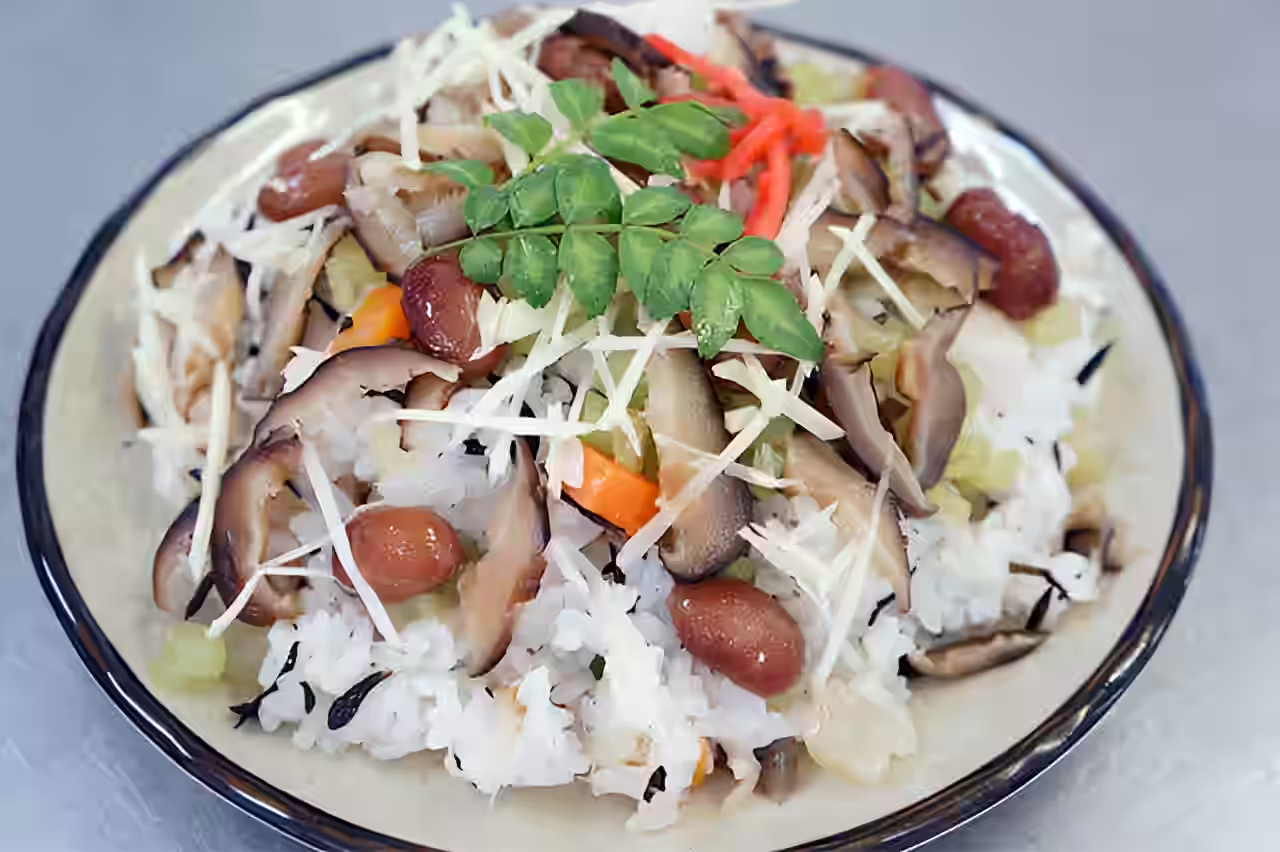


Picture a Japanese yellowtail raised on feed that contains locally grown citrus peel. It may sound unusual, but in Tokushima the idea has become a recognized regional brand. Sudachi Buri (すだちぶり) is farmed in Kitanada, just west of the Naruto Strait, on pellets blended with Tokushima sudachi peel.
This guide explains what Sudachi Buri is, how it is raised, and what it tastes like. It also answers the question most visitors ask: does the fish actually taste of citrus? You will also find its seasons, recommended dishes, and places to try or buy it.
What Is Sudachi Buri?
Sudachi Buri is a branded, farm-raised Japanese yellowtail (buri) from Naruto City in Tokushima Prefecture. What sets it apart is feed that contains the peel of Tokushima-grown sudachi citrus. The brand comes from a partnership between the Kitanada Fisheries Cooperative and Tokushima Uoichiba, the city’s seafood wholesaler.
Quick Facts: Sudachi Buri
- Japanese name
- すだちぶり (Sudachi Buri)
- Species
- Japanese yellowtail, or Japanese amberjack (Seriola quinqueradiata)
- Origin
- Kitanada, Naruto City, Tokushima Prefecture, west of the Naruto Strait
- Producers
- Kitanada Fisheries Cooperative with Tokushima Uoichiba Co., Ltd.
- Feed
- Extruded pellets (EP) containing Tokushima sudachi peel
- Farming began
- 2015, according to Tokushima Prefecture
- Main seasons
- Smaller “waka” fish in summer; full-size fish from about November
- Best for
- Sashimi, sushi, buri shabu-shabu, carpaccio
In short
Despite its name, Sudachi Buri does not normally taste like citrus. Producers describe it as rich but clean-tasting, with firm flesh, less fishy odor, and a lighter finish than typical farmed yellowtail.
What the Name Means
The name joins two words. Sudachi is a small, sour green citrus grown mainly in Tokushima, and buri is the usual Japanese name for larger yellowtail. So the label tells you both the species and the local citrus used in its feed. According to the prefecture, it was Tokushima’s first “fruit fish,” a trend in which Japanese farms add local fruit to feed.
Yellowtail, Japanese Amberjack, or Buri?
All three names refer to one species, so there is no real difference. English-language references use both “yellowtail” and “Japanese amberjack.” In scientific contexts, the species is identified as Seriola quinqueradiata, a member of the jack family (Carangidae).
One caution, though. On some overseas menus, “yellowtail” can mean another Seriola species, such as yellowtail kingfish. Sudachi Buri is always the Japanese species.
The Difference Between Buri and Hamachi
This is where many readers get stuck, because the names shift with size. Buri and hamachi are the same fish, but Japanese gives it new names as it grows. The cutoffs also vary by region. In Tokushima, a Japan Tourism Agency sign at the Naruto Strait lists these local names:
- Mojako: fry under about 10 cm long, which shelter under drifting seaweed.
- Tsubasu: young fish of around 500 g.
- Hamachi: fish from around 1 kg.
- Buri: large fish of over 6 kg.
Sudachi Buri is a commercial brand name, so individual fish do not necessarily follow the local cutoff of more than 6 kg. Western Japan also uses “hamachi” loosely for farmed yellowtail of almost any size. For a broader look at the fish, see our guide to buri.
What Does Sudachi Buri Taste Like?
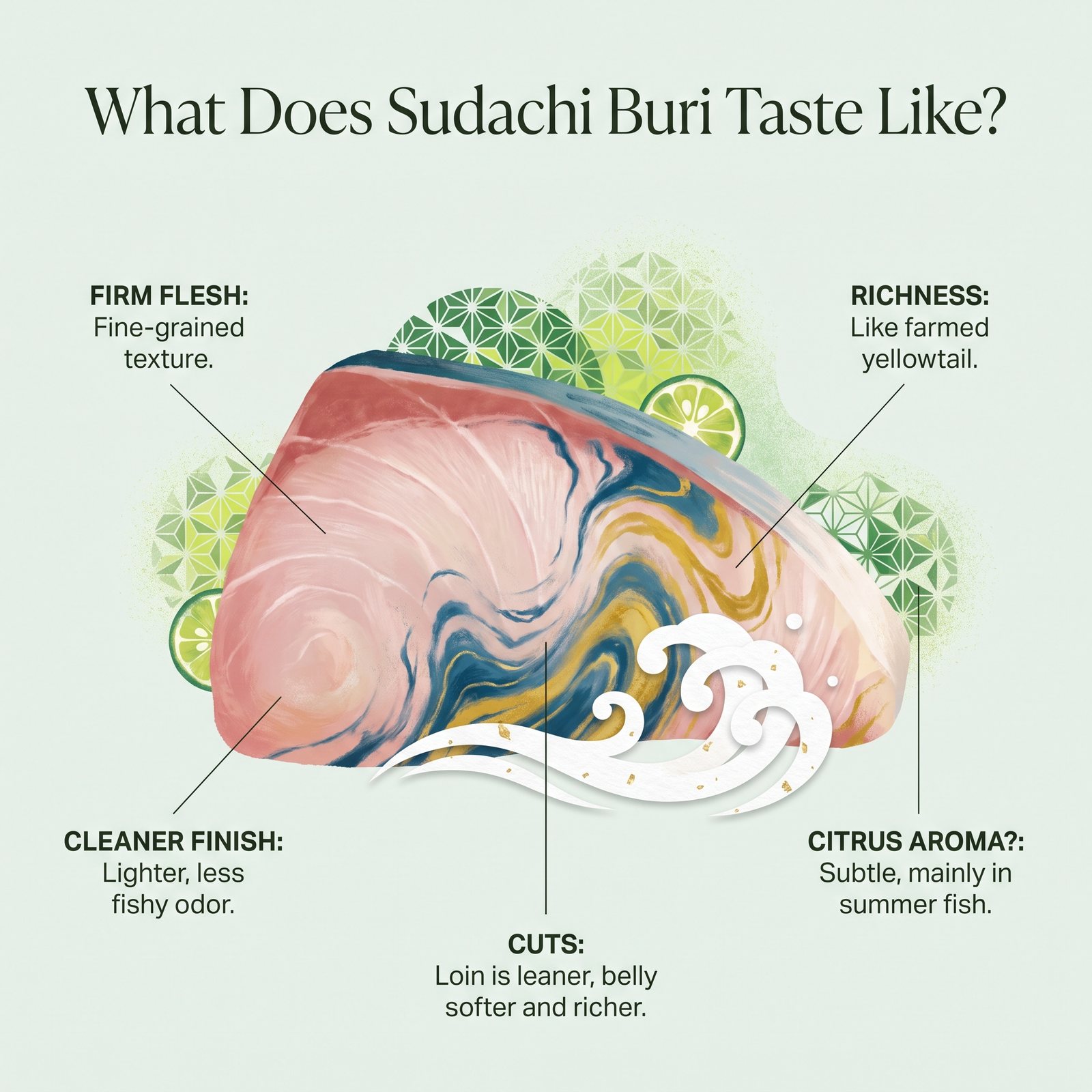
According to its producers, Sudachi Buri combines the richness of farmed yellowtail with a cleaner, lighter finish. The difference is likely to be subtle, because freshness, handling, season, and cut also shape the flavor.
Firm, Fine-Grained Flesh
Producers describe the flesh as firm, with a fine, close grain. When sliced for sashimi, firm flesh holds a clean edge. As with any yellowtail, the loin is leaner and the belly softer and richer.
Rich but Clean on the Finish
Farmed yellowtail can be exceptionally rich, especially in winter. Its makers describe Sudachi Buri as keeping that richness while leaving a cleaner finish with less fishy odor. Still, a well-handled ordinary yellowtail can taste clean, too.
Does the Fish Actually Taste Like Citrus?
Probably not in any reliable way. A 2020 development report explains why. The feed goes through high heat, which removes the sudachi aroma. As a result, the aroma does not normally transfer to the fish.
Even so, the cooperative describes its summer “waka” fish as having a faint sudachi aroma, and it quotes customers who notice the same. That perception is subjective, and the wedge of sudachi on the plate may play a part. So do not expect a citrus-flavored fish.
Where Does Sudachi Buri Come From?
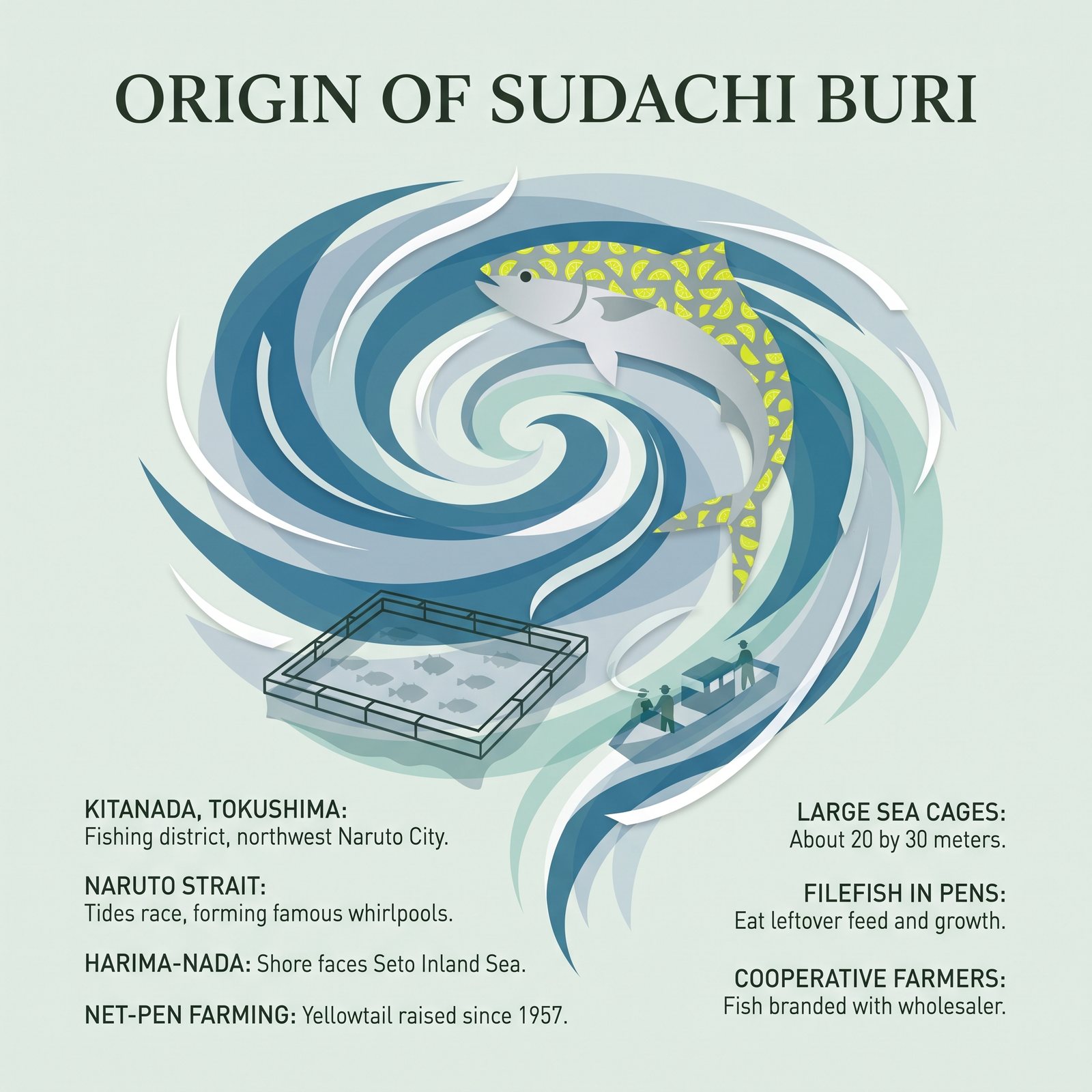
Sudachi Buri comes from Kitanada, a fishing district in the northwest of Naruto City. Unlike the open Pacific coast to the south, its shore faces the Harima-nada, part of the Seto Inland Sea, west of the Naruto Strait.
Kitanada and the Naruto Strait
The Kitanada Fisheries Cooperative manages about 17 km of shoreline near the Kagawa border. Nearby, tides race through the strait and form the famous Naruto whirlpools. Yellowtail farming here has deep roots, too. Tokushima Prefecture dates local net-pen farming in Naruto waters to 1957, and Kitanada growers expanded it in the early 1960s.
Large Sea Cages and Local Currents
Producers especially stress the size of their pens. A 2021 department store feature put the cages at about 20 by 30 meters and called that size rare in Japan. They also say the local currents help circulate water through the large cages.
They associate this environment with firm, fine-textured flesh, although public sources offer no controlled comparison. In addition, the prefecture notes that most Kitanada farmers keep filefish in their pens. These grazers eat leftover feed and growth on the nets, which helps water flow.
Who Makes It
Two partners share the work. The cooperative’s member farmers raise the fish, while Tokushima Uoichiba co-developed the feed with a feed maker. The wholesaler also handles much of the branding and sales.
How Is Sudachi Buri Raised?
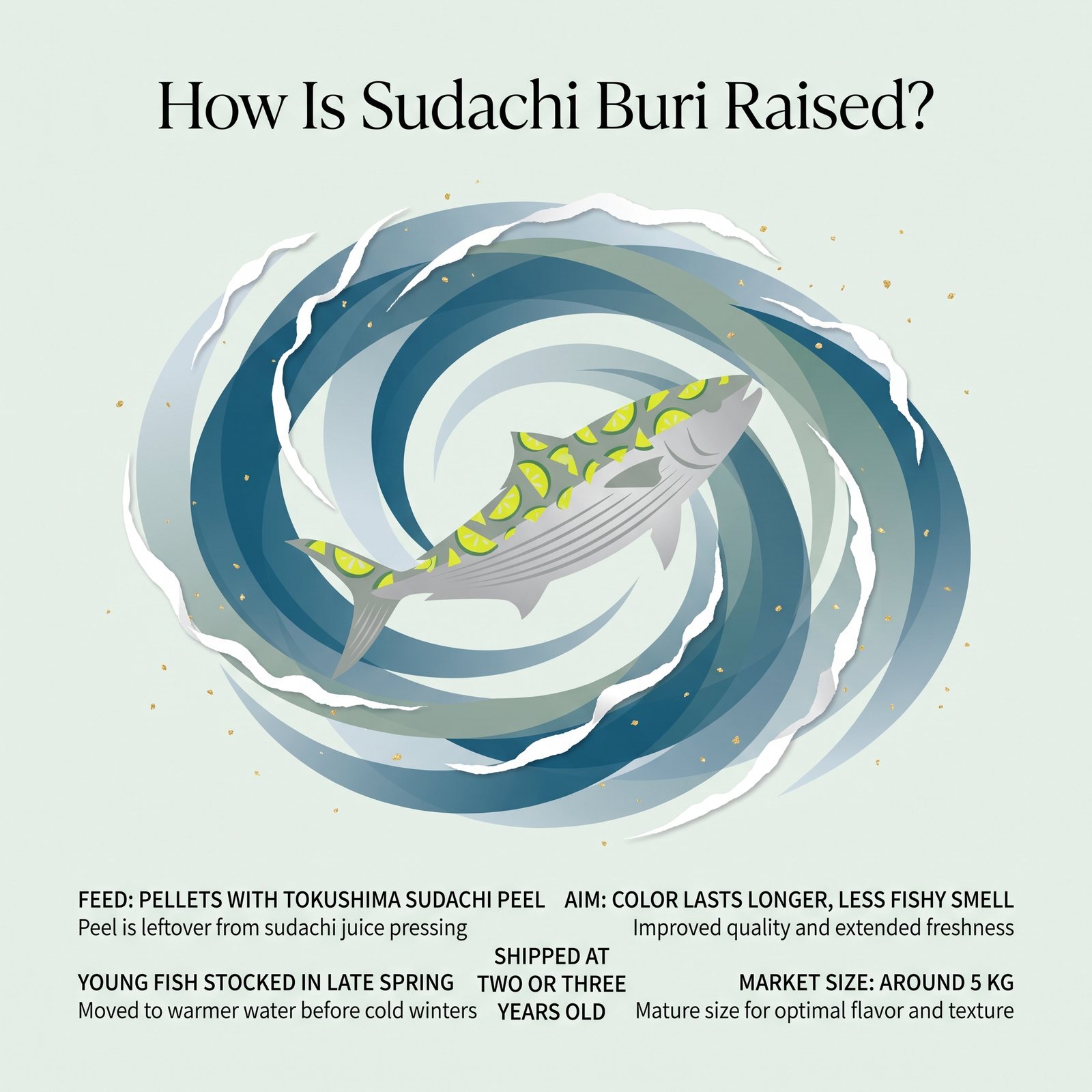
Apart from its feed, Sudachi Buri follows the same basic farming methods as other high-quality Japanese yellowtail. The sudachi element is a deliberate addition rather than a new system.
Feed Made with Tokushima Sudachi Peel
EP feeds for yellowtail generally contain marine and plant-based ingredients, oils, and added nutrients. The exact formula for Sudachi Buri is not public, but its defining addition is Tokushima-grown sudachi peel. Above all, producers say the aim was a fish that keeps its color longer and smells less fishy after slicing.
Turning Citrus By-products into Fish Feed
Tokushima ships about 98 percent of Japan’s sudachi, according to the Geographical Indication (GI) register. Since much of the fruit becomes juice, pressing leaves plenty of peel behind. A 2020 development report describes the feed as using that pressing residue.
Note that the GI protects “Tokushima Sudachi,” the citrus. It does not cover Sudachi Buri, so the fish carries no GI status.
A Farming Year in Kitanada
Growers first stock young fish in late spring. Because the Harima-nada often drops below 10°C between January and April, the prefecture notes that local farmers move some fish to warmer waters before winter. After that, Kitanada farms usually ship yellowtail at two or three years old, at around 5 kg.
Sudachi Buri vs Regular Farmed Yellowtail
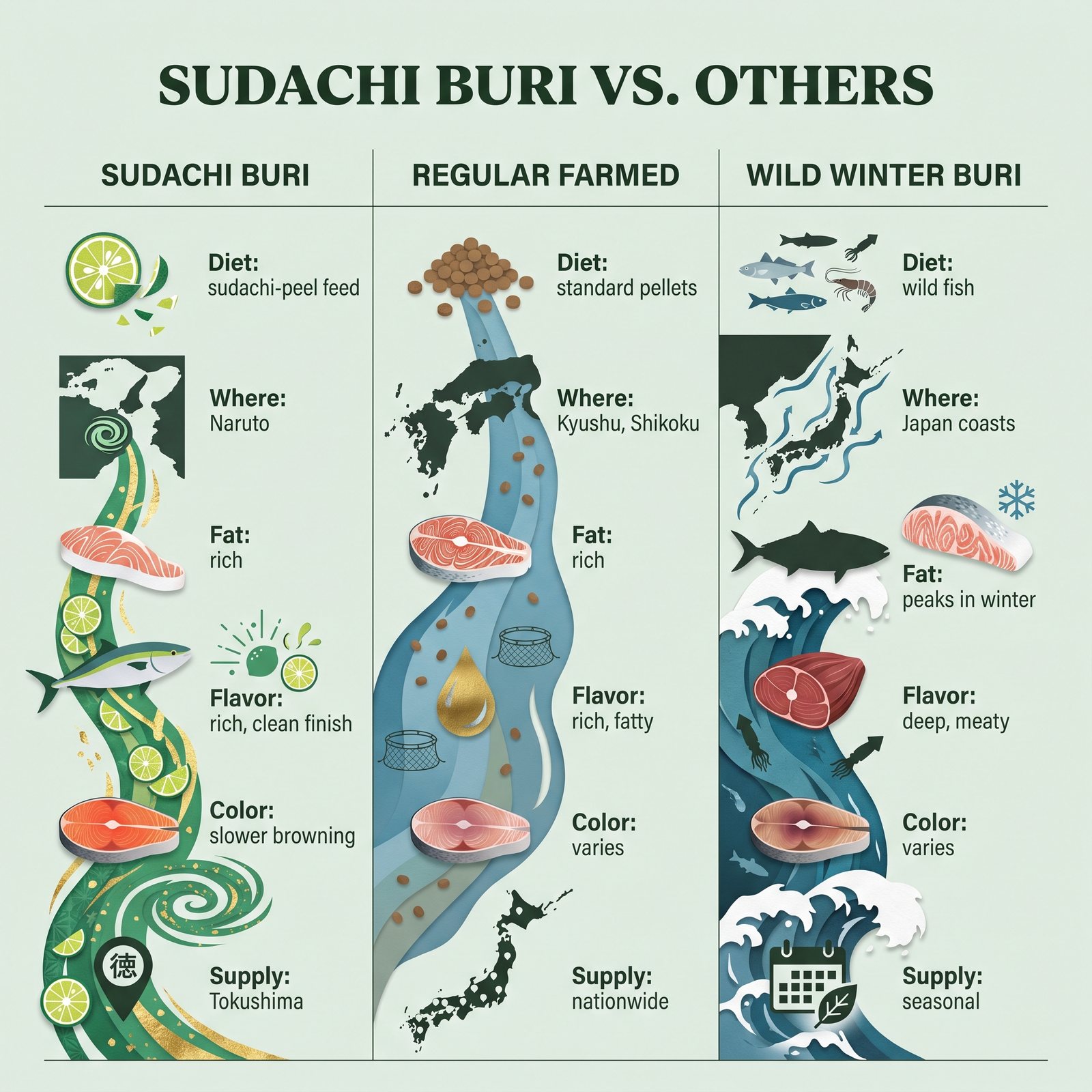
The table below separates producer descriptions from what varies in practice. Keep in mind that “regular” farmed yellowtail is not one standard product. Feed, region, and season all change it.
| Point | Sudachi Buri | Regular farmed yellowtail | Wild winter buri |
|---|---|---|---|
| Diet | EP feed with sudachi peel | Standard EP or moist pellets | Wild sardines, mackerel, squid |
| Where | Kitanada, Naruto | Mainly Kyushu and Shikoku | Japanese coasts, migratory |
| Fat level | Generally rich; varies by size and season | Generally rich year-round | Varies; peaks in winter |
| Flavor notes | Rich, clean finish (producer description) | Typically rich and fatty; varies by producer | Deep, meaty, seasonal |
| Color retention | Producers claim slower browning | Varies by diet, handling, and storage | Varies with handling |
| Availability | Centered in Tokushima; domestic shipping | Nationwide, year-round | Seasonal, often pricey |
Color Retention and Vitamin E
Yellowtail has a band of dark red muscle near the skin. Once sliced, that muscle browns as fats and pigments oxidize, which makes fresh sashimi look old.
The makers say Sudachi Buri contains more vitamin E than ordinary farmed yellowtail, and that this slows browning. They have not published full test details, so treat the size of the difference with care. Even so, the idea has support elsewhere. A study in Nippon Suisan Gakkaishi found that yuzu-supplemented diets reduced dark muscle browning in yellowtail during cold storage.
How to Eat Sudachi Buri
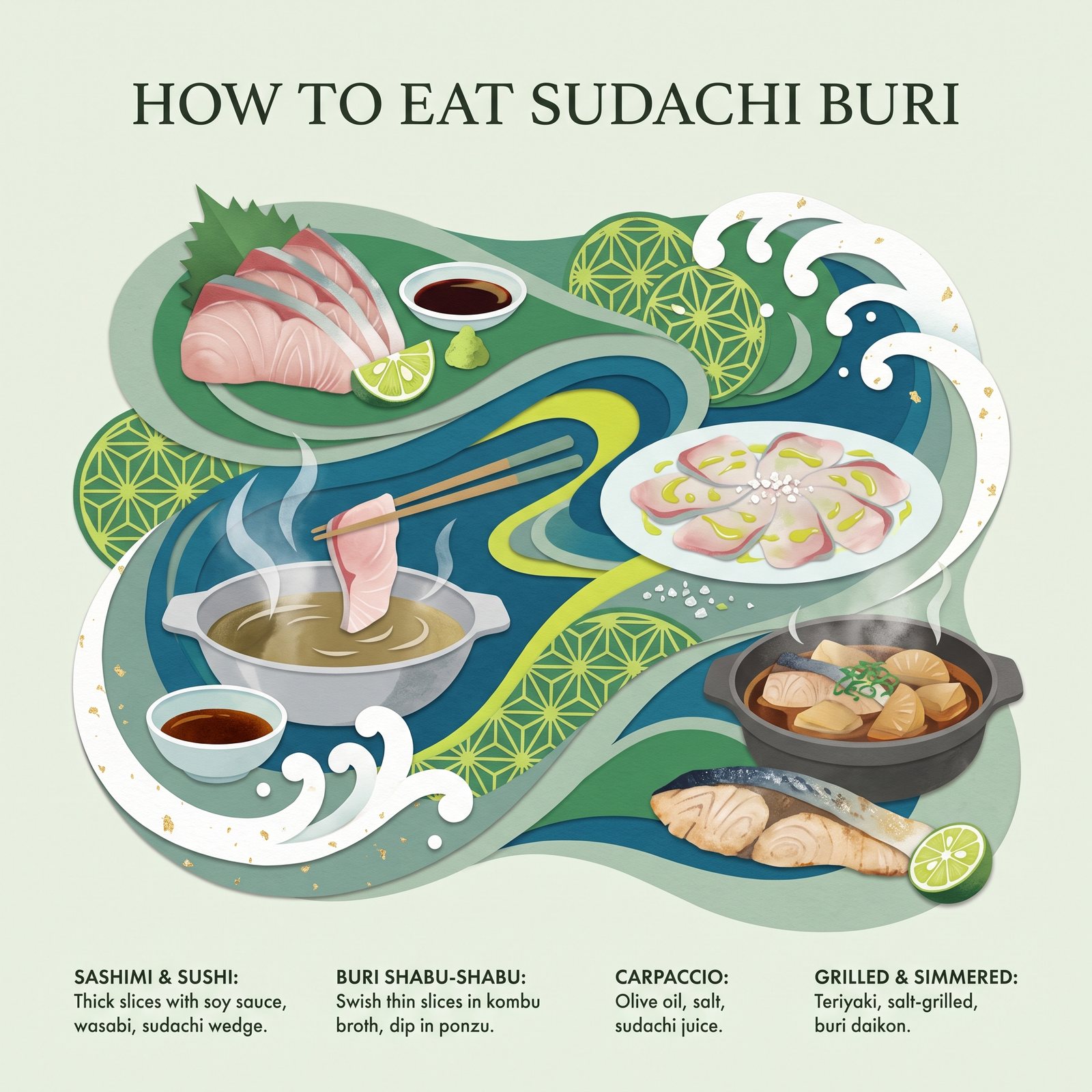
Both partners recommend raw dishes first. Sashimi tops the list, followed by shabu-shabu and Western-style plates with olive oil and salt.
Sashimi and Sushi
Thick-cut sashimi is the classic choice. Serve it with soy sauce, wasabi, and, fittingly, a wedge of sudachi rather than lemon. Nigiri works well, too, because the rice balances the fat.
Buri Shabu-Shabu
For buri shabu-shabu, swish thin slices through simmering kombu broth for a few seconds. The surface turns opaque while the center stays rare. Then dip each slice in ponzu and eat it with thin strips of daikon or leek.
Carpaccio with Olive Oil and Sudachi
Tokushima Uoichiba suggests olive oil and salt, and a carpaccio fits that idea neatly. Here, sudachi juice replaces lemon and adds a sharper, more herbal edge. If you cannot find sudachi, lime is the closest stand-in, although it tastes sweeter. Our shikuwasa guide compares several Japanese citrus fruits.
Sudachi Buri Carpaccio
Ingredients
- 150 g sashimi-grade Sudachi Buri (or other yellowtail)
- 2 sudachi (or 1 lime)
- 1 1/2 tbsp extra virgin olive oil
- Flaky sea salt
- 1/2 tsp light soy sauce
- A few thin slices of red onion
- Baby greens or shiso leaves
- Black pepper
Instructions
- Chill a serving plate in the refrigerator.
- Slice the fish thinly against the grain, about 3 to 4 mm thick.
- Lay the slices on the cold plate in a single, slightly overlapping layer.
- Whisk the juice of one sudachi with the olive oil and soy sauce.
- Spoon the dressing over the fish, then add onion and greens.
- Finish with salt, pepper, and thin rounds of the second sudachi.
Grilled and Simmered Preparations
Farmed yellowtail stays moist when cooked because of its fat, so it suits teriyaki and salt grilling. Meanwhile, the head and collar make excellent buri daikon, the winter dish of yellowtail simmered with radish.
When Is Sudachi Buri in Season?
-1024x681.jpg)
Sudachi Buri appears in two main forms during the year, and size and fat change with the season.
Sudachi Wakaburi in Summer
In summer, the cooperative sells younger fish as Sudachi Wakaburi, or “waka” for short. Because they weigh only about 3 to 4 kg, they carry less fat. The cooperative lists them for roughly June to September, and they suit people who find winter buri too rich.
Full-Size Fish from Late Autumn
By about November, the fish reach full Sudachi Buri size of around 5 kg. That timing also matches Japan’s habit of treating yellowtail as a winter fish. Late autumn through winter is therefore a good time to plan a visit.
Where to Eat or Buy Sudachi Buri
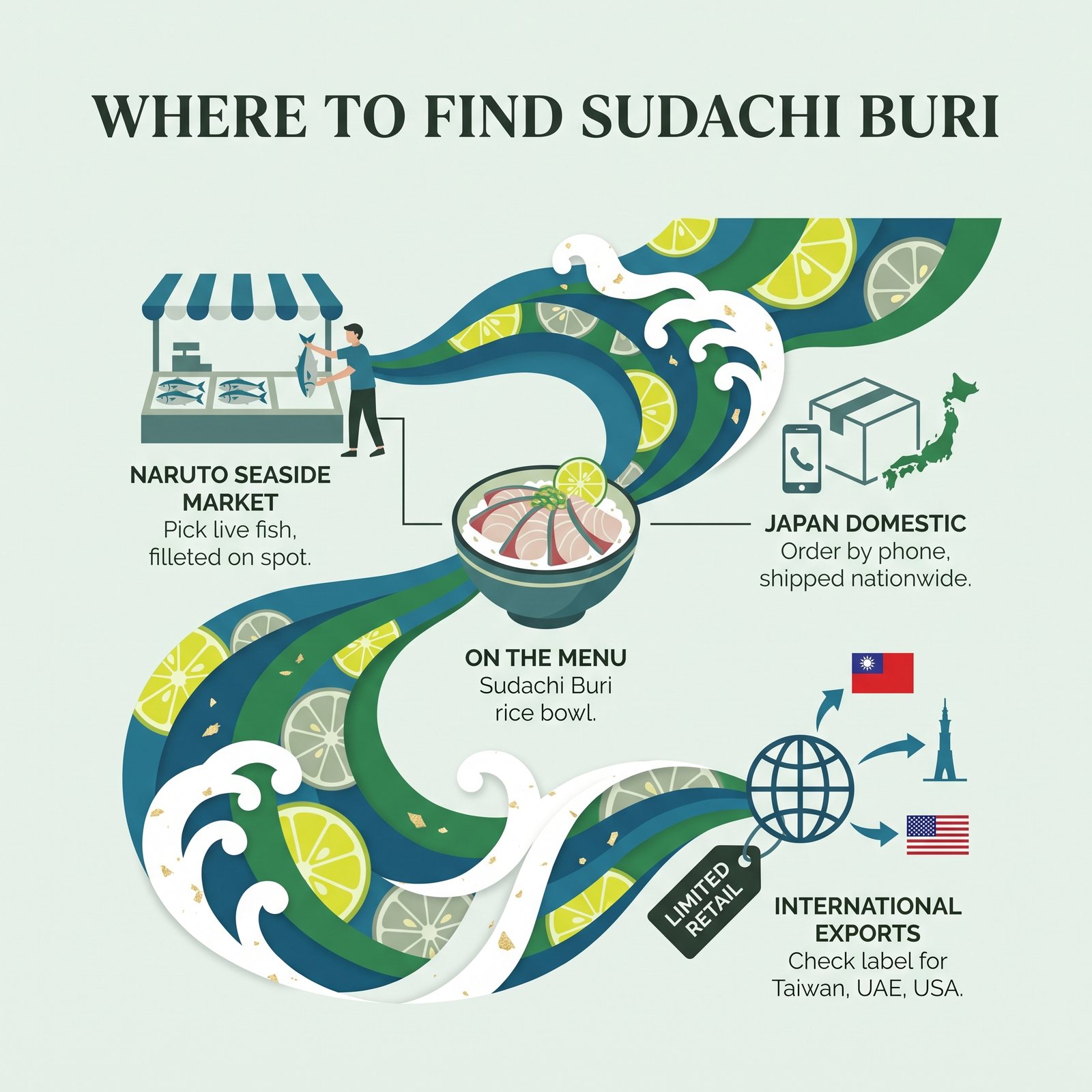
Your best chance of tasting Sudachi Buri is in Tokushima itself, although some fish now travel farther.
JF Kitanada Sakana-ichi in Naruto
The cooperative runs JF Kitanada Sakana-ichi, a direct-sale market and seaside stop in Kitanada. Visitors pick live fish from large tanks, then staff fillet them on the spot for eating on the terrace. The menu also includes a Sudachi Buri rice bowl.
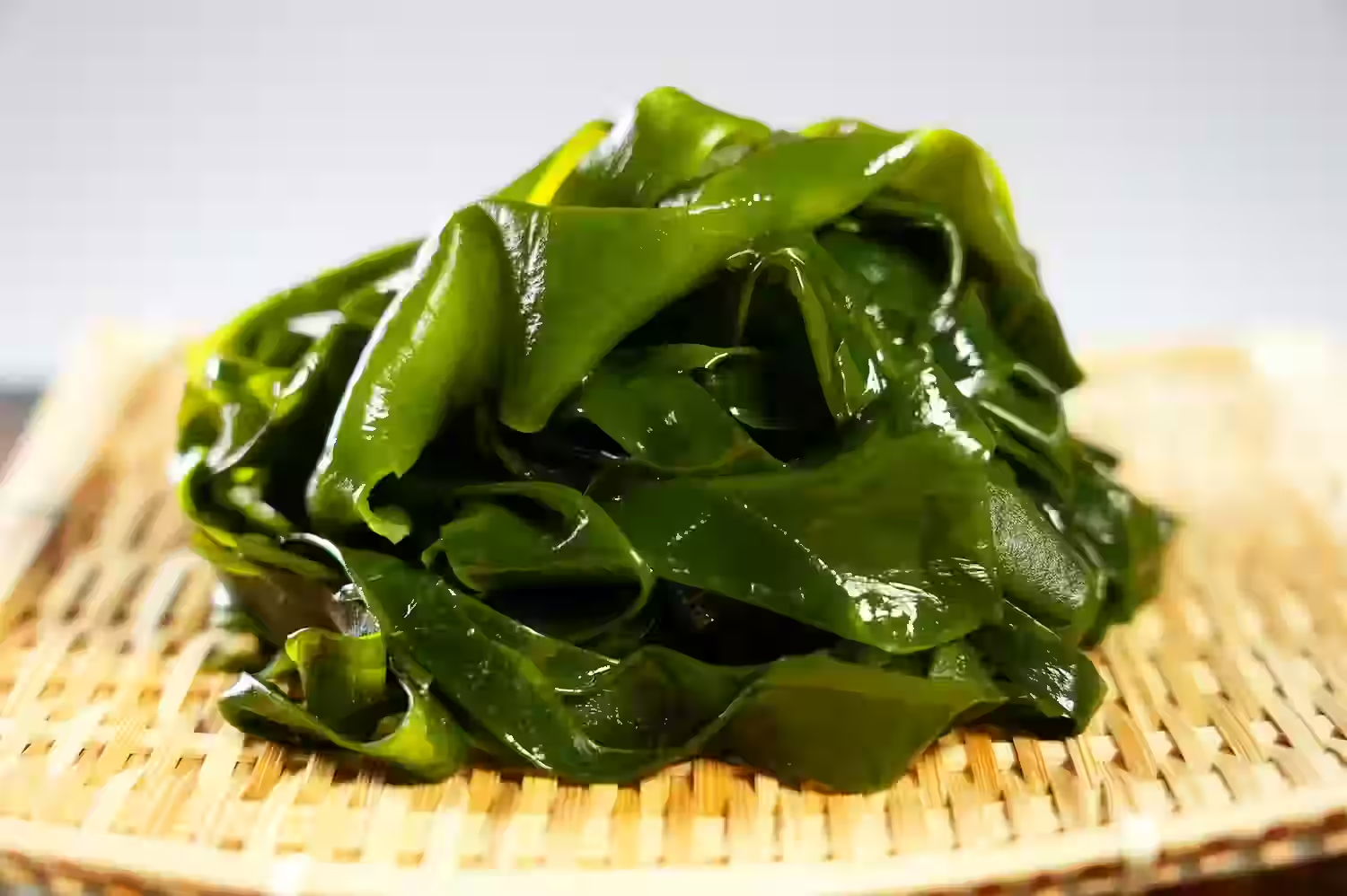
The market sits about 10 minutes’ drive west of the Naruto interchange, so a car helps. While there, look for Naruto wakame, another local specialty sold at the same counter. Prices change with season and size, so check on arrival.
Buying Sudachi Buri in Japan
For buyers in Japan, the cooperative takes Sudachi Buri orders by phone and ships nationwide. It asks buyers to call, since timing and fish size need discussion.
Availability Outside Japan
Tokushima Uoichiba exports seafood, including frozen fillets and semi-dressed products, to markets such as Taiwan, the UAE, and the United States. A fiscal 2025 MAFF case study identifies Sudachi Buri as one of the company’s main farmed fish products for export.
Retail availability abroad remains limited, however. Ask Japanese seafood importers or sushi restaurants, and check that the label says Sudachi Buri rather than just “Japanese yellowtail.”
Nutrition: What We Can and Cannot Say
Like other farmed yellowtail, Sudachi Buri provides protein and marine omega-3 fats, but its exact composition varies with age, season, cut, and feed. Public sources do not offer enough brand-specific data for a detailed nutrition comparison.
Producers report a higher vitamin E content than standard farmed yellowtail. That claim concerns quality, such as slower browning. It does not mean the fish treats or prevents any disease, and the makers do not say so.
Why Sudachi Buri Matters to Tokushima
-1024x576.jpg)
Sudachi Buri brings together two Tokushima specialties: yellowtail aquaculture and sudachi citrus. By using local citrus peel in fish feed, the brand also gives a food-processing by-product a practical second use.
Even so, the fish should not be expected to taste strongly of citrus. Instead, its appeal lies in firm flesh and the clean, refreshing finish its producers describe. The simplest way to understand it is as sashimi, served with a wedge of fresh sudachi. For more ideas nearby, browse our Shikoku food guide.
Frequently Asked Questions About Sudachi Buri
Basics
- What is Sudachi Buri?
-
Sudachi Buri is a branded Japanese yellowtail farmed in Kitanada, Naruto, in Tokushima Prefecture. Its feed contains Tokushima sudachi peel. Producers describe it as firm and clean on the finish.
- Is Sudachi Buri a type of yellowtail?
-
Yes, it is Japanese yellowtail, also called Japanese amberjack. Its scientific name is Seriola quinqueradiata. “Sudachi Buri” is a brand name, not a separate species.
- What is buri called in English?
-
In English, buri is usually called yellowtail or Japanese amberjack. Restaurants abroad often say hamachi instead. In Japan, however, the two names mark different sizes of the same fish.
- Is Sudachi Buri farm-raised?
-
Yes, all Sudachi Buri is farmed. Member farmers of the Kitanada Fisheries Cooperative raise the fish in large sea pens. After all, a citrus-based feed would not be possible with wild fish.
Taste, Season, and Buying
- Does Sudachi Buri taste like citrus?
-
Generally, no. A development report says heat processing removes the sudachi aroma from the feed. So any citrus note you notice usually comes from the sudachi served alongside.
- When is Sudachi Buri in season?
-
Younger “waka” fish of 3 to 4 kg sell in summer. Full-size fish of around 5 kg appear from about November. Winter suits classic dishes such as buri shabu-shabu.
- Can you buy Sudachi Buri outside Japan?
-
Tokushima Uoichiba exports seafood to markets including Taiwan, the UAE, and the United States. MAFF also identifies Sudachi Buri as a major farmed product in its export program. Retail availability abroad, however, remains limited.
References
- Tokushima Uoichiba Co., Ltd. – Product Introduction: Sudachi Buri Fish (Accessed October 2026)
- Tokushima Uoichiba Co., Ltd. – Aquaculture Fish, Department No.3 (Accessed October 2026)
- Tokushima Uoichiba Co., Ltd. – SDGs Initiatives: MEL certification and the Sudachi Buri brand (Accessed October 2026)
- JF Kitanada Sakana-ichi – Official site: Brand fish Sudachi Buri (Accessed October 2026)
- JF Kitanada Sakana-ichi – Sudachi Buri landing news: vitamin E and color retention (Accessed October 2026)
- JF Kitanada Sakana-ichi – Eat and Take Home: Sudachi Buri “Waka,” June to September, 3 to 4 kg (Accessed October 2026)
- JF Kitanada Sakana-ichi – Recommended fresh fish: Sudachi Wakaburi and customer comments on a faint sudachi aroma (Accessed October 2026)
- Kitanada Fisheries Cooperative – Cooperative overview: 17 km coastline (Accessed October 2026)
- JF Kitanada Sakana-ichi – Contact: phone orders and nationwide shipping (Accessed October 2026)
- Tokushima Prefecture – Cultured Yellowtail (Yoshoku Buri): farming history since 1957, Sudachi Buri from 2015 (Accessed October 2026)
- Japan Tourism Agency Multilingual Commentary Database – Fish in the Naruto Strait: Yellowtail, prepared FY2019 (Accessed October 2026)
- World Register of Marine Species (WoRMS) – Seriola quinqueradiata Temminck & Schlegel, 1845, AphiaID 276651 (Accessed October 2026)
- Japan GI Products Information Website – Tokushima Sudachi, GI Registration No. 129, 98% of national shipments (Accessed October 2026)
- MAFF Chugoku-Shikoku Regional Agricultural Administration Office – Tokushima Uoichiba export case study, FY2025 (Accessed October 2026)
- Daimaru Umeda – JF Kitanada Sakana-ichi feature: 20 m by 30 m sea cages, 2021 (Accessed October 2026)
- J-STAGE – Effects of yuzu juice-supplemented diets on prevention of dark muscle discoloration during storage in yellowtail Seriola quinqueradiata. Nippon Suisan Gakkaishi, 76(4), 2010 (Accessed October 2026)
- PubMed Central – Quality assessment of yellowtail (Seriola quinqueradiata) meat cultured in an offshore floating flexible facility (Accessed October 2026)
- Norinchukin Research Institute – Onaka, K. (2020). Development and sales of “Sudachi Buri” through collaboration between Tokushima Uoichiba and the Kitanada Fisheries Cooperative. Nochu Soken Chosa to Joho, No. 80, pp. 28–29 (Accessed October 2026)
Related Articles
- Buri (鰤) (Surveyed: October 2026)
- Buri Daikon (ブリ大根) (Surveyed: October 2026)
- Naruto Wakame (鳴門わかめ) (Surveyed: October 2026)
- Shikoku Food Guide: Must-Try Dishes and Culinary Culture (Surveyed: October 2026)




Comments