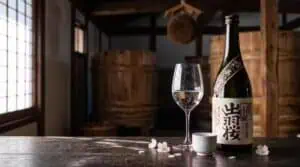
The brewery describes Urakasumi Zen as gently fruity, fresh, and moderately savory. Zen is restrained rather than strongly perfumed, which makes it, in our view, an easy partner for sushi and grilled fish. Yet behind the bottle lies a remarkable piece of sake history. A technician at a Miyagi brewing laboratory isolated the strain later known as Kyokai Yeast No. 12 from Urakasumi’s ginjo mash.
Urakasumi (浦霞) is made by Saura Co., Ltd., a Miyagi brewery founded in 1724. This guide covers which bottle to try first and how the main releases taste. It also explains why the yeast mattered and what to know before you visit the brewery’s sake gallery.
TOC
What Is Urakasumi Sake?
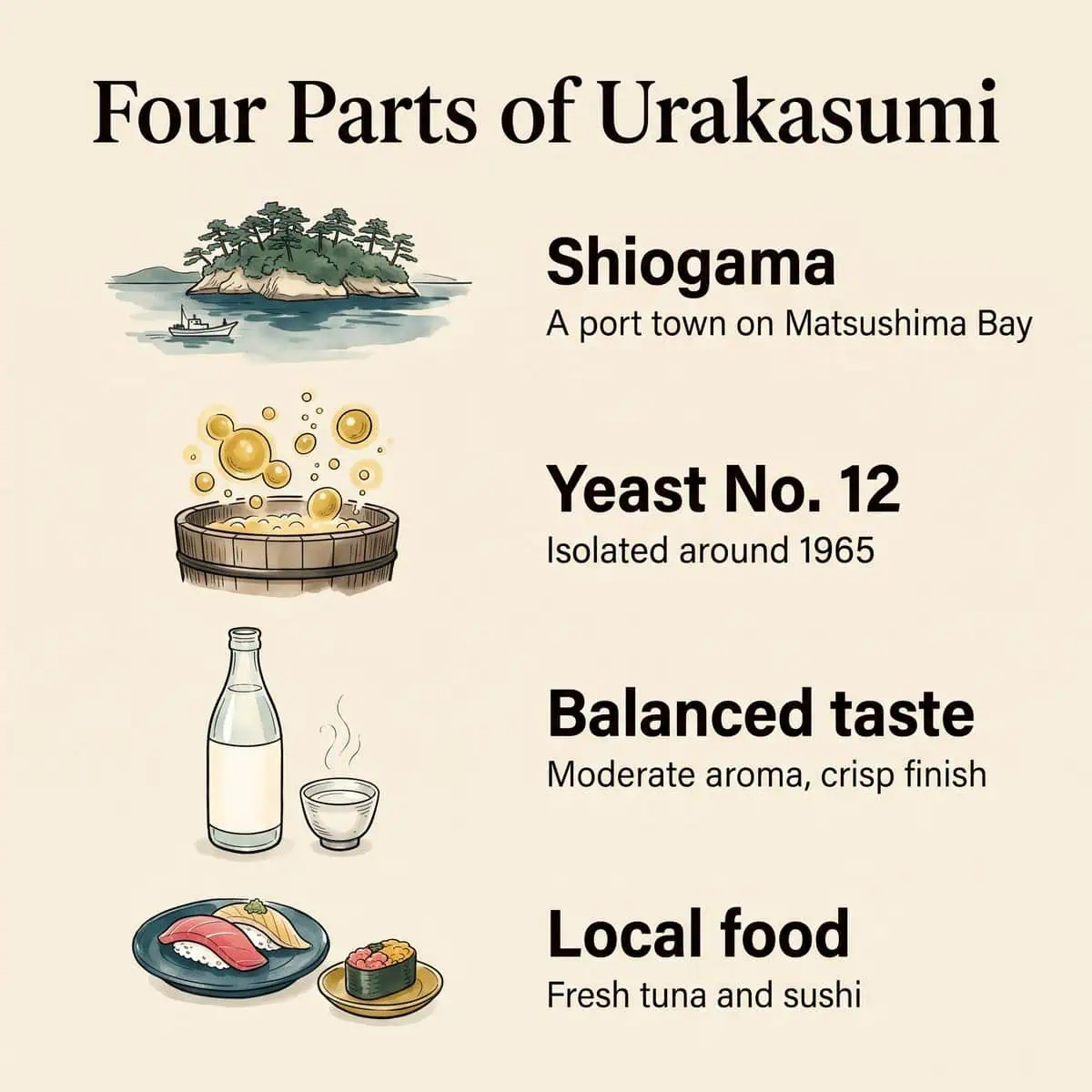
Urakasumi is a sake brand made by Saura Co., Ltd. (株式会社佐浦) in Shiogama, Miyagi Prefecture. Founded in 1724, the brewery is especially important because Kyokai Yeast No. 12 was isolated from its ginjo mash around 1965. Today, its range includes the long-running flagship Urakasumi Zen and the modern No.12 series.
Quick Facts
Brand
Urakasumi (浦霞)
Producer
Saura Co., Ltd. (株式会社佐浦)
Location
Shiogama, Miyagi Prefecture, a Pacific port near Sendai in northeastern Japan
Founded
1724, during the Edo period
Yeast link
Kyokai Yeast No. 12 was isolated from its ginjo mash around 1965
Signature bottle
Urakasumi Zen, a Junmai Ginjo first released in 1973
Yeast-themed range
The No.12 series, brewed with Kyokai Yeast No. 12
Visitor stop
Urakasumi Sake Gallery, about a 7-minute walk from Hon-Shiogama Station
Urakasumi is a range, so do not expect one flavor. Instead, it runs from light Junmai Ginjo to kimoto Junmai meant for warming, plus sparkling and seasonal releases. Across those bottles, though, the brewery’s notes keep pointing to moderate aroma, lively acidity, and a crisp finish rather than loud perfume.
Which Urakasumi Should You Try First?
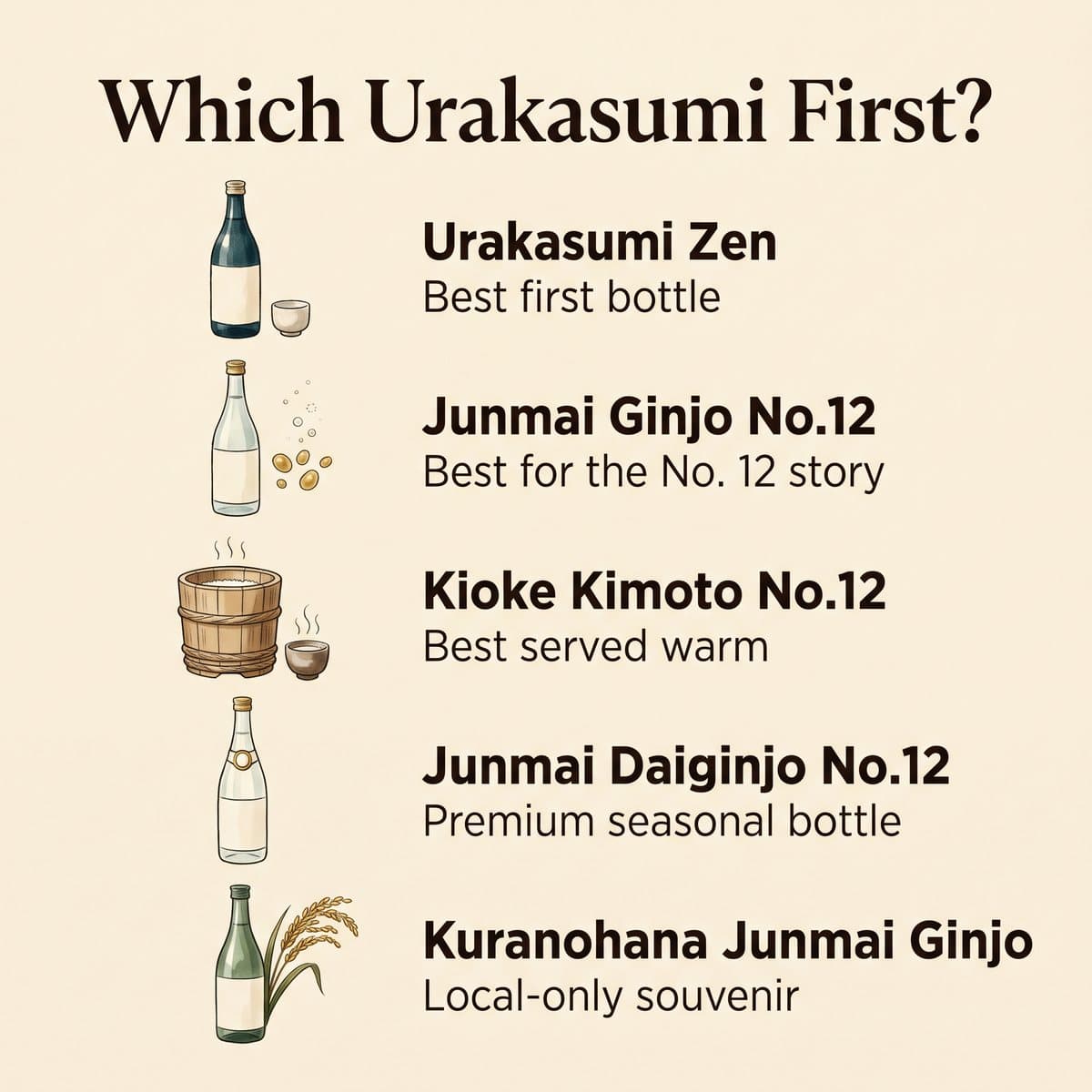
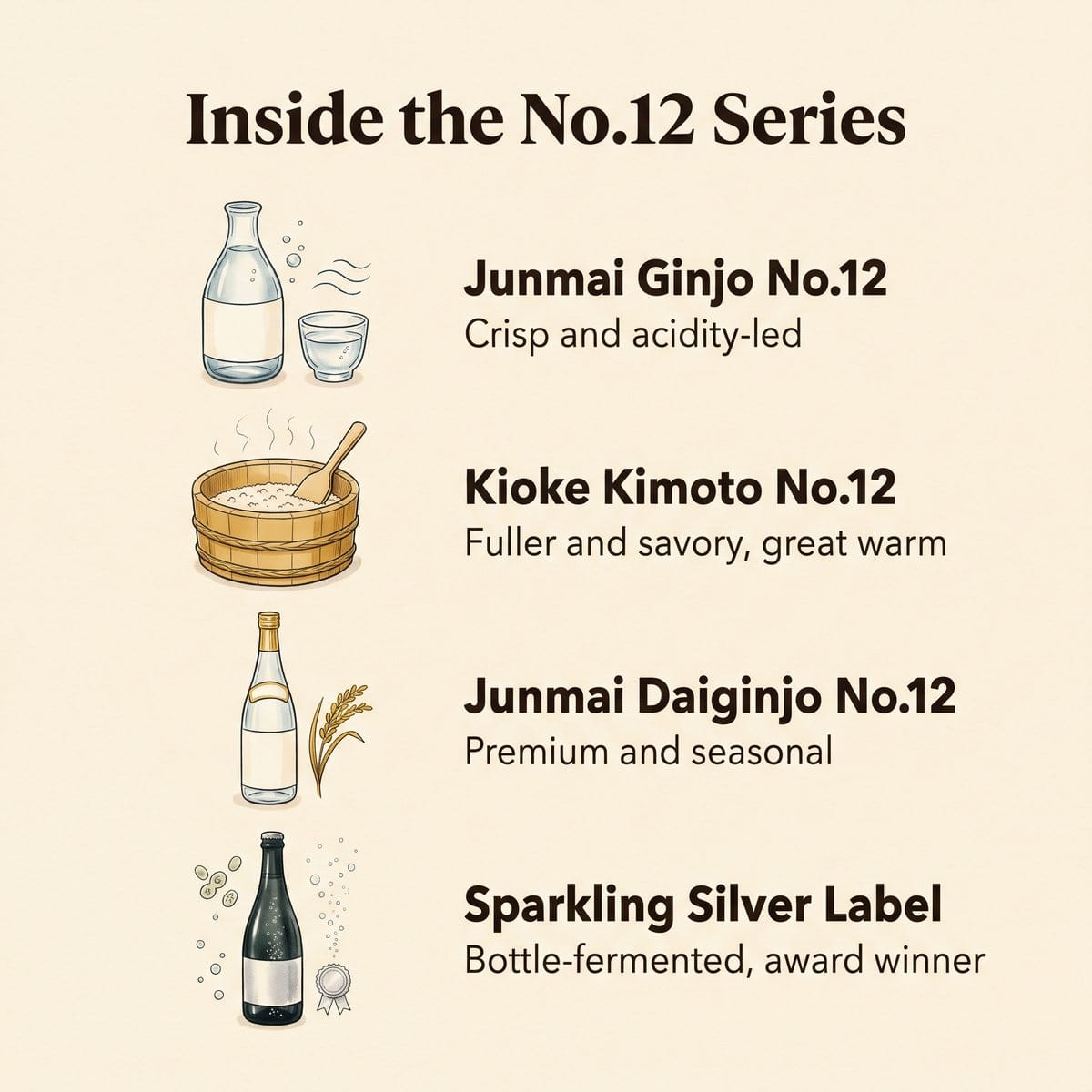
Choose Urakasumi Zen for the brewery’s established, food-friendly Junmai Ginjo style. If you specifically want a bottle made with Kyokai Yeast No. 12, choose the Junmai Ginjo Urakasumi No.12 instead. For warm sake, start with the richer Kioke Kimoto No.12, and for a premium seasonal option, look for the Junmai Daiginjo No.12.
We checked product specifications and official flavor descriptions against Saura’s product pages on October 26, 2026. Suggested starting temperatures and food pairings are our editorial recommendations, not exclusive serving rules, since the brewery lists a wide range for each bottle. Prices differ slightly between its brand pages and online shop, so please confirm them on the official product pages.
How to Spot the No.12 Bottles
In the brewery’s current lineup, products in the yeast-themed series carry “No.12” in the name. For other Urakasumi bottles, check the listed yeast rather than inferring it from the brand. Zen’s current product page, for instance, does not list a yeast strain at all.
What Does Urakasumi Taste Like?
Urakasumi usually favors balance rather than highly perfumed sweetness. Zen combines gentle fruit with moderate savory depth, while the Junmai Ginjo No.12 feels brighter and more acidity-led. The kimoto No.12 is fuller and more savory, and the brewery says it is especially expressive when warmed. So Urakasumi is better understood as a range than a single flavor profile.
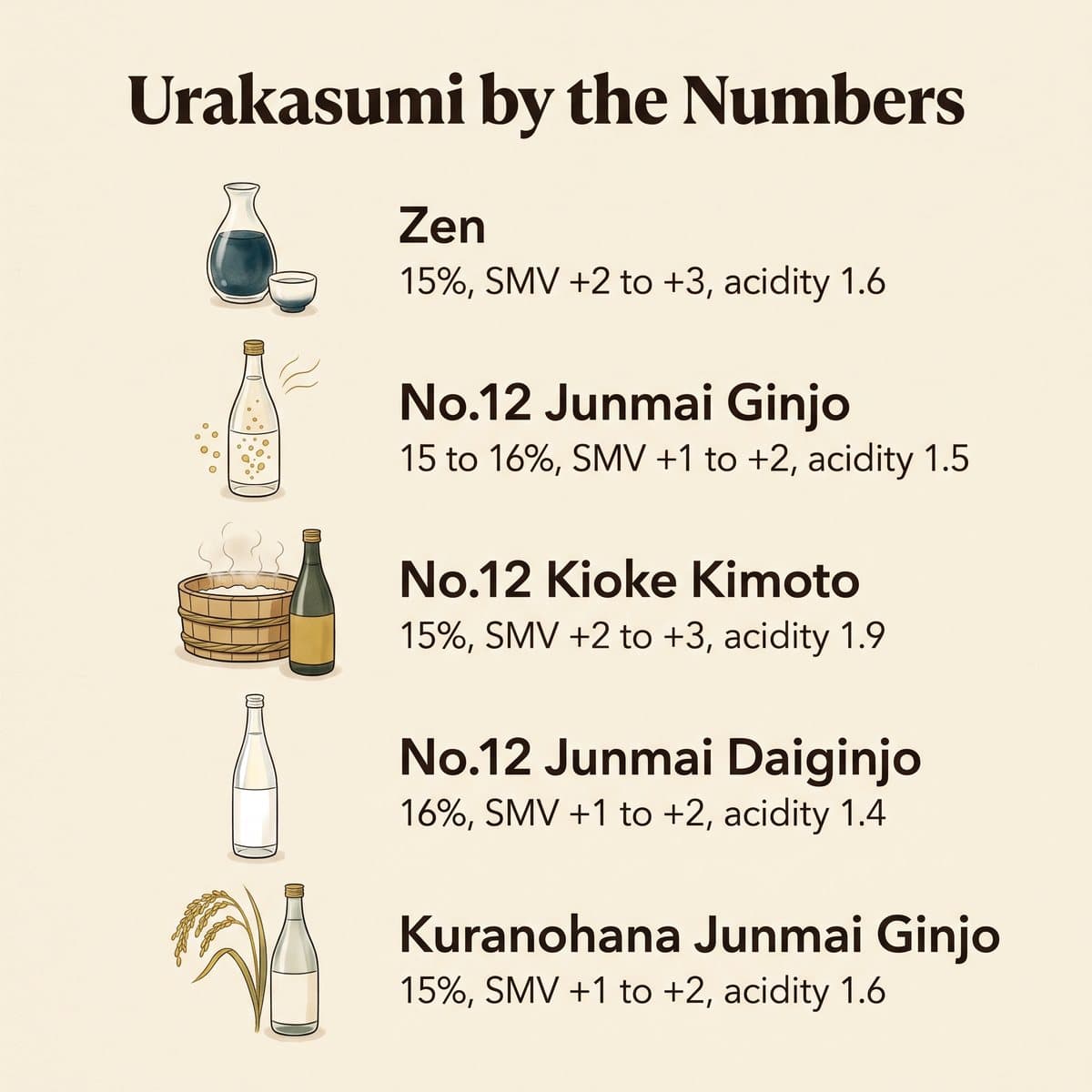
Then there are the numbers. Between Zen and the No.12 Junmai Ginjo, Zen has slightly higher acidity and a higher sake meter value. The brewery’s notes for No.12 stress a refreshing aroma, while those for Zen stress gentle fruit and moderate umami. Honestly, though, the easiest way to decide is to taste them side by side.
Bottle
Alcohol
SMV
Acidity
Zen
15%
+2 to +3
1.6
No.12 Junmai Ginjo
15–16%
+1 to +2
1.5
No.12 Kioke Kimoto
15%
+2 to +3
1.9
No.12 Junmai Daiginjo
16%
+1 to +2
1.4
Kuranohana Junmai Ginjo
15%
+1 to +2
1.6
A positive sake meter value (SMV) often points toward a drier impression, but it is not a direct sweetness score. After all, acidity, alcohol, aroma, and temperature all change how dry a sake tastes. For example, the kimoto No.12 has the highest acidity here, so it may feel fuller and sharper. Our guide on how to taste sake and read its specs explains more.
Why Is Urakasumi Famous for Kyokai Yeast No. 12?
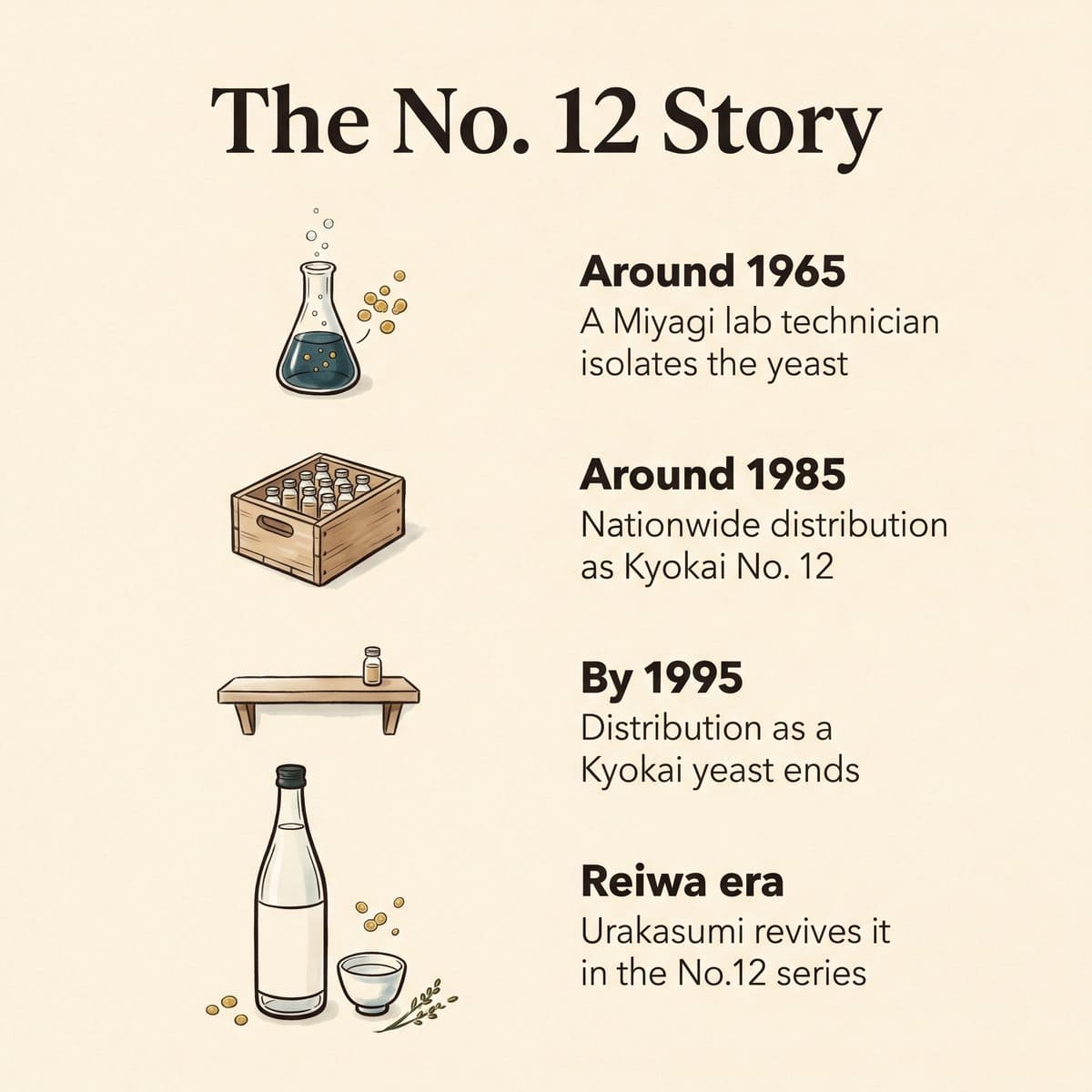
Urakasumi is famous for both its long history and its link to Kyokai Yeast No. 12. The strain was isolated from an Urakasumi ginjo mash around 1965 and distributed to breweries across Japan from around 1985. Today, the brewery uses it again, so you can taste it in the No.12 series.
Where the Yeast Came From
Yeast is the microbe that turns sugar into alcohol, and it also creates many aroma compounds as it works. “Kyokai” literally means “association,” but here it refers to standardized yeast cultures distributed by the Brewing Society of Japan. The society began distributing pure cultures in 1906, and each strain carries a number. Our guide to what sake yeast does covers the basics.
Still, Urakasumi did not invent the strain. According to the brewery, a technician at a Miyagi brewing laboratory isolated it around 1965. The lab belonged to the prefecture’s sake brewers cooperative, and the source was Urakasumi’s ginjo moromi, the fermenting sake mash. A 1985 technical paper from that laboratory dates the isolation to brewing year 1965, which spans 1965 and 1966.
The No. 12 Story
Around 1965A Miyagi laboratory technician isolates a yeast from Urakasumi’s ginjo moromi.
Around 1985The Brewing Society of Japan begins distributing it nationwide as Kyokai No. 12.
By 1995Its distribution as a Kyokai yeast had ended, according to the Nada Sake Research Association.
Reiwa eraUrakasumi revives brewing with No. 12 and launches its No.12 series.
The Nada Sake Research Association, a group of sake brewers, also lists two nicknames. Brewers called it Urakasumi yeast as well as the first-generation Miyagi yeast. It says the strain remained in distribution until 1995. As for what happened next, the brewery explains that ginjo tastes shifted and the yeast fell out of use. Then, in Japan’s Reiwa era, which began in 2019, Urakasumi brought it back.
What the Yeast Changes in Sake
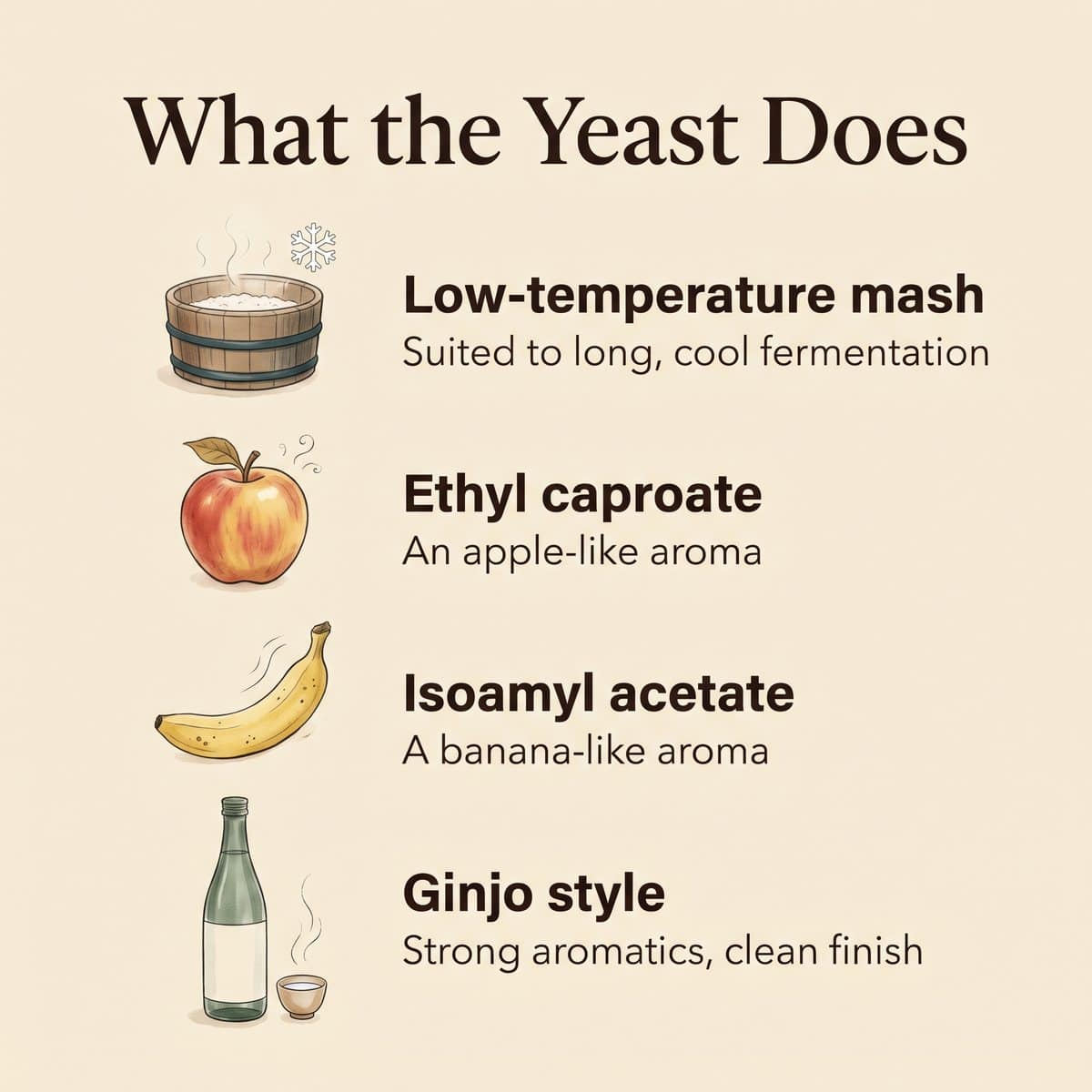
The Nada association describes No. 12 as suited to moromi kept at low temperatures, with strong aromatics that fit ginjo sake. More broadly, sake yeast produces fruity compounds as it ferments, according to a 2015 review. Two key ones, for example, are ethyl caproate, which smells like apple, and isoamyl acetate, which smells like banana. That review does not test No. 12, so it explains the mechanism rather than this strain’s exact profile.
Urakasumi’s own history adds a detail: its earlier ginjo sake once gave off a strawberry-like aroma. Of course, that is the brewery’s memory, not a lab result. Even so, it hints at why brewers found the yeast worth sharing.
Why the Same Yeast Does Not Mean the Same Flavor
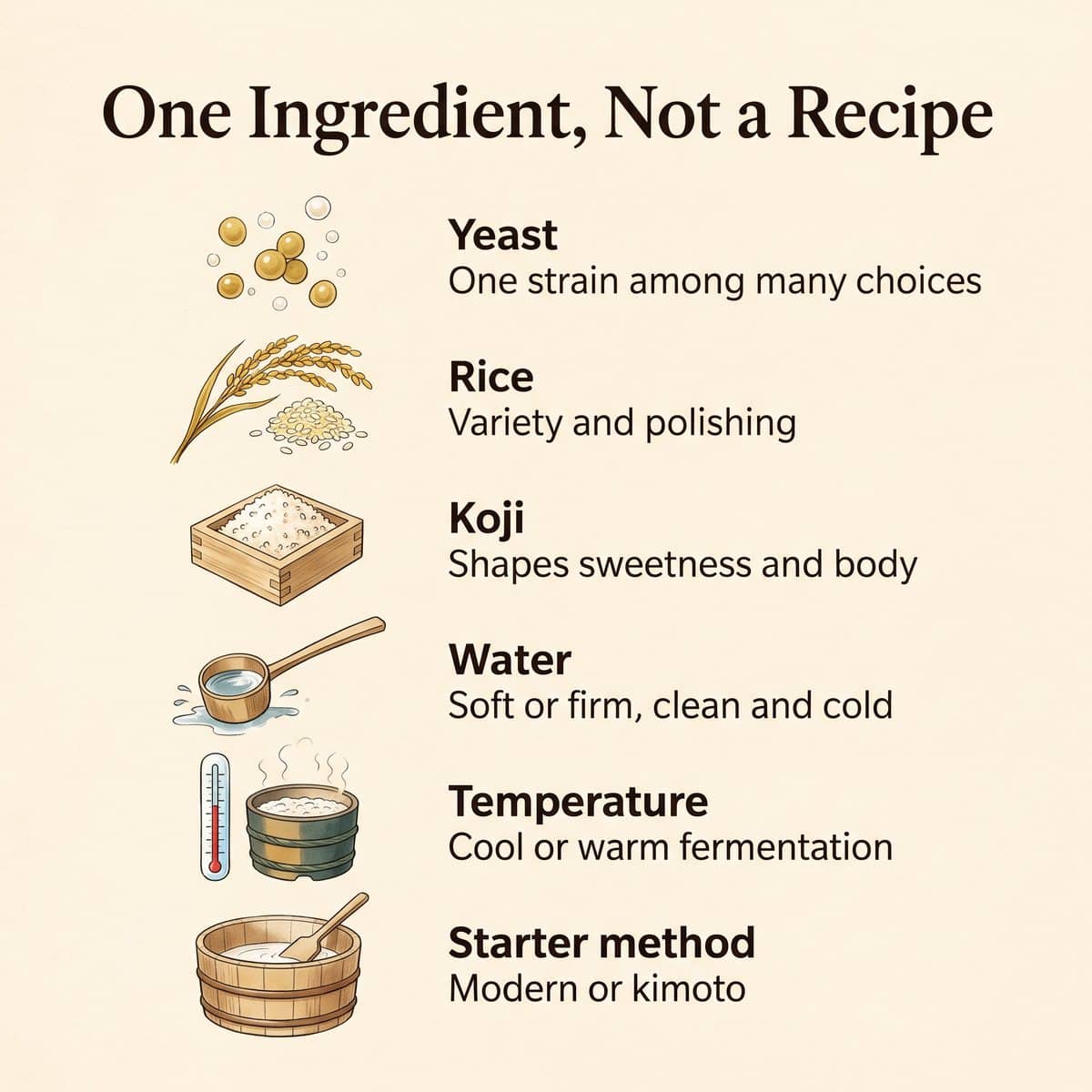
A yeast strain is one ingredient, not a recipe. Rice, koji, water, temperature, and the starter method also change the result. Urakasumi’s own No.12 bottles show this clearly. One is a crisp, acidity-led Junmai Ginjo, while another is a fuller kimoto Junmai that becomes more savory when warmed. Shared strains gave brewers a reliable starting point, but no single yeast shaped modern sake on its own.
Inside the No.12 Series: Wooden Tubs and Bubbles
Each No.12 bottle uses Kyokai Yeast No. 12 but takes it in a different direction. Two of them need more explanation than a table can give.
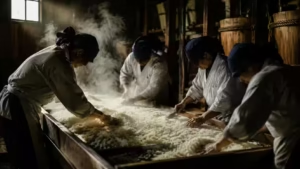
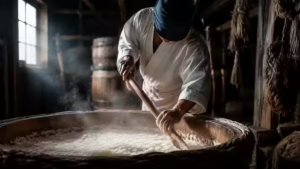
Kioke Kimoto Junmai Urakasumi No.12 pairs No. 12 with kimoto, the traditional yeast starter. First, kimoto brewers mix steamed rice, koji, and water in shallow tubs. Then they grind the rice and koji with paddles, a step called moto-suri or yama-oroshi. This creates conditions in which lactic acid bacteria can develop before the main fermentation. At the end of 2024, the brewery introduced half-cut tubs of Miyagi cedar for this step. As a result, it says the sake now uses wooden vessels throughout the process. This is not barrel aging like wine or whisky, though. Instead, the tubs serve the brewing steps, including moto-suri, rather than mainly adding a wood flavor to the finished sake.
The series also includes a bottle-fermented Urakasumi No.12 Sparkling Silver Label. The brewery announced that it won the sparkling category at the Oriental Sake Awards 2025 in Hong Kong. Our guide to sparkling sake explains the style.
The History of Saura and the Urakasumi Name
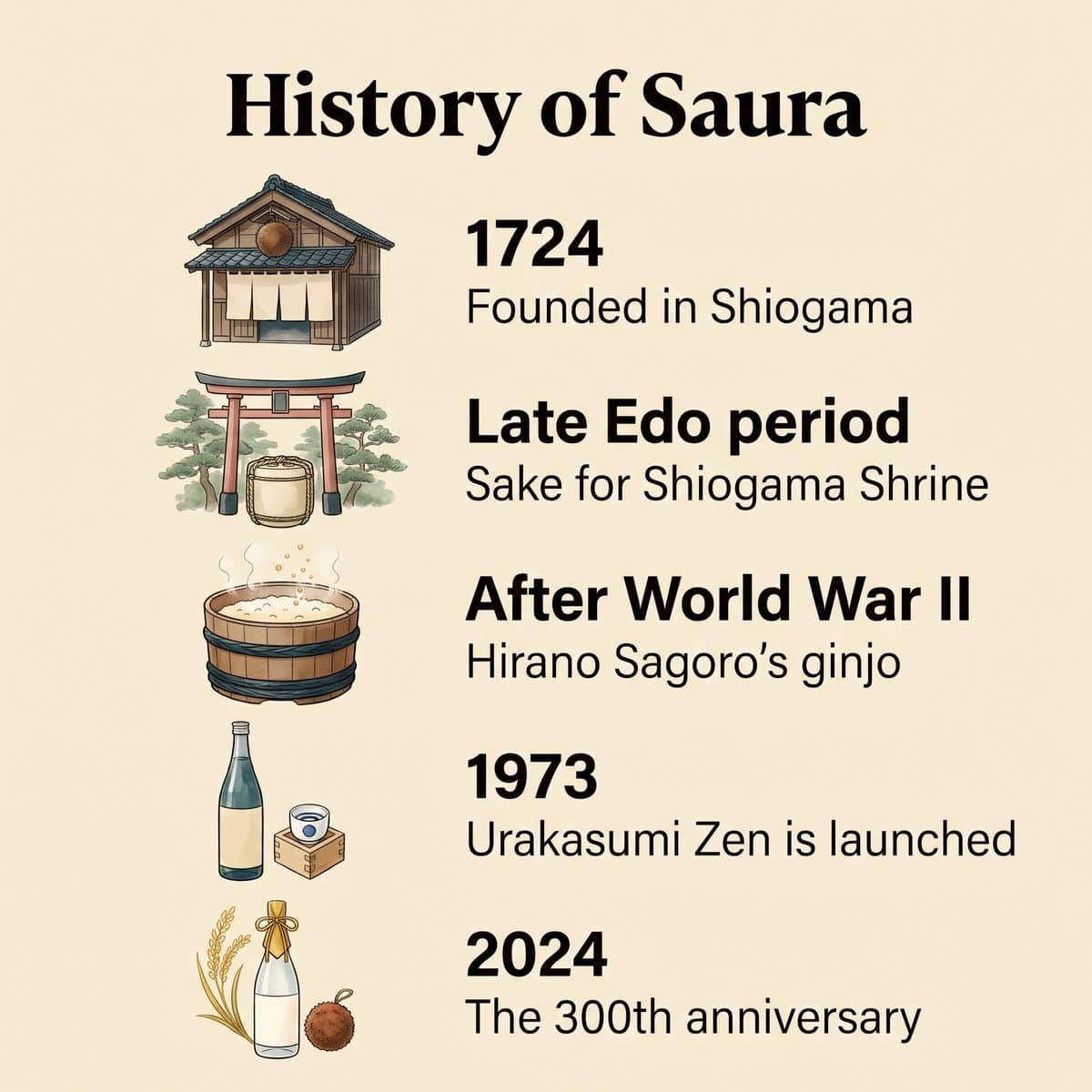
Saura traces its founding to 1724. According to a brewery publication, that was when the founder took over a sake brewing license in Shiogama. The brewery marked its 300th anniversary in 2024, and today the 13th-generation head of the Saura family leads the company.
Sake for Shiogama Shrine
In the late Edo period, the brewery became a supplier of omiki for Shiogama Shrine. Here, omiki means sake offered to the gods at a Shinto shrine. The shrine is the historic ichinomiya, or leading shrine, of the old Mutsu Province. As the brewery tells it, Shiogama grew as both its gate town and a port. Still, this role is cultural history, not a claim that the sake has special power.
Why Is It Called Urakasumi?
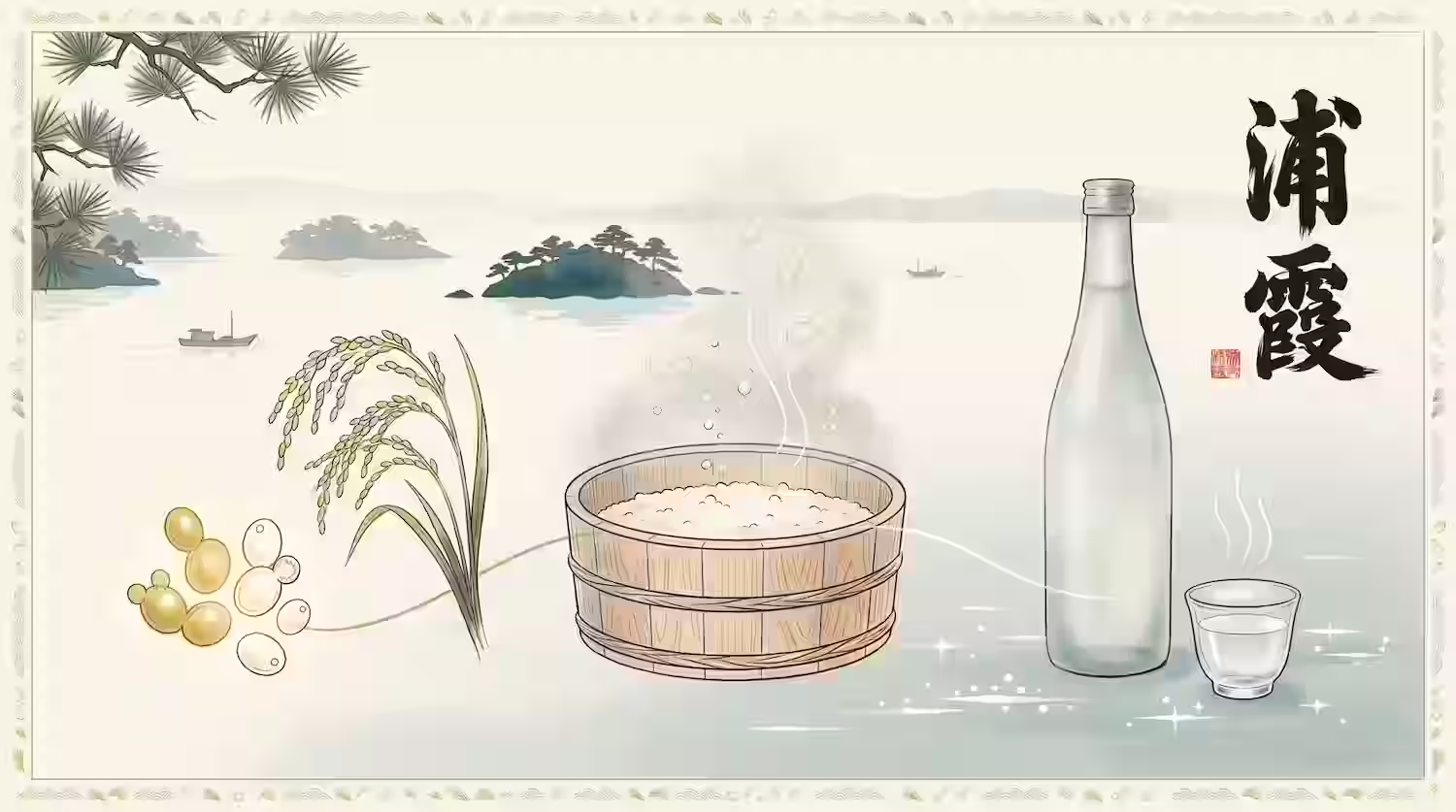
Urakasumi means “haze over the bay.” The brewery took its name from a poem by Minamoto no Sanetomo, a 13th-century shogun and poet, in his collection Kinkaishu:
しおがまの浦の松風霞むなり 八十島かけて春や立つらむ
Over Shiogama Bay, the wind in the pines fades into haze; across the many islands, spring must be arriving.
Minamoto no Sanetomo, Kinkaishu (our loose translation)
As the brewery explains, the name aims to capture a gentle, spring-like feeling of pleasant drinking. It also points to a real view, since Shiogama faces Matsushima Bay and its many small islands.
The Hirano Toji and Urakasumi Zen
After World War II, Urakasumi’s ginjo reputation grew under Hirano Sagoro, a Nanbu toji, or master brewer. The Nanbu guild is based in Iwate. The brewery credits him and his nephew and successor with its koji-making skill and long, low-temperature fermentation. Also, a 2018 magazine profile adds that Sagoro regularly placed near the top in sake competitions.
In 1973, the brewery launched Urakasumi Zen. At first, it was a ginjo with added distilled alcohol. The name came, the brewery says, from a monk’s remark about interest in Zen in France. Between the mid-1970s and early 1980s, Zen became a Junmai Ginjo made with local Toyonishiki. After that, Yamada Nishiki became its koji rice. For the wider picture, see our history of the postwar ginjo revival.
Shiogama, Rice, and Food Pairings
Shiogama is a Pacific port city just northeast of Sendai. The brewery says Urakasumi’s character developed alongside the town’s food culture. Of course, geography does not decide a sake’s taste. Still, the setting helps explain why so many bottles feel built for the table.
A Port Known for Fresh Tuna
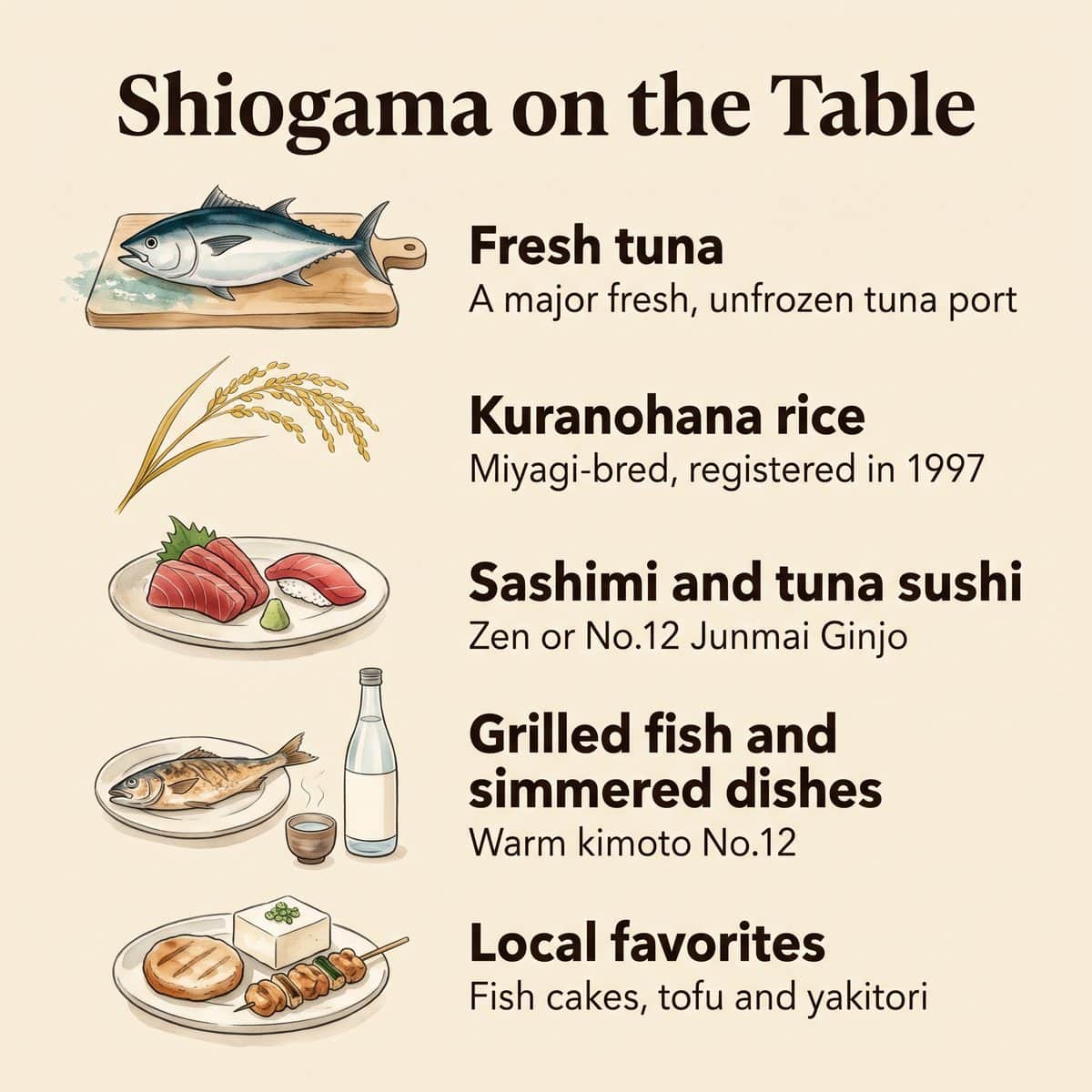
Shiogama is widely known as one of Japan’s major ports for fresh, unfrozen tuna. Tourism materials also say it has one of Japan’s highest numbers of sushi restaurants per resident. That is a promotional claim, though, not an official ranking. In season, local wholesalers certify top fresh bigeye tuna as Sanriku Shiogama Higashimono, judging freshness, color, and fat.
Miyagi Rice: Kuranohana
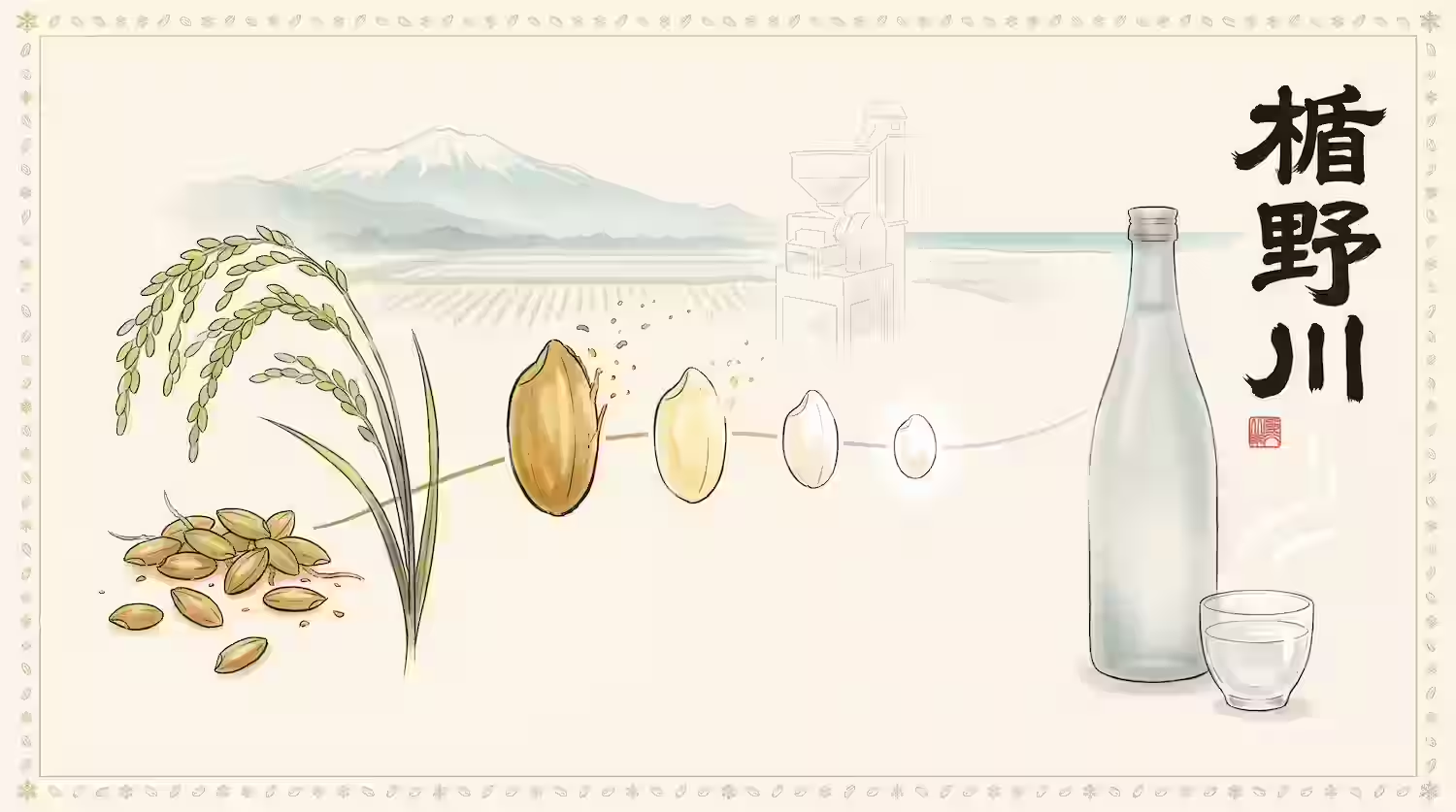
Kuranohana is a Miyagi-bred sake rice, crossed from Yamada Nishiki and a Tohoku breeding line in 1987 and registered in 1997. Breeding notes describe slightly larger grains than Miyama Nishiki, low protein, and strong cold tolerance. Rice alone never sets the flavor, but it still gives the No.12 Junmai Ginjo a local base. Our guide to sake rice and polishing explains more.
What to Eat With Urakasumi
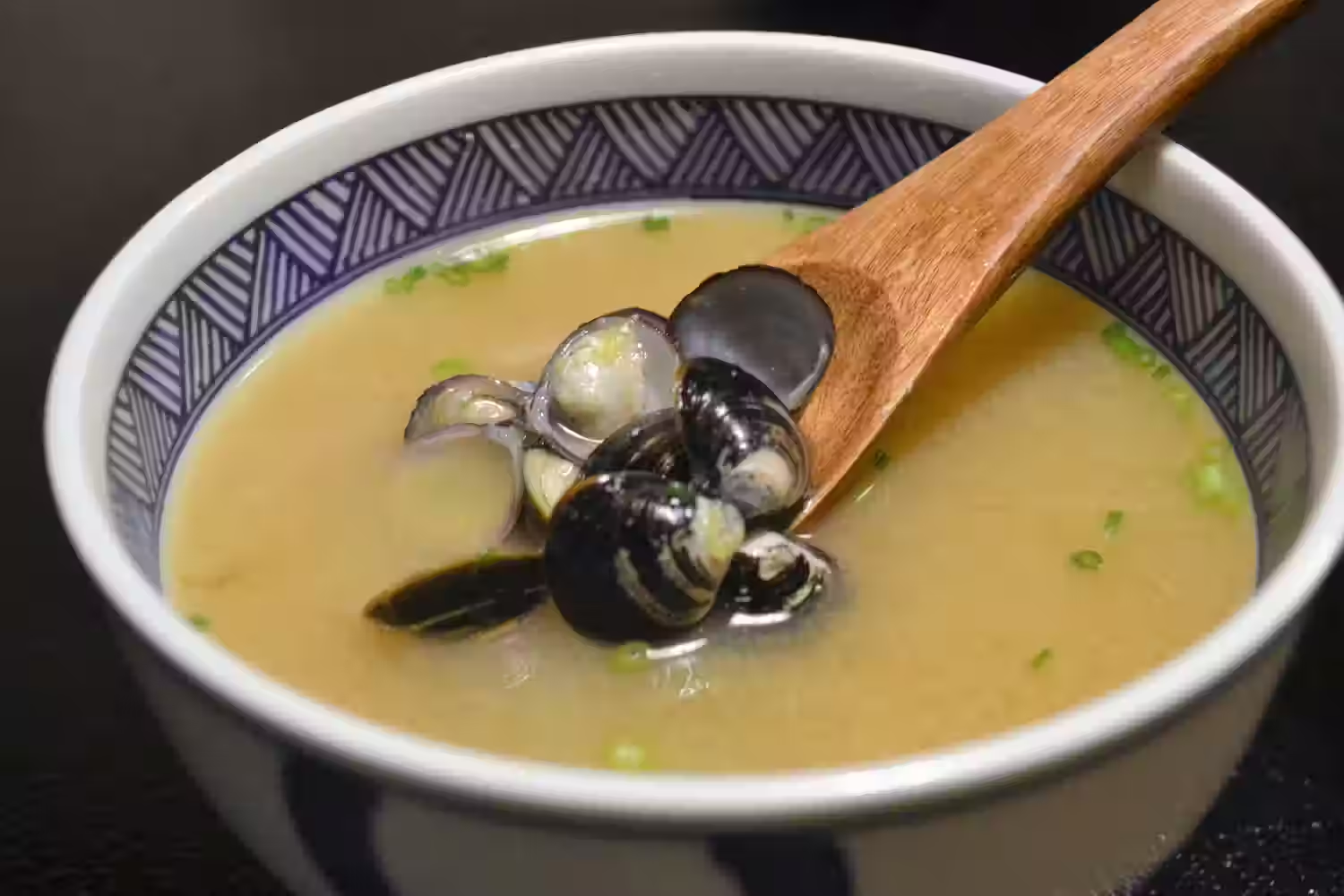
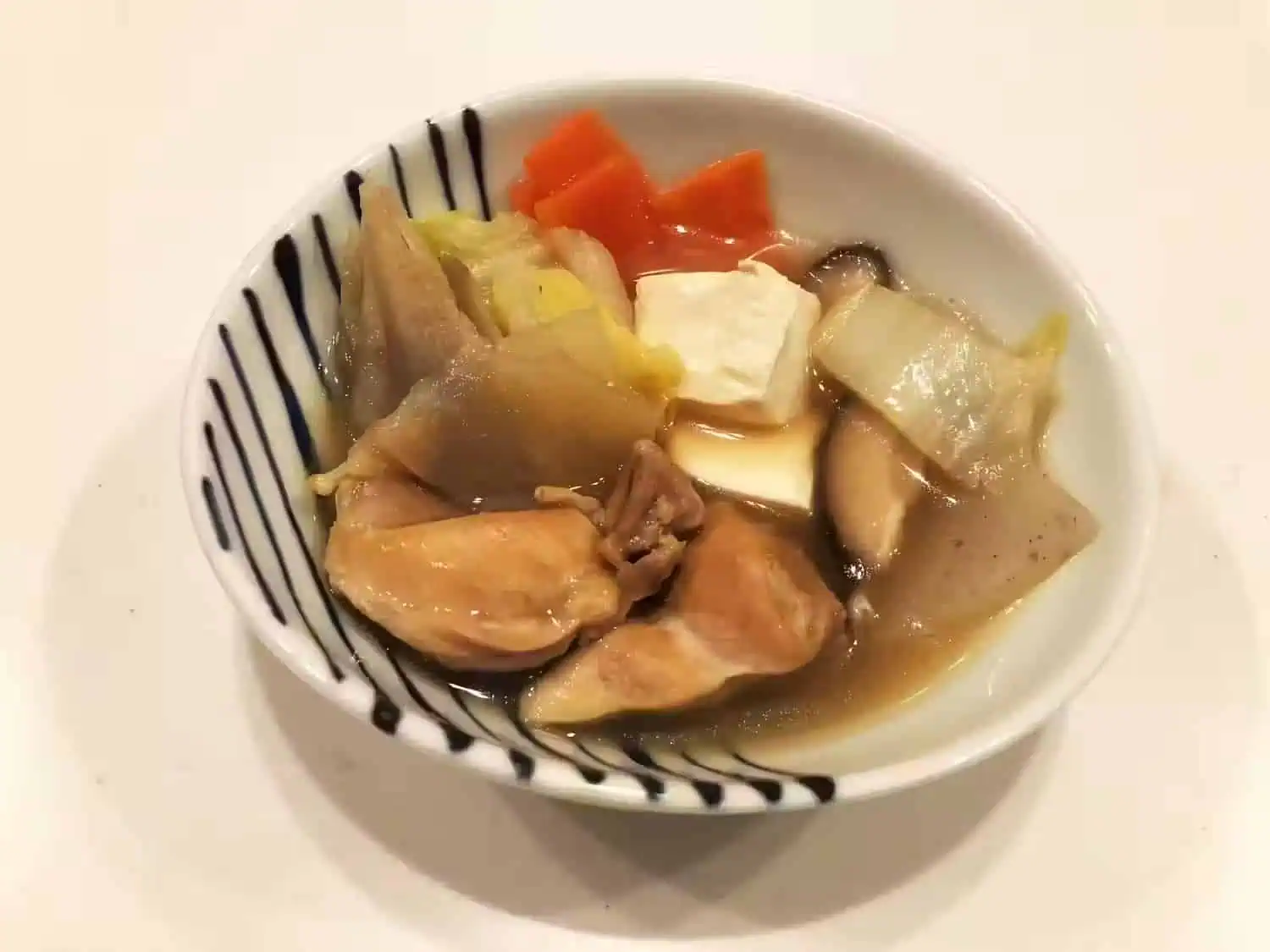
If you want a simple rule, our advice (not the brewery’s) is to start with seafood. Zen or the No.12 Junmai Ginjo works well with sashimi and tuna sushi, because their acidity refreshes the palate between bites. For grilled fish, salted dishes, or simmered vegetables, try the warm kimoto No.12. Miyagi favorites such as sasa kamaboko fish cakes also fit, and so do tofu and yakitori. See our sake and food pairing guide for more.
How to Serve, Store, and Buy Urakasumi
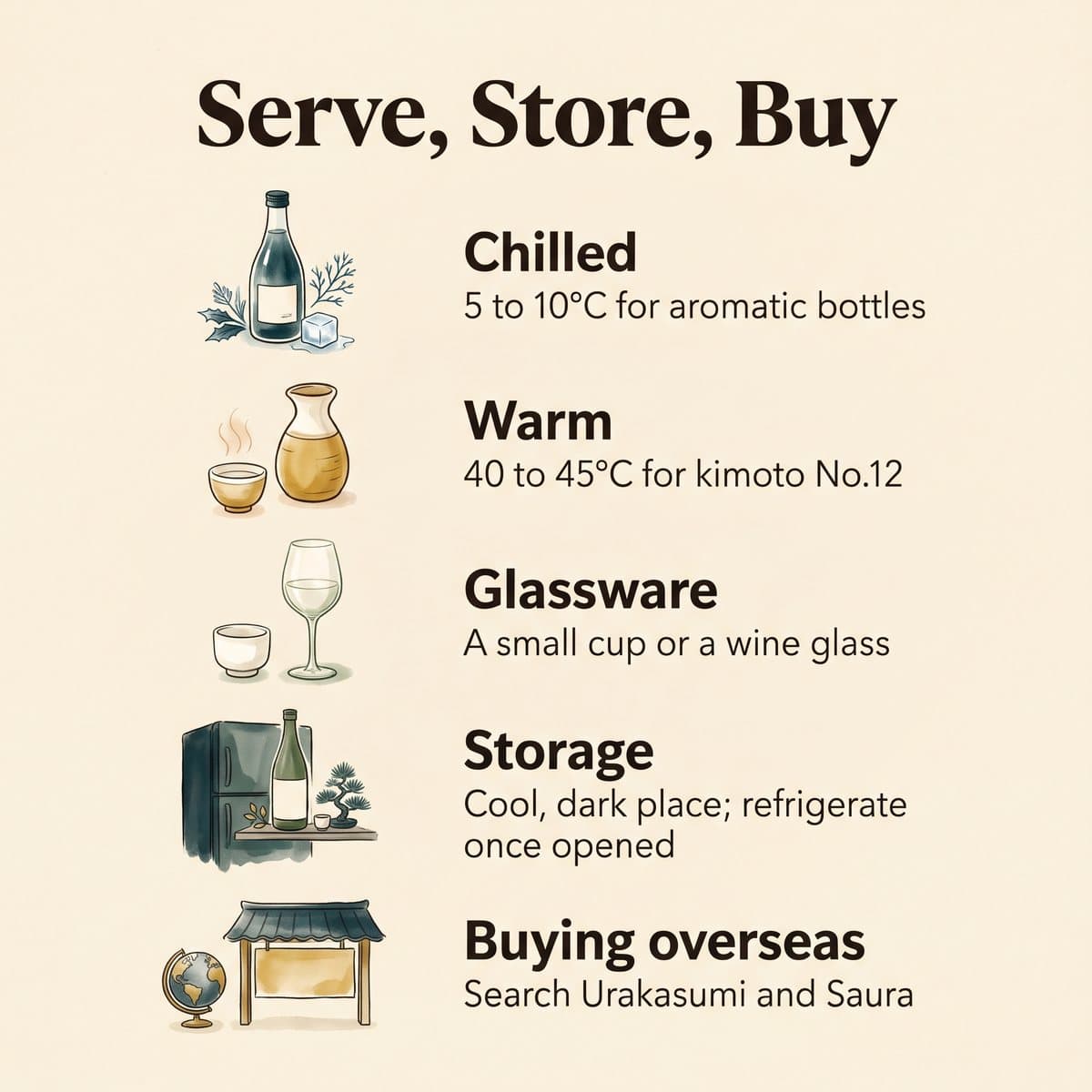
Serving temperature depends on the bottle and your taste. Still, the brewery lists a wide range for its main bottles. It runs from chilled at 5 to 10°C (41 to 50°F) to warm at 40 to 45°C (104 to 113°F), and even hotter. Many drinkers chill aromatic Junmai Ginjo, while the brewery notes that warming brings out the kimoto No.12’s rich umami.
A small sake cup works fine, and so does a wine glass for aromatic bottles. If you are unsure, our guide to choosing a sake cup or wine glass compares them. As for storage, the brewery lists a cool, dark place for unopened bottles. The cited product pages do not give a fixed drink-by period after opening. So refrigerate the bottle, close it tightly, and watch for a clear loss of aroma or flavors that no longer seem fresh. Delicate aromatic bottles generally benefit from being finished sooner than robust styles, but follow the label if it gives specific instructions.
Where Can You Buy Urakasumi Outside Japan?
Availability varies by country and importer, and we did not find a current export list on the brewery’s site. When you shop at specialist sake retailers, search for “Urakasumi” and also the producer name, “Saura.” Check the product name carefully, because overseas selections may not include the full No.12 series.
Visiting the Urakasumi Sake Gallery in Shiogama
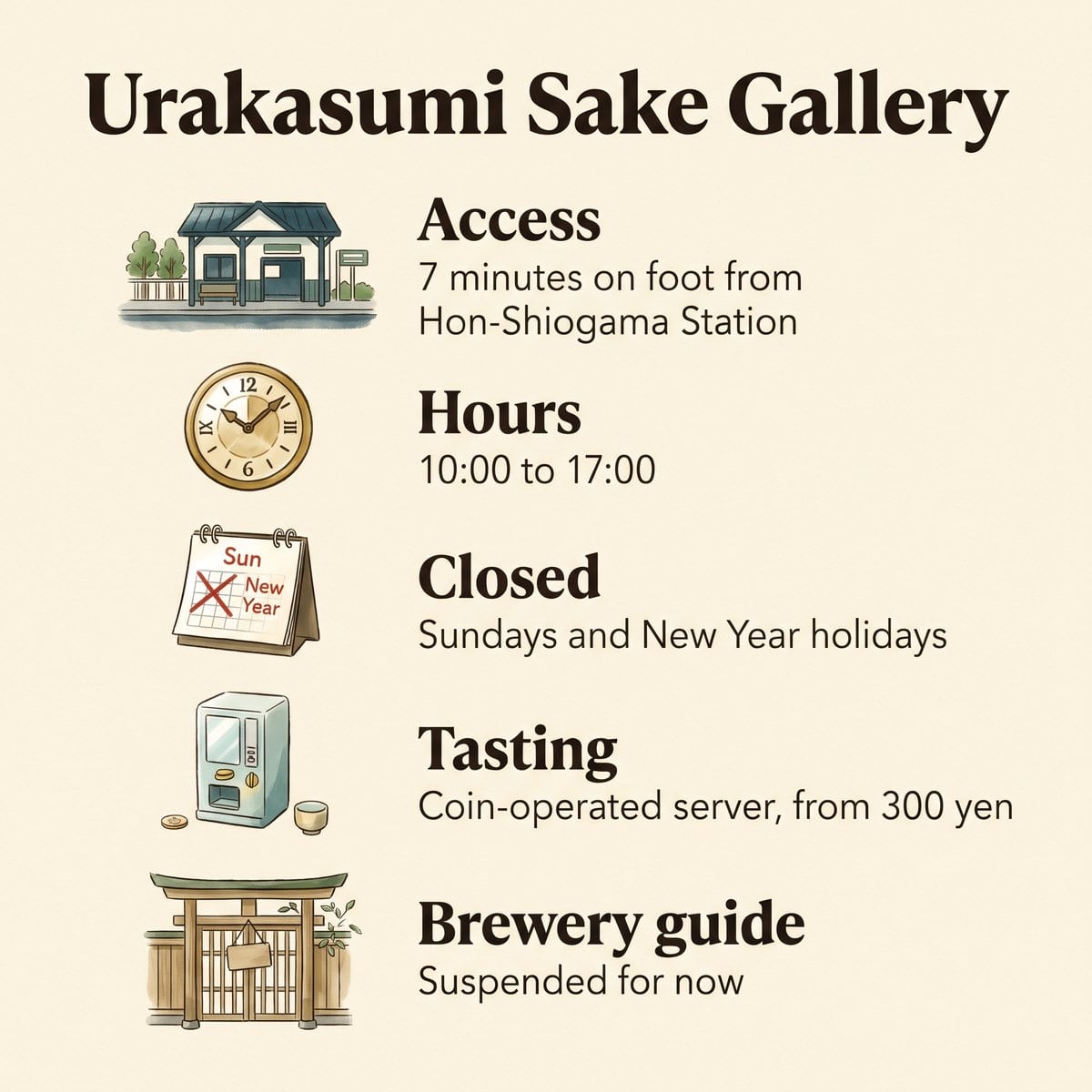
The brewery’s shop, the Urakasumi Sake Gallery, sits at the main brewery address in central Shiogama. You can buy sake there and use a coin-operated tasting server, with a cup-and-coin set starting at 300 yen. However, the brewery guide is suspended for now, so do not plan on a production tour.
Urakasumi Sake Gallery (浦霞 酒ギャラリー)
Address
2-19 Motomachi, Shiogama, Miyagi
Access
About 7 minutes on foot from Hon-Shiogama Station (JR Senseki Line)
Hours
10:00 to 17:00 (tasting coins sold until 16:50)
Closed
Sundays, the New Year holidays, and some other days
Brewery guide
Suspended for the time being
Parking
6 spaces across the street
Checked on the official shop page on October 26, 2026. The page does not state English support, reservations, or payment methods. So please check the calendar and contact the brewery before you go.
Even so, Shiogama Shrine and the fish market make the trip worthwhile. For more ideas nearby, see our guide to food in Sendai.
Urakasumi vs. Masumi: Two Yeast Stories
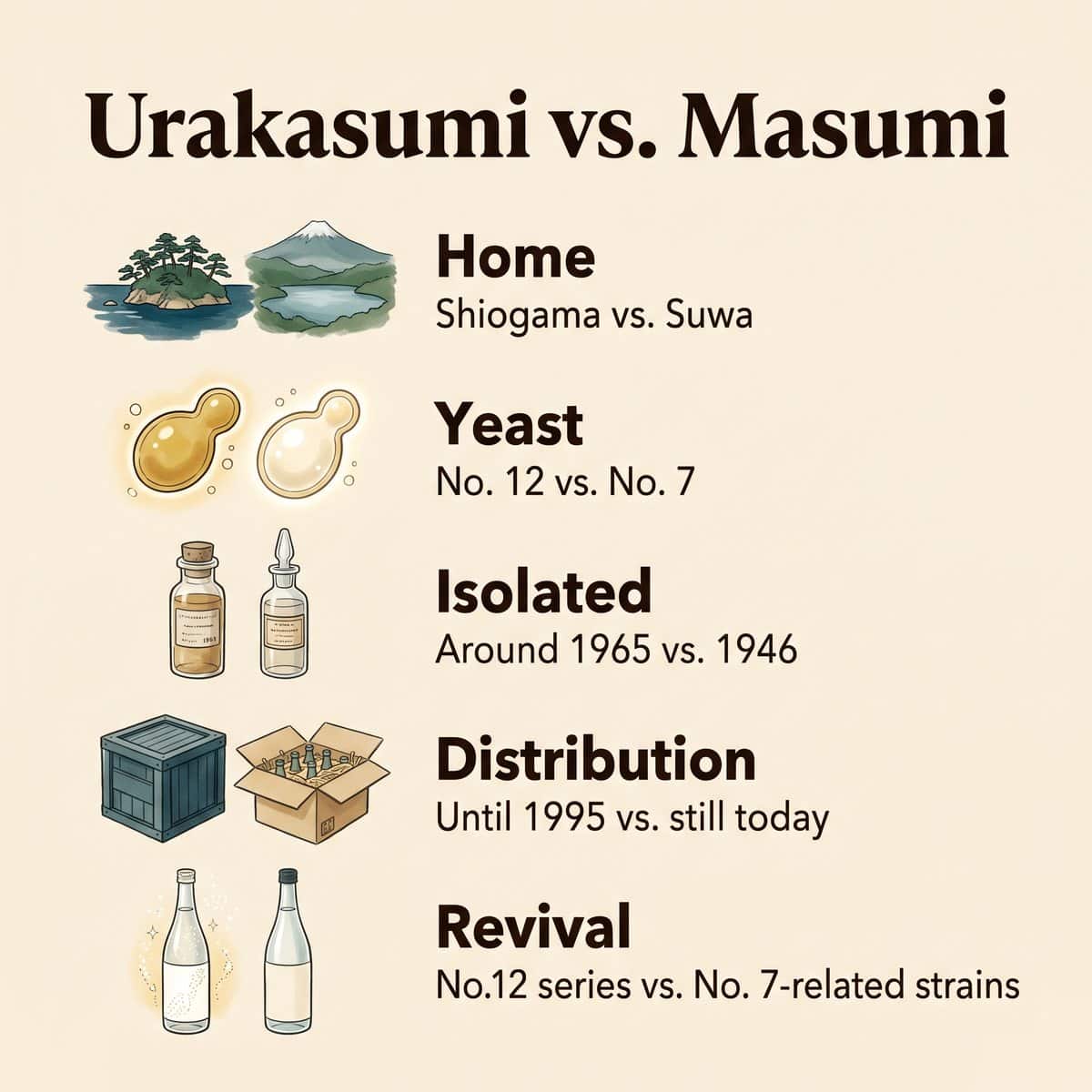
Urakasumi is linked to Kyokai Yeast No. 12, isolated in Miyagi around 1965, while Masumi is linked to No. 7, isolated in Nagano in 1946. No. 7 is still distributed today. No. 12, by contrast, had a shorter distribution history and is now central to Urakasumi’s revival series.
Point
Urakasumi
Masumi
Home
Shiogama, Miyagi
Suwa, Nagano
Yeast
Kyokai No. 12
Kyokai No. 7
Isolated
Around 1965
1946
Distribution
From around 1985; until 1995, per the Nada Sake Research Association
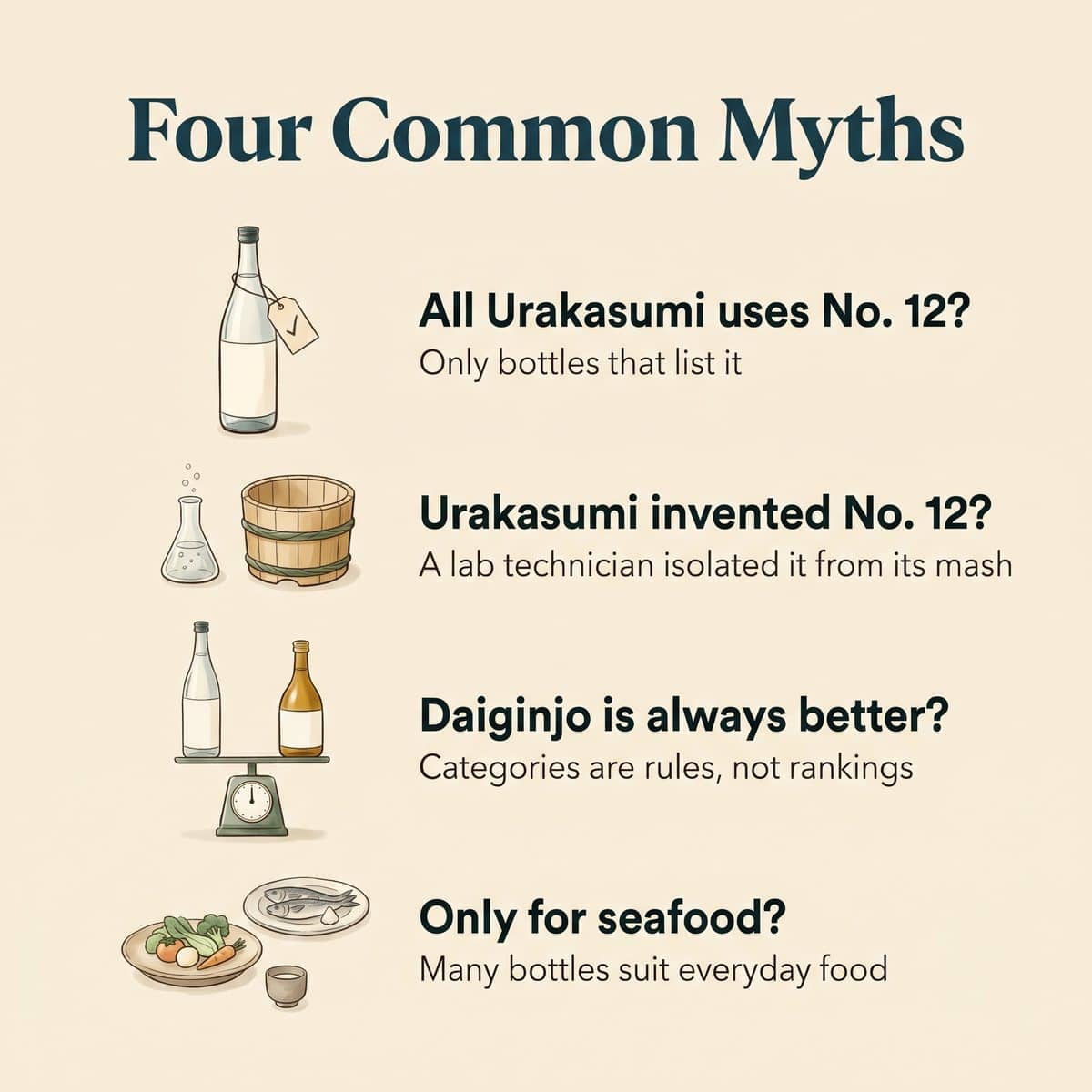
Only bottles that list it do. Check each product’s specifications.
Urakasumi invented No. 12.
A Miyagi laboratory technician isolated it from Urakasumi’s ginjo mash.
Junmai Daiginjo is always better than Junmai Ginjo.
The categories describe production rules, not a quality ranking.
Urakasumi only suits seafood.
Seafood is a natural match, but many bottles work with everyday Japanese food.
On that third point, Japan’s labeling rules are clear. Junmai Ginjo uses only rice and rice koji, with rice polished to 60 percent or less. Also, koji rice must make up at least 15 percent, and the sake must use ginjo brewing and meet a sensory standard. Junmai Daiginjo requires rice polished to 50 percent or less and must meet the standard’s stricter wording on characteristic aroma, flavor, and appearance. These are category requirements, not a guarantee that every Junmai Daiginjo tastes better than every Junmai Ginjo.
Final Thoughts: Urakasumi’s Place in Japanese Sake
In short, Urakasumi deserves attention for three reasons. First, it has brewed in Shiogama for three centuries, beside a shrine and a busy fishing port. Second, a Miyagi laboratory technician isolated the strain later registered as Kyokai Yeast No. 12 from an Urakasumi ginjo mash, and it traveled far beyond Miyagi. Finally, its range, from Zen to the No.12 series, keeps that history drinkable.
A glass of No.12 Junmai Ginjo with a plate of Shiogama tuna is a pleasant place to begin. It shows, in a small way, how one brewery’s local experience became part of the wider story of Japanese sake.
Research note
We checked product specifications and visitor details against Saura’s official pages on October 26, 2026. Yeast history draws on the brewery, a 1985 technical paper, and the Nada Sake Research Association. Flavor notes summarize the brewery’s own descriptions; serving and pairing suggestions are our editorial guidance.
Frequently Asked Questions about Urakasumi Sake
The Brand and Its Yeast
Does Urakasumi Zen use Kyokai Yeast No. 12?
The brewery’s current Zen product page does not list a yeast strain. So do not assume Zen uses No. 12 just because Urakasumi is linked to it. Instead, for the yeast story, choose a bottle with “No.12” in its name.
Is Kyokai No. 12 still sold to other breweries?
National distribution began around 1985, and the Nada Sake Research Association reports that it continued until 1995. We did not confirm any current general availability with the Brewing Society of Japan.
What is the difference between Urakasumi Zen and Urakasumi No.12?
Zen is the brand’s long-running Junmai Ginjo, first released in 1973. The No.12 series, by contrast, explicitly uses Kyokai Yeast No. 12 to tell the brewery’s yeast story.
Drinking and Visiting
What is the best Urakasumi sake for beginners?
Urakasumi Zen is the simplest starting point, because it is the brewery’s long-running flagship with a balanced, food-friendly profile. If your interest is Kyokai Yeast No. 12, choose the No.12 Junmai Ginjo instead.
Is Urakasumi sweet or dry?
In short, it varies by bottle. The main bottles in this guide have slightly positive sake meter values and moderate acidity. As a result, they tend to taste balanced rather than very sweet or very dry.
Should Urakasumi be served cold or warm?
Both can work, since the brewery lists a range from chilled to hot. Light Junmai Ginjo bottles are a good fit chilled, while the brewery says warming brings out the kimoto No.12’s rich umami.
Can you visit the Urakasumi brewery?
Yes, you can visit the Urakasumi Sake Gallery shop, which also offers paid tastings. However, the brewery guide is suspended for now, so check the official calendar before you travel.
References
Government, Industry, and Regional Sources
National Tax Agency – Overview of the Sake Production and Quality Labeling Standards (Accessed October 2026)
J-STAGE – Sato, K. (1985). Kyokai Yeast for Sake No. 12: Key Points of Ginjo Brewing with Miyagi Yeast. Journal of the Brewing Society of Japan, 80(9), 598–600 (Accessed October 2026)
Japan Association on Odor Environment – Tsutsumi, H. (2015). Aroma-Production Mechanism of Sake Yeast. Journal of Japan Association on Odor Environment, 46(5), 346–349 (Accessed October 2026)
Walkerplus – Tokyo Walker Profile of Urakasumi and Its Toji, October 2018 (Japanese) (Accessed October 2026)
Brewery Sources: History and Visiting
Saura Co., Ltd. – Company Profile and History (Japanese) (Accessed October 2026)
Ryo Iwa is the founder and editor of foodinjapan.org. Born and raised in Japan, he writes from regional travel, market visits, and Japanese-language primary sources that rarely reach English readers, including brewing institute publications and industry glossaries. Where a figure cannot be traced to a source, the article says so.
He has been a Google Maps Local Guide for over 10 years, with more than 1,850 reviews and over 42,000 photos viewed hundreds of millions of times. He previously spent two decades as an IT consultant in Japan, the US, and the UK.








Comments