
Japanese Sake Guide– Explore the world of Japanese sake, from brewing methods and regional styles to famous brands and traditional drinking culture. –
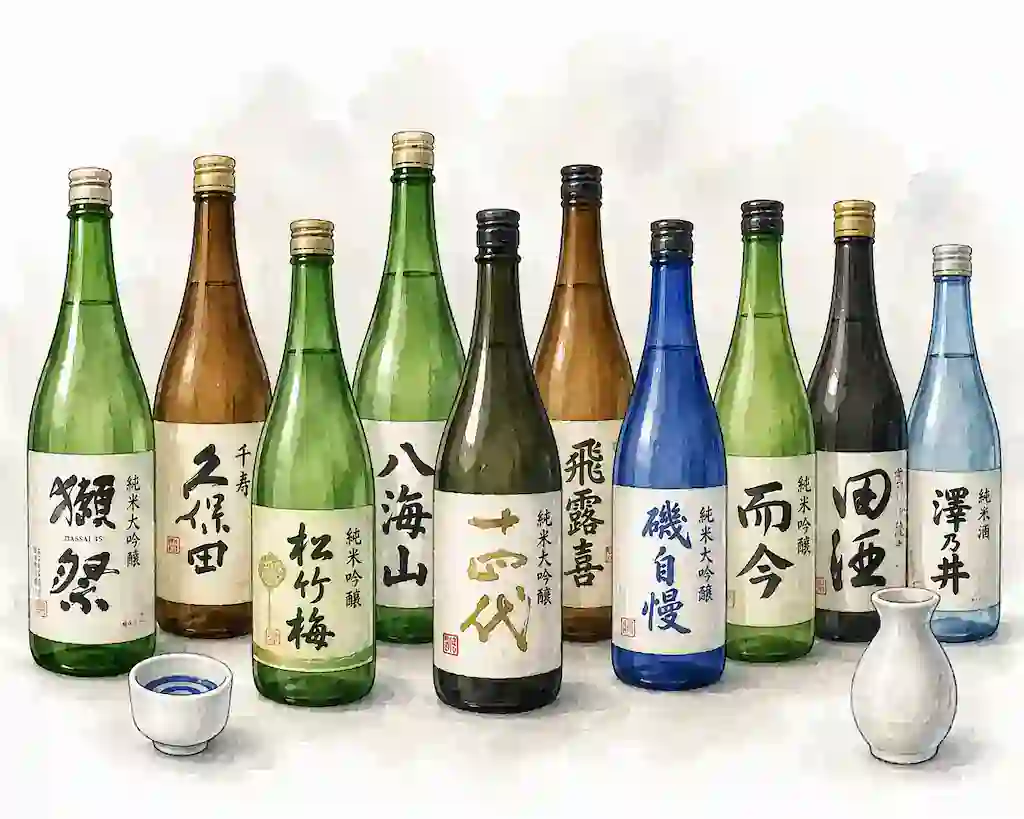
Japanese sake is one of Japan’s most iconic traditional drinks, deeply connected to regional culture, rice farming, and Japanese cuisine. This guide explores different types of sake, brewing techniques, regional specialties, and famous sake brands across Japan.
-
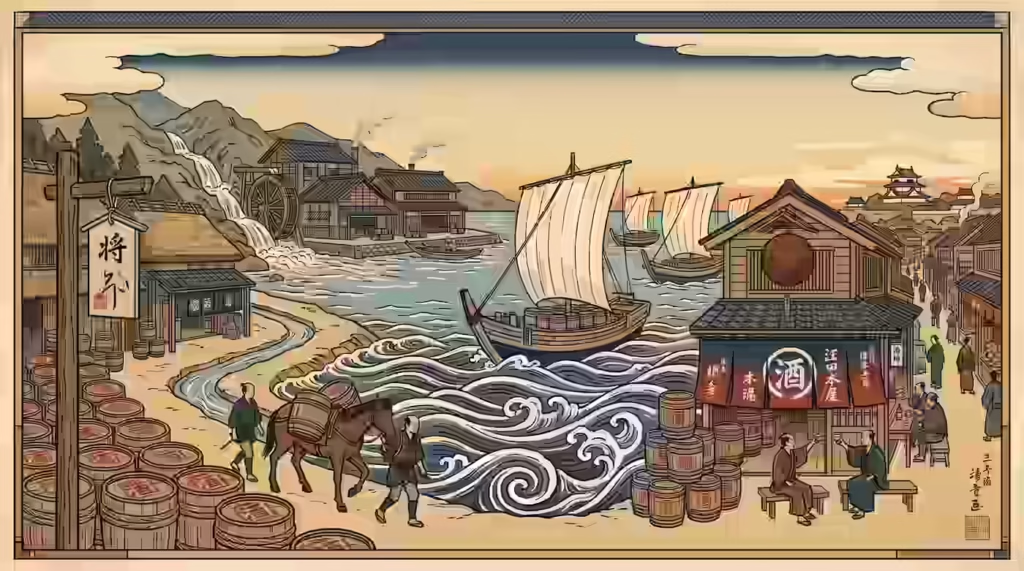

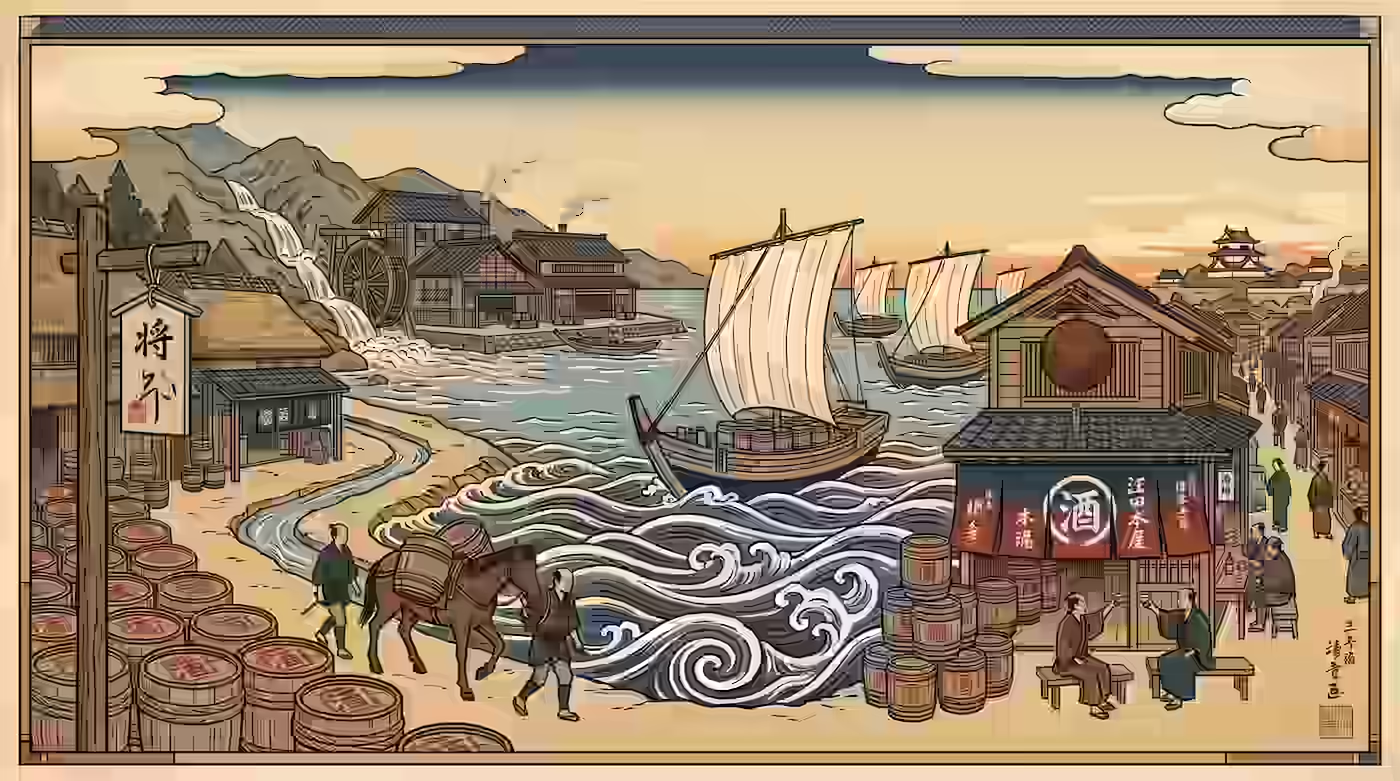
Edo Period Sake: How Brewing Became a Major Industry in Japan
In 1697, roughly 640,000 casks of sake arrived in Edo by sea. Almost none of it came from Nada, although that district later dominated Japanese brewing. Edo period sake is not really a story about better brewing, since most of the key te... -
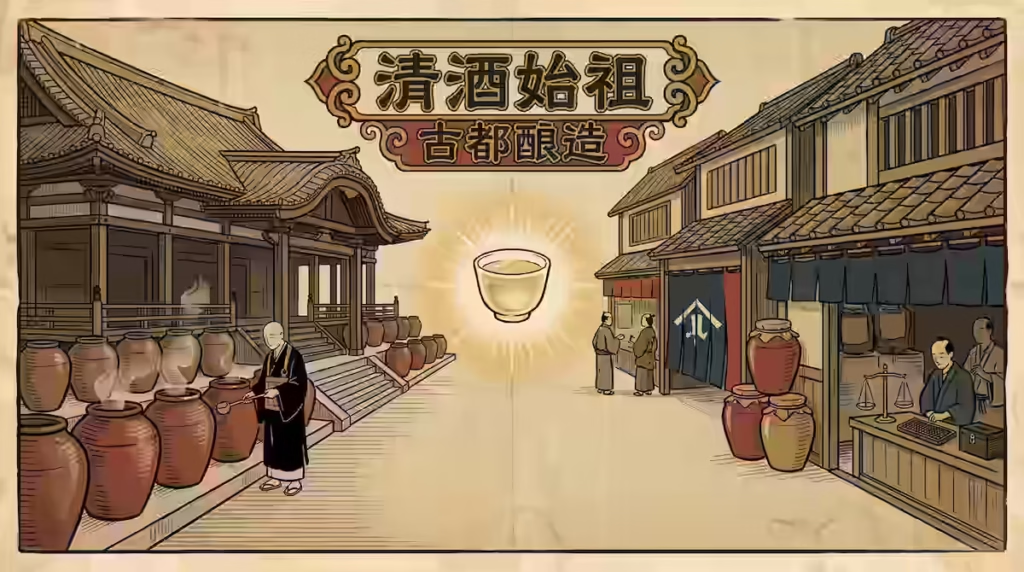

Medieval Sake in Japan: Temple Breweries, Sake Shops, and Brewing Innovation
In 1425, a document kept at Kitano Shrine in Kyoto recorded 342 sake businesses inside and around the capital. By then, that number marks how far sake had travelled. It was no longer mainly a courtly ritual drink, but rather a commodity,... -
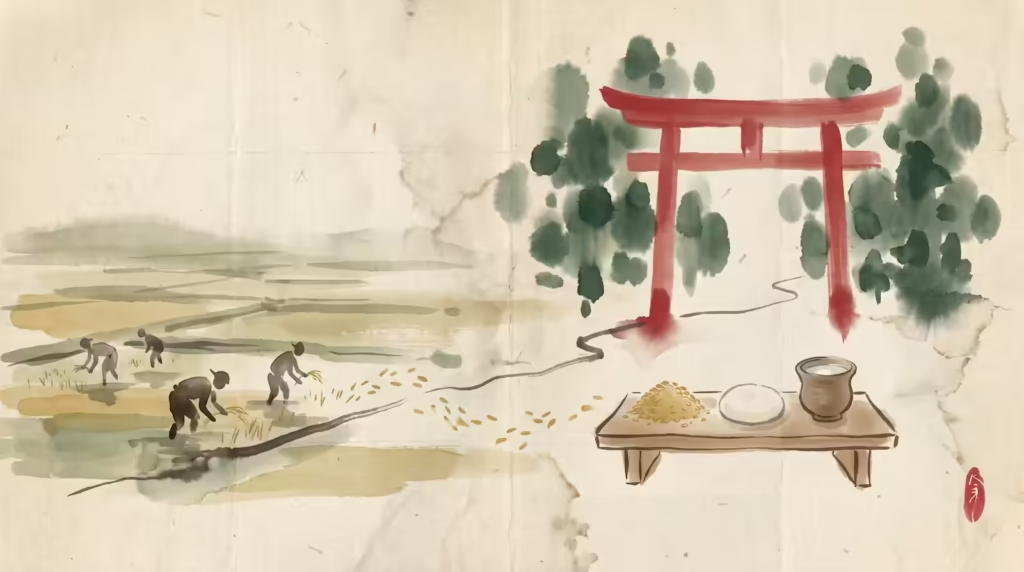
Ancient Sake in Japan: Rice, Ritual and Origins
Ancient sake in Japan was not the clear, filtered nihonshu poured today. The term covers a loose family of rice-based alcoholic drinks tied to farming, ritual, and early political life. Some were cloudy. Some were probably closer to a th... -
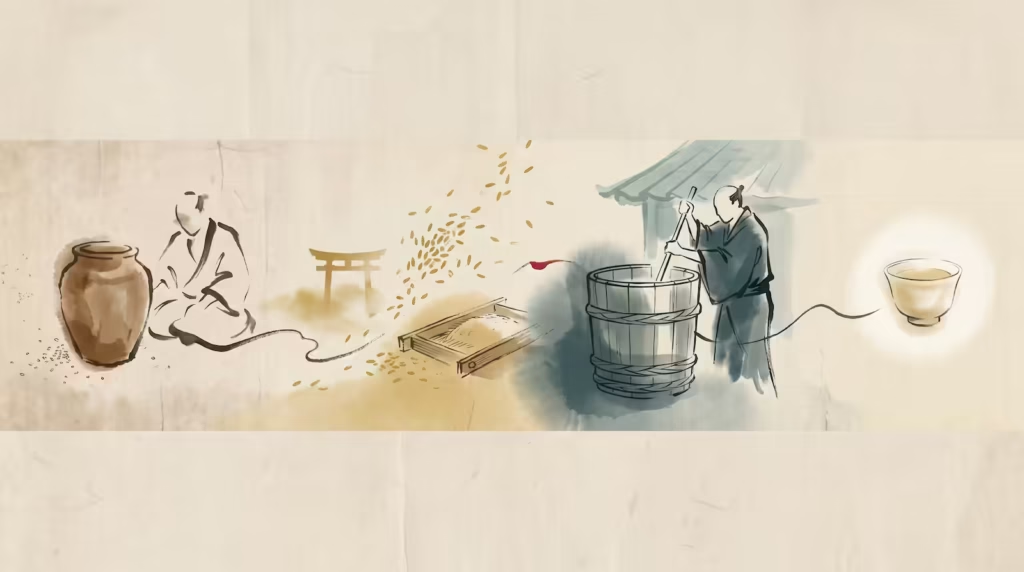
History of Sake: From Ancient Rice Fermentation to Modern Nihonshu
The history of sake stretches back roughly two thousand years, at least if you use the word broadly for Japanese alcoholic drinks made from rice. Yet the earliest rice-based drinks were nothing like modern nihonshu. The sake people pour ... -
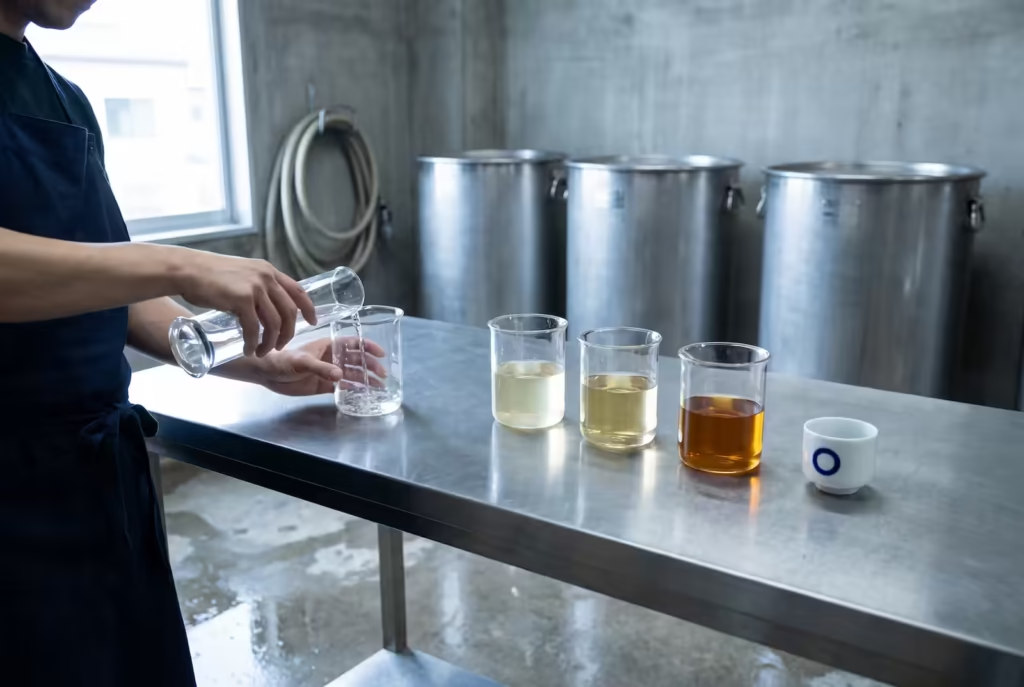

Chogo (調合): Blending and Adjusting Sake for Consistent Quality
Two tanks of sake sit side by side in a storage building. Same rice, same yeast, same recipe, same brewing season. Yet one tastes rounder, while the other carries sharper acidity. So what happens next? Somebody tastes both, then decides ... -
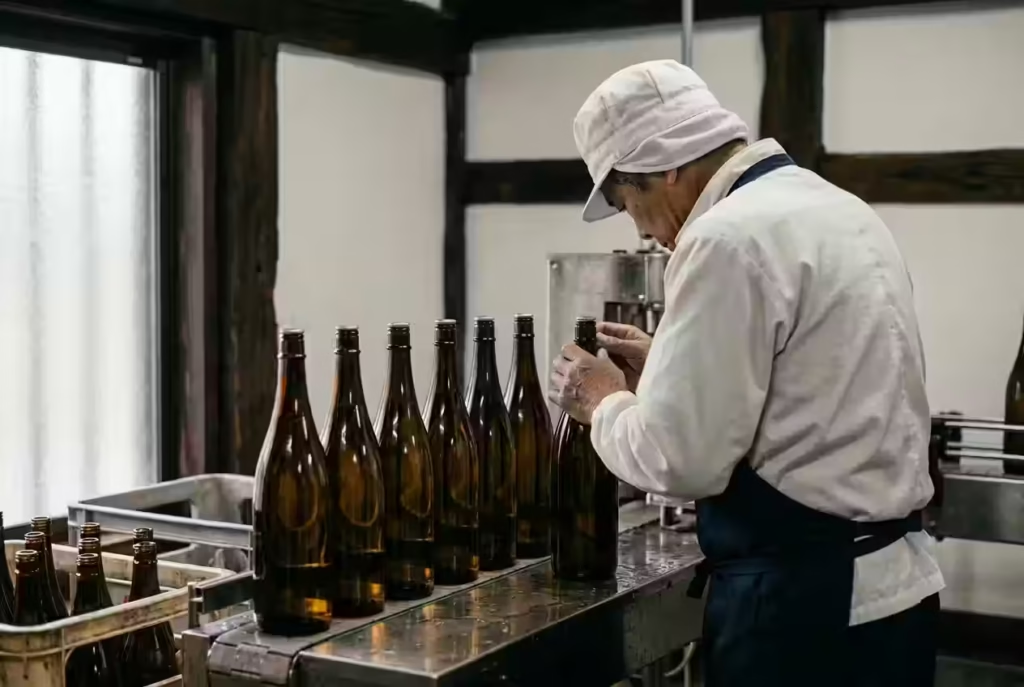
Bottling (瓶詰め): How Sake Becomes a Product
Bottling, or binzume (瓶詰め) in Japanese, is the stage where finished sake enters its retail container. Brewers fill, seal and then check the liquid they have spent months preparing, usually after clarification, dilution and heat treatm... -

Hi-ochi (火落ち): Bacterial Spoilage in Sake
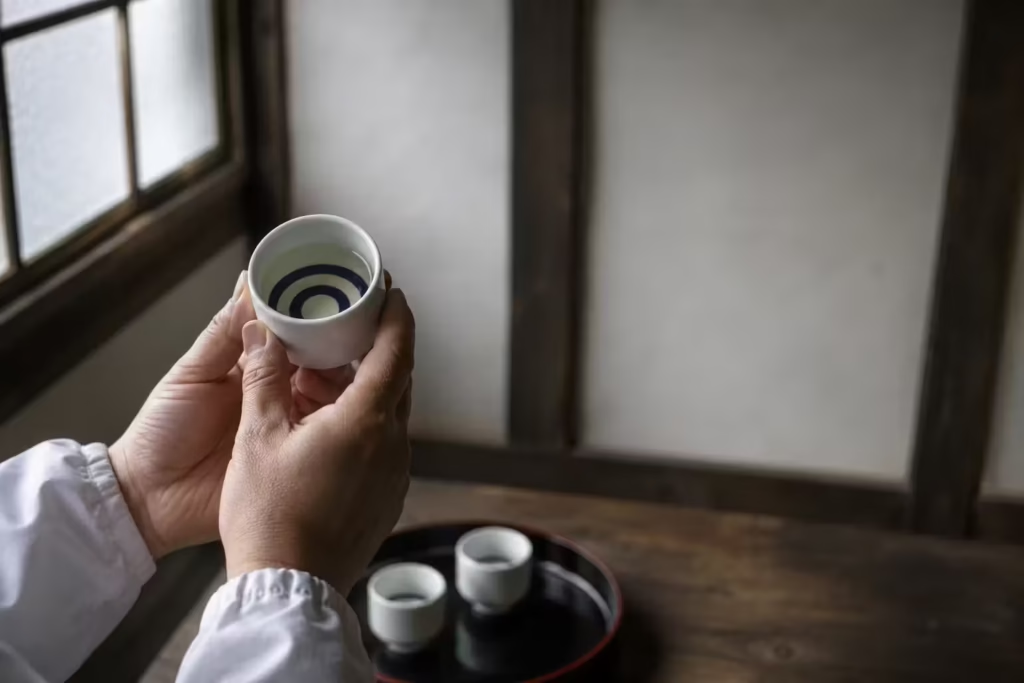
Hi-ochi (火落ち) is the bacterial spoilage of sake. It strikes after brewing finishes, and a small group of ethanol-tolerant lactic acid bacteria causes it. Sake is a hostile place for microbes, so the fact that anything spoils it at all... -

Karashi: Rice, Koji and Moto Conditioning
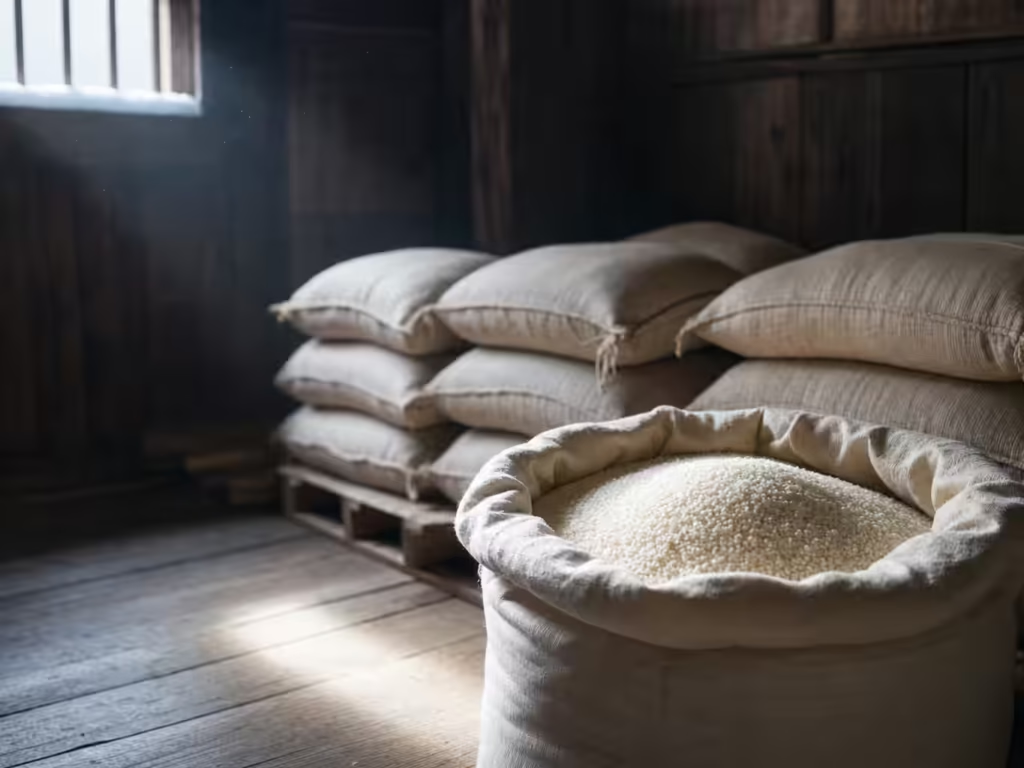
Karashi (枯らし) is a conditioning period in sake brewing, and it happens three separate times. Rice rests after polishing, koji rests after leaving the koji room, and the finished starter rests before it enters the main mash. Japanese b... -
Koji Buai (麹歩合): How Much Rice Becomes Koji
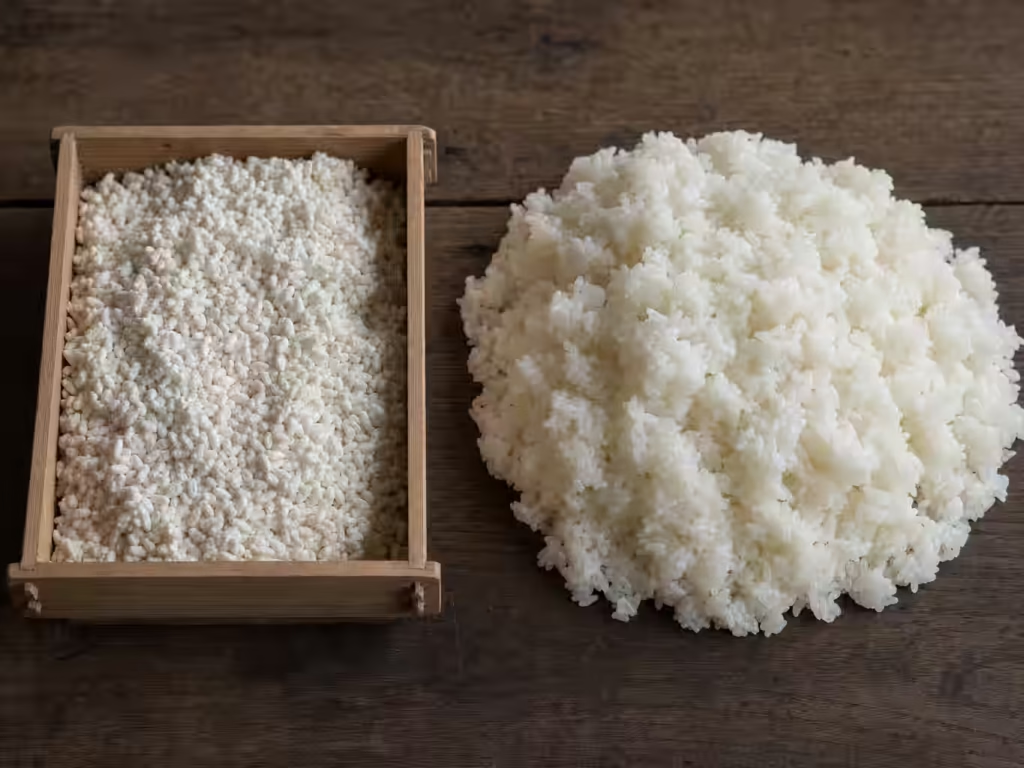
Ask a brewer what makes sake possible and the answer rarely starts with rice. It starts with koji. Yet koji is not added freely, and the amount is measured to the kilogram. That measurement has a name: koji buai. Koji buai (麹歩合) is th... -
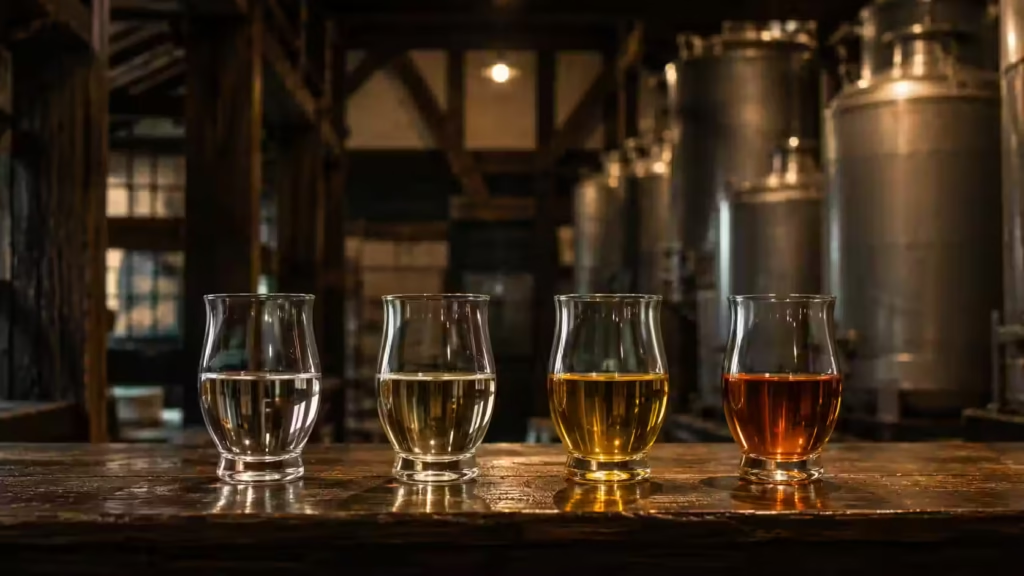

Jukusei (熟成): How Aging Transforms Sake
Jukusei (熟成) is the maturation of sake after brewing has finished. During this stage, time, temperature, and storage conditions gradually reshape its aroma, flavor, color, and texture. Most sake goes through some maturation before rele...