




Ryo Iwa– Author –

-
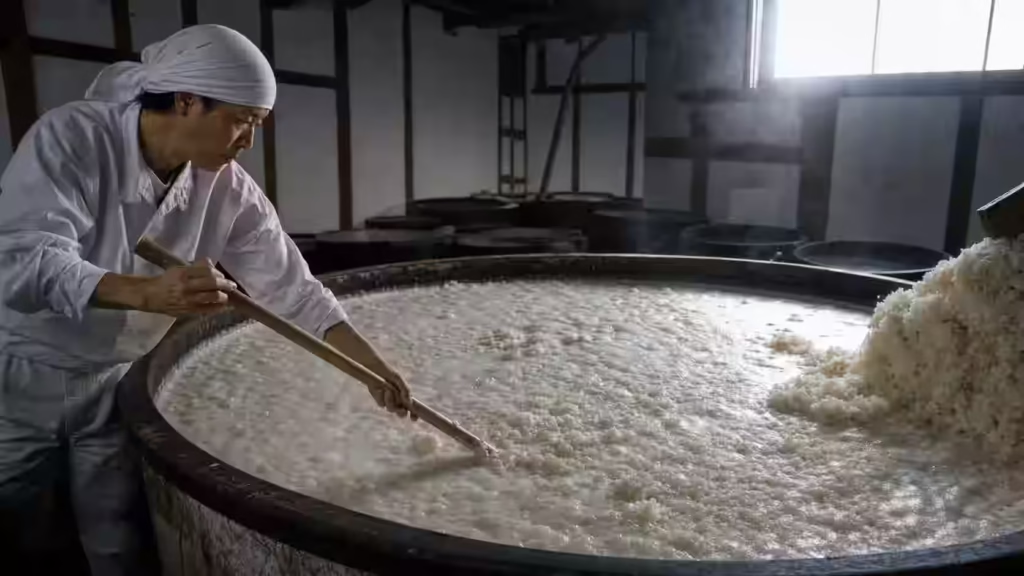

Sandan Jikomi: Sake’s Three-Step Mashing Method
Sandan jikomi is the traditional three-step method of building the main fermentation mash in sake brewing. Brewers add steamed rice, koji, and water in three stages, spread across four days. They do not mix everything at once, and that p... -
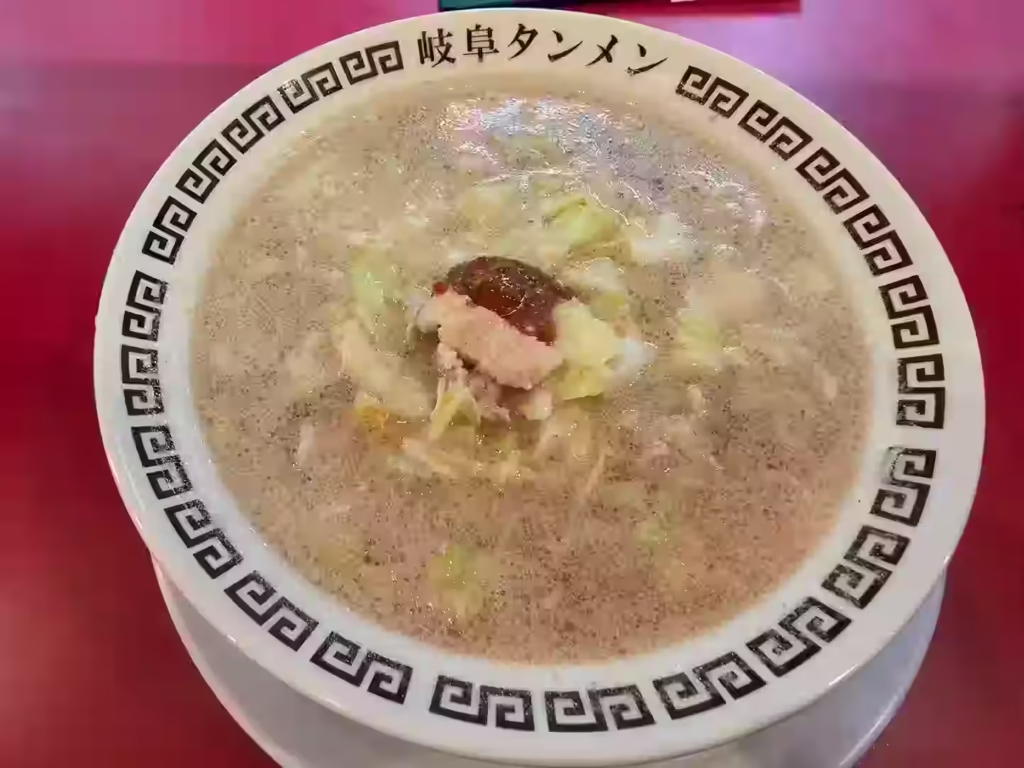

Gifu Tanmen (岐阜タンメン)
Drive along a main road in Aichi or Gifu around noon, and you will probably see it. A bright sign, a big parking lot, and a line of hungry locals. That is Gifu Tanmen, one of the Tokai region's most talked-about bowls. I still remember m... -
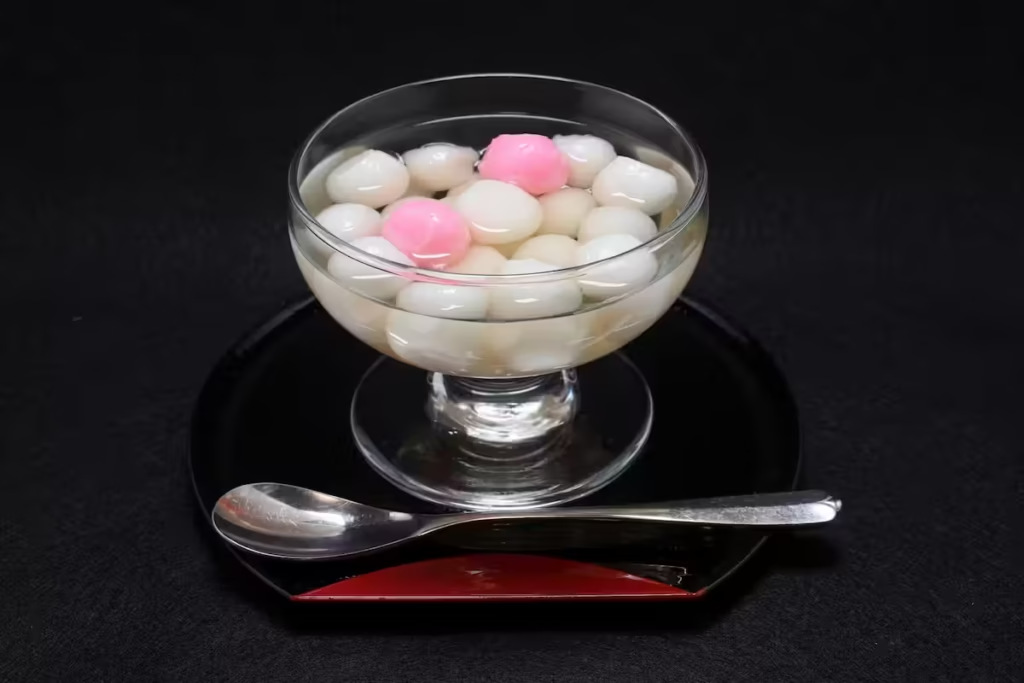

Kanzarashi (かんざらし)
Kanzarashi is one of those quiet local sweets that instantly evokes a place. In this case, that place is Shimabara, a spring-fed town in Nagasaki. On a hot day, a bowl of it feels like a small blessing. So what exactly is kanzarashi? It ... -
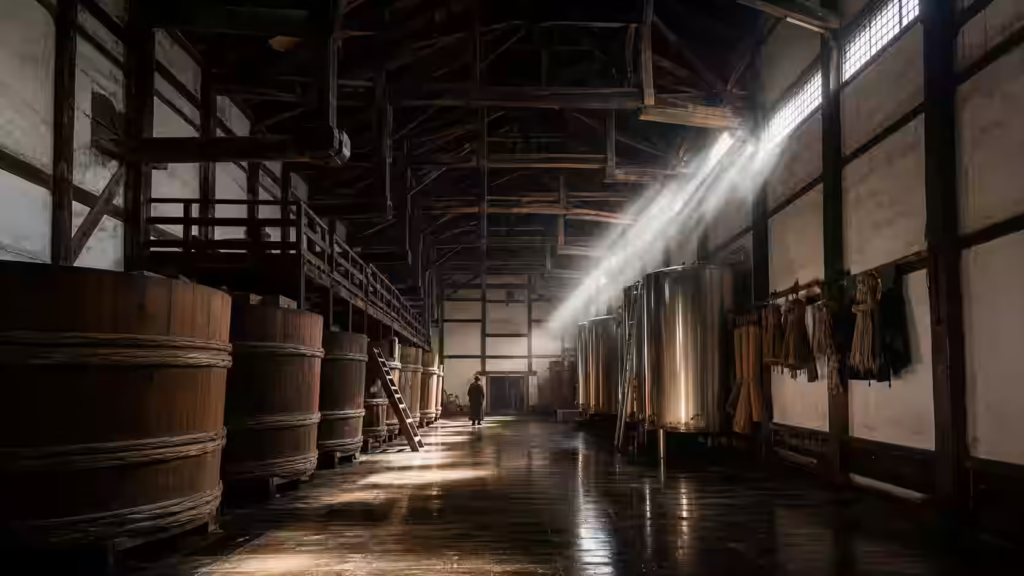
Kura (酒蔵): Inside a Traditional Japanese Sake Brewery
A great sake begins long before the rice is even washed. Instead, it begins with the building itself, the kura. So what is a kura? A kura, or sakagura, is a traditional Japanese sake brewery. It is the place where every stage of brewing ... -
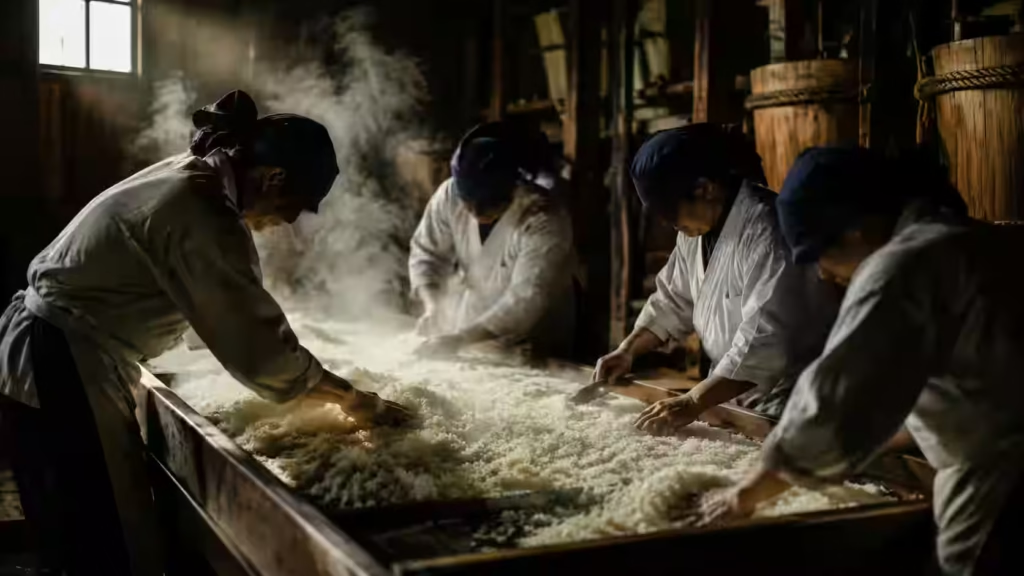
Kurabito (蔵人): The Team Behind Every Bottle of Sake
A kurabito is a sake brewery worker, one of the skilled hands who brews sake under the toji, or master brewer. Sake is never the work of one person alone, and behind every bottle stands a whole team of kurabito who wash the rice, tend th... -
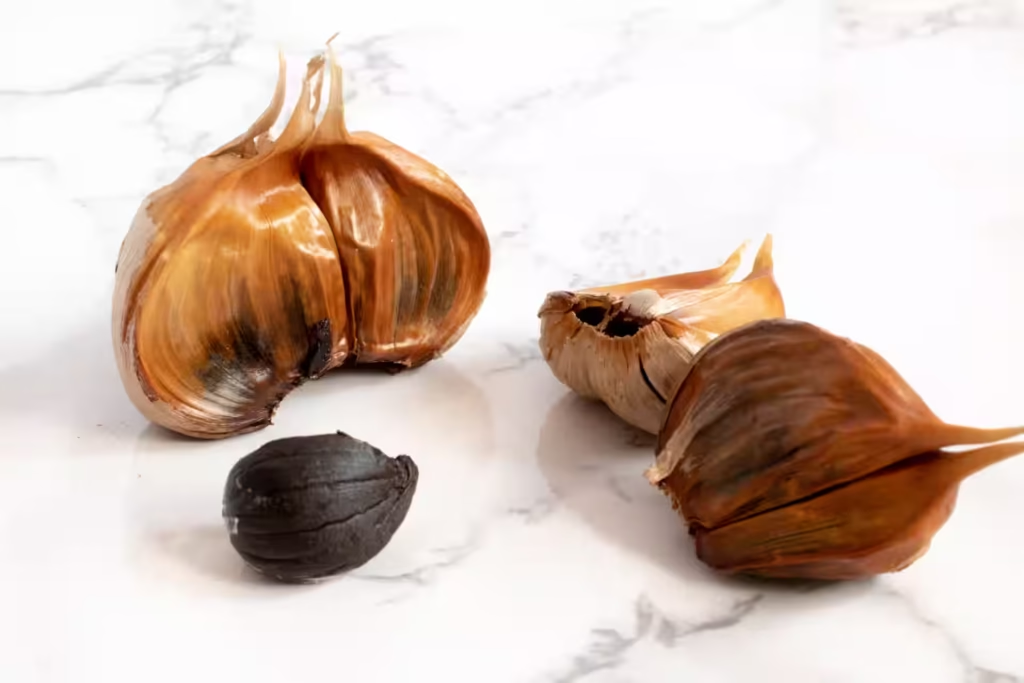
Black Garlic (黒にんにく)
Black garlic looks strange the first time you see it. Indeed, the cloves are jet black, soft, and slightly sticky. So what is black garlic? It is ordinary garlic, slowly aged into something new. In Japanese, people call it kuro ninniku. ... -
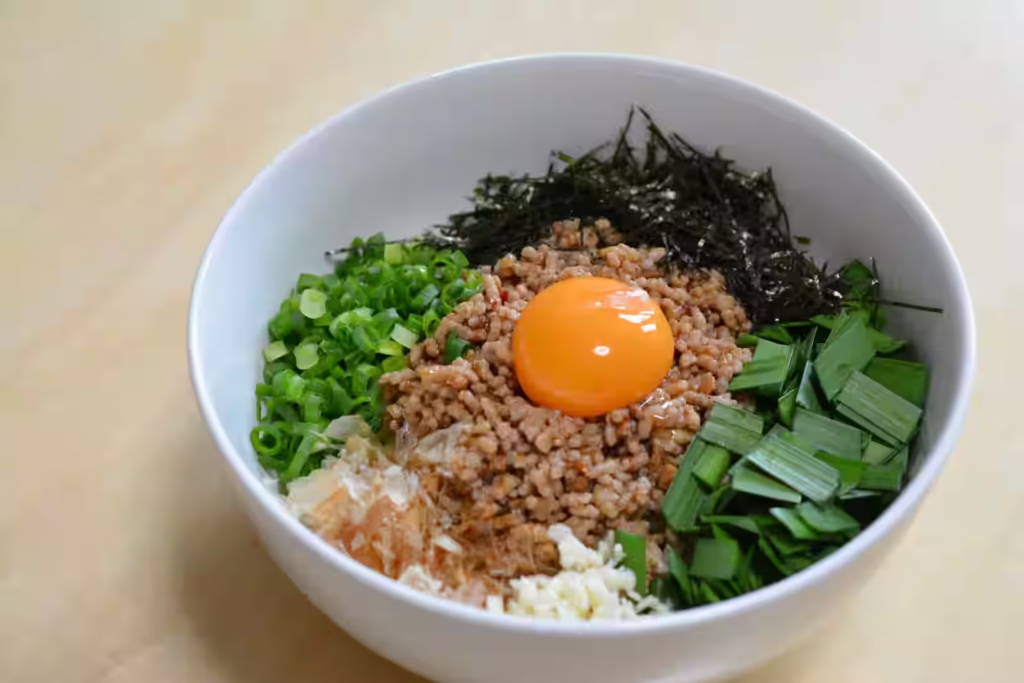
Taiwan Mazesoba (台湾まぜそば)
Taiwan mazesoba is Nagoya's spicy soup-less ramen, not a Taiwanese dish. This guide explains its origin, toppings, taste, eating style, and how it differs from ramen, abura soba, and Taiwan ramen. At first glance, the name can feel confu... -
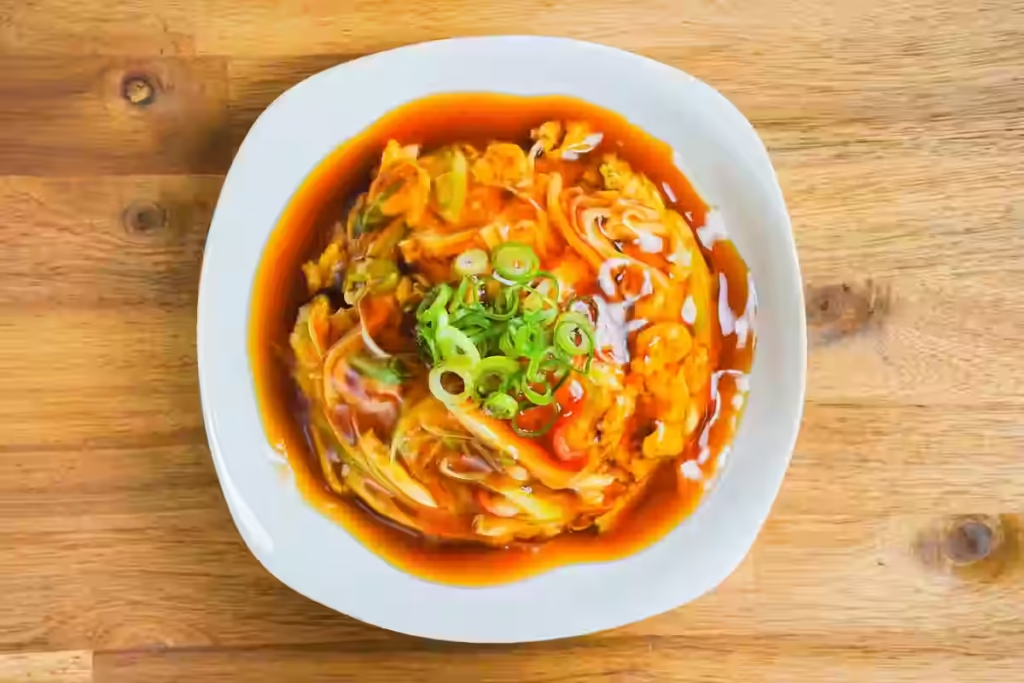
Tenshinhan (天津飯)
You sit down at a small Chinese restaurant in Tokyo, scan the menu, and spot "tenshinhan." The name sounds unfamiliar, maybe even foreign. So you order it, expecting something straight from Tianjin. What arrives instead is a soft, golden... -
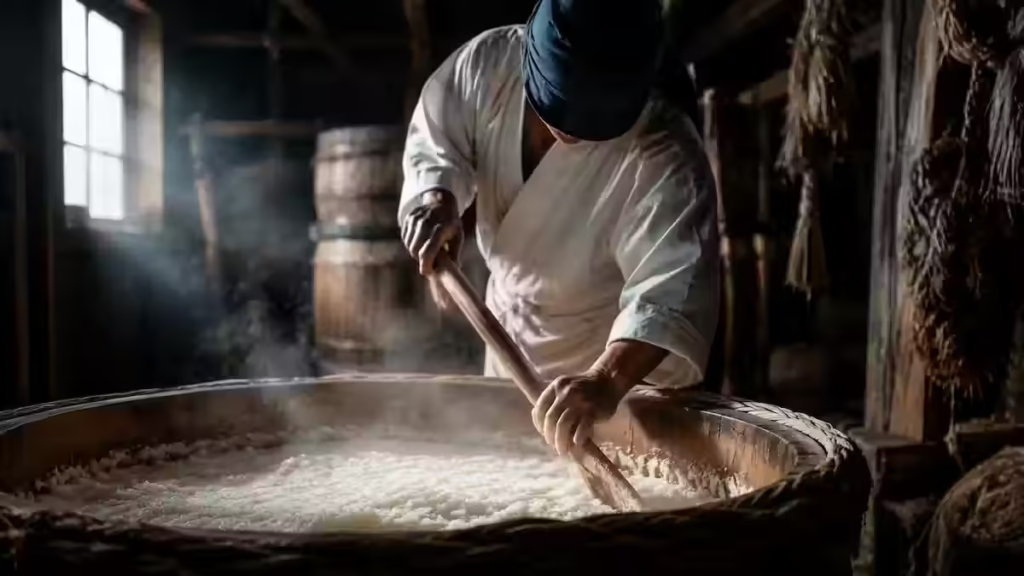
Toji (杜氏): The Master Brewer Behind Every Bottle of Sake
Behind every great bottle of sake stands one guiding figure: the toji. So what is a toji? A toji is the master brewer who leads all of sake production. Indeed, this person oversees everything, from choosing the rice to judging the taste.... -
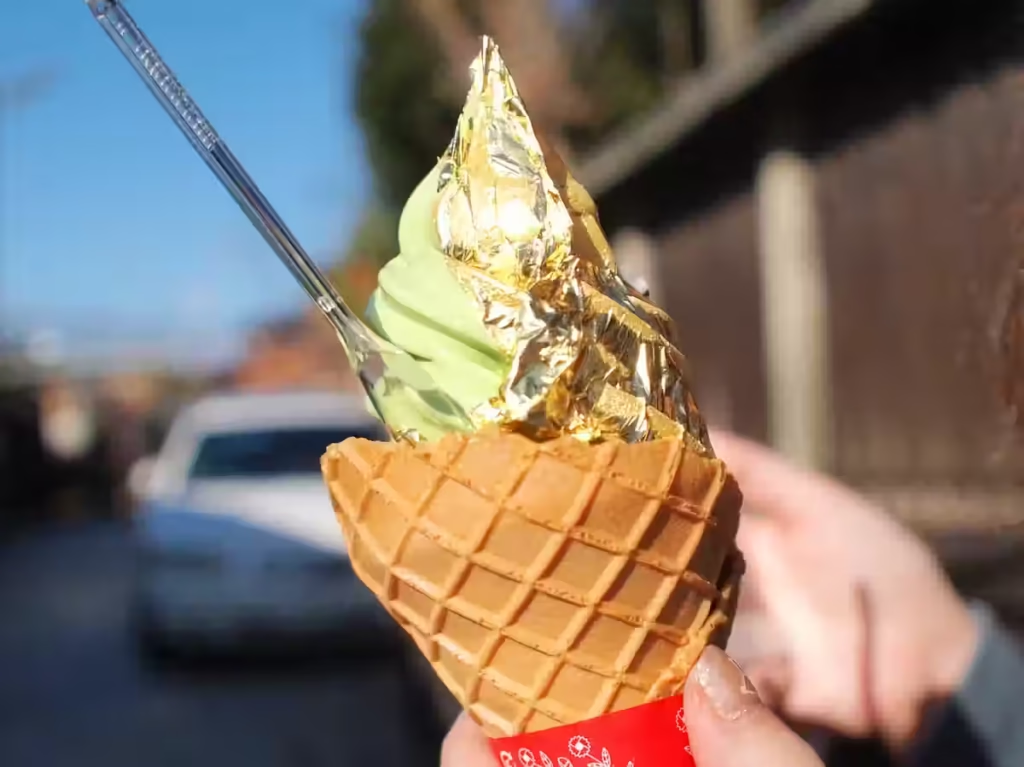

Gold Leaf Soft Serve (金箔ソフト)
Gold leaf soft serve is one of Japan's most dazzling desserts. Picture a swirl of vanilla ice cream, crowned with a shimmering sheet of real gold. Naturally, it catches the light, and honestly, it stops people in their tracks. So what is...