



「Don」の検索結果
-


Sannen Bancha (三年番茶)
Sannen Bancha (三年番茶), or "three-year bancha," is a Japanese tea named for its production timeline, not a single home region. Producers either age mature tea leaves and stems for three years before roasting them. Or they let a tea bus... -
Kyobancha(京番茶)
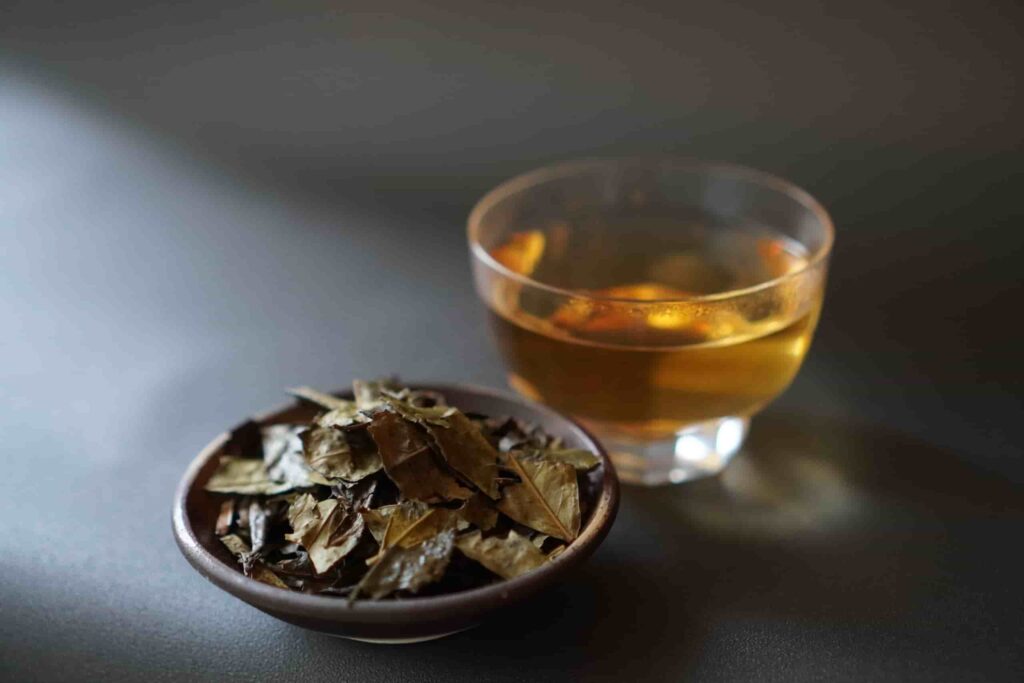
Kyobancha (京番茶), also sold as Iribancha, is Kyoto's own style of roasted green tea: large, unrolled leaves with an intensely smoky aroma, brewed into a surprisingly mellow, low-bitterness cup. It's made from the coarse, mature leaves ... -
Seki no To (関の戸)
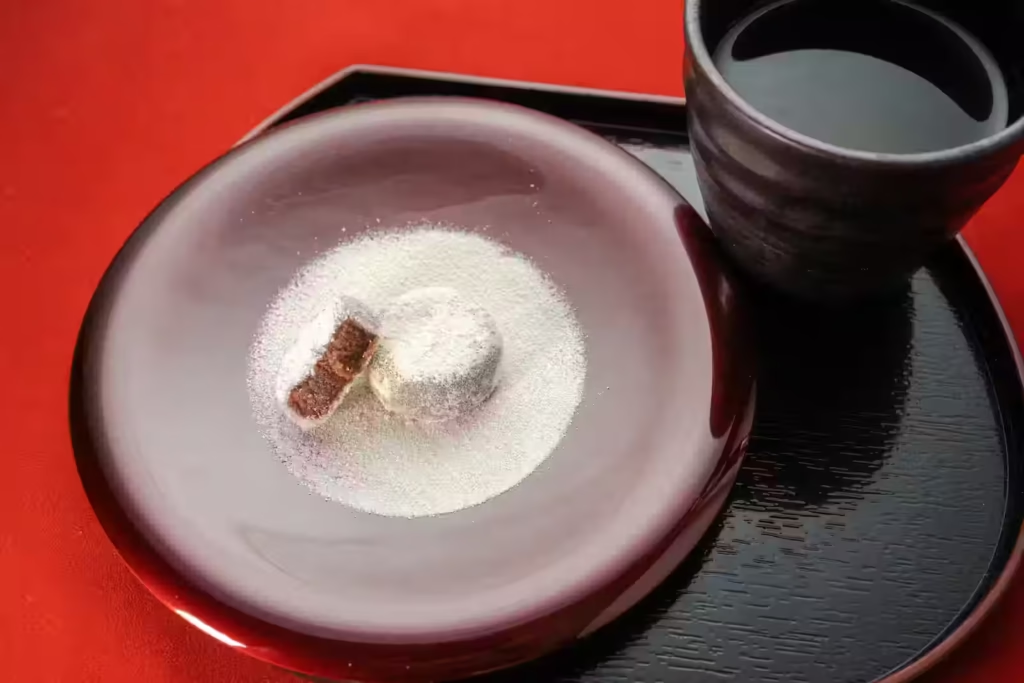
Seki no To (関の戸) is a bite-sized Japanese sweet from Seki-juku, an old post town in Kameyama, Mie Prefecture. One small shop wraps smooth red bean paste in gyuhi, a soft rice dough, then dusts the whole thing in wasanbon sugar. That p... -

Bancha(番茶)
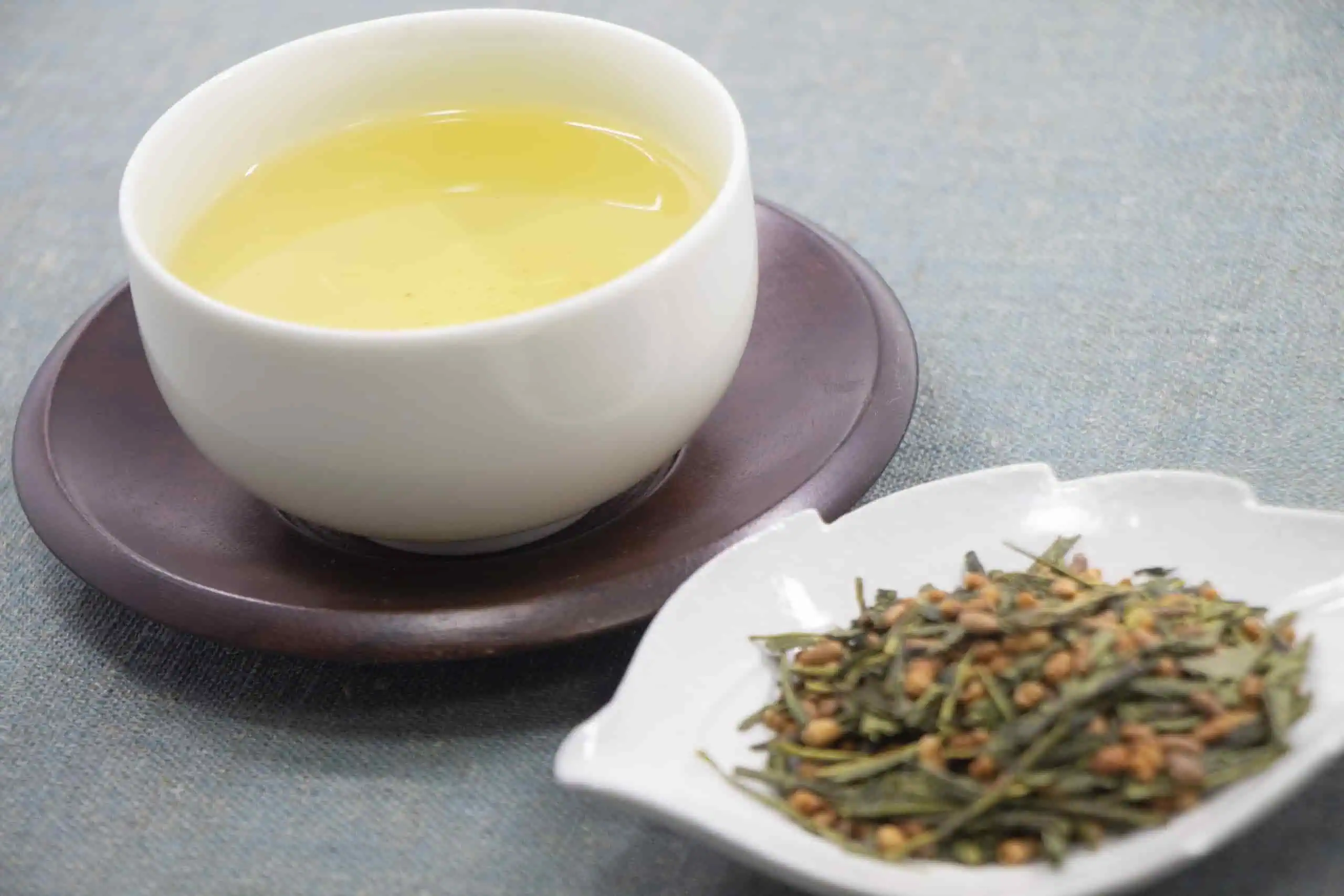
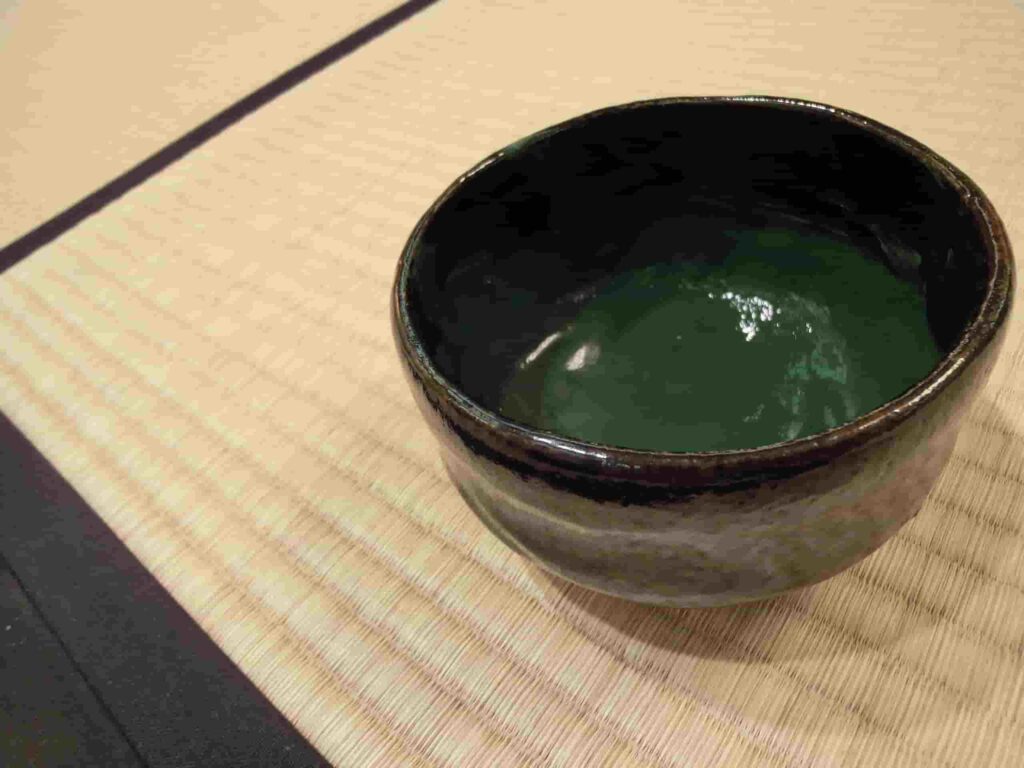
Bancha (番茶) is Japan's everyday green tea. It's an inexpensive, mild-tasting brew made from more mature leaves, picked later in the season than the tender young growth used for sencha or gyokuro. Many households in Japan keep it in the... -

Tekonezushi (てこねずし)
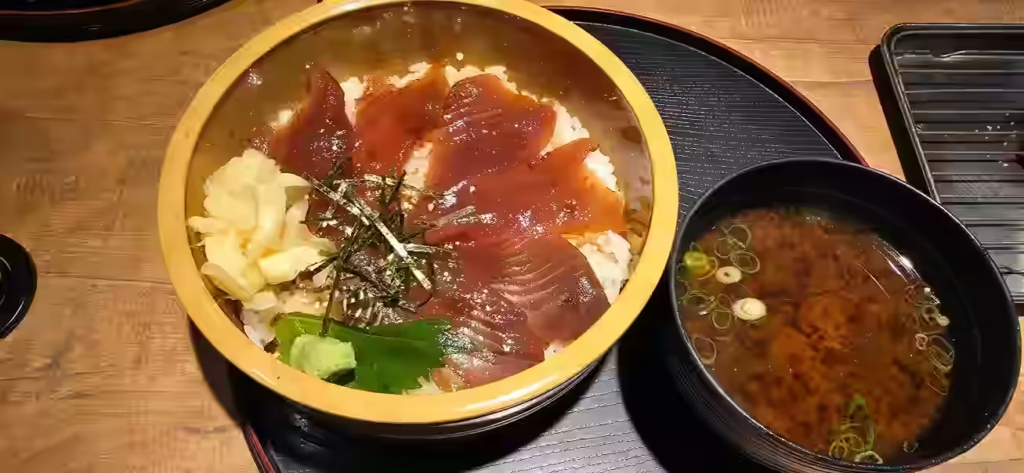
Tekonezushi is a traditional regional sushi dish from Mie Prefecture, made with red-fleshed fish marinated in a soy sauce tare and folded through vinegared rice. Bonito is the classic choice, though tuna appears often. Shiso, ginger and ... -
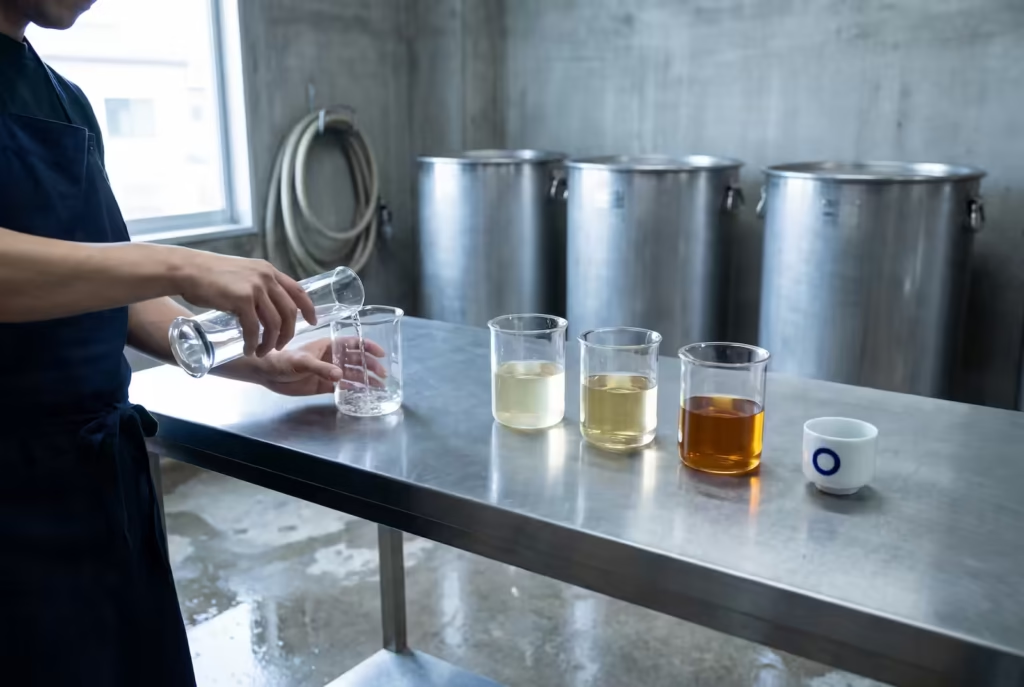

Chogo (調合): Blending and Adjusting Sake for Consistent Quality
Two tanks of sake sit side by side in a storage building. Same rice, same yeast, same recipe, same brewing season. Yet one tastes rounder, while the other carries sharper acidity. So what happens next? Somebody tastes both, then decides ... -
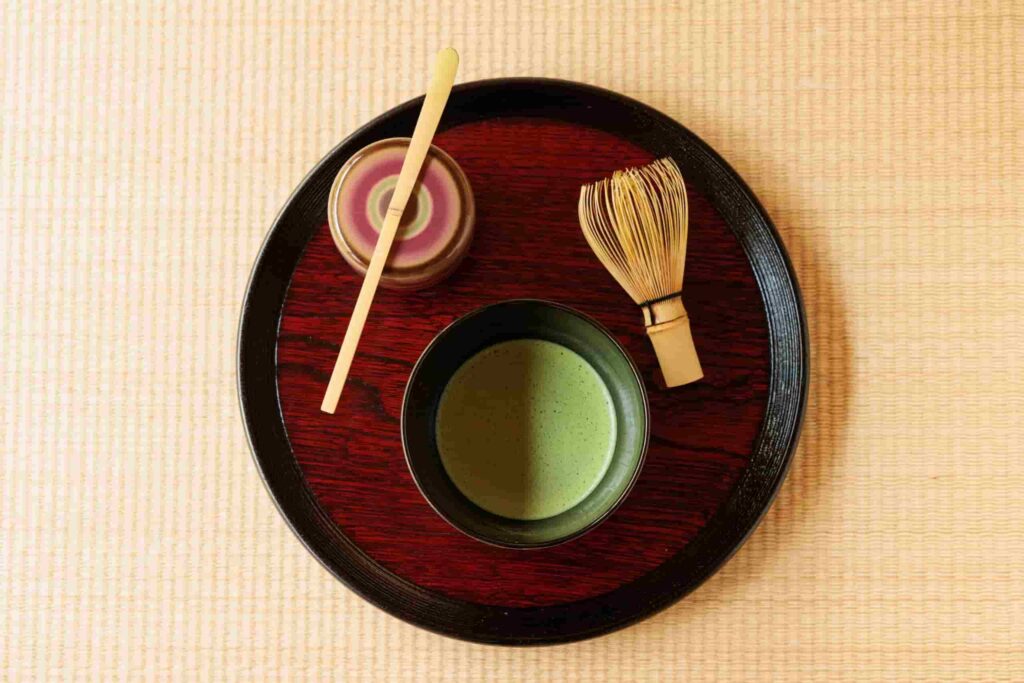
Usucha(薄茶)
Usucha (薄茶), or "thin tea," is the light, faintly foamy bowl of whisked matcha. It's what most people picture when they imagine Japanese tea. You whisk it briskly with a bamboo chasen until the surface turns pale green and lightly frot... -
Koicha (濃茶)
Koicha (濃茶), or "thick tea," is the dense, syrup-like matcha that hosts prepare and guests share during the formal Japanese tea ceremony. The host kneads it slowly into a smooth, glossy paste rather than whisking it into a light, foamy... -
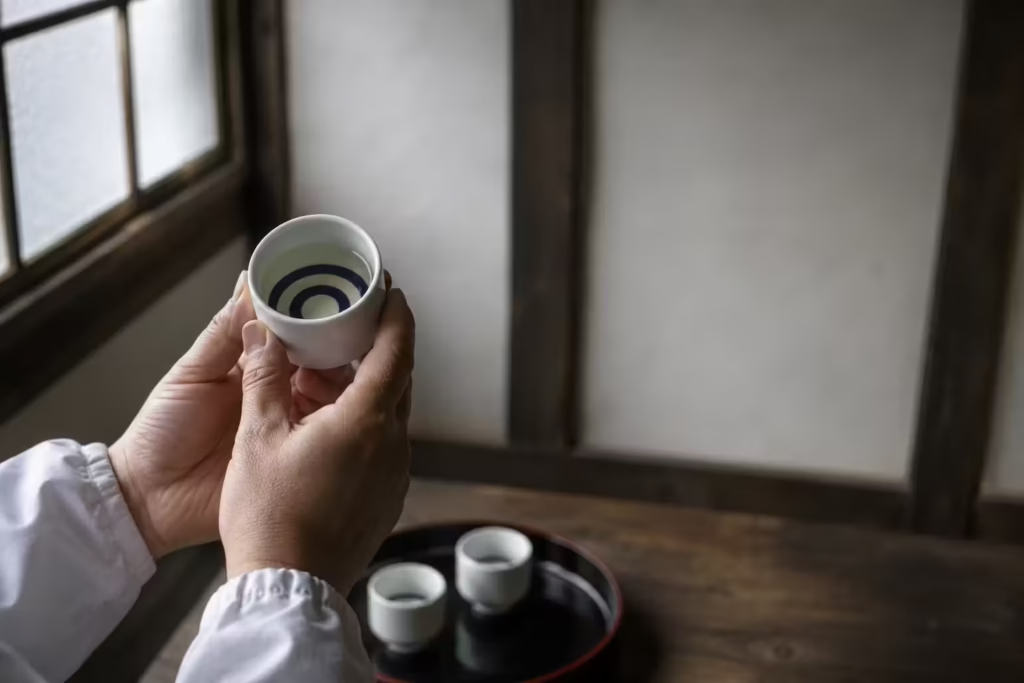
Hi-ochi (火落ち): Bacterial Spoilage in Sake
Hi-ochi (火落ち) is the bacterial spoilage of sake. It strikes after brewing finishes, and a small group of ethanol-tolerant lactic acid bacteria causes it. Sake is a hostile place for microbes, so the fact that anything spoils it at all... -
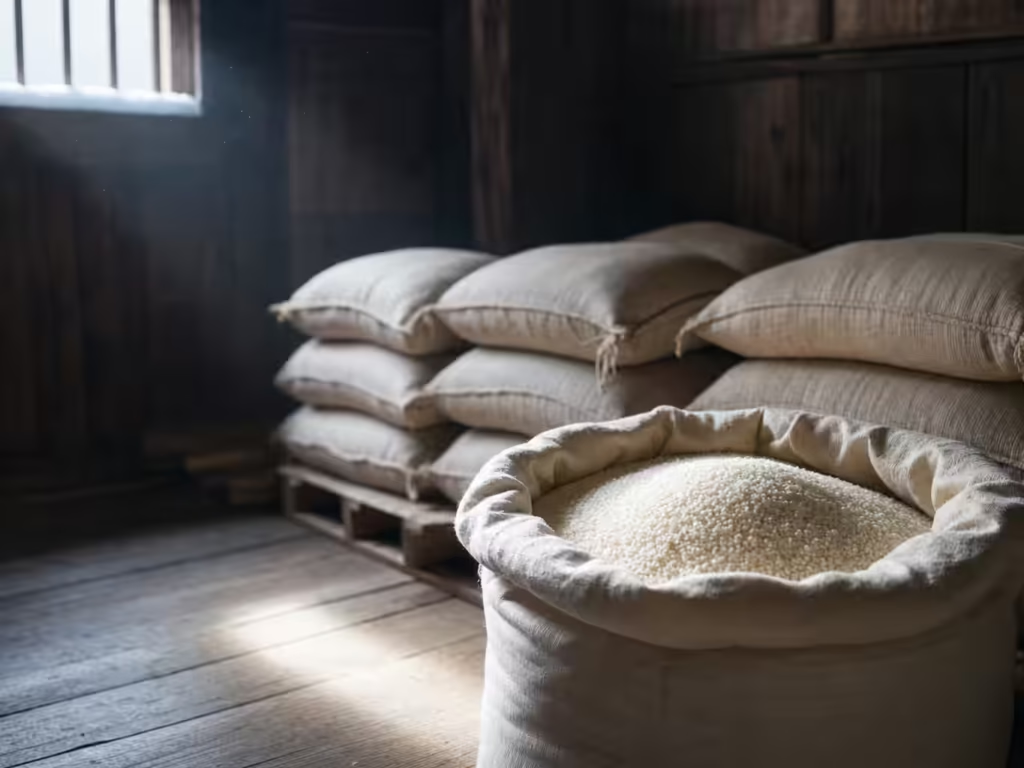
Karashi: Rice, Koji and Moto Conditioning
Karashi (枯らし) is a conditioning period in sake brewing, and it happens three separate times. Rice rests after polishing, koji rests after leaving the koji room, and the finished starter rests before it enters the main mash. Japanese b...