'/%3E%3Cpath%20fill='%23b2b2b2'%20d='M241%20382q0%2016%2017%2026%2017%2011%2042%2011t42-11q16-11%2017-26V269H241'/%3E%3Cpath%20fill='%239f7e00'%20d='M241%20379q0%2014%208%2023%209%209%2021%209%2014%200%2021-9%209-9%209-23V269h-59'/%3E%3Cpath%20d='M241%20339v-70h59v110q0%2014-9%2023l-6%205v-68h-15v72q-8%200-14-4v-68zm59%2040c0%2022%2015%2032%2029%2032%2021%200%2030-18%2030-32v-40h-59'/%3E%3Cpath%20fill='%239f7e00'%20d='M266%20277v5h2v12h-3v-5h2v-5h-9v5h2v5h-4v9h3v18h-5v10h34v-10h-5v-18h3v-9h-4v-5h2v-5h-9v5h2v5h-3v-12h2v-5zm42%20101q0%2010%206%2017%206%206%2015%207%2010-1%2016-7%206-7%206-17v-29h-43'/%3E%3Ccircle%20fill='%230044ad'%20cx='329.5'%20cy='372'%20r='6'/%3E%3Cellipse%20fill='%230044ad'%20cx='300'%20cy='340'%20rx='16'%20ry='21'/%3E%3C/svg%3E)


'%3E%3Cpath%20stroke='%23000'%20stroke-width='4'%20d='m-35-37-13%2020m5%203%2013-20m5%203-13%2020m63%2042%206-9m1-2%206-9m5%203-6%209m-1%202-6%209m5%203%206-9m1-2%206-9m-96%200%2013%2020m5-3-6-9m-1-2-6-9m5-3%2013%2020m63-42-6-9m-1-2-6-9m5-3%2013%2020m5-3-6-9m-1-2-6-9'/%3E%3Ccircle%20r='24'%20fill='%23cd2e3a'/%3E%3Cpath%20fill='%230047a0'%20d='M0%200a12%2012%200%201%201%2020%2013%2024%2024%200%201%201-40-26A12%2012%200%201%200%200%200'/%3E%3C/g%3E%3C/svg%3E)






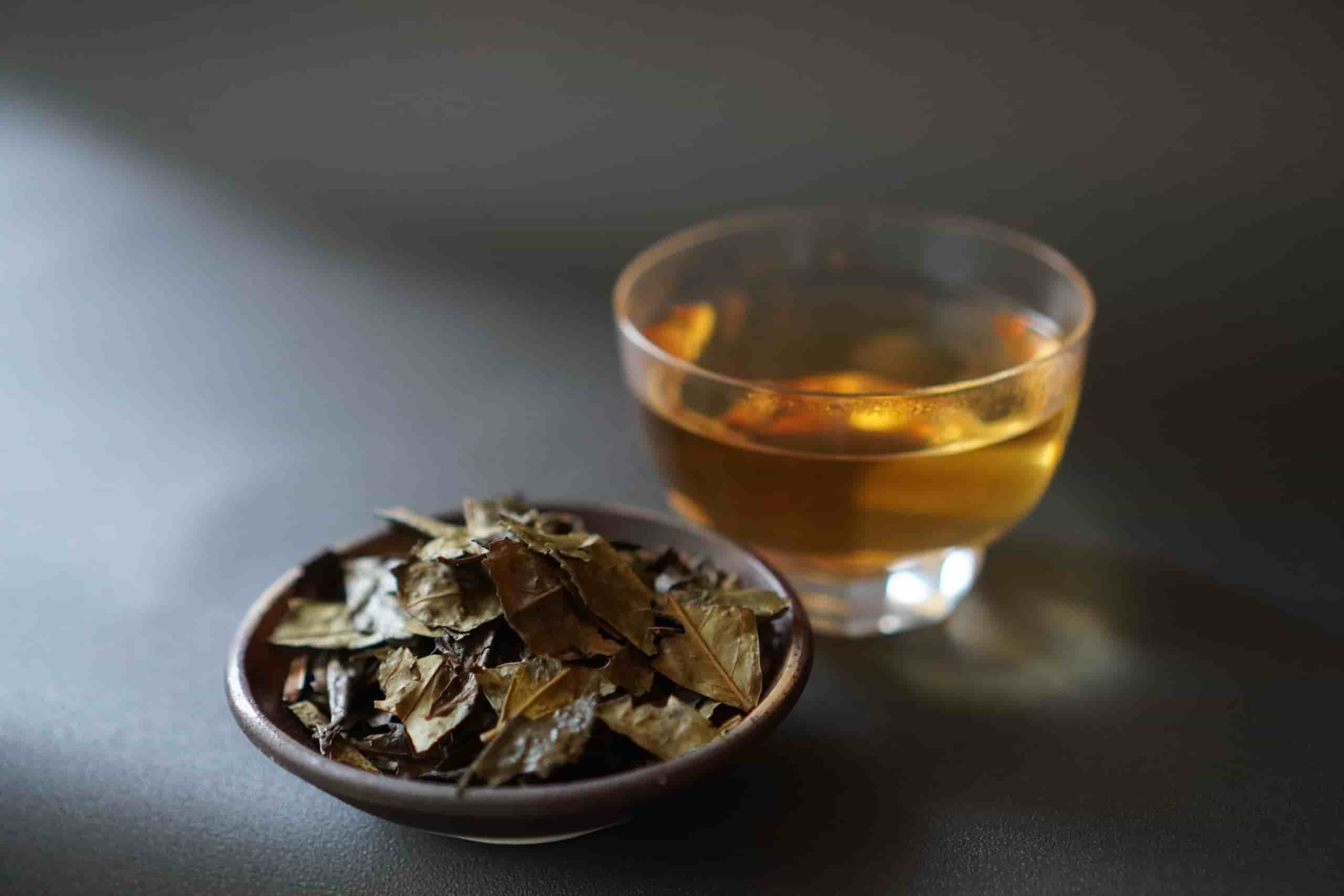
Sannen Bancha (三年番茶), or “three-year bancha,” is a Japanese tea named for its production timeline, not a single home region. Producers either age mature tea leaves and stems for three years before roasting them. Or they let a tea bush grow untouched for three years, then roast its woody branches. Either path produces a dark, earthy, almost caffeine-free tea. The result tastes closer to a warm, toasty broth than to a typical green tea.
That sets Sannen Bancha apart from a regional style like Kyobancha, tied to Kyoto and a specific roasting method. Sannen Bancha is more of a production philosophy than a place. Farms across Japan make their own versions of it. Several use the process specifically to bring old, abandoned tea fields back into use. It’s also unusually well known outside Japan, thanks to a long-standing following among macrobiotic diet practitioners in the West.
This guide covers the two ways producers make Sannen Bancha, and how it differs from related stem teas like Kukicha and Karigane. It also covers its role in macrobiotic practice, and how to brew and buy it. For the broader category it belongs to, see the complete Bancha guide. For Kyoto’s own roasted bancha style, see the Kyobancha guide.

What Is Sannen Bancha?
Two Paths to “Three Years”
“Three years” describes two different traditions, and producers don’t always agree on which one is more authentic. In the older, more common method, producers harvest mature summer or autumn leaves and stems. They steam and dry them the way they would ordinary bancha, then store the dried tea at room temperature for three years. A final light roast finishes the process. In the second method, a tea bush simply grows without pruning or harvesting for three years, developing thick, woody branches. Producers then cut those branches in winter, chop them into pieces, and steam, dry, and roast them.
Both versions carry the same name and serve the same role in the kitchen, but they don’t taste identical. The aged-leaf version tends to keep more resemblance to a roasted bancha. The bush-growth version is made almost entirely from woody stem. It often looks and smells more like small wood chips than tea leaves.
What the Name Means
“San” means three, “nen” means year, and “bancha” carries the same everyday-tea meaning it does throughout Japan’s bancha family. The complete Bancha guide covers that meaning in full. Put together, the name simply states the tea’s defining feature. Three years pass, in one form or another, before the tea reaches a cup.
How Sannen Bancha Is Made
The table below lines up the two methods side by side. Producers rarely mix them; a given batch of Sannen Bancha follows one path from start to finish.
Both methods reduce caffeine and catechins far below the level of a typical bancha. Both also trade the fresh, grassy flavor of a young leaf for a mellow, roasted one. The bush-growth method has an added practical appeal. Several small producers use it specifically to bring old, neglected tea fields back into productive use. A bush can simply be left alone for years before it’s ever harvested this way.
Sannen Bancha vs. Kukicha, Karigane, and Kaga Bōcha
Sannen Bancha belongs to a wider family of Japanese teas made from stems, twigs, and other leftover parts of the tea plant. These teas use less of the fine young leaf on its own, and they often get confused with one another. The table below sums up how the main ones differ; each has its own dedicated guide for the full story.
The clearest distinction is time and heat. Kukicha and Karigane use fresh stems processed the same season they’re picked, so they keep a green tea’s brightness. Sannen Bancha spends three years aging or growing before it’s ever roasted. That’s exactly why it tastes so different from the rest of this family.
Flavor and Aroma

Sannen Bancha tastes almost nothing like the fresh, grassy teas most people picture first. Three years of aging or growth, followed by roasting, strip away nearly all of a green tea’s brightness. What’s left is earthy, woody, and mellow, often with a gentle sweetness and a faint tang. Some drinkers pick up notes of toasted grain or cereal.
The cup is also notably smooth. Both production methods drive off much of the tea’s natural astringency along with its caffeine. As a result, Sannen Bancha rarely tastes bitter or sharp, even after a long steep. That gentleness is a large part of its appeal as a tea people drink freely, cup after cup, rather than sip carefully.
Sannen Bancha and the Macrobiotic Diet

Outside Japan, Sannen Bancha is best known through macrobiotic cooking. That food philosophy is built around whole grains, vegetables, and a balance of “yin” and “yang” qualities in food. Some accounts credit George Ohsawa, the founder of the modern macrobiotic movement, with popularizing the tea specifically for those yin-and-yang properties. It’s still sometimes called “shokuyōcha,” or macrobiotic tea, within that community today.
Macrobiotic sources describe a long list of benefits for Sannen Bancha, from digestive support to blood-sugar balance to detoxification. It’s worth being clear about where that information stands. These are traditional and philosophical claims, not conclusions backed by clinical research. No major scientific study appears to have tested them directly. What is well established is that the tea is genuinely very low in caffeine and gentle on the stomach. That alone explains a good part of its everyday popularity, regardless of the more specific health claims attached to it.
One traditional way to drink it is with umeshō: a small spoonful of pickled plum (umeboshi) paste, sometimes mixed with ginger and a little soy sauce. Cooks stir it into a hot cup of Sannen Bancha. It’s a home remedy more than a recipe, typically reached for at the first sign of a cold or an upset stomach. As with the tea’s other traditional benefits, though, that use reflects long-standing home practice rather than clinical evidence.
Caffeine and Who Should Try Sannen Bancha
Sannen Bancha is about as low in caffeine as Japanese tea gets. Some producers put its caffeine content at roughly 0.5%, and versions made almost entirely from woody stem can run even lower. That’s a fraction of what a young sencha or gyokuro leaf contains. Older, tougher plant material naturally holds less caffeine to begin with, and three years of aging or growth reduces it further still.
It’s still tea, though, not a caffeine-free drink. That very low caffeine content is exactly why families in Japan have traditionally given it to children and served it in the evening. Anyone who needs to avoid caffeine completely, or who is deciding whether to give it to an infant, should treat that tradition as a helpful guide rather than a guarantee. Check with a doctor first.
How to Brew Sannen Bancha at Home
Sannen Bancha’s tough, woody plant material needs more coaxing than a delicate green tea. Simmering, not just steeping, is the traditional way to get the most flavor out of it.
Use about 10 to 15g of Sannen Bancha per liter of water, roughly two to three tablespoons. Its bulky twigs and leaves take up more space than a fine tea, so don’t be surprised by the volume.
Add the tea to cold or boiling water in a pot, then simmer gently for 10 to 15 minutes. This slow extraction draws flavor out of the tough stems and branches far better than a quick steep would.
Strain out the leaves and serve the tea hot. It also works well cold: simmer as usual, let it cool, then refrigerate for a refreshing iced version.
For a faster cup, steep about 5g of leaves in 200ml of boiling water for 2 to 3 minutes instead. The flavor will be lighter than a simmered pot, but still recognizably Sannen Bancha.
Choosing and Buying Sannen Bancha
Sannen Bancha isn’t tied to one region or one official grading system. A bit of label-reading goes a long way when buying it.
- 🍃Check which method was used. Some sellers note whether their Sannen Bancha comes from aged leaf or an unharvested bush; either is genuine, but they taste and look somewhat different.
- 🍃Expect twigs and stems, not fine leaves. Large, woody pieces are normal for this tea, especially the bush-growth version, which can resemble small wood chips.
- 🍃Don’t confuse it with plain kukicha. If a listing simply says “twig tea” without mentioning aging, a three-year process, or roasting, it’s more likely kukicha or karigane than true Sannen Bancha.
- 🍃Look for organic and small-batch producers. Because the bush-growth method suits reclaimed, unmanaged tea fields, many Sannen Bancha producers are small farms growing without fertilizers or pesticides.
Storing Sannen Bancha

Keep Sannen Bancha sealed in an airtight container, away from light, heat, and strong odors. That’s the same basic rule as any tea. It’s already been aged or grown for years, then roasted. That makes it far more forgiving over time than a fresh green tea. Its sturdy, woody structure and roasted character mean it keeps its flavor for a long time after opening. That makes it a practical tea to buy in a larger quantity.
Common Sannen Bancha Myths
Final Thoughts
Sannen Bancha turns patience into flavor. Whether producers age the leaf for three years or let the whole bush grow untouched for that long, the result is the same kind of tea. It’s dark, earthy, gentle on the stomach, and about as low in caffeine as Japanese tea gets. That’s exactly why it became a household staple for macrobiotic cooking. It’s also a genuine everyday tea in the Japanese homes that make it.
It isn’t a tea to judge the way you would a fine sencha or gyokuro. And it isn’t tied to one region the way Kyobancha or Kaga Bōcha are. It’s closer to a slow, patient craft applied to Japan’s most ordinary tea leaves and stems.
The best way to get to know it is to simmer a full pot rather than steep a quick cup. Let three years of patience show up in the glass.
To explore more Japanese tea culture, read these related guides:
Sannen Bancha FAQ
What is Sannen Bancha?
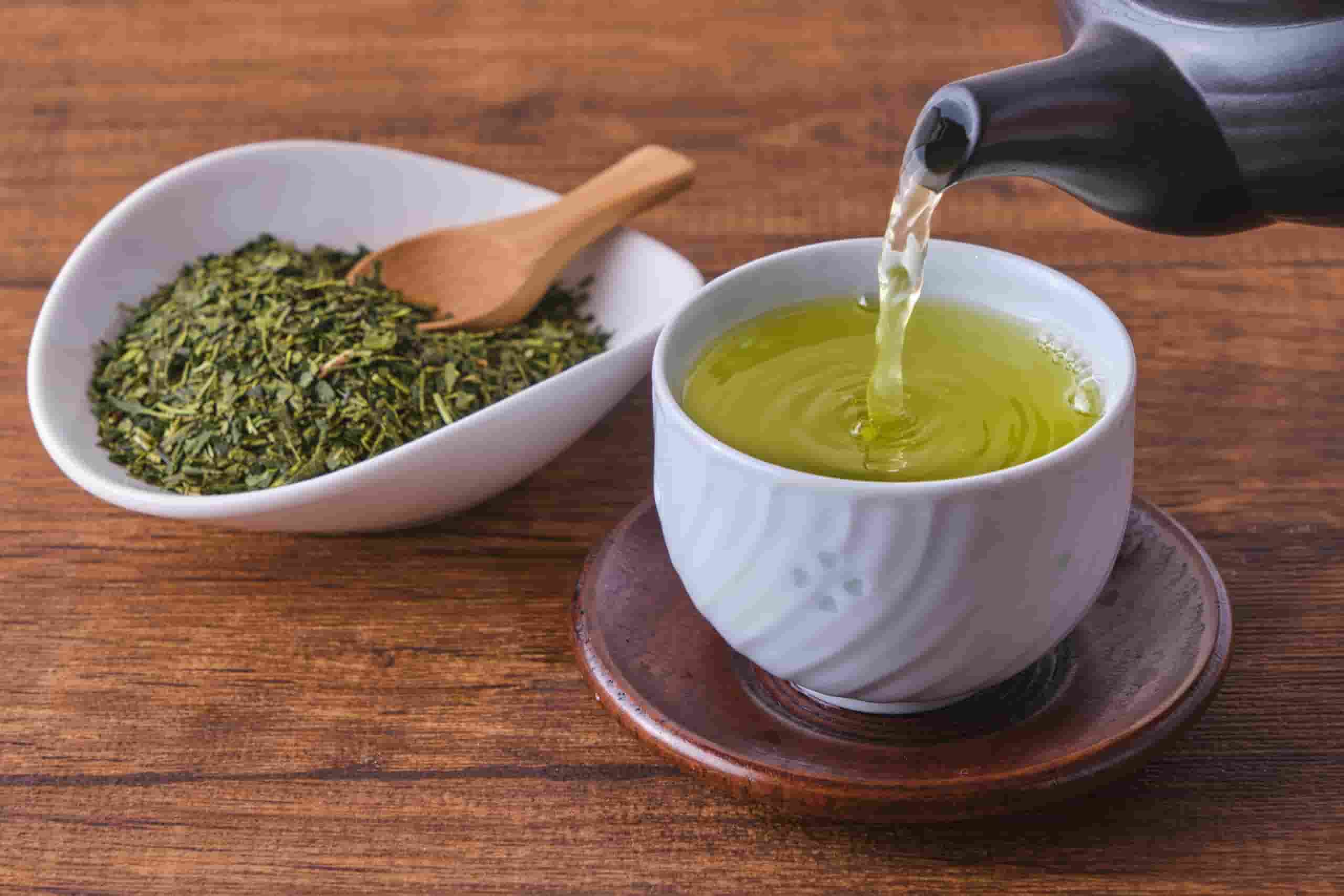
Sannen Bancha, or “three-year bancha,” is a Japanese tea made by either aging mature bancha leaves for three years before roasting, or letting a tea bush grow untouched for three years before roasting its branches. Both versions are dark, earthy, and very low in caffeine.
Is Sannen Bancha the same as kukicha?
No. Kukicha is made from fresh stems processed the same season they’re picked, keeping a green tea’s brightness. Sannen Bancha spends three years aging or growing before roasting, giving it a much darker, earthier flavor.
Does Sannen Bancha have caffeine?
Yes, but very little. Some producers estimate around 0.5% caffeine content, among the lowest of any Japanese tea, though it isn’t entirely caffeine-free.
Why is Sannen Bancha popular in macrobiotic diets?
Macrobiotic cooking values its very low caffeine content and its place within that philosophy’s yin-and-yang food framework. Some accounts credit George Ohsawa, the founder of the modern macrobiotic movement, with popularizing it. Its wider health claims come from tradition rather than clinical research.
How do I brew Sannen Bancha at home?
Use about 10 to 15g of tea per liter of water. Simmer gently for 10 to 15 minutes to draw flavor out of its tough stems and branches. For a quicker cup, steep 5g in 200ml of boiling water for 2 to 3 minutes instead.
Where does Sannen Bancha come from?
Unlike Kyobancha or Kaga Bōcha, Sannen Bancha isn’t tied to one region. Small producers across Japan, including Kyoto and Shizuoka, make their own versions. Some use the aging method; others use the bush-growth method.
References
- Global Japanese Tea Association, Sannen Bancha, on the two production methods and the tea’s lower caffeine and catechin content.
- Yunomi, Discover Japanese Tea: Sannen Bancha, on the aging and bush-growth methods and specific producer examples.
- Curious Tea, Shizuoka Sannen Bancha, on the aging and roasting process and the tea’s flavor profile.
- Kenichi Shizen Nouen, What Is Sannen Bancha, on the bush-growth method and its use in reviving abandoned tea fields.
- Basics of Happy, Macrobiotic Umeshō and Sannenbancha, on the traditional umeshō preparation.
- TeaDelight, Kukicha Tea: The Complete Guide to Japan’s Stem Tea, on how Sannen Bancha compares with kukicha, karigane, and kaga bōcha.
- Green Tea Benefits, Sannenbancha, on the tea’s history within the macrobiotic movement, its caffeine content, and the traditional, non-clinical status of its claimed health benefits.




Comments