



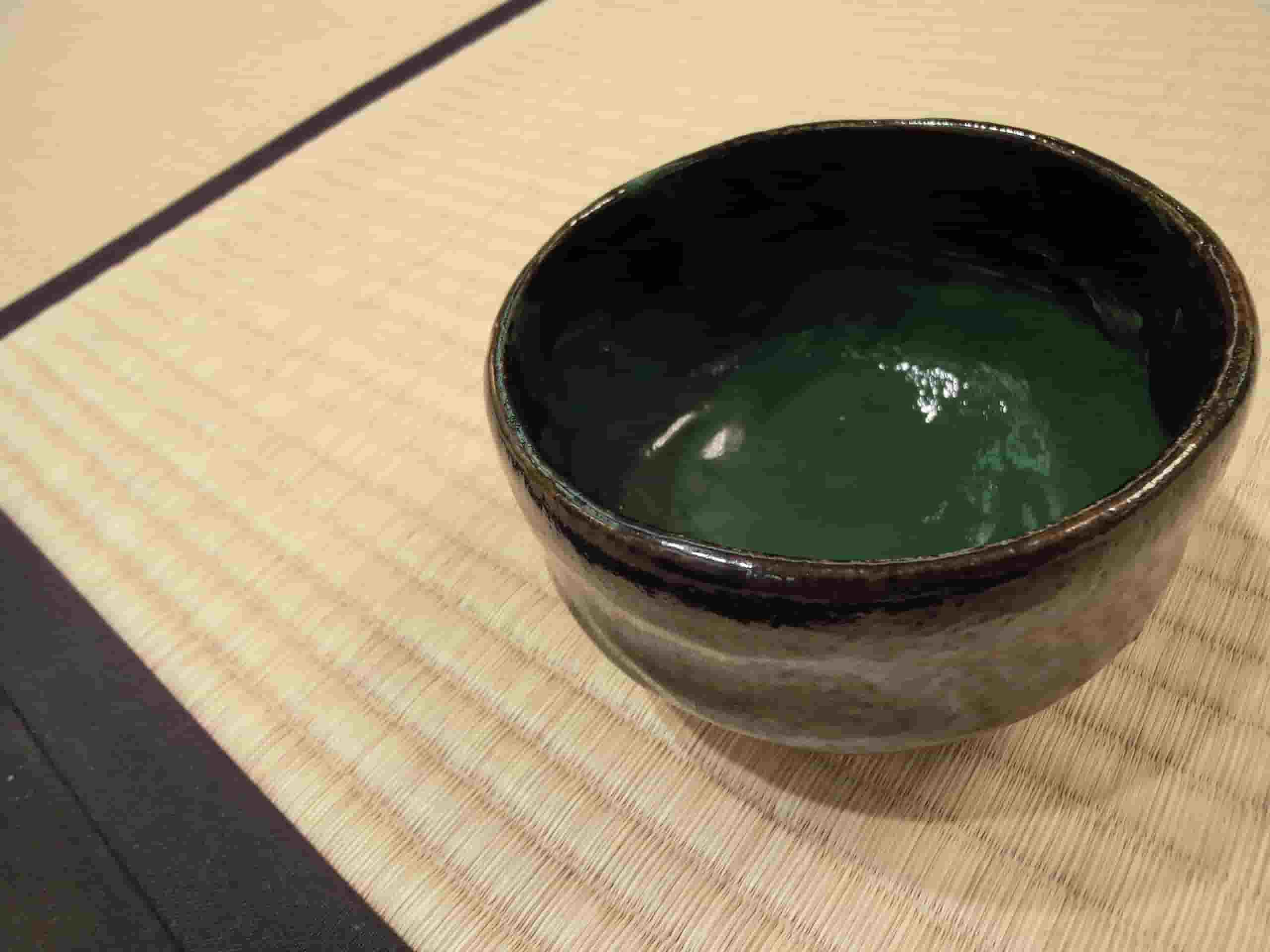
Bancha (番茶) is Japan’s everyday green tea. It’s an inexpensive, mild-tasting brew made from more mature leaves, picked later in the season than the tender young growth used for sencha or gyokuro. Many households in Japan keep it in the kitchen for daily drinking, alongside meals, or for serving guests. It isn’t a tea people save for a special occasion.
“Bancha” isn’t one single recipe, though. It’s closer to a category. A plain, pale, steamed bancha from a local supermarket and a smoky, deep-roasted Kyobancha from Kyoto are both called bancha. So is a sour, barrel-fermented tea from a small village in Tokushima. What ties them together is the leaf itself: bigger, tougher, and picked later than the leaf used for Japan’s more prized green teas. What happens to that leaf afterward varies enormously by region.
This guide covers what bancha is and how it compares with sencha. It explains how to brew the everyday steamed version at home, and how bancha relates to hōjicha. It also introduces several of Japan’s distinct regional bancha traditions. Each has its own history and deserves its own full guide. For the tea bancha is picked alongside, see the complete Sencha guide.
What Is Bancha?
Harvest Timing and Leaf
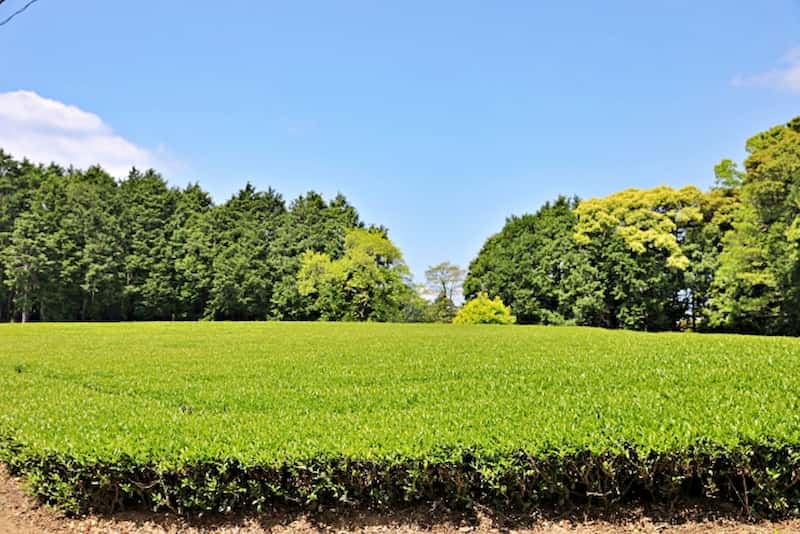
Japan’s tea harvest happens in rounds through the growing season. Farmers call each round a “flush,” or a pick. The first flush, in spring, produces the most tender leaves. It becomes premium sencha, gyokuro, and tencha, the raw material for matcha. Later flushes, picked in summer and into autumn, use bigger, tougher, more mature leaves. Bancha usually comes from these later pickings. It can also come from the larger, coarser leaves further down the stem, ones that sencha processing sorts out and sets aside.
What the Name Means
The name itself reflects this. “Cha” means tea, and “ban” (番) is a character that can mean a turn, or a number in a sequence. Most explanations tie it to bancha’s place as tea from a later turn of the harvest, rather than the first and most valued picking. In everyday use, people usually just translate “bancha” as “common tea” or “everyday tea.” That description fits its role better than any strict technical definition.
Processing and Flavor
In its most common form, the one most people mean when they simply say “bancha,” producers steam, roll, and dry the leaves much like sencha. The leaf is thicker and less tender, though, so the dried tea looks flatter and less needle-like than sencha, often in a lighter, more yellow-green shade. That processing produces a mild, simple cup, with less vegetal intensity and umami than sencha. It also tends to contain less caffeine and fewer catechins, since older leaves carry smaller amounts of both.
Bancha vs. Sencha
Bancha and sencha come from the same tea plant and, in many cases, the same farm. What separates them is mainly the leaf’s age at harvest, and, as a result, its price and character. The table below summarizes the main points of contrast.
Bancha uses more abundant, less delicate leaves, so it’s also more forgiving to brew. Water that’s too hot, or a steep that runs too long, can quickly turn sencha bitter. Bancha’s tougher, more mature leaves tolerate hotter water and a longer steep without that same risk. That’s a large part of why it works well as a relaxed, everyday tea, rather than one that needs careful attention.
Everyday Bancha: Flavor and How to Brew It
Plain, unroasted bancha is the version most people encounter first. It tastes light and straightforward: mildly grassy, faintly sweet, sometimes with a slightly nutty or hay-like note. It lacks the pronounced umami of a good sencha. It’s a quiet, easygoing tea rather than a complex one. That’s exactly the point for a drink meant to accompany a meal, or fill a cup throughout the day.
Because the leaves are mature and sturdy, bancha is one of the easiest Japanese teas to brew well, even for a beginner.
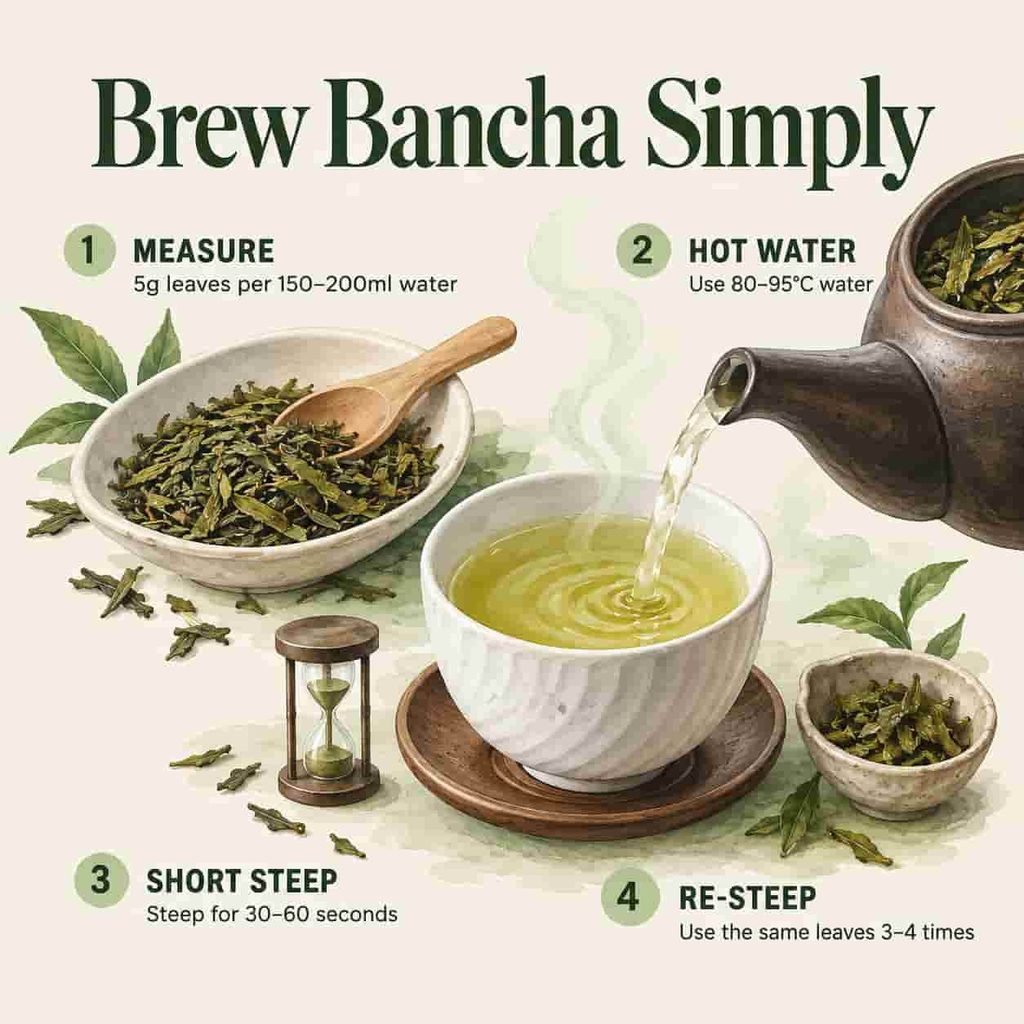
Use about 5g of loose bancha, roughly two to three teaspoons, for every 150 to 200ml of water. Bancha’s bulky, flat leaves take up more space than a fine sencha. Weighing them is more reliable than measuring by volume alone.
Pour water at roughly 80 to 95°C, well hotter than most guides recommend for delicate sencha. Bancha’s mature leaves rarely turn bitter at high heat. There’s no need to let freshly boiled water cool for long.
Let the tea steep for about 30 to 60 seconds. Pour it out completely rather than leaving it sitting on the leaves, so the next infusion doesn’t turn overly strong.
Bancha leaves generally hold up for three to four infusions. Shorten each re-steep to around 20 seconds. The leaves have already opened up by then, and release flavor faster the second and third time around.
Regional and Traditional Bancha Styles
The plain, steamed bancha described above is what most people picture, but it’s only part of the picture. Several regions of Japan have their own long-standing bancha traditions, and some barely resemble a typical green tea at all. What they share with everyday bancha is the starting point: bigger, more mature leaves, harvested later in the season, rather than a delicate first-flush pick.
Regional Bancha at a Glance
The table below introduces several of these styles. Each has enough history and technique behind it for a guide of its own.
Japan’s Post-Fermented Bancha Teas
Awa Bancha, Goishicha, and Ishizuchi Kurocha belong to a small, unusual category: Japan’s post-fermented teas. Unlike the oxidized black teas familiar in the West, these rely on fungi and bacteria acting on the leaf over weeks. That produces sour, mellow flavors with little bitterness. Producers make them in small quantities in specific villages, and consider them rare specialty teas today, not everyday bargains, even though they share the “bancha” name with the plain tea in a supermarket tin.
Bancha and Hōjicha
Bancha and hōjicha are closely related but not the same thing. “Hōjicha” comes from the verb hōjiru, meaning “to roast,” and describes a process, not a specific leaf. Producers commonly roast bancha at high heat to make hōjicha. That roasting turns the flavor from grassy and vegetal to toasty and nutty, lightens the color to reddish-brown, and lowers the caffeine content even further. Producers can also make hōjicha from sencha or other leaf grades, though, so the two terms aren’t interchangeable. All roasted bancha could reasonably be called a style of hōjicha, but not all hōjicha started out as bancha.
People also sometimes confuse bancha with kukicha, Japan’s twig tea. The two overlap in places; Kaga Bōcha above is a roasted tea made from stems, similar in spirit to kukicha. They aren’t the same category, though. Kukicha specifically uses stems and twigs left over from processing higher-grade tea, while most bancha uses mature leaves instead. Both guides are worth reading together for the fuller picture of how Japan uses the parts of the tea plant that don’t go into premium sencha or gyokuro.
Caffeine and Who Should Try Bancha
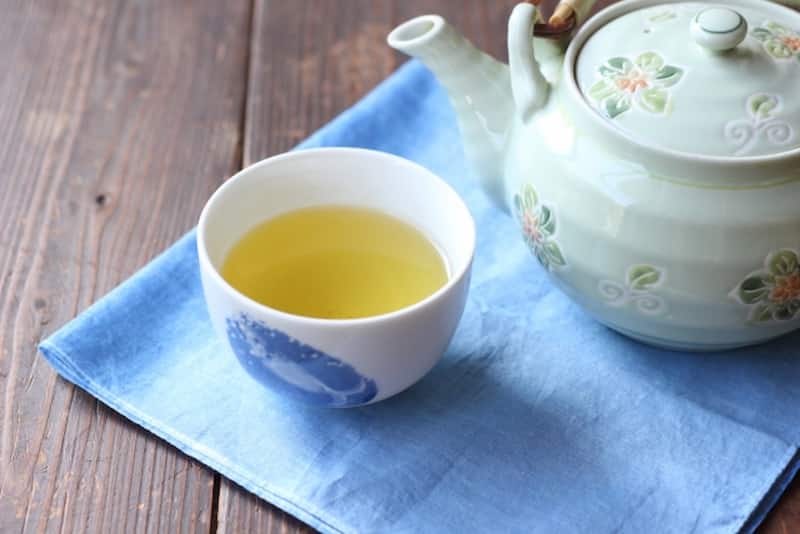
Caffeine and catechin levels in tea generally track leaf maturity. Younger, more tender leaves, like those used for gyokuro and high-grade sencha, tend to contain more of both. The older, tougher leaves used for bancha tend to contain less. Exact figures vary widely by cultivar, growing conditions, and processing method, so it’s more useful to think of bancha as “generally milder” than to expect one fixed number. Producers often market roasted and aged styles, such as Sannen Bancha, specifically for their especially low caffeine content. That’s part of why they’re popular as an evening tea, or for children, in Japan.
Even so, bancha is not caffeine-free. Anyone who is sensitive to caffeine, pregnant, or serving tea to children should still treat it like any caffeinated beverage. Keep portions moderate, and be mindful of timing, particularly with unroasted, green-style bancha rather than a roasted or aged variety.
For anyone new to Japanese green tea, bancha is a reasonable place to start. It’s inexpensive and forgiving to brew. It’s unlikely to taste bitter even if you get the water temperature or steeping time slightly wrong. That makes it a low-pressure way to get familiar with Japanese tea, before exploring pricier, more delicate grades.
Choosing and Buying Bancha
A low price tag on bancha isn’t a sign of poor quality. It mainly reflects that later-season, more mature leaves are more abundant, and less labor-intensive to pick, than the tender first flush used for premium sencha. That said, a few things are worth checking before buying.
- 🍃Decide what style you want. “Bancha” alone usually means the plain, unroasted, steamed version. Look specifically for hōjicha if you want the toasty flavor most people associate with roasted Japanese tea. Look for a named regional tea like Awa Bancha or Goishicha if you want something sour and fermented.
- 🍃Check the leaf color. Fresh, unroasted bancha should look a fairly bright, if slightly faded, yellow-green. A dull, brownish color in a tea that’s supposed to be unroasted usually points to age rather than a processing choice.
- 🍃Look for a harvest or packaging date. Fresher is better for flavor, as with any green tea, even though bancha keeps noticeably longer than a delicate sencha before it goes stale.
- 🍃Don’t assume price signals quality here. Some of the regional post-fermented teas above carry the “bancha” name, but they’re rare, labor-intensive specialty products, priced accordingly. A plain supermarket bancha, by contrast, is meant to be an everyday bargain.
Storing Bancha
Keep bancha sealed in an airtight container, away from light, heat, and strong odors such as coffee or spices. That’s the same basic rule that applies to any Japanese tea. Roasted and fermented styles, including hōjicha-style roasts, Kyobancha, and the post-fermented regional teas, tend to stay stable noticeably longer than a plain unroasted green tea, since roasting and fermentation break down some of the compounds that turn stale quickly. Even so, it’s best to finish unroasted bancha within a few months of opening. Any bancha tastes better the fresher it is.
Common Bancha Myths
Final Thoughts
Bancha is less a single tea than a category defined by timing: leaves picked later, and left to mature longer, than the prized first flush that becomes sencha or gyokuro. What producers do with that leaf afterward is where the real variety shows up. It ranges from a plain, mild, everyday cup to the smoky roast of Kyobancha, or the sour, fermented character of Awa Bancha and Goishicha.
For most people, the plain steamed version is the easiest place to start. It’s inexpensive, forgiving to brew, and a genuine part of daily life in Japan, rather than a special-occasion tea. From there, Japan’s regional bancha traditions are worth exploring on their own terms. Each will get its own guide in this series as it’s covered in full.
The simplest next step is also the most useful one: brew a pot with hotter water and a shorter steep than you’d use for sencha. Then taste how differently a later-picked leaf behaves.
To explore more Japanese tea culture, read these related guides:
.jpg)
Bancha FAQ
What is bancha?
Bancha is Japan’s everyday green tea, made from more mature leaves picked later in the season than sencha or gyokuro. It’s inexpensive, mild-tasting, and generally lower in caffeine than premium Japanese green teas.
What is the difference between bancha and sencha?
Sencha uses young, tender leaves from the first harvest of the season. Bancha uses larger, more mature leaves from later pickings. It tends to taste milder and simpler, with less caffeine, and it costs less.
Does bancha have caffeine?
Yes, but generally less than sencha or gyokuro. Older leaves contain fewer of the compounds tea plants concentrate in young growth. Some roasted or aged styles, such as Sannen Bancha, are marketed for especially low caffeine, though none are entirely caffeine-free.
How do I brew bancha at home?
Use about 5g of loose bancha per 150 to 200ml of hot water, ideally 80 to 95°C. Steep for 30 to 60 seconds. The leaves are forgiving, so slightly hotter water or a longer steep won’t ruin the cup the way it can with sencha.
Is bancha the same as hōjicha?
No. Hōjicha is a roasted tea, and producers often make it by roasting bancha, but hōjicha can also come from other tea grades. Roasting turns the flavor toasty and nutty and lowers caffeine further, but it’s a separate step, not another name for bancha.
What is the difference between bancha and kukicha?
Kukicha is made specifically from tea stems and twigs left over from processing other tea. Most bancha, by contrast, comes from mature leaves. Some regional teas, such as Kaga Bōcha, blur the line by roasting stems in a style similar to bancha.
Are Kyobancha and Sannen Bancha the same tea?
No. Both are regional Japanese teas that carry the “bancha” name, but producers process them differently. Kyobancha is steamed and then roasted. Sannen Bancha is either aged for three years, or grown unharvested for three years, before roasting. Each has its own distinct flavor.
References
- Global Japanese Tea Association, Bancha, on the definition, harvest timing, and lower amino acid, catechin, and caffeine content of bancha compared with sencha.
- Global Japanese Tea Association, Hirabancha, on a regional bancha style from Shiga Prefecture and its processing.
- Global Japanese Tea Association, Kyobancha, on the long steaming and roasting process used for Kyoto’s bancha style.
- Global Japanese Tea Association, Sannen Bancha, on the three-year aging or growing method and its lower caffeine and catechin content.
- Global Japanese Tea Association, Awabancha, on the lactic acid fermentation process used to make Tokushima’s Awa Bancha.
- Global Japanese Tea Association, Batabatacha, on Toyama’s post-fermented, whisked tea tradition.
- Ministry of Agriculture, Forestry and Fisheries of Japan, Kaga Bocha, on the history and roasting process of Kanazawa’s stem tea.
- Wikipedia, Goishicha, on the two-stage fermentation process and the origin of the tea’s name.
- PMC (National Library of Medicine), Analysis of D-Amino Acid in Japanese Post-Fermented Tea, Ishizuchi-Kurocha, on the post-fermentation process behind Ehime’s dark tea.
- Kyoto Obubu Tea Farms, What’s in a Name? Part III: Bancha & Hojicha, on the naming and etymology of bancha and hōjicha.



Comments