


Japanese Food– Traditional Dishes, Local Specialties & Food Culture of Japan –

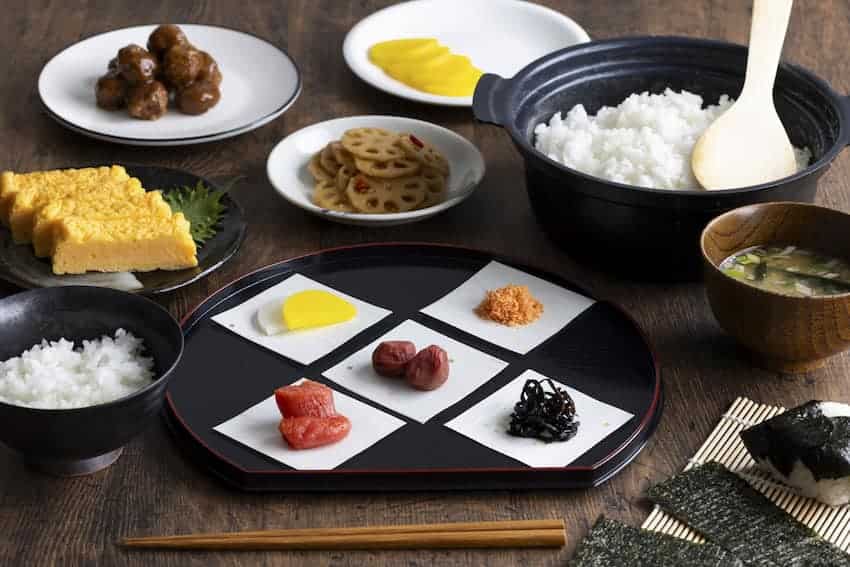
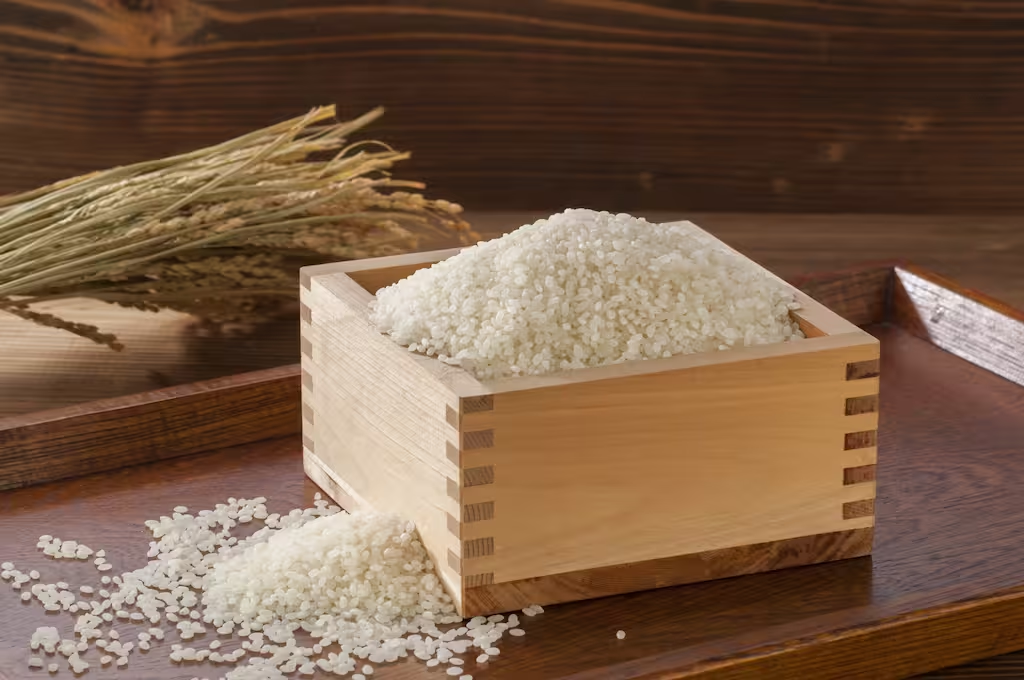
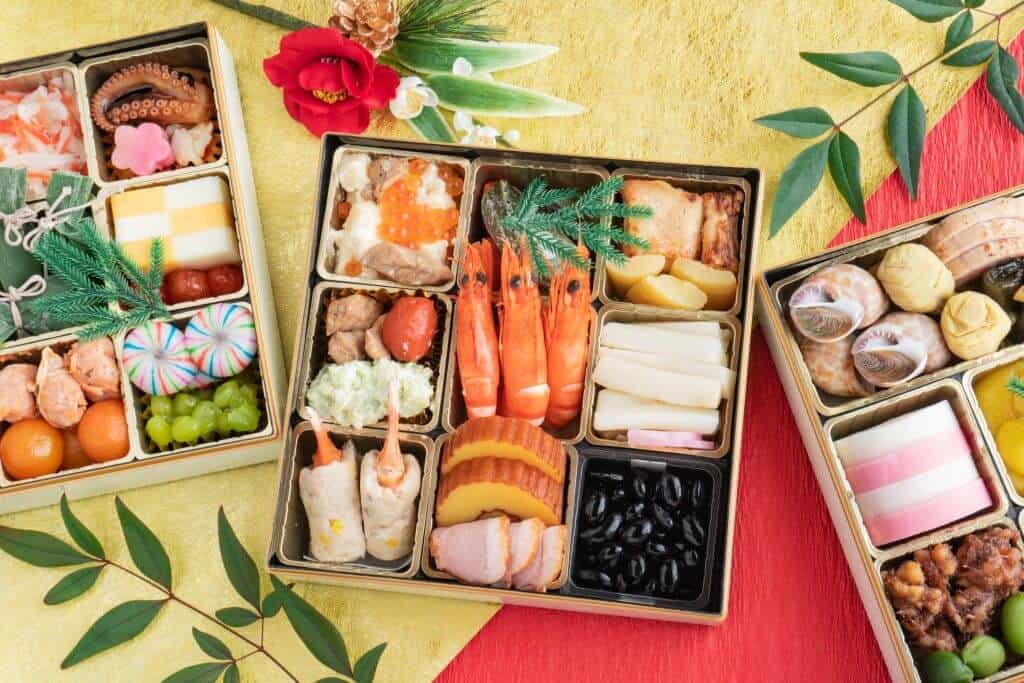
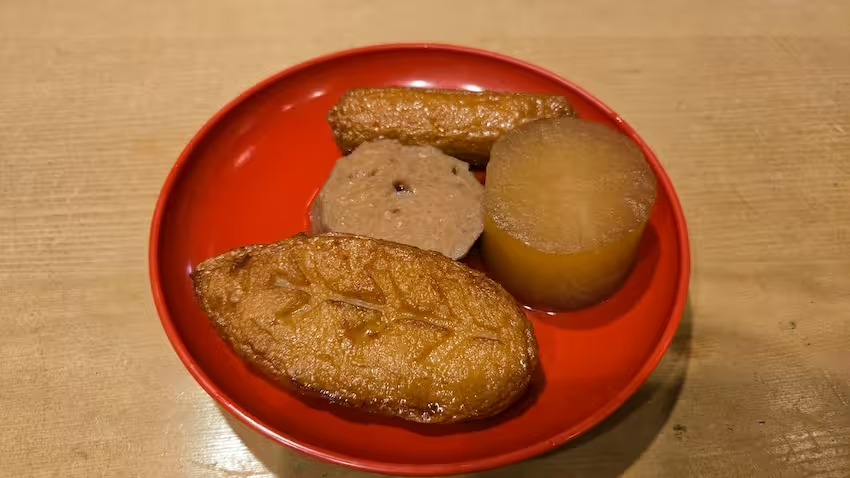
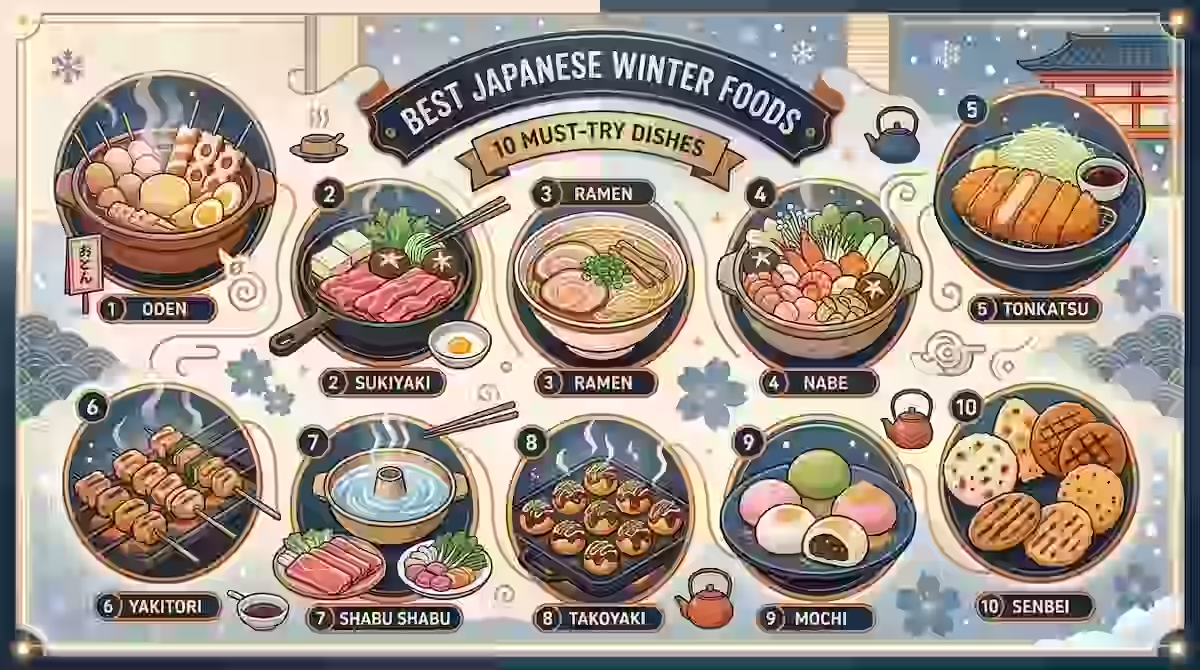
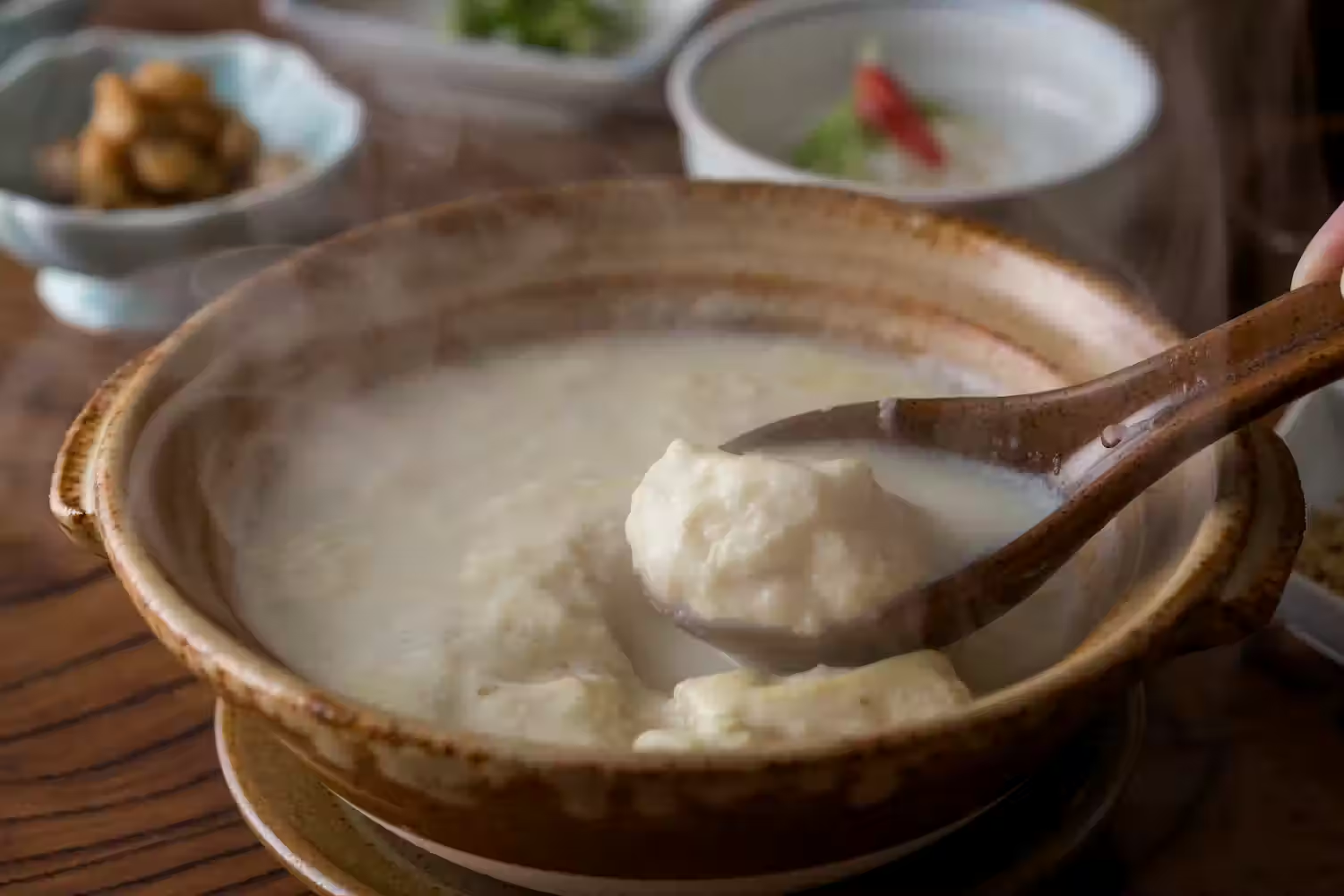
Japanese food is known worldwide for its balance of flavor, seasonal ingredients, and beautiful presentation. From traditional washoku cuisine to modern street food and everyday meals, Japan offers a rich and diverse culinary culture that reflects centuries of history and regional traditions.
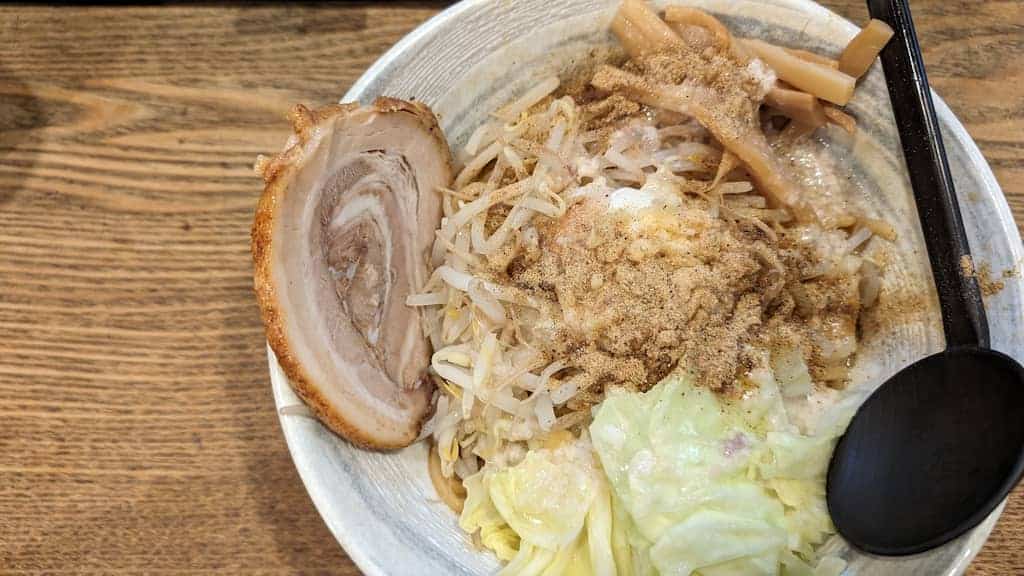
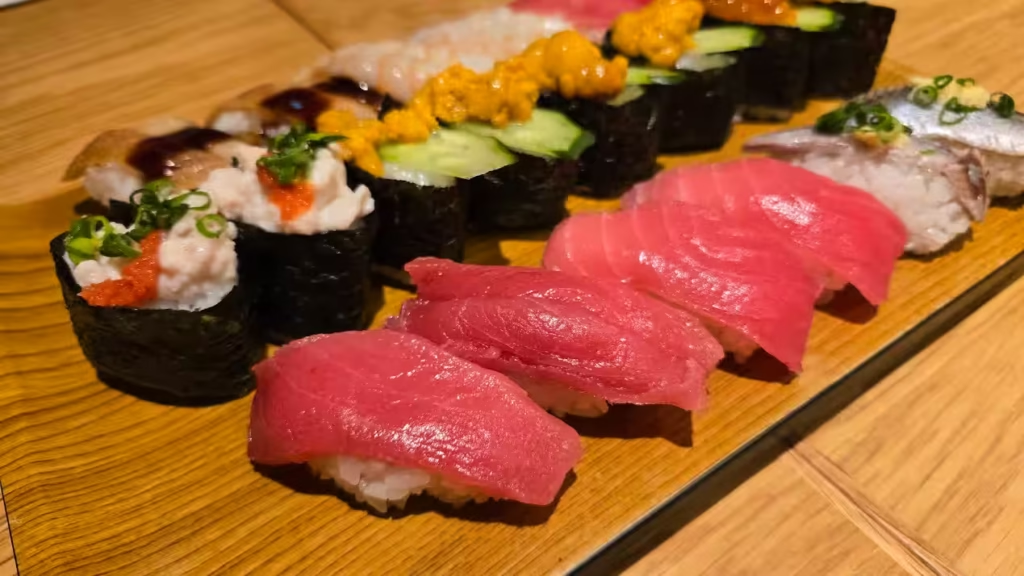
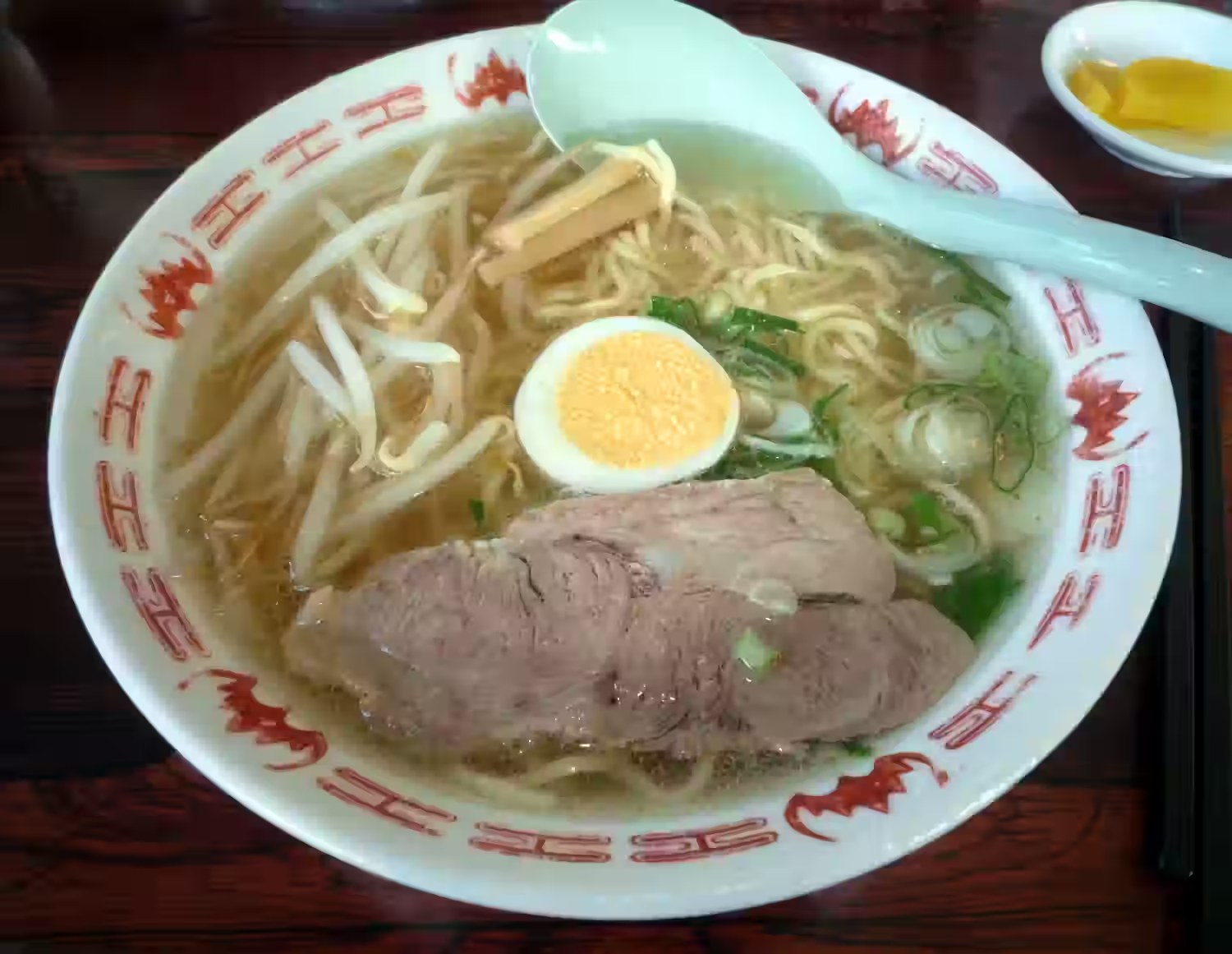
Many dishes are enjoyed throughout the entire country rather than being tied to a single region. Popular foods such as ramen, sushi, tempura, curry rice, and udon are widely available across Japan and have become iconic parts of Japanese cuisine.
Japanese food culture also emphasizes seasonality, known as “shun,” where ingredients are enjoyed at their peak freshness. Meals often combine rice, soup, vegetables, seafood, and meat to create a balanced dining experience.
In this category, explore Japanese food that represents the cuisine of Japan as a whole. Learn about traditional dishes, everyday meals, cooking methods, ingredients, and food culture that define the flavors of Japan.
-
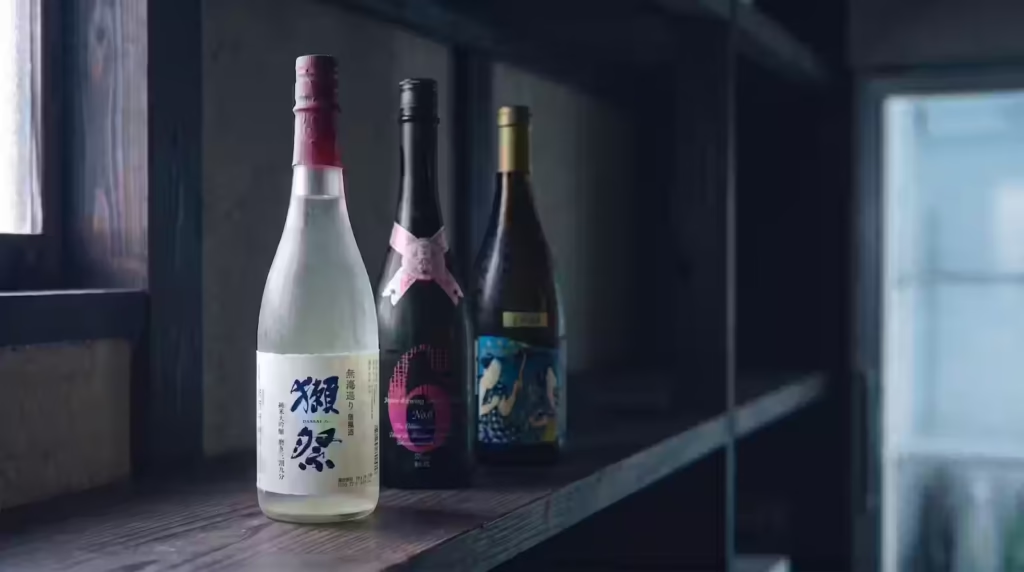

How to Store Sake: A Practical Guide to Freshness and Storage
You carry a bottle home from a liquor shop, and a small worry starts. Should it go in the fridge, or is the cupboard fine? Knowing how to store sake answers that question, and it takes only a few habits. In short, sake keeps best when it... -
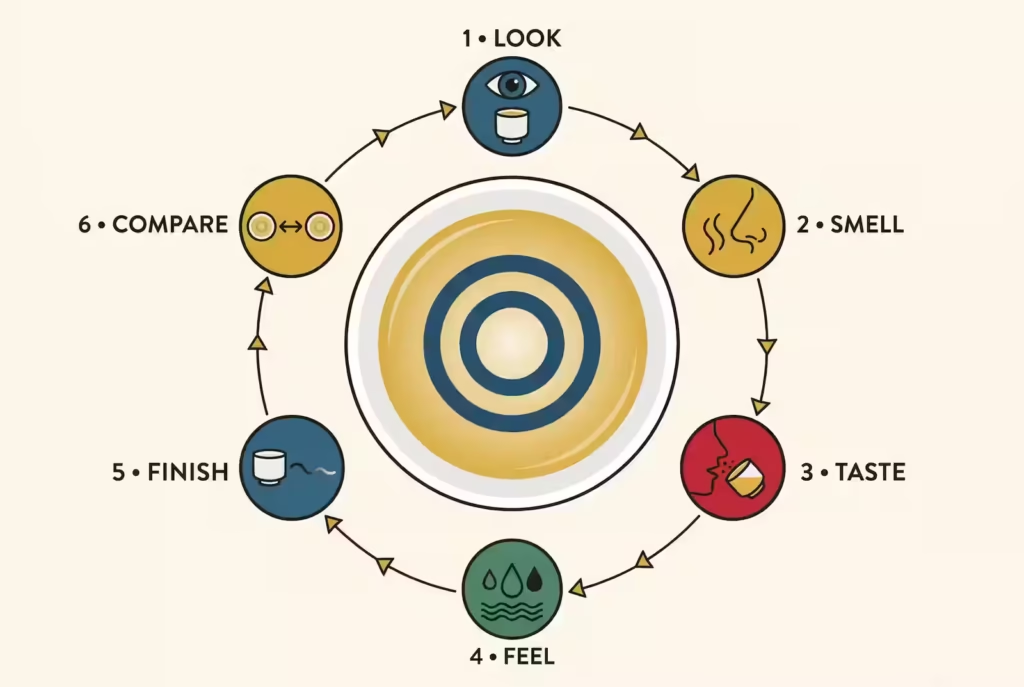

How to Taste Sake: A Beginner’s Guide to Japanese Sake
Pour a glass of sake and take a sip. Then try to say what you noticed. Most people stall right there, because nobody taught them what to look for. This guide on how to taste sake fixes that gap with six simple steps. To taste sake, first... -
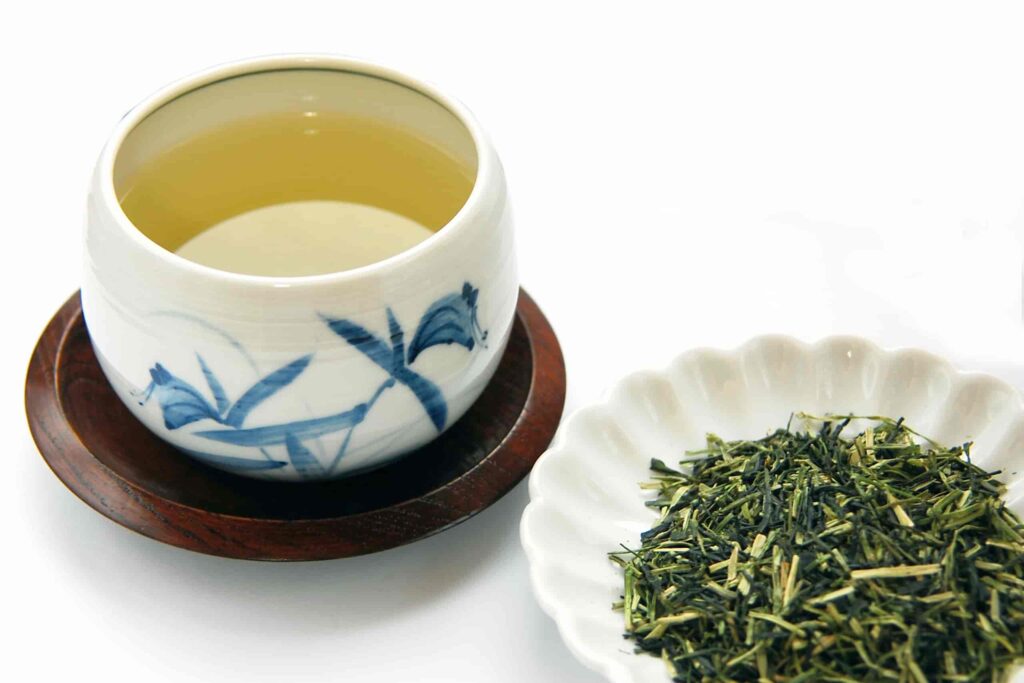

Shiraore (白折)
Browse the tea shelves of a shop in Fukuoka or Saga and you'll often find a bag that looks almost too plain beside the polished gyokuro tins. It holds pale, flat little stems instead of dark, needle-like leaves, and its label carries two... -


Sake Glasses and Cups: A Guide to Japanese Sake Vessels
Pour the same sake into three vessels: a small ceramic cup, a straight-sided glass and a wine glass. Then smell each one. The sake has not changed, yet the three pours may not seem the same. One might seem quieter, another brighter. This... -

Meiji Era Sake: How Tax and Science Modernized Japanese Brewing
In 1899, Japan's liquor tax overtook the land tax as the largest source of national revenue. In other words, brewing changed enormously in a single generation. Meiji era sake, the nihonshu brewed between 1868 and 1912, still began with r... -
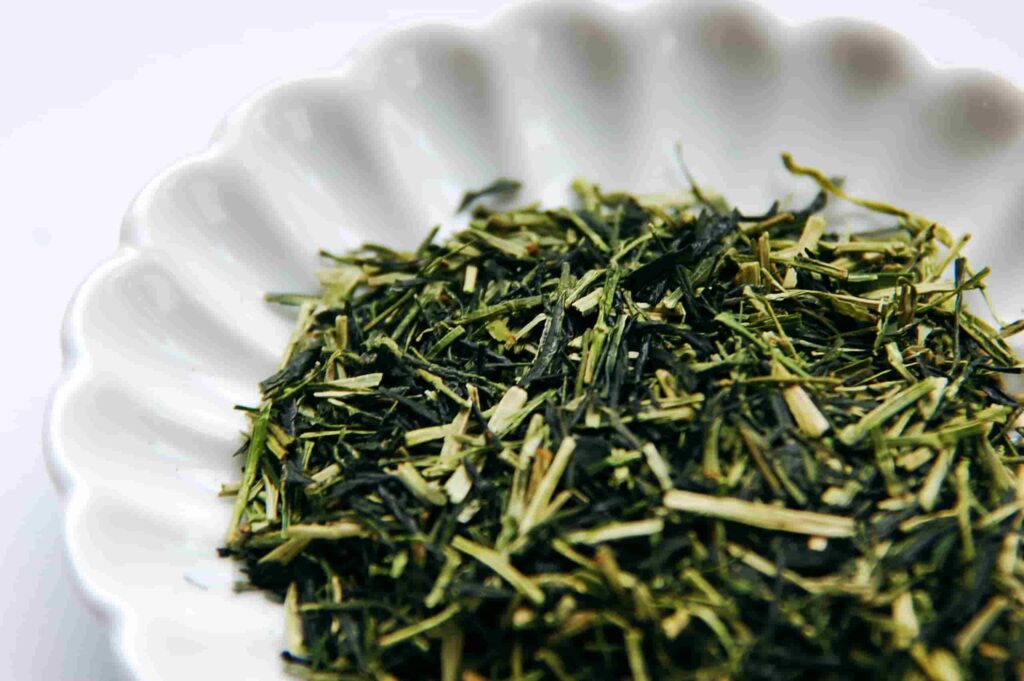

Karigane (雁ヶ音)
Walk into an old tea shop in Kyoto and you'll find gyokuro, the shaded tea Japan treats as one of its finest, priced and packed with care. Look a little further along the shelf and there's often a quieter bag nearby. It's full of pale gr... -
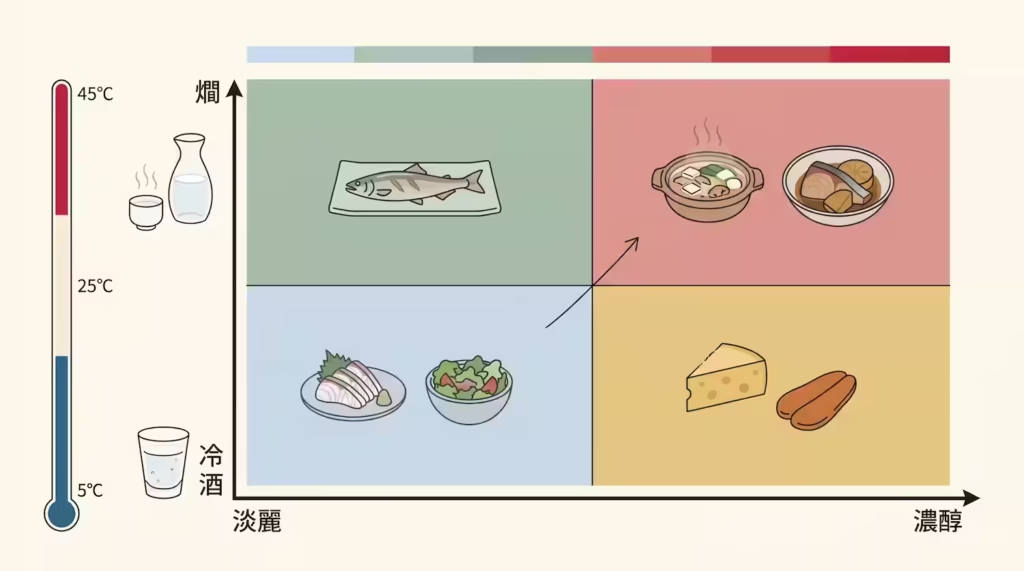
Sake and Food Pairing: How to Match Japanese Sake with Food
A plate of salt-grilled fish arrives, its skin still crackling. You take a sip of sake, then a bite of fish, then another sip. Somehow the fish tastes richer and the sake feels cleaner. Why does that happen, and can you make it happen on... -
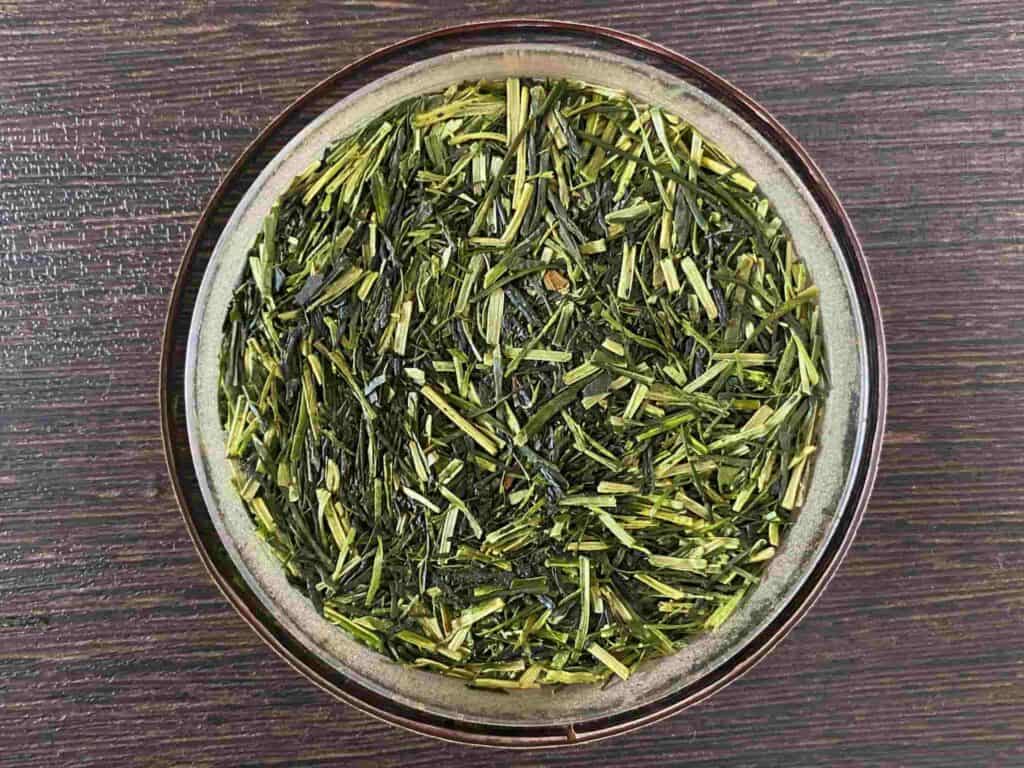

Kukicha (茎茶)
Most Japanese green teas are judged by their leaves. Kukicha (茎茶) turns that idea around. It's a Japanese green tea made mainly from the stems and leaf stalks of the tea plant, the parts that finishers sort away when they want a neat, ... -
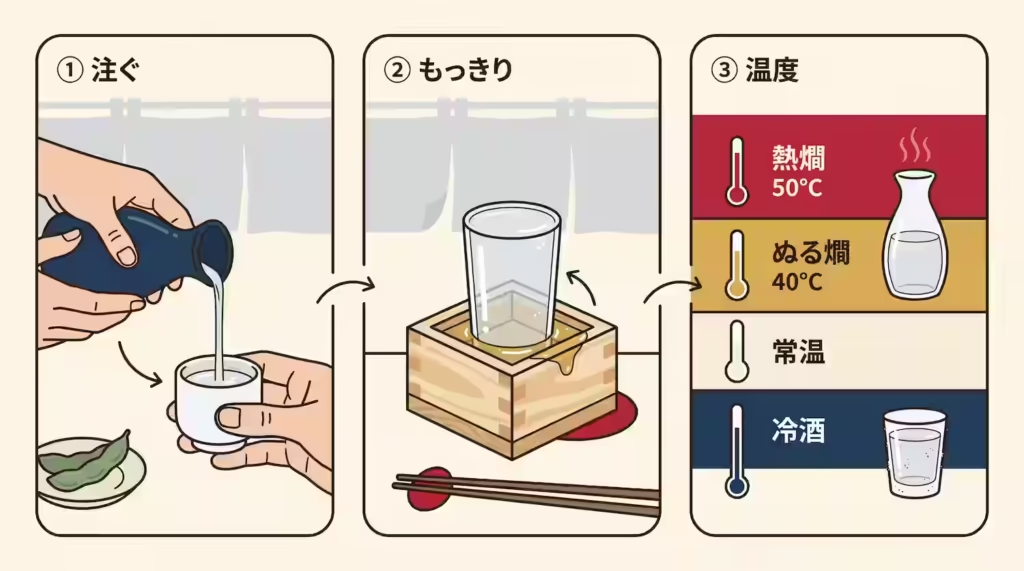
How to Drink Sake in Japan: A Beginner’s Guide
You sit down at a small izakaya counter, and the staff slide over a menu with a long column of kanji. Some words look familiar from bottle labels, while others do not. Meanwhile, someone nearby is sipping something warm from a tiny cup, ... -
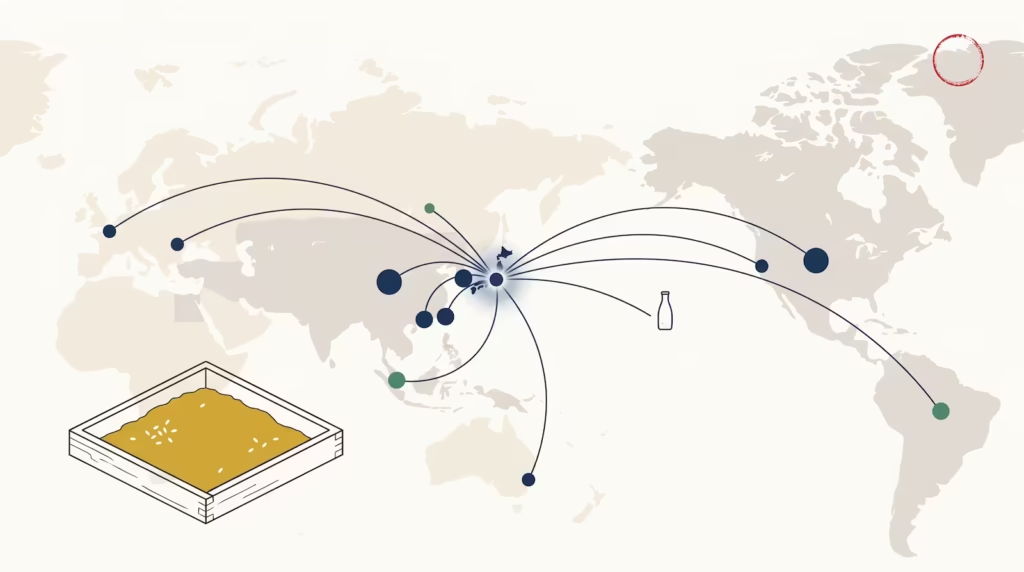
Contemporary Sake in Japan: Craft, Globalization, and a Living Tradition
In 2025, Japan exported about 45.9 billion yen of sake to a record 81 countries and regions. Meanwhile, the country's own sake drinkers kept buying less, as they have almost every year since 1973. Contemporary sake is the story of how th...