'/%3E%3Cpath%20fill='%23b2b2b2'%20d='M241%20382q0%2016%2017%2026%2017%2011%2042%2011t42-11q16-11%2017-26V269H241'/%3E%3Cpath%20fill='%239f7e00'%20d='M241%20379q0%2014%208%2023%209%209%2021%209%2014%200%2021-9%209-9%209-23V269h-59'/%3E%3Cpath%20d='M241%20339v-70h59v110q0%2014-9%2023l-6%205v-68h-15v72q-8%200-14-4v-68zm59%2040c0%2022%2015%2032%2029%2032%2021%200%2030-18%2030-32v-40h-59'/%3E%3Cpath%20fill='%239f7e00'%20d='M266%20277v5h2v12h-3v-5h2v-5h-9v5h2v5h-4v9h3v18h-5v10h34v-10h-5v-18h3v-9h-4v-5h2v-5h-9v5h2v5h-3v-12h2v-5zm42%20101q0%2010%206%2017%206%206%2015%207%2010-1%2016-7%206-7%206-17v-29h-43'/%3E%3Ccircle%20fill='%230044ad'%20cx='329.5'%20cy='372'%20r='6'/%3E%3Cellipse%20fill='%230044ad'%20cx='300'%20cy='340'%20rx='16'%20ry='21'/%3E%3C/svg%3E)


'%3E%3Cpath%20stroke='%23000'%20stroke-width='4'%20d='m-35-37-13%2020m5%203%2013-20m5%203-13%2020m63%2042%206-9m1-2%206-9m5%203-6%209m-1%202-6%209m5%203%206-9m1-2%206-9m-96%200%2013%2020m5-3-6-9m-1-2-6-9m5-3%2013%2020m63-42-6-9m-1-2-6-9m5-3%2013%2020m5-3-6-9m-1-2-6-9'/%3E%3Ccircle%20r='24'%20fill='%23cd2e3a'/%3E%3Cpath%20fill='%230047a0'%20d='M0%200a12%2012%200%201%201%2020%2013%2024%2024%200%201%201-40-26A12%2012%200%201%200%200%200'/%3E%3C/g%3E%3C/svg%3E)


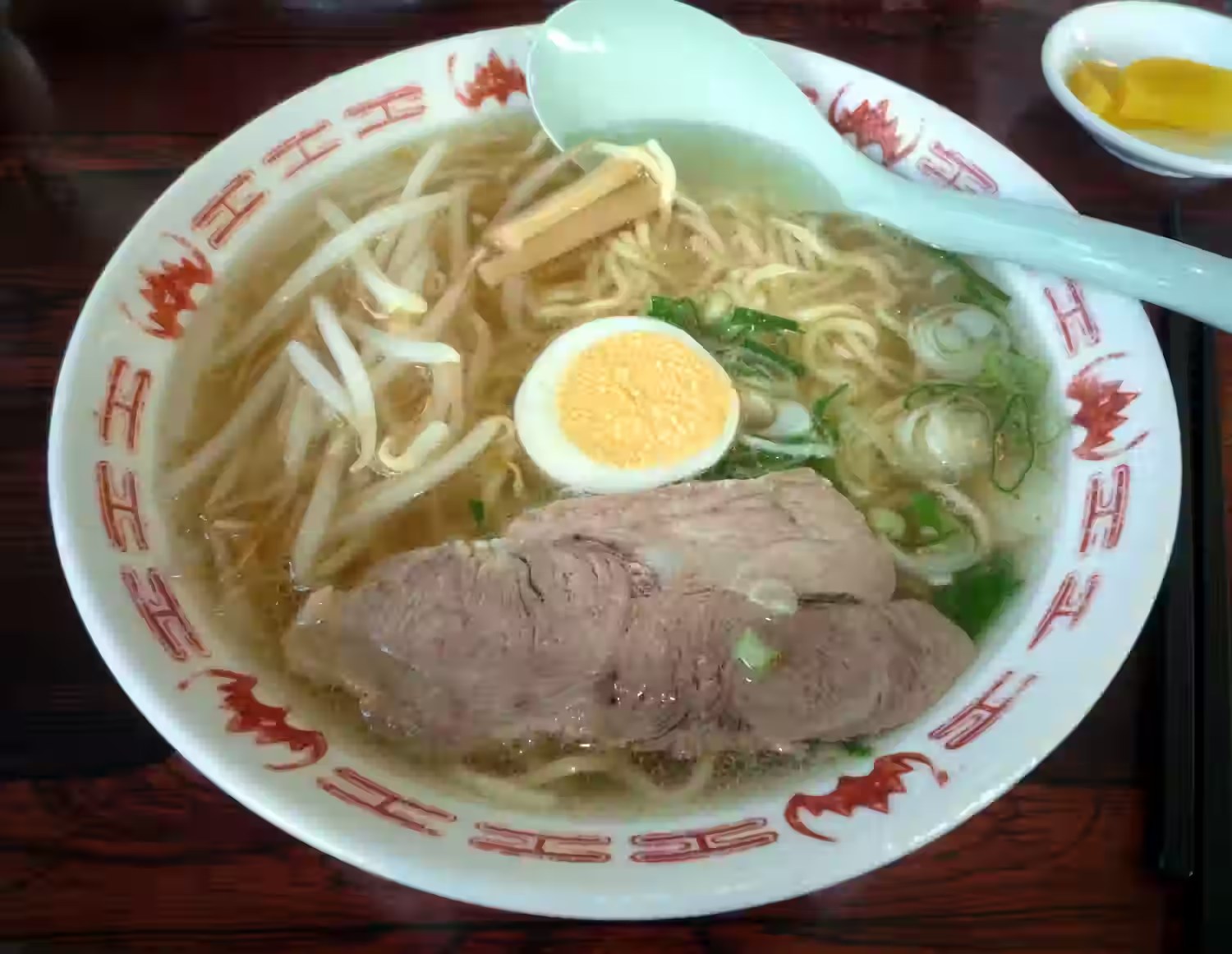


Japanese Food– Traditional Dishes, Local Specialties & Food Culture of Japan –

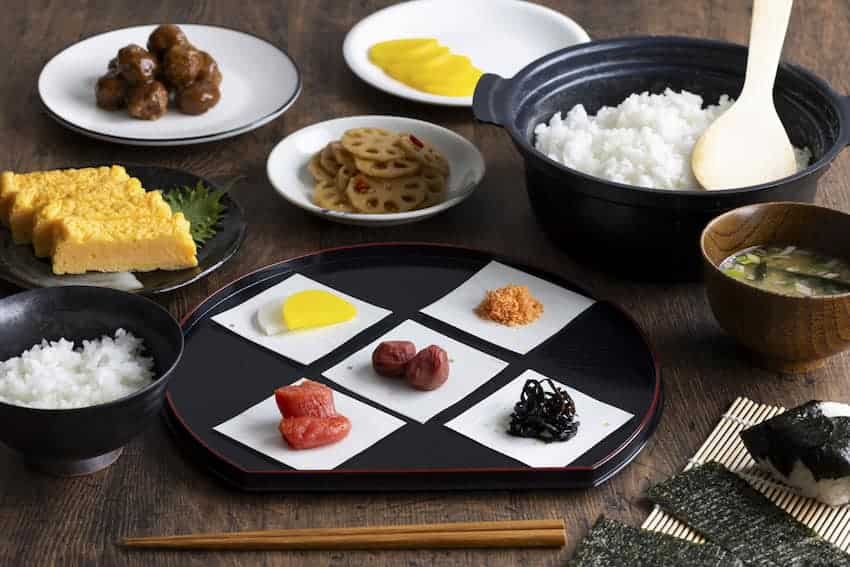
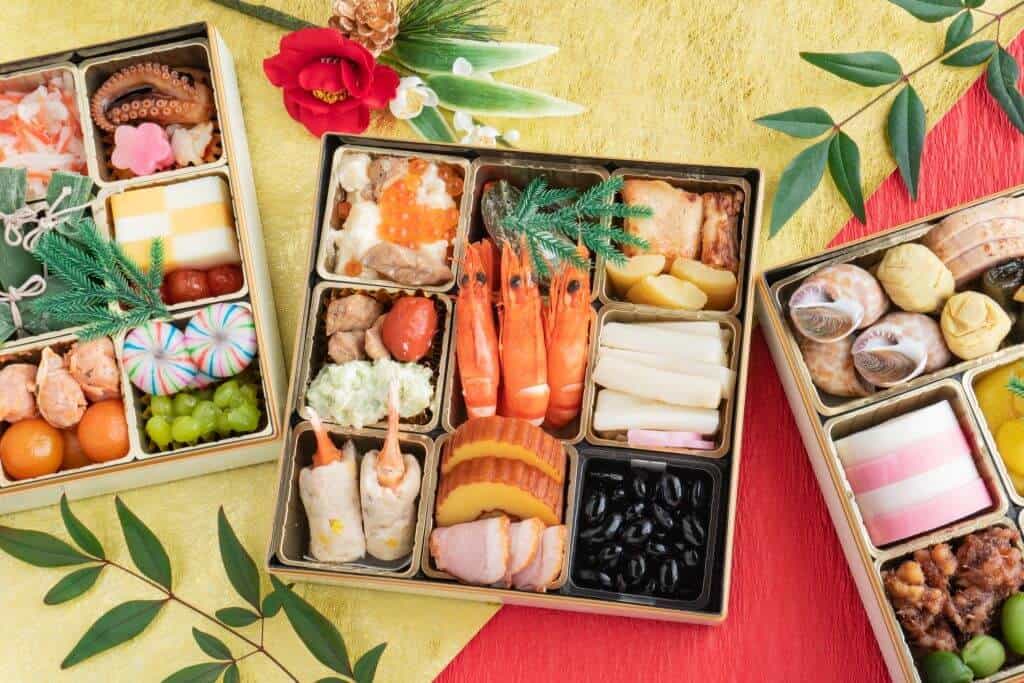
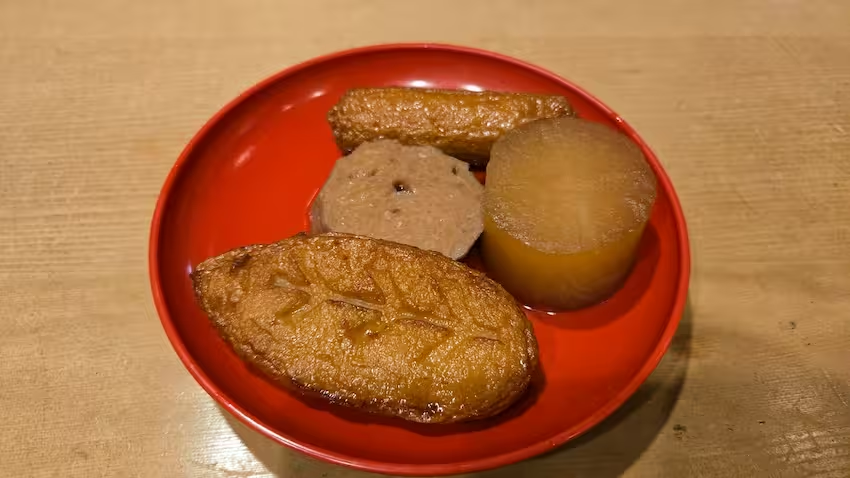
Japanese food is known worldwide for its balance of flavor, seasonal ingredients, and beautiful presentation. From traditional washoku cuisine to modern street food and everyday meals, Japan offers a rich and diverse culinary culture that reflects centuries of history and regional traditions.
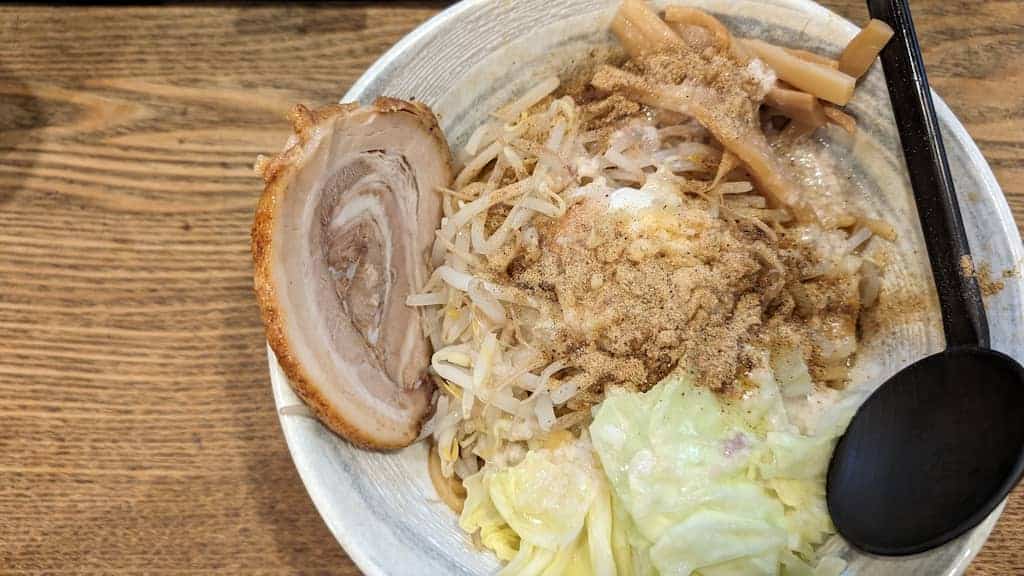
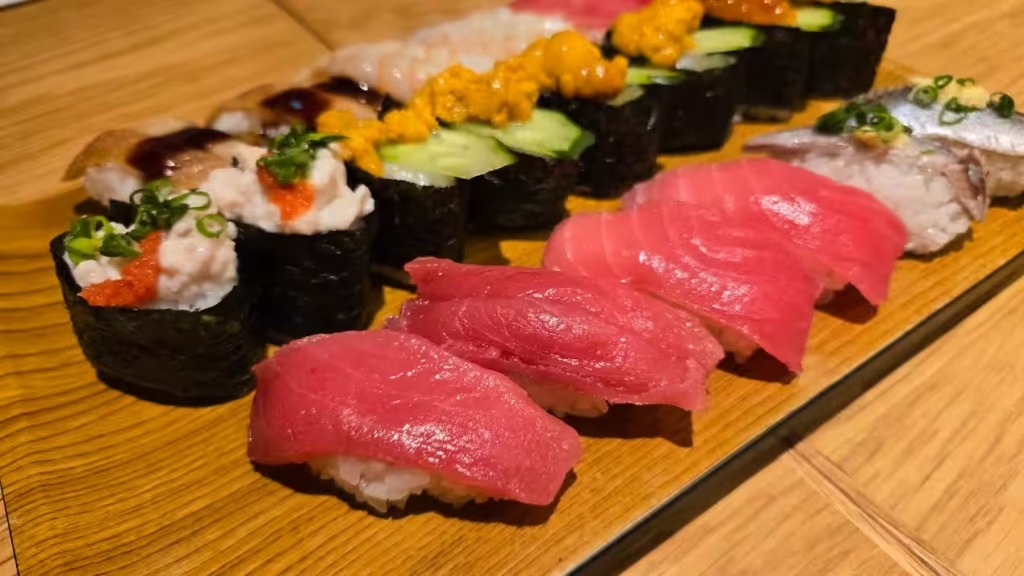
Many dishes are enjoyed throughout the entire country rather than being tied to a single region. Popular foods such as ramen, sushi, tempura, curry rice, and udon are widely available across Japan and have become iconic parts of Japanese cuisine.
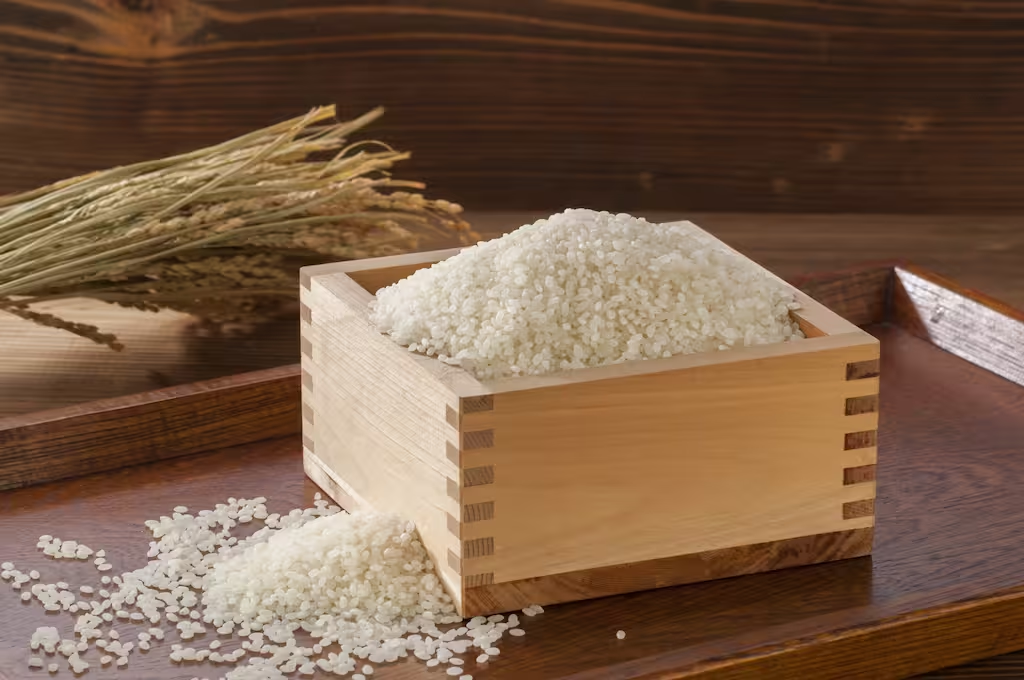
Japanese food culture also emphasizes seasonality, known as “shun,” where ingredients are enjoyed at their peak freshness. Meals often combine rice, soup, vegetables, seafood, and meat to create a balanced dining experience.
In this category, explore Japanese food that represents the cuisine of Japan as a whole. Learn about traditional dishes, everyday meals, cooking methods, ingredients, and food culture that define the flavors of Japan.
-
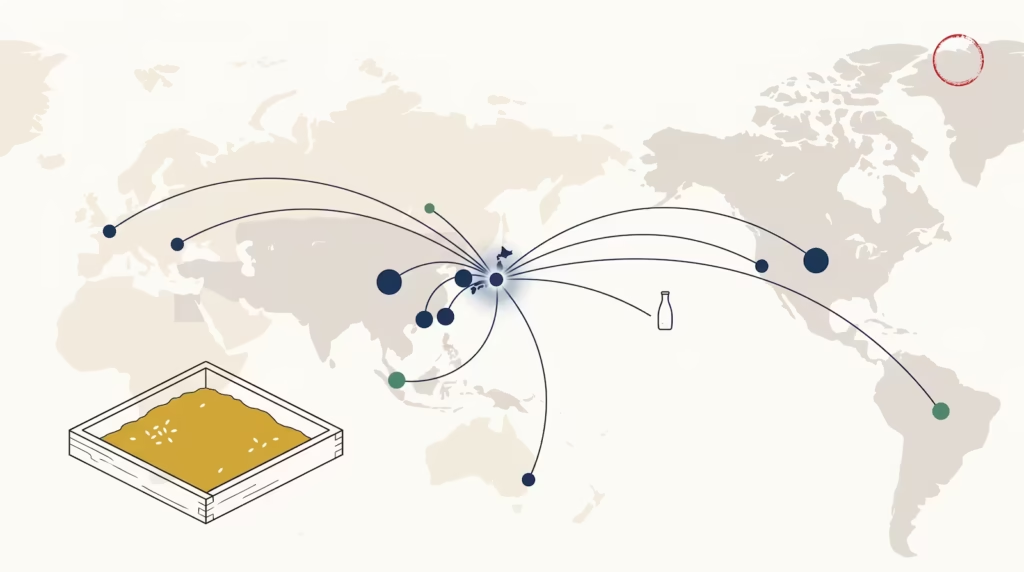

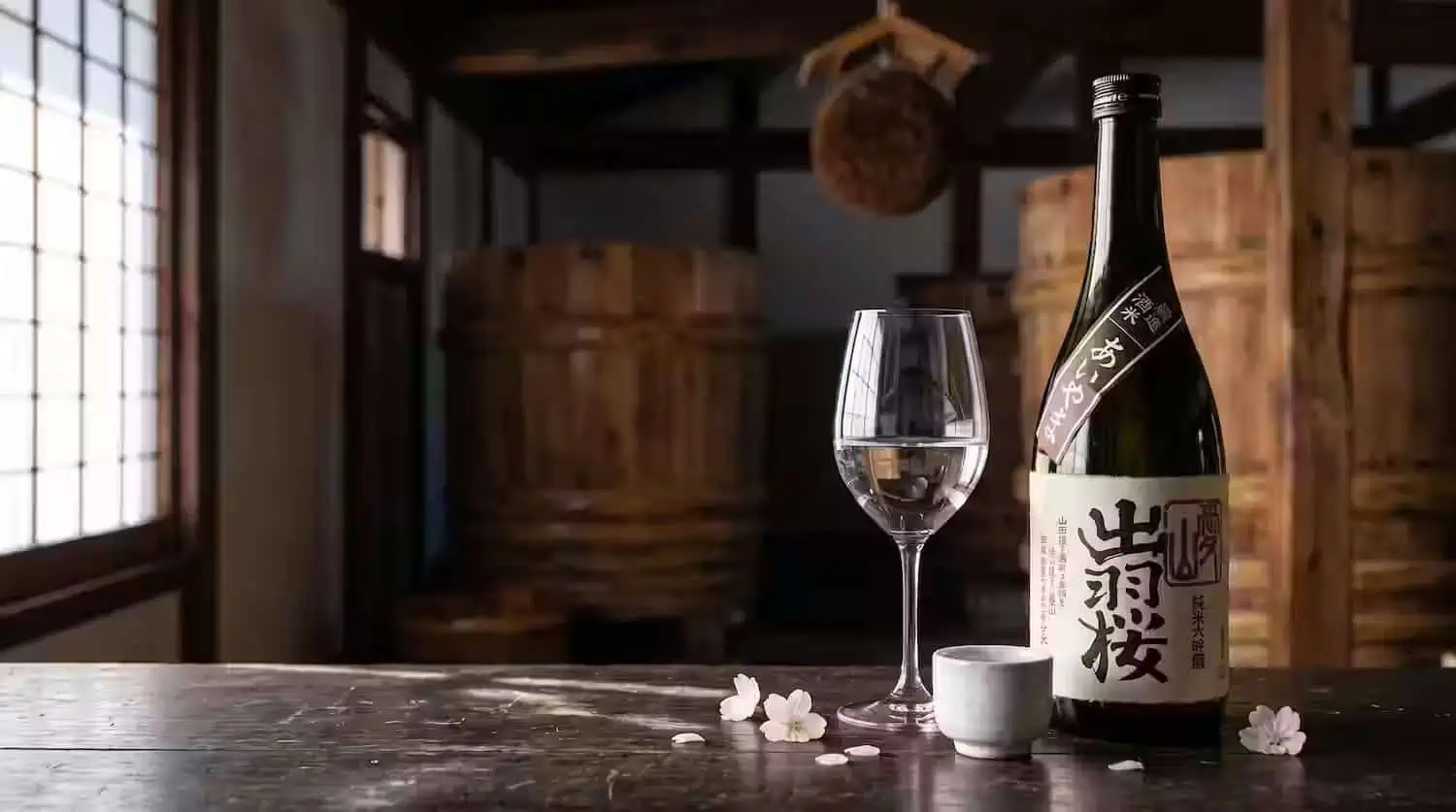
Contemporary Sake in Japan: Craft, Globalization, and a Living Tradition
In 2025, Japan exported about 45.9 billion yen of sake to a record 81 countries and regions. Meanwhile, the country's own sake drinkers kept buying less, as they have almost every year since 1973. Contemporary sake is the story of how th... -
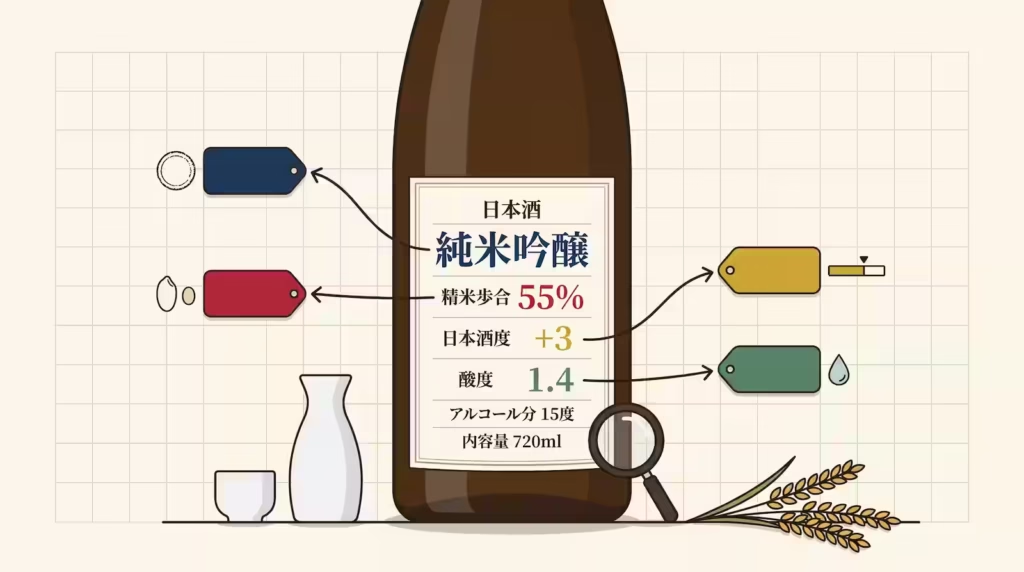
How to Read a Japanese Sake Label: A Beginner’s Guide
You pick up a bottle in a Japanese liquor shop and turn it around. On the back, you find a column of kanji and numbers: Junmai Ginjo, 55%, 15%, Yamada Nishiki, +3. So learning how to read a sake label means spotting which clues matter, a... -

Modern Sake History: War, Mass Production, and the Ginjo Revival
In fiscal 1973, Japan's breweries shipped about 1.77 million kiloliters of sake, more than in any year before or since. Fifty years later, the figure was under 400,000. Modern sake is the story of how Japan got from one number to the oth... -

Nara and Heian Sake: Court Brewing and History
Beneath the grass of the Heijo Palace site in Nara, archaeologists uncovered a well surrounded by hexagonal stone paving. Nearby lay wooden pipes, the sockets of large ceramic jars, and wooden tablets carrying notes about brewing. These ... -


Edo Period Sake: How Brewing Became a Major Industry in Japan
In 1697, roughly 640,000 casks of sake arrived in Edo by sea. Almost none of it came from Nada, although that district later dominated Japanese brewing. Edo period sake is not really a story about better brewing, since most of the key te... -
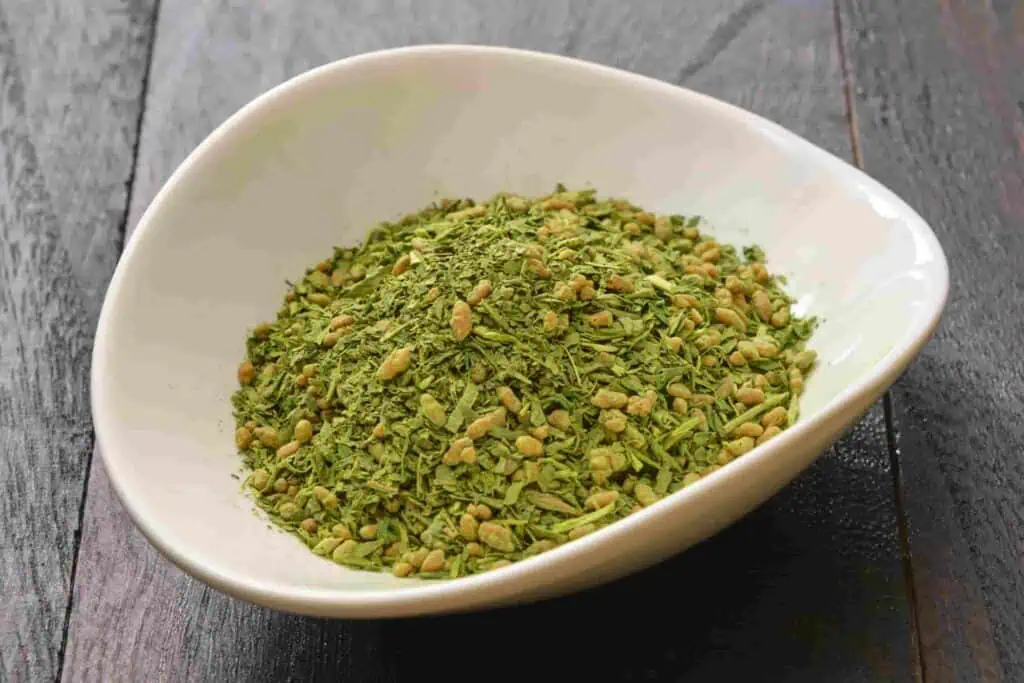

Matcha-iri genmaicha (抹茶入り玄米茶)
Pour a cup of plain genmaicha and it comes out thin, clear, and pale yellow-green, calm and unassuming in the cup. Pour a cup of matcha-iri genmaicha next to it, and the difference is obvious before you even taste it: a deeper, cloudier ... -
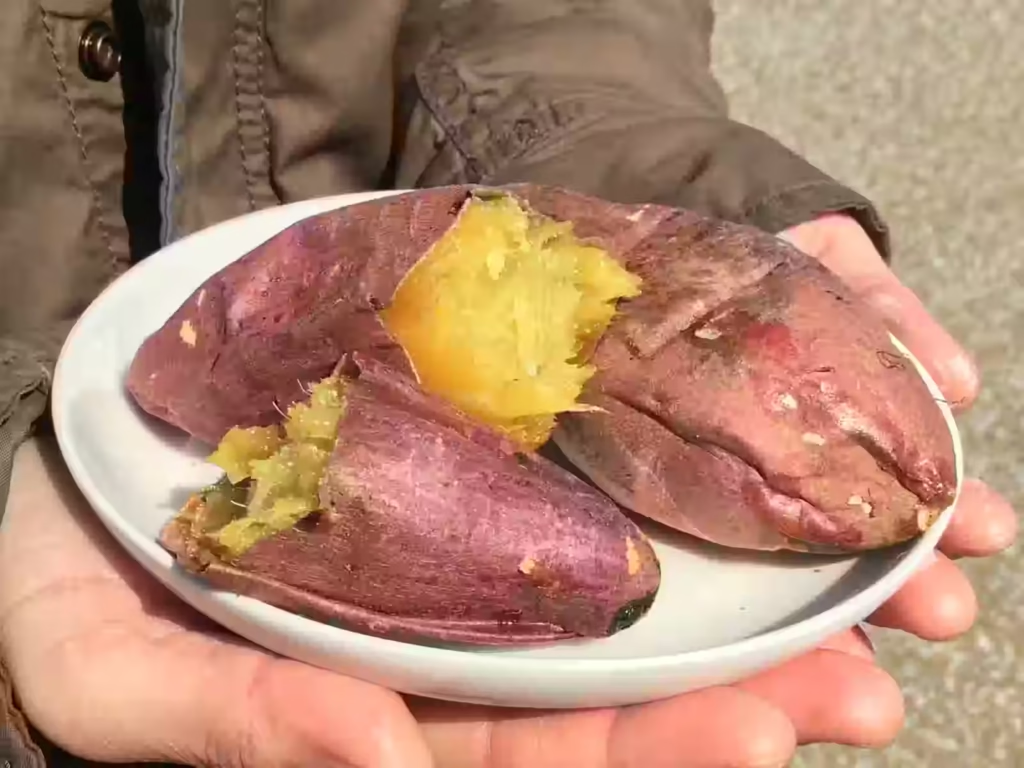

Beniharuka Sweet Potato (紅はるか)
Beniharuka, officially registered in Japanese as べにはるか and commonly written 紅はるか in shops, is one of Japan's best-known sweet potato cultivars for moist, strongly sweet yakiimo. It has reddish-purple skin and pale flesh that tur... -
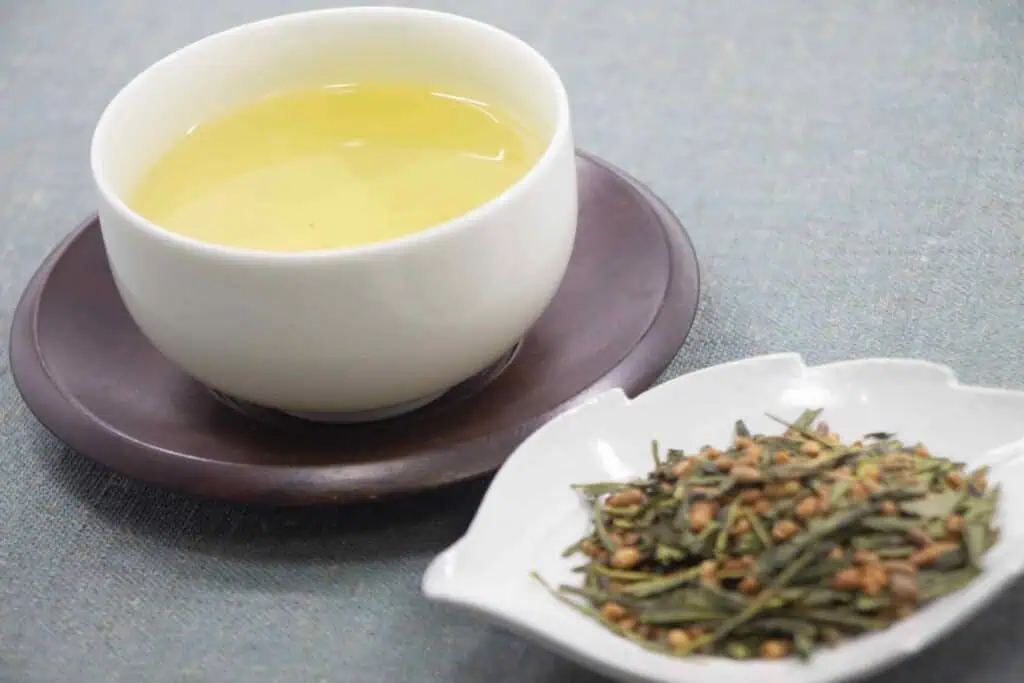
Genmaicha (玄米茶)
Genmaicha (玄米茶) is a Japanese green tea blended with roasted rice. Producers mix bancha or sencha with roasted rice, usually in close to equal parts. The rice is soaked, steamed, and roasted until golden brown. Some of it pops open du... -
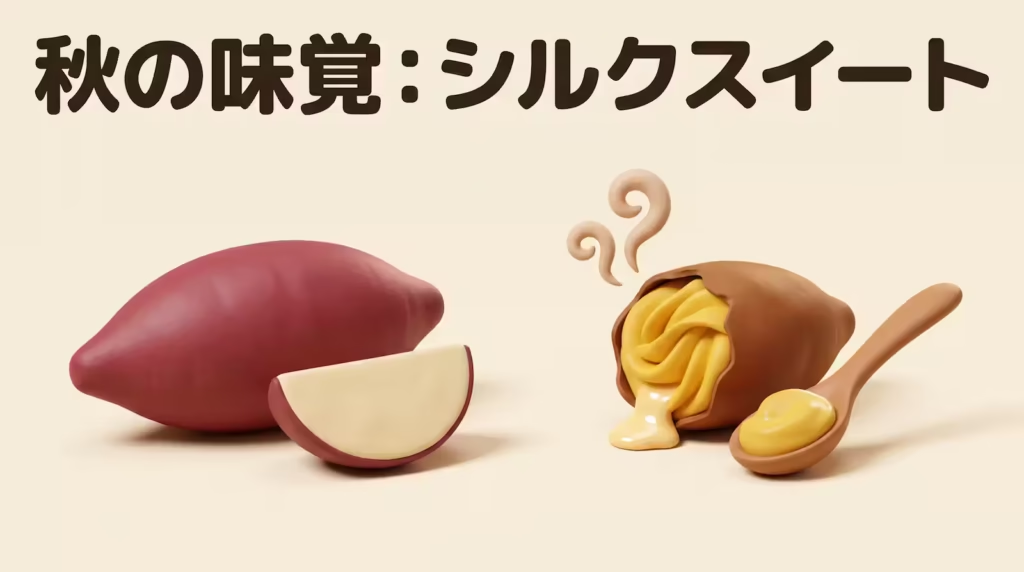
Silk Sweet (シルクスイート)
Silk Sweet is a Japanese sweet potato sold under a trademarked name, and the name is a promise about texture rather than sweetness. Its breeder registered it with Japan's Ministry of Agriculture under the cultivar name HE306, and it then... -
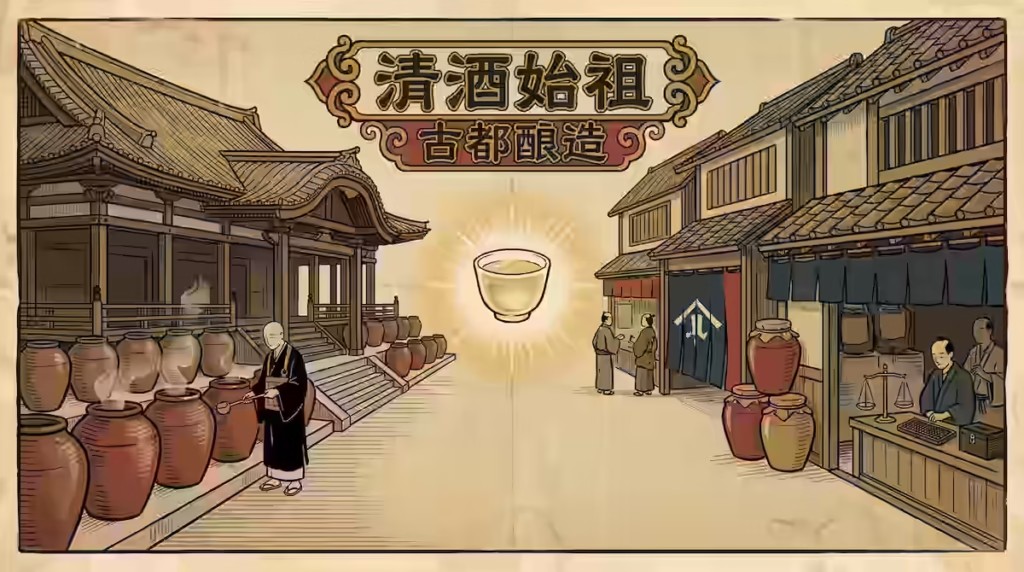
Medieval Sake in Japan: Temple Breweries, Sake Shops, and Brewing Innovation
In 1425, a document kept at Kitano Shrine in Kyoto recorded 342 sake businesses inside and around the capital. By then, that number marks how far sake had travelled. It was no longer mainly a courtly ritual drink, but rather a commodity,...