

Japanese Sake Guide– Explore the world of Japanese sake, from brewing methods and regional styles to famous brands and traditional drinking culture. –
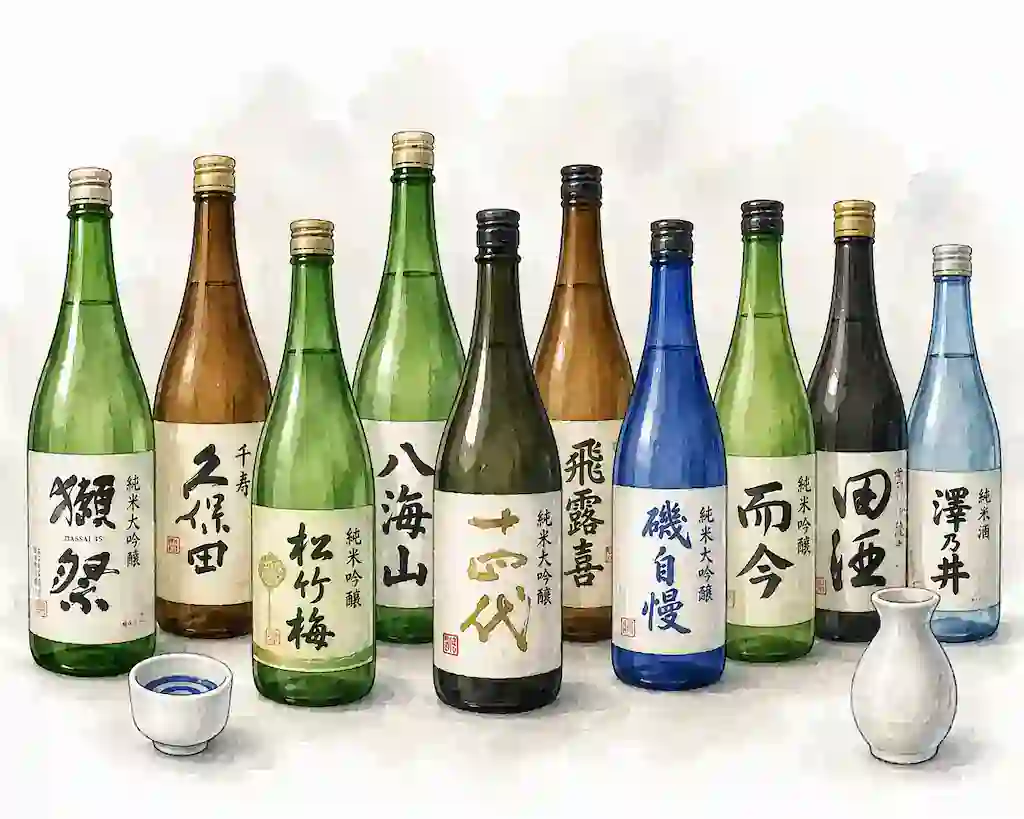
Japanese sake is one of Japan’s most iconic traditional drinks, deeply connected to regional culture, rice farming, and Japanese cuisine. This guide explores different types of sake, brewing techniques, regional specialties, and famous sake brands across Japan.
-
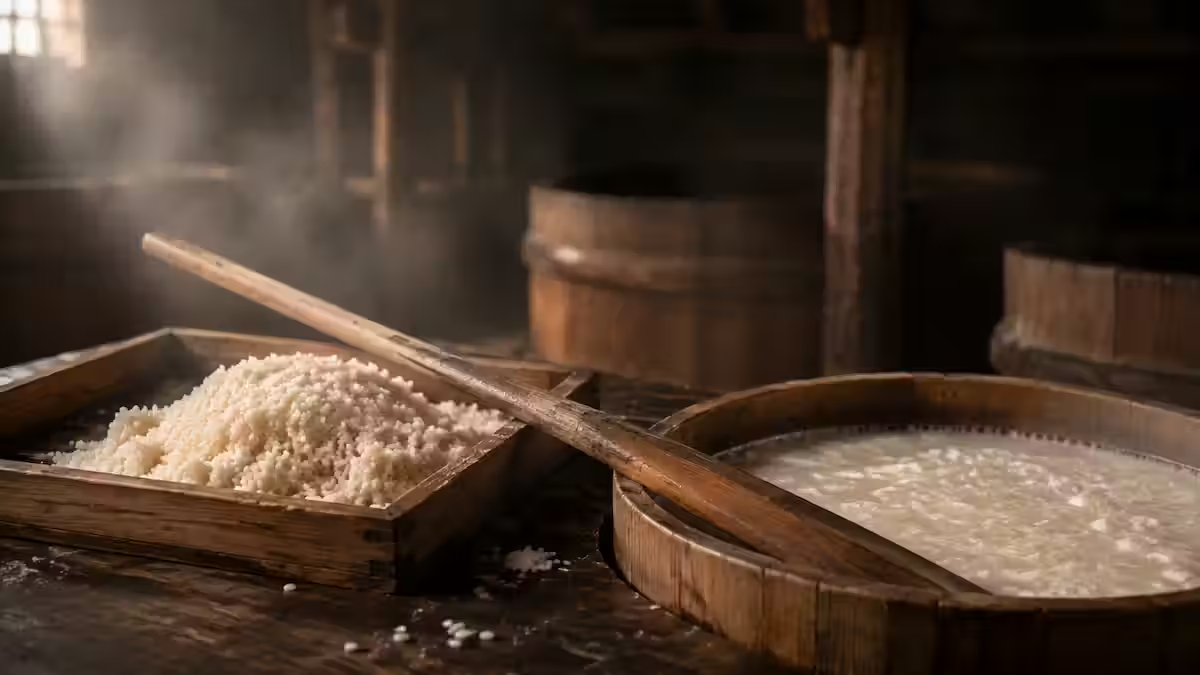

Fermentation (発酵)
Every bottle of sake hides a quiet miracle inside. That miracle is fermentation. So what is fermentation in sake brewing? Fermentation is the process where yeast turns sugar into alcohol. It also gives off carbon dioxide and rich aroma. ... -
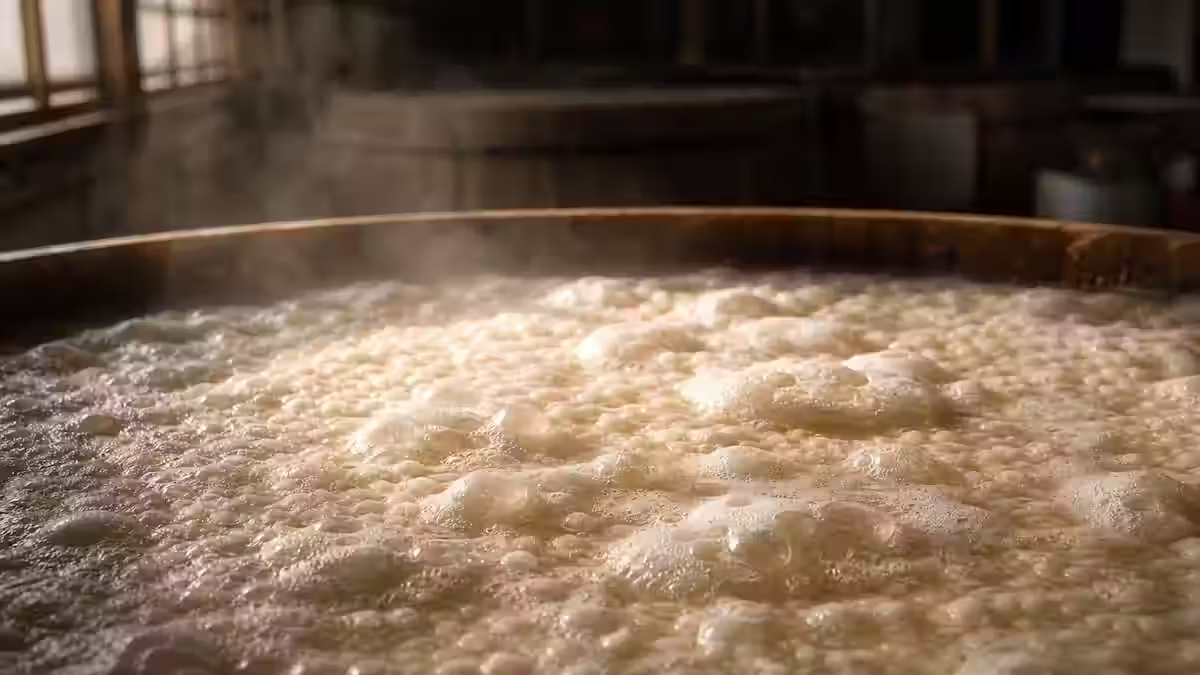
Yeast (酵母)
Sake owes its very existence to a tiny living thing. That thing is yeast, a microbe you cannot see. So what is yeast in sake brewing? Yeast is the microorganism that turns sugar into alcohol. During fermentation, it also releases carbon ... -
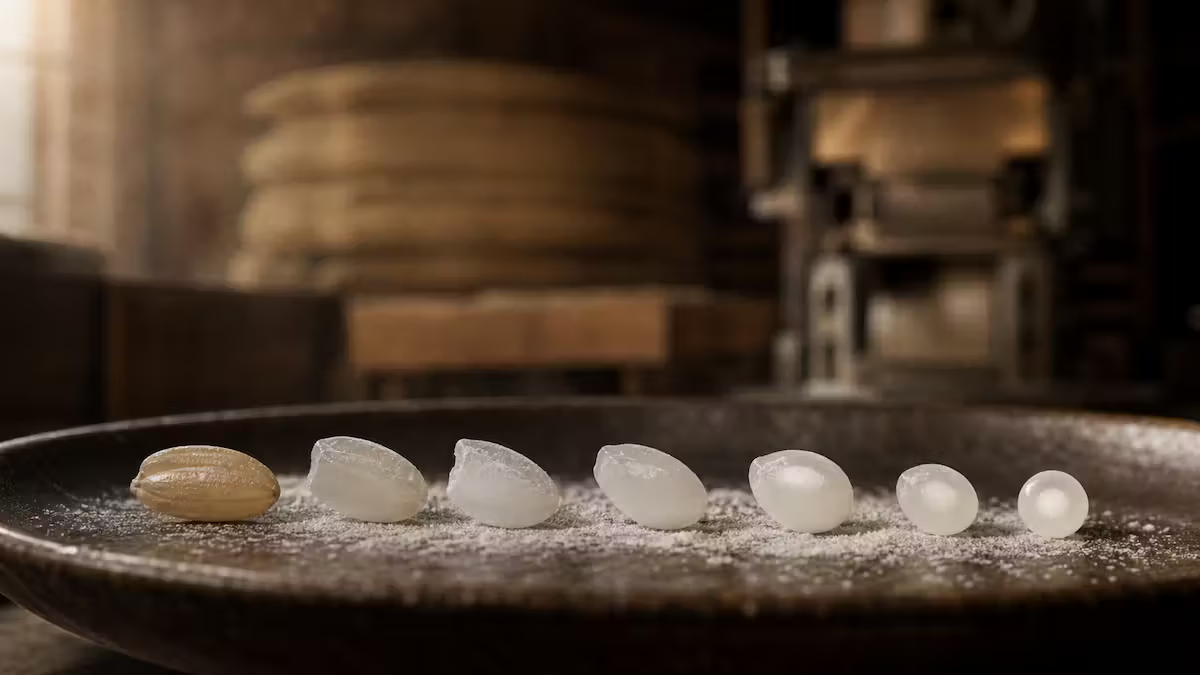
Rice Polishing (精米歩合)
Open any bottle of premium sake, and you will see a number on the label. It often reads something like 60 percent or 50 percent. That figure points to rice polishing, one of sake's defining steps. So what is rice polishing in sake brewin... -
Koji (麹)
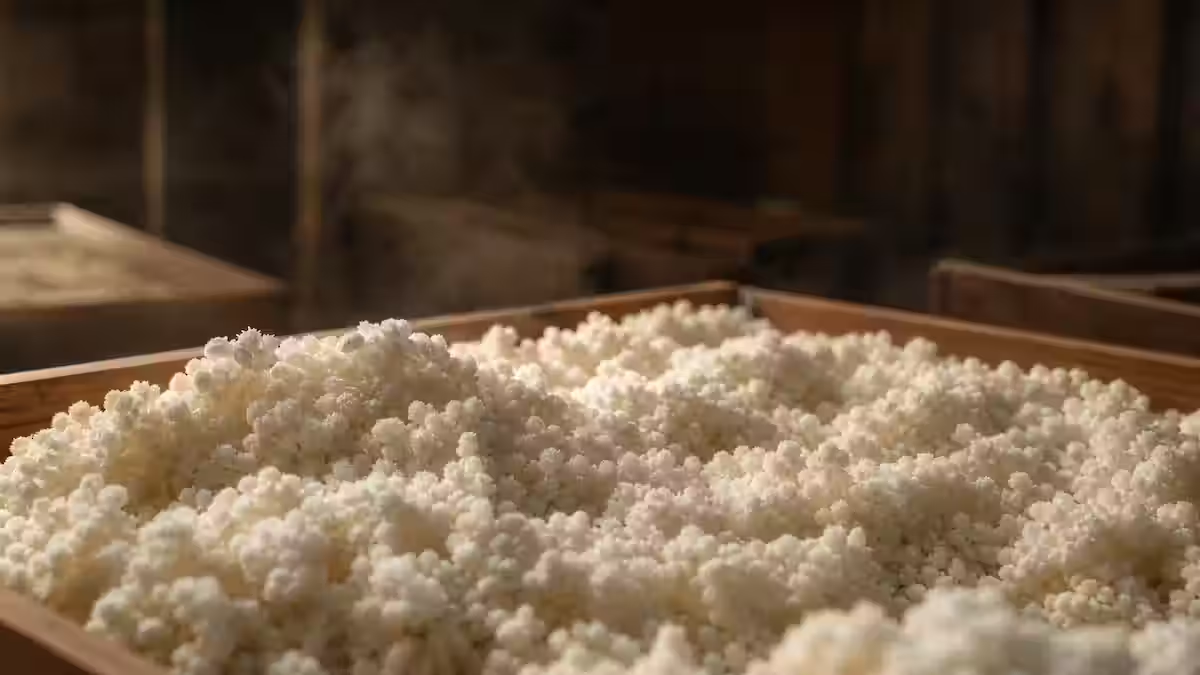
Sake begins with a quiet transformation inside a grain of rice. That transformation has a name: koji. So what is koji in sake brewing? Koji is steamed rice grown with a special mold, Aspergillus oryzae. The mold spreads through each grai... -

Saga sake (佐賀の酒)
Saga sake is known for a rich, full-bodied, and gently sweet style, often called nōjun umakuchi. Brewers craft it with soft mountain water and quality sake rice, especially Yamada Nishiki. The most famous label is Nabeshima, a champion a... -
Fukuoka Sake (福岡の酒)
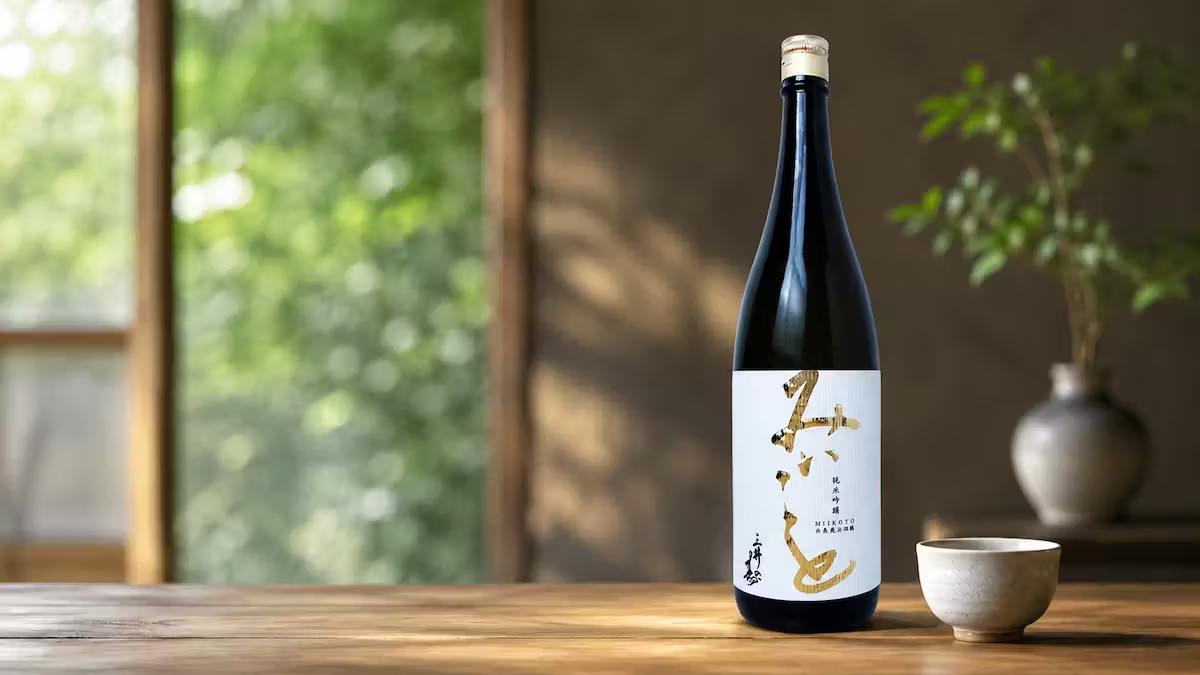
Fukuoka is best known as a food city, yet it also brews serious sake. The prefecture sits in northern Kyushu, facing the sea and the Korean Peninsula. People often picture Hakata ramen first, not the local rice wine. That view sells the ... -
Yamaguchi Sake (山口の酒)
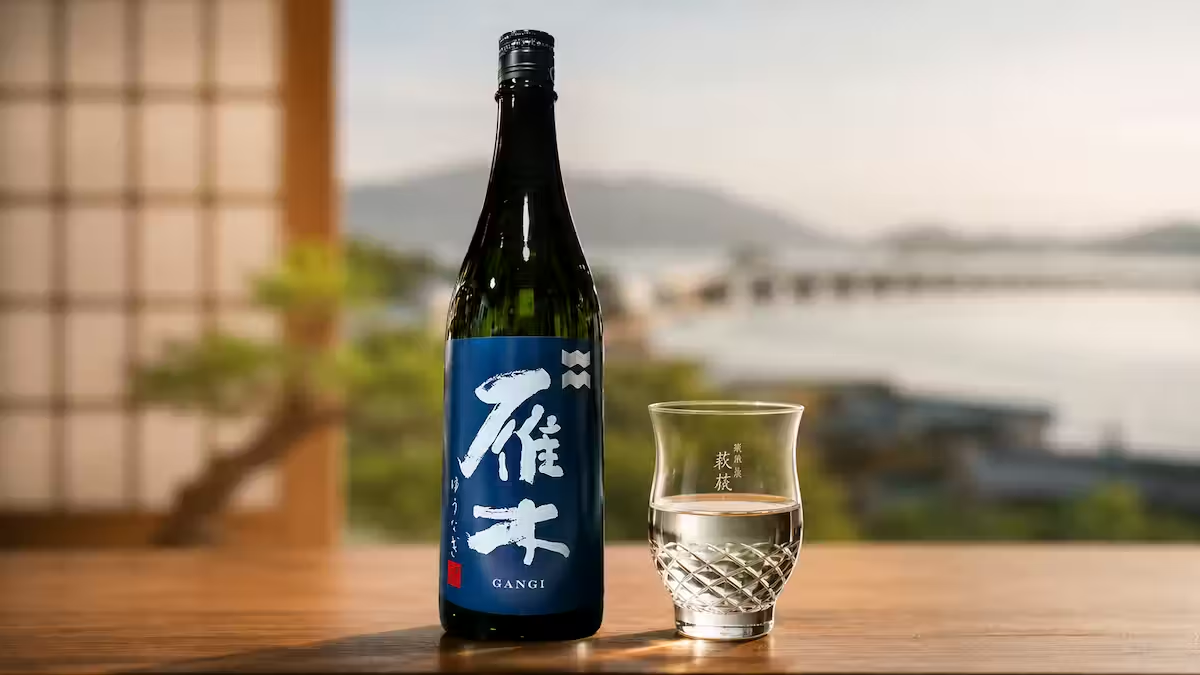
Yamaguchi sake has quietly become one of Japan's most exciting regional styles. The prefecture sits at the western tip of Honshu, facing the Seto Inland Sea. For years, drinkers overlooked it beside giants like Niigata. That picture chan... -
Nagano Sake (長野の酒)
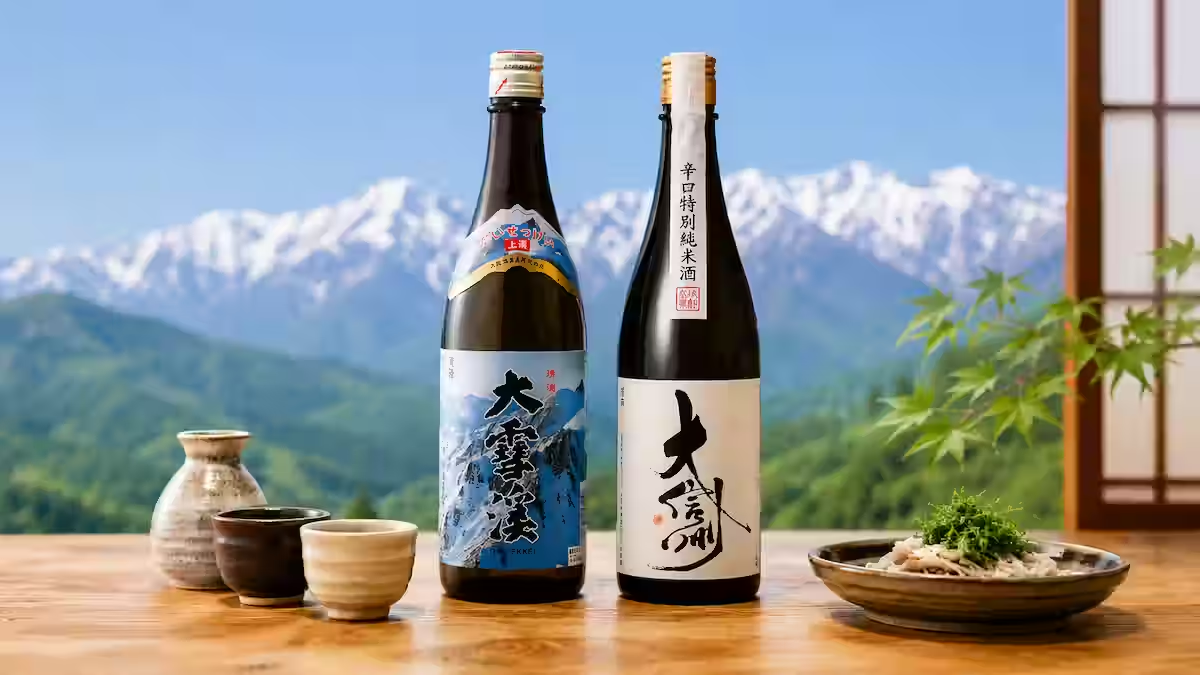
Nagano Prefecture sits at the heart of Japan's main island, surrounded by mountains on every side. Most visitors kNagano Prefecture sits at the heart of Japan's main island, surrounded by mountains on every side. Most visitors know it fo... -
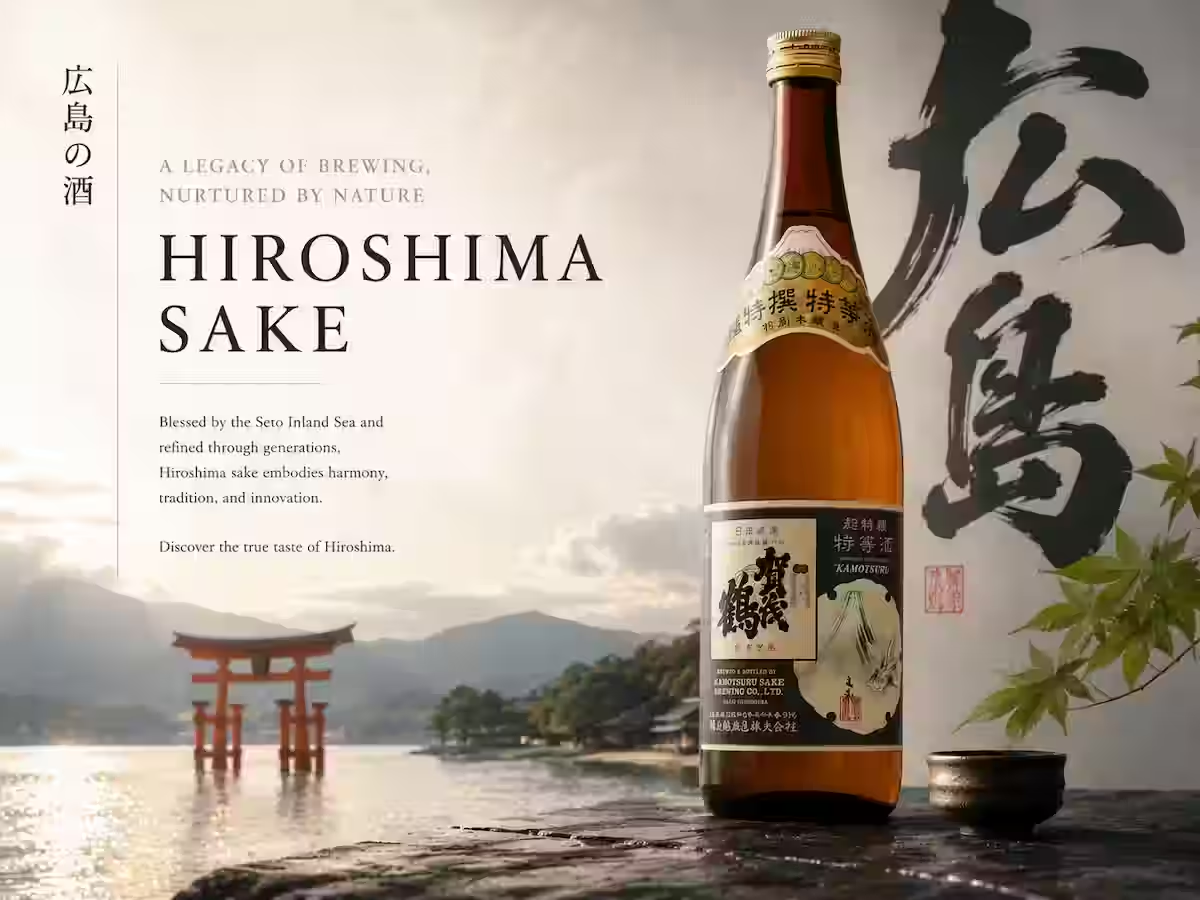

Hiroshima sake (広島の酒)
Hiroshima stands as one of Japan's three great sake-producing regions, alongside Nada in Hyogo and Fushimi in Kyoto. Its sake carries a particular softness. Soft water, long-term low-temperature fermentation, and over a century of ginjo-... -
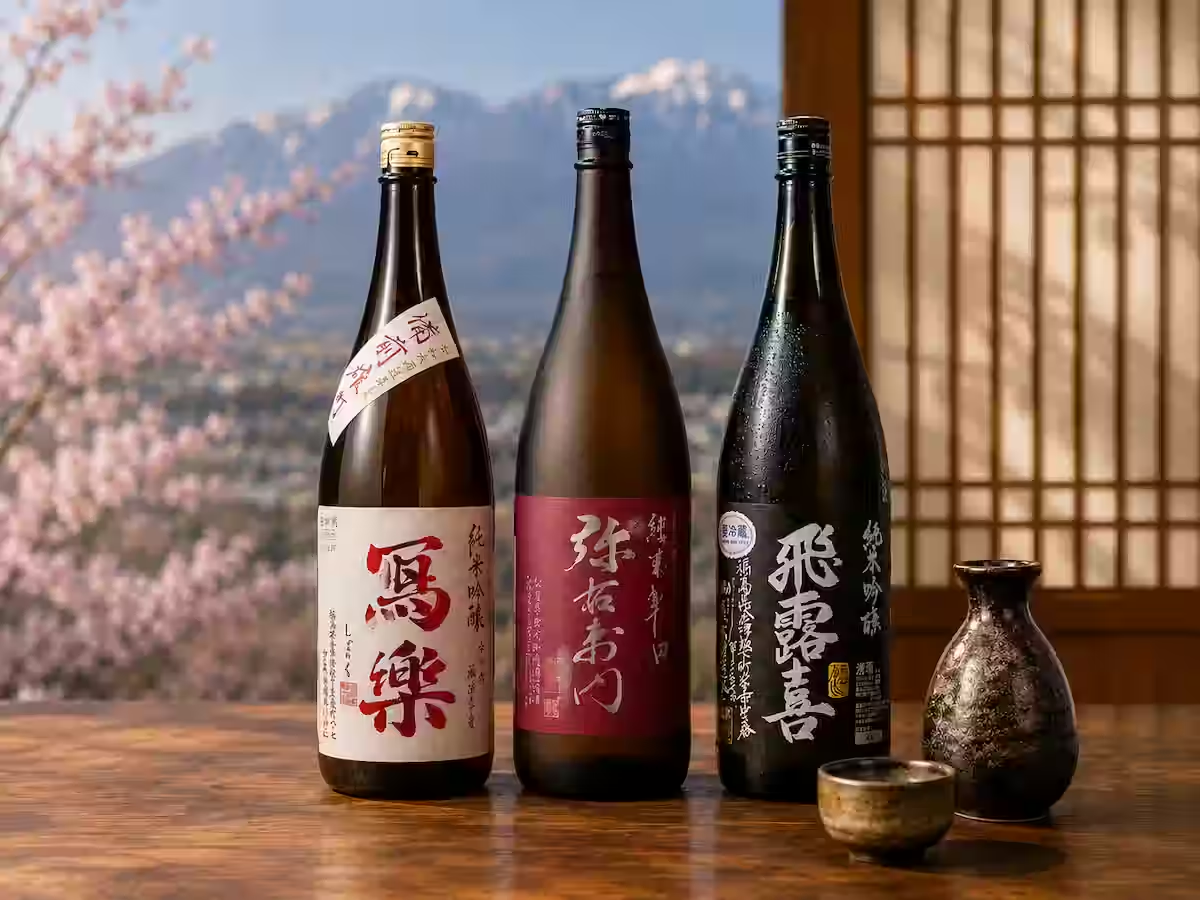
Fukushima Sake (福島の酒)
Fukushima sake is one of Japan’s most highly regarded regional sake styles. The prefecture is known for soft water, rice-growing areas, skilled brewers, and repeated success at national competitions. Many drinkers now connect Fukushima J...