

Japanese Food– Traditional Dishes, Local Specialties & Food Culture of Japan –

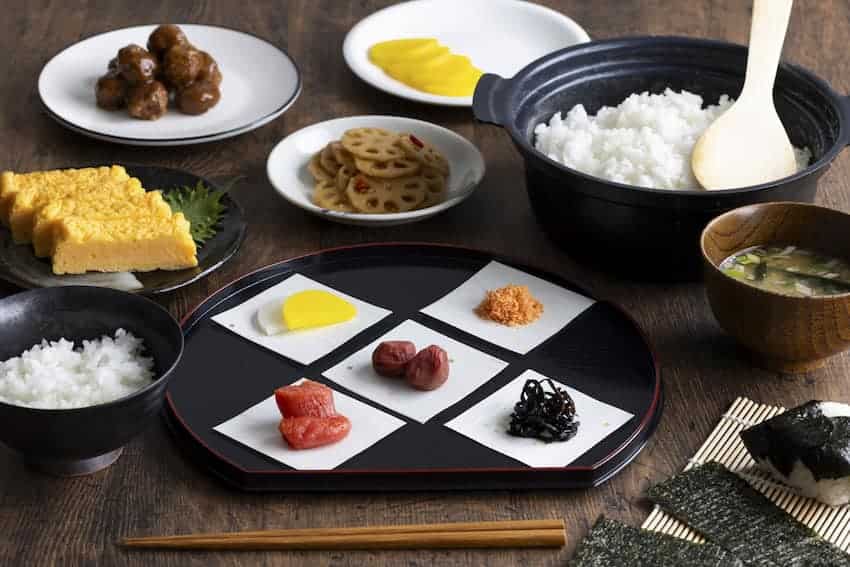
Japanese food is known worldwide for its balance of flavor, seasonal ingredients, and beautiful presentation. From traditional washoku cuisine to modern street food and everyday meals, Japan offers a rich and diverse culinary culture that reflects centuries of history and regional traditions.
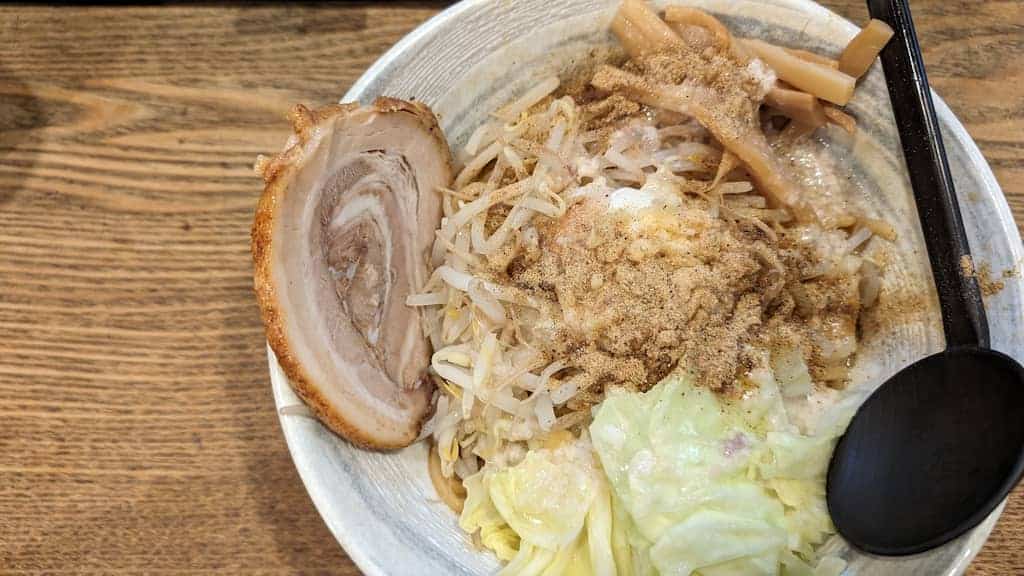
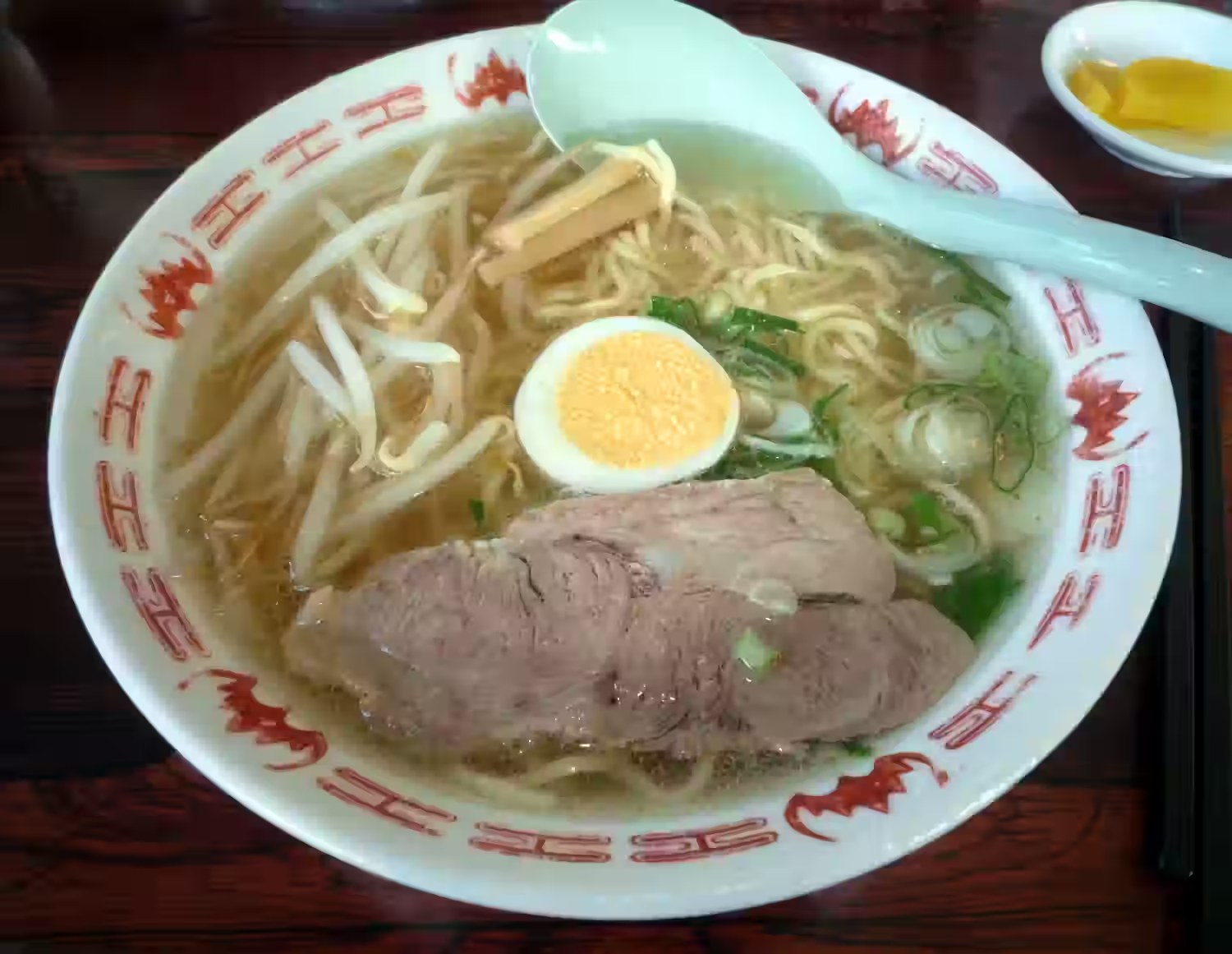
Many dishes are enjoyed throughout the entire country rather than being tied to a single region. Popular foods such as ramen, sushi, tempura, curry rice, and udon are widely available across Japan and have become iconic parts of Japanese cuisine.
Japanese food culture also emphasizes seasonality, known as “shun,” where ingredients are enjoyed at their peak freshness. Meals often combine rice, soup, vegetables, seafood, and meat to create a balanced dining experience.
In this category, explore Japanese food that represents the cuisine of Japan as a whole. Learn about traditional dishes, everyday meals, cooking methods, ingredients, and food culture that define the flavors of Japan.
-
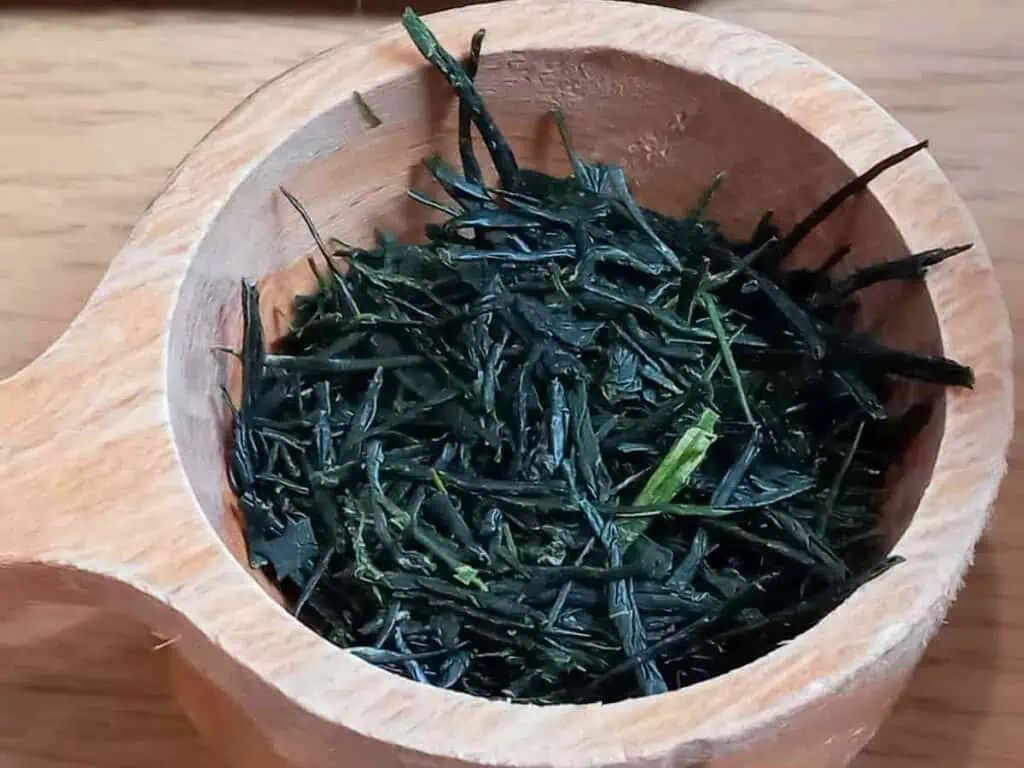

Kabusecha (かぶせ茶)
Kabusecha (かぶせ茶) is a Japanese green tea made from tea plants shaded for a relatively short period before harvest, commonly around one week. Shading gives the leaves a deeper green appearance, a sweeter and more umami-rich taste, and... -

Shikuwasa Drink (シークワーサードリンク)
Shikuwasa drink is Okinawa's everyday citrus beverage, made from a small green fruit called Citrus depressa. It tastes sharply sour with a green, faintly bitter edge, so almost nobody drinks it straight. Instead, locals dilute it with co... -
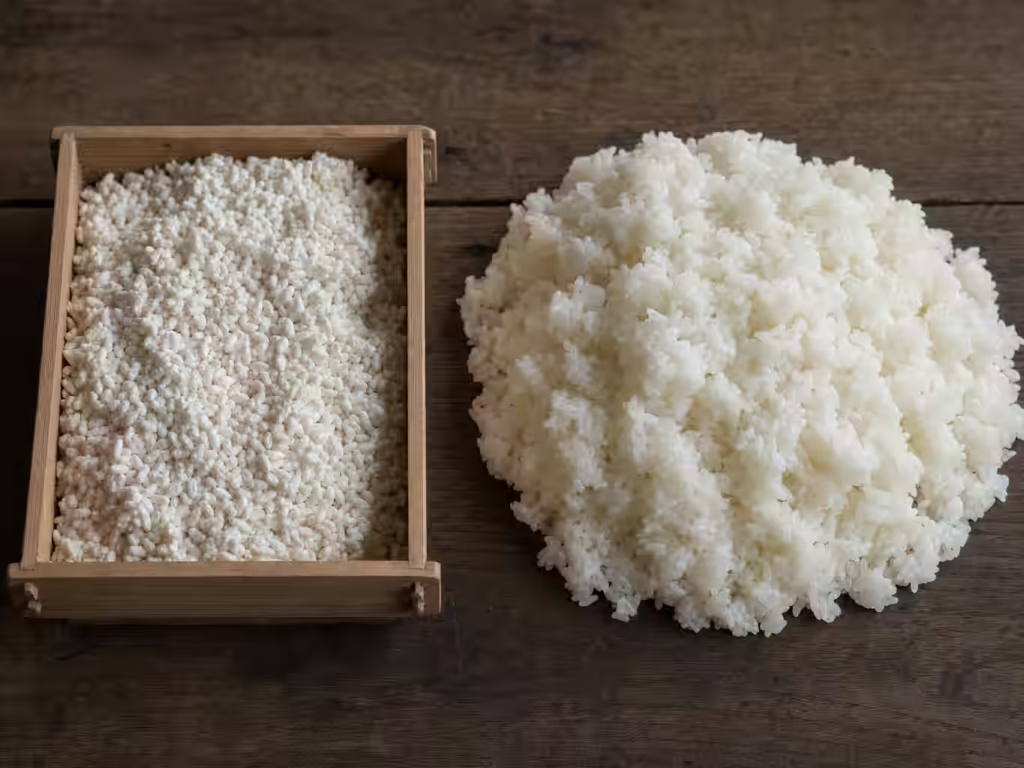
Koji Buai (麹歩合): How Much Rice Becomes Koji
Ask a brewer what makes sake possible and the answer rarely starts with rice. It starts with koji. Yet koji is not added freely, and the amount is measured to the kilogram. That measurement has a name: koji buai. Koji buai (麹歩合) is th... -
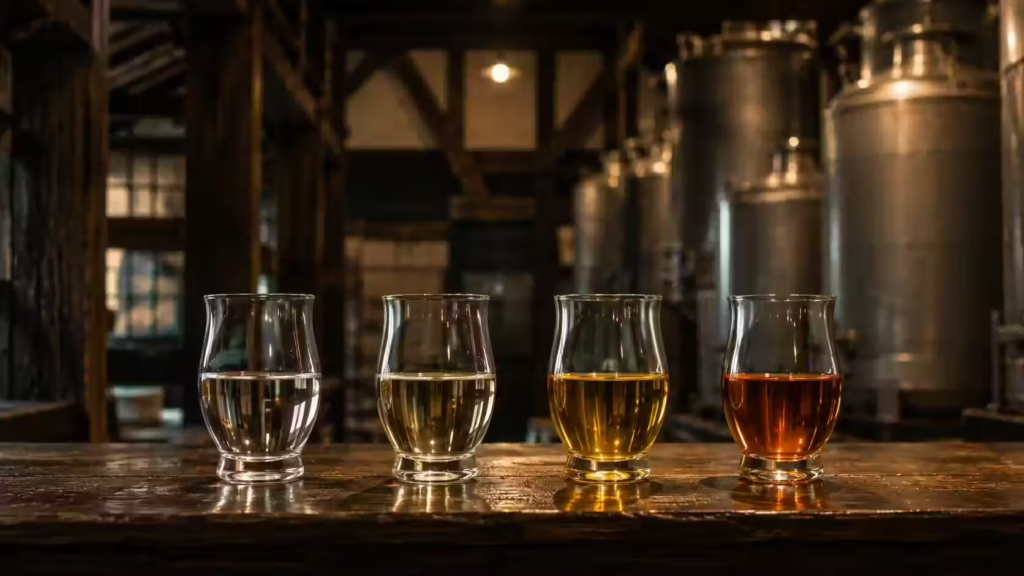

Jukusei (熟成): How Aging Transforms Sake
Jukusei (熟成) is the maturation of sake after brewing has finished. During this stage, time, temperature, and storage conditions gradually reshape its aroma, flavor, color, and texture. Most sake goes through some maturation before rele... -
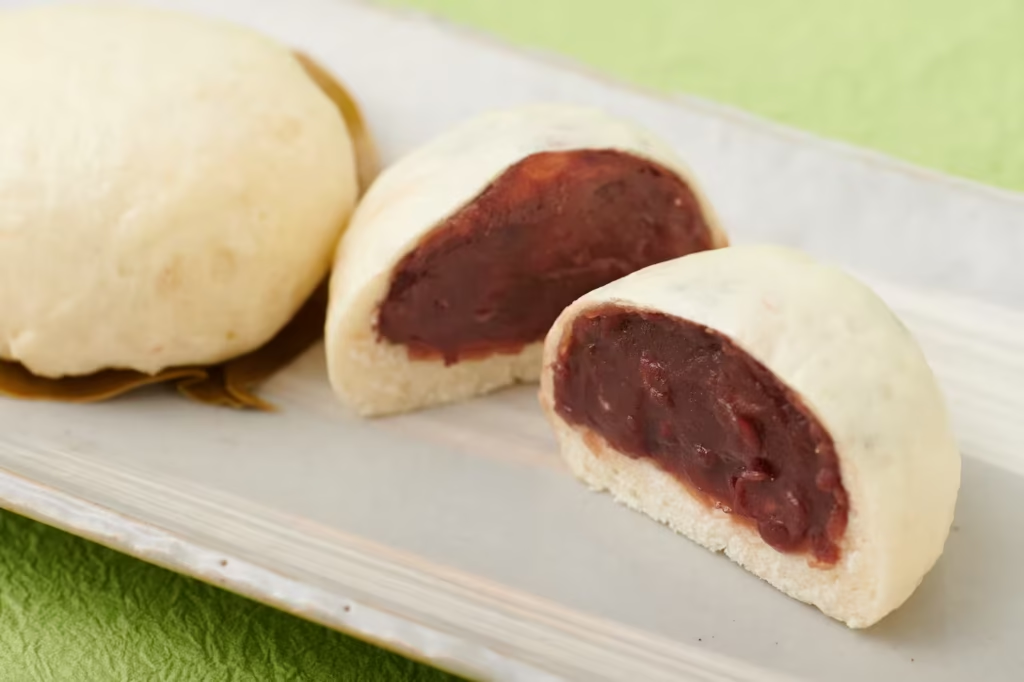

Barappa Manju (ばらっぱまんじゅう)
Barappa manju is a steamed wheat-flour bun filled with sweet red bean paste, cooked on a single wild leaf. It comes from the Hokuso area of northern Chiba Prefecture, and people there eat it during summer festivals and Obon. The leaf giv... -
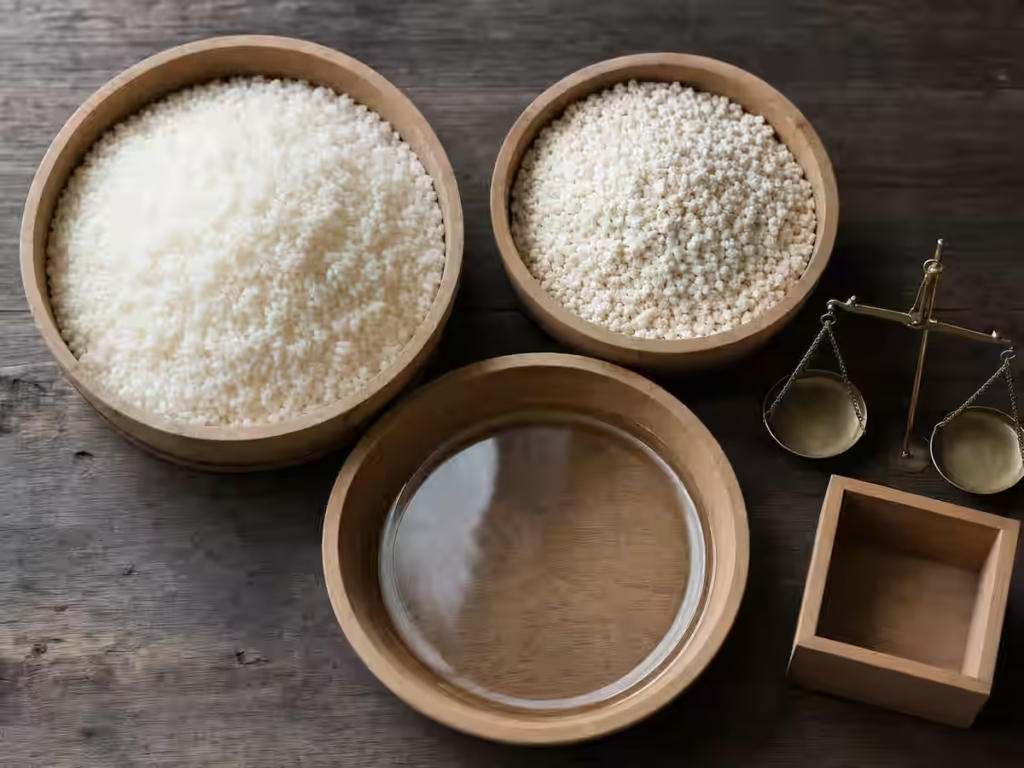
Shikomi Haigo (仕込配合): The Brewing Recipe That Defines Sake
Two breweries can start with the same rice variety, the same well, and the same yeast. Yet the sake in the glass tastes nothing alike. The reason usually hides in a document that drinkers never see. Brewers call it the shikomi haigo. So ... -
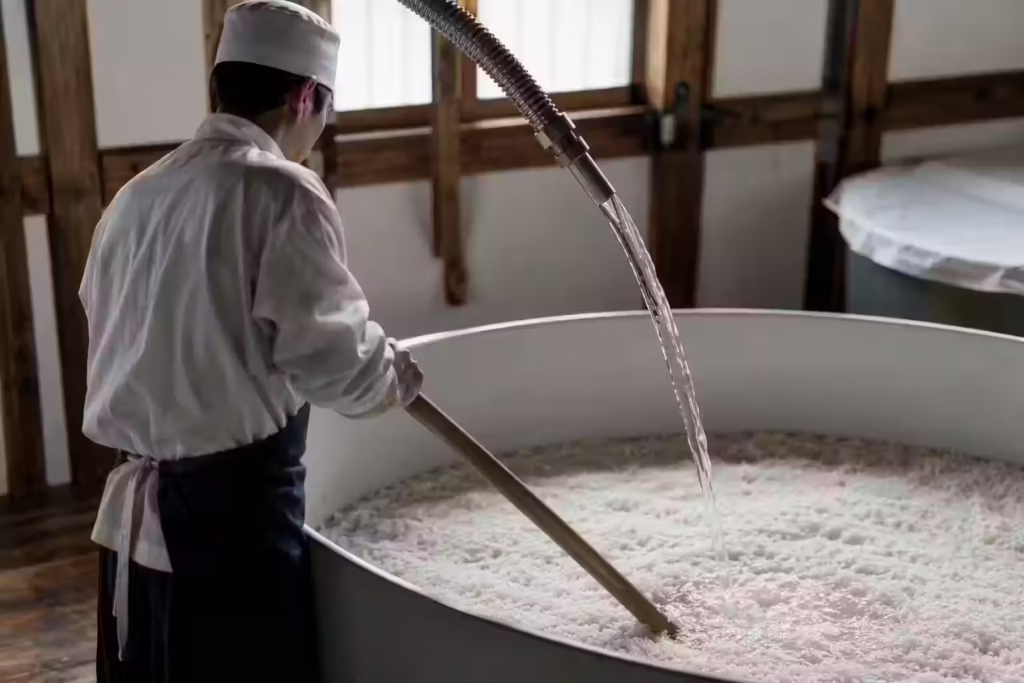

Kumimizu Buai (汲水歩合): The Water-to-Rice Ratio That Shapes Sake
Kumimizu buai (汲水歩合) is sake's water-to-rice ratio. Brewers calculate it by dividing the brewing water in liters by the total rice in kilograms, then multiplying by 100. Most breweries work somewhere between 125 and 135 percent. That... -
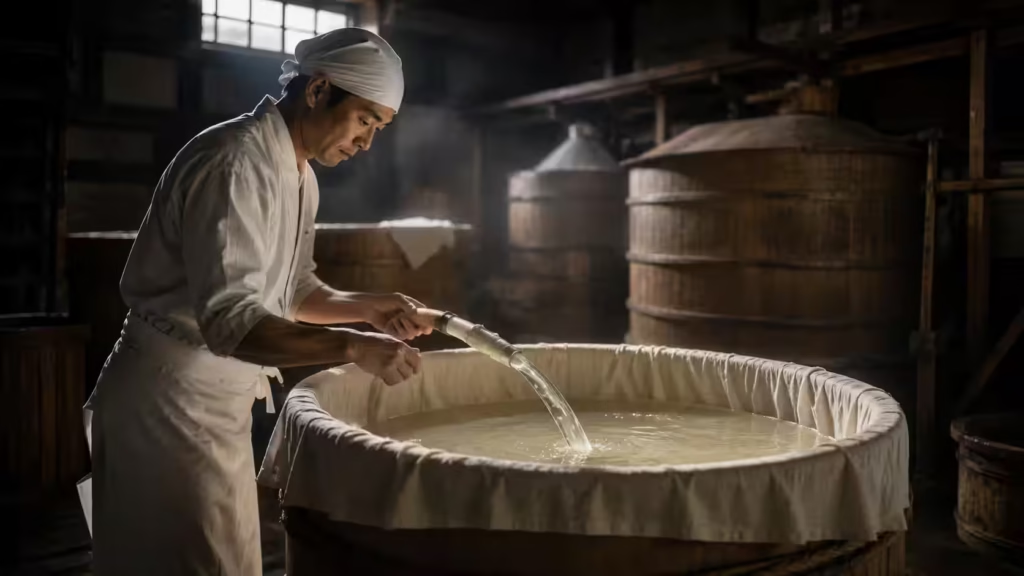
Oribiki (滓引き): How Sake Racking Removes Sediment After Pressing
Oribiki (滓引き) is the sake racking step that separates clear sake from settled sediment after pressing. Brewers rest the freshly pressed sake until solids sink, then draw the clear liquid gently into another tank. It happens after pres... -
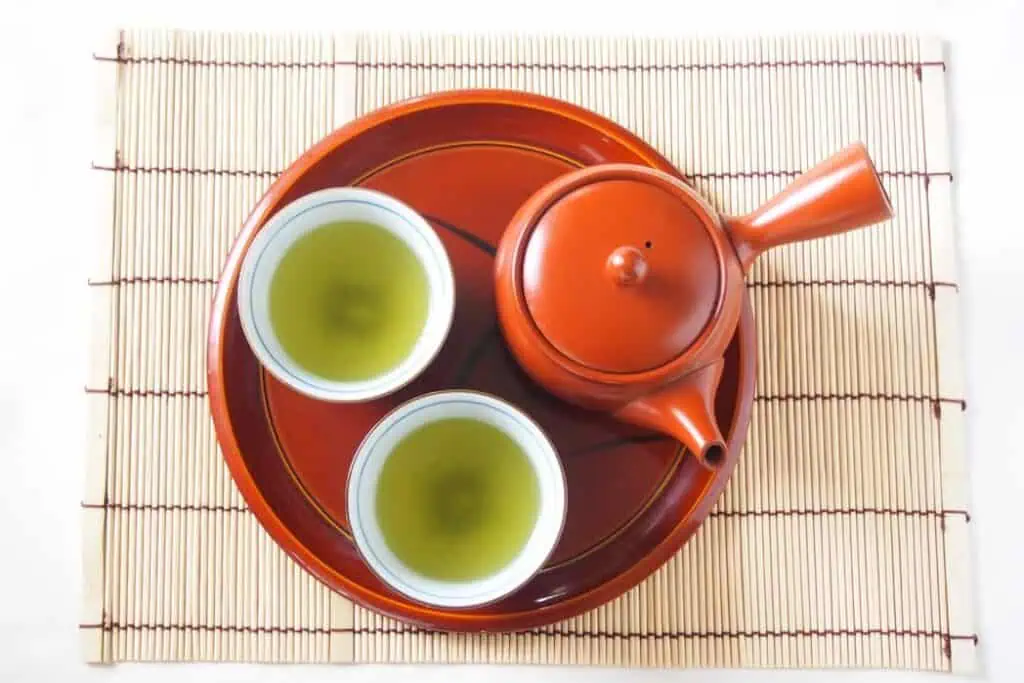
Asamushi Sencha
Asamushi Sencha (浅蒸し煎茶) is a lightly steamed Japanese green tea known for its elegant leaf shape, clear liquor, vivid fragrance, refreshing astringency, and delicate finish. The word asamushi means “light steamed” or “shallow steame... -

Orisage (滓下げ): Clarifying Sake Before Bottling
Pour a glass of good sake and hold it up to the light. That transparency looks effortless, yet it takes weeks of quiet work. So what is Orisage? Orisage (滓下げ) is the clarification step brewers carry out before bottling. It settles the...