



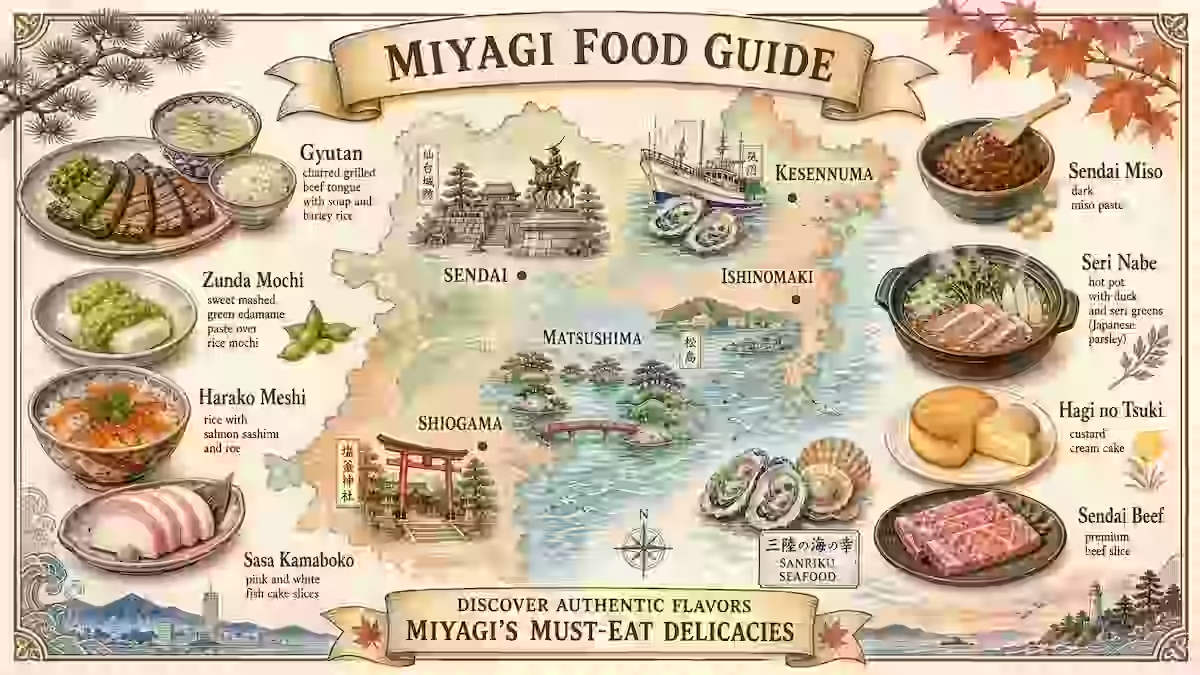
Miyagi Food Guide
Gyutan · Sanriku Sea · City of Trees
Miyagi food means two things above all: the charcoal-grilled beef tongue of Sendai, and the seafood of the Sanriku coast. Around those sit sweet green zunda paste, premium Sendai beef, and rice bred in the prefecture itself. Sendai is also the city most often credited with inventing hiyashi chuka, the cold noodle dish all of Japan now eats in summer. This Miyagi food guide covers the twelve dishes worth planning a trip around, when each one is in season, and what it costs.
Miyagi Prefecture sits on the Pacific coast of Tohoku, about ninety minutes north of Tokyo by shinkansen. Its food culture runs on two engines: Sendai, the inland capital known as Mori no Miyako or the City of Trees, and the Sanriku coast, one of Japan’s most productive fishing grounds.
If you eat only three things here, make them gyutan, zunda mochi, and winter oysters from Matsushima Bay. Most Miyagi specialties are everyday food rather than fine dining, and a full gyutan set costs roughly 1,500 to 2,500 yen as of July 2026.
| Prefecture | Miyagi (宮城県) |
|---|---|
| Region | Tohoku, on the Pacific coast |
| Capital | Sendai, known as Mori no Miyako, the City of Trees |
| Food Identity | Grilled beef tongue, Sanriku seafood, rice, and miso |
| Famous Dishes | Gyutan, zunda mochi, harako meshi, sasa kamaboko |
| Signature Flavor | Charred beef tongue and sweet green edamame paste |
| Key Ingredients | Oysters, salmon, edamame, Hitomebore rice, Sendai miso |
| Best Food Areas | Sendai, Matsushima, Shiogama, Kesennuma, Ishinomaki |
IdentityWhat Makes Miyagi Food Unique?
The City That Invented Two National Dishes
Sendai has an unusual record for a regional city. In 1948, a yakitori chef named Sano Keishiro turned beef tongue into a charcoal-grilled set meal at his restaurant Tasuke, and gyutan eventually spread nationwide. A decade earlier, a Chinese restaurant in the same city is widely credited with creating hiyashi chuka to survive the slow summer season, though a Tokyo restaurant claims an earlier date. Either way, every convenience store in Japan now sells that second dish. Few prefectures are tied to two staples this widely eaten.
Sanriku: Where Two Ocean Currents Meet
The Sanriku coast is commonly counted among the world’s three great fishing grounds, a description the Kesennuma city fish market uses itself. Cold Oyashio water meets warm Kuroshio water offshore, which floods the area with plankton. Deep ria inlets then shelter oyster and seaweed farms along the shore. Kesennuma has led Japan in fresh bonito landings for 28 consecutive years as of 2024, and also tops the country for swordfish and shark. Shiogama, meanwhile, built its reputation on fresh tuna. As a result, seafood shapes roughly half of what appears on a Miyagi table.
Rice, Miso, and the Date Legacy
Date Masamune founded Sendai in 1601 and built the domain on rice. That legacy still shows in Hitomebore, a variety bred here and grown across the country. Local Sendai miso began as military provisions for his troops. Even the sweets carry legend, since one popular story ties zunda mochi to his campaigns. Consequently, the prefecture tastes both agricultural and aristocratic.
Must-TryMiyagi Food Guide: Must-Try Dishes
Miyagi’s essential dishes run from charcoal-grilled beef tongue to autumn salmon rice bowls. First of all, start with these signature names.
Signature Dishes in This Miyagi Food Guide
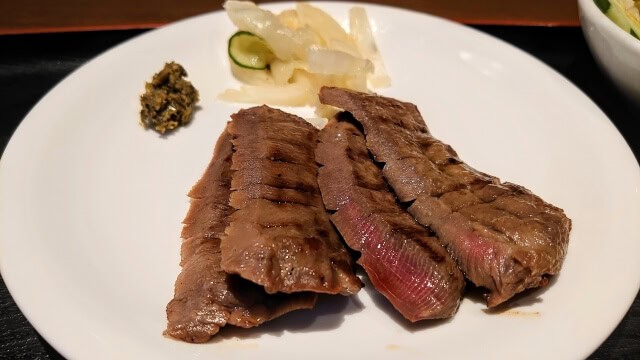

Gyutan (牛タン)
Thick-cut beef tongue salted, aged, and grilled over charcoal. Sendai shops serve it, in fact, with barley rice and oxtail soup.
Read the Gyutan guide →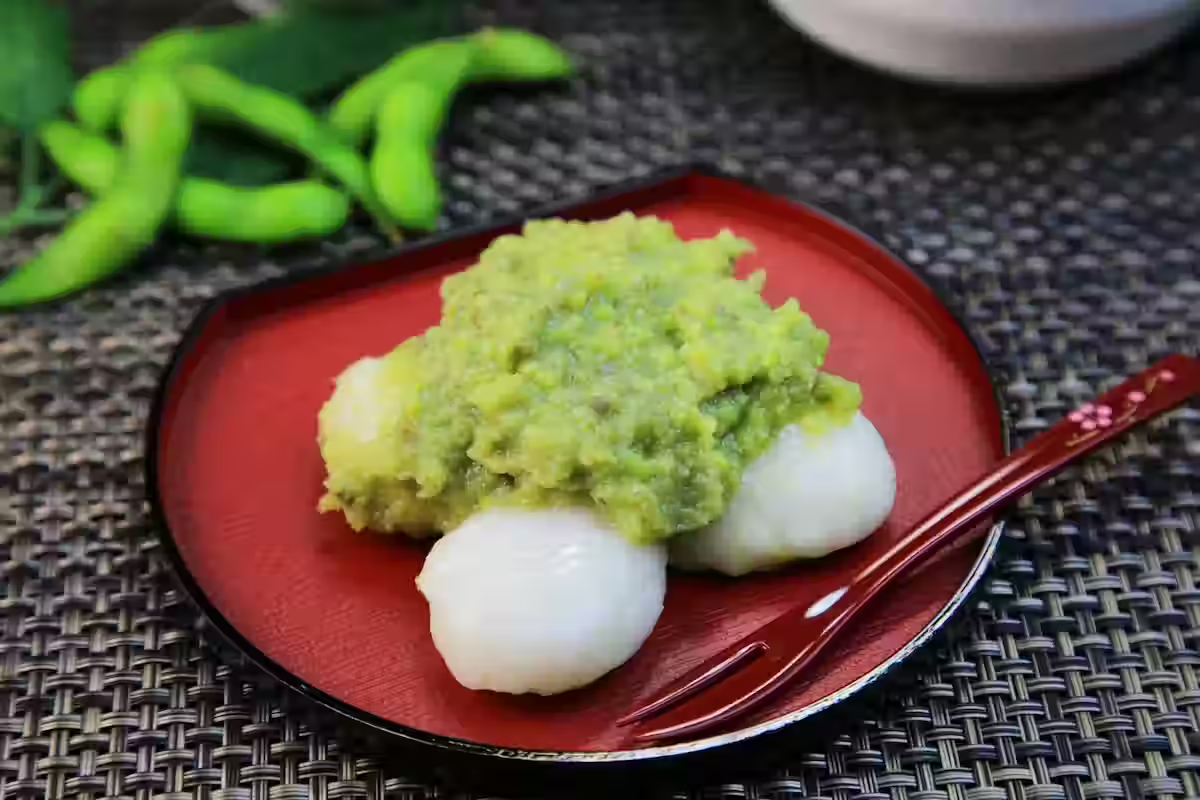

Zunda Mochi (ずんだ餅)
Soft rice cakes under a vivid green paste of crushed sweetened edamame. The flavor lands gently sweet, fresh, and slightly nutty.
Read the Zunda Mochi guide →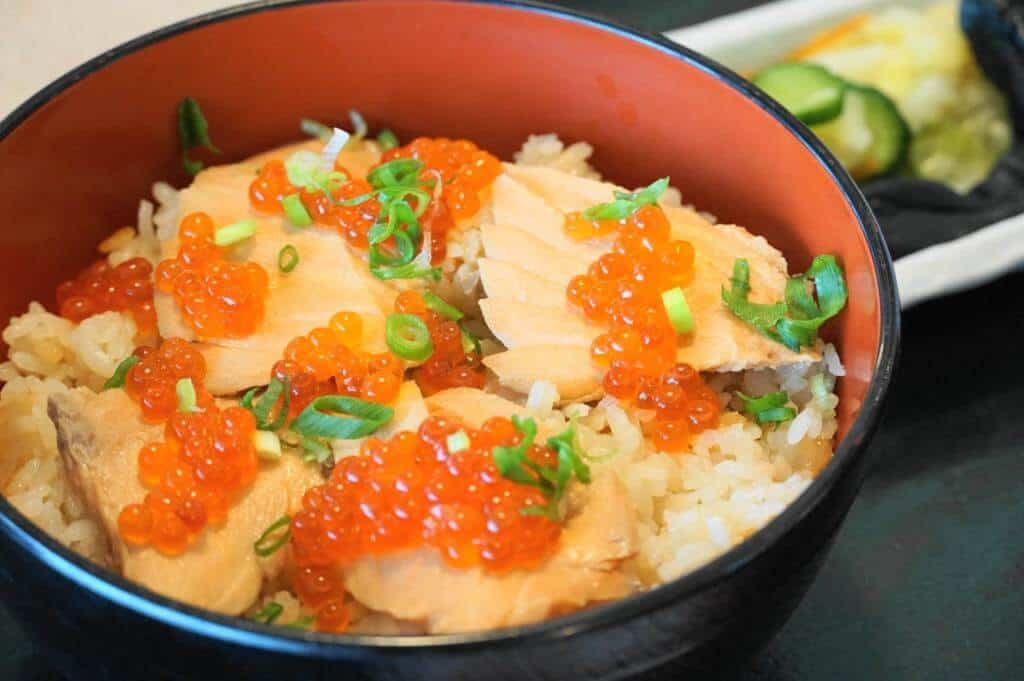

Harako Meshi (はらこ飯)
Rice cooked in salmon broth, then topped with simmered salmon and ikura. Watari Town serves it, above all, from September to November.
Read the Harako Meshi guide →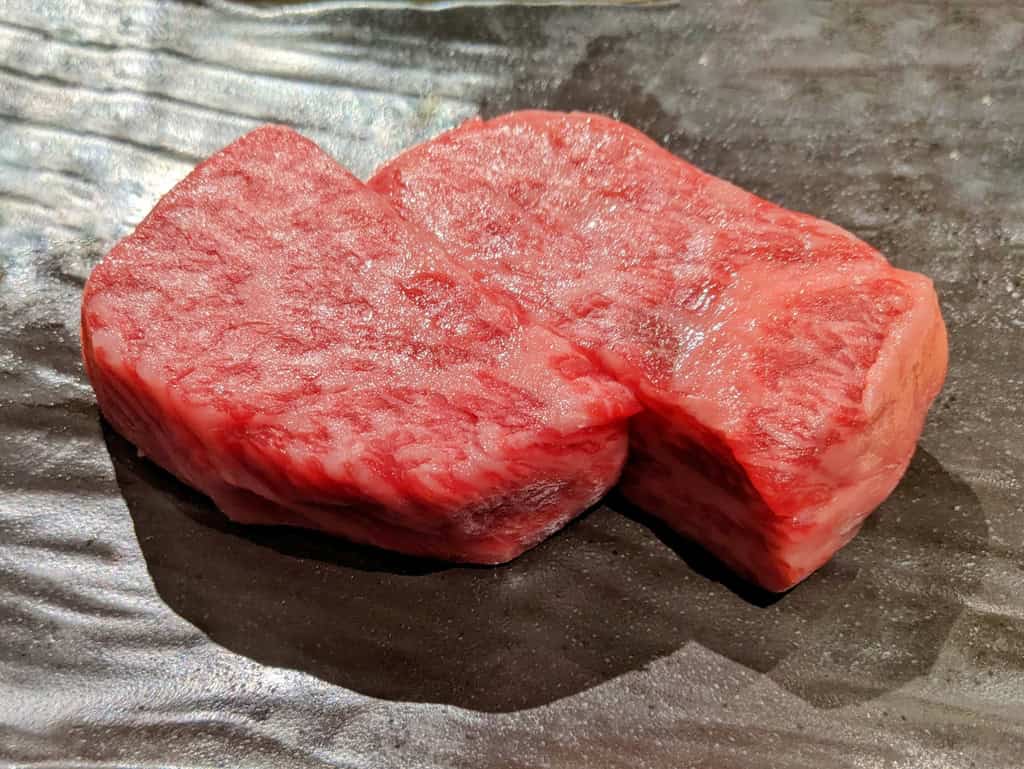

Sendai Beef (仙台牛)
Only carcasses graded A5 or B5 may carry the name, an unusually strict rule among wagyu brands. Every certified animal is raised within Miyagi.
Read the Sendai Beef guide →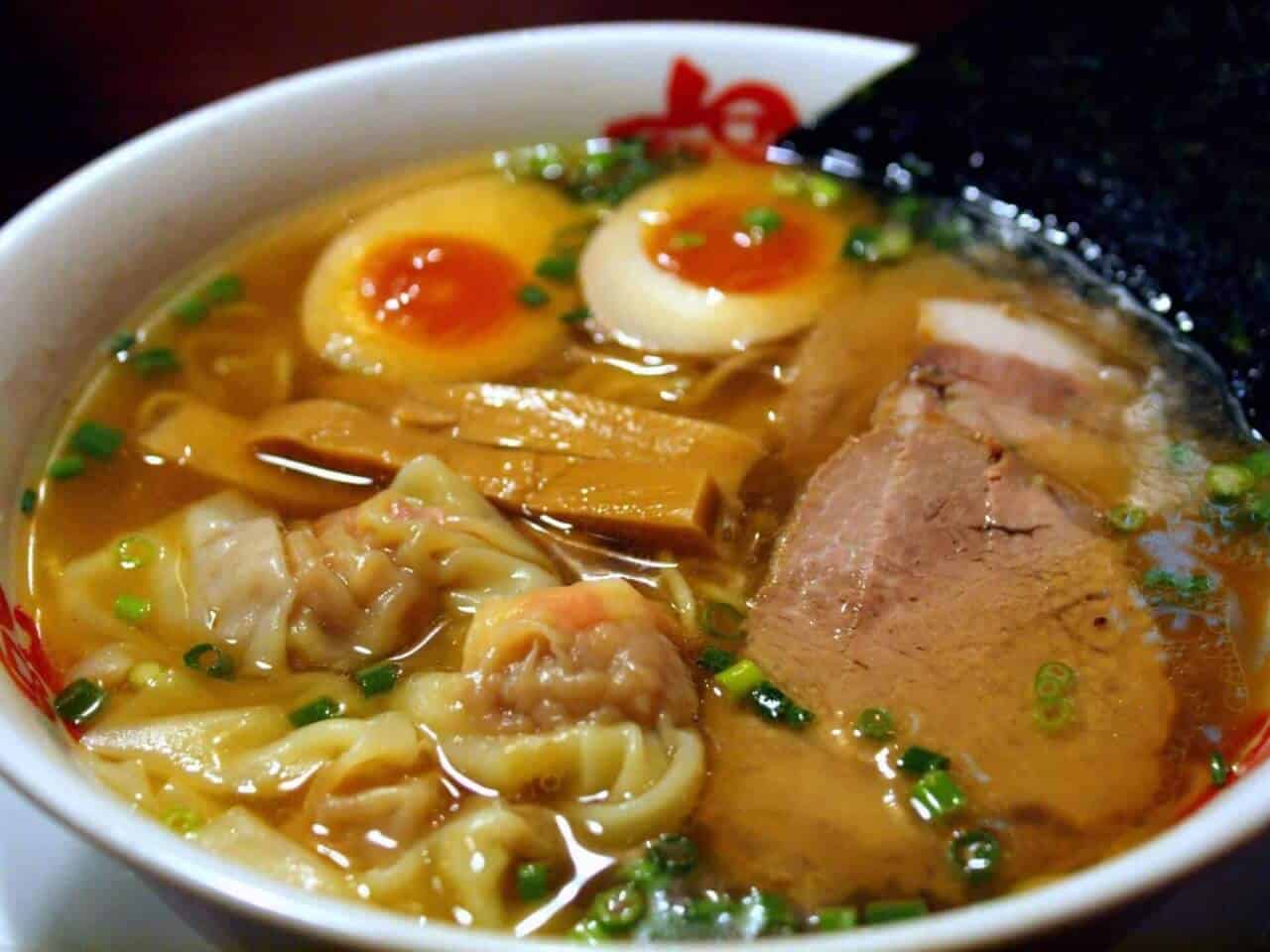

Sendai Ramen (仙台ラーメン)
Soy sauce broth in the northern Tohoku style, clean rather than heavy. Miso versions also thrive here, thanks to local miso culture.
Read the Sendai Ramen guide →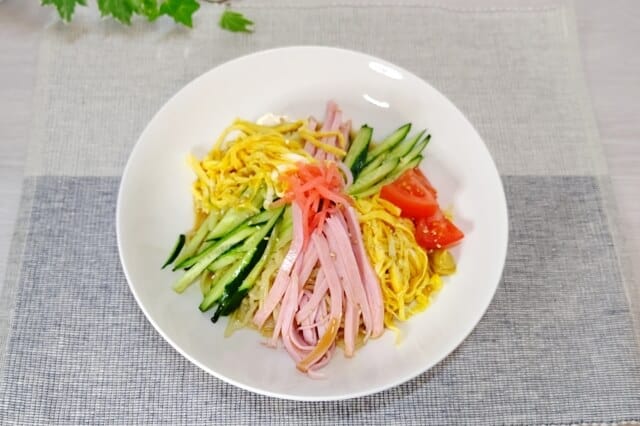

Hiyashi Chuka (冷やし中華)
Chilled noodles under ham, egg, cucumber, and tangy soy vinegar sauce. Sendai is the city most often credited with creating it, and now all of Japan eats it.
Read the Hiyashi Chuka guide →
Local Favorites, Sweets, and Drinks
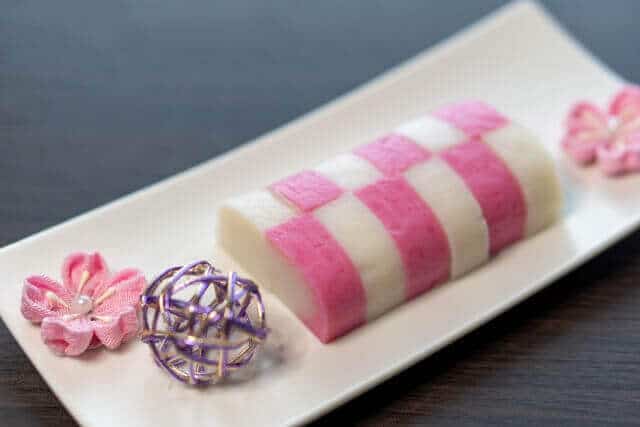

Sasa Kamaboko (笹かまぼこ)
Fish cake shaped like a bamboo leaf, the crest of the Date clan. Shops grill it to order, therefore, and it tastes best still warm.
Read the Kamaboko guide →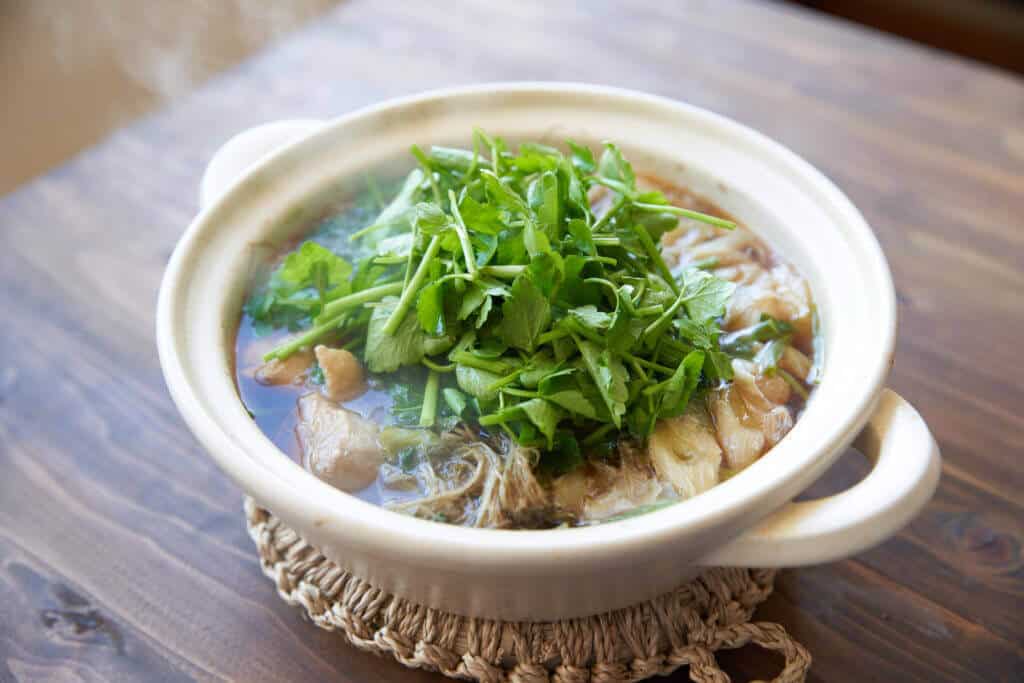

Seri Nabe (せり鍋)
A winter hot pot built around Japanese parsley, roots included. Locals prize the crunchy roots, meanwhile, more than the leaves.
Read the Seri Nabe guide →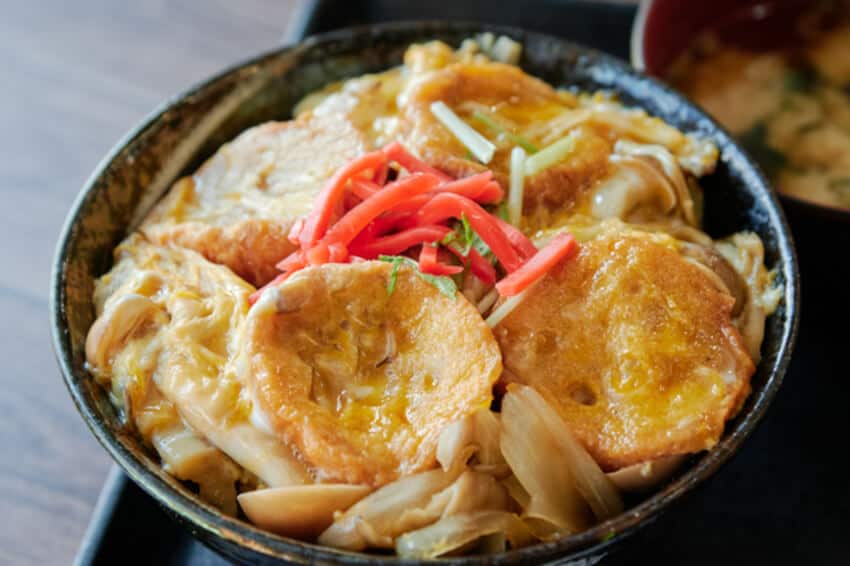

Aburafu Don (油麩丼)
Fried wheat gluten simmered with onion and egg over rice. The northern town of Tome created this meatless comfort bowl.
Read the Aburafu Don guide →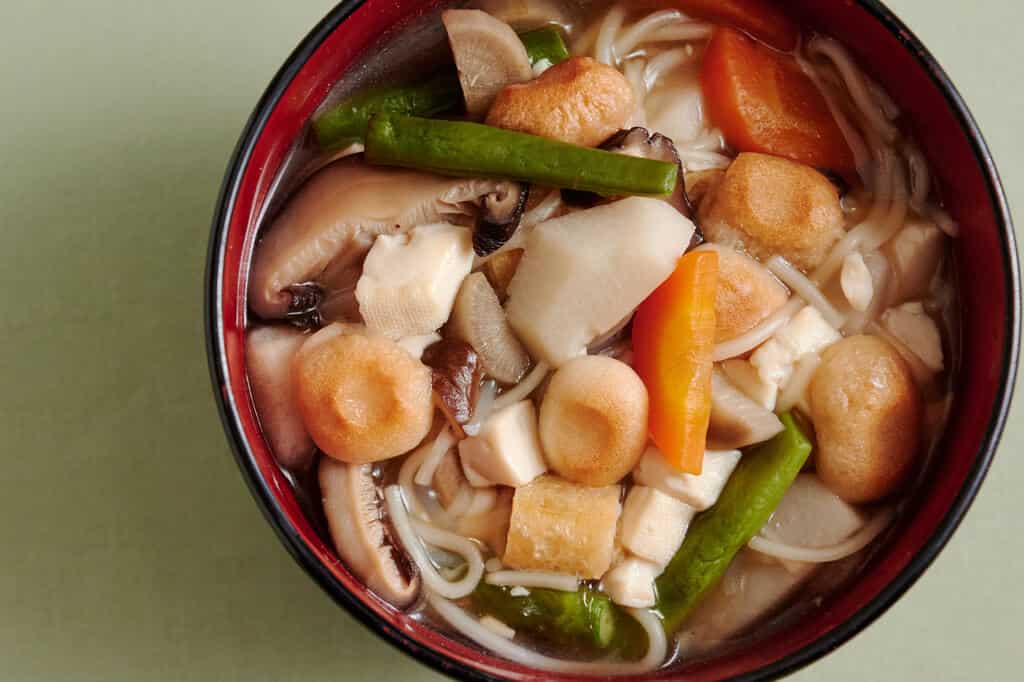

Okuzukake (おくずかけ)
Seasonal vegetables, tofu, and fine noodles in a thickened broth. Families cook it, above all, for Obon and the equinox.
Read the Okuzukake guide →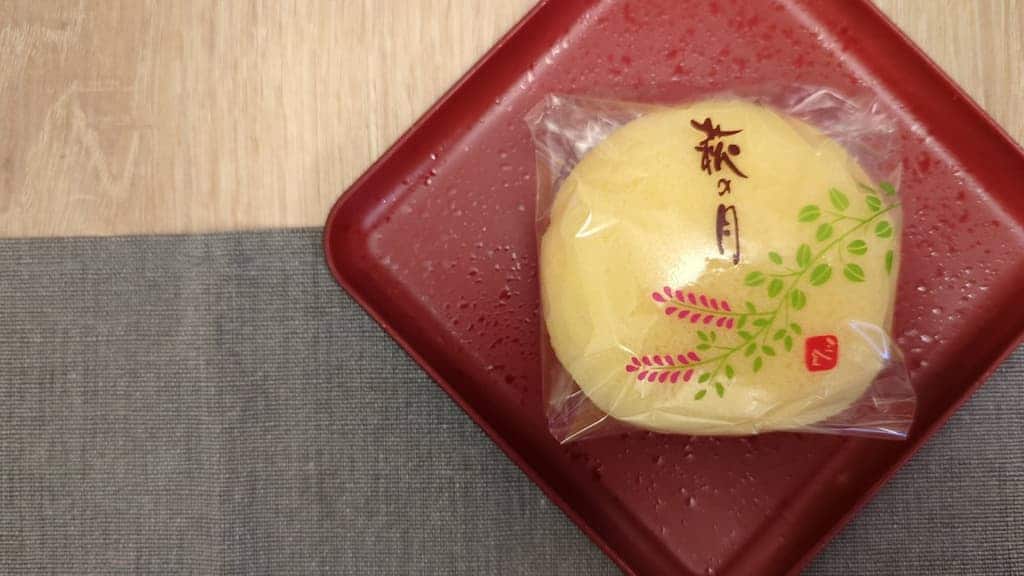

Hagi no Tsuki (萩の月)
A soft sponge dome filled with rich vanilla custard. It remains, without question, Sendai’s most requested souvenir sweet.
Read the Hagi no Tsuki guide →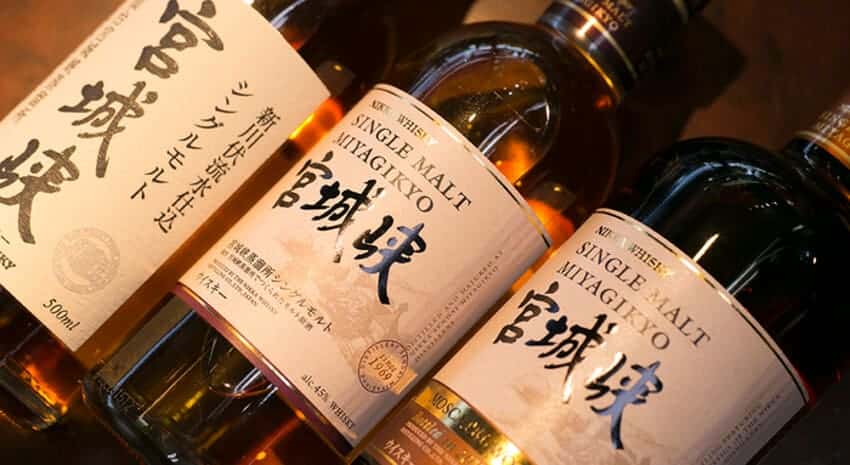

Miyagikyo Whisky (宮城峡)
A soft, elegant single malt distilled in a misty valley near Sendai. Nikka’s founder chose the site, in fact, for its water and air.
Read the Miyagikyo guide →
Miyagi Food Guide: What to Eat by Season
Several of these dishes are strictly seasonal, so timing changes what lands on the table. Use the table below to match a visit to what is actually being served.
| Season | What to eat | Where it is strongest |
|---|---|---|
| Winter Dec-Feb | Oysters, seri nabe, cod hot pot, sasa kamaboko | Matsushima, Sendai izakaya |
| Spring Mar-May | Bakke miso, okuzukake at the equinox, silver salmon | Southern Miyagi, Ishinomaki |
| Summer Jun-Sep | Hiyashi chuka, zunda mochi, bonito from Kesennuma | Sendai city, Kesennuma |
| Autumn Sep-Nov | Harako meshi, saury, new-crop Hitomebore rice | Watari, Kesennuma, Osaki |
| Year-round | Gyutan, Sendai beef, Sendai ramen, Hagi no Tsuki | Sendai city |
FlavorWhat Does Miyagi Food Taste Like?
Miyagi food tastes smoky, briny, and unexpectedly sweet. Gyutan hits first with charcoal smoke and a firm, springy bite that beef rarely gives. Sanriku oysters follow, tasting of cream and cold seawater rather than iodine. Then zunda arrives and confuses everyone. Green mashed edamame on a rice cake sounds like a savory mistake, and honestly, the color takes a moment to accept. One bite settles it. Gradually, the grassy sweetness makes perfect sense, much as salmon-broth rice does in autumn. In short, Miyagi rewards anyone willing to trust the strange-looking plate.
Where to EatMiyagi Food Guide by Area
Miyagi splits neatly between a green inland capital and a jagged Pacific shore. Each port, in fact, built its identity on a different catch. Therefore, use this Miyagi food guide to plan stops along the coast.
Sendai City
The gyutan capital and the region’s dining hub. Sendai Station alone has a third-floor Gyutan Street and Sushi Street, and Kokubuncho izakaya sit a short walk away.
Matsushima
One of Japan’s three classic scenic views, ringed by oyster rafts. Winter brings grilled oyster huts, for instance, right beside the pine islands.
Shiogama
A historic port with an extraordinary density of sushi restaurants. Tuna landed here supplies counters across the whole prefecture.
Kesennuma
The northern fishing capital, famous for bonito and saury. It also handles, unusually, most of Japan’s shark landings.
Ishinomaki & Onagawa
Rebuilt coastal towns with excellent seafood markets. Silver salmon, scallops, and sea squirt define the local menu.
Naruko & Osaki
Inland rice country and hot spring valleys. Naruko is known for kokeshi dolls, mountain vegetables, and freshly milled rice.
On the CoastMiyagi Food Guide: Three Coastal Food Experiences
Three places on the Miyagi coast let you meet the food before it reaches a plate. Each one runs on its own clock, so timing matters more than usual.
Matsushima: Oyster Huts in Winter
Matsushima Bay is one of Miyagi’s two main oyster seed grounds, alongside Ishinomaki Bay. From roughly November to March, temporary huts called kaki-goya open along the shore and steam shell-on oysters on large iron plates. The format is all-you-can-eat on a timer. The Matsushima Tourism Association runs a winter-only hut with a 40-minute limit that includes oyster rice and oyster soup, while the Yakigaki House at Matsushima Sakana Ichiba operates year-round with a 45-minute limit. The association hut sits about a 17-minute walk from Matsushima-Kaigan Station, so a taxi helps in January. Weekends fill fast, and booking ahead is worth the trouble.
Shiogama: Tuna, Sushi, and the Morning Auction
Shiogama handles one of Japan’s largest volumes of fresh, never-frozen tuna, which explains its unusual density of sushi restaurants. Tuna boats travel here from as far south as Kochi, Tokushima, Oita, and Miyazaki. The city fish market, branded Osakana Museum Seri-miru, lets visitors watch the auction from a second-floor gallery. Bidding starts around 7:00 from July to September and around 8:00 from October to June. Landings are irregular, so confirm before travelling. From Sendai Station, the Senseki Line reaches Hon-Shiogama in about 26 minutes.
Kesennuma: The Fish Market at Dawn
Kesennuma is one of only thirteen ports in Japan designated as a Specified Type 3 fishing port, and it faces the Sanriku grounds directly. In fiscal 2024 it handled roughly 67,000 tons of fish worth about 22.4 billion yen. The market opens at 6:30, and guided market tours meet at the adjacent Umi no Ichi complex at around 6:45, which is when the bonito boats are unloading. Bonito lands from June to November and saury from September to December, while tuna, swordfish, and shark come in year-round. Go early or there is nothing to see.
Plan Your TripMiyagi Food Guide: Access and Model Route
Getting to Miyagi from Tokyo
The Tohoku Shinkansen reaches Sendai from Tokyo Station in about ninety minutes. That makes Miyagi the easiest Tohoku prefecture to visit on a short trip. Sendai Airport connects to Osaka, Nagoya, Sapporo, and several international cities. A direct rail line then runs from the airport to Sendai Station in under thirty minutes. From there, meanwhile, local trains reach Matsushima and Shiogama in well under an hour.
A One-Day Sendai and Coast Eating Route
The capital and the nearby bay pack a full day of eating. For example, here is a route locals would approve of.
- Morning – Sendai Asaichi market.
Walk the covered morning market near the station. Try grilled fish cake and seasonal fruit, and watch the stalls wake up.
- Late morning – Matsushima Bay.
Ride the local train out to the pine islands. Order grilled oysters in winter, or a seafood set any other season.
- Lunch – Sushi in Shiogama.
Stop at the port town on the way back, about 26 minutes from Sendai on the Senseki Line. Its fresh tuna reputation makes even a modest counter worth the detour.
- Afternoon – Sasa kamaboko and sweets.
Return to Sendai and grill your own fish cake at a shop counter. Then pick up Hagi no Tsuki for the trip home.
- Evening – Gyutan and a nightcap.
Finish with a charcoal gyutan set in Kokubuncho. Follow it with local sake or a Miyagikyo single malt.
IngredientsMiyagi Food Guide: Famous Ingredients
Oysters and Sanriku Seafood
Miyagi ranks second only to Hiroshima among Japan’s oyster-producing prefectures, and Matsushima Bay leads the local harvest. Matsushima Bay and Ishinomaki Bay serve as the prefecture’s seed grounds, and the sheltered, nutrient-rich water grows plump, creamy shellfish from roughly October to March. Seed oysters shipped from Miyagi in the 1970s also helped rebuild French oyster farms after disease devastated their stocks, a link the two regions still commemorate. Sea squirt, scallops, silver salmon, and seaweed round out the harvest. Winter cod appears in hot pots such as donko nabe.
Rice and the Sendai Plain
The Sendai plain is one of Tohoku’s most productive rice regions. Hitomebore, bred in the prefecture in 1991, balances stickiness, sweetness, and clean aroma. Sasanishiki, its predecessor, still has loyal fans among sushi chefs. Because the rice tastes mild, it supports strong toppings like salmon and ikura. That is exactly why harako meshi works so well.
Seri and Winter Vegetables
Miyagi is Japan’s largest producer of seri, the Japanese parsley used in seri nabe. Most of the Sendai Seri brand comes from Natori City, immediately south of the capital. Unusually, cooks here serve the whole plant, roots included, because the roots turn sweet and crunchy in the cold months. Some Sendai restaurants use seri harvested the same morning. The season runs roughly from September to March, and January is when the roots are at their best.
Edamame and Zunda
Edamame is not a side dish in Miyagi but a base ingredient. Cooks boil the beans, peel them, then crush them with sugar and a pinch of salt. The resulting zunda paste tops mochi, fills pastries, and flavors milkshakes. Sendai Station sells zunda in a dozen formats alone. Consequently, the color green now signals Miyagi to Japanese travelers.
Sendai Miso and Fermented Flavor
Date Masamune established a domain-run miso works, which was unusual for the period. Sendai miso ferments long with a high soybean ratio, giving deep color and salt-forward umami. Cooks use it in ramen, hot pots, and grilled dishes rather than only soup. Spring brings bakke miso, a bittersweet butterbur-sprout condiment. New Year, in addition, calls for the dried-fish broth of Sendai zouni.
HistoryThe History of Miyagi Food Culture
Date Masamune and the Rice Domain
Date Masamune founded Sendai in 1601 and immediately invested in agriculture. He drained marshland, redirected rivers, and turned the plain into a rice engine. Surplus rice shipped to Edo, which made the domain wealthy and well fed. He also established a domain miso facility to supply his army. That single decision, centuries later, still flavors ramen bowls across the city.
The Sanriku Coast and the Sea
North of Sendai, the coastline breaks into deep ria inlets carved by drowned valleys. Those sheltered bays proved ideal for oyster, scallop, and seaweed cultivation. Offshore, the Oyashio and Kuroshio currents meet and create enormous plankton blooms. Ports such as Kesennuma, Ishinomaki, and Shiogama grew rich on that abundance. The 2011 tsunami devastated them, yet the fisheries have since rebuilt at remarkable speed.
Postwar Sendai and Two Inventions
Modern Miyagi food owes much to two restaurant owners. In 1937, the Chinese restaurant Ryutei in Sendai is said to have created a chilled noodle dish to survive slow summers, although Yosuko Saikan in Tokyo claims an earlier version from 1933. Then in 1948, the yakitori chef Sano Keishiro opened Tasuke and built a menu around salted beef tongue. A popular story credits leftovers from occupation forces, but the restaurant’s own account says he sourced tongue and tail on buying trips to neighboring Yamagata. Both dishes escaped the city and became national staples, which is why visitors now arrive expecting gyutan the way they expect ramen in Fukuoka.
Read NextExplore More Miyagi Foods
- Gyutan (牛タン) – Sendai’s charcoal-grilled beef tongue
- Zunda Mochi (ずんだ餅) – sweet green edamame rice cakes
- Harako Meshi (はらこ飯) – the autumn salmon and ikura rice bowl
- Sendai Beef (仙台牛) – Japan’s only top-grade-only wagyu brand
- Sendai Ramen (仙台ラーメン) – the soy and miso bowls of the capital
- Hiyashi Chuka (冷やし中華) – the cold noodles Sendai invented
- Kamaboko (蒲鉾) – sasa kamaboko shaped like a bamboo leaf
- Seri Nabe (せり鍋) – the winter hot pot with crunchy parsley roots
- Aburafu Don (油麩丼) – the meatless fried-gluten rice bowl
- Okuzukake (おくずかけ) – thickened vegetable and noodle broth
- Sendai Zouni (仙台雑煮) – the New Year soup with dried fish broth
- Sendai Miso (仙台味噌) – long-fermented, soybean-rich miso
- Bakke Miso (ばっけ味噌) – the bittersweet butterbur condiment
- Hitomebore (ひとめぼれ) – the rice bred in Miyagi
- Hagi no Tsuki (萩の月) – Sendai’s custard sponge souvenir
- Miyagikyo Whisky (宮城峡) – the soft single malt from the valley
- Nikka From the Barrel – the bold blend in the square bottle
- Nikka Taketsuru – the pure malt named for Japan’s whisky father
- Donko Nabe (どんこ鍋) – the rich Sanriku winter cod hot pot
- What to Eat in Sendai – 20 must-try foods
- Guide to Food in Sendai – where and what to eat
- Browse all Miyagi foods
More RegionsExplore More Japanese Regional Food Guides
- Yamagata Food Guide – imoni, soba & the ramen capital
- Fukushima Food Guide – Kitakata ramen, kozuyu & peaches
- Akita Food Guide – kiritanpo, Inaniwa udon & snow country cuisine
- Tohoku Food – dishes from all six northern prefectures
- Discover Tohoku – 11 Japanese foods you need to taste
- Hokkaido Food Guide – dairy, seafood & miso ramen
- Kanto Food Guide – Tokyo, Kanagawa, Saitama & beyond
- Japan Food Guide – complete overview of all regions
In conclusion, bookmark this Miyagi food guide and explore each dish in depth through the articles above. Then build your own route from the arcades of Sendai out to the oyster rafts of Matsushima.
FAQMiyagi Food Guide FAQ
Miyagi Food Guide FAQ: The Signature Dishes
What food is Miyagi most famous for?
Miyagi is most famous for gyutan, the charcoal-grilled beef tongue of Sendai. Zunda mochi, harako meshi, and sasa kamaboko follow close behind. On the coast, oysters, silver salmon, and sea squirt define the local table. Premium Sendai beef rounds out the list at the expensive end.
What is gyutan and why is it from Sendai?
Gyutan is thick-cut beef tongue that cooks salt, age, and grill over charcoal. The yakitori chef Sano Keishiro built a menu around it at his Sendai restaurant Tasuke in 1948, and the style spread from there. Restaurants serve it as a set with barley rice, oxtail soup, and pickles. The texture stays firm and springy rather than soft like steak.
What is zunda mochi?
Zunda mochi pairs soft rice cakes with a bright green paste of crushed edamame. Cooks boil, peel, and mash the young soybeans with sugar and a little salt. The taste is gently sweet, grassy, and slightly nutty rather than heavy. Sendai now sells zunda in shakes, pastries, and soft serve as well.
What is harako meshi and when can I eat it?
Harako meshi is a salmon rice bowl from Watari Town on the southern coast. Cooks simmer salmon, then cook the rice in that broth so every grain absorbs the flavor. Slices of salmon and glossy ikura go on top. The season runs roughly from September to November, and Sendai Station sells a boxed ekiben version year-round.
What makes Sendai beef different from other wagyu?
Sendai beef may only carry the name if the carcass grades A5 or B5, which is an unusually strict rule among Japanese wagyu brands. Farmers raise the cattle within Miyagi, feeding them rice straw from local varieties such as Sasanishiki and Hitomebore. The meat shows fine marbling with a clean, mellow finish. Sukiyaki and steak show it best.
Did Sendai really invent hiyashi chuka?
The most widely cited account credits Ryutei, a Chinese restaurant in Sendai, with creating the dish in 1937. A competing claim points to Yosuko Saikan in Jimbocho, Tokyo, which dates its version to 1933 and is credited with the radial topping arrangement. Both restaurants faced the same problem of slow summer trade. Miyagi treats the dish as local heritage regardless of which claim you accept.
Miyagi Food Guide FAQ: Seafood, Seasons, and Local Flavors
When is oyster season in Miyagi, and where should I eat them?
Miyagi oysters are at their best from roughly October through March, and the winter oyster huts around Matsushima Bay run from about November to March. Miyagi has long ranked second only to Hiroshima among Japan’s oyster-producing prefectures. Shell-on oysters sold for raw eating are purified in sterilised seawater for at least 22 hours under prefectural practice, so packages are labelled either for raw eating or for cooking. Follow that label rather than guessing, and choose the cooked option if you have any doubt.
What is sasa kamaboko?
Sasa kamaboko is a grilled fish cake shaped like a bamboo leaf. The shape references the Date clan crest, which combines bamboo and sparrows. Makers use white fish paste, so the flavor stays mild and clean with a springy bite. Several Sendai shops let visitors grill their own over charcoal, and it tastes noticeably better warm.
What is seri nabe?
Seri nabe is a winter hot pot built around seri, or Japanese parsley, in a soy-seasoned duck or chicken broth. Miyagi is Japan’s largest producer of seri, and most of the Sendai Seri brand comes from nearby Natori City. Cooks add the whole plant, including the white roots, which stay crisp and aromatic. The season runs from about September to March, with January considered the peak.
Miyagi Food Guide FAQ: Travel, Costs, and Souvenirs
How do I get to Miyagi from Tokyo?
The Tohoku Shinkansen runs from Tokyo Station to Sendai in about ninety minutes on the fastest services. That short ride makes Miyagi the most accessible Tohoku prefecture for a weekend trip. Sendai Airport also connects to several domestic and international cities. A direct train links the airport to Sendai Station in under thirty minutes.
How much does Miyagi food cost?
Everyday Miyagi food stays reasonable. As of July 2026, a gyutan set usually runs 1,500 to 2,500 yen, a bowl of ramen around 800 to 1,000 yen, and zunda mochi or sasa kamaboko a few hundred yen each. Harako meshi sits higher at roughly 1,700 to 3,000 yen. Sendai beef is the outlier, with course meals often starting near 8,000 yen. Prices change, so treat these as a guide rather than a quote.
What food souvenirs should I buy in Miyagi?
Hagi no Tsuki is the classic choice, a custard-filled sponge cake sold throughout Sendai Station. Zunda products, sasa kamaboko, and Sendai miso also travel well. Whisky drinkers can look for Miyagikyo bottles from the Nikka distillery near the city. Fresh sasa kamaboko and fresh mochi keep only briefly, so choose boxed or chilled versions for a long journey home.
SourcesReferences
- Ministry of Agriculture, Forestry and Fisheries, Uchi no Kyodo Ryori (Local Dishes of Japan) – Okuzukake, Miyagi. maff.go.jp (Surveyed: July 2026)
- Miyagi Prefectural Government, Miyagi Oyster Information. pref.miyagi.jp (Surveyed: July 2026)
- Miyagi Prefectural Government, Oyster Production in Miyagi – seed grounds in Matsushima Bay and Ishinomaki Bay, and national production ranking. pref.miyagi.jp (Surveyed: July 2026)
- Miyagi Prefectural Government, Measures for Safe Oyster Supply – 22-hour purification for raw-eating shell oysters. pref.miyagi.jp (Surveyed: July 2026)
- City of Shiogama, Shiogama Sushi – fresh tuna landings and the local sushi tradition. city.shiogama.miyagi.jp (Surveyed: July 2026)
- Kesennuma City Fish Market – opening hours and landing volumes. kesennuma-uoichiba.jp (Surveyed: July 2026)
- Kesennuma Tourism and Convention Bureau, Kesennuma Fishing Port and Fish Market – species, seasons, and port designation. kesennuma-kanko.jp (Surveyed: July 2026)
- Sendai Tourism, Convention and International Association, Sendai Tabi Biyori – Sendai dining and station facilities. sentabi.jp (Surveyed: July 2026)
- Matsushima Sakana Ichiba, Yakigaki House – all-you-can-eat format and season. sakana-ichiba.co.jp (Surveyed: July 2026)
- Nikka Whisky Distilling Co., Ltd., official product and distillery information for Miyagikyo (Surveyed: July 2026)
- Japan Meat Grading Association, beef carcass grading standards, referenced for the Sendai beef A5/B5 requirement (Surveyed: July 2026)
About this guide. Food in Japan is an English-language reference to Japanese regional food, written and edited in Japan. This Miyagi food guide draws on the individual dish articles linked throughout, cross-checked against the public sources listed above.
On disputed origins. Where a dish has more than one credible origin story, such as hiyashi chuka or the beginnings of gyutan, this guide states both rather than choosing one. Legends attached to Date Masamune are identified as legends.
What is verified and what is not. Landing volumes, oyster handling rules, market auction times, and seasonal windows in this guide come from the prefectural, municipal, and market sources listed above. Restaurant time limits and walking distances are drawn from the operators’ own published information. Descriptions of taste and texture are editorial judgement, not measurement.
Prices, hours, and seasons. Figures were checked in July 2026 and are typical ranges, not quotes. Seasonal windows shift year to year with weather and catch. Confirm opening hours and availability with individual restaurants before travelling.
Corrections. If you spot an error, please get in touch through the contact page. This guide is updated when its content is re-checked, not on a fixed schedule.