




Ryo Iwa– Author –

-
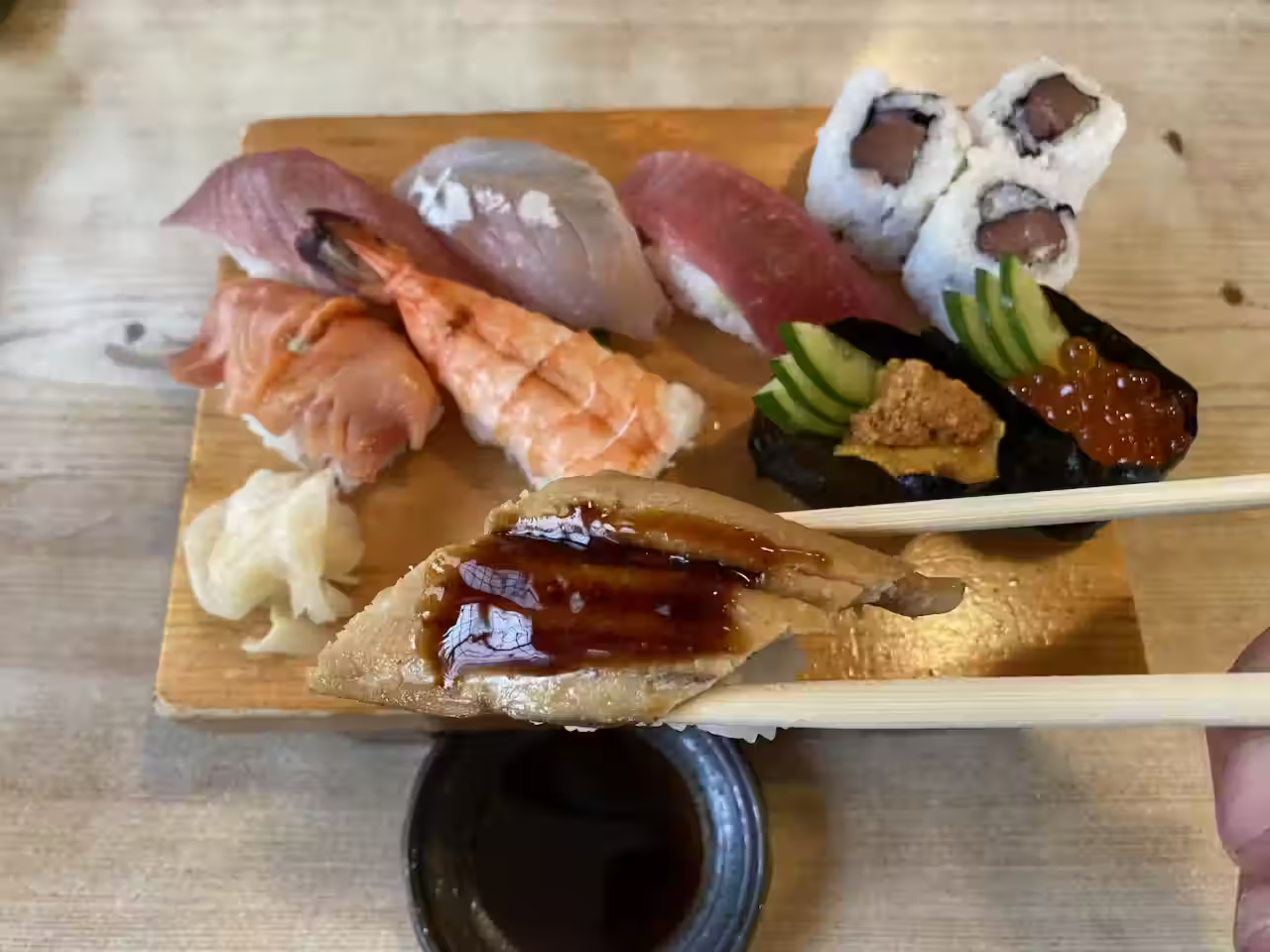

Edomae Sushi (江戸前寿司)
A chef presses a small mound of rice, lays a slice of glossy fish on top, and brushes it once with sauce. Then the piece lands in front of you, ready to eat. That short sequence sums up Edomae sushi (江戸前寿司), the Tokyo style of nigir... -
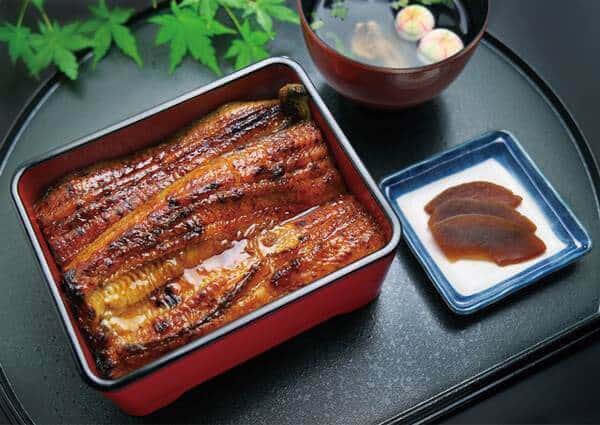

Unajyu (うな重)
Unaju is a Japanese grilled eel rice bowl served in an elegant lacquered box. Glossy unagi kabayaki sits over steamed rice, soaked in a sweet soy-based sauce. It looks beautiful. It tastes even better. If you have ever wondered what make... -
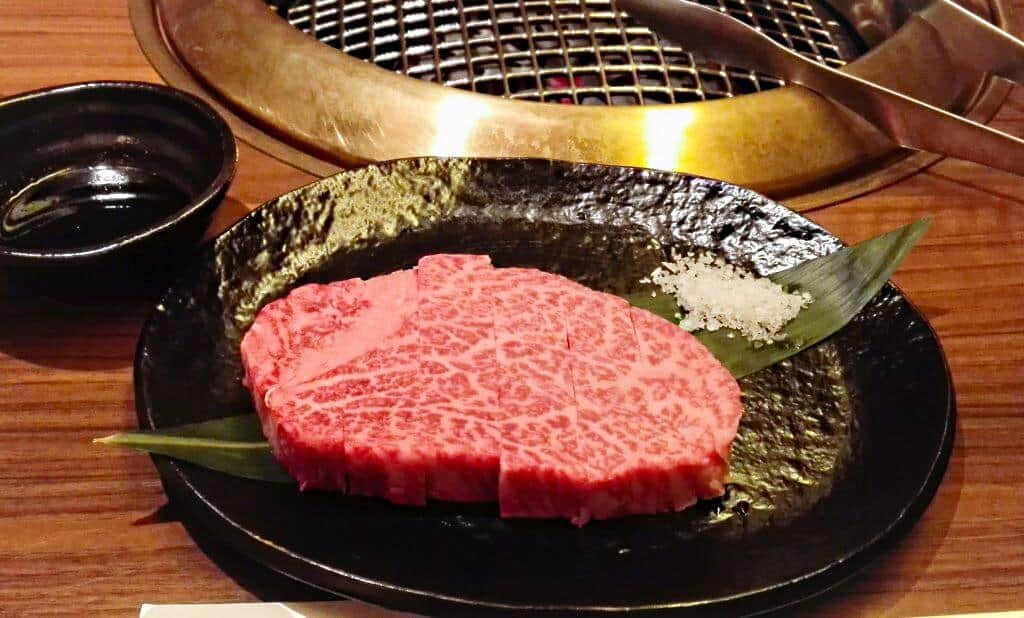

Hida-Gyu / Hida Beef (飛騨牛)
Hida beef is a certified Japanese Wagyu brand from Gifu Prefecture. It comes from Japanese Black cattle raised for at least 14 months in the region. Fans know it for fine marbling, a tender bite, and clean, sweet-tasting fat. This guide ... -
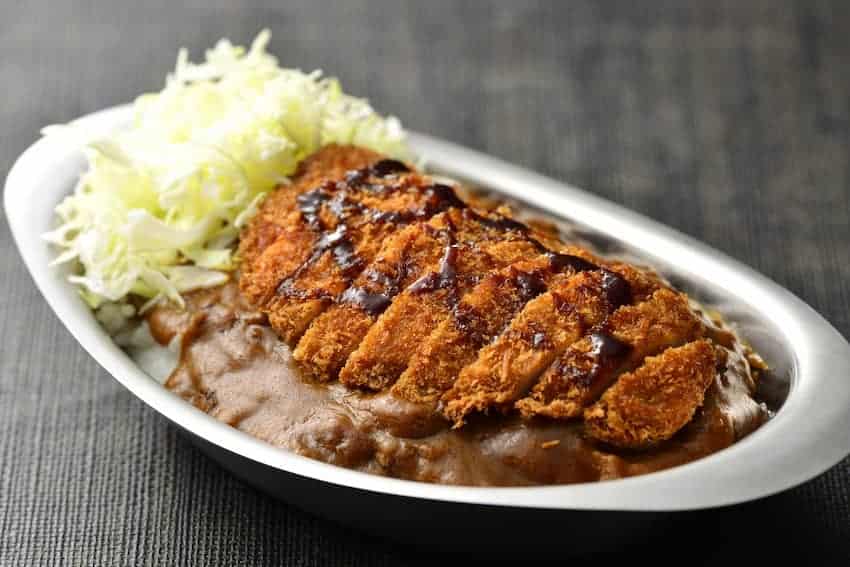

Kanazawa Curry (金沢カレー)
It is a volcano like image with the sauce covering the entire mountain of rice. It is part of the style to completely cover the rice. Giving this curry more of a unique style is the stainless steel boat-shaped dish that it is served on. -
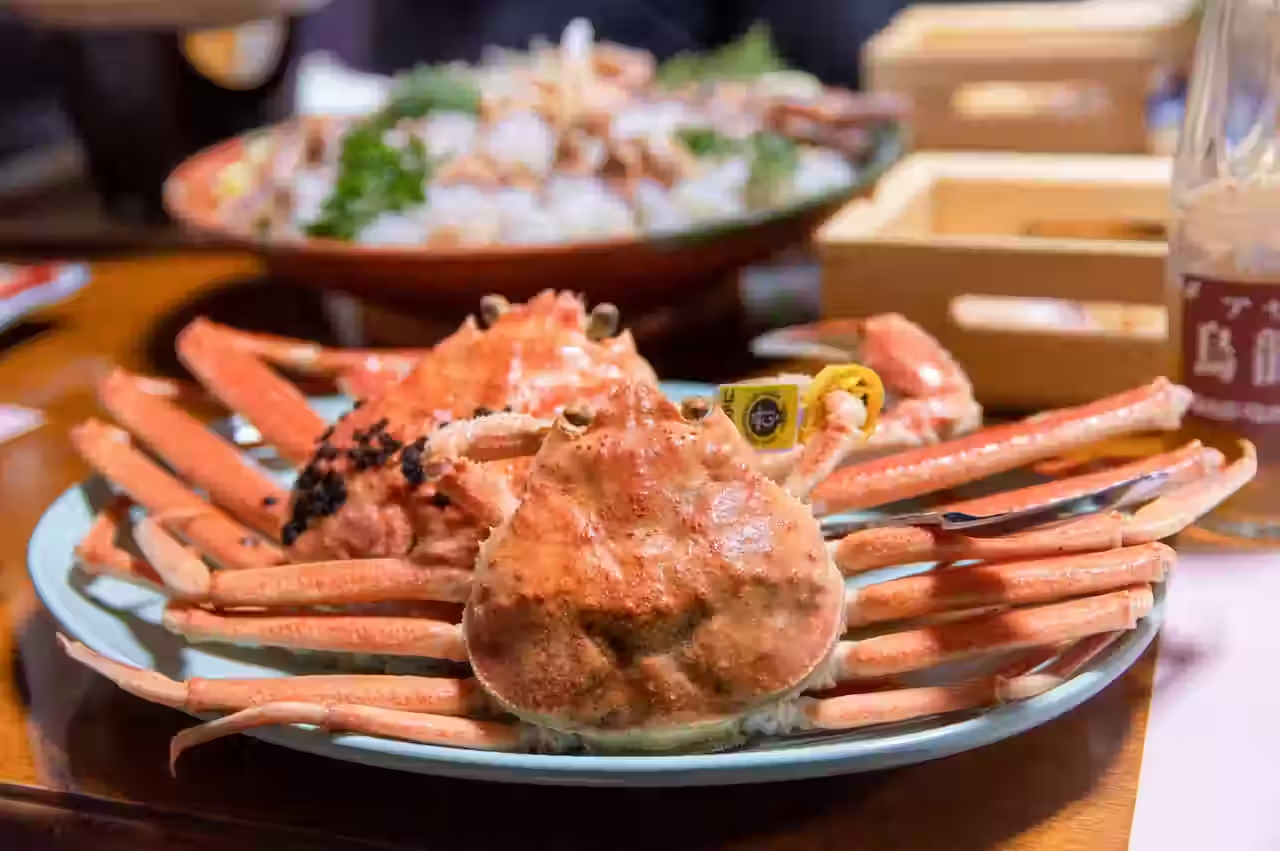

Echizen Gani (越前がに)
Echizen Gani, or Snow Crabs are in plentiful supply during the season that extends every year from the 6th of November until the 20th of March. The crabs are given their name due to the coastline of Echizen from where these crabs are cau... -
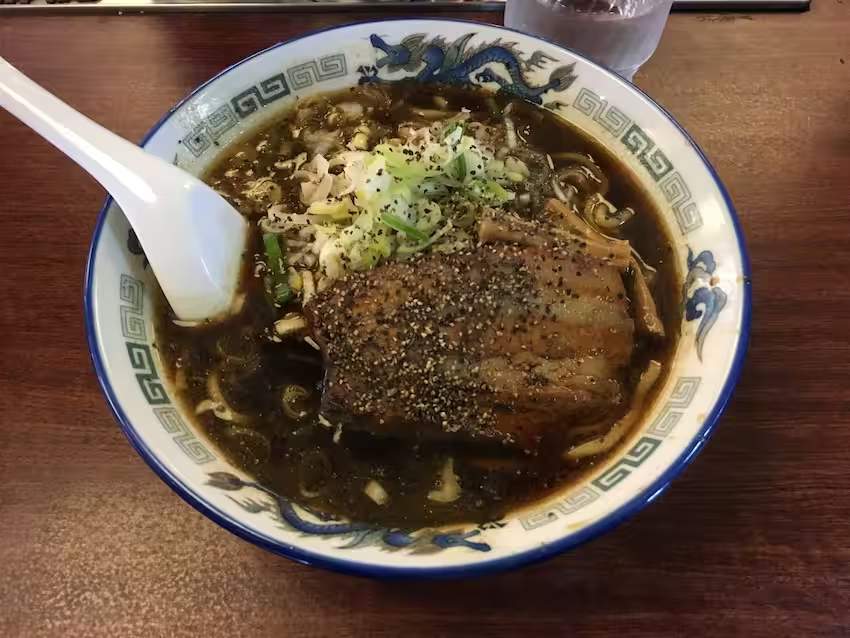

Toyama Black Ramen (富山ブラックラーメン)
You can tell from a glance that the blackness of the water is from soy sauce. You might think this ramen would be extremely salty, but these noodles are in fact light in taste and mixes well. -
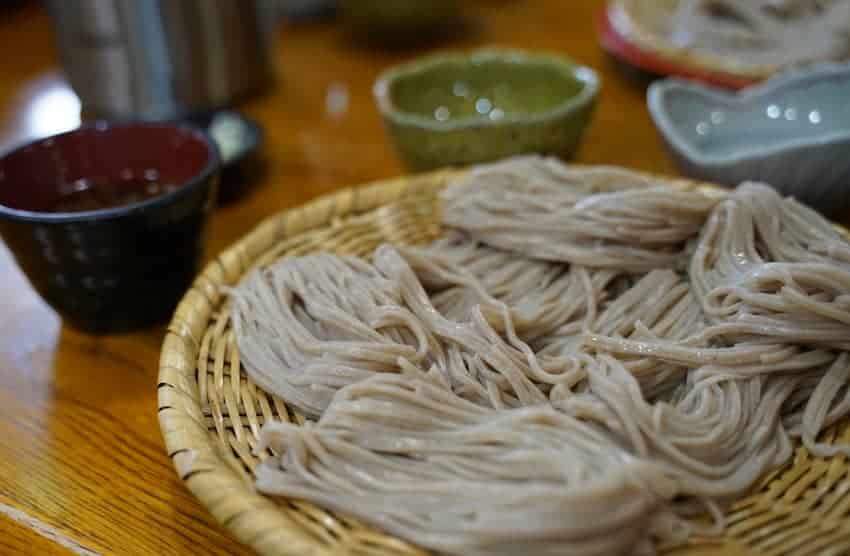

Togakushi Soba (戸隠そば)
One of the three big name soba noodles comes from Togakushi Village. Uses home made ground buckwheat flour, it is a traditional experience. -
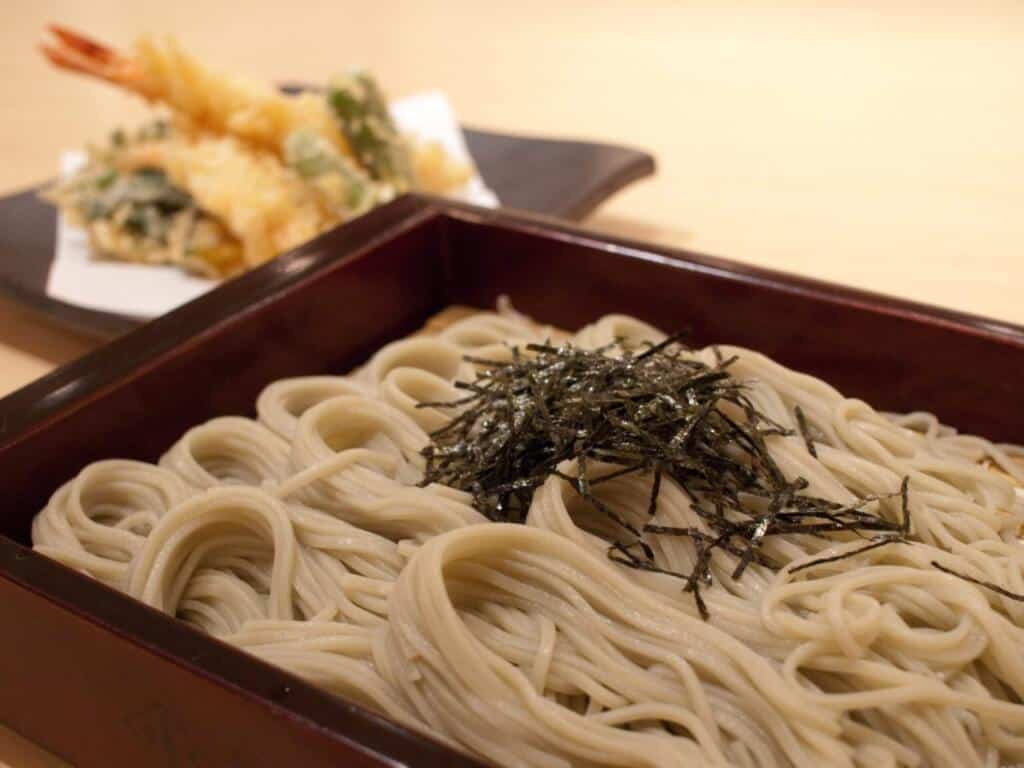
Hegi Soba (へぎそば)
The main characteristic of hegi soba is the seaweed. The hegi soba noodles are a little more slippery and chewy then other soba noodles because of the seaweed. It is called hegi because the wooden tray it is served in is called hegi. -
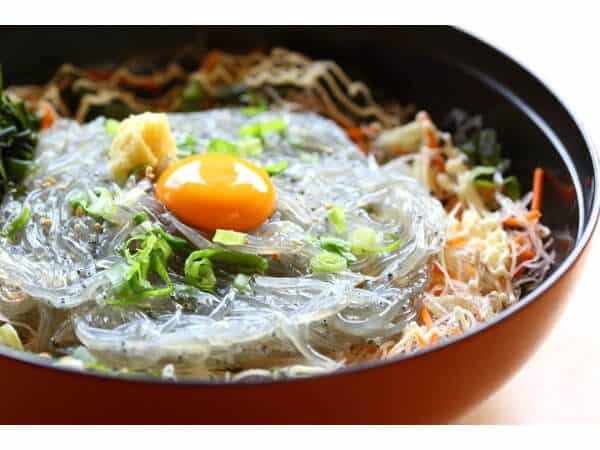

Shirasu (しらす)
In Japan, whitebait is called shirasu, which is small immature fish. They are less than 2cm in length, typically sardines, but can also be the fry of herring, sweet fish, conger eel, or others. This tiny fish ingredient can be found in almost all Japanese supermarkets. You can eat it raw or boiled. -
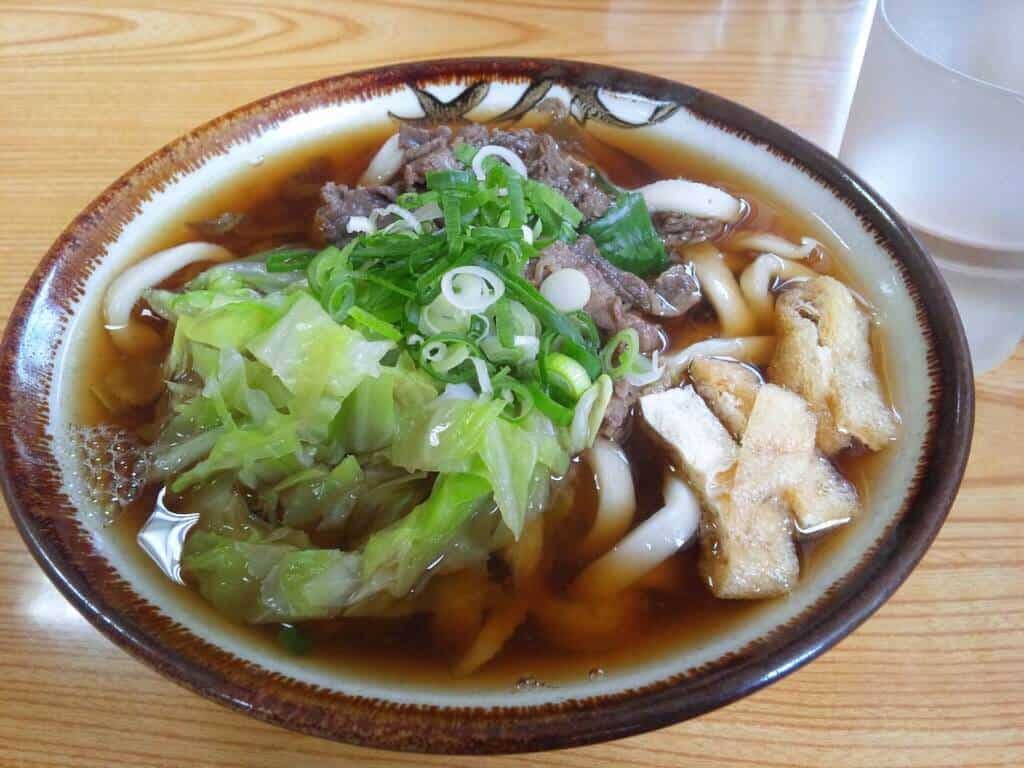
Yoshida Udon (吉田うどん)
Characterized by its firm and thick flour noodles. Made with a broth of a miso or soy sauce blend and typically with boiled cabbage. Fujiyoshida's famous specialty udon.