



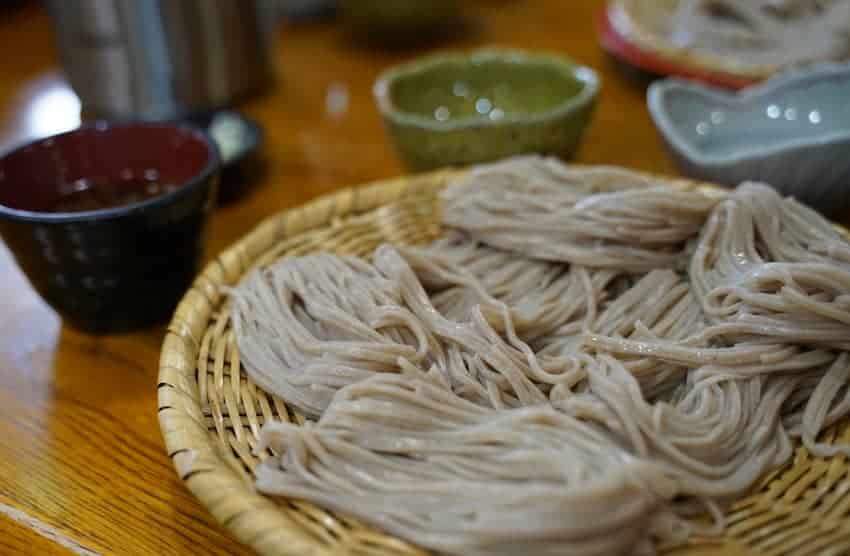
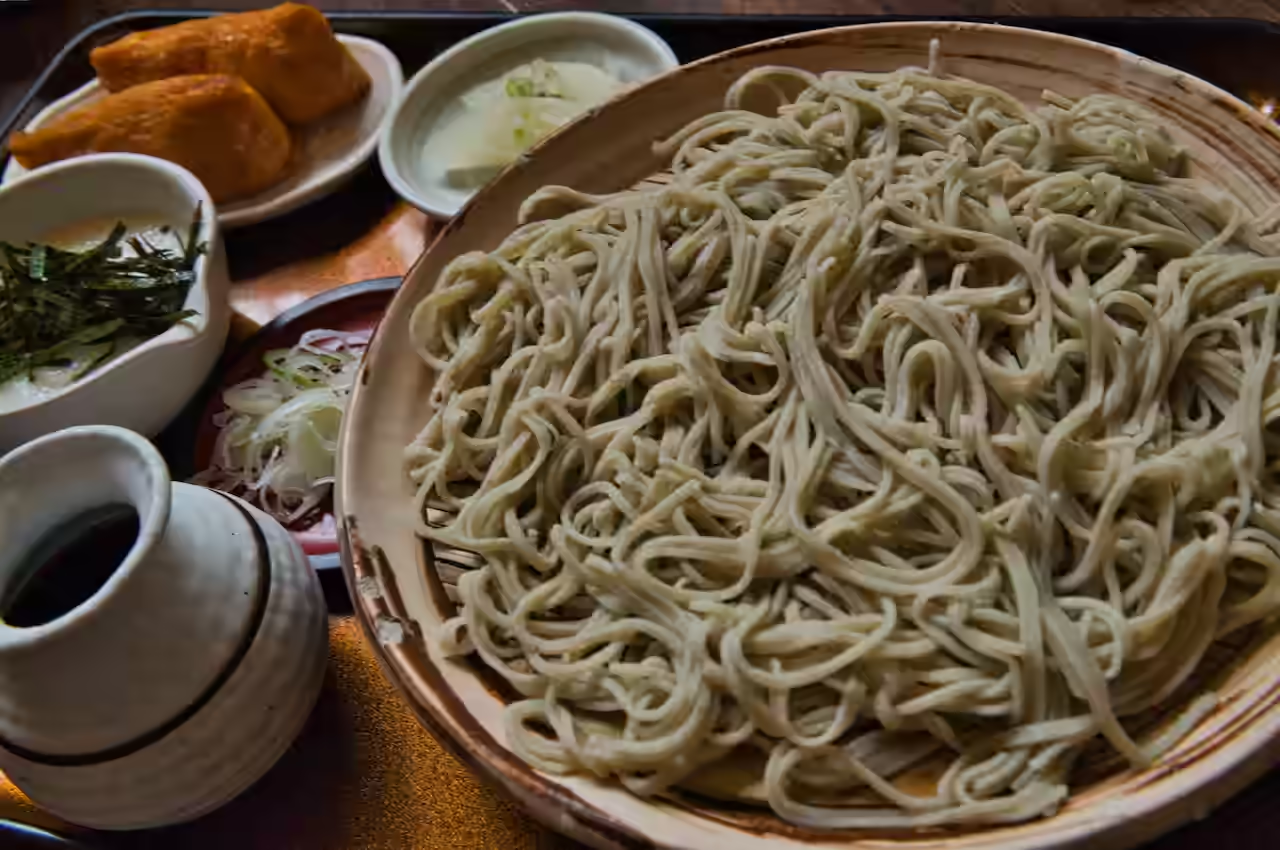
Togakushi soba is a traditional buckwheat noodle from Nagano. Chefs serve it in botchi mori style, with small bundles on a bamboo tray. People often eat Togakushi soba with spicy daikon and mountain vegetables tempura.
This noodle counts among Japan’s three great soba. It grew up in the pure water and clean mountain air of the Togakushi region. It also carries a long history tied to temple pilgrims.
What Is Togakushi Soba?
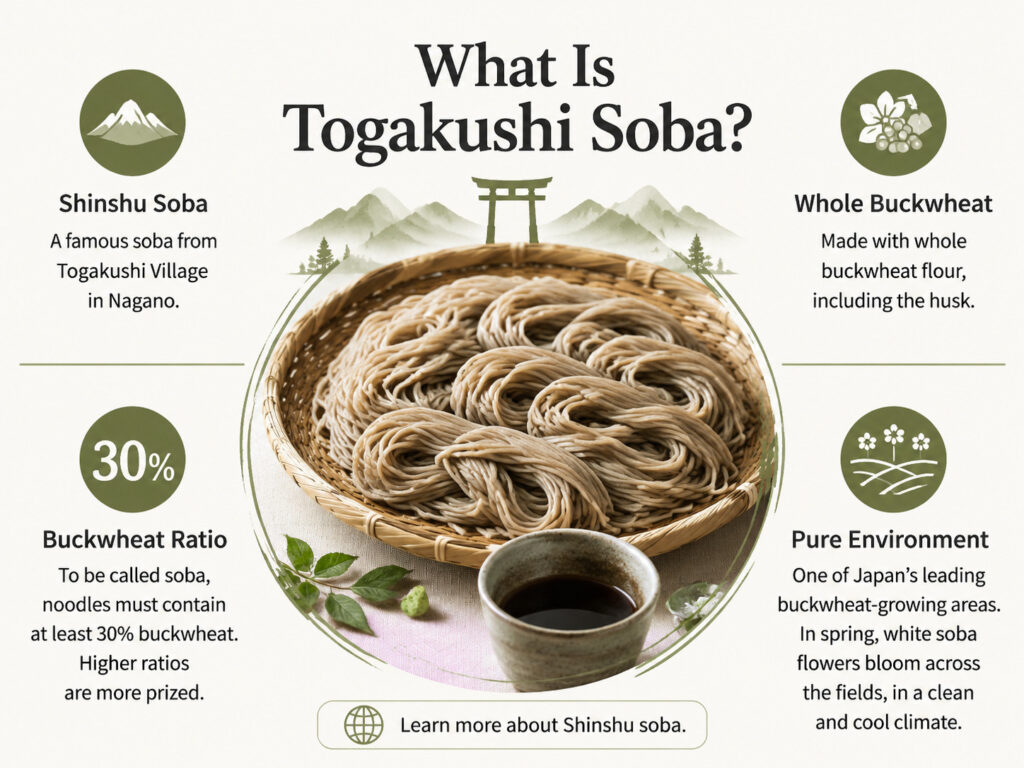
Togakushi soba is a famous Shinshu soba from Togakushi Village in Nagano. The noodles use whole buckwheat flour, including the husk. To count as soba, noodles must hold at least 30 percent buckwheat. A higher buckwheat ratio is more prized.
The region is one of Japan’s main buckwheat-growing areas. In spring, white soba flowers cover the fields. That clean, cool climate gives the noodles their reputation. For the wider picture, see our Shinshu soba guide.
Characteristics of Togakushi Soba
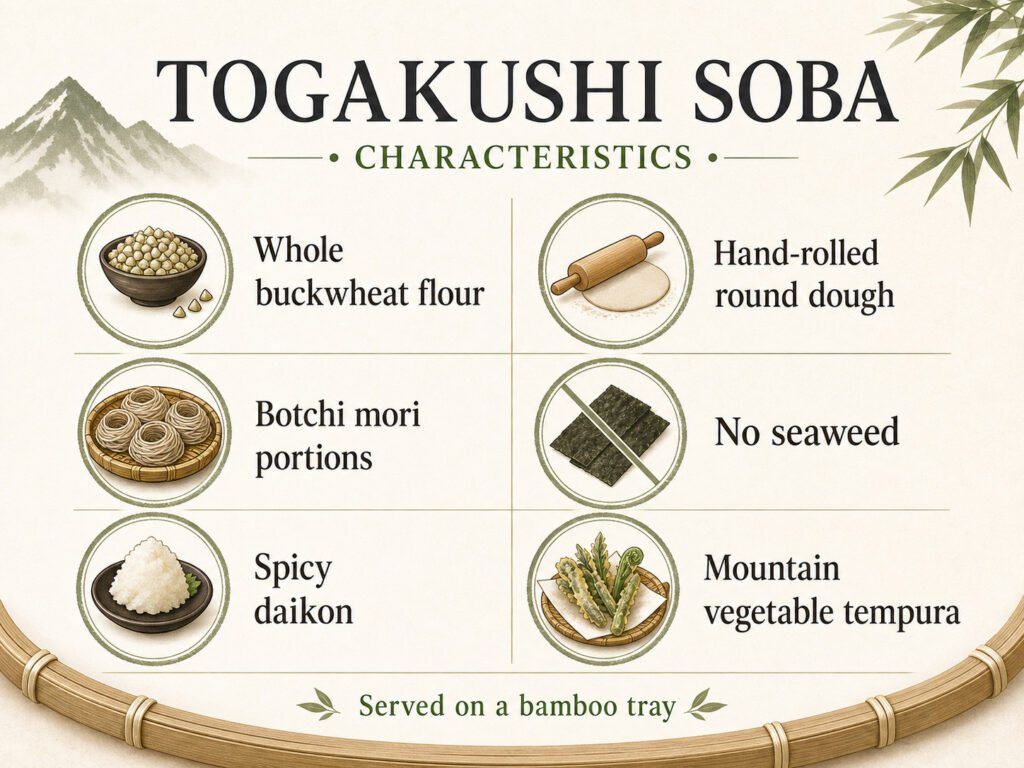
What makes these noodles stand out? A few clear traits set them apart. Here are the six defining features.
- Whole buckwheat flour: ground with the husk for a rich aroma.
- Round stretching: chefs roll the dough into a circle by hand.
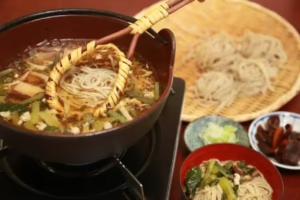
- Botchi mori: served in small bundles of five or six.
- No seaweed: the noodles arrive plain, without nori on top.
- Spicy daikon: a local pungent radish often joins the meal.
- Mountain vegetables tempura: a crisp side of local wild plants.
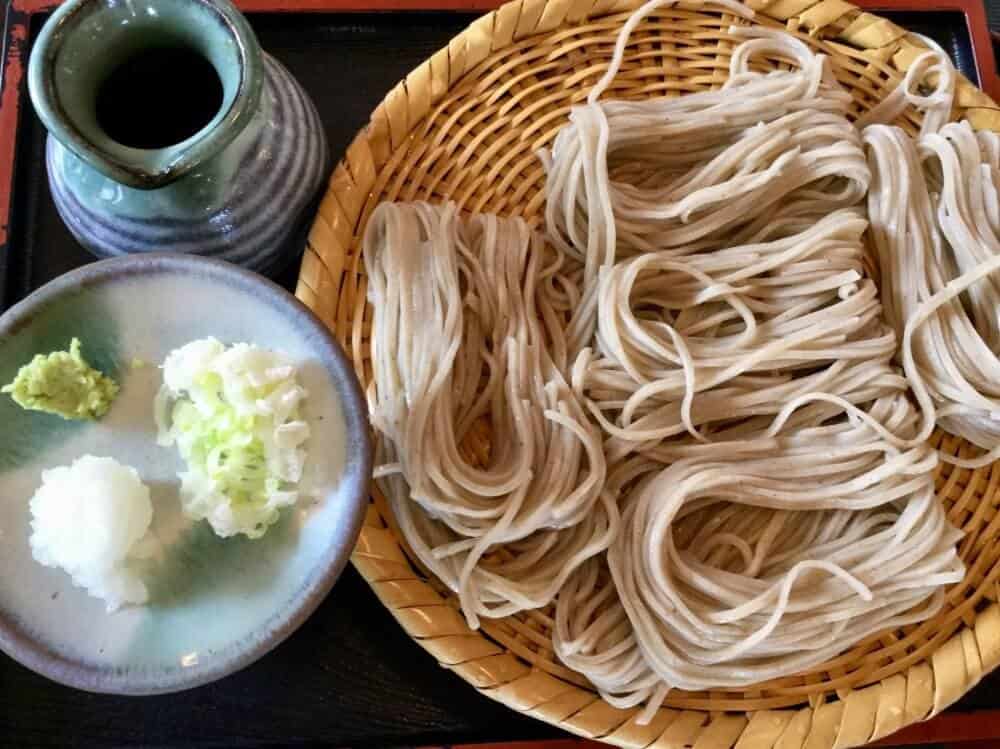
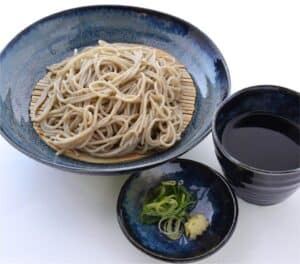
Restaurants serve Togakushi soba on a circular bamboo tray. The bundles look neat and make portions easy to judge. Locals eat it with spicy daikon for a sharp kick. Chefs here take real pride in their high-quality noodles.
How to Eat Togakushi Soba
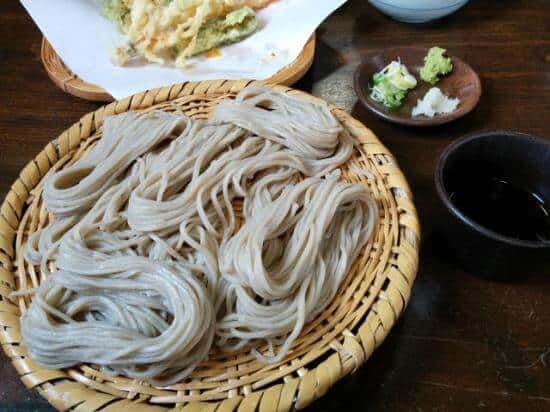
There is a simple way to enjoy it well. Pick up one bundle at a time from the tray. Dip just the tip into the sauce, not the whole bunch. Too much sauce hides the buckwheat flavor.
Add a little spicy daikon for contrast. Pair a bite with the tempura of mountain vegetables. At the end, pour the warm soba-yu into your leftover sauce. This cooking water is nutritious and rounds off the meal.
Best Season for Togakushi Soba
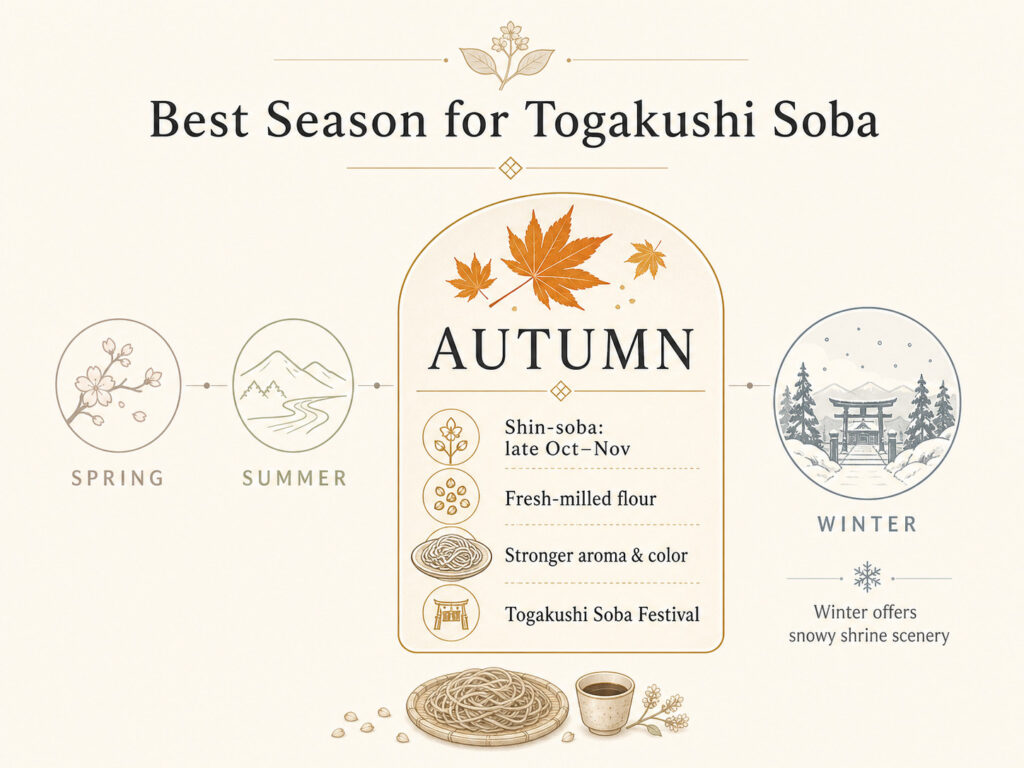
You can enjoy this soba all year, yet autumn shines brightest. The new buckwheat harvest, called shin-soba, arrives around late October and November. Fresh-milled flour gives the noodles a stronger aroma and color. The annual Togakushi Soba Festival also celebrates this harvest in autumn. So fall is the ideal time for a soba trip, though winter visits pair nicely with snowy shrine scenery.
Togakushi vs Izumo vs Wanko Soba
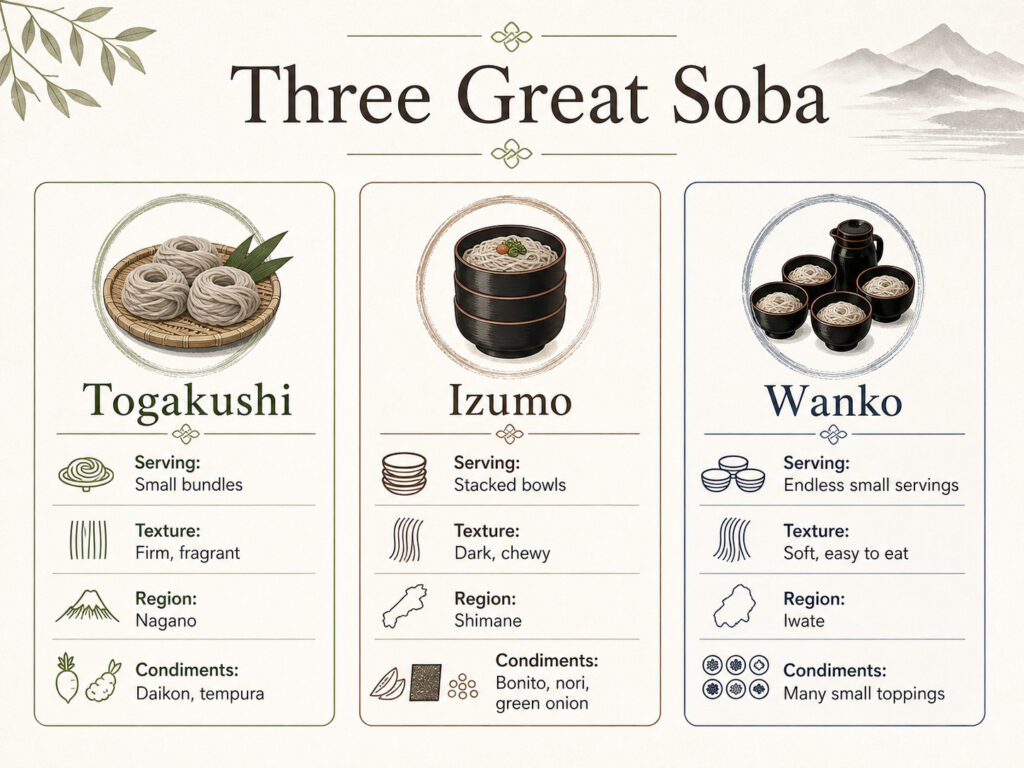
Togakushi is one of Japan’s three great soba. The other two are Izumo and Wanko. The table below shows how they differ.
| Togakushi | Izumo | Wanko | |
|---|---|---|---|
| Serving style | Small bundles (botchi mori) | Stacked round bowls (warigo) | Endless small servings |
| Texture | Firm, fragrant | Dark, chewy | Soft, easy to swallow |
| Region | Nagano | Shimane | Iwate |
| Typical condiments | Spicy daikon, tempura | Bonito, nori, green onion | Many small toppings |
Each style reflects its home region. For more, read about Izumo soba and Wanko soba.
History of Togakushi Soba
The story begins with mountain ascetics. Togakushi was a major center of Shugendo, a mountain-worship faith. Monks drank soba powder mixed with water. They also carried roasted soba during mountain training. This made buckwheat an easy, portable food.
Later, noodle-making spread through temple hospitality. Between the 17th and 19th centuries, the lodging houses around Togakushi Shrine served soba to pilgrims. The name grew famous far beyond the mountains. So buckwheat farming flourished across this region. Even today, a soba meal and a shrine visit go hand in hand here.
Key Ingredients of Togakushi Soba
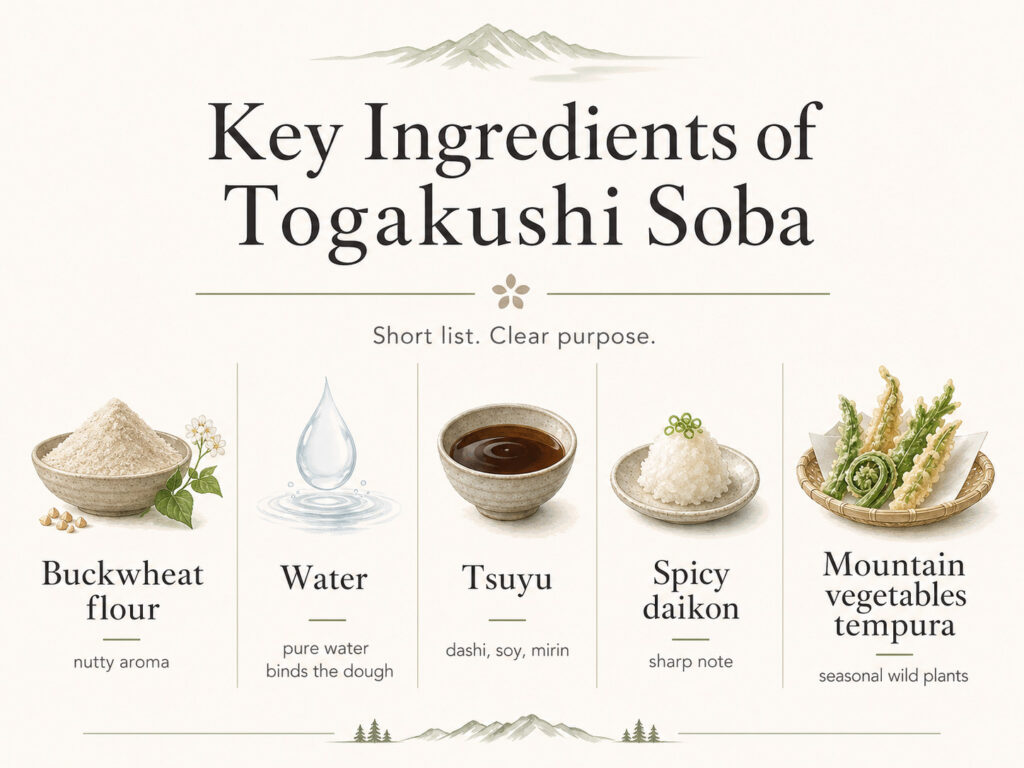
The dish keeps its ingredient list short and honest. Each part has a clear job.
- Buckwheat flour: whole-grain flour gives the noodles their nutty aroma.
- Water: the region’s pure water binds the dough.
- Tsuyu: a dashi-based dipping sauce with soy and mirin.
- Spicy daikon: grated pungent radish adds a sharp note.
- Mountain vegetables tempura: seasonal wild plants, lightly fried.
Togakushi Soba Recipe
Making soba by hand takes practice, yet the steps are clear. Here is the basic flow in five stages.
Combine buckwheat flour with a little wheat flour. Add water slowly while mixing by hand. Aim for an even, crumbly texture.
Press and fold the dough until smooth. Work it into a single firm ball. Good kneading keeps the noodles from breaking.
Stretch the dough into a thin, round sheet. Use a rolling pin and keep the thickness even. Togakushi style favors a round shape.
Fold the sheet, then slice it into thin strips. Try to keep the width consistent. Even noodles cook at the same rate.
Boil the noodles briefly in plenty of water. Then rinse them in cold water to firm them up. Drain well and serve in small bundles.
Togakushi Soba Museum and Soba-Making
Want a hands-on experience? Visit the Togakushi Soba Museum Tonkururin. Visitors can make soba there using local buckwheat flour. An artisan guides each step, from kneading to cutting.
You knead, roll, cut, and boil the noodles yourself. Then you taste the soba you just made. The effort makes that first bite feel special. It is a fun stop for families and curious travelers alike.
Where to Eat Togakushi Soba
To taste the real thing, eat it in its home village. The Togakushi area alone has around 40 soba shops. Many cluster near Chusha, the middle shrine. Each shop differs in noodle thickness and broth, so flavors vary.
Popular shops fill up fast, so arrive early. A typical zaru soba runs roughly 1,000 to 1,500 yen. Sets with tempura cost a little more.
Uzuraya
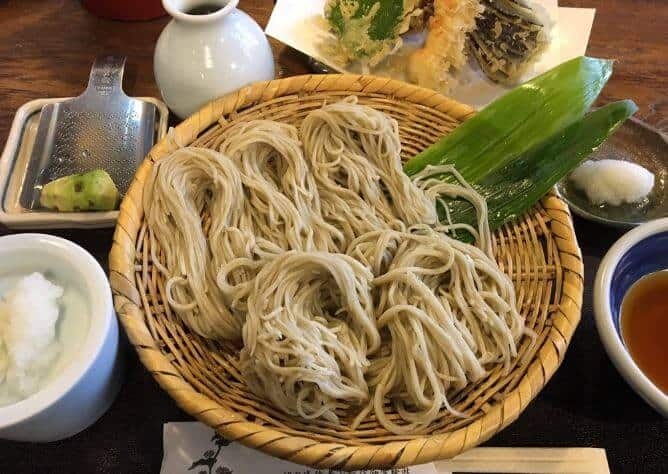
Many call Uzuraya the best soba shop in Nagano. The staff serve pickles and soba tea while you wait. The firm noodles come with crisp tempura, and a soba-yu finish. It sits one minute from the Togakushi Chusha bus stop, so expect a queue.
- Known for: top reputation and warm service.
- Signature: firm soba with mountain vegetable tempura.
- Budget: mid-range.
- Best for: first-timers who want the classic experience.
Togakushi Soba Futabaya
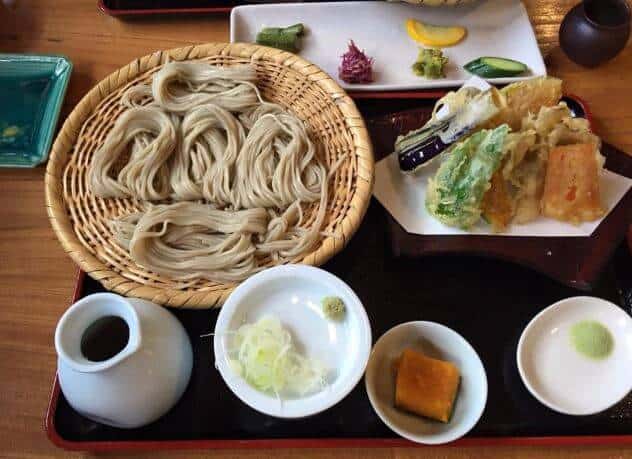
Futabaya is another well-loved shop nearby. The staff happily explain the traditional way to eat soba. It tends to feel calmer than the busiest shops. So you can relax and enjoy your meal slowly.
- Known for: friendly guidance and a quiet mood.
- Signature: classic soba set with side dishes.
- Budget: mid-range.
- Best for: a calm meal after a shrine visit.
Sobachaya Gokurakubo
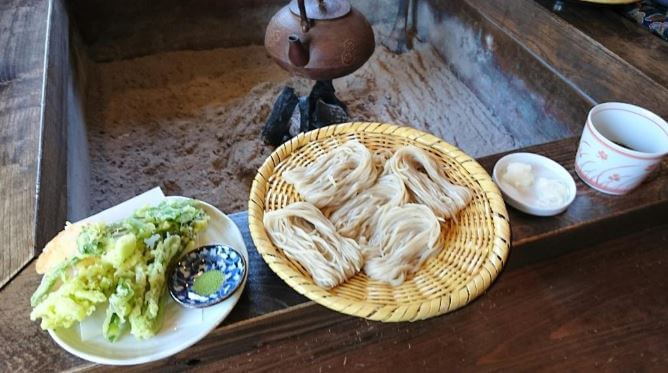
Gokurakubo serves soba alongside other lovely dishes. The noodles and spicy daikon stay true to tradition. The tempura arrives fresh and crisp. It sits off the main street, yet stays popular.
- Known for: traditional flavors at a fair price.
- Signature: soba with spicy daikon and fresh tempura.
- Budget: affordable.
- Best for: travelers who want value off the main street.
Sobanomi
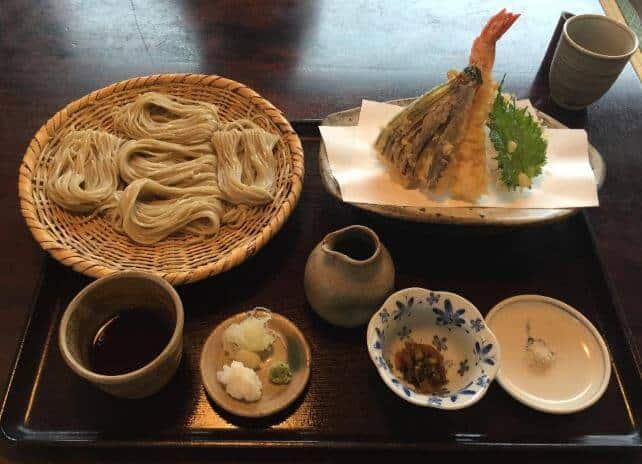
Sobanomi sits amid Togakushi’s lovely scenery. The owners care deeply about their craft. Heaters make it a cozy stop in the snowy months. Menus come in several languages, which helps visitors.
- Known for: scenic setting and multilingual menus.
- Signature: carefully made soba with a nature view.
- Budget: mid-range.
- Best for: a relaxed, scenic end to a Togakushi trip.
Conclusion
Togakushi soba is one of Nagano’s most important buckwheat noodles. Its botchi mori style, temple-linked history, and local sides make it special. The whole-grain flour gives it a deep, nutty flavor.
So if you visit Nagano, plan a trip to Togakushi. The village grew around its famous shrine, so pair your soba meal with a Togakushi Shrine visit and a soba-making session. Aim for autumn to catch the new-harvest soba at its best. Explore more regional dishes in our Nagano food guide or our wider Japanese noodles guide.
Togakushi Soba FAQ
What is Togakushi soba?
Togakushi soba is a buckwheat noodle from Togakushi in Nagano. It uses whole-grain flour for a strong aroma. Chefs serve it in small bundles called botchi mori. These noodles rank among Japan’s three great soba.
Why is botchi mori unique?
Botchi mori arranges the noodles in small bundles. Each bunch holds about one mouthful. This style makes the soba easy to pick up and eat. It also looks neat on the round bamboo tray.
What is botchi mori served with?
The bundles come on a round bamboo tray with a dipping sauce. Spicy grated daikon adds a sharp, fresh kick. Many sets also include mountain vegetable tempura. At the end, warm soba-yu finishes the meal.
When is the best season to eat it?
You can enjoy it all year, but autumn is best. The new harvest, shin-soba, arrives around late October and November. Fresh flour gives a stronger aroma and color. The Togakushi Soba Festival also falls in autumn.
Where can I eat it?
The best place is Togakushi village itself. The area has around 40 soba shops. Many sit near the Chusha shrine. Popular spots fill up quickly, so go early.
Why is Togakushi famous for soba?
The area has the right climate for buckwheat. Cool air, pure water, and well-drained soil all help. Its history as a Shugendo pilgrimage site also spread the dish. Lodging houses once served soba to visiting pilgrims.
How is it different from Shinshu soba?
Shinshu soba is the broad name for Nagano’s buckwheat noodles. Togakushi soba is one famous local style within it. This version stands out for its botchi mori serving and whole-grain flour. So all Togakushi soba is Shinshu soba, but not the reverse.
Can I make it at home?
Yes, though it takes some practice. You mix flour and water, knead, roll, cut, then boil. A quick rinse in cold water firms the noodles. You can also learn hands-on at the Togakushi Soba Museum.
References
- Togakushi Tourism Association, Togakushi Soba, https://togakushi-21.jp/ (Surveyed: June 2026)
- Wikipedia, Togakushi Soba, https://ja.wikipedia.org/wiki/戸隠そば (Surveyed: June 2026)
- Nagano Prefecture Tourism, Shinshu Soba, https://www.go-nagano.net/ (Surveyed: June 2026)
Related Articles
- Shinshu Soba (信州そば) (Surveyed: June 2026)
- Juwari Soba (十割そば) (Surveyed: June 2026)
- Izumo Soba (出雲そば) (Surveyed: June 2026)
- Tempura (天ぷら) (Surveyed: June 2026)
- Japanese Noodles Guide (Surveyed: June 2026)




Comments