





Shirasu, Japan’s whitebait, defines the coastal food culture of Kanagawa Prefecture. These tiny fish come straight from Sagami Bay to restaurant tables in Enoshima and Kamakura. Step off the train at Enoshima Station and you will see shirasu on nearly every menu board in sight.
What is shirasu? It refers to baby sardines and other immature fish, usually under 2cm long.
Where to eat it? Enoshima and Kamakura in Kanagawa offer the freshest experience in Japan.
When is peak season? Late March to May, and mid-September to November, bring the sweetest catches.
| Quick Facts | |
|---|---|
| What is it? | Baby sardines and other immature fish, under 2cm |
| Main fishing ground | Sagami Bay, Kanagawa Prefecture |
| Peak seasons | Spring: late March to May / Autumn: mid-September to November |
| Common forms | Nama (raw), kamaage (boiled), shirasu-boshi (semi-dried), chirimen jako (dried) |
| Best towns to eat | Enoshima, Kamakura, Koshigoe |
What is Shirasu?
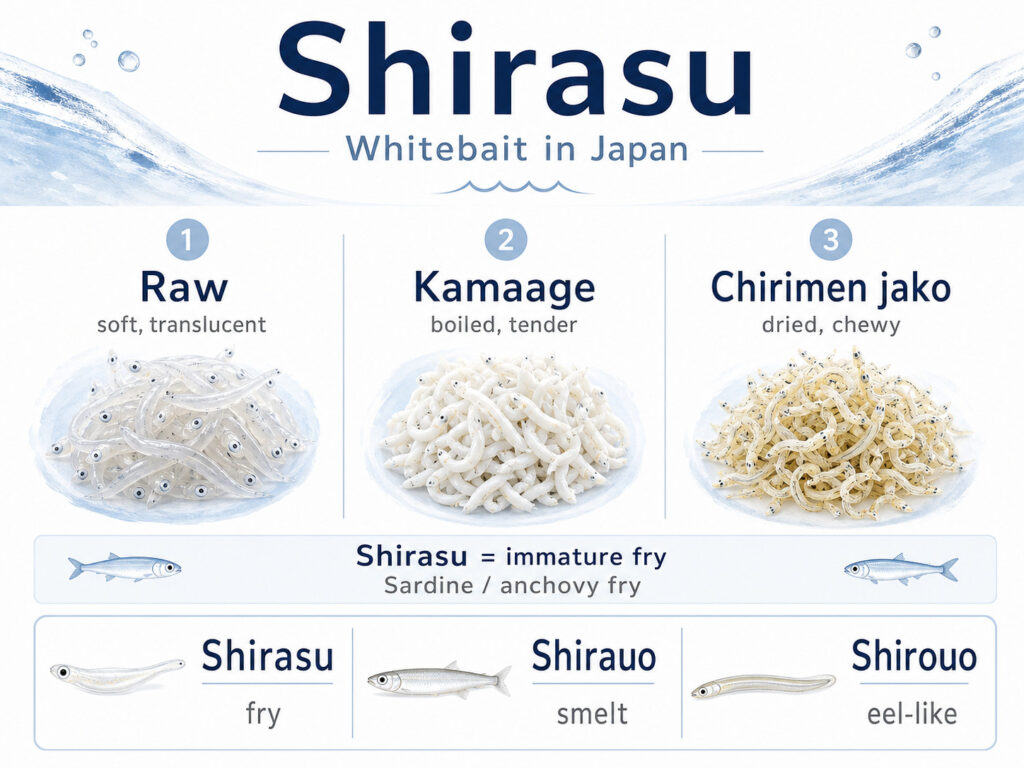
In Japanese, shirasu covers a group of whitebait species harvested before maturity. Most are baby sardines, but herring, sweet fish, and conger eel fry all qualify. Fishers collect them when they measure under 2cm in length. You will find shirasu in nearly every Japanese supermarket, fresh or packaged.
The range of textures across forms surprises many first-time visitors. Raw shirasu is soft and almost translucent. Kamaage firms up gently after boiling. Chirimen jako is chewy, salty, and concentrated. Each form suits a different meal or moment.
Shirasu, Shirauo, and Shirouo: Clearing Up the Confusion
Three similar-sounding names confuse even local Japanese speakers. The distinctions matter before you order, so a quick comparison helps.
| Shirasu | Shirauo | Shirouo | |
|---|---|---|---|
| Species type | Sardine / anchovy fry (immature) | Neosalanx smelt (adult) | Leucopsarion petersii (adult) |
| Appearance | Translucent, under 2cm | Slender, semi-transparent, 5–7cm | Very small, nearly transparent |
| How eaten | Raw, boiled, or dried | Cooked lightly or raw | Often eaten alive (odorigui) |
| Distribution | Nationwide | Tokyo Bay, Osaka Bay | Limited coastal rivers |
Shirasu is the immature fry of sardines or anchovies. Shirauo is a separate adult species from the smelt family. Shirouo is different again, and some people eat it alive in a practice called odorigui. All three names look alike on paper, but they describe entirely different creatures.
Types of Shirasu: Nama, Kamaage, Shirasu-boshi, and Chirimen
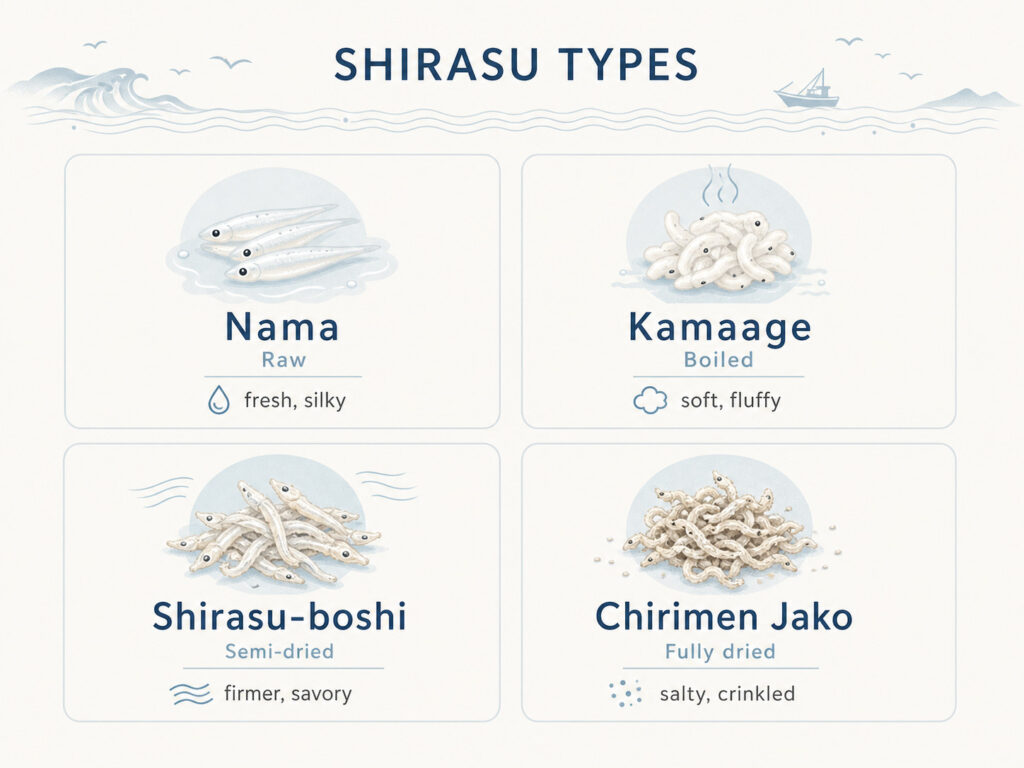
Processing determines everything with this ingredient. Four main forms are common across Japan, and names can shift slightly depending on the region producing them.
Nama Shirasu (Raw)
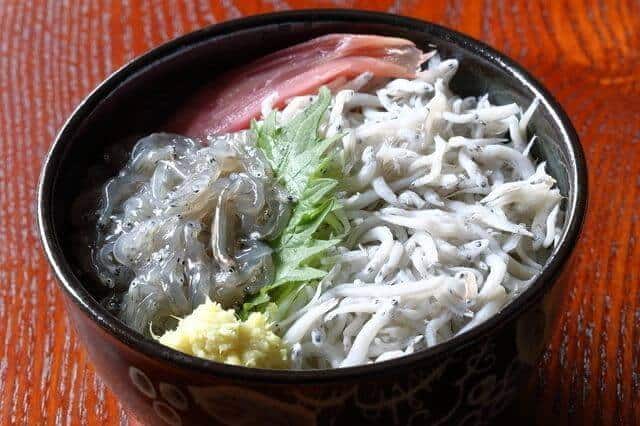
Fishers deliver fresh shirasu to shore-side restaurants on the morning of the catch. Restaurants serve it raw within a few hours of landing. The texture is silky and clean, with a gentle ocean scent that fades quickly. A drizzle of soy sauce with grated ginger or wasabi is the classic seasoning. This is the most prized form, and the hardest to source outside coastal towns.
Kamaage Shirasu (Boiled)
Producers boil fresh shirasu briefly in lightly salted water. The fish turns white, soft, and slightly fluffy in texture. Flavor becomes mildly saltier than the raw version. Kamaage works well over rice, on cold tofu, or as a simple side dish. Refrigerate and use within two to three days of purchase.
Shirasu-boshi (Semi-dried)
After boiling, producers spread the fish on screens to air-dry. The result is firmer and slightly more concentrated in flavor than kamaage. Shirasu-boshi handles well in packed lunches and quick rice dishes. A longer shelf life makes it practical for everyday home cooking.
Chirimen Jako (Fully Dried)
Chirimen jako is the most dried version of all. After sun-drying the boiled fish, producers achieve a texture that resembles crinkled silk fabric, which is actually where the name comes from. The flavor is intense and salty. People add it to rice, pasta, and salads. Freeze unused portions in small bags for up to one month.
Best Season for Shirasu in Kanagawa
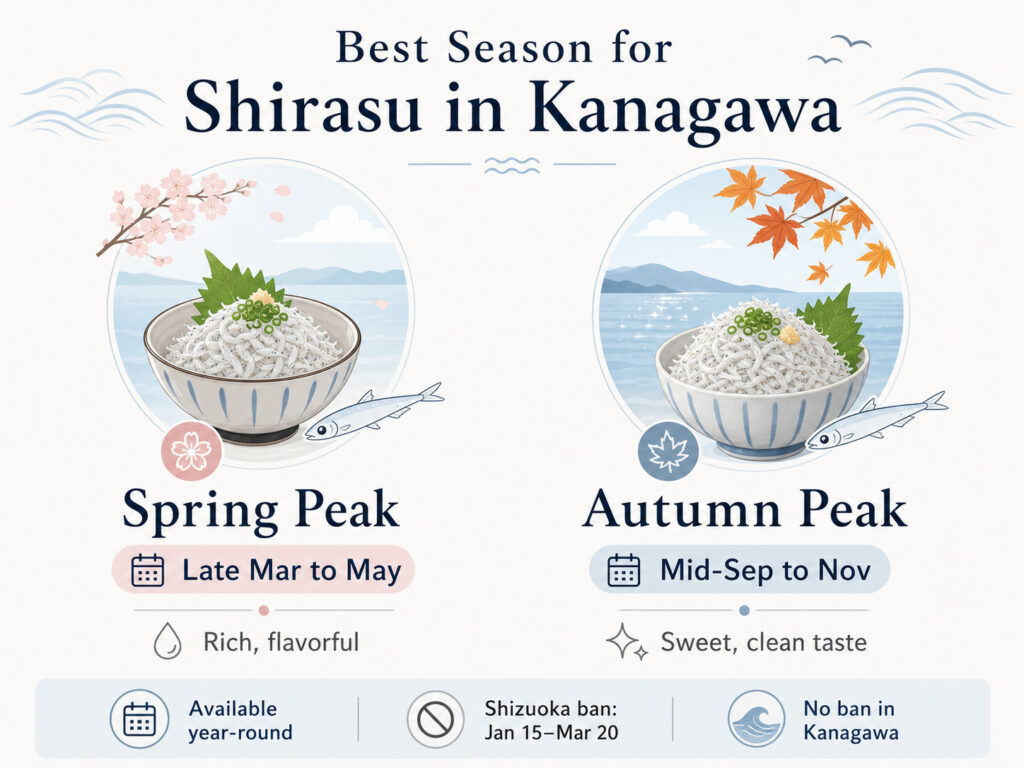
Two seasons stand out on the shirasu calendar. Spring and autumn bring the richest, most flavorful catches from Sagami Bay. That said, Kanagawa restaurants serve shirasu year-round, so no trip is wasted.
| Season | Period | Notes |
|---|---|---|
| Spring (peak) | Late March to May | Rich flavor; high fat content in sardine fry |
| Autumn (peak) | Mid-September to November | Clean, sweet taste; ideal for nama shirasu don |
| Summer / Winter | June to early September / December to early March | Available but less flavorful overall |
| Shizuoka fishing ban | January 15 to March 20 | Does not apply to Kanagawa |
Kanagawa has no winter fishing ban on shirasu. Shizuoka Prefecture bans fishing from January 15 to March 20, which matters if your trip crosses both regions. During spring, the Enoshima waterfront fills with signs announcing the morning catch. That cheerful, market-like atmosphere adds something to the experience that is genuinely hard to replicate elsewhere.
Is Raw Shirasu Safe?
Raw shirasu is generally safe when restaurants source it properly and handle it with care. The critical factor is timing. Fishers in Kanagawa land their catch at Koshigoe Port and nearby docks. Restaurants take delivery the same morning. That short journey from ocean to table makes all the difference in both safety and flavor.
Nama shirasu has a practical shelf life of roughly one day. Shops in Tokyo rarely stock it raw because the delivery logistics simply do not work at that distance. Coastal Kanagawa restaurants manage the supply chain properly, which is the real reason eating shirasu here matters. Eat raw shirasu the same day you buy it. Refrigerate it until the moment of serving. People who are pregnant, elderly, or immunocompromised should consult a doctor before eating any raw fish.
Health and Nutrition Benefits of Shirasu
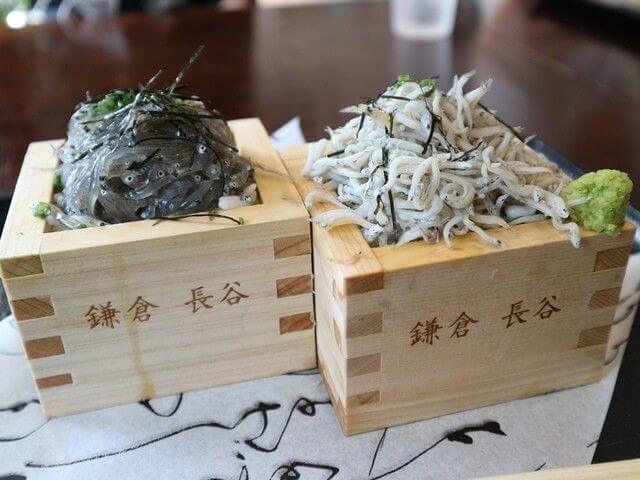
Shirasu delivers a concentrated range of nutrients in a small serving. You eat the whole fish, including soft bones, head, and internal organs. Nothing gets trimmed away before serving. That whole-fish approach brings a broad spectrum of minerals and vitamins in one simple bowl.
- Calcium: from soft, edible bones, supporting bone density
- Vitamin D: helps the body absorb calcium effectively
- DHA (omega-3): generally associated with brain and cardiovascular health in nutrition research
- Taurine: a compound thought to support liver function in traditional Japanese dietary thinking
- Lean protein: useful for muscle maintenance with minimal fat content
One note worth making: claims about shirasu dramatically boosting learning ability are not well supported by current nutritional science. Shirasu is a nutritious, whole-food ingredient. Treating it as a healthy everyday addition to a balanced diet is the more grounded framing.
How to Eat Shirasu at Home
Shirasu adapts to more dishes than most home cooks expect. Here are three easy starting points, each using just a handful of ingredients.
Shirasu Don (Classic Rice Bowl)
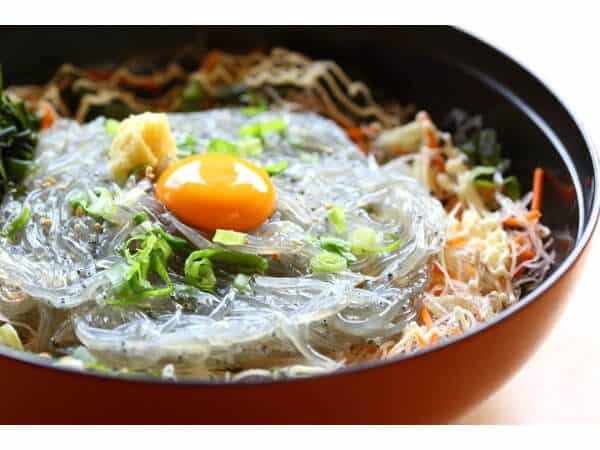
Spoon kamaage or nama shirasu generously over a bowl of warm steamed rice. Add soy sauce and grated ginger or wasabi to taste. For a tsukimi-don version, place a raw egg yolk in the center as the “moon.” The yolk adds a richer, creamier texture to each bite. Full instructions appear in the nama shirasu don recipe guide.
Shirasu on Cold Tofu (Hiyayakko)
Place a block of cold silken tofu on a small plate. Add a spoonful of kamaage shirasu on top. Drizzle soy sauce over it and scatter green onion slices. Finish with a drop of sesame oil. This takes two minutes and works as a light side or protein-rich snack.
Chirimen Pasta
Sauté garlic in olive oil over low heat. Add chirimen jako and let it crisp for about one minute. Toss with cooked pasta, a squeeze of lemon juice, and a pinch of chili flakes. The salty fish replaces anchovies and adds a distinctly Japanese character to the dish. This combination appears regularly in Kanagawa coastal cafes.
How to Buy and Store Shirasu
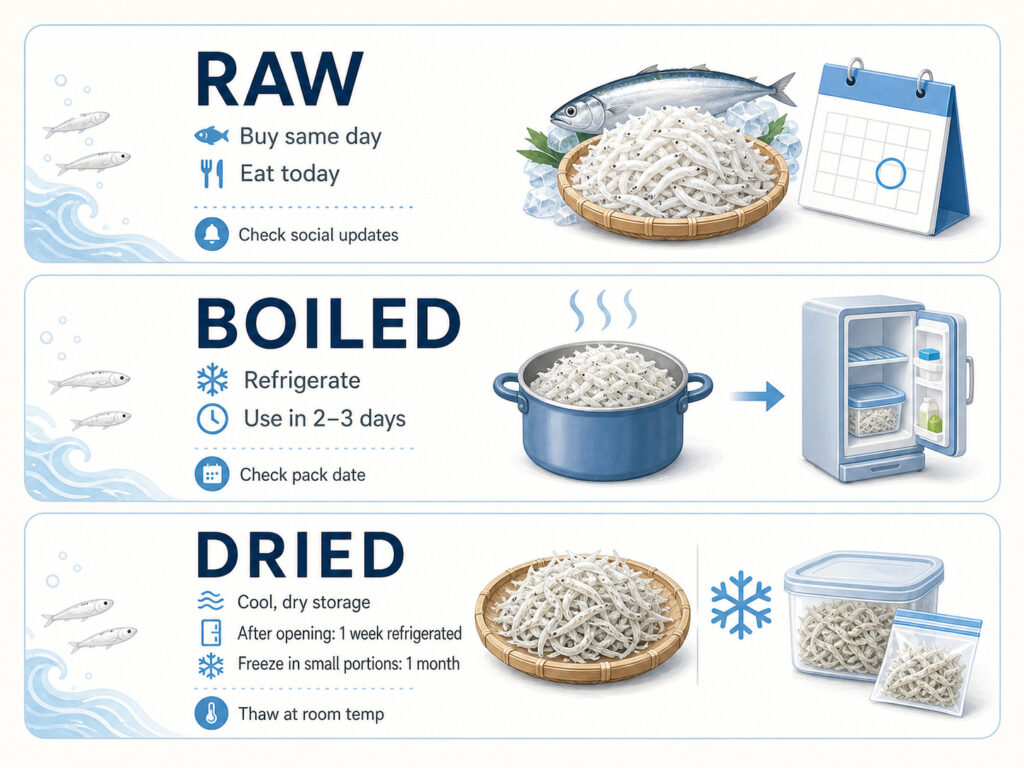
Nama Shirasu (Raw)
- Buy from a coastal fish shop or market on the same morning as the catch
- Eat on the same day; overnight storage is not recommended
- Many shops post daily stock updates on social media, so check before heading out
Kamaage Shirasu (Boiled)
- Available in most Japanese supermarkets year-round
- Refrigerate and use within two to three days of purchase
- Check the packaging date carefully before buying
Shirasu-boshi and Chirimen Jako (Dried)
- Store in a cool, dry place before opening
- After opening, refrigerate and use within one week
- Freeze in small portions for up to one month; thaw at room temperature before use
Where to Eat Shirasu in Enoshima and Kamakura
Kanagawa concentrates the best fresh shirasu dining in Japan. Restaurants here source directly from Koshigoe Port and Sagami Bay fishers. Tokyo is simply too far from the water for nama shirasu to stay in peak condition during transit. Plan to eat shirasu in Enoshima, Kamakura, or Koshigoe for the real experience.
| Restaurant | Area | Nearest Station | Signature Dish | Hours (approx.) |
|---|---|---|---|---|
| Enoshimatei | Enoshima | Enoshima Stn | Shirasu-don with terrace views | Mon–Fri 10:30–18:30 / Sat–Sun 10:30–19:00 |
| Ikedamaru | Koshigoe, Kamakura | Koshigoe Stn (1 min walk) | Shirasu set meal | Fri–Wed 11:30–14:30 / 17:00–21:00 |
| Kamakura Kinema-do | Komachi, Kamakura | Kamakura Stn | Kamakura Shirasu Toast | Usually 11:50–19:00 |
| Restaurant Shikina | Komachi, Kamakura | Kamakura Stn | Fresh whitebait seafood | Usually 11:00–20:30 |
| Shirasuya Honten | Koshigoe, Kamakura | Koshigoe Stn (2 min walk) | Portside shirasu-don | Fri–Wed 11:00–22:00 |
| Spring Sea | Hase, Kamakura | Near Kamakura Daibutsu | Two-tone shirasu-don | Usually 10:00–16:00 |
Hours change seasonally. Always check the restaurant’s official page or call ahead before visiting.
Enoshimatei
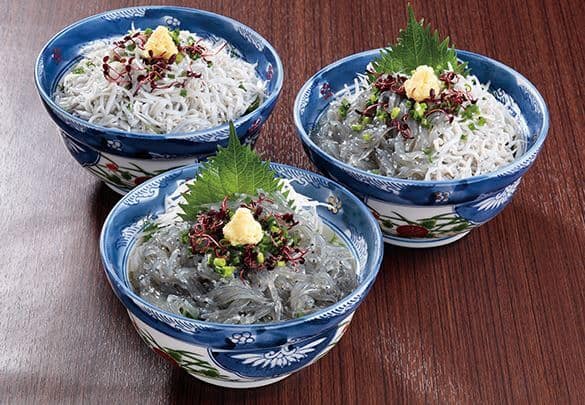
This long-running restaurant sits on a hill with a striking view over Sagami Bay. Film crews and TV commercial directors have used the terrace for shoots over the years. The shirasu-don features morning-caught whitebait over rice. Try the outdoor terrace on a clear day if seats are open. It is a meal you will probably talk about afterward.
Ikedamaru
Ikedamaru receives fresh shirasu from Koshigoe Port each morning. Staff serve it in set meals alongside other varieties of local fish fry. Window seats offer a calm view of the bay as you eat. The walk from Koshigoe Station takes just one minute.
Kamakura Kinema-do
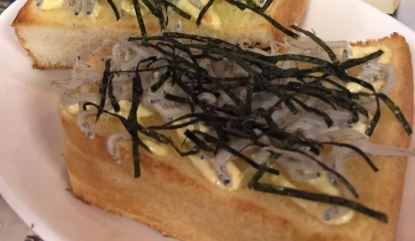
This retro book cafe created the Kamakura Shirasu Toast and earned a loyal following. The dish appeared in manga and became a recognized local specialty. Thick toast arrives loaded with whitebait and seaweed. The nostalgic atmosphere makes it a good midday stop between sightseeing spots in Kamakura.
Restaurant Shikina
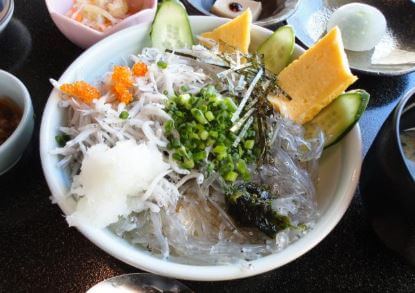
The owner trained as a fishmonger before opening this restaurant near Kamakura Station. That professional background shows in the care and quality of each seafood dish. The menu is original and fairly priced for what you receive. Local regulars visit often, which says something reliable about the consistency.
Shirasuya Honten
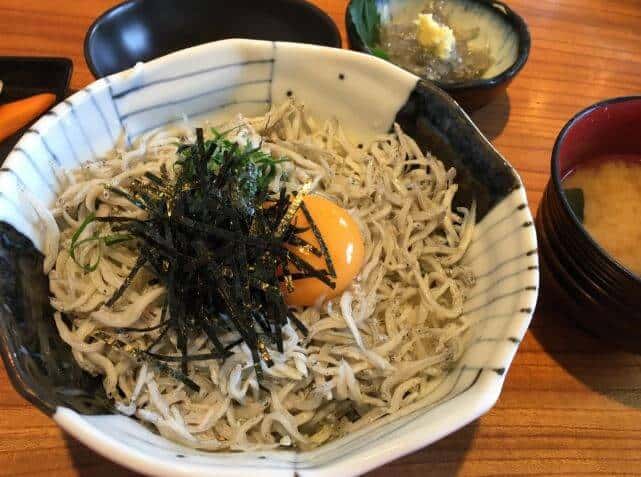
Shirasuya Honten stands directly in front of Koshigoe Fishing Port. Shirasu here travels the shortest possible distance from ocean to table. Free parking is available nearby, which helps if you arrive by car. Crowds gather during peak season, and that alone tells you something. A two-minute walk from Koshigoe Station makes it just as easy to reach without a car.
Spring Sea
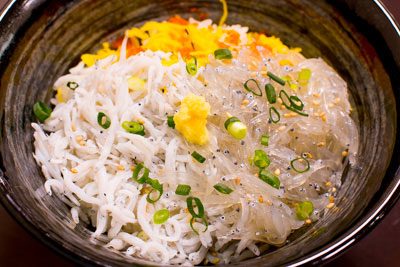
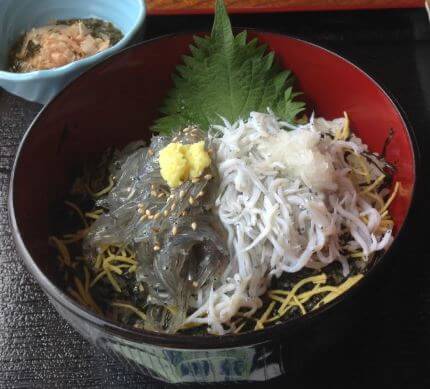
Spring Sea sits close to the Kamakura Daibutsu, making it a natural stop for visitors to the Great Buddha. The two-tone shirasu-don presents raw and kamaage toppings side by side on one bowl of rice. For a first shirasu experience, this dish shows both forms at once. Creative variations on the menu also suit anyone who wants to go beyond the classic bowl.
Final Thoughts
Shirasu is small in size but deeply woven into the food culture of Kanagawa. From silky nama shirasu to crunchy chirimen jako, each form offers something distinct. Spring and autumn are the best times to visit the Kanagawa coast for this experience. Any season, though, creates a worthwhile opportunity for a memorable seafood meal beside the sea.
Ready to go further? The nama shirasu don guide covers the dish in full detail, including how to make it at home. For more food ideas across the region, explore the full Kanagawa food guide. If fresh seafood dishes from Japan’s fishing towns appeal to you, namerou from nearby Chiba is another excellent discovery worth making.
Shirasu (Whitebait in Kanagawa) FAQ
What is shirasu?
Shirasu is the Japanese term for whitebait, specifically the immature fry of sardines, anchovies, and a few related species. Fishers catch them before they reach 2cm in length. You can eat shirasu raw, boiled, or dried. Each form has a noticeably different texture and flavor.
When is shirasu in season in Kanagawa?
The best seasons are spring and autumn. Spring runs from late March through May, while autumn covers mid-September to November. Kanagawa has no winter fishing ban, unlike Shizuoka Prefecture. That means fresh shirasu is available year-round, just at its peak during those two seasons.
Is raw shirasu safe to eat?
Coastal restaurants in Kanagawa serve nama shirasu within hours of the morning catch, which keeps it safe and fresh. Freshness is the key factor. Eat it on the same day and keep it refrigerated until serving. People who are pregnant, elderly, or immunocompromised should consult a doctor before eating any raw fish.
How do you store shirasu at home?
Store nama shirasu in the refrigerator and eat it the same day you buy it. Kamaage shirasu keeps for two to three days refrigerated. Dried chirimen jako stays fresh for up to one month in the freezer. Thaw frozen chirimen at room temperature before using.
What is the difference between shirasu and chirimen jako?
Both start as the same small fish. Chirimen jako goes through longer sun-drying after boiling, resulting in a firmer, more concentrated product. Shirasu often refers to the fresher, less-dried forms such as nama or kamaage. The degree of drying is the main distinction between the two terms.
Where can you eat fresh shirasu in Enoshima and Kamakura?
Enoshimatei in Enoshima is one of the most well-known options, with terrace views of Sagami Bay. Ikedamaru and Shirasuya Honten near Koshigoe Port both receive morning deliveries directly from local fishers. Spring Sea near the Kamakura Daibutsu also serves an excellent two-tone shirasu-don for first-time visitors.
Is shirasu healthy?
Shirasu provides calcium, vitamin D, DHA, taurine, and lean protein in one small serving. You eat the entire fish, including soft bones, so nothing is wasted. It is widely regarded as a nutritious ingredient as part of a balanced diet. Avoid overstated claims about dramatic health effects, though.
What is nama shirasu don?
Nama shirasu don is a rice bowl topped generously with fresh raw shirasu. Diners typically add soy sauce and wasabi or grated ginger. A raw egg yolk in the center creates the tsukimi-don variation, where the yolk represents the moon. This dish is a signature of the Kanagawa coastline. See the full nama shirasu don recipe guide for step-by-step instructions.
Can I buy raw shirasu in Tokyo?
Rarely. Nama shirasu spoils within a day, and the distance from coast to Tokyo market makes the timing nearly impossible to manage well. Occasional specialty fishmongers in Tokyo may stock it, but availability is unpredictable. For a reliable experience, travel to Enoshima or Kamakura during spring or autumn.
Do I eat the whole fish?
Yes. Shirasu are so small and young that the bones, head, and organs are completely soft. Nothing feels hard or unpleasant. Eating the whole fish is actually where most of the nutritional value comes from. Most people eat shirasu without thinking about it at all.
References
- Ministry of Agriculture, Forestry and Fisheries (maff.go.jp) – Marine Fisheries Survey Data – Researched: June 2026
- Umi to Kanpai (umitokanpai.jp) – Shirasu seasonal guide and storage information – Researched: June 2026
Related Articles
- Food in Japan – Nama Shirasu Don (生シラス丼) – Researched: June 2026
- Food in Japan – Kanagawa Food: Yokohama Cuisine and Regional Specialties – Researched: June 2026
- Food in Japan – Namerou (なめろう) – Researched: June 2026




Comments