





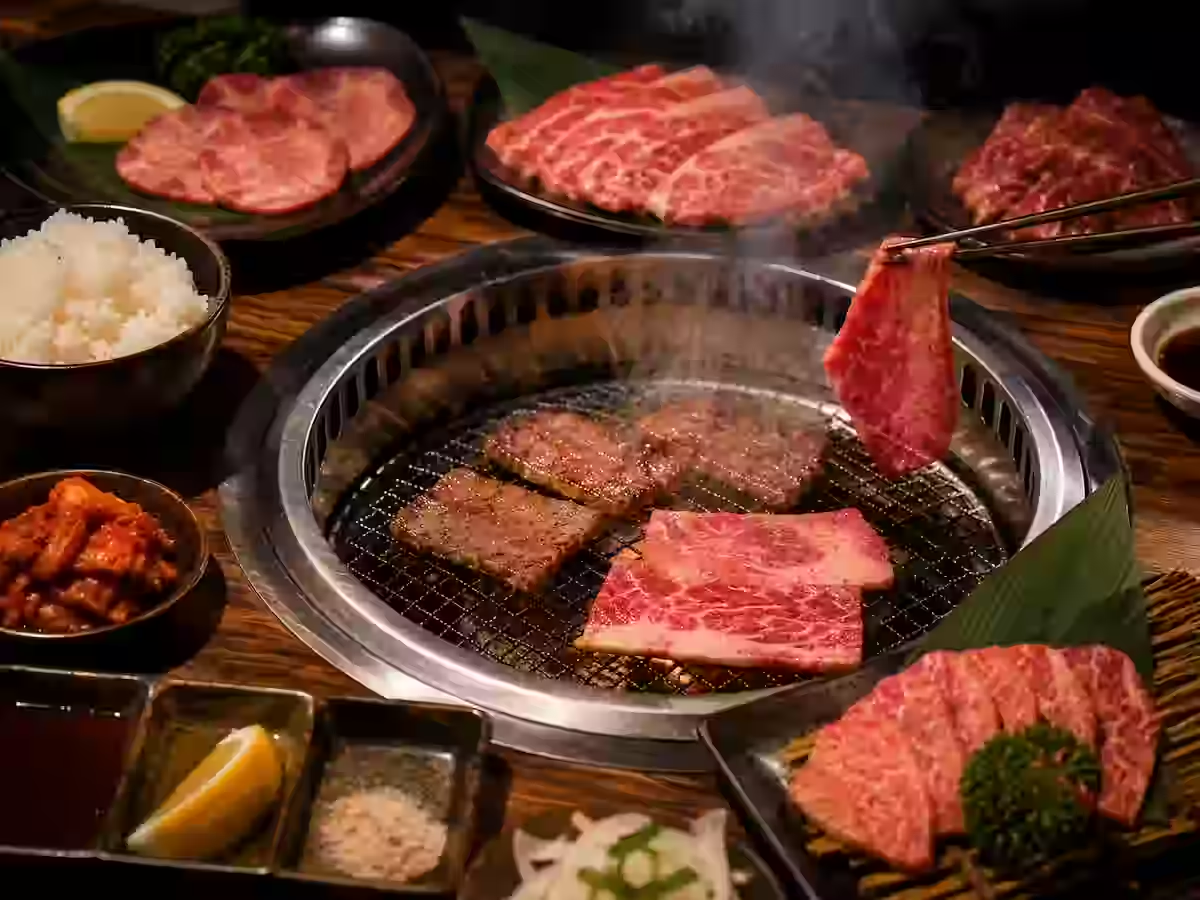
Yakiniku is one of Japan’s most enjoyable food experiences. It feels casual, warm, and a little exciting. You sit around a grill, cook small pieces of meat, and eat them hot. The sound, smoke, and smell become part of the meal.
At first, yakiniku can feel slightly confusing. Which cut should you order? How long should you grill it? Should you use sauce or salt? Those questions are normal. I had the same feeling the first time. The menu looked simple, but every cut seemed to have its own rule.
This guide explains how to eat yakiniku in Japan. It covers popular cuts, sauces, etiquette, side dishes, and regional styles. If you want a broader overview, visit the Japanese Food Guide. For beef lovers, the Japanese Wagyu section is also useful.
What Is Yakiniku?
Yakiniku means “grilled meat” in Japanese. In restaurants, it usually means table-grilled meat. Most places serve thin slices of beef, pork, chicken, seafood, and vegetables. You grill them yourself at the table.
Beef is the main attraction. Still, yakiniku is not only about expensive wagyu. A simple plate of harami or karubi can taste just as satisfying. Sometimes, that casual bite feels more memorable.
Yakiniku has links to Korean barbecue culture. Japan later shaped it into its own dining style. Japanese yakiniku often focuses on individual cuts. Sauces, salt, rice, and side dishes complete the meal.
Food in Japan already has a detailed article on Japanese Yakiniku. This guide focuses more on how travelers can order and enjoy it.
How to Eat Yakiniku in Japan
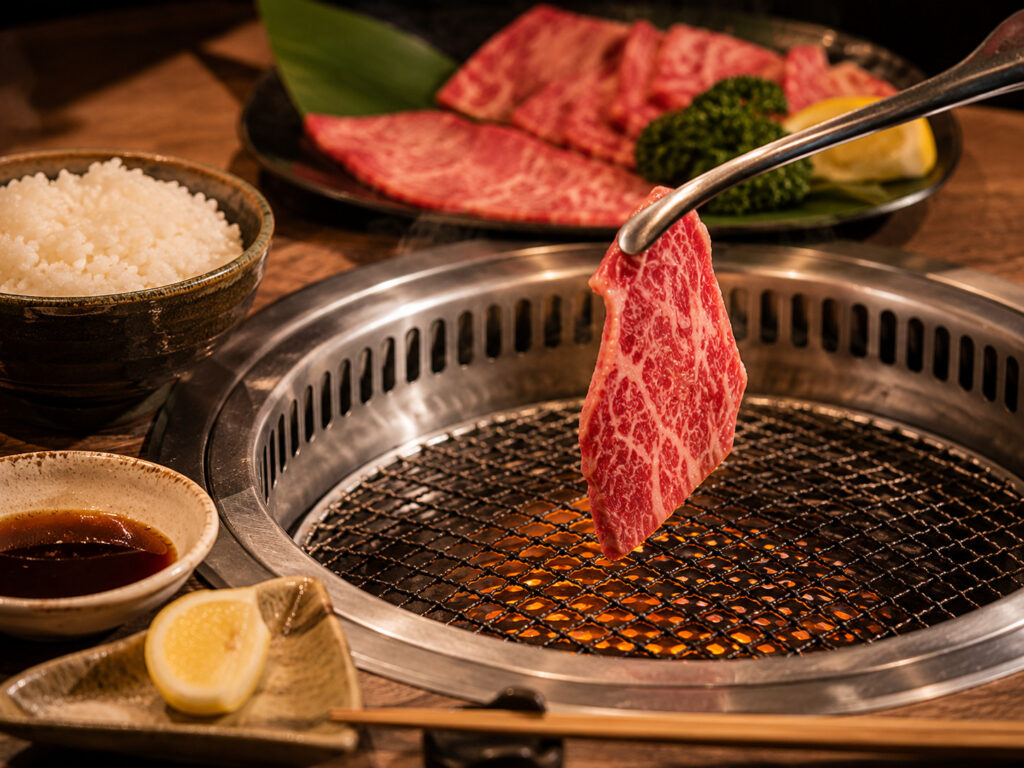
The basic flow is easy. Order meat, grill a few pieces, dip them in sauce, and eat. Try not to fill the whole grill. It looks fun, but it makes cooking harder.
Start with lighter cuts. Gyutan, lean beef, or salted pork work well. Then move to richer cuts like karubi. This order keeps the meal balanced.
Use tongs for raw meat. Use chopsticks for cooked meat. Some restaurants give separate tongs. If they do, use them carefully.
Watch fatty meat closely. Karubi can burn fast when fat hits the flame. If the grill gets too dark, ask for a new net. Say “Ami koukan onegaishimasu.” That means “Please change the grill net.” Staff hear this request often.
Popular Yakiniku Cuts Explained
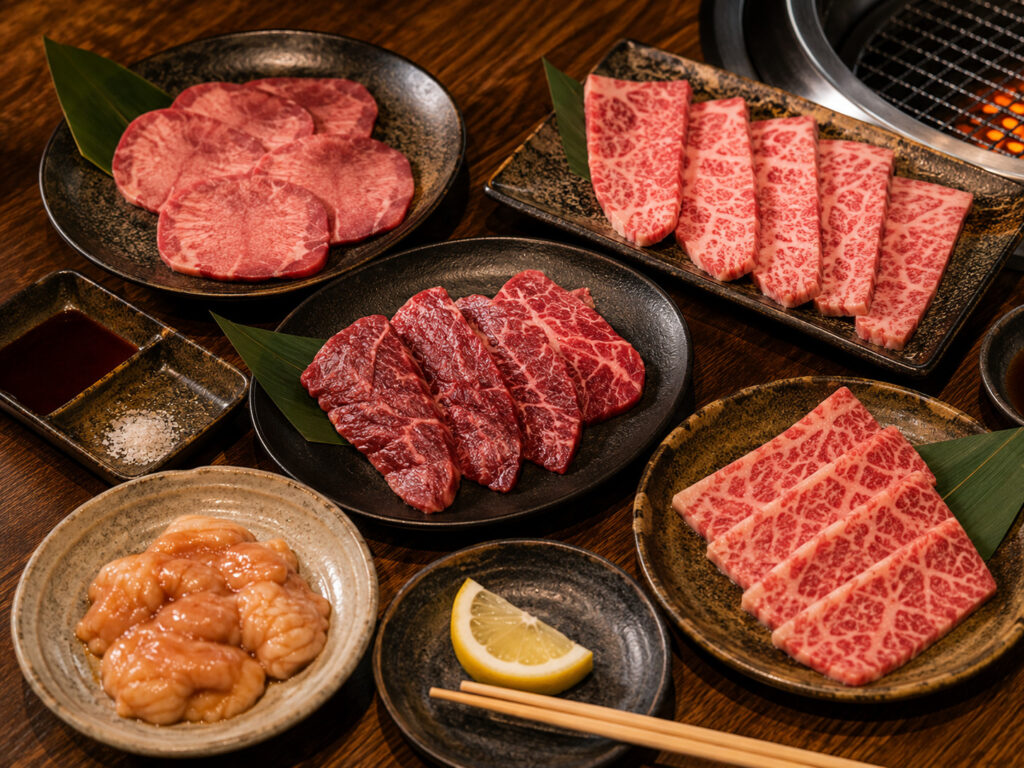
Yakiniku menus can feel tricky. Some names describe cuts. Others describe restaurant menu styles. Here are the most common choices.
Gyutan
Gyutan means beef tongue. It usually comes thinly sliced with salt. Many people add lemon after grilling. The taste feels clean and bright.
The texture has a gentle chew. It may sound unusual, but it is beginner-friendly. Sendai in Miyagi Prefecture is famous for gyutan. Learn more in the Gyutan guide.
Karubi
Karubi is a classic yakiniku cut. It usually refers to short rib or rib-area beef. It has rich fat and strong flavor. This makes it one of the most popular orders.
Karubi cooks quickly. A few extra seconds can change the texture. If you want a deeper guide, read about Karubi.
Harami
Harami comes from the diaphragm area. It looks like red meat, but people often classify it as offal. Do not worry too much about that label. The taste is mild and meaty.
Harami has deep umami. It also feels lighter than heavily marbled beef. Many regulars order it every time. Read more in the Harami article.
Rosu
Rosu usually means loin. It tastes leaner than karubi. Some restaurants serve regular rosu and jo-rosu. Jo means premium.
Rosu suits people who want beef flavor without too much fat. It also works well with tare sauce.
Horumon
Horumon means offal. It can include intestine, liver, tripe, and other parts. The texture can be chewy, crisp, or soft. It depends on the part.
Some visitors love it. Others need time to enjoy it. If you want a safer start, order one small plate. That way, you can test the flavor.
Wagyu Cuts
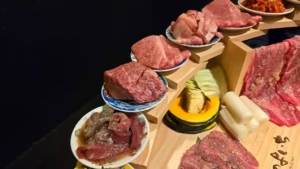
Premium restaurants often serve wagyu cuts. These may include sirloin, ribeye, zabuton, or misuji. Wagyu can taste rich and buttery. It also feels heavier than regular beef.
Eat it slowly. One or two pieces can be enough. For more background, see Wagyu beef.
Yakiniku Cuts Comparison Table
| Cut | Texture | Flavor | Best For |
|---|---|---|---|
| Gyutan | Firm and chewy | Clean and light | First order |
| Karubi | Juicy and fatty | Rich and sweet | Classic yakiniku |
| Harami | Tender and meaty | Deep umami | Balanced flavor |
| Rosu | Lean and soft | Mild beef taste | Lighter meals |
| Horumon | Chewy or crisp | Strong and savory | Adventurous eaters |
| Wagyu sirloin | Very soft | Buttery and rich | Special occasions |
Yakiniku Sauces and Seasonings
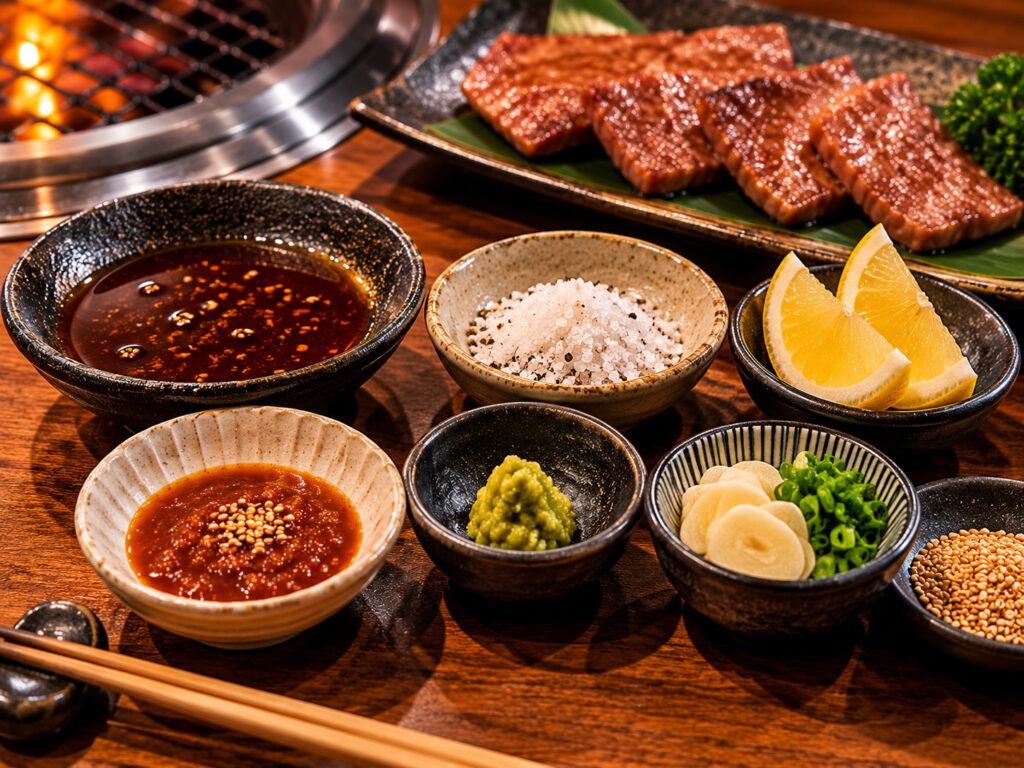
Sauce changes the whole meal. Some cuts taste better with tare. Others shine with salt. Tare is the classic yakiniku sauce. It usually tastes sweet, salty, and savory.
Many sauces use soy sauce, garlic, sesame, sugar, or fruit. Each restaurant has its own style. Shio means salt. Salt works well with gyutan, lean beef, and pork.
Lemon adds freshness. It is especially good with beef tongue. Wasabi sometimes appears with wagyu. It cuts through fat and keeps the bite clean.
Miso sauce often appears with horumon. It adds depth and softens stronger flavors. There is no perfect rule. Try a few combinations and trust your taste.
Yakiniku vs Korean BBQ
Many travelers ask this question. Is yakiniku the same as Korean BBQ? Not exactly. They share history, but the dining style feels different.
Korean BBQ often includes many side dishes. It may also use marinated meats and lettuce wraps. Japanese yakiniku usually highlights separate meat cuts. The sauce often comes after grilling.
Yakiniku portions also tend to be smaller. That makes it easier to compare cuts. Both styles are delicious. I would not say one is better. They simply offer different pleasures.
Regional Yakiniku and Wagyu Styles in Japan
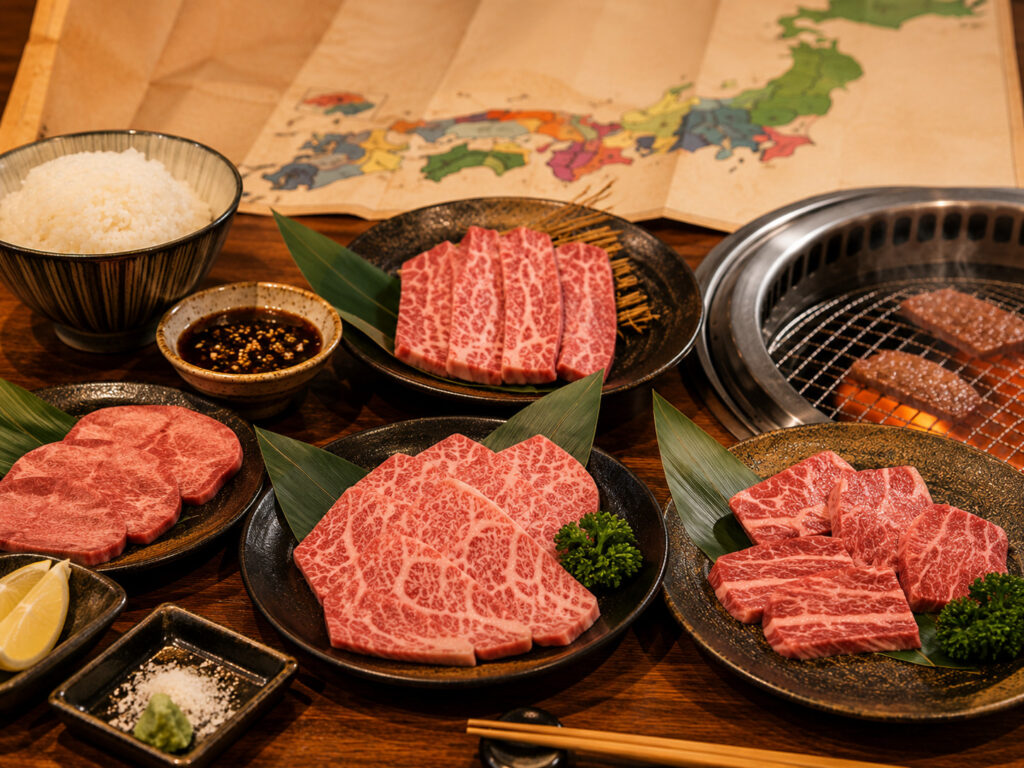
Yakiniku changes across Japan. Some regions focus on premium wagyu. Others value local grilled meat culture.
Hyogo and Tajima Beef
Hyogo is strongly connected with Tajima beef. Kobe beef also comes from Tajima cattle. This beef often feels delicate and refined. The fat melts quickly on the grill.
If you want background, read the Tajima Beef guide.
Mie and Matsusaka Beef
Matsusaka beef has a luxurious image in Japan. It often appears in steak, sukiyaki, and yakiniku. The texture can feel very soft. The fat is rich, so smaller portions work well.
Shiga and Omi Beef
Omi beef has a long history. It is one of Japan’s famous wagyu names. The flavor feels balanced. It can taste rich without becoming too heavy.
Omi beef fits well into trips around Kyoto, Osaka, and Shiga.
Miyazaki Beef
Miyazaki beef is known for beautiful marbling. It often has a bold beef flavor. Light grilling works best. Too much heat can hide its sweetness.
Sendai Gyutan
Sendai is famous for grilled beef tongue. Many restaurants serve it with barley rice and tail soup. This is not standard yakiniku, strictly speaking. Still, it belongs in any grilled beef journey.
For regional food ideas, visit the Miyagi page.
Osaka Horumon Culture
Osaka has a lively grilled meat culture. Horumon shops can feel smoky, casual, and direct. The flavors may be stronger than refined wagyu restaurants. That is part of the charm.
If you enjoy local food, this style is worth trying.
Yakiniku Etiquette for First-Time Visitors
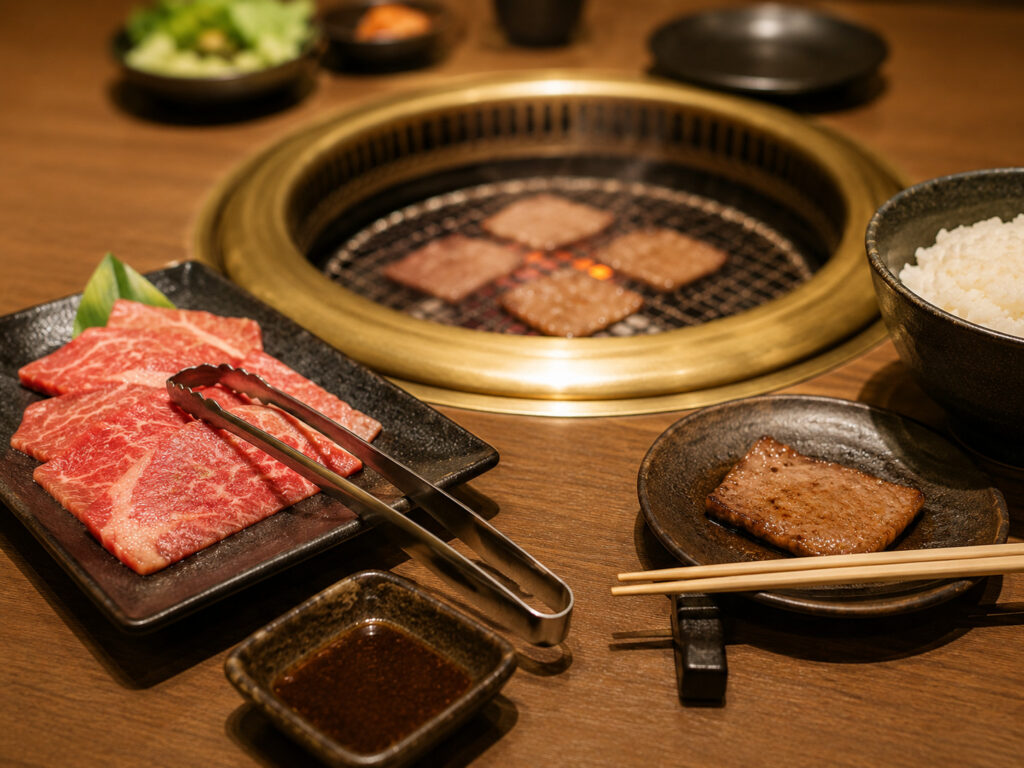
Yakiniku manners are mostly practical. They help keep the meal safe and pleasant. Use tongs for raw meat. This is the most important rule.
Do not touch raw meat with eating chopsticks. It may seem minor, but it matters. Grill small batches. Meat tastes better when eaten hot.
Move fatty meat if flames rise. You can also wait until the flame calms. Share the grill space. Everyone should reach the food comfortably.
Do not leave meat unattended. Thin slices can overcook quickly. Ask staff when you feel unsure. A quick gesture toward the grill often works.
Best Side Dishes to Order
Yakiniku tastes better with side dishes. Meat alone can feel heavy after a while. Rice is the classic partner. A bite of karubi with rice feels simple and perfect.
Kimchi adds heat and acidity. It refreshes your mouth between fatty cuts. Namul gives the meal a softer vegetable flavor. It also adds color to the table.
Soup helps slow the pace. Wakame soup and egg soup are common choices. Reimen is a cold noodle dish. It feels refreshing near the end.
Grilled vegetables also help. Onion, pumpkin, mushrooms, peppers, and corn all work well.
Is Yakiniku Expensive in Japan?
Yakiniku prices vary widely. A casual chain can feel affordable. A premium wagyu restaurant can become expensive very quickly.
Lunch sets often offer better value. They may include meat, rice, soup, salad, and sauce. Dinner usually costs more. Drinks and extra sides also increase the bill.
All-you-can-eat yakiniku can be fun. Still, quality changes by restaurant. Premium wagyu places charge more for clear reasons. The beef itself costs more.
If you feel unsure, start with a mid-range restaurant. It gives you balance without too much risk.
How to Order Yakiniku Without Speaking Japanese
Many restaurants now have picture menus. Some places use tablets with English options. A few Japanese words still help.
Karubi means short rib. Harami means skirt steak. Gyutan means beef tongue. Tare means sauce. Shio means salt. Gohan means rice.
If you cannot read the menu, point to photos. This works better than you might expect.
For a safe first order, choose gyutan, karubi, harami, rice, kimchi, and vegetables. That mix gives you different textures. It also keeps the meal balanced.
Summary
Yakiniku is one of the best ways to enjoy Japanese meat culture. It is social, flexible, and fun. Start with simple cuts. Gyutan, karubi, and harami make a strong first meal.
Try both sauce and salt. Add rice, soup, kimchi, and vegetables. After that, explore regional styles. Wagyu, gyutan, and horumon all show different sides of Japan.
The best yakiniku meal does not need to be the most expensive one. Sometimes, a small local shop leaves the strongest memory.
FAQ
What is yakiniku?
Yakiniku is Japanese grilled meat. Diners usually cook bite-sized meat at the table.
Is yakiniku Japanese or Korean?
Yakiniku has strong links to Korean barbecue culture. Japan later developed its own restaurant style.
What is the best yakiniku cut for beginners?
Gyutan, karubi, and harami are good beginner choices. They offer different textures and flavors.
Do you cook yakiniku yourself?
Yes, most yakiniku restaurants let diners grill the meat themselves.
Is wagyu always used in yakiniku?
No. Many restaurants serve regular beef, domestic beef, pork, chicken, seafood, and offal.
What sauce is used for yakiniku?
Tare is the most common sauce. Salt, lemon, wasabi, and miso sauces also appear often.
Can tourists enjoy yakiniku without speaking Japanese?
Yes. Many restaurants have photos, tablets, or English menus.
What should I order first?
Start with gyutan, karubi, harami, rice, kimchi, and grilled vegetables.
Is yakiniku expensive?
It depends on the restaurant. Casual chains are affordable, while premium wagyu restaurants cost more.
What is the difference between yakiniku and teppanyaki?
Yakiniku uses a table grill. Teppanyaki uses an iron plate, often with chef-side cooking.
References
- Japan National Tourism Organization: Gastronomy
2026: JNTO lists yakiniku among Japan’s food experiences, alongside sushi, wagyu, ramen, and regional dishes. - Japan National Tourism Organization: Visitor Arrivals
2026: JNTO reported 3,692,200 visitor arrivals to Japan in April 2026. - Ministry of Agriculture, Forestry and Fisheries: Wagyu Japanese Beef
2026: MAFF explains Japan’s wagyu grading system, including A to C yield grades and 1 to 5 meat quality grades. - Japan Meat Information Service Center: Beef Grading
2026: The Japanese beef grading system uses 15 grade combinations from yield grade and quality grade. - Food in Japan: Japanese Yakiniku
2025: Existing Food in Japan article covering yakiniku basics, history, ingredients, and recipes. - Food in Japan: Japanese Wagyu
2026: Food in Japan category page covering wagyu dishes, regional beef brands, and Japanese beef culture. - Food in Japan: Gyutan
2025: Food in Japan article covering Sendai gyutan, including its 1948 origin and serving style. - Food in Japan: Karubi
2026: Food in Japan article explaining karubi as a popular yakiniku short rib menu item. - Food in Japan: Harami
2025: Food in Japan article explaining harami as a diaphragm-area beef cut used in yakiniku.







Comments