
Japanese Food– Traditional Dishes, Local Specialties & Food Culture of Japan –

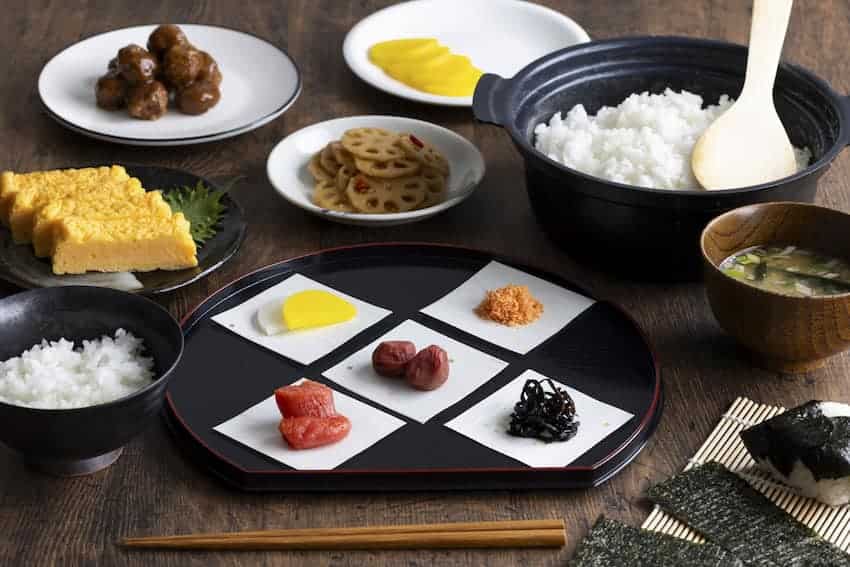
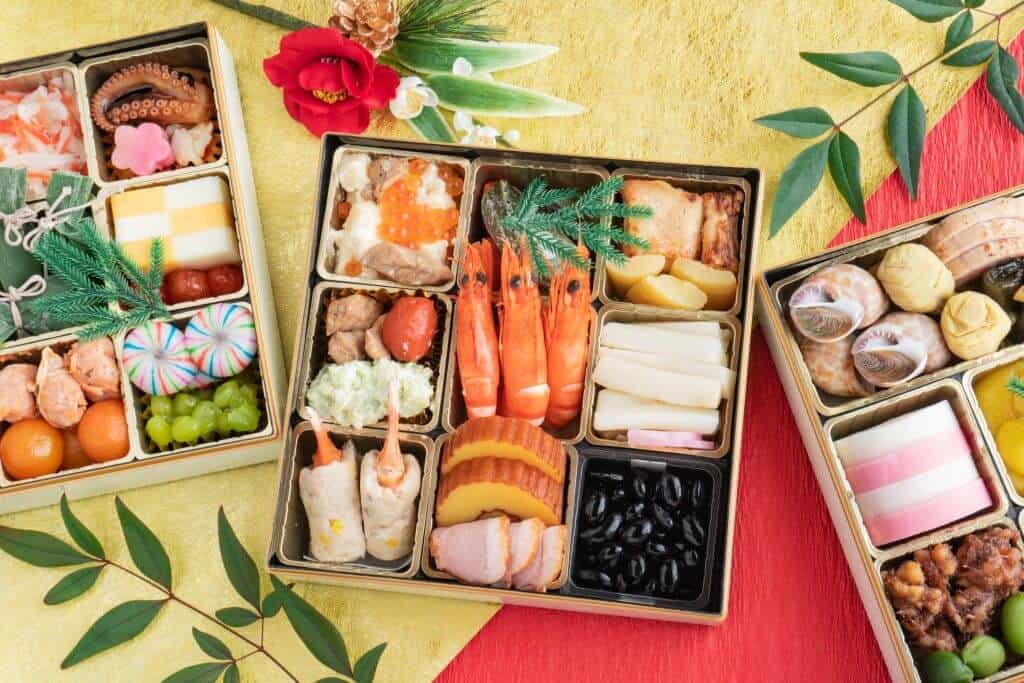
Japanese food is known worldwide for its balance of flavor, seasonal ingredients, and beautiful presentation. From traditional washoku cuisine to modern street food and everyday meals, Japan offers a rich and diverse culinary culture that reflects centuries of history and regional traditions.
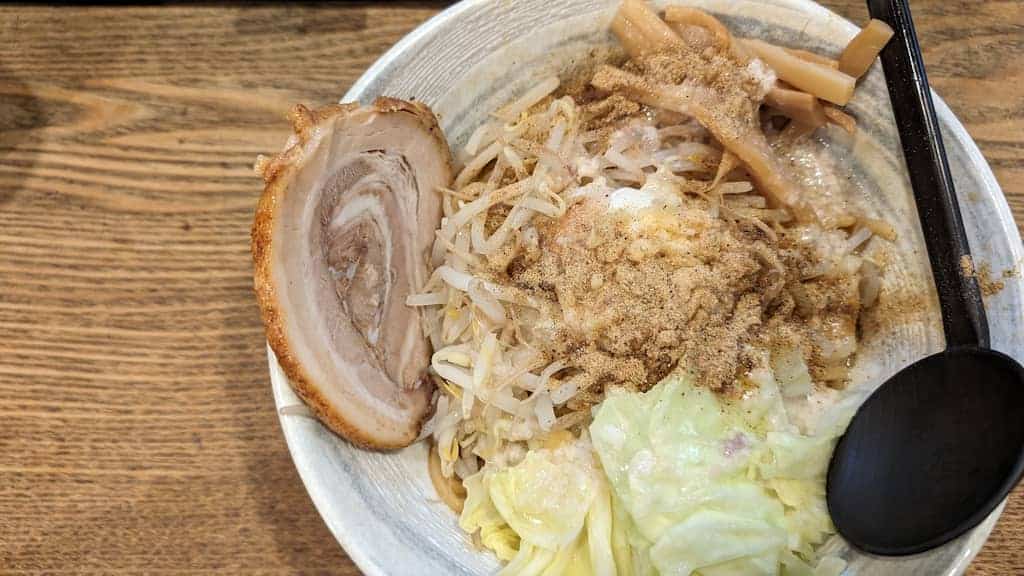
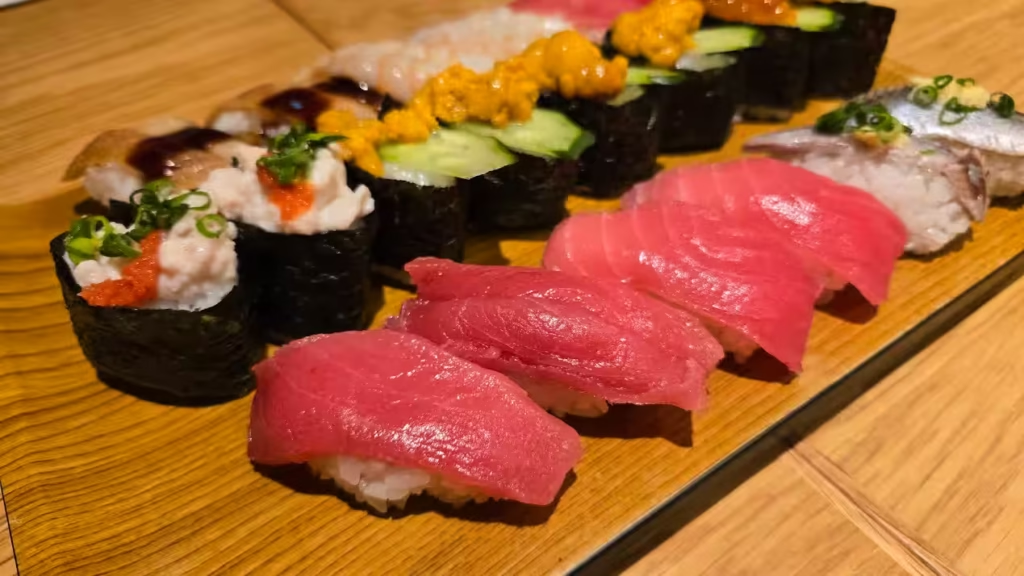
Many dishes are enjoyed throughout the entire country rather than being tied to a single region. Popular foods such as ramen, sushi, tempura, curry rice, and udon are widely available across Japan and have become iconic parts of Japanese cuisine.
Japanese food culture also emphasizes seasonality, known as “shun,” where ingredients are enjoyed at their peak freshness. Meals often combine rice, soup, vegetables, seafood, and meat to create a balanced dining experience.
In this category, explore Japanese food that represents the cuisine of Japan as a whole. Learn about traditional dishes, everyday meals, cooking methods, ingredients, and food culture that define the flavors of Japan.
-


Pressing (上槽 / Joso): How Moromi Becomes Sake
Imagine weeks of careful fermentation finally complete. The tank holds a thick, milky mash called moromi. Yet this cloudy mixture is not sake just yet. Pressing in sake brewing is the stage that turns that mash into a clear drink. It sep... -

Sokujo (速醸): The Modern Yeast Starter
Nearly every bottle of sake you drink starts the same way. It begins with a yeast starter called moto. So what is sokujo in sake brewing? Sokujo is the modern method for making that starter. Brewers add food-grade lactic acid right at th... -

Yamakujira Nabe (山くじら鍋)
Picture a cold mountain village in old Japan. A heavy iron pot bubbles over the coals. Inside simmers dark, marbled wild boar meat. This warming dish is yamakujira nabe. It is one of Japan's oldest game-meat hot pots. So what is yamakuji... -

Yamahai (山廃): The Simplified Traditional Starter
Some sake tastes bold, savory, and wonderfully complex. That depth often traces back to the yeast starter. So what is yamahai in sake brewing? Yamahai is a traditional yeast starter method born from kimoto. It drops the grueling yamaoros... -

Kimoto (生酛): The Traditional Yeast Starter
Have you ever tasted a sake with firm acidity, deep umami, and a quietly earthy structure? There is a good chance its character began in the yeast starter. In traditional kimoto sake brewing, few stages matter as much as that starter. So... -
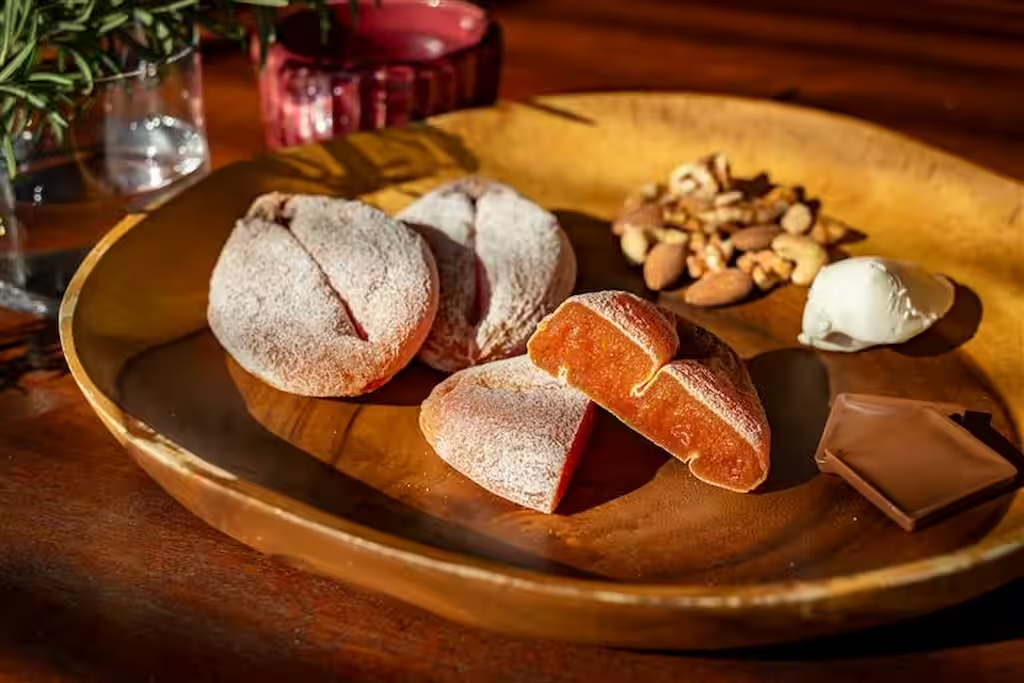

Koro gaki (ころがき)
Koro gaki is a premium dried persimmon from Yamanashi Prefecture, made from large Koshu Hyakume persimmons. Farmers peel the fruit, then hang it to dry for weeks until it turns naturally sweet. A fine white bloom of natural sugar forms o... -
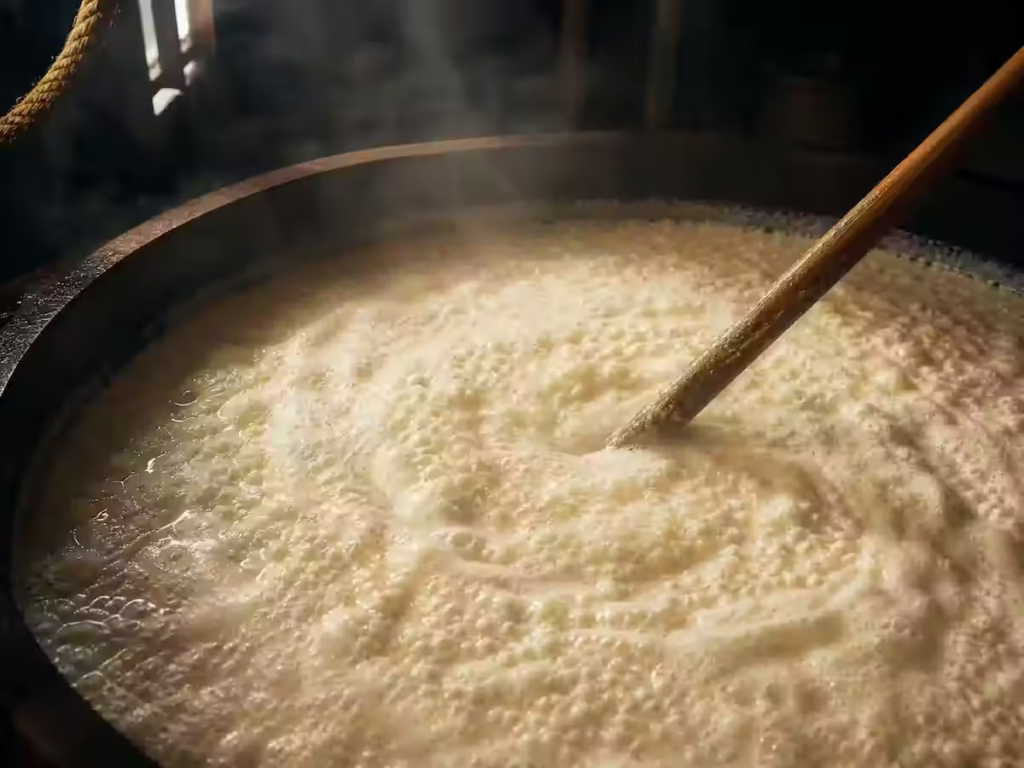

Moromi (醪) : The Main Fermentation Mash
Sake truly takes shape in one bubbling tank. That tank holds the moromi. So what is moromi in sake brewing? Moromi, written 醪 in Japanese, is the main fermentation mash of sake. It is the thick mixture of steamed rice, koji, water, and ... -

Moto (酒母): The Yeast Starter of Sake
Great sake begins before the main fermentation ever starts. Hidden inside the brewery is a small but powerful starter called moto, also known as shubo, the "mother of sake." So what is moto in sake brewing? In essence, moto is a concentr... -
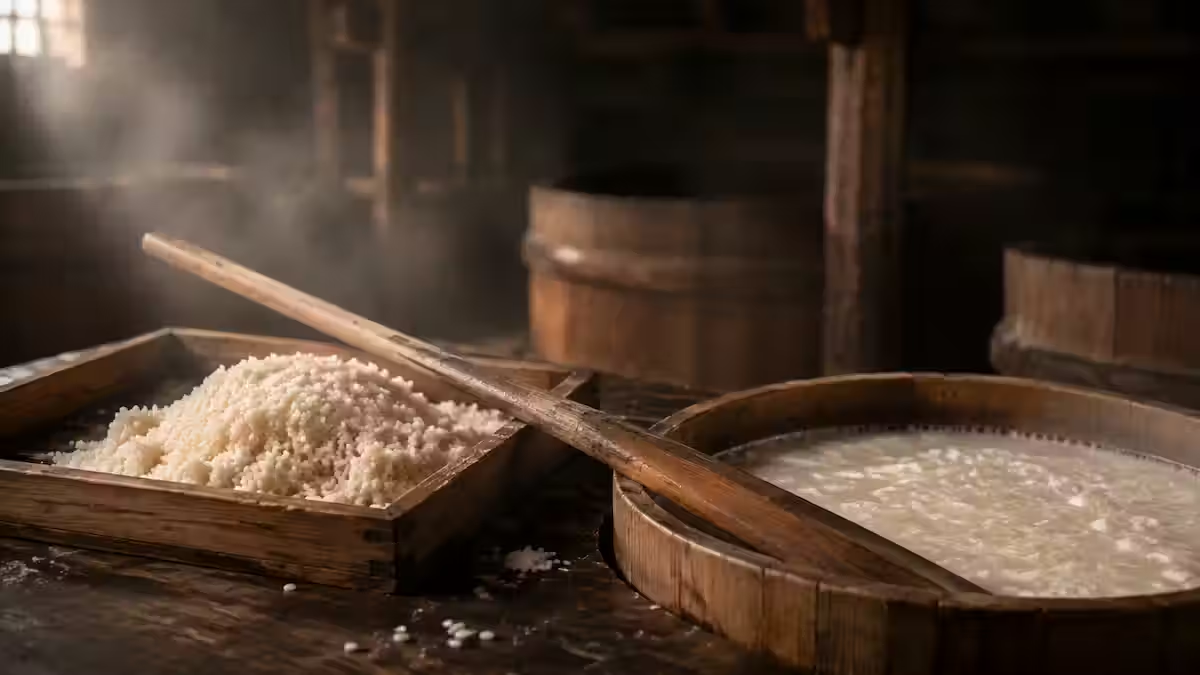
Fermentation (発酵)
Every bottle of sake hides a quiet miracle inside. That miracle is fermentation. So what is fermentation in sake brewing? Fermentation is the process where yeast turns sugar into alcohol. It also gives off carbon dioxide and rich aroma. ... -
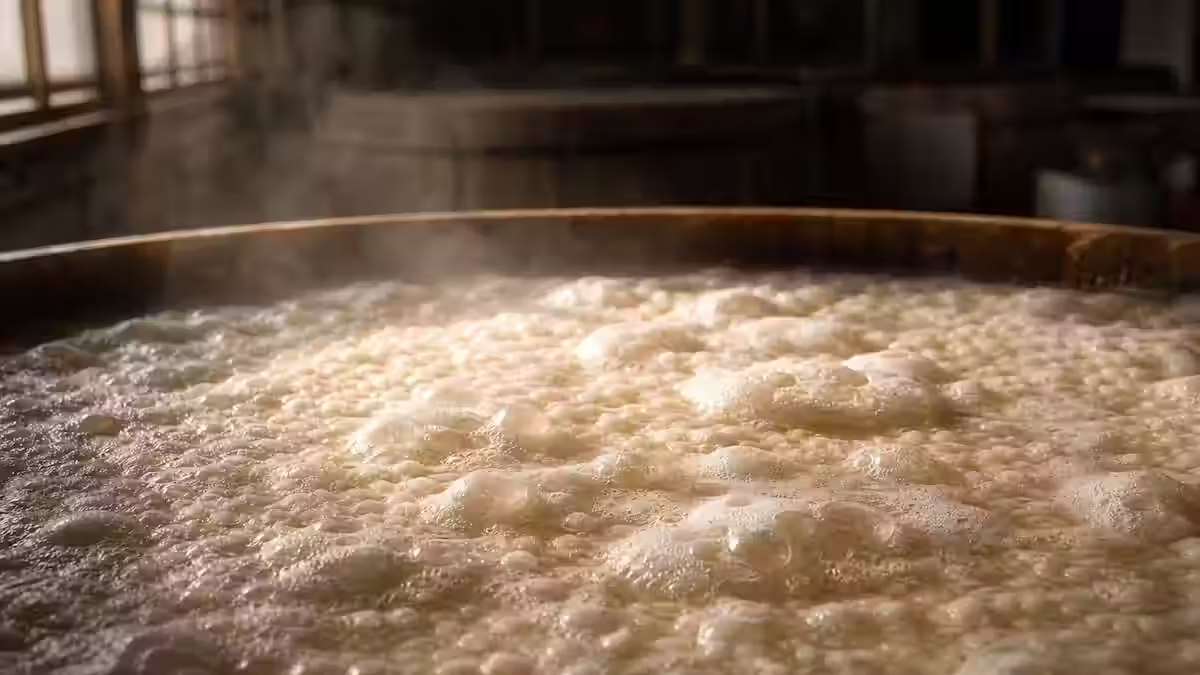
Yeast (酵母)
Sake owes its very existence to a tiny living thing. That thing is yeast, a microbe you cannot see. So what is yeast in sake brewing? Yeast is the microorganism that turns sugar into alcohol. During fermentation, it also releases carbon ...