




Obanazawa watermelon, or Obanazawa suika (尾花沢スイカ), is a summer fruit from Obanazawa in northern Yamagata Prefecture. Growers there work in a mountain basin where August days turn hot, while the nights cool sharply. That gap is generally the reason the fruit tastes as sweet as it does. Locals also prize its shari-shari texture, a crisp snap you hear as much as feel.
One question comes up constantly, so let us settle it early. Obanazawa watermelon is a place-based brand rather than a single seed variety. This guide then covers the growing region, the season, the flavor, the grading system, and how to pick a good one.
What Is Obanazawa Watermelon?
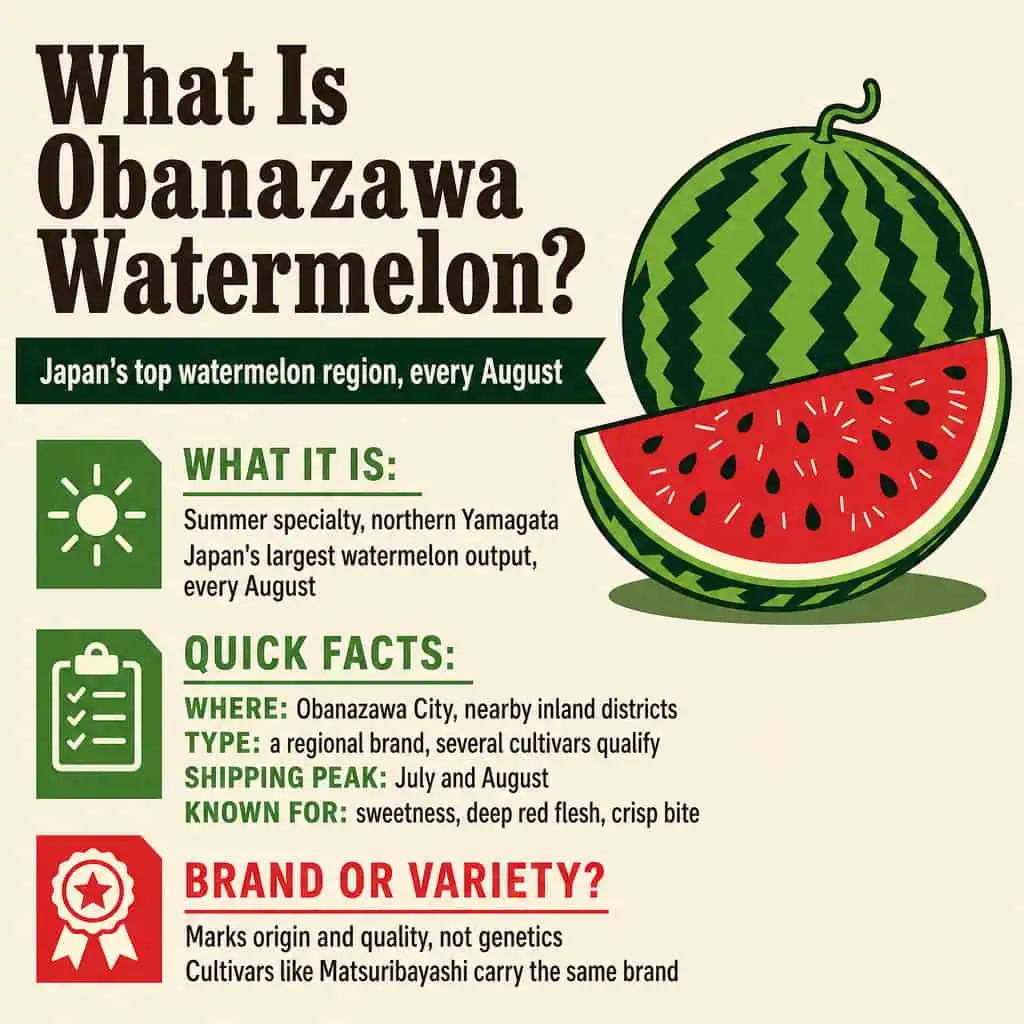
A summer specialty from northern Yamagata
Obanazawa sits in the inland north of Yamagata Prefecture, specifically in the Tohoku region of northern Honshu. Yamagata’s prefectural government ranks the prefecture third nationally for watermelon output, namely behind Kumamoto and Chiba. However, the ranking flips in August. For that month the prefecture reports the largest production in Japan, so Obanazawa leads the local growing districts alongside Murayama and Oishida.
- Japanese name 尾花沢スイカ, also written 尾花沢すいか and read Obanazawa suika
- Where Obanazawa City, plus nearby districts in inland Yamagata Prefecture
- Type A regional brand, so several cultivars can carry the name
- Shipping peak Usually July and August, according to the prefecture
- Known for Sweetness, deep red flesh and, above all, a crisp granular bite
Brand or variety?
This certainly trips up plenty of overseas shoppers. The name marks origin and quality control, rather than genetics. Farms in the area also grow established cultivars, and Matsuribayashi is one that is widely planted in Yamagata. So two melons under the same brand may come from different seed stock, although both must pass the same shipping checks.
What “suika” means
Suika simply means watermelon, so you say it soo-ee-kah. The characters 西瓜, meanwhile, translate as western melon. Obanazawa City explains the reason plainly too. Watermelon reached Japan around the sixteenth century by way of China, so it arrived from the west.
Why Obanazawa Grows Such Sweet Watermelon
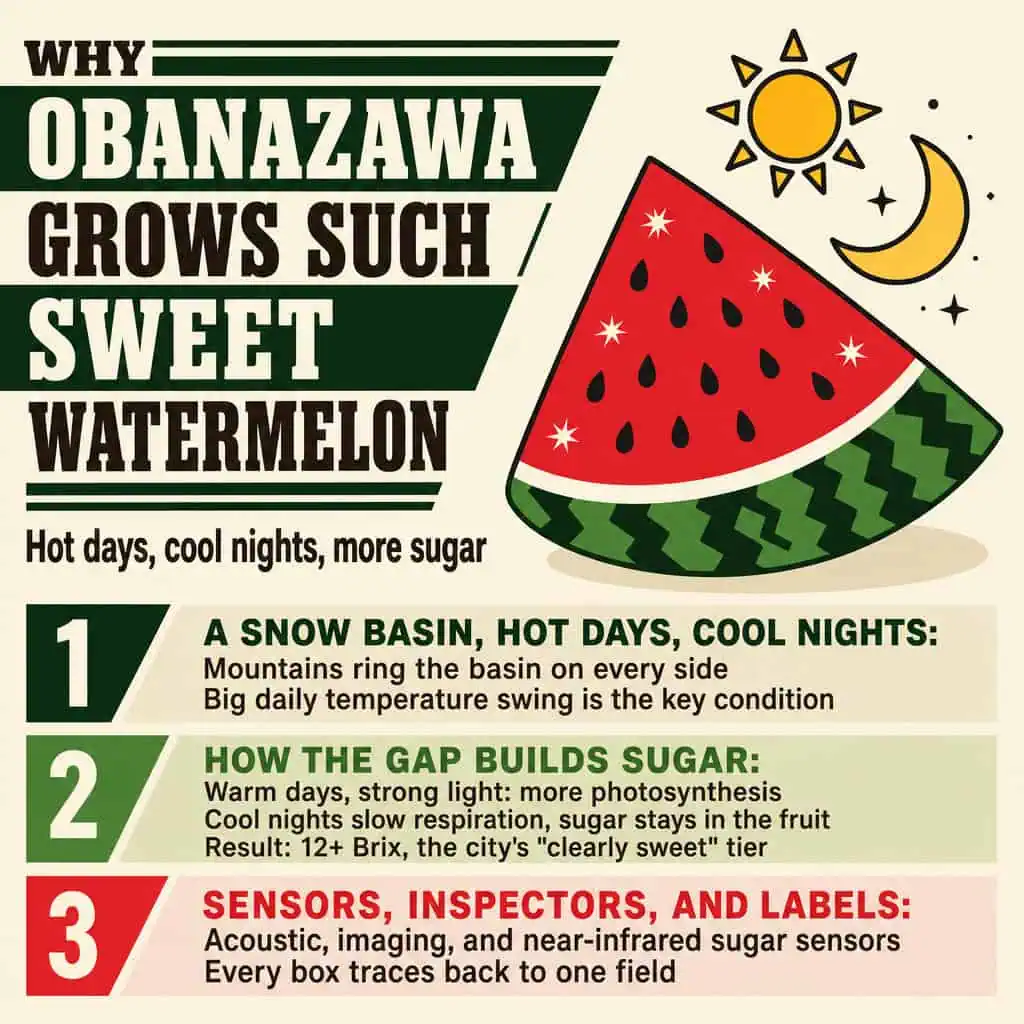
A snow basin with hot days and cool nights
Obanazawa is buried in snow through winter, although visitors who only know it as watermelon country find that surprising. Mountains, furthermore, ring the basin on every side. Summer days therefore get genuinely hot, while the air drops away again after dark. Both the city and the prefecture therefore point to that daily swing as the key condition.
How the temperature gap builds sugar
Obanazawa City sets out the mechanism in unusually straightforward terms. Warm daytime air and strong light push photosynthesis, so the plant produces plenty of nutrients. Cool nights then slow the plant’s respiration. Because less of that stored energy gets burned overnight, more of it stays in the fruit as sugar. So the city says these conditions produce watermelon measuring twelve degrees Brix and above.
For context, the city’s own sweetness guide calls ten degrees ordinary, eleven degrees sweet, and finally twelve to thirteen degrees clearly sweet.
Sensors, inspectors and producer labels
Climate alone would obviously not build a brand. A 2010 report from a public agricultural agency describes the grading system in detail. In 2002 the local agricultural cooperative, namely JA Michinoku Murayama, opened a joint grading center, and that report sets out how it works. The line uses an acoustic sensor for hollow centers, image processing for fruit shape, and then near-infrared measurement for sugar content.
Machines do not have the last word, though. Growers sort at the farm first, and inspectors run sugar and visual checks before the line. Each boxed melon then carries a label identifying its producer. Farmers must report the pesticides, fertilizers and steps they used, so a single fruit can be traced back to one field.
What Does Obanazawa Watermelon Taste Like?
Sweetness arrives first, and it is clean rather than syrupy. Watermelon holds more than ninety percent water, so nothing about it feels heavy. The finish disappears quickly, so people happily eat slice after slice on a hot afternoon.
Texture, however, is what regulars talk about. Japanese even has a word for it, namely shari-shari. The flesh breaks with a granular crunch instead of turning soft or watery, and you notice it in the first bite. Yamagata’s prefectural site also links that quality directly to the day-and-night temperature difference.
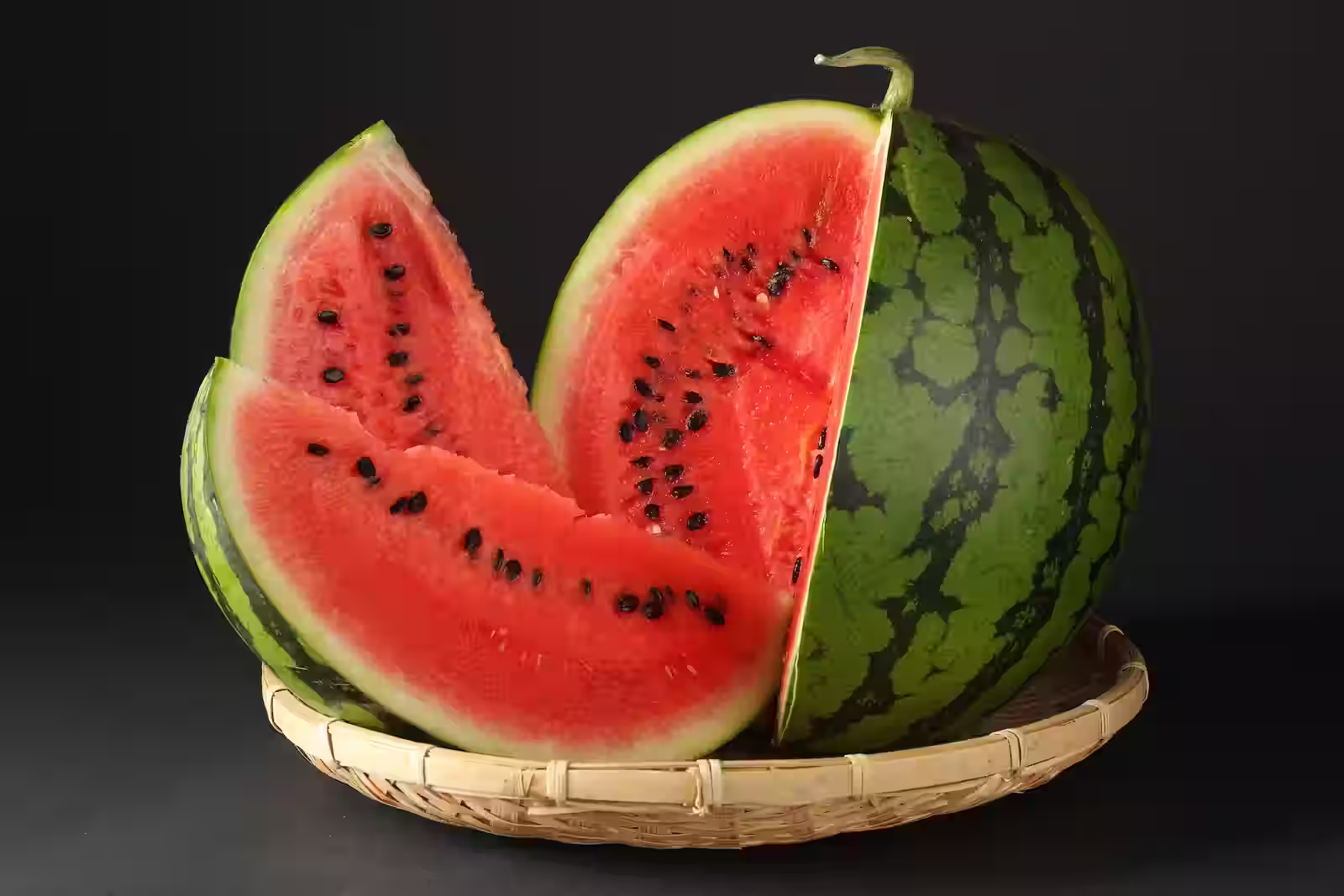
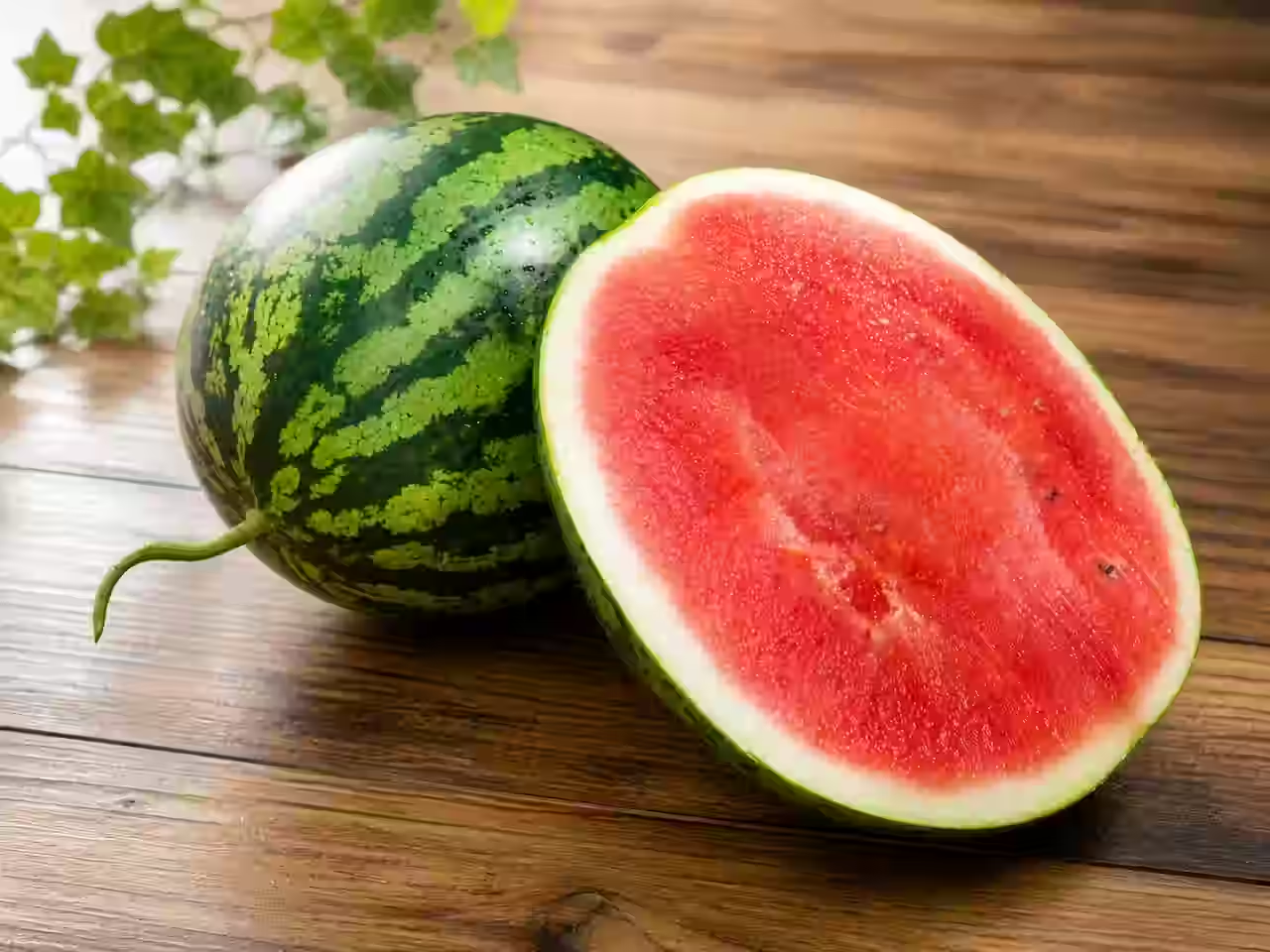
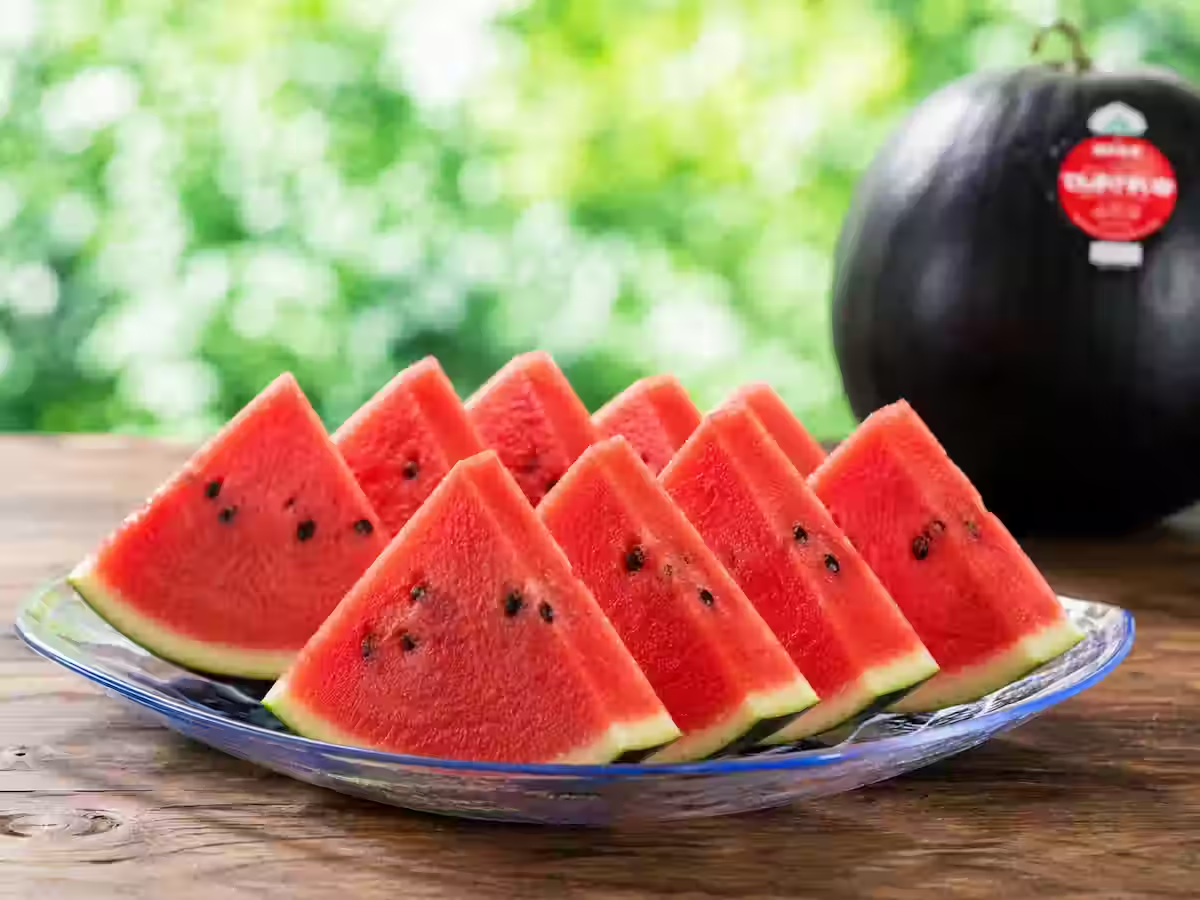
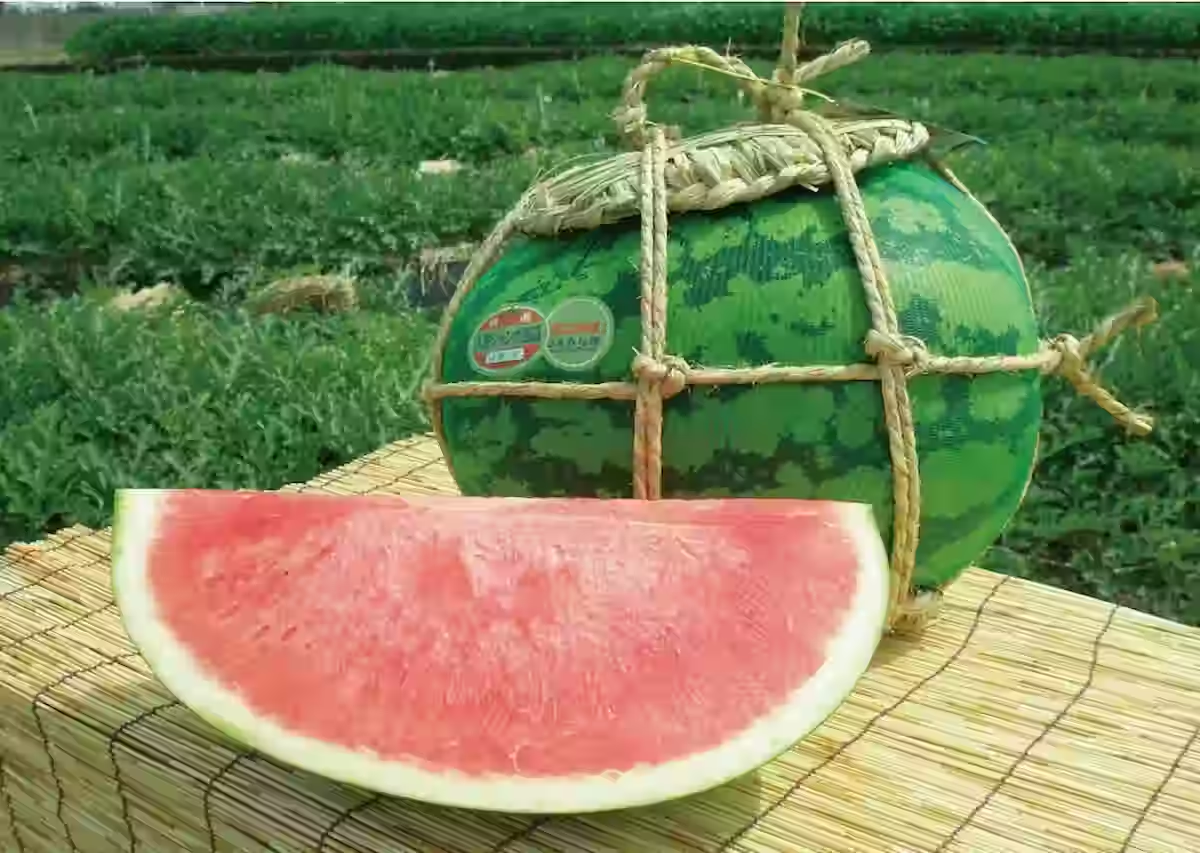
Appearance certainly backs it up. The rind carries bold, jagged dark stripes over a brighter green, while the flesh runs a deep red with black seeds. Obanazawa City similarly lists a sharp boundary between the red flesh and the white rind as a sign of quality.
When Is It in Season?
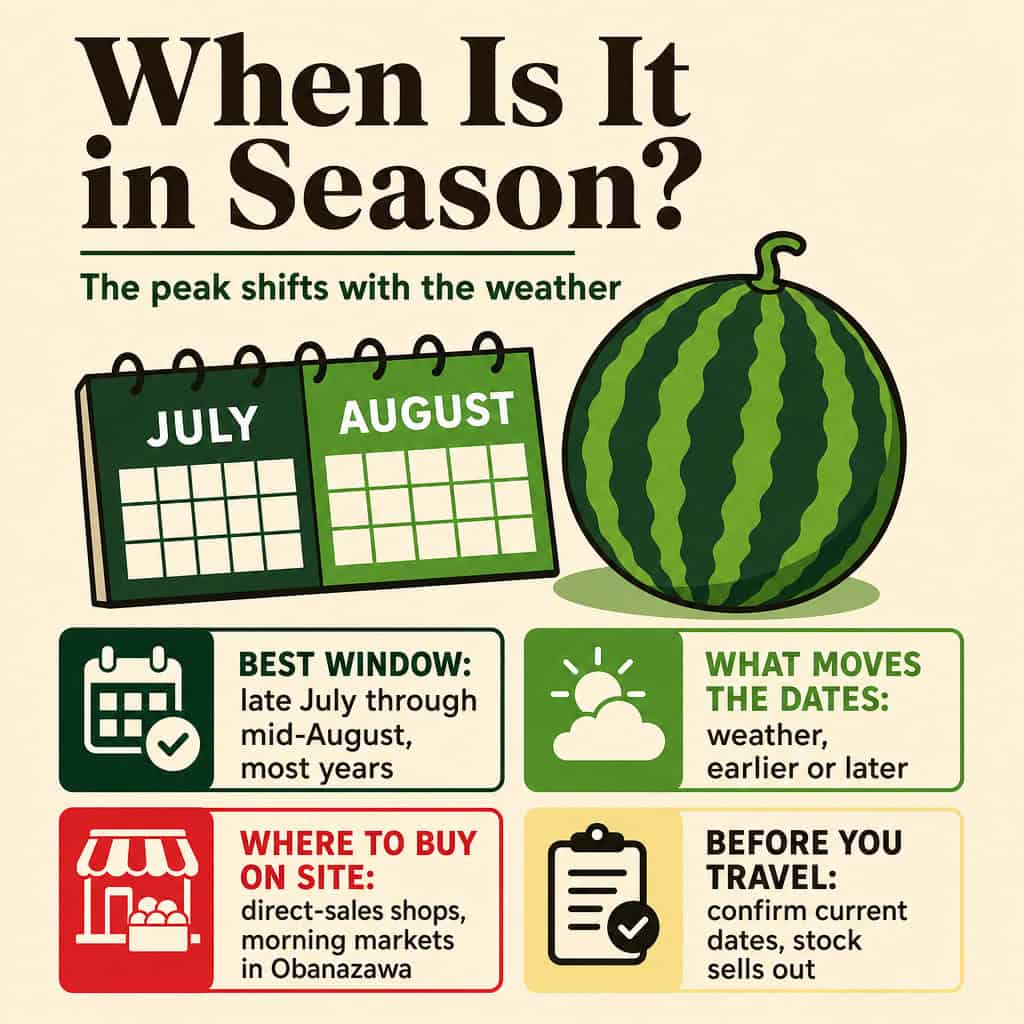
Yamagata Prefecture generally places the shipping peak in July and August. Weather, however, moves the schedule around from one year to the next. A cool, wet stretch can delay picking, whereas a hot spell pulls it forward.
- Best window for visitors Late July through mid-August, in most years
- What moves the dates Weather, which shifts the crop earlier or later
- Where to buy on site Direct-sales shops and morning markets in Obanazawa
- Before you travel Confirm current dates, since stock does sell out
Travel note. Ginzan Onsen, namely the hot spring town famous for its gas-lit riverside inns, sits inside the same city. Combining a summer visit with watermelon season works neatly, since both peak in August.
How Big Is It, and What Does It Cost?
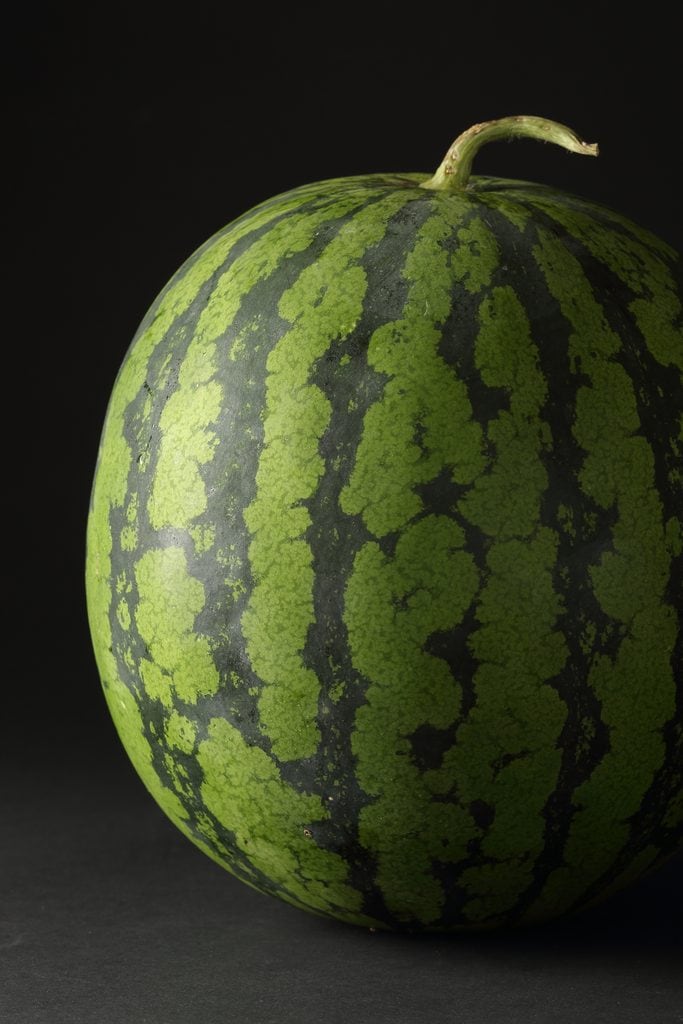
These are certainly large melons, so a single fruit can outweigh a small child. That surprises travelers who are shopping on foot.
- Size 2L About 7 to 8 kg, as listed by the cooperative’s shop in August 2026
- Size 6L About 11 to 12 kg, listed at the same time
- What moves the price Size, grade, appearance, packaging and timing
- Gift versus home use Printed gift boxes cost more than home-use fruit of equal weight
- Delivery Charged on top, so add it before comparing sellers
Rather than quoting a figure that ages badly, check the seller’s current listing. Confirm the weight, grade and delivery cost together.
Why do Japanese watermelons cost more than many people expect? Labor obviously explains much of it. Field work continues for months, and every melon then passes through sensor grading and human inspection before it ships.
Obanazawa Watermelon vs an Ordinary Supermarket Melon
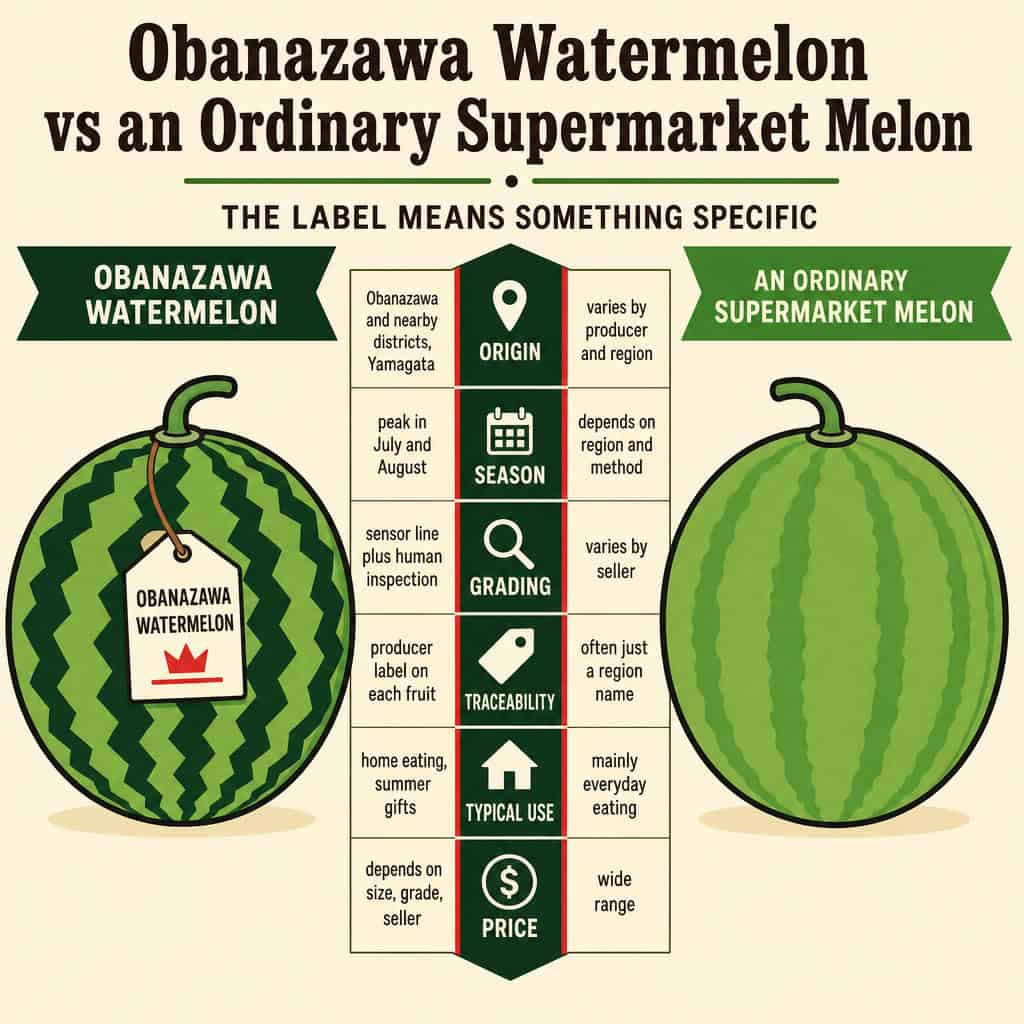
Comparisons like this get overstated online, so the table below sticks to what official sources describe.
| Point | Obanazawa watermelon | Ordinary watermelon |
|---|---|---|
| Origin | Obanazawa and nearby districts, Yamagata | Varies by producer and region |
| Season | Peak in July and August | Depends on region and growing method |
| Grading | Sensor line plus human inspection | Varies by seller |
| Traceability | Producer label on each fruit | Often only a region name |
| Typical use | Home eating and summer gifts | Mainly everyday eating |
| Price | Depends on size, grade and seller | Wide range |
Individual fruit still varies, of course. Ripeness, handling and storage all shift the result, so no brand can promise an identical melon every time. For a wider view of the category, see our further guide to Japanese fruit.
How to Choose a Good Watermelon
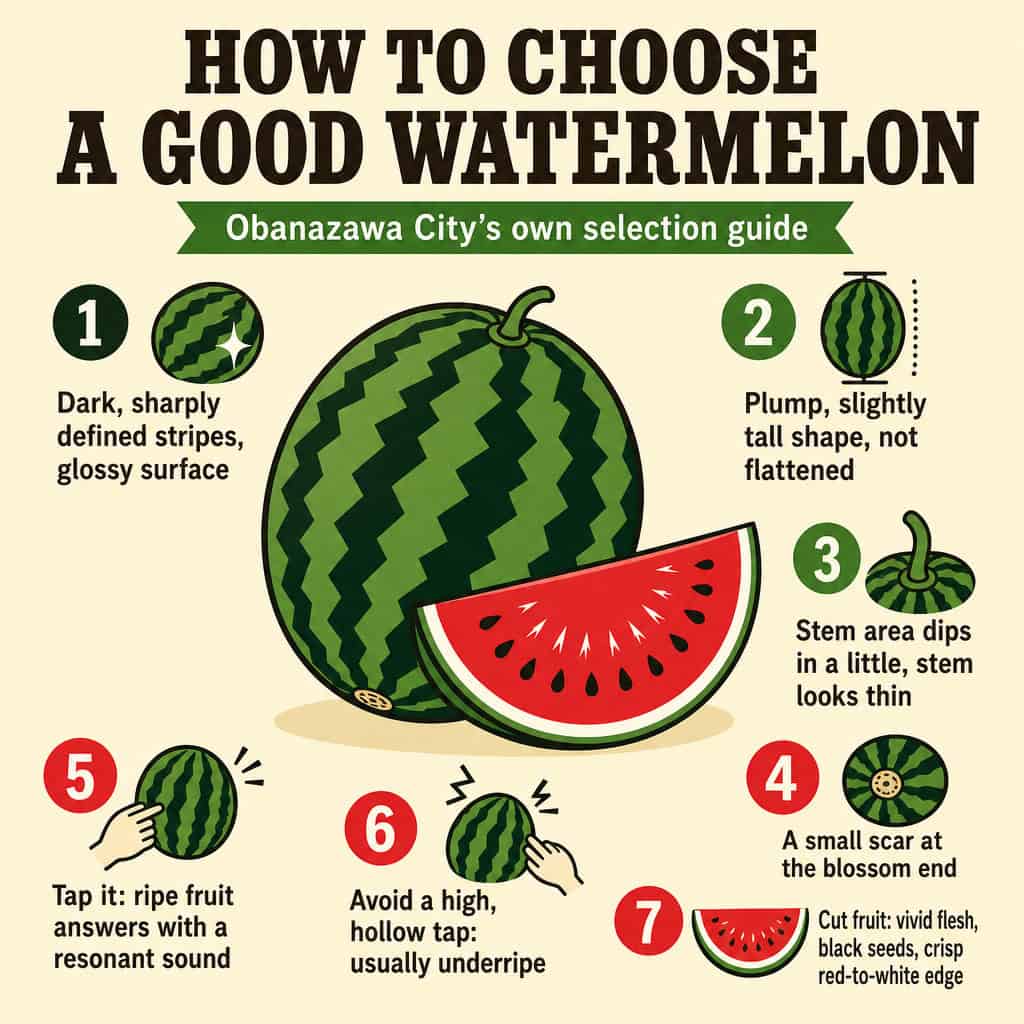
Obanazawa City publishes its own selection guide, which is more specific than the advice you usually hear.
- Look for dark, sharply defined stripes, plus a glossy surface.
- Choose a plump, slightly tall shape rather than a flattened one.
- Check that the area around the stem dips in a little, since the stem should look thin.
- Prefer a small scar at the blossom end, namely the side opposite the stem.
- Tap it, since a ripe melon answers with a resonant sound.
- Avoid a high, hollow tap, because that usually suggests underripe fruit.
- In cut fruit, especially look for vivid flesh, black seeds and a crisp red-to-white edge.
Appearance helps, although it guarantees nothing. If you are buying in Obanazawa, ask the shop when the fruit was picked and how it has been kept. Staff at direct-sales counters usually know, and that answer tells you more than the rind ever will.
How to Store and Serve It
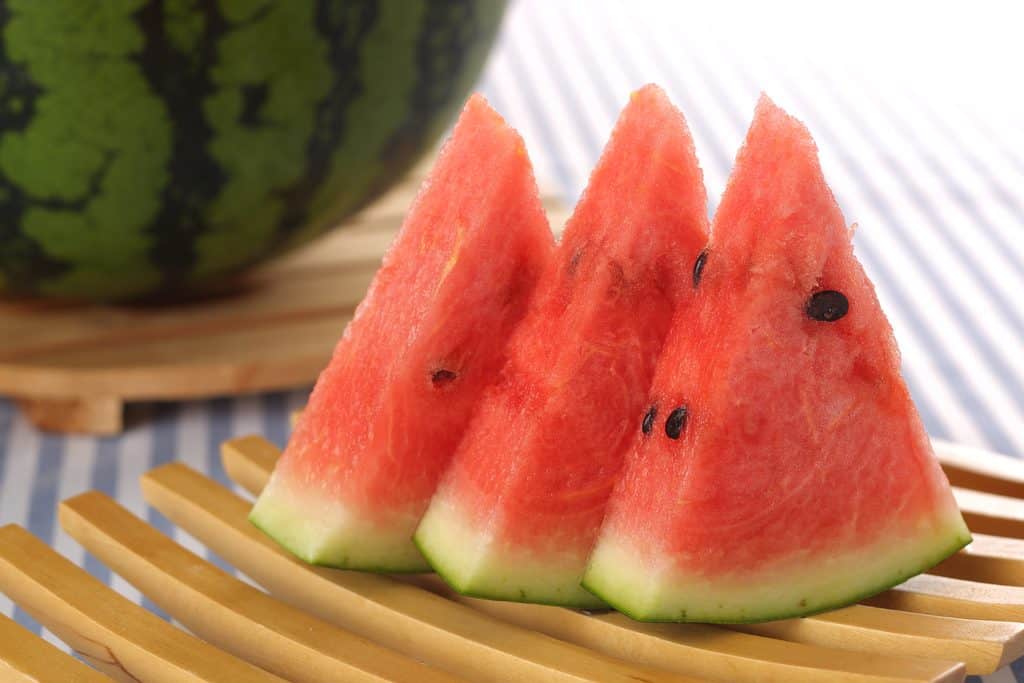
Storage is simple enough, although a whole melon and a cut one need different handling.
- Whole melon Keep it out of direct sunlight and away from heat
- Chilling Only shortly before eating, since long refrigeration dulls the flavor
- Cut fruit Wrap the pieces or seal them, then refrigerate promptly
- Eat within A day or two once the melon has been cut
- Seller’s advice Follow it first, because handling differs by shop
Serving, meanwhile, needs almost no effort. Thick wedges suit a table of people, while cubes work better for children. Some households also sprinkle a little salt, which sharpens the sweetness. Frozen chunks blended into juice, finally, suit fruit that has softened slightly.
Watermelon in the Japanese Summer
Suikawari, the watermelon-splitting game
Suikawari is basically a beach and picnic game. One player wears a blindfold, holds a stick, and swings at a watermelon while everyone else shouts directions. It is silly, and that is rather the point. Keep bystanders well clear, put the melon on a sheet, and eat what you split afterwards.
Fruit as a summer gift
Japan has a midsummer gift season called ochugen, so fruit is a standard choice. Gift-grade melons therefore ship in printed boxes with the producer’s label showing. Home-use fruit costs less and often looks slightly irregular, although it eats much the same.
Beyond the Fruit Itself
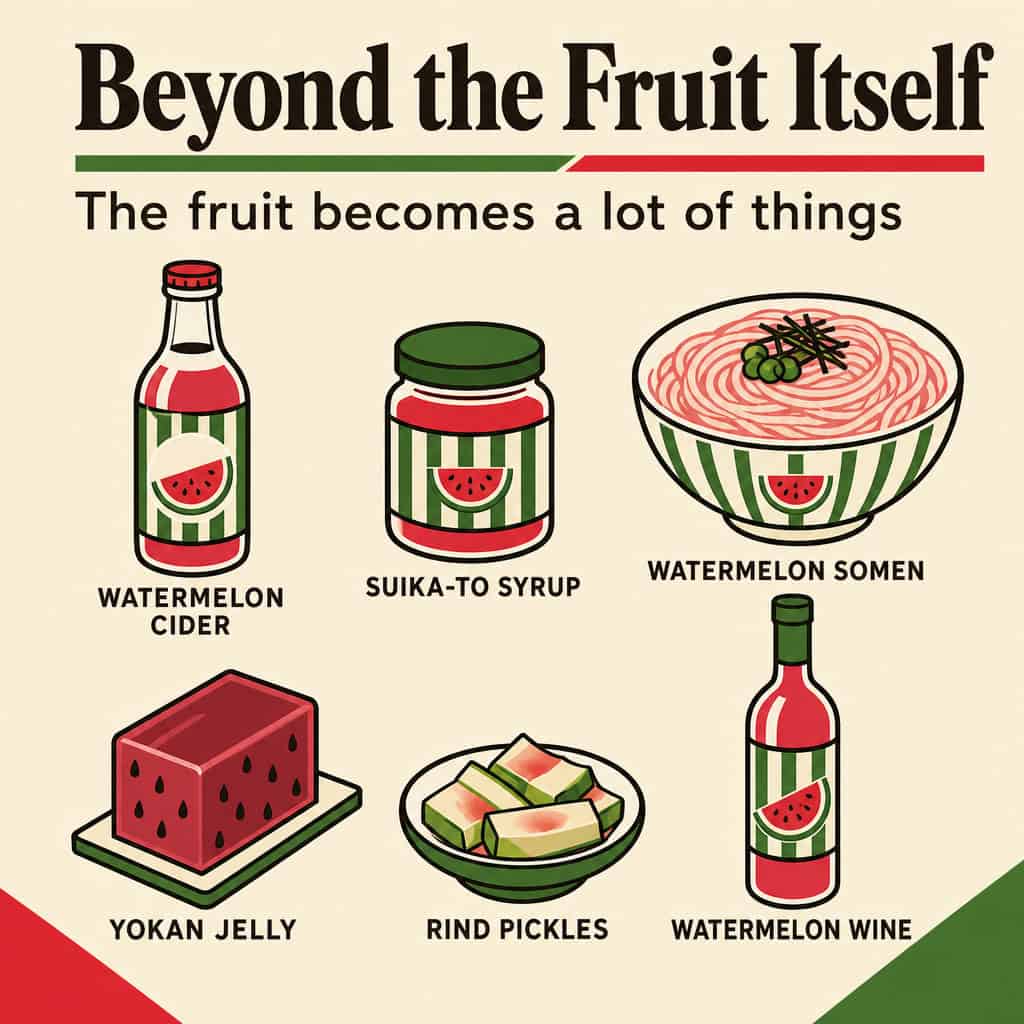
Obanazawa also turns its watermelon into a surprising number of things. The city’s own list includes items you would probably not guess.
- Watermelon cider
- Suika-to syrup
- Watermelon somen
- Yokan jelly
- Rind pickles
- Watermelon wine
One local dish certainly deserves a mention as well. Bego-maki wraps Obanazawa beef around watermelon rind, so nothing goes to waste. The city is also known for its soba and for the Hanagasa dance, which gives a summer visit more than one reason to stop.
Other Fruit to Try in Yamagata
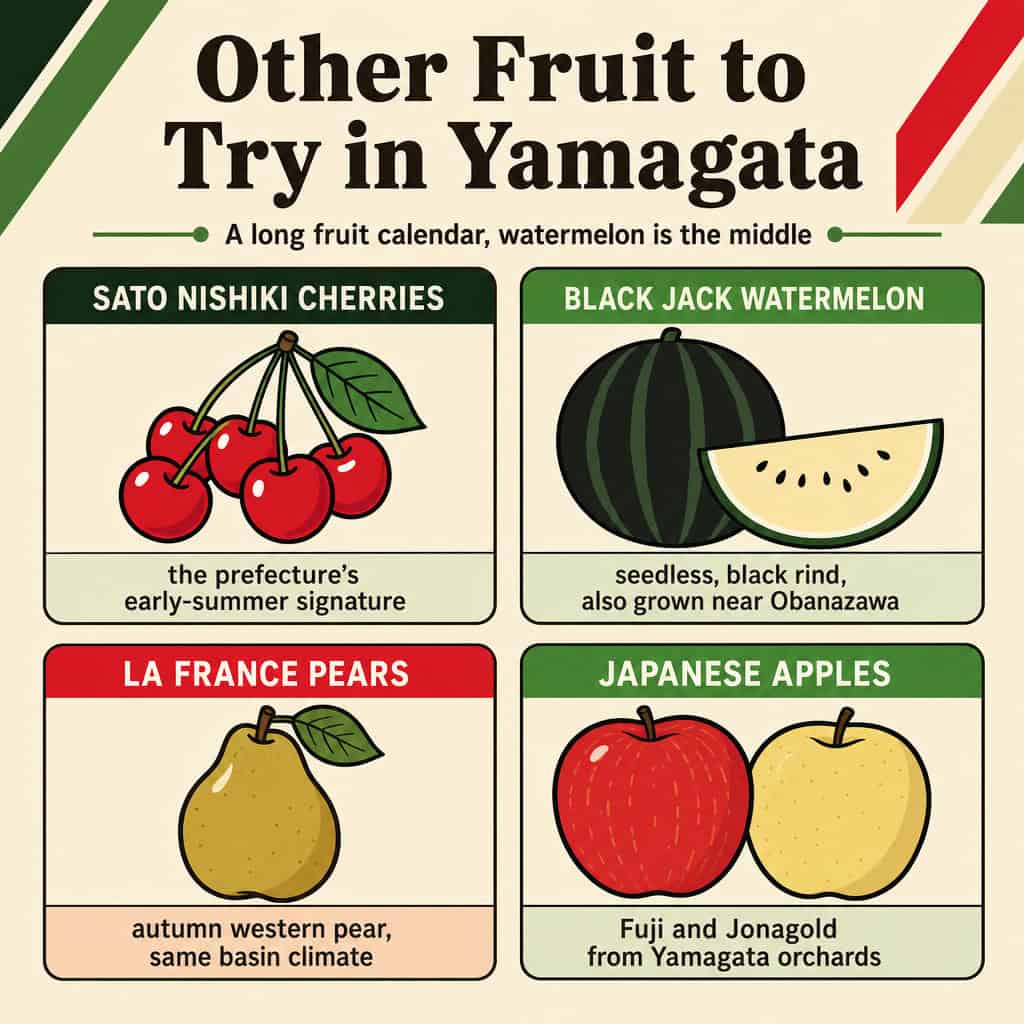
Yamagata runs a long fruit calendar, although watermelon occupies only the middle of it.
- Sato Nishiki cherries, the prefecture’s early-summer signature
- Black Jack watermelon, a seedless black-rind type also grown around Obanazawa
- La France pears, an autumn western pear shaped by the same basin climate
- Japanese apples, including Fuji and Jonagold from Yamagata orchards
The prefecture’s savory side is worth a look too. Try cucumber dashi in the same hot season, or imoni once autumn arrives. Our Tohoku food guide also covers the wider region.
Is Obanazawa Watermelon Worth Seeking Out?
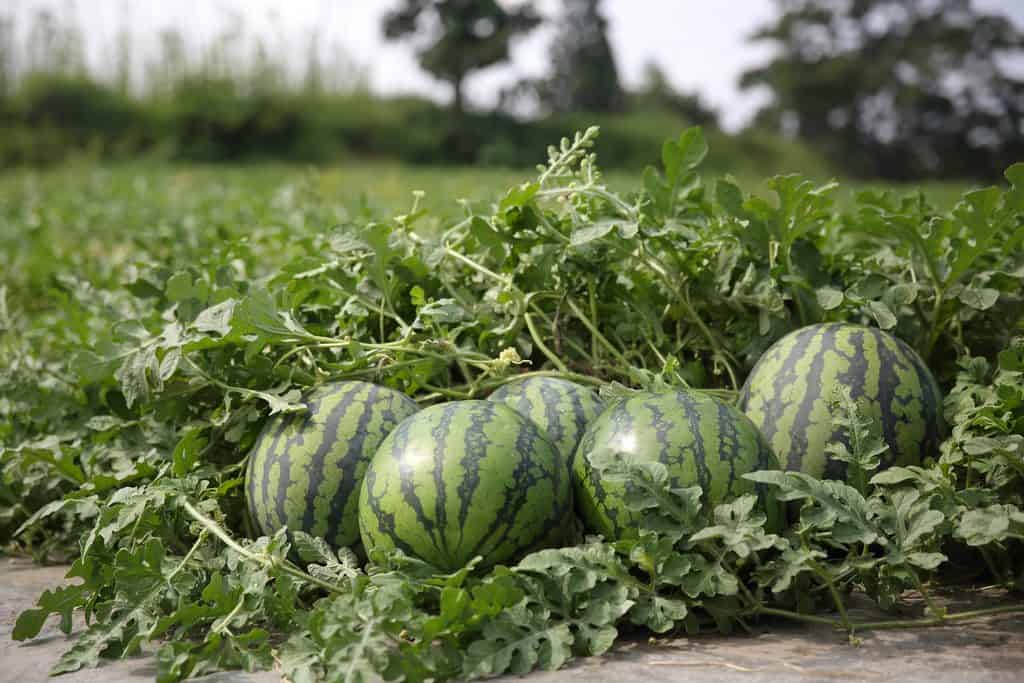
Watermelon rarely gets treated as a serious agricultural product, which is precisely why this one is interesting. A snow-bound basin, a wide daily temperature swing, and a grading line with sugar sensors together produce a fruit that tastes deliberate rather than accidental. Obanazawa watermelon is not an unfamiliar fruit, though it does not need to be.
If you travel through Tohoku in late July or August, buy a wedge at a direct-sales shop, then eat it the same day. Ask when it was picked, look for the producer label, and see whether that crisp bite lives up to the reputation.
Obanazawa Watermelon FAQ
Is Obanazawa watermelon a variety or a regional brand?
It is basically a regional brand tied to Obanazawa and its neighboring districts in Yamagata. Several cultivars can be sold under the name, so the label describes origin and grading rather than genetics. Matsuribayashi, for example, is one cultivar commonly grown there. Every fruit still has to clear the same shipping standards.
When is Obanazawa watermelon in season?
Yamagata Prefecture usually puts the shipping peak in July and August. Late July through mid-August is usually the safest window for visitors. Because the crop grows outdoors, weather shifts the timing each year. Check with sellers or the local tourism office before planning a trip around it.
How sweet is it?
Obanazawa City reports that local conditions generally yield fruit at twelve degrees Brix and above. The same city guide describes ten degrees as ordinary, whereas twelve to thirteen counts as clearly sweet. Individual melons still vary, however. Sensor grading before shipping is designed to keep that variation narrow.
Why is Japanese watermelon expensive?
Labor and selection certainly account for much of the cost. Field work runs across months rather than weeks. Cooperatives then grade each melon by sensor and by eye before it ships. Gift packaging and delivery, moreover, push the final figure higher again.
Can tourists buy it in Yamagata?
Yes, and direct-sales shops or morning markets in Obanazawa are usually the obvious places. Supermarkets and department stores across Japan also stock it during the season. Whole fruit is heavy, though, so consider a cut portion if you are traveling by train. Besides that, ask the shop about delivery within Japan.
Can it be shipped overseas?
Fresh fruit faces plant quarantine rules, although those differ by destination country. Many sellers therefore ship only within Japan. Confirm both the seller’s policy and your own country’s import regulations before ordering. Carrying fresh fruit in your luggage is also restricted in many places.
How should cut watermelon be stored?
Wrap the pieces or seal them in a clean container, then refrigerate them promptly. Use clean knives and boards, since cut flesh spoils faster than whole fruit. Finish it within a day or two, since texture fades fast. Whole melons, by contrast, keep better in a cool, dark place.
Image Credits
Photographs of Obanazawa in this article come from the image library that Obanazawa City publishes for public use. The city retains copyright and does not waive it, and it sets conditions covering how the files may be used. We follow those published terms. Anyone planning a trip may also enjoy browsing the library, since it covers Ginzan Onsen and Lake Tokura as well. See the city’s image library page and its notes on use for the full conditions.
References
- Obanazawa City, Obanazawa Summer Watermelon (Accessed August 2026)
- Obanazawa City, Local Direct-Sales Morning Markets (Accessed August 2026)
- Yamagata Prefecture, Watermelon, Sweetened by Temperature Difference (Accessed August 2026)
- Agriculture and Livestock Industries Corporation, Kitamurayama District, Yamagata Prefecture: Midsummer Watermelon from a Heavy Snow Region, Vegetable Information, August 2010 (Accessed August 2026)
- JA Town, Obanazawa Suika, Small Yamagata Marche (Accessed August 2026)
- Ministry of Education, Culture, Sports, Science and Technology, Standard Tables of Food Composition in Japan (Accessed August 2026)
Related Articles
- Maturibayashi Watermelon (Surveyed: August 2026)
- Black Jack Watermelon (Surveyed: August 2026)
- Sato Nishiki (佐藤錦) (Surveyed: August 2026)
- La France (ラフランス) (Surveyed: August 2026)
- Cucumber Dashi (だし) (Surveyed: August 2026)
- Imoni (芋煮) (Surveyed: August 2026)
- Japanese Apple (りんご) (Surveyed: August 2026)
- Japanese Fruit Guide (Surveyed: August 2026)
- Tohoku Food Guide (Surveyed: August 2026)




Comments