

Japanese Sweets– Wagashi, Mochi and Traditional Japanese Desserts –
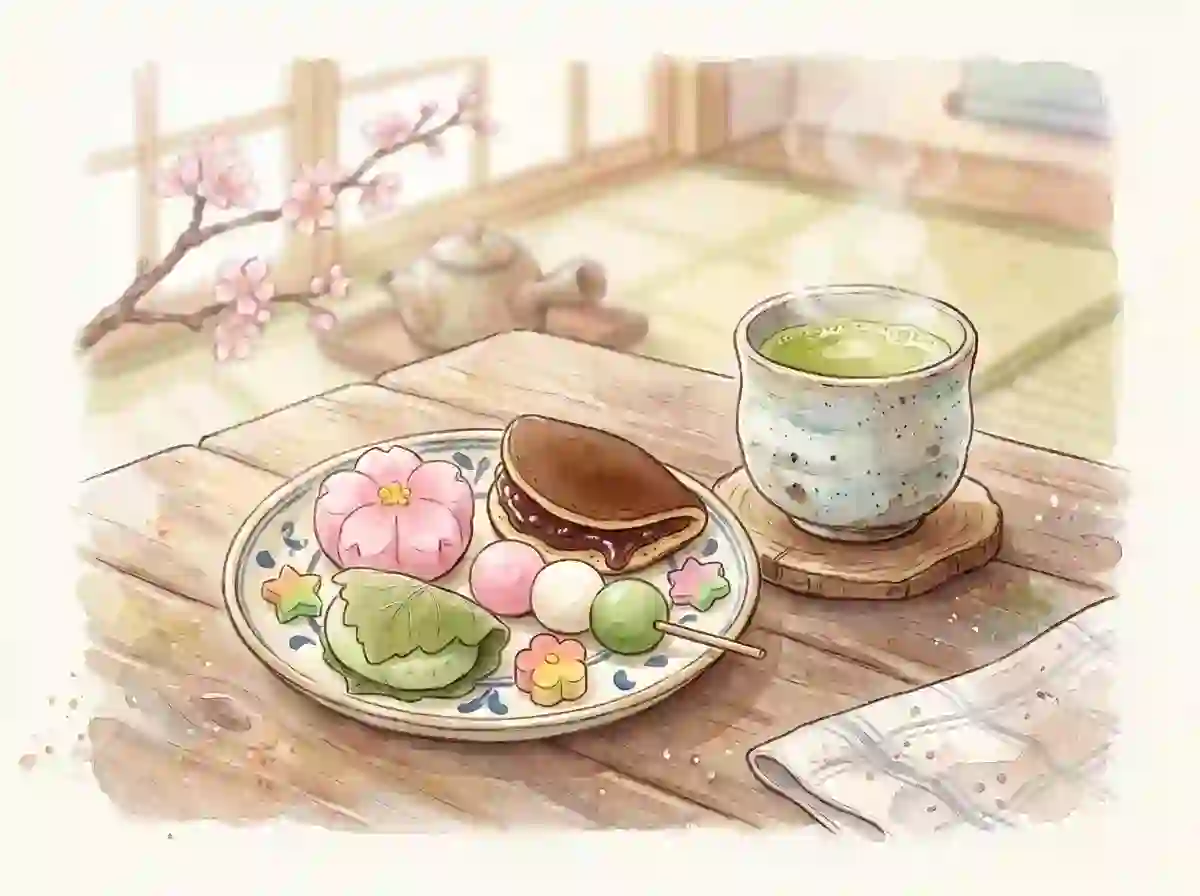
Japanese sweets, known as “wagashi,” are traditional desserts that reflect Japan’s seasonal beauty and culinary craftsmanship. These sweets are often made with simple ingredients such as rice flour, mochi, red bean paste, and sugar.
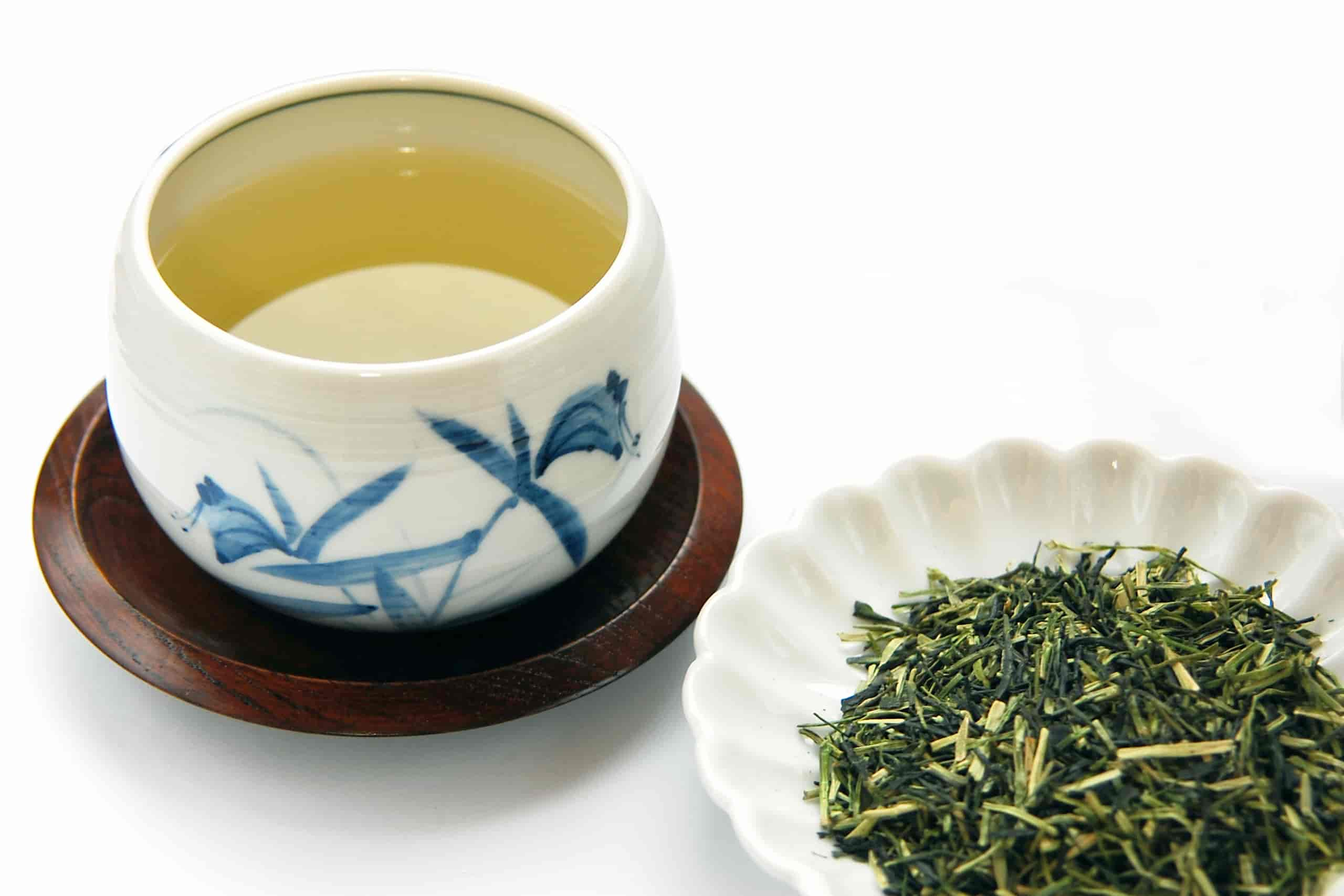
Many wagashi are carefully designed to represent the four seasons. For example, sakura mochi is associated with spring, while seasonal sweets with maple or chestnut flavors appear in autumn. These desserts are often enjoyed with green tea and are an important part of Japanese tea culture.
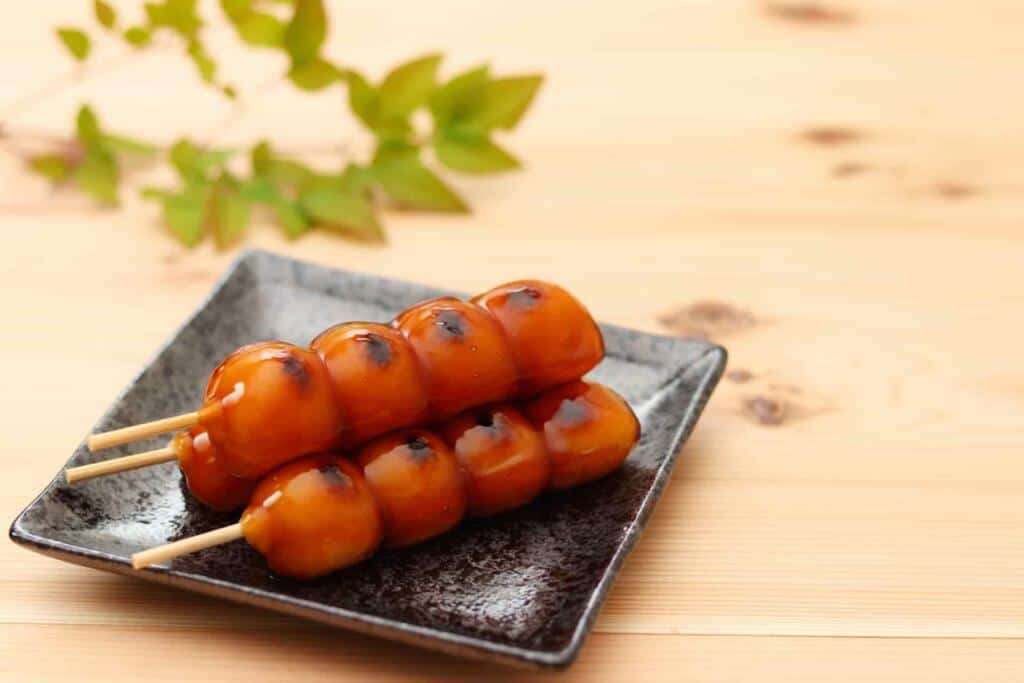
Some of the most popular Japanese sweets include mochi rice cakes, dango dumplings, dorayaki pancake sandwiches filled with red bean paste, and yokan jelly desserts made from sweet bean paste and agar.
In this category, explore Japanese sweets, traditional wagashi, and popular desserts that showcase the delicate flavors and artistic presentation of Japanese confectionery.
-
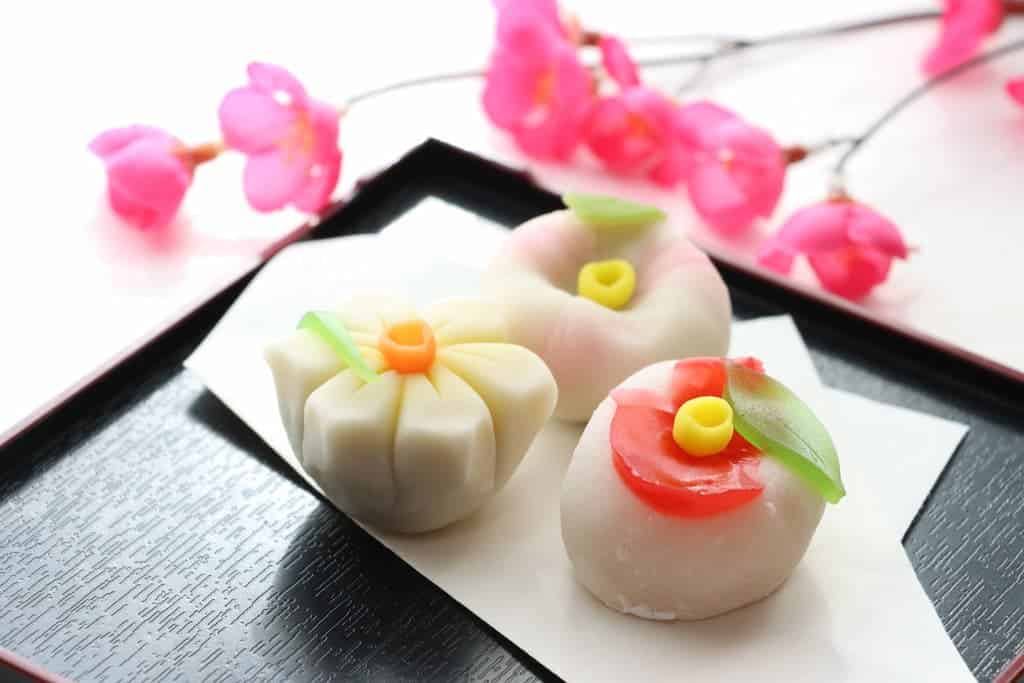

Nerikiri (練り切り)
Nerikiri (練り切り) is a traditional Japanese wagashi (confection) made from white bean paste (shiro-an) mixed with rice flour, molded into intricate seasonal shapes such as flowers, leaves, and animals. It is one of Japan's most visuall... -

Ohagi (おはぎ)
Introduction to Ohagi Ohagi is one of the traditional Japanese sweets that locals eat during autumn. Japanese make this by steaming or cooking glutinous rice and pounding it lightly to the extent that half of the grains remain, then they... -


Sakura Mochi (桜餅)
What's better than putting sakura and mochi together? Sakura Mochi is a Japanese dessert that's usually available during the spring season. Read further to know more about this delicious and eye-catching confection. What is Sakura Mochi?... -
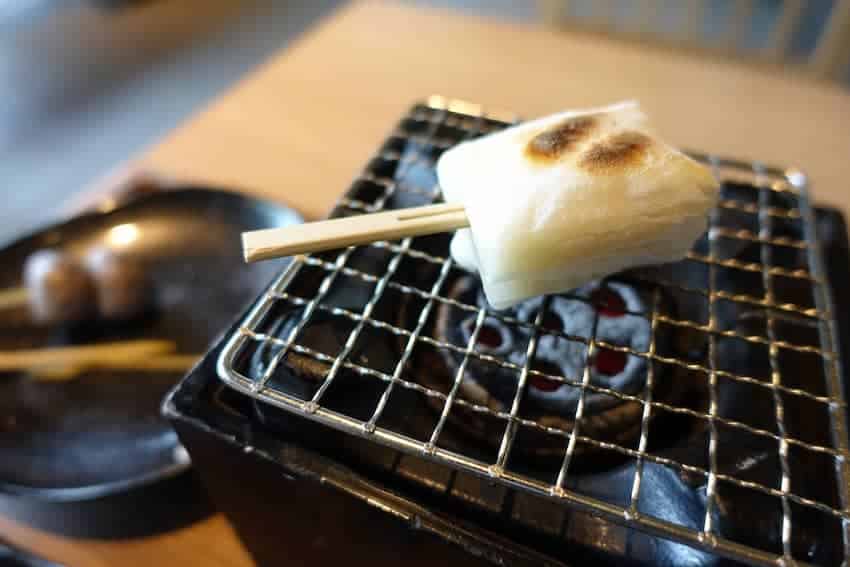

Mochi (餅)
Introduction to Mochi When it comes to traditional Japanese desserts, Mochi is always the answer. This traditional dessert is famous for rice cake, enjoy by locals in Japan for centuries. Mochi or Japanese rice cake is made by steaming g... -
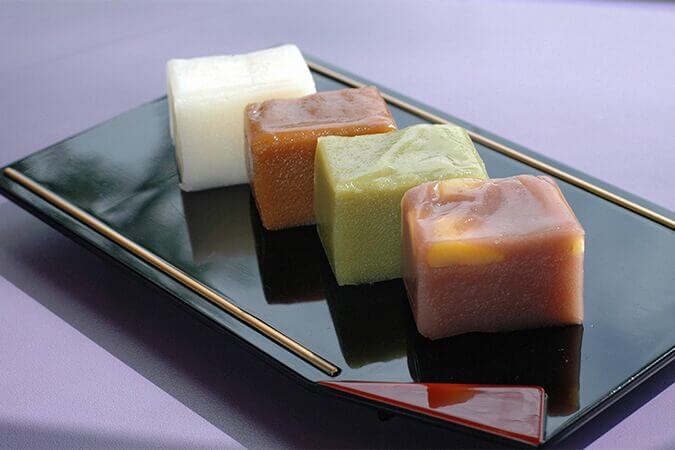

Uirō (ういろう)
Fukuoka uiro is softer, lighter, and more delicate than the better-known Nagoya version. This regional wagashi from northern Kyushu is a steamed sweet made from rice flour and sugar, with a smooth, gently elastic texture that sits somewh... -
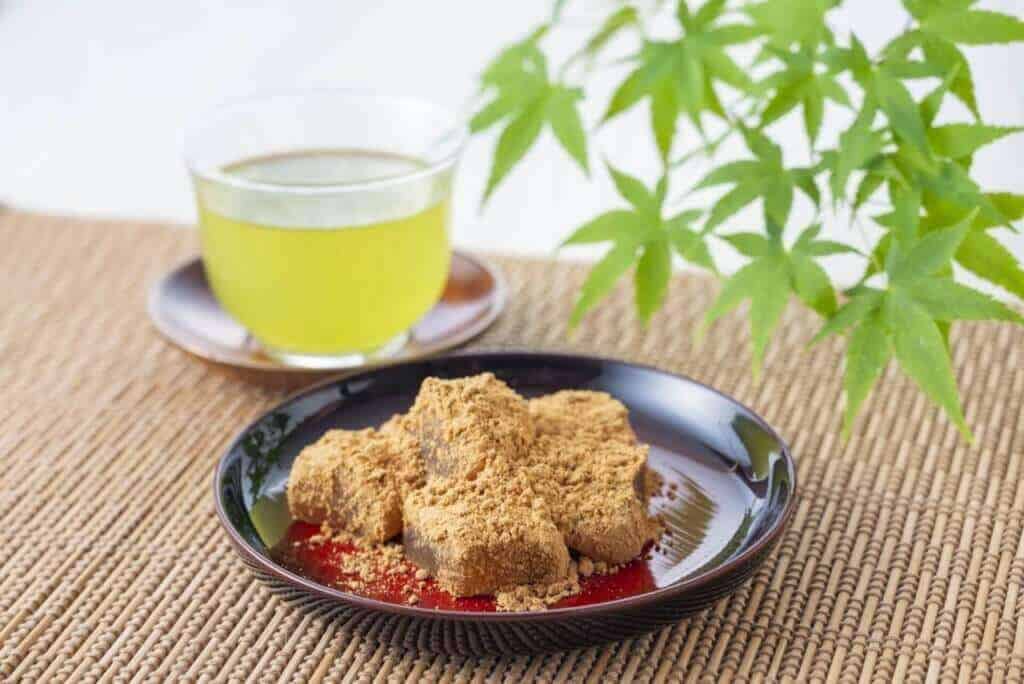

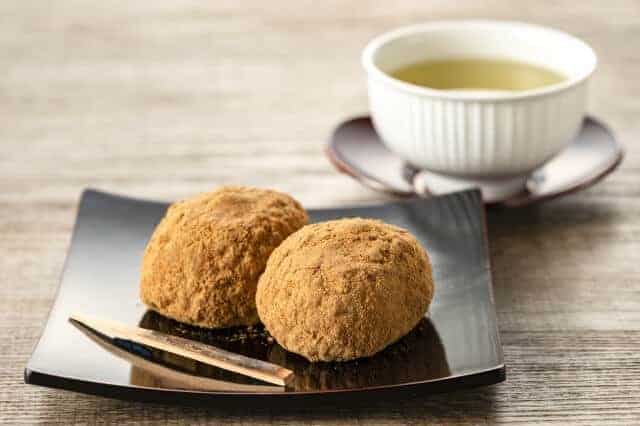
Warabi Mochi (わらび餅)
わらび餅 Warabi mochi is a traditional Japanese sweet made from bracken starch, water, and sugar. It sets into a soft, jelly-like block, then gets dusted with きな粉と黒みつ kinako and kuromitsu syrup before serving. The texture dissolve... -
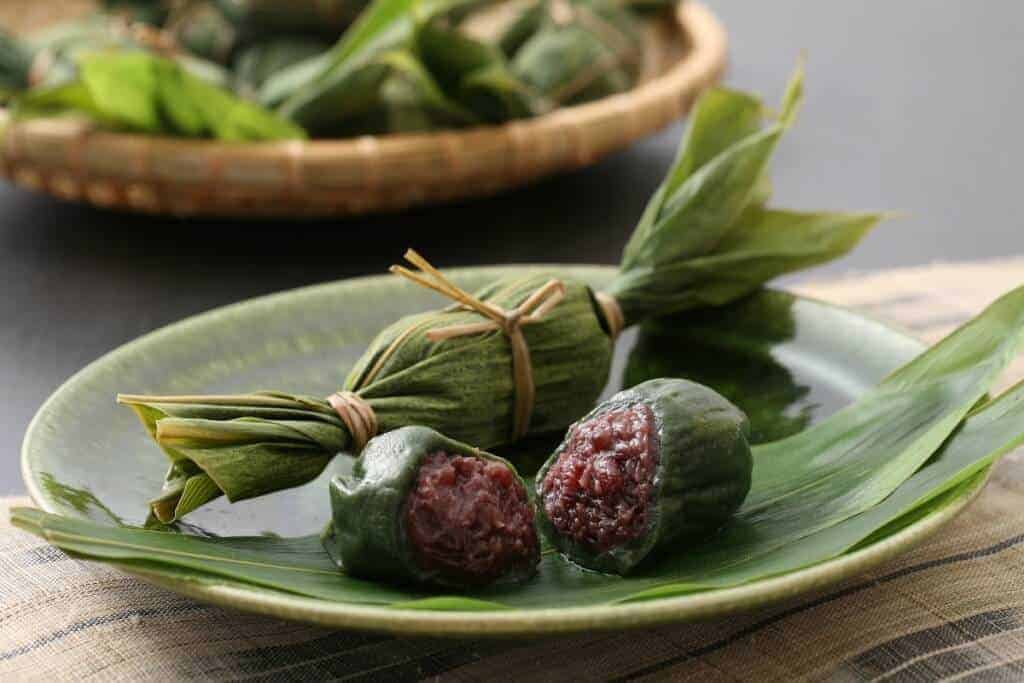
Sasa Dango (笹団子)
INTRODUCTION TO SASA DANGO We have other Japanese sweets on the list, Sasa Dango! What is Sasa Dango? It is a type of Wagashi or Japanese confectionery and a specialty of Niigata prefecture. Sasa dango is a dark green with a flavor of mu... -
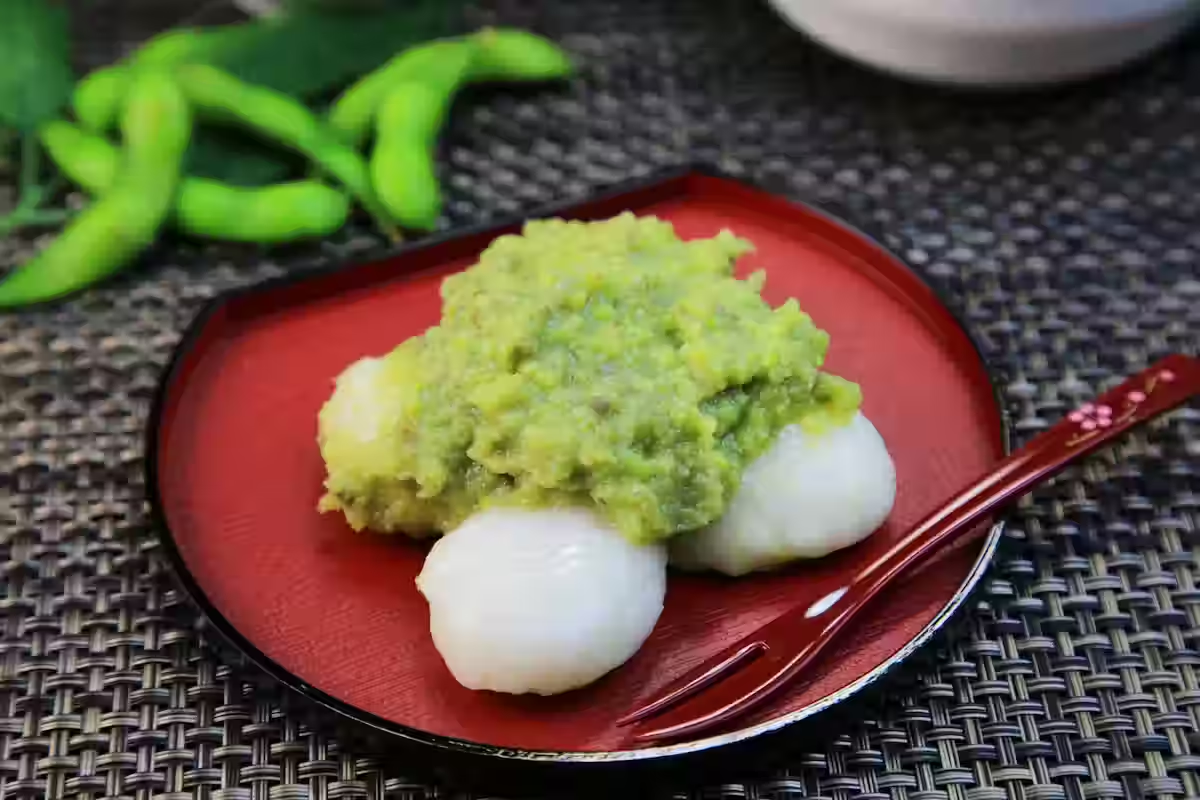
Zunda Mochi (ずんだ 餅)
Introduction to Zunda Mochi Zunda mochi is a Sendai specialty from Miyagi. It pairs soft Japanese rice cake with sweetened edamame paste. The taste is gently sweet, fresh, and a little nutty. If you are building a Miyagi food guide, this... -
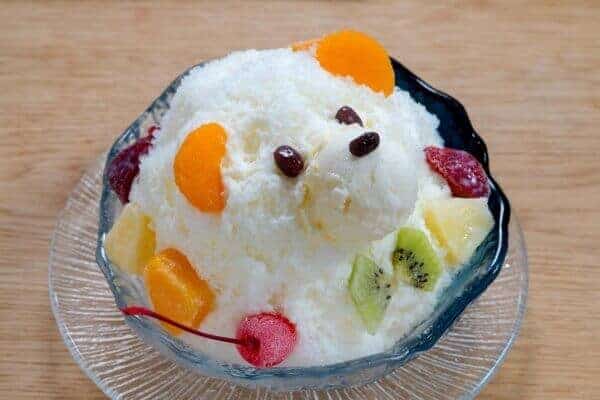

Shirokuma (しろくま)
しろくま Shirokuma is Kagoshima's most beloved shaved ice dessert. It is a towering bowl of fluffy kakigori, soaked in sweet condensed milk syrup and topped with colorful fresh fruit, dried fruit, and beans. If you have ever wondered wha... -
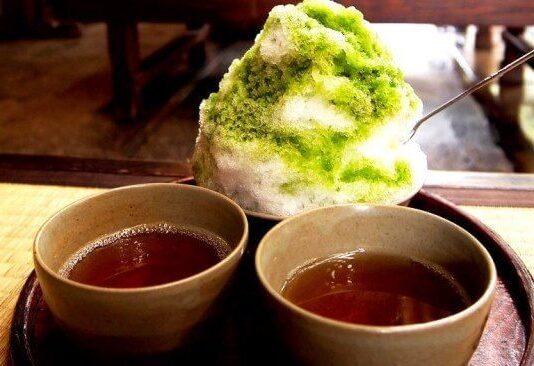

Akafuku Gori (赤福氷)
Finally, the kakigoori is coming to the terrace of the summer food festival! This time, we will feature the specialty of "Ise no Kuni" (central Mie PrefectureI), the summer tradition "Akafuku Gori" at the knee of Ise Jingu Shrine. Let's ...