




If you’ve spent any time exploring Japanese fruit culture, you know how seriously people take their melons. Walk into any department store basement and you’ll find them: perfectly shaped, gift-wrapped, and priced like jewelry. Among them, the Ibaraking melon has been quietly earning a devoted following. But what exactly is it, and why does it matter?
What Is Ibaraking Melon?
The Ibaraking melon (イバラキング) is a premium Japanese melon developed exclusively in Ibaraki Prefecture. The name blends “Ibaraki” and “King.” That naming wasn’t accidental. It was created with the ambition of becoming the definitive melon from the region.
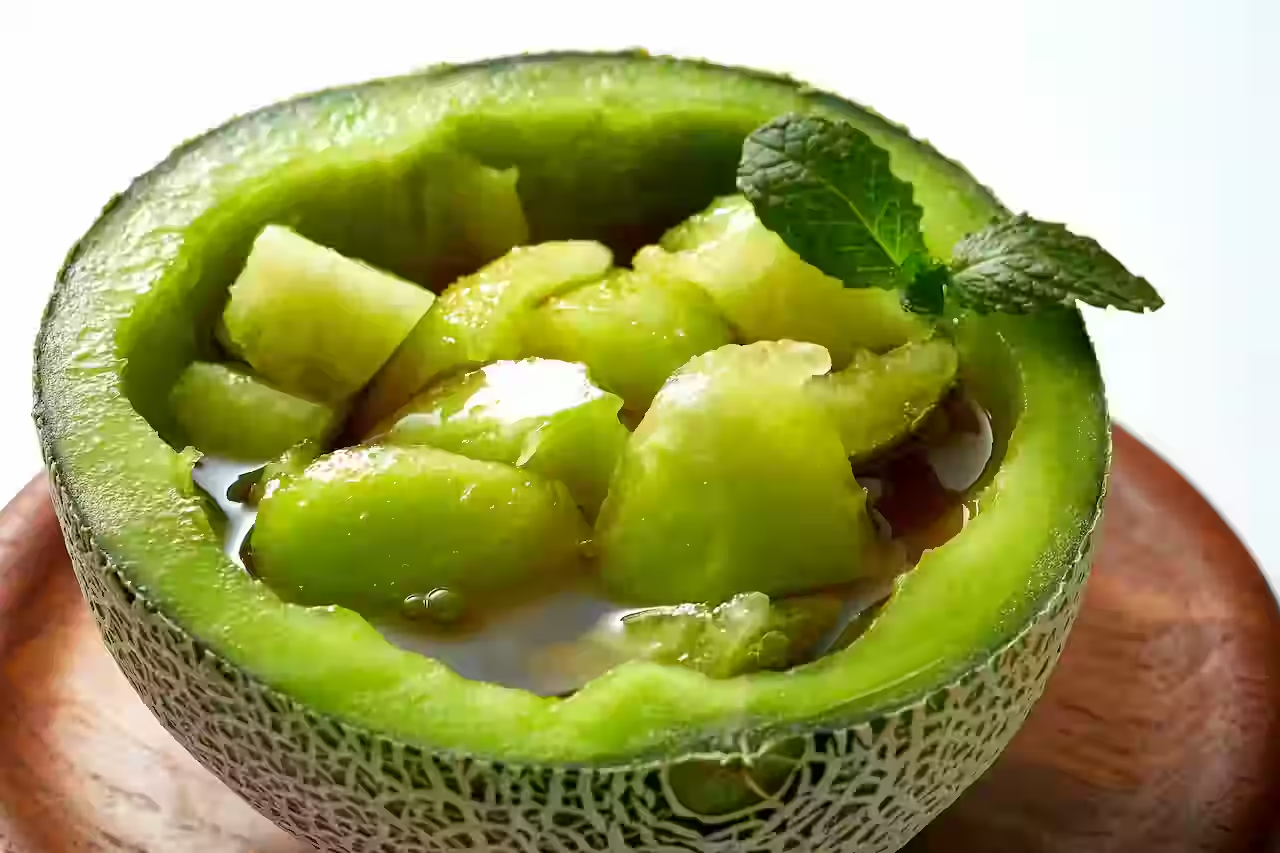
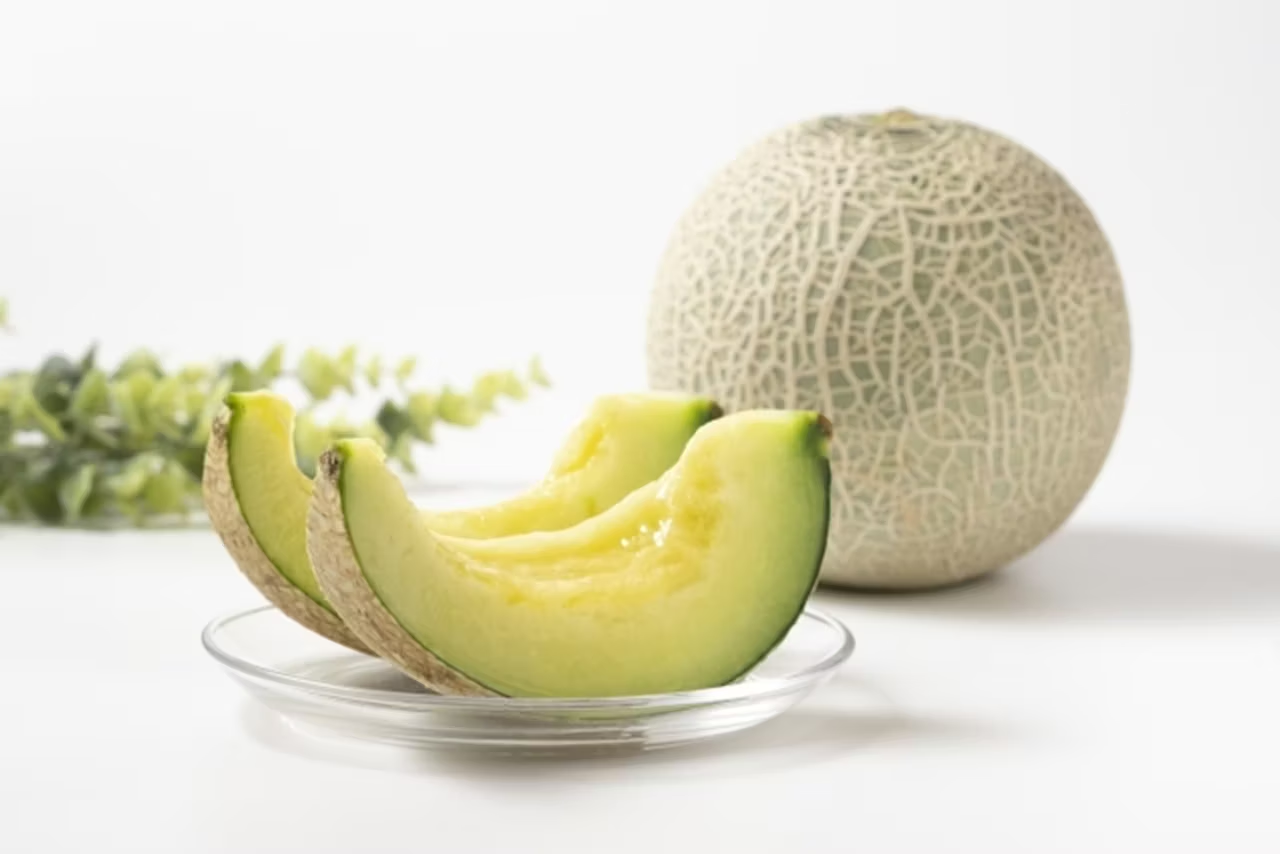
This is a green-fleshed melon, which sets it apart visually from orange-flesh varieties like the famous Yuubari. The pale green flesh is thick, smooth, and consistently sweet. It belongs to the muskmelon family and is classified as an F1 hybrid, meaning it comes from a tightly controlled cross of two parent lines.
For more on Japanese food from Ibaraki, the prefecture produces far more than melons alone.
Why Is Ibaraking Melon So Special?
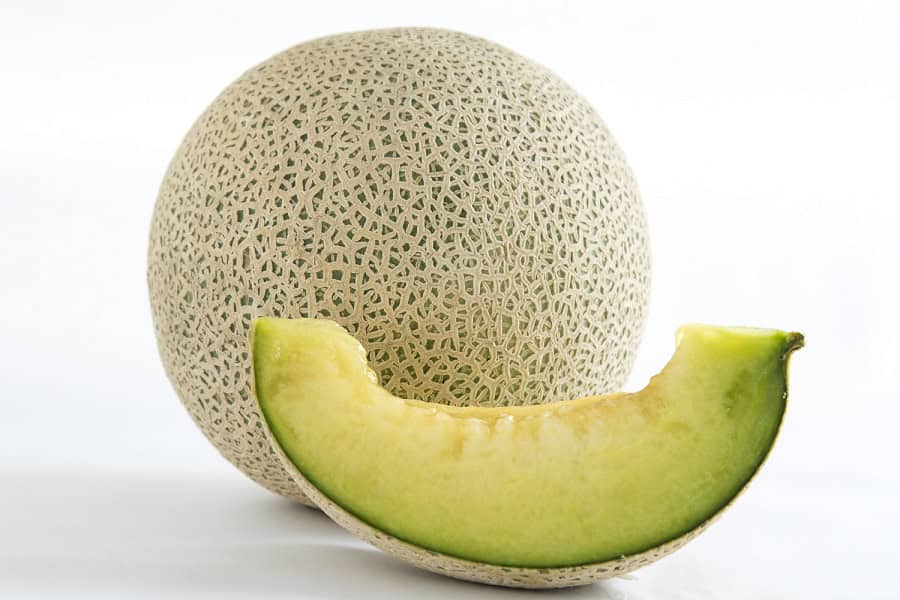
茨城県オリジナル品種 — this phrase appears on official packaging and means “Ibaraki Prefecture original variety.” That label carries real meaning.
The variety didn’t come together quickly. Researchers at the Ibaraki Agricultural Center tested over 400 crossbreeding combinations across more than a decade. From that process, the female parent line was selected out of roughly 40,000 candidates. The male parent traces back to Earl’s melon, one of Japan’s most beloved high-quality varieties.
What emerged was a high-quality melon with several notable advantages. First, it grows well under cooler conditions. Most muskmelons struggle in early spring temperatures. Ibaraking doesn’t. Second, it carries resistance to Fusarium wilt, the most destructive disease in melon farming. Third, it has a long shelf life while maintaining high sugar content.
These aren’t small achievements. They reflect years of careful, patient agricultural science.
What Does Ibaraking Melon Taste Like?
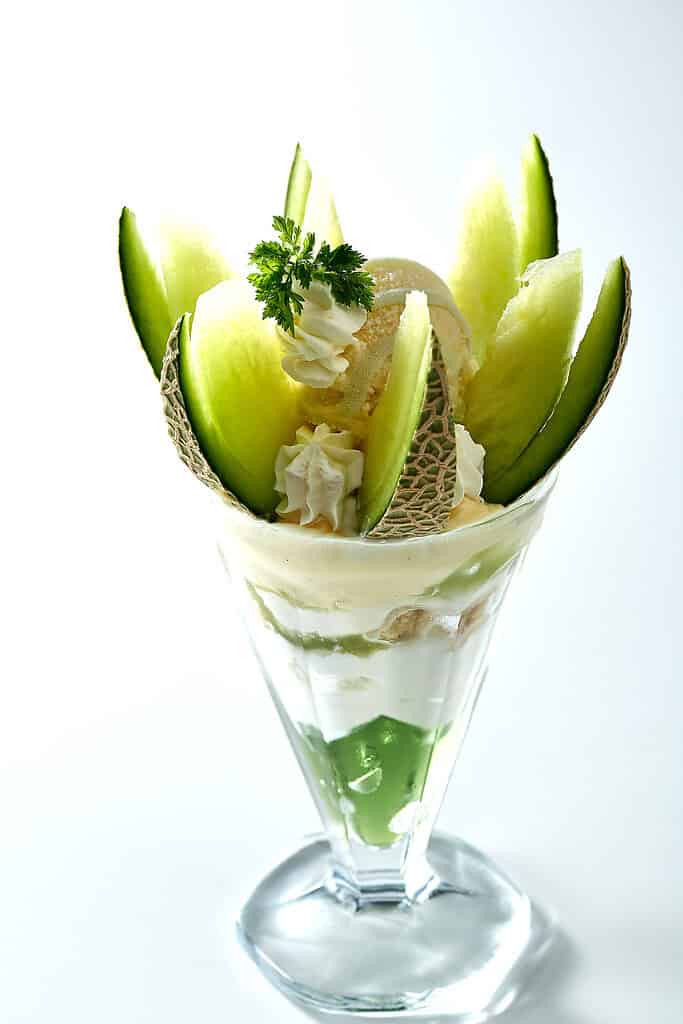
This is the question most people actually want answered. And honestly, words only go so far.
The flavor is refined. There’s a warm, floral muskmelon aroma that greets you before you even take a bite. The sweetness is prominent but not aggressive. It finishes clean. No cloying aftertaste. No wateriness.
The flesh is the real standout. It’s thick, dense, and sweet and juicy in a way that feels almost indulgent. The sugar levels, measured as total soluble solids (TSS), are consistently high, comparable to the well-regarded Andes melon variety.
If you’ve tried the Yuubari melon from Hokkaido, you’ll notice the contrast. Yuubari has vibrant orange flesh and a honey-like intensity. Ibaraking is greener and more understated, but equally impressive in its own way. Choosing between them almost feels unfair.
When Is Ibaraking Melon in Season?
The peak season runs from May to June. That’s a narrow window. Miss it and you’ll be waiting another year.
Ibaraki grows multiple melon varieties across a long stretch of the calendar. But Ibaraking is anchored in spring. It’s one of the earliest seasonal Japanese fruit highlights of the year. That limited availability is part of its appeal, and part of what drives demand during those weeks.
The History and Origin of Ibaraking
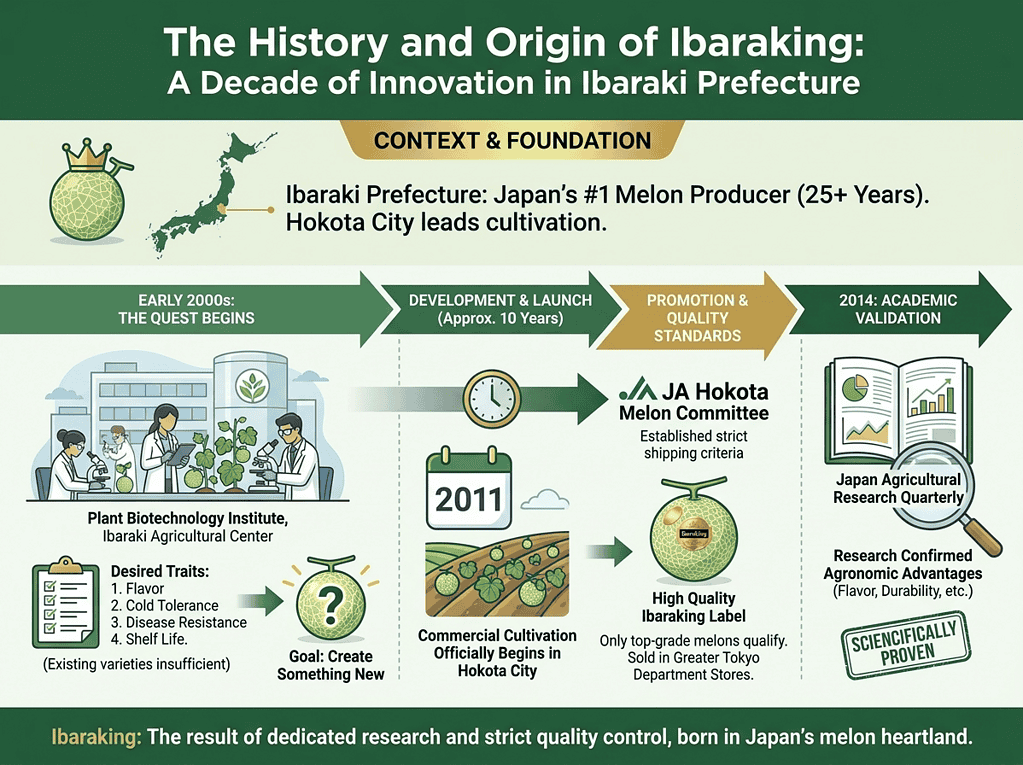
Ibaraki Prefecture has held the title of Japan’s number one melon producer for over 25 consecutive years. Hokota City, on the Pacific coast, leads the country in melon cultivation. It was here that the Ibaraking story began.
Research started in the early 2000s at the Plant Biotechnology Institute of the Ibaraki Agricultural Center. Scientists were looking for a variety that combined flavor, cold tolerance, disease resistance, and shelf life. None of the existing options ticked every box. So they set out to create something new.
It took roughly ten years. Commercial cultivation in Hokota City began officially in 2011. From there, JA Hokota Melon Committee took over promotion and established strict quality standards for shipping. Only melons that pass their criteria receive the “High Quality Ibaraking” label. These top-grade melons appear in department store food halls across the greater Tokyo area.
The variety has also been documented academically. Research on Ibaraking was published in the Japan Agricultural Research Quarterly in 2014, confirming the agronomic advantages that farmers were already seeing in practice.
Where to Buy Ibaraking Melon in Japan
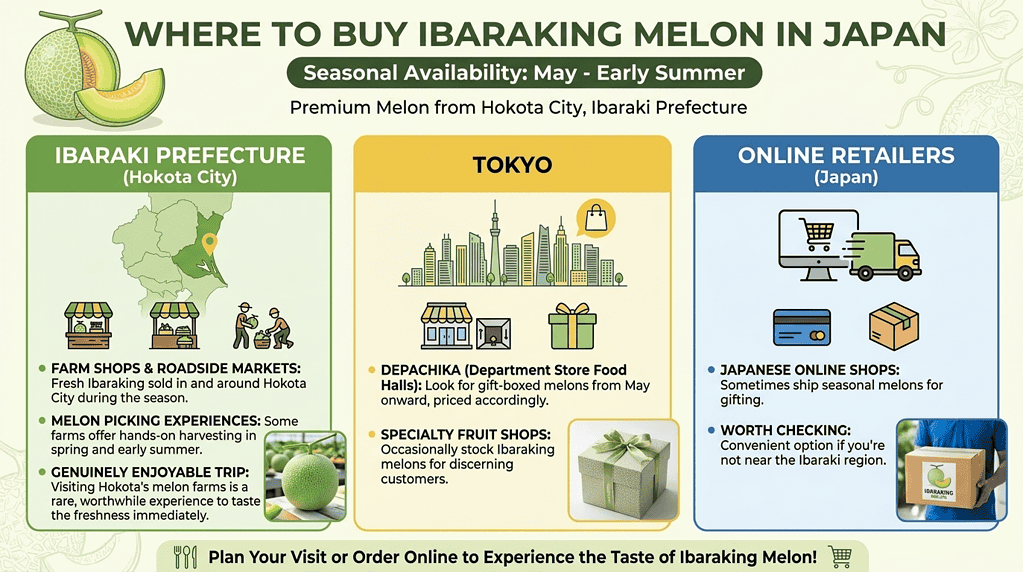
The most obvious place to find this melon from Ibaraki is Ibaraki itself. Farm shops and roadside markets in and around Hokota City sell fresh Ibaraking during the season. Some farms also offer melon picking experiences in spring and early summer.
In Tokyo, look for it at depachika (department store basement food halls) from May onward. It often comes gift-boxed and priced accordingly. Specialty fruit shops occasionally stock it as well. Online retailers in Japan sometimes ship seasonal melons for gifting, which is worth checking if you’re not near the region.
If you’re visiting Ibaraki during the season, a trip to Hokota’s melon farms is genuinely enjoyable. It’s one of those rare experiences where you taste something and understand immediately why the effort was worth it.
Ibaraking Today
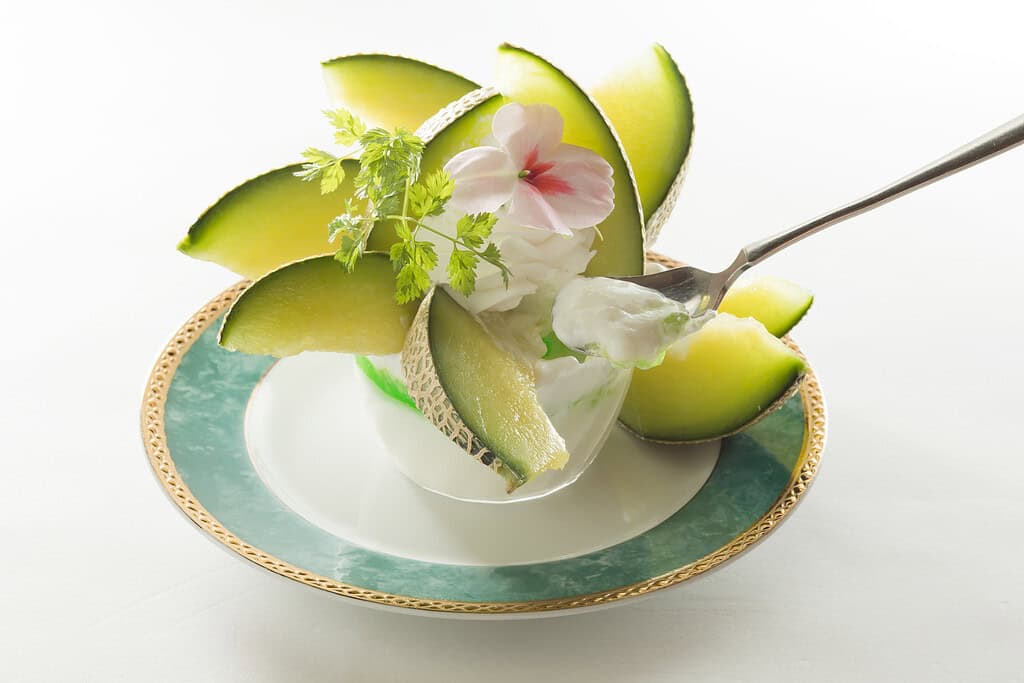
The best Japanese melon from Ibaraki isn’t a phrase farmers use lightly. But Ibaraking has earned that claim through consistency, not hype.
New varieties emerge every few years across Japan. Competition among regional brands is real. But 茨城のメロン (Ibaraki melon) culture has deep roots, and Ibaraking sits comfortably at its center. The melon’s reputation has grown steadily since 2011, driven by quality rather than marketing.
Japan’s fruit culture can feel overwhelming at first. So many varieties. So many price points. So many regional rivalries. But following the seasons is a reliable entry point. When May arrives, Ibaraking is worth looking for.
If you enjoy the intersection of Japanese tradition and remarkable produce, Japanese fruit culture is full of stories like this one. And if you’re curious about other melon-inspired Japanese foods, the melon pan offers a different but equally interesting window into Japan’s long love affair with this fruit.
References
- Ibaraki Specialty Products Portal — ibaraki-shokusai.net/english/page/melon
- IBARAKI GUIDE, “Six Must-Try Fruits from Ibaraki” — visit.ibarakiguide.jp
- Japan Agricultural Research Quarterly, “Development of a New Melon Cultivar ‘Ibaraking'” (Vol. 48, No. 3, 2014)
Ibaraking Melon FAQ
What is Ibaraking Melon?
It is a premium green-fleshed fruit from Ibaraki Prefecture. Farmers cultivate it with meticulous care to achieve a remarkably large size. Food lovers praise it for its elegant sweetness and smooth, juicy texture.
Where does Ibaraking Melon come from?
This exclusive fruit originates from Ibaraki Prefecture, Japan’s top melon-producing region. Agricultural experts developed this specific variety over ten years and officially registered it in 2010.
What does Ibaraking Melon taste like?
It has a rich, refreshing, and incredibly sweet flavor. The texture feels perfectly smooth and melts in your mouth. Diners often compare it to drinking a glass of pure, high-quality fruit juice.
Where can I eat Ibaraking Melon in Japan?
You will find the freshest ones right in Ibaraki Prefecture during the late spring season. Famous agricultural areas include Hokota City. Luxury fruit parlors in Tokyo also serve this premium dessert in seasonal parfaits.
How much does Ibaraking Melon cost?
A whole premium fruit typically costs between 3,000 and 5,000 yen. Prices vary depending on the size, aesthetic perfection, and the specific farm.
Is Ibaraking Melon vegetarian or vegan friendly?
This natural crop contains absolutely no animal products. Vegans and vegetarians can safely enjoy this 100% plant-based luxury fruit entirely on its own.
What are the main ingredients in Ibaraking Melon desserts?
The main ingredients in seasonal desserts include thick slices of the fresh fruit, whipped cream, and sponge cake. The extremely sweet juice gives cakes and parfaits their distinctive refreshing aroma.
Can I eat Ibaraking Melon at home?
Yes, you can easily enjoy it at home. High-end Japanese grocery stores and online farms sell the whole fruit during the May and June harvest season. Home cooks slice it effortlessly and serve it chilled as an elegant dessert.
What is the difference between Ibaraking Melon and regular muskmelon?
The main difference involves the fruit size and the sweetness level. The Ibaraki specialty grows roughly ten percent larger than standard varieties and delivers a noticeably higher sugar content with less fibrous texture.
Is Ibaraking Melon popular outside Japan?
It remains a hidden gem outside Japan. You will rarely find this specific brand at grocery stores in North America or Europe. This exclusive spring harvest successfully maintains its prestigious status completely within the Japanese domestic market.




Comments