
Japanese sake– tag –
-
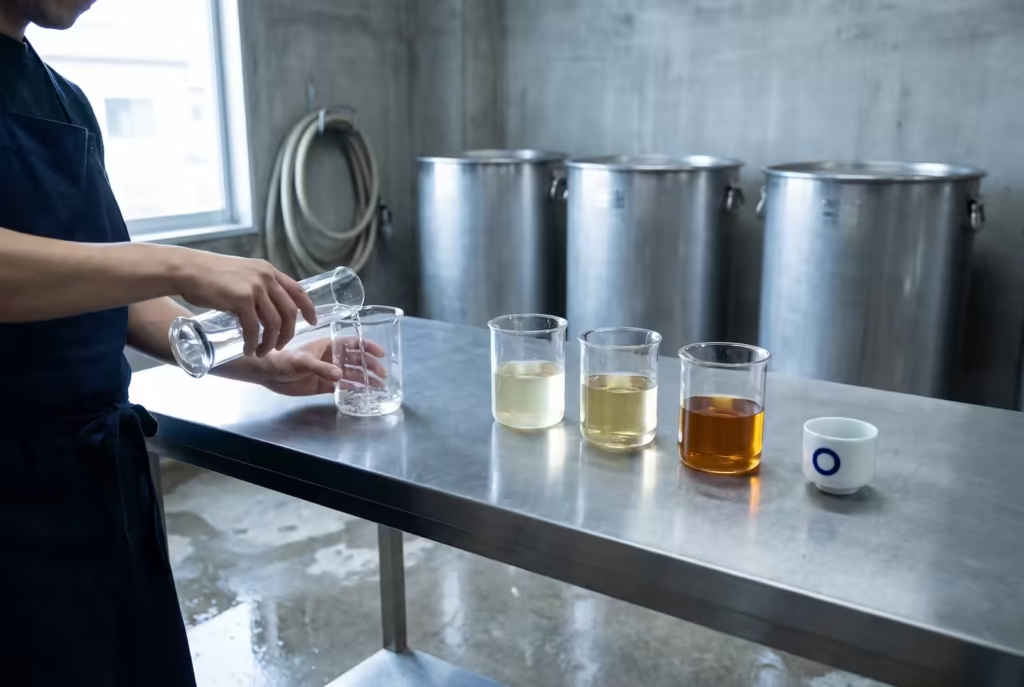

Chogo (調合): Blending and Adjusting Sake for Consistent Quality
Two tanks of sake sit side by side in a storage building. Same rice, same yeast, same recipe, same brewing season. Yet one tastes rounder, while the other carries sharper acidity. So what happens next? Somebody tastes both, then decides ... -
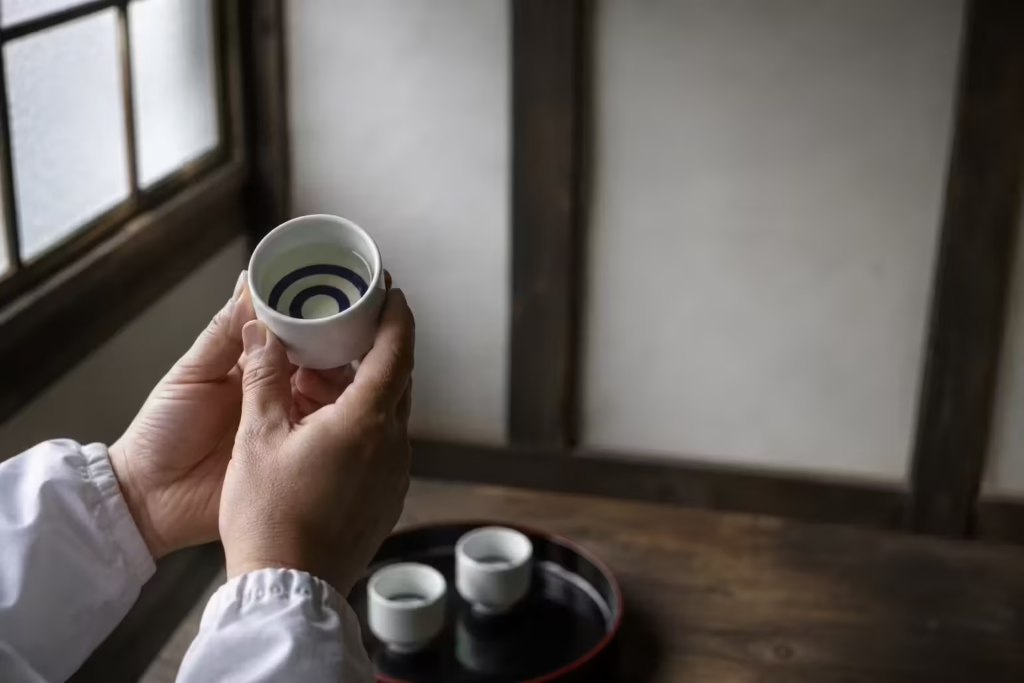

Hi-ochi (火落ち): Bacterial Spoilage in Sake
Hi-ochi (火落ち) is the bacterial spoilage of sake. It strikes after brewing finishes, and a small group of ethanol-tolerant lactic acid bacteria causes it. Sake is a hostile place for microbes, so the fact that anything spoils it at all... -
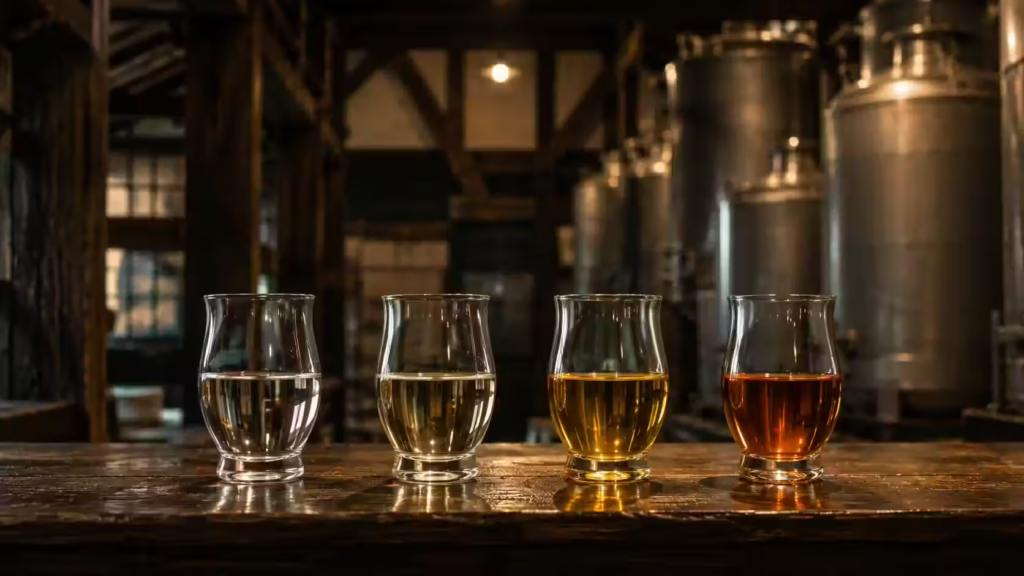

Jukusei (熟成): How Aging Transforms Sake
Jukusei (熟成) is the maturation of sake after brewing has finished. During this stage, time, temperature, and storage conditions gradually reshape its aroma, flavor, color, and texture. Most sake goes through some maturation before rele... -
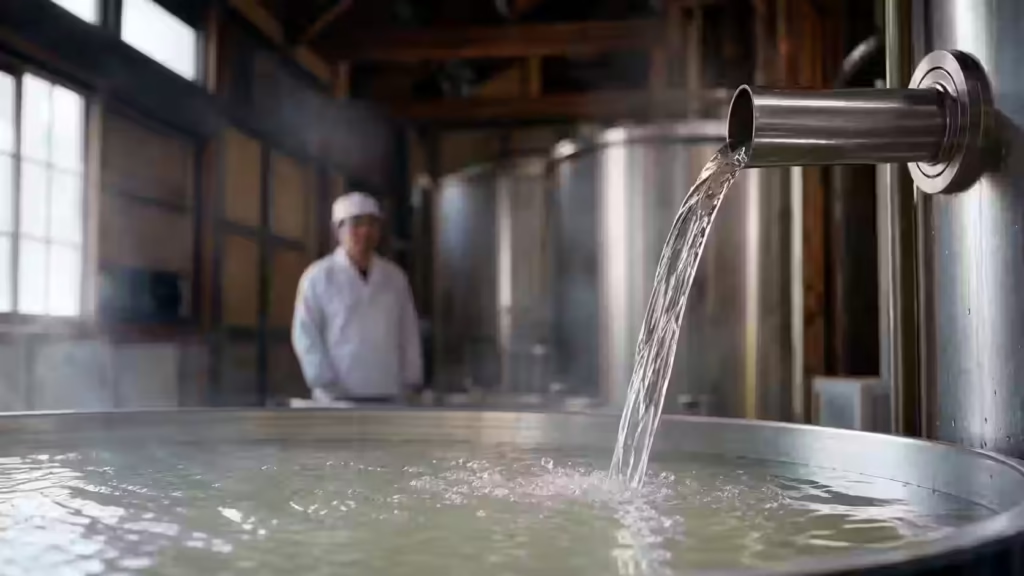
Warimizu (割水): Why Water Is Added Before Bottling Sake
Ask someone how sake reaches its final strength, and most people picture the fermentation tank. Yet one of the last and most quietly important steps happens after brewing is basically done. It is called Warimizu, and it is the practice o... -
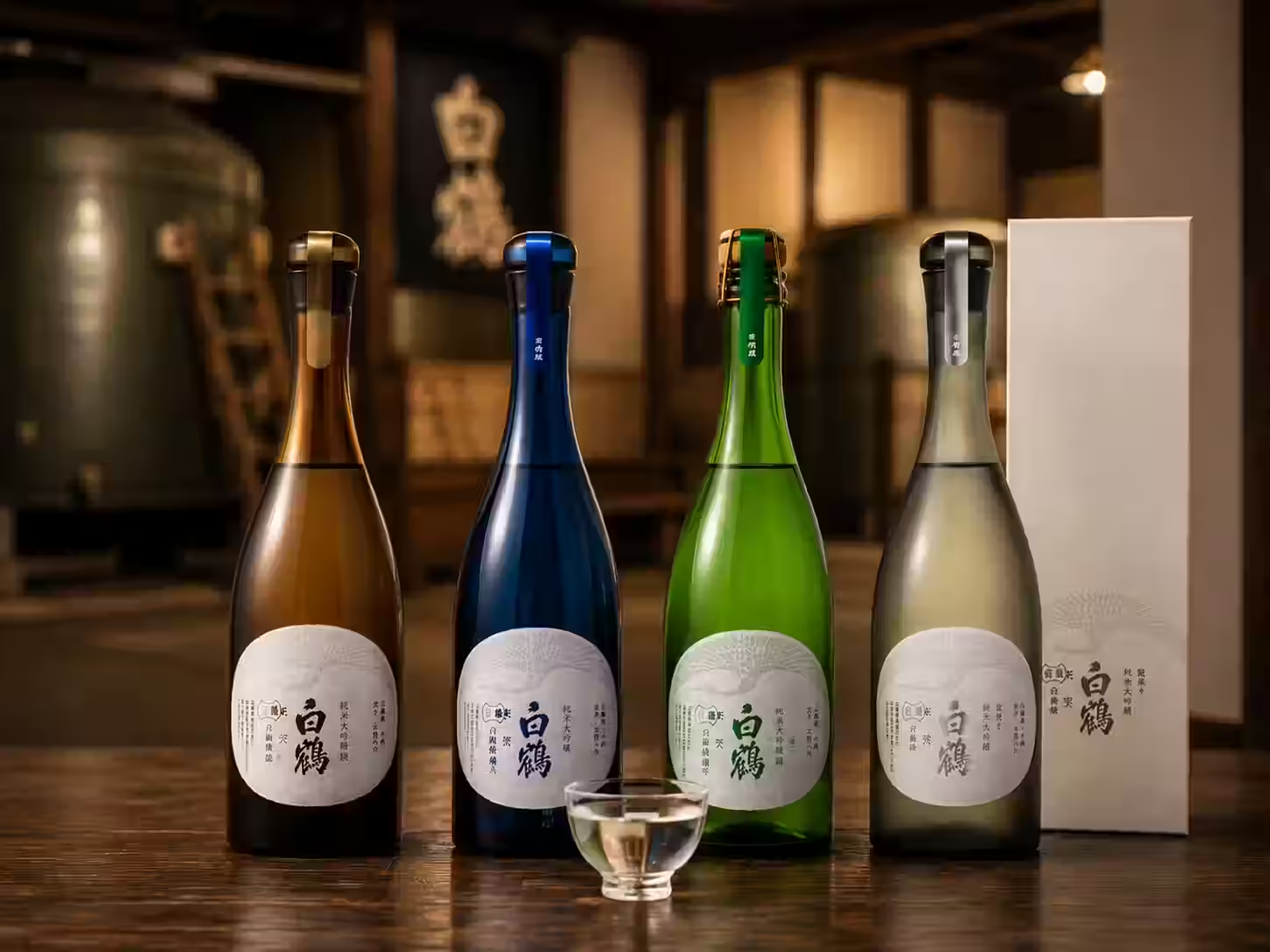

Hyogo Sake (兵庫の酒)
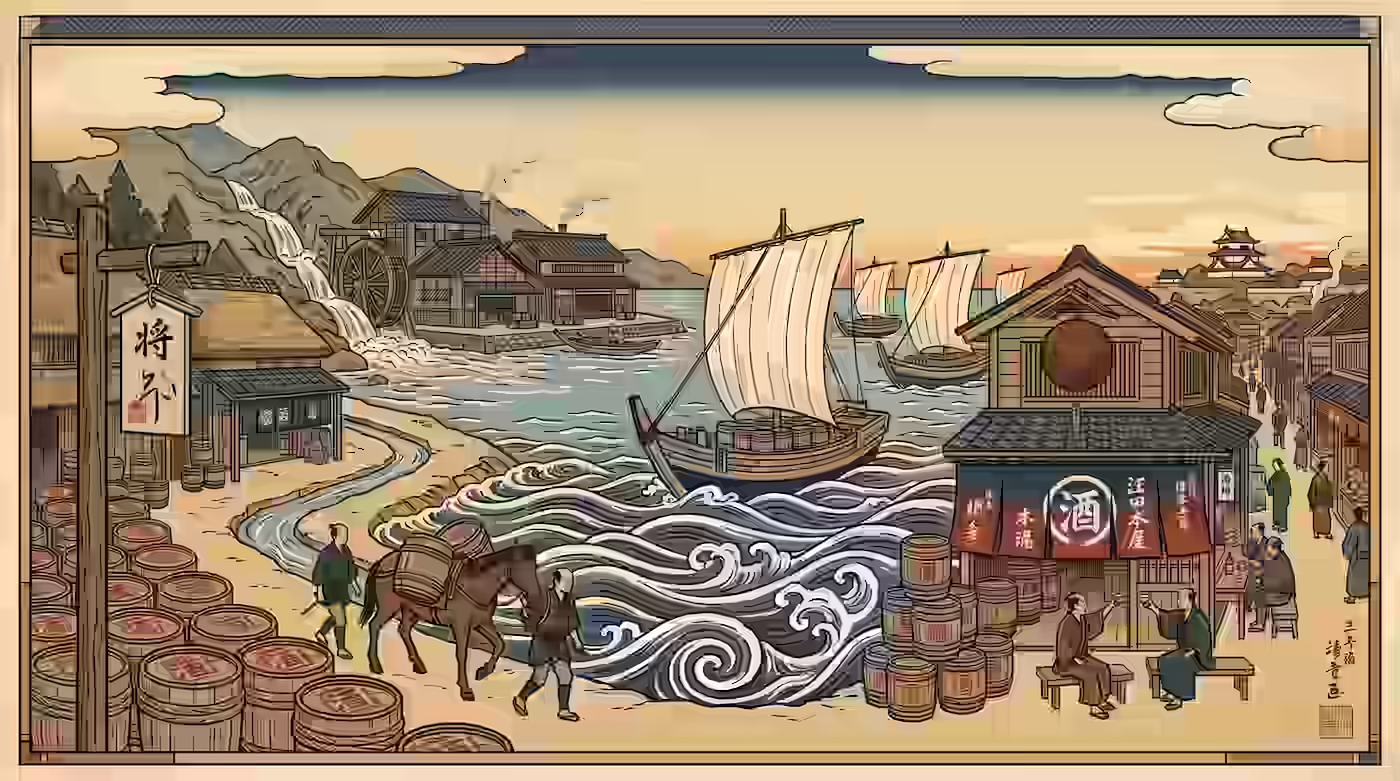
Hyogo is one of Japan’s major sake-producing prefectures, especially because of Nada Gogo. Its sake culture grew from water, rice, winter climate, ports, and brewer’s craft. The best-known examples often taste dry, firm, and clean. Inlan... -
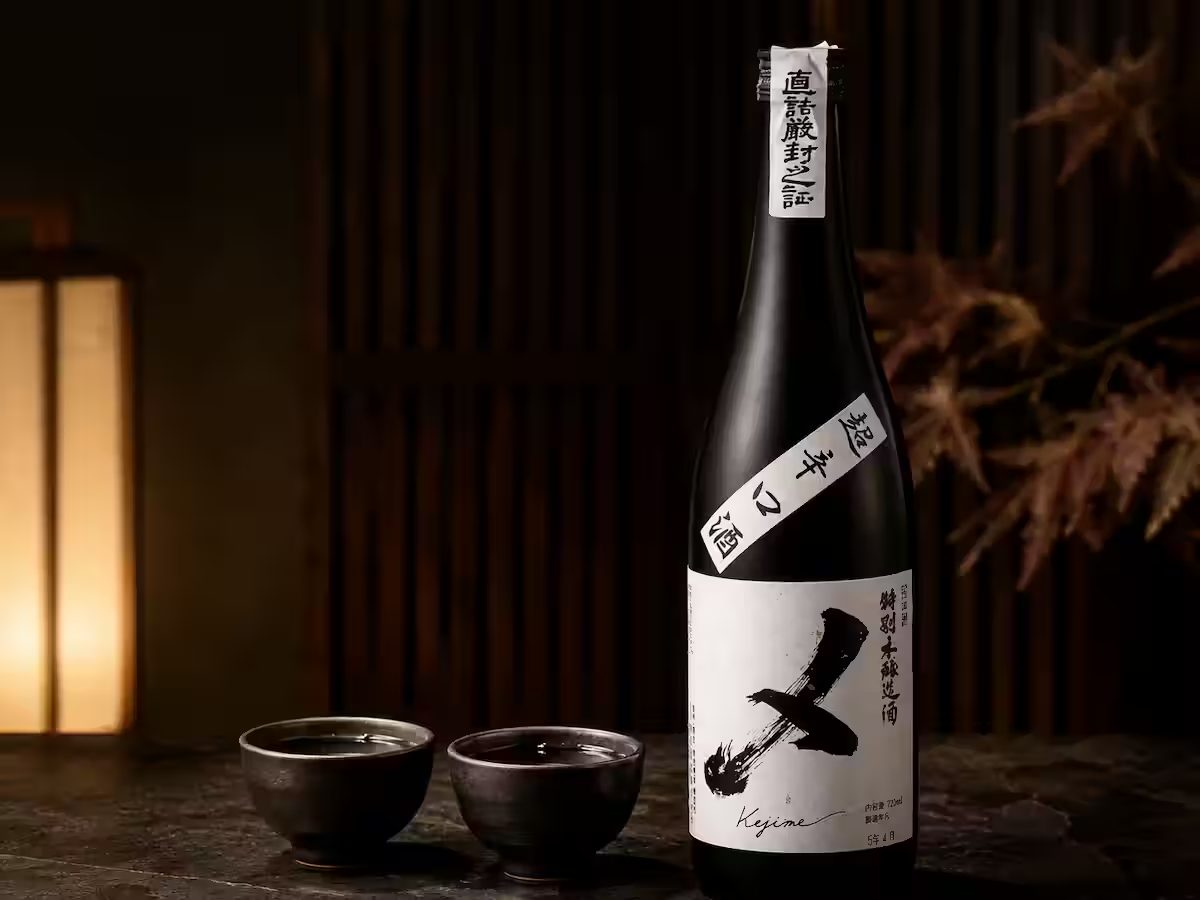
Tokubetsu honjozo (特別本醸造酒)
Tokubetsu honjozo is Japanese sake made with rice polished to 60% or less, plus a small amount of brewed alcohol. It tastes clean, dry, and smooth. It works chilled, warm, or at room temperature. “Tokubetsu” means special, while “honjozo... -
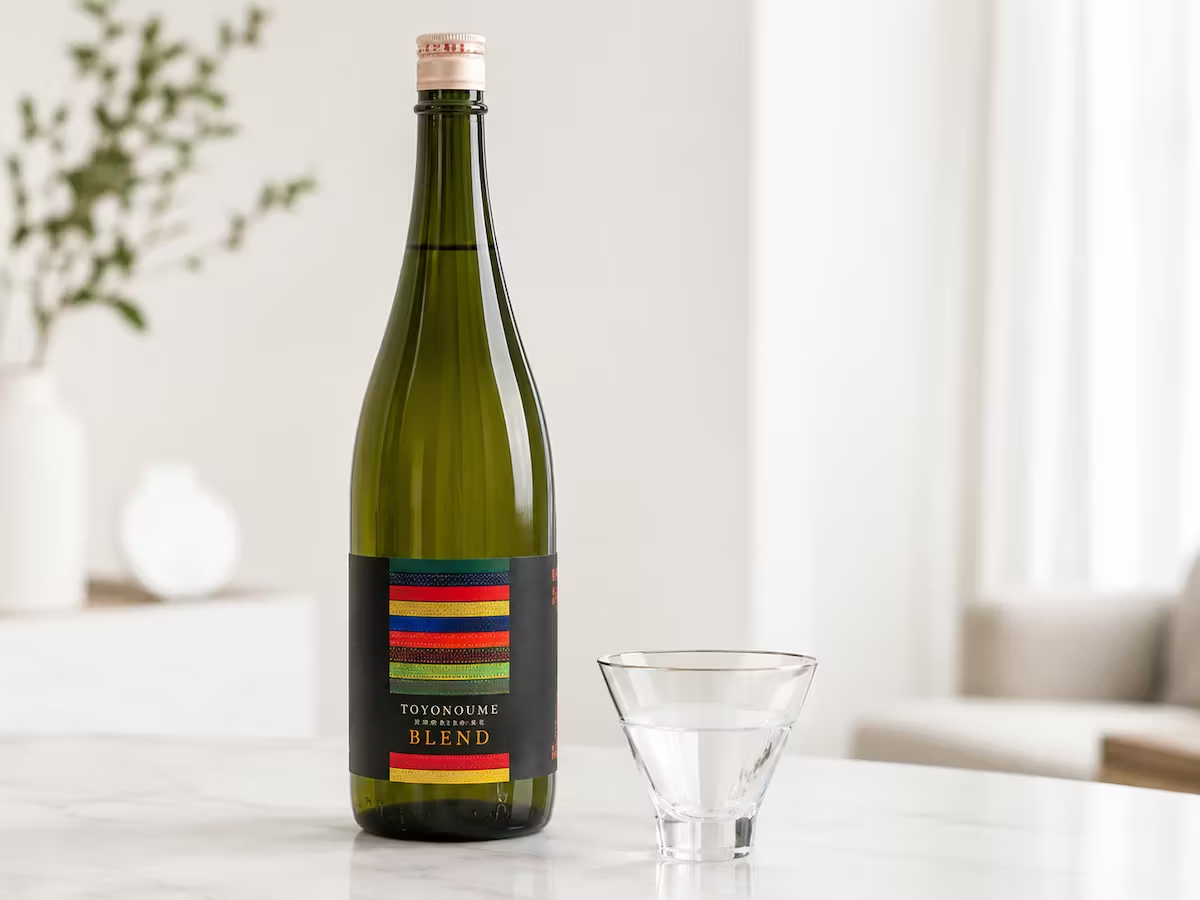
Seme sake (せめ)
Seme sake is the final press sake collected at the end of sake pressing. Because brewers apply stronger pressure at this stage, the liquid often tastes richer, deeper, and more intense than earlier fractions. This is the last cut of the ... -
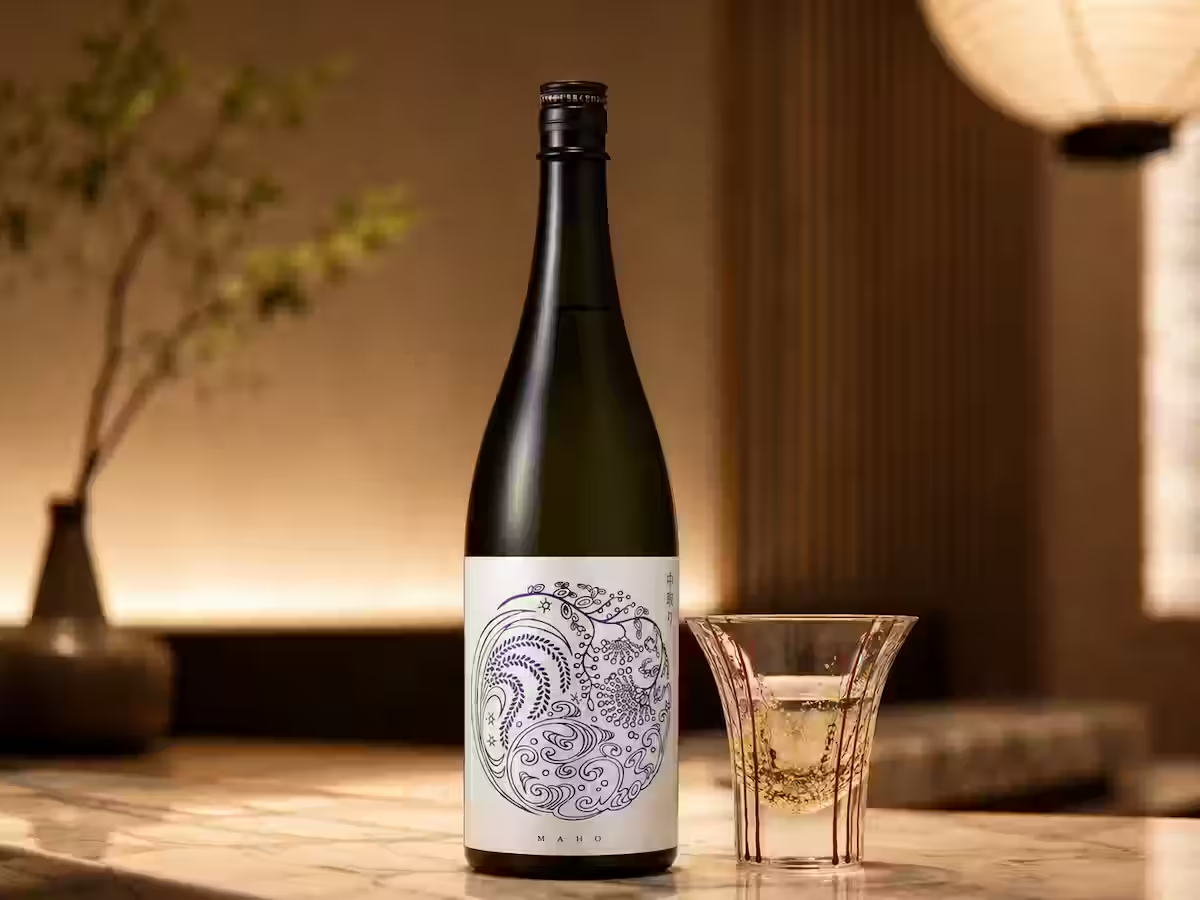
Nakadori sake (中取り)
Nakadori is the middle press sake collected after the first rough run and before the final heavy press. Because it comes from the most stable part of sake pressing, it often shows clean aroma, balanced flavor, and a smooth... -
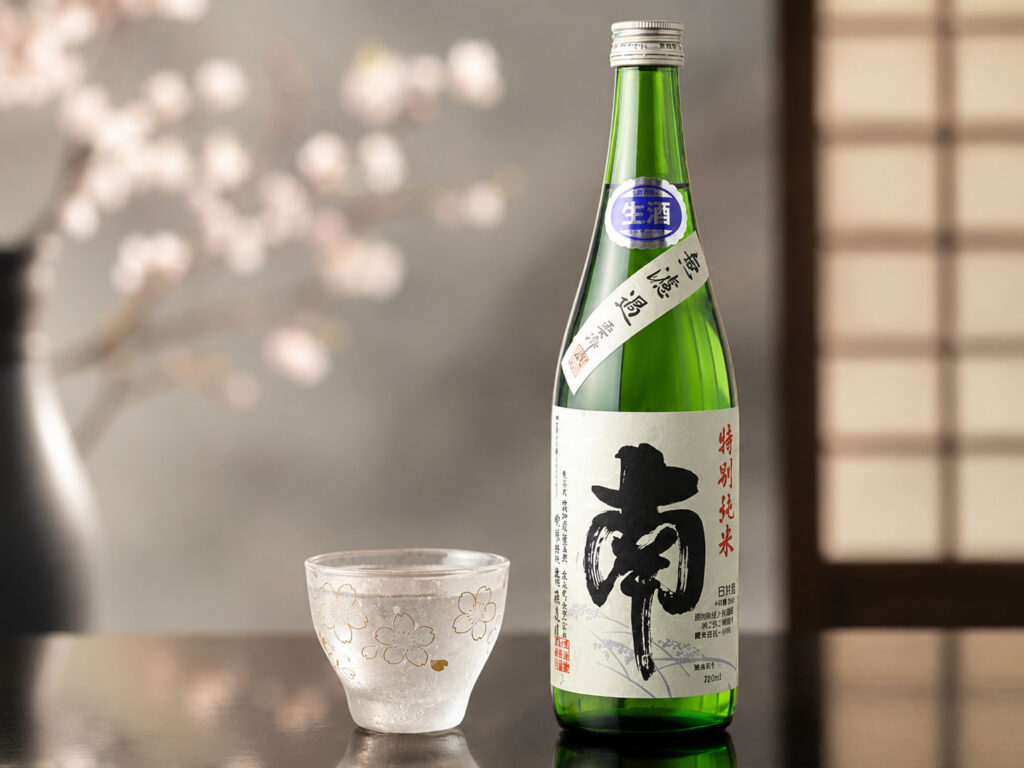
Muroka sake (無濾過日本酒)
I first tried muroka sake at a small bar in Osaka. The glass looked slightly golden, not perfectly clear. I paused for a moment. Was this normal? Then I took a sip, and the answer came quickly. The flavor felt wider, deeper, and surprisi... -

Namagenshu (生原酒)
Namagenshu is Japanese sake that is both unpasteurized and undiluted. “Nama” means the sake skips pasteurization, while “genshu” means no water is added after brewing. Because of this, namagenshu tastes fresh, rich, lively, and often str...
12