





There is a stretch of land between Kobe and Nishinomiya that produces more sake than anywhere else in Japan. It is not especially large. You could drive through it in twenty minutes. But what comes out of this narrow coastal strip has shaped Japanese drinking culture for centuries.
This is 灘五郷, Nada Gogo. Five brewing districts. One extraordinary legacy.
What Is Nada Gogo?
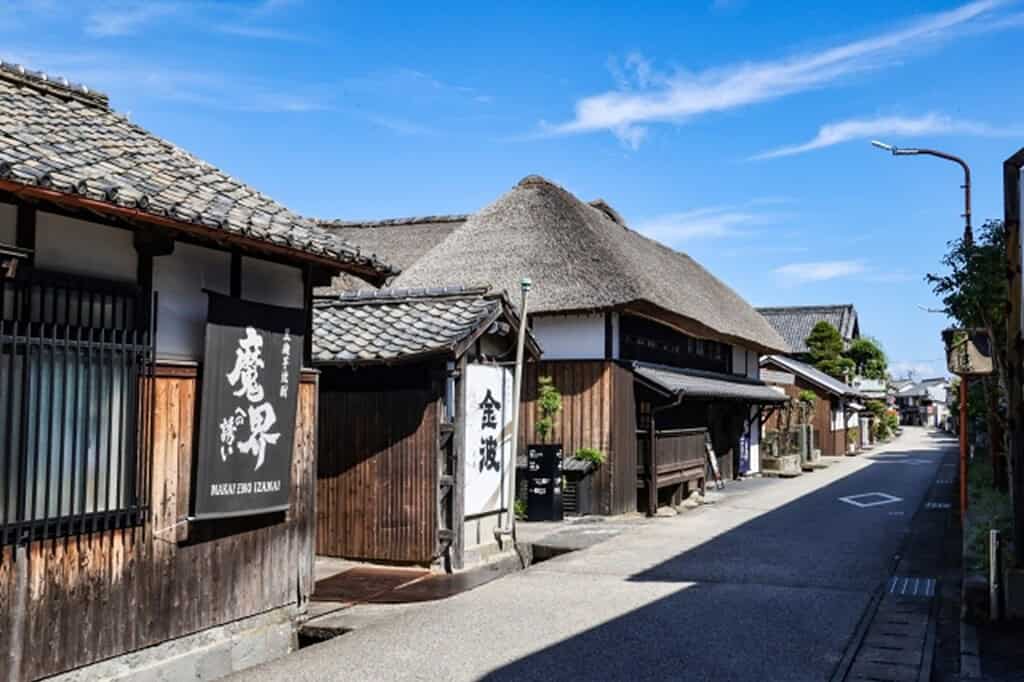
Nada Gogo literally means “five villages of Nada.” The five districts are Imazu-go, Nishinomiya-go, Uozaki-go, Mikage-go, and Nishigō. They run along the coast of Hyogo Prefecture, roughly between Nishinomiya city and the eastern edge of Kobe.
Together, they account for roughly 30 percent of all sake produced in Japan. That number sounds almost impossible for such a compact area. But geography, water, and centuries of accumulated knowledge have made it real.
The breweries here range from small, family-run operations to nationally recognized labels. Names like Hakutsuru, Kikumasamune, and Kenbishi have come from this region. They are not just local favorites. They are benchmarks for what sake can be.
Why Is Nada Sake So Special?
Three things define Nada Gogo sake: water, rice, and climate.
The water is called miyamizu (宮水). It rises from springs in the Nishinomiya area. Miyamizu is hard water, rich in minerals like potassium and phosphorus. These minerals feed the yeast during fermentation and drive a vigorous, active brew. The result is sake with a clean, dry, and assertive character. Soft water produces different sake entirely. The mineral content here is genuinely unusual.
The rice is equally important. Yamada Nishiki (山田錦), grown in the nearby mountains of Hyogo, is widely considered the finest sake rice in Japan. It ferments predictably. It produces clear, refined flavors. The combination of Yamada Nishiki and miyamizu creates something that other regions struggle to replicate, even with the same techniques.
Climate plays a role too. The area sits between the Rokko mountains and Osaka Bay. Cold winter winds descend from the mountains during brewing season. Low temperatures slow fermentation. Slow fermentation builds complexity. That seasonal cold is not just convenient. It is essential.
What Does Nada Sake Taste Like?
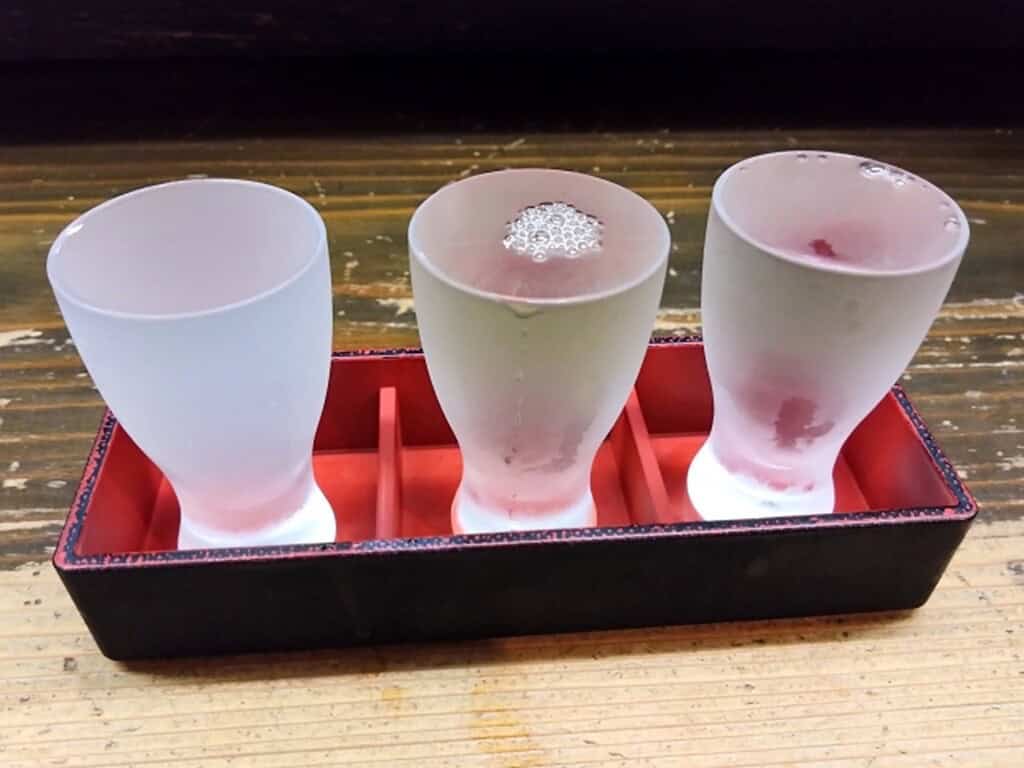
The classic Nada style is described as otoko-zake, which translates roughly as “masculine sake.” It is dry. Crisp. Assertive on the palate. There is not much sweetness. The finish is clean and relatively short.
This makes it a natural pairing with food. It does not compete with flavors on the plate. It supports them. That quality made it particularly popular in Osaka and Kyoto, where dining culture was sophisticated and demanding. Merchants would ship sake along the coast to meet that demand.
That said, not all Nada sake tastes the same. Breweries have their own house yeasts, their own blending philosophies, their own takes on the regional style. Some lean drier. Some add a little roundness. Exploring the differences between labels is genuinely enjoyable. It takes more than one visit.
A Region Built on History
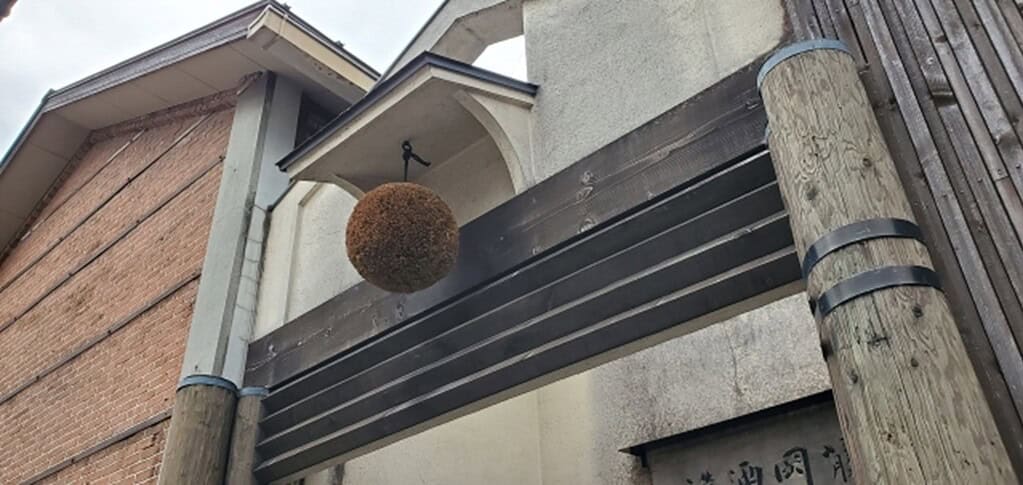
Sake has been brewed in the Nada area since at least the Edo period. By the 18th century, the region was already supplying sake to Edo, modern-day Tokyo, via ships along the Pacific coast. The journey by sea was long. Interestingly, the sake seemed to improve during the voyage. The rolling motion of the ship, combined with changing temperatures, mellowed the flavor. This phenomenon was eventually studied and understood. It gave rise to techniques brewers still reference today.
The Meiji era brought industrialization. Nada breweries adapted quickly. They invested in modern equipment without abandoning traditional methods. That combination of scale and craft helped cement their dominance nationally.
The Great Hanshin earthquake of 1995 was devastating for the region. Many historic brewery buildings were destroyed. The industry rebuilt. It was slow and painful, but the knowledge survived. Most major breweries reopened within a few years. Some built museums alongside their facilities. Those museums now welcome visitors who want to understand what makes this region so significant.
Today Nada Gogo is both a living industry and a cultural destination. Breweries offer tours and tastings year-round. The area pairs naturally with a visit to Kobe, a city already known for premium food culture. If you have tried Kobe beef on a visit, pairing it with a glass of local sake is not just logical. It feels right.
Visiting Nada Gogo
Several breweries open their doors to visitors. Hakutsuru Sake Brewery Museum and Kiku-Masamune Sake Brewery Museum are among the most accessible. Both offer free entry, guided exhibits, and tasting areas. The neighborhood itself is worth exploring slowly.
The area is easy to reach from central Kobe or Osaka. A short train ride on the Hanshin line lands you in the middle of it. Many visitors pair a sake tour with food exploration elsewhere in the Kansai region. The Hyogo food scene alone could fill several days.
One practical note: tastings are free or very low cost at most breweries. You do not need to plan elaborate arrangements. Showing up curious is usually enough.
If you want to understand Japanese sake at its most serious and most celebrated, Nada Gogo is where that conversation starts. Nowhere else quite compares.
References
- Nada Gogo Sake Brewers Association: https://www.nadagogo.ne.jp/
Nada Gogo Sake FAQ
What is Nada Gogo Sake?
Nada Gogo Sake is a premium rice wine from Hyogo Prefecture. Brewers make it with Yamada Nishiki rice and mineral-rich Miyamizu water. Drinkers praise it for its crisp, dry, and robust flavor profile.
Where does Nada Gogo Sake come from?
This renowned drink originates from five historic brewing districts in Kobe and Nishinomiya. Local brewmasters have produced these high-quality beverages since the Edo period.
What does Nada Gogo Sake taste like?
It delivers a dry, crisp, and slightly masculine flavor that locals call “Otokozake.” The texture feels clean, sharp, and highly refreshing. Diners often compare it to a bold, full-bodied white wine that pairs perfectly with seafood.
Where can I drink Nada Gogo Sake in Japan?
You will find the best tasting experiences right in Kobe City. Famous areas include the historic brewery museum district. Izakaya pubs and upscale restaurants also serve these famous brands nationwide.
How much does Nada Gogo Sake cost?
A standard bottle typically costs between 1,500 and 5,000 yen at a liquor store. Prices vary heavily depending on the specific brewery and the rice-milling ratio you select.
Is Nada Gogo Sake vegetarian or vegan friendly?
This traditional beverage contains absolutely no animal products. Vegans and vegetarians can safely enjoy this 100% plant-based drink anywhere.
What are the main ingredients in Nada Gogo Sake?
The main ingredients include premium sake rice, koji mold, and pure mountain water. The hard, mineral-rich “Miyamizu” water gives the drink its distinctive crisp and dry character.
Can I drink Nada Gogo Sake at home?
Yes, you can easily enjoy it at home. Japanese grocery stores and supermarkets stock the famous local brands everywhere. Drinkers serve it chilled or gently warmed effortlessly depending on the season.
What is the difference between Nada Gogo Sake and Fushimi Sake?
The main difference involves the brewing water and the resulting flavor. The Hyogo specialty features hard water creating a dry, robust taste, while Kyoto’s Fushimi relies on soft water yielding a sweeter, smoother profile.
Is Nada Gogo Sake popular outside Japan?
It enjoys massive popularity outside Japan. You will easily find the major local brands at Japanese restaurants in North America, Europe, and Asia. This historic brewing region successfully exports its crisp taste to the entire world.







Comments