Japanese eggs are eggs produced under strict hygiene standards in Japan. Many people eat them raw because producers manage safety from farm to store. They are popular in dishes such as Tamago Kake Gohan and sukiyaki.
This habit may surprise visitors. In Japan, a raw egg over hot rice counts as comfort food. People also enjoy eggs in onsen tamago, the gentle hot-spring egg, and in countless home meals. So how does Japan make raw eggs safe? Let’s take a closer look.
TOC
What Are Japanese Eggs?
Japanese eggs are known for strict hygiene standards, so many people in Japan eat them raw with confidence. The yolks often show a vibrant orange color, which comes from the hens’ feed. Producers assume that buyers might eat the eggs raw. As a result, they manage safety carefully at every stage.
This approach differs from many other countries. Where people always cook eggs fully, such strict raw-egg rules feel unnecessary. In Japan, though, raw eggs are part of daily life. That cultural habit shapes the whole system.
Japan Ranks Among the World’s Top Egg Lovers
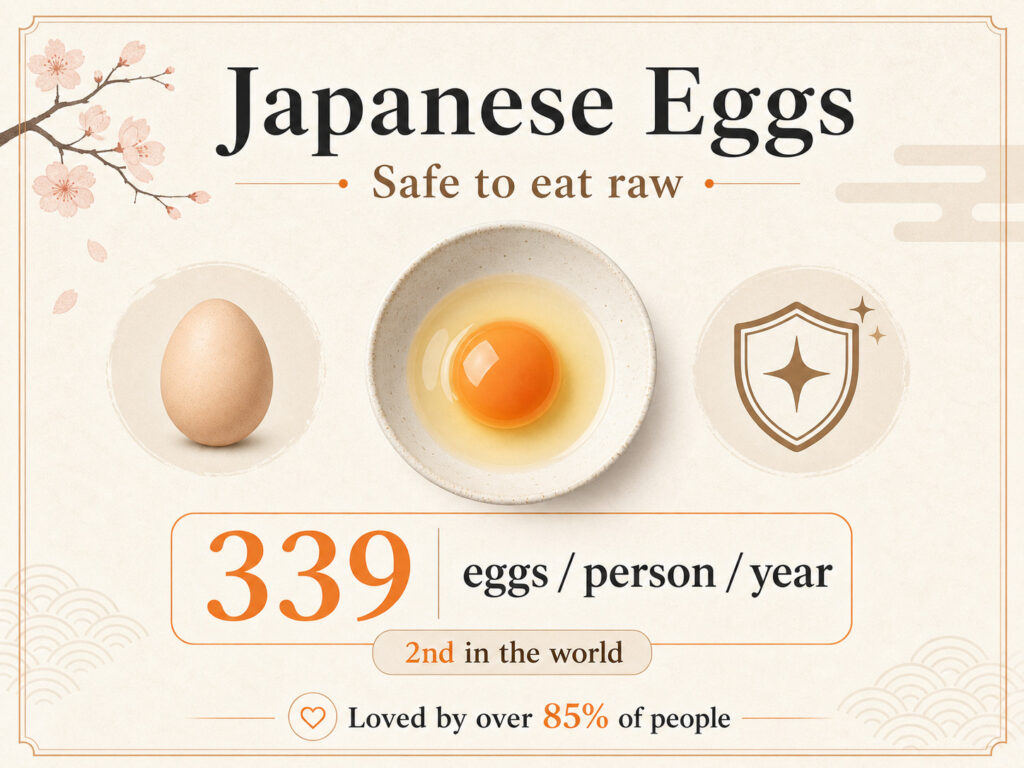
Japan ranks among the world’s top egg-consuming countries. According to the Japan Poultry Association, each person ate about 339 eggs per year as of 2022. That figure placed Japan second worldwide, just behind Mexico. Over 85 percent of Japanese people say they enjoy eggs.
Why Are Japanese Eggs Safe to Eat Raw?
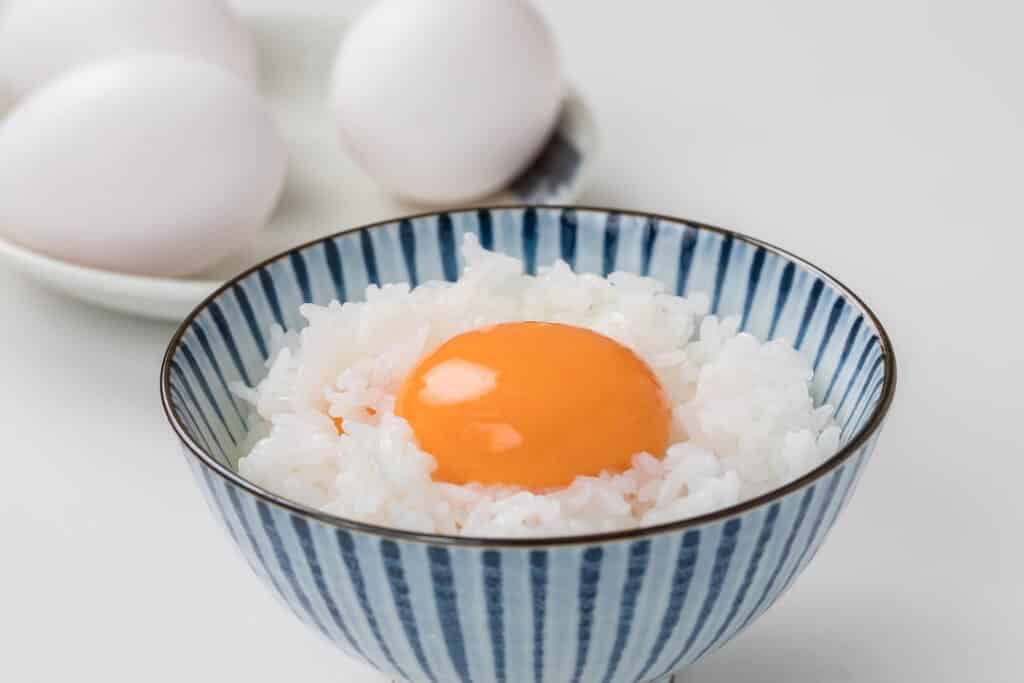
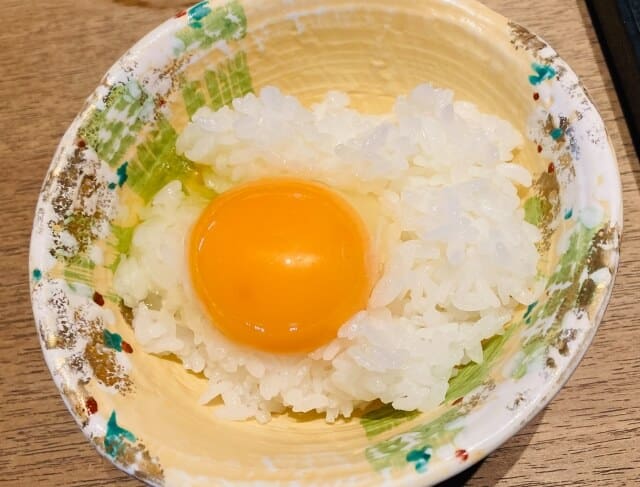
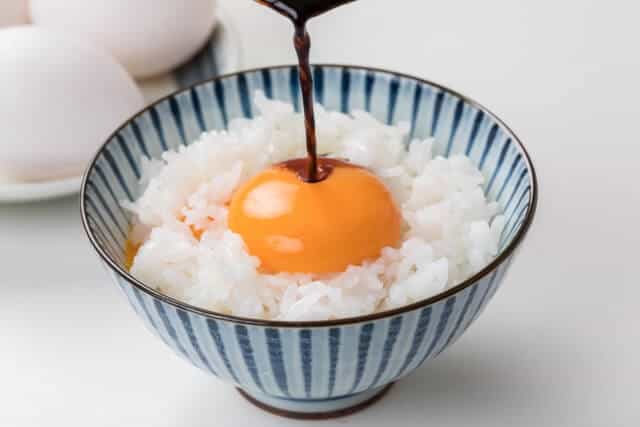
A raw egg over hot rice, the classic Tamago Kake Gohan.
So what makes raw eggs safe here? The answer is control at every step. Producers watch hygiene from the farm to the store shelf. They also label a clear best-before date for raw eating. Here are the key points.
Farm hygiene: producers manage flock health and clean housing closely.
Washing and sterilizing: machines wash, sanitize, and dry each egg.
Inspection: staff check eggs for cracks, blood spots, and quality.
Traceability: labels show the farm, feed, and Salmonella testing.
Expiration for raw use: the date marks how long eggs stay safe raw.
A Closer Look at Quality Control
STEP
Thorough inspection
Producers inspect eggs multiple times at farms and packing plants. The checks run from flock management to final shipment. Staff monitor both chicken health and egg quality to keep them safe and fresh.
STEP
Quality assurance
Many packing factories hold FSSC22000 certification, an international food safety standard. Under it, staff produce eggs with strict quality and hygiene controls.
STEP
Traceability
Certified brands disclose detailed product information. This covers the farm of origin, the feed, hygiene practices, and Salmonella testing. Customers can trace each egg and trust its safety.
STEP
Crop-livestock integration
Some producers link crop and livestock farming. Livestock farmers supply compost, while crop farmers grow feed in rotated fields. Together, they build a sustainable, integrated system.
History of Eggs in Japan
Japanese eggs are prized for freshness and strict hygiene control.
Ancient Times
Chickens reached Japan from China, by way of the Korean Peninsula. Over time, poultry farming took root. Old records like the Kojiki mention chickens for food, medicine, and rituals.
Edo Period
For a long time, religious rules limited meat eating. So chickens and eggs stayed in only minor use. Egg consumption finally grew during the Edo period. Even then, locals treated eggs as a luxury item.
Meiji to Showa
The Meiji era opened Japan to Western food habits. Eggs slowly became more common in everyday cooking. Dishes like rolled omelets and boiled eggs gained popularity. Still, eggs remained a treat for many families.
Postwar Spread
After 1955, eggs became a daily food in Japan. Diets changed, Western food spread, and nutrition campaigns promoted protein and calcium. Eggs came to symbolize health and energy. Today, they appear at almost every Japanese table.
Types of Japanese Eggs
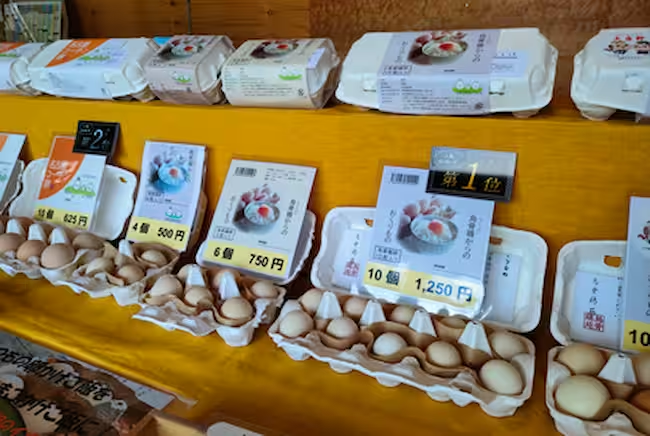
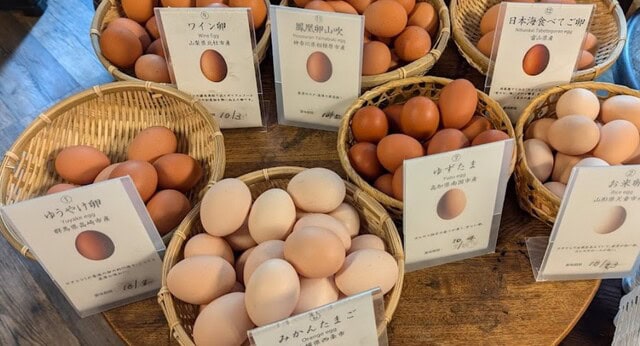
Japan produces many egg varieties, from regular to organic. (Photo from Ukokkeien)
Japan produces many kinds of eggs. Hen eggs are the most common, but the choices go far beyond that. Here is a quick comparison of the three main types.
Type
Hen environment
Price
Best for
Regular
Caged, standard feed
Low
Everyday cooking
Free-range
Roaming sheds, traceable
Medium
Richer flavor, raw dishes
Organic
Free-range, organic feed
High
Premium and gift use
Regular Eggs
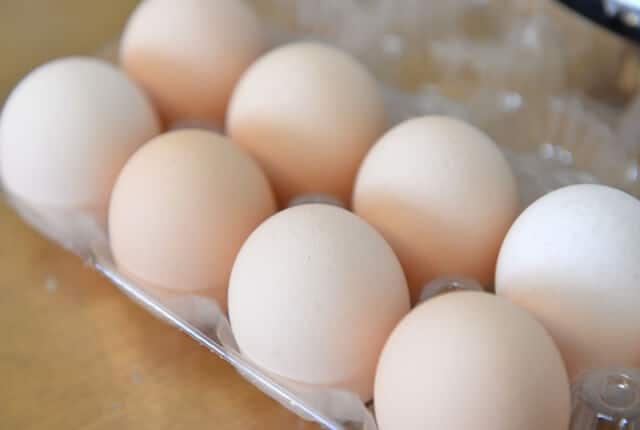
Regular eggs are the most common type. They come mainly in white and brown shells. The color depends on the breed of hen. Caged hens on a standard diet usually lay them.
Free-Range Eggs
Free-range eggs come from hens that roam naturally. These eggs often show brown shells and a rich, full egg white. The hens’ active life lifts the quality. Producers also keep clear records, so each egg traces back to its farm and method.
Organic Eggs
Organic eggs carry the JAS organic certification, one of the world’s strictest. The hens eat feed based on organic corn and soybeans. They also drink clean water and live free-range. Producers monitor feed, separate production carefully, and avoid genetically modified crops.
Local Chicken Eggs
Local chicken eggs offer unique flavors thanks to regional breeds and feed. They cost more than standard eggs. Yet their taste and nutrition make them popular gifts. A few regional varieties stand out.
Nagoya Cochin (Aichi): firm, elastic texture with a rich umami taste.
Hinai Jidori (Akita): prominent yolks and a deep, distinctive flavor.
Satsuma Jidori (Kagoshima): deep-colored yolks, rich in protein and minerals.
Silkie eggs (Kagawa & Shizuoka): sweet, rich yolks with extra vitamin A, DHA, and EPA.
Popular Japanese Dishes Made With Eggs
Tamago Kake Gohan
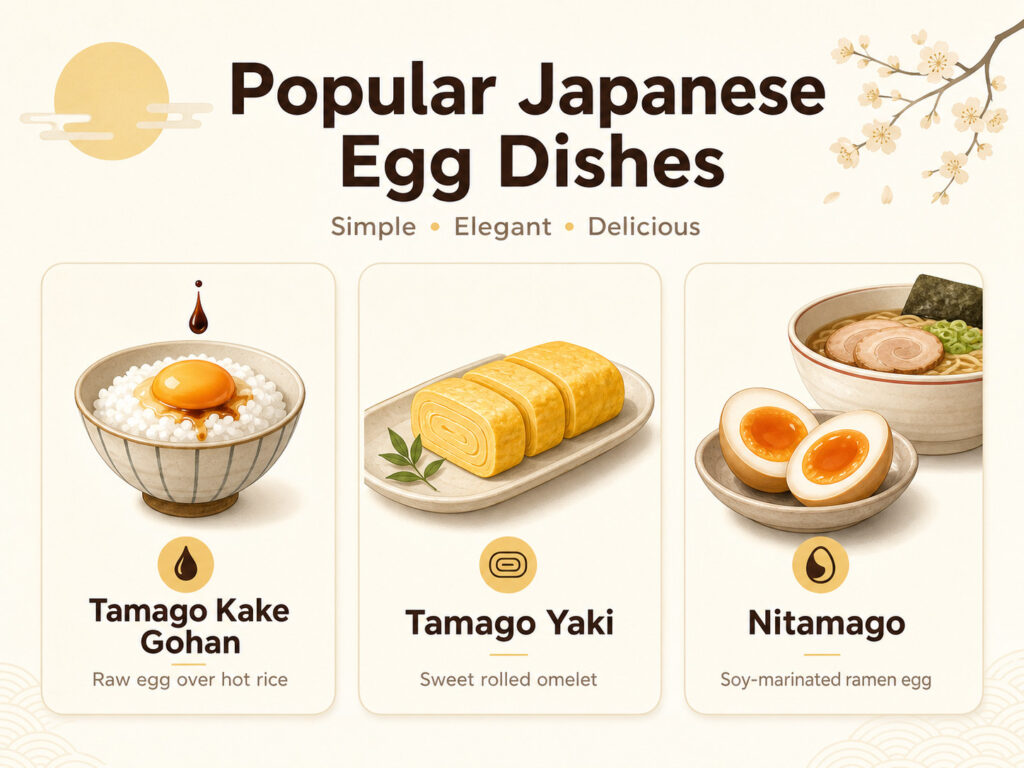
Tamago Kake Gohan, or TKG, is the simplest raw-egg dish. You crack a fresh egg over hot rice, add soy sauce, and mix. The heat of the rice warms the egg slightly. The result is creamy, savory, and deeply comforting. Learn how Tamago Kake Gohan uses raw eggs in a classic Japanese breakfast.
Tamago Yaki
Tamago yaki is a sweet, layered rolled omelet. Cooks beat eggs with dashi, soy sauce, and a little sugar. Then they roll thin layers in a square pan. The result is soft, slightly sweet, and beautiful in cross-section. See how to make this Japanese rolled omelet at home.
Nitamago
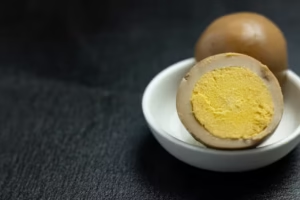
Nitamago is a soy-marinated egg, often called ajitama. Cooks soak a soft-boiled egg in soy sauce, mirin, and dashi. The white turns savory, while the yolk stays creamy. It shines as a ramen topping. Discover this soy-marinated ramen egg in detail.
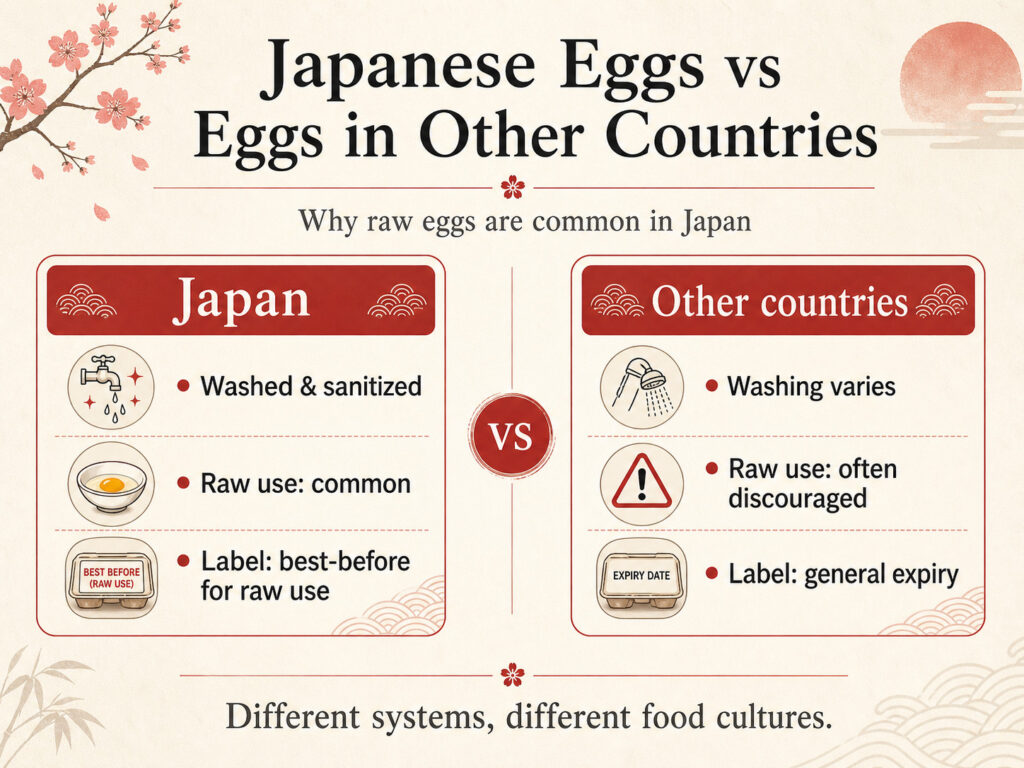
Japanese Eggs vs Eggs in Other Countries
Why can people in Japan eat raw eggs so freely? The difference lies in the system. The table below compares a few key points.
Japan
Many other countries
Washing
Washed and sanitized at packing
Varies; some leave the cuticle intact
Raw eating
Common and expected
Often discouraged
Date label
Best-before date for raw use
Usually a general expiry date
Neither system is simply better. They reflect different food cultures and habits. Japan plans for raw eating, so its rules suit that goal.
How to Buy and Store Japanese Eggs
Buying eggs in Japan is easy. Supermarkets and convenience stores stock them year-round. Most packs print a best-before date for raw eating. After that date, the eggs are still fine when fully cooked.
A few simple habits help a lot. Keep eggs in the fridge, pointed end down. Eat them raw only within the printed date. After that, save them for omelets, boiled eggs, or baking. When in doubt, cook them through.
Can You Eat Japanese Eggs Outside Japan?
This question matters for safety. Outside Japan, egg systems differ, so raw eating carries more risk. If you crave Tamago Kake Gohan abroad, choose pasteurized eggs instead. Many countries sell them clearly labeled. They let you enjoy raw-egg dishes with far more peace of mind.
Japanese Egg Restaurants
Kisaburo Farm (Tokyo)
At Kisaburo Farm, you build your own egg rice bowl. You top fresh egg rice with your favorite side dishes. Almost everything on the menu pairs well with it. The focus stays on eggs and chicken throughout.
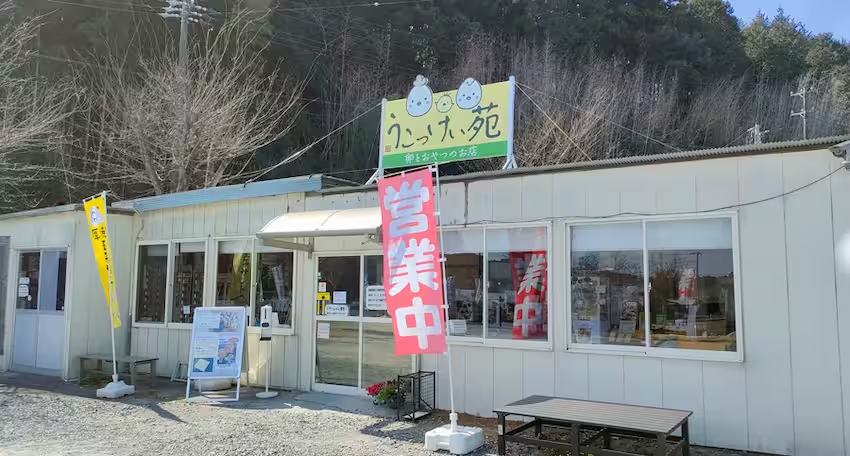
Ukokkeien sits in Mori Town, Shizuoka. It specializes in silkie eggs and egg-based snacks. The free-range silkie eggs taste especially sweet. The shop also ships nationwide through its online store.
Wakamiya Jiouran serves dishes made with award-winning eggs. The eggs hold an ITQI two-star rating. Raw egg rice and omelets are the favorites here. The cozy space draws plenty of locals.
A simple bowl of egg rice shows off the quality of Japanese eggs.
Japanese eggs reflect the country’s care for food safety and flavor. Strict hygiene lets people enjoy them raw with confidence. From a humble bowl of egg rice to a delicate rolled omelet, they remain a daily staple.
So if you visit Japan, give them a try. Start with Tamago Kake Gohan or a slice of tamago yaki. Both show off just how good a simple egg can be.
Japanese Egg FAQ
Are Japanese eggs safe to eat raw?
Yes, Japanese eggs are generally safe to eat raw within their date. Producers wash, sanitize, and inspect each egg carefully. Packs also show a best-before date for raw eating. After that date, simply cook the eggs before eating.
Why are the yolks so orange?
The color comes mainly from the hens’ feed. Ingredients like corn and paprika deepen the yolk’s shade. A more orange yolk does not always mean more nutrition. Still, many people find these yolks look richer and more appealing.
How long do they last?
The label shows a best-before date for raw eating. That window is usually about two weeks from packing. After it passes, the eggs stay fine when fully cooked. Always keep them chilled in the fridge for the best freshness.
What dishes use raw eggs?
Several classics rely on a fresh raw egg. Tamago Kake Gohan tops hot rice with egg and soy sauce. Sukiyaki uses a raw egg as a cool dipping sauce. People also add raw or barely cooked eggs to natto and gyudon.
Can I eat them raw outside Japan?
It depends on the eggs you buy. Outside Japan, raw eating carries more risk due to different systems. For raw dishes, choose pasteurized eggs instead. They let you enjoy the same recipes more safely.
References
Japan Poultry Association, Egg Consumption Data, https://www.jpa.or.jp/ (Surveyed: June 2026)
Krisha is a writer for Food in Japan, covering Japanese dishes, regional specialties, and food culture. Krisha’s articles introduce ingredients, flavors, preparation methods, and the cultural background of Japanese foods, helping readers understand what makes each dish distinctive.














Comments