




Krisha– Author –
-


Shirataki (しらたき)
Shirataki refers to noodles made of konjac yams. Although this noodle is popular outside of Japanese cuisine due to its zero calories, no carbs, and high fiber content, the Japanese utilized it in many hot pot meals there. It is a great ... -
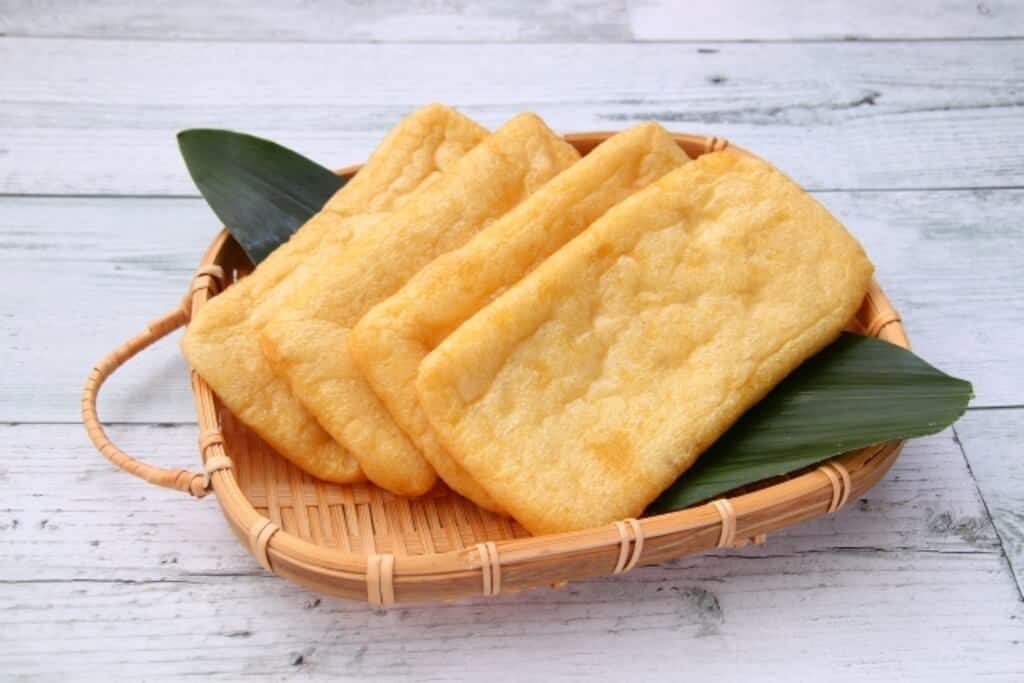

Aburaage (油揚げ)
Aburaage (油揚げ) is thin Japanese deep-fried tofu with a golden, spongy texture. Cooks across Japan add it to miso soup, inari sushi, and noodle dishes. It looks simple, but it changes the depth of a dish remarkably fast. You make it by... -
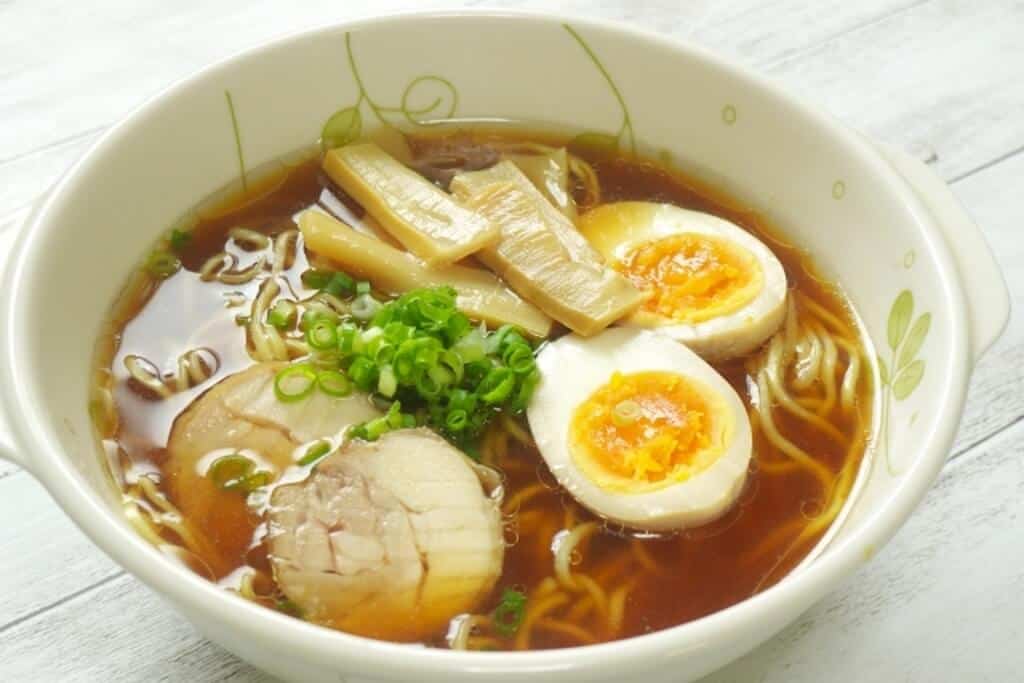
Shoyu ramen (醤油ラーメン)
Japanese ramen has a lot of depth and is difficult to explain simply. The most important thing in ramen is the noodles. Ramen tends to focus on the soup and its classification of taste such as Shoyu ramen or soy sauce ramen that we will ... -
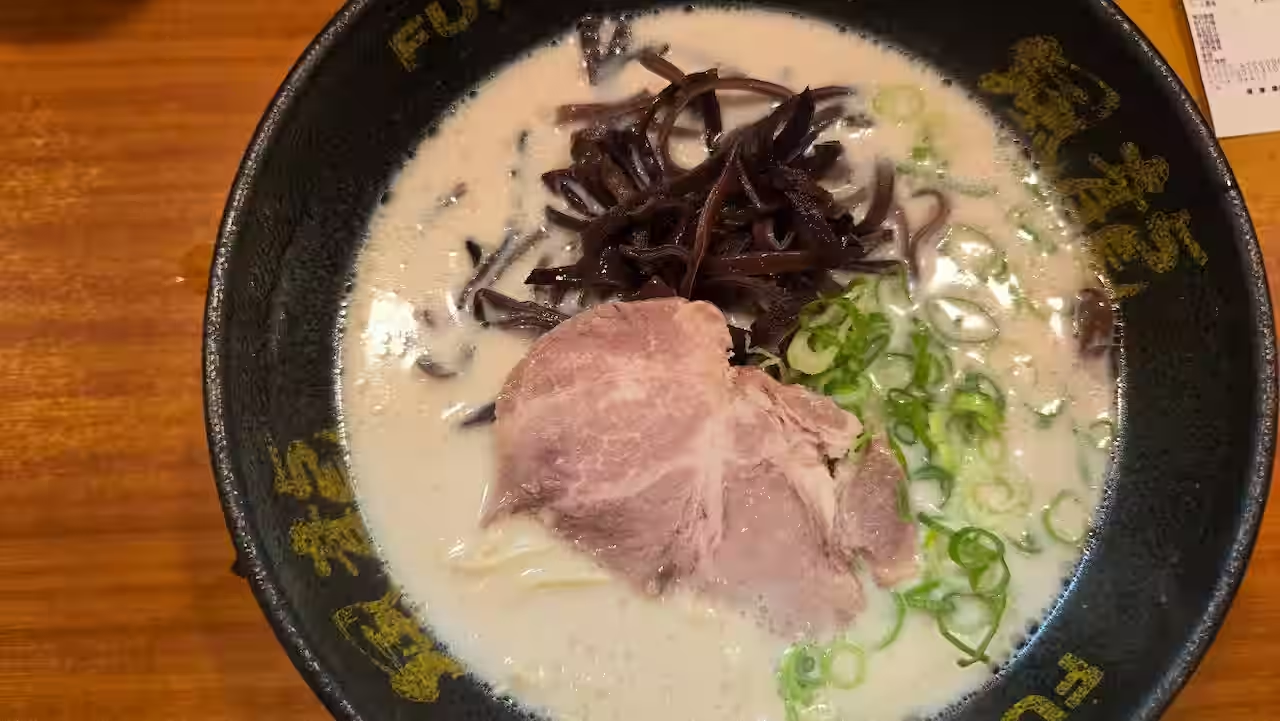

Tonkotsu ramen (豚骨ラーメン)
Tonkotsu ramen is a Japanese noodle soup built on a milky pork bone broth. Cooks boil the bones hard for many hours until the fat and gelatin turn the liquid white. The dish comes from Kurume in Fukuoka Prefecture, and it now defines ram... -
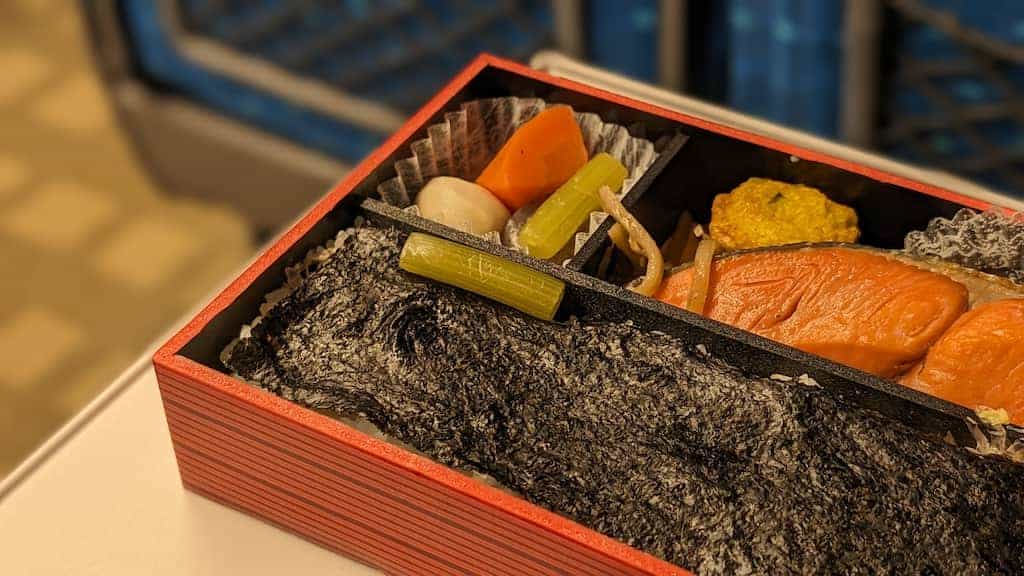

Nori Bento (海苔弁当)
Nori Bento is a classic Japanese seaweed rice bento sold at bento shops and convenience stores. It usually combines rice, nori, bonito flakes, fried white fish, and chikuwa tempura. Many people choose it because it is filling, affordable... -
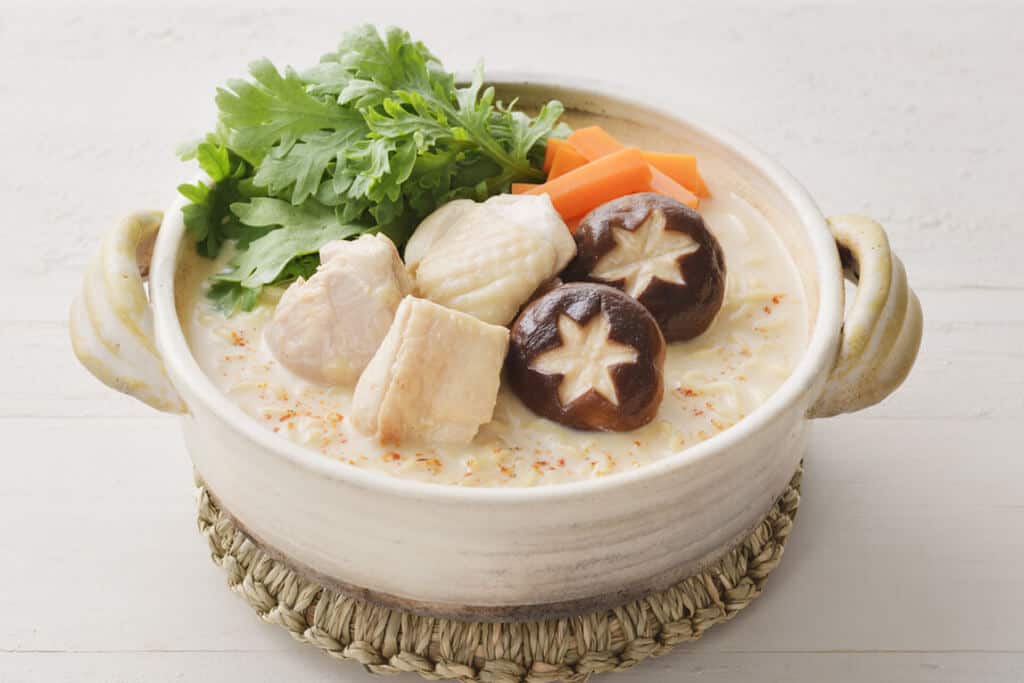
Asuka nabe (飛鳥鍋)
Asuka Nabe (飛鳥鍋) is Japan's most ancient milk hot pot. Chicken and vegetables simmer in a blend of dashi stock, fresh milk, and white miso. This Nara regional cuisine traces its roots back to the 7th century Asuka period. The flavor i... -

Umeshu (梅酒)
Umeshu is often called Japanese plum wine in English, but it is technically a fruit liqueur made by steeping ume fruit in alcohol and rock sugar. It tastes sweet, tart, and gently fruity, and many households still make their own batch ev... -

Takuwan (沢庵漬け)
Japanese long eat Takuwan as a side dish during meals and eat this as a snack at teatime. It is one of the most traditional Japanese pickles and is named after the Buddhist priest who is said to have introduced the food. Beneficial to he... -
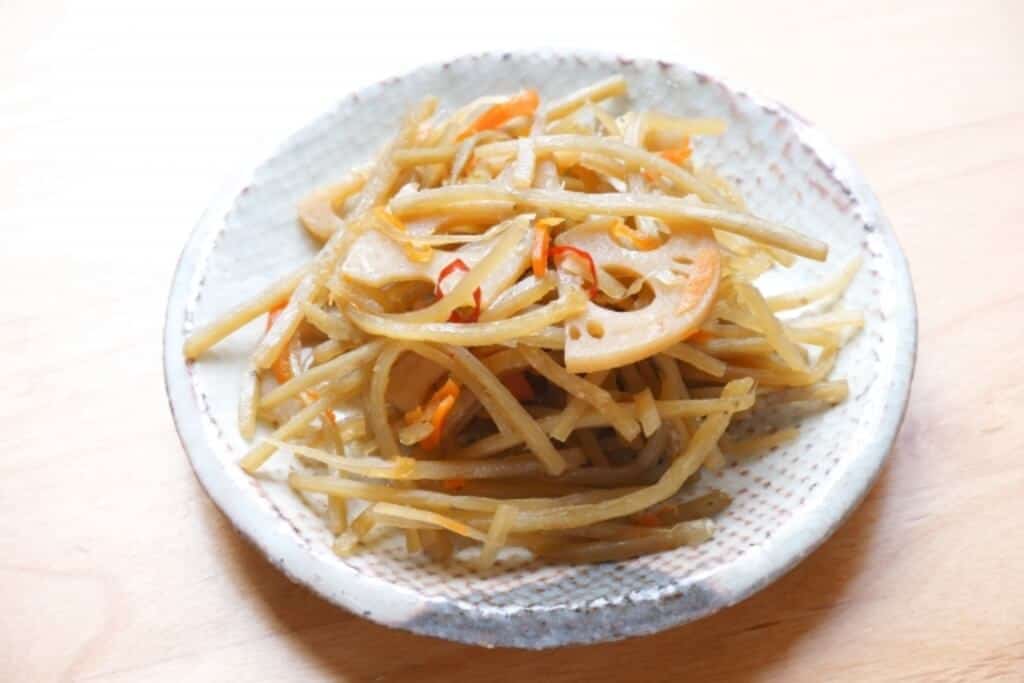
Kinpira gobo (金平ごぼう)
Kinpira gobo is a very popular side dish (okazu) of Japanese food. Despite its name, nowadays, people not only use burdock roots for Kinpira gobo, but also carrots, mushrooms, radish skins, eggplants, and other vegetables. However, it mi... -

Nanakusa gayu (七草がゆ)
In Japan, people celebrate Jinjitsu no sekku (or Nanakusa no sekku) annually on January 7. On this day, Japanese have the custom of eating Nanakusa gayu (seven-herb rice porridge) hoping for good health for the coming year. So, when did ...