




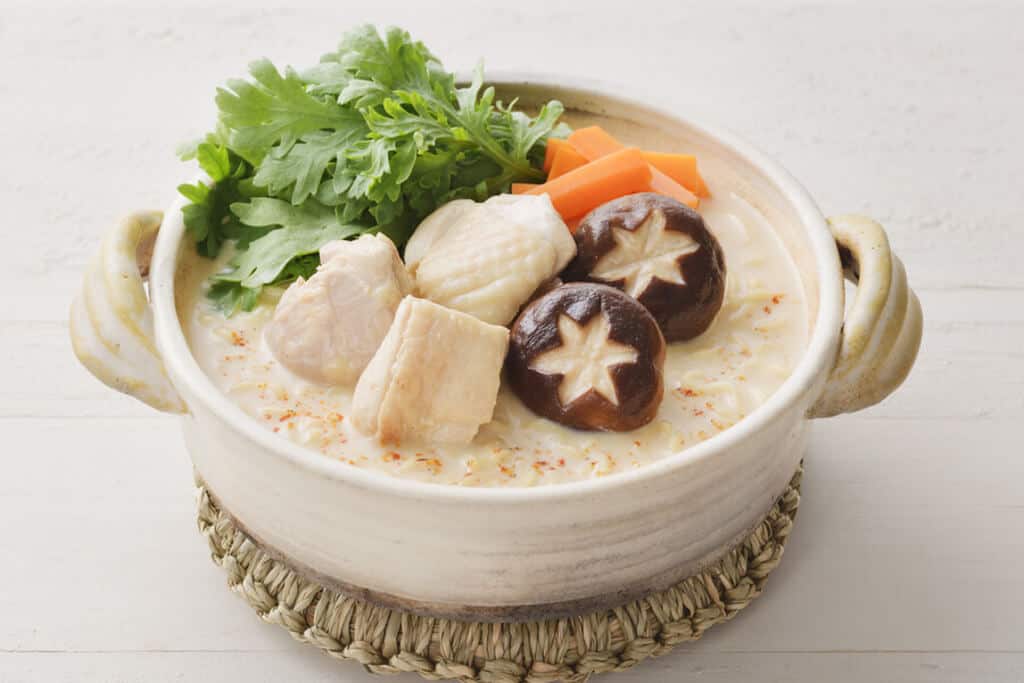
Asuka Nabe (飛鳥鍋) is Japan’s most ancient milk hot pot. Chicken and vegetables simmer in a blend of dashi stock, fresh milk, and white miso. This Nara regional cuisine traces its roots back to the 7th century Asuka period. The flavor is creamy, mild, and deeply comforting. Few Japanese dishes carry this much history in a single bowl.
What is Asuka Nabe?
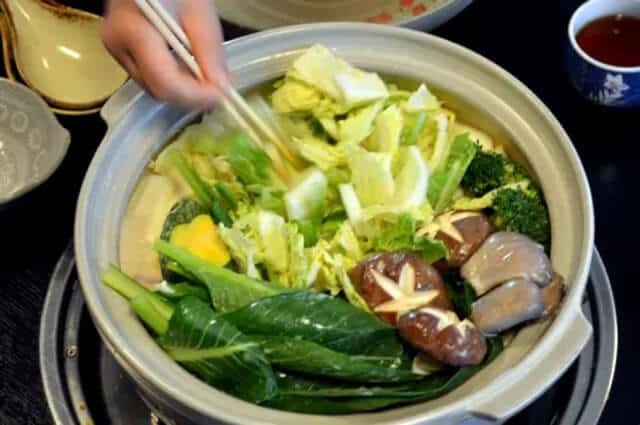
Asuka Nabe is a nabemono dish from the Asuka and Kashihara regions of Nara. The broth combines chicken stock with fresh milk. White miso, light soy sauce, and a touch of sugar season the pot. Typical ingredients include chicken, Chinese cabbage, shiitake mushrooms, tofu, and carrots. Cooks also add harusame glass noodles, burdock, and shirataki. This creamy Japanese hot pot is mild, nourishing, and satisfying. Many Nara families eat it every winter at home. Local schools even serve it in lunch menus, passing the recipe from generation to generation.
What Makes Asuka Nabe Unique?
Most Japanese hot pots use dashi, soy sauce, or miso as the base. Asuka Nabe adds one surprising element: fresh milk. This turns the broth a soft, creamy ivory color. Yet the flavor never feels heavy or overpowering. The dashi keeps everything light and balanced. You get warmth, umami, and a gentle richness all at once. No other nabe in Japan quite matches this combination. That is what makes Asuka Nabe a truly one-of-a-kind Japanese milk hot pot..
History of Asuka Nabe
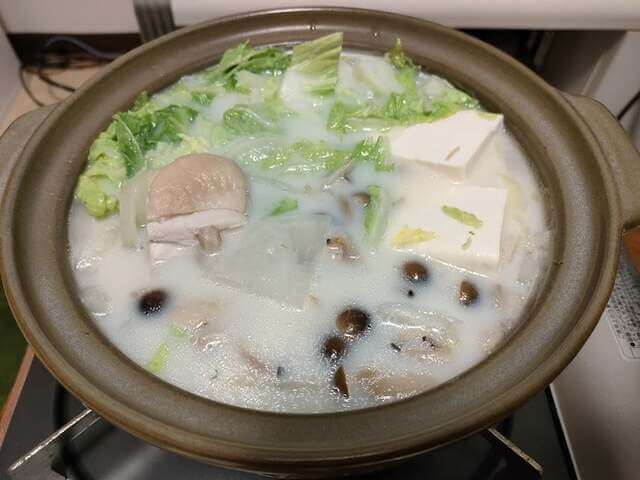
The story begins in the 7th century Asuka period. A Tang dynasty messenger arrived in Nara with a remarkable royal gift. He brought a dairy product similar to condensed milk and offered it to Emperor Kotoku. The emperor was deeply pleased by the taste. Dairy cows soon grazed inside the Imperial Palace grounds. Some historians call this moment the birth of milk culture in Japan.
At first, only the imperial aristocracy enjoyed dairy products. Buddhist monks in the Asuka region quietly began drinking milk in secret. Over generations, the custom slowly spread to common people. Goat’s milk substituted for cow’s milk when supplies ran low. This history makes Asuka Nabe one of Japan’s oldest surviving milk-based cuisines.
In the early Showa era, local chefs in Asuka revived this dairy tradition. They crafted the modern Asuka style hot pot as a regional specialty. Fresh milk from Nara farms became the signature ingredient. Today, the dish stands as one of the most historically rooted regional foods in Japan.
Taste and Flavor of Asuka Nabe
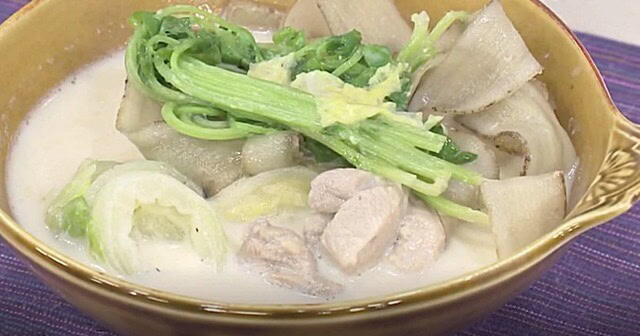
The flavor surprises many first-time tasters. Strong dairy is what you expect, but the broth feels delicate instead. Dashi softens the milk and provides a savory backbone. White miso adds gentle sweetness and depth. The overall profile is creamy yet light, warm yet refined. Chicken absorbs the milky broth beautifully. Vegetables stay tender without losing their bite.
There is no heavy dairy smell, which often catches people off guard. The dashi-to-milk ratio is the reason. It smells like a cozy, warming winter meal. Many tasters describe it as the most comforting Japanese hot pot they have ever tried. This milky Japanese stew is gentle enough for children and refined enough for a formal dinner.
How to Eat Asuka Nabe
Eating Asuka Nabe is a shared, communal ritual. The pot sits at the center of the table. Everyone gathers around and picks their favorite ingredients. Dip the pieces in a beaten raw egg, much like sukiyaki. This adds richness and rounds the flavor beautifully.
Condiments bring character to each bowl. Sliced green onion, grated fresh ginger, shichimi chili, and sudachi citrus all pair well. At the end of the meal, add udon noodles to the remaining broth. The noodles soak up every drop of umami and become irresistible. This shime (締め) finish is the most beloved way to end the experience. Some diners prefer steamed rice over noodles. Both options are deeply satisfying in their own way.
Asuka Nabe Ingredients
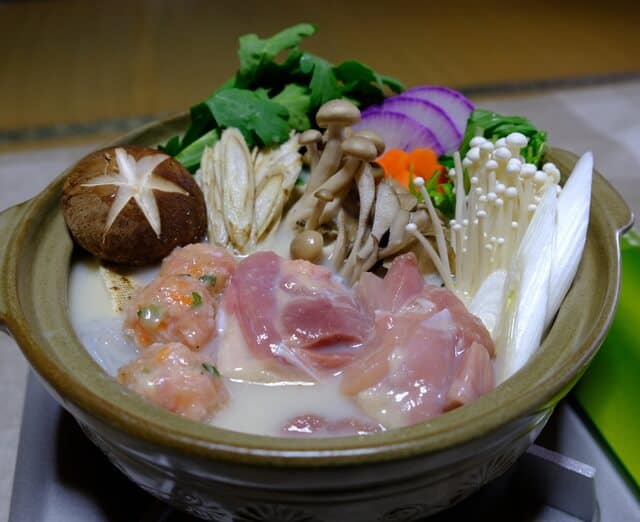
Asuka Nabe Ingredients (Serves 4)
| Ingredient | Amount |
|---|---|
| Yamato meat chicken | 240g |
| Harusame (glass noodles) | 40g |
| Shiitake mushrooms | 85g |
| Chinese cabbage | 400g |
| Garland chrysanthemum | 80g |
| Carrot | 80g |
| White onion | 120g |
| Burdock | 60g |
| Tofu | 200g |
| Fresh milk | 320g |
| Chicken broth (dashi) | 400g |
| White miso | 80g |
| Light soy sauce | 28g |
The key ratio is roughly one part milk to 1.25 parts chicken broth. This balance keeps the broth creamy but not cloying. White miso adds sweetness and body to the liquid. Vegetables absorb the milky dashi beautifully as the pot simmers low
How to Make Asuka Nabe at Home
Asuka Nabe Recipe Steps
Cut all vegetables into bite-sized pieces. Rinse the chicken with red wine to remove any odour. Red wine also tenderises the meat and adds subtle depth. Trim any excess fat to keep the broth clean and light.
Bring the chicken broth to a gentle boil over medium heat. Add fresh milk slowly while stirring to prevent curdling. Dissolve white miso into the liquid. Season with light soy sauce and a pinch of sugar.
Add root vegetables first, as they take the longest to cook. Follow with chicken, tofu, and shiitake mushrooms. Chinese cabbage and garland chrysanthemum go in just before serving. Harusame glass noodles are added last.
Set condiments on the table: green onion, fresh ginger, sudachi, and shichimi chili. Each person seasons their own bowl to taste. Finish the meal by cooking udon noodles in the remaining broth for the classic shime ending.
Asuka Nabe vs Other Japanese Hot Pots
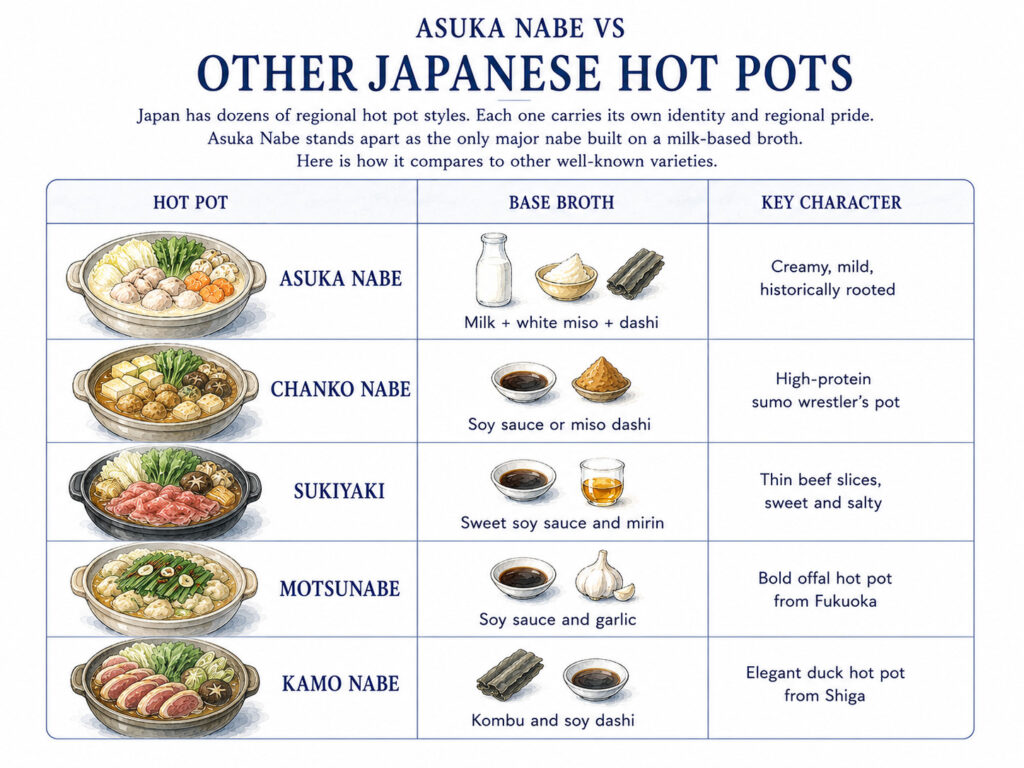
Japan has dozens of regional hot pot styles. Each one carries its own identity and regional pride. Asuka Nabe stands apart as the only major nabe built on a milk-based broth. Here is how it compares to other well-known varieties.
| Hot Pot | Base Broth | Key Character |
|---|---|---|
| Asuka Nabe | Milk + white miso + dashi | Creamy, mild, historically rooted |
| Chanko Nabe | Soy sauce or miso dashi | High-protein sumo wrestler’s pot |
| Sukiyaki | Sweet soy sauce and mirin | Thin beef slices, sweet and salty |
| Motsunabe | Soy sauce and garlic | Bold offal hot pot from Fukuoka |
| Kamo Nabe | Kombu and soy dashi | Elegant duck hot pot from Shiga |
Yamato Nabe: The Soy Milk Variation
A modern cousin called Yamato Nabe has grown popular across Nara in recent years. It uses soy milk instead of cow’s milk as the base. The result is lighter in texture and slightly nutty in flavor. Health-conscious diners and those with dairy sensitivities often prefer this version. The same chicken, tofu, and seasonal vegetables go into the pot. Many Nara restaurants now offer both options on their winter menus. Yamato Nabe works as a gentle introduction to this style of creamy Japanese hot pot. It is well worth trying if you enjoy plant-forward Japanese cooking.
Health Benefits of Asuka Nabe
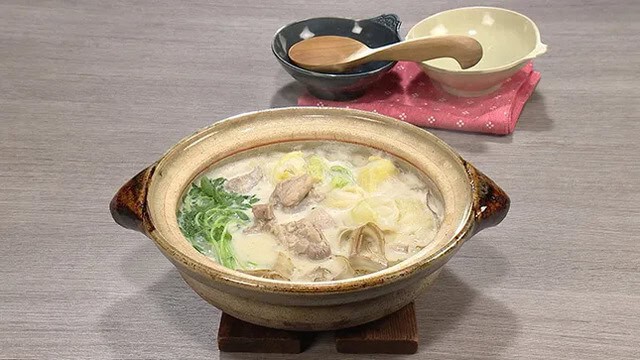
Asuka Nabe offers genuine nutritional value in every serving. Milk provides calcium, with one bowl delivering roughly 104mg. Chicken supplies high-quality protein for energy and recovery. The variety of vegetables adds vitamins A, B1, B2, B3, and E. Dietary fiber from vegetables and glass noodles reaches around 2.0g per bowl. The broth stays relatively low in fat when you skim it carefully. Warming spices like ginger and shichimi also support circulation in cold weather. This makes Asuka Nabe a genuinely healthy Japanese hot pot, not just a comforting one. Few winter dishes manage to be this nourishing and satisfying at once.
Where is Asuka Village?
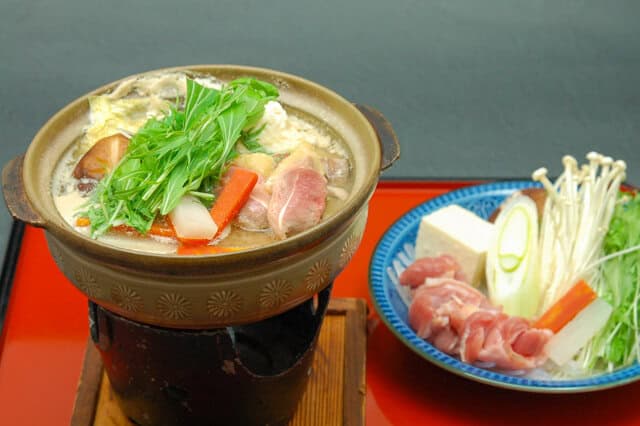
Asuka Village sits in the southern part of Nara Prefecture. Standing on Amakashi Hill, you look out over the wide Nara Basin spread below. The three sacred mountains of Yamato, Mount Unebi, Mount Kagu, and Mount Miminari, frame the horizon. Turning east reveals small paddy fields, quiet village lanes, and ancient temple rooftops. Asuka-Dera Temple, one of Japan’s oldest Buddhist temples, dominates the scene with its sweeping roof. Locals call this area the heartland of Japan. The landscape shifts with every season, from green spring paddies to golden autumn hillsides. Eating Asuka Nabe here, surrounded by ancient temples and countryside, makes the meal feel truly meaningful. Travellers who combine Nara sightseeing with a bowl of this milky stew rarely forget the experience.
Where to Eat Asuka Nabe in Nara
Zen (膳)
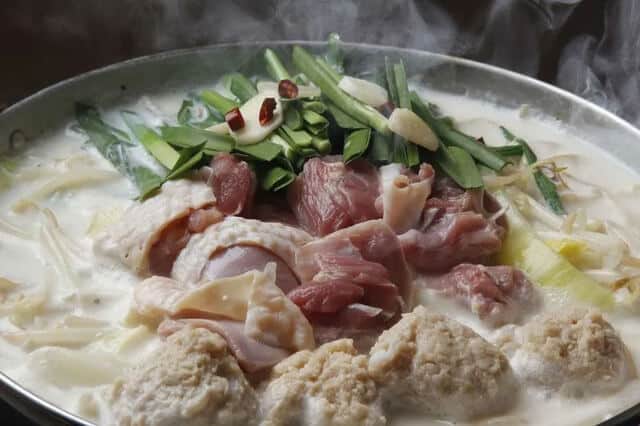
Zen is a lively Nara City restaurant known for bold, satisfying flavors. Its Asuka hot pot costs ¥1,280 (tax excluded). The broth is rich with milk and beautifully creamy. A mellow, easy-to-drink quality sets it apart. This bowl warms you from the inside on a cold winter evening.
Edogawa Naramachi Store (江戸川 ならまち店)
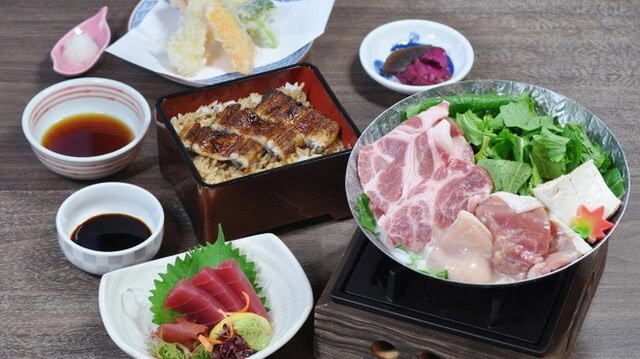
This restaurant occupies a beautifully restored kimono merchant’s house in Naramachi. The Asuka Nabe Course is ¥3,500 (tax included). It arrives with the hot pot plus a mini hitsumabushi side dish. The historic interior and the creamy nabe create a genuinely memorable pairing. Book ahead during winter weekends, as seats fill quickly.
Harishin (はり新)
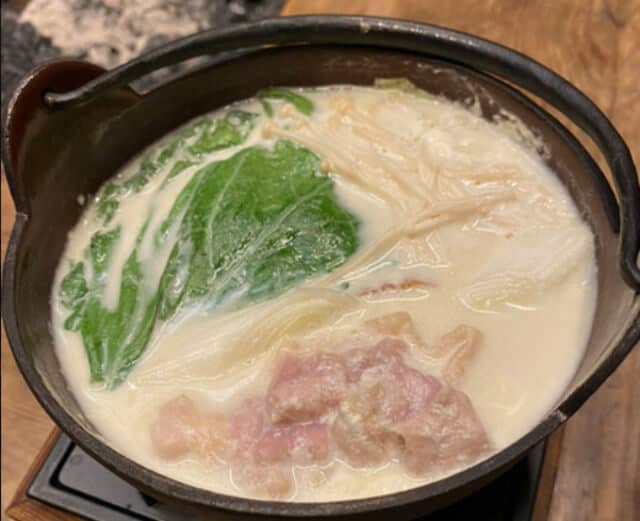
Harishin feels like stepping into old Japan. An irori sunken hearth anchors the traditional tatami dining room. The Asuka Nabe Gozen lunch costs ¥1,800 (tax included). Only ten sets are available each day, so a reservation is essential. The kitchen uses house-made white miso, premium chicken broth, and fresh milk. This is one of the most authentic Asuka Nabe experiences available in Nara City.
Address: 15 Nakaarayacho, Nara City, Nara Prefecture
Phone: 0742-22-2669
Hours: 11:30–14:00 (L.O.) / 18:00–20:00 (L.O.) Open Sundays
Website: harishin.com
Takeaway
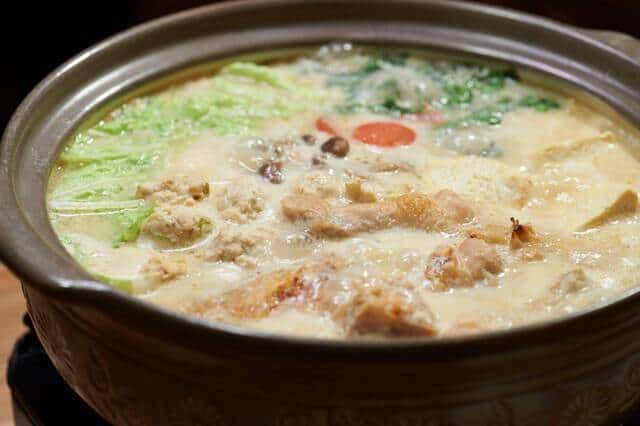
Nabe cuisine is a beloved part of winter in Japan. Asuka Nabe stands out from all of them. Its milk-and-dashi broth is unlike anything else in Japanese regional cooking. The history stretches back 1,400 years to ancient Nara. Flavor-wise, it is creamy yet light, savory yet gentle. Whether you enjoy it at a restaurant in Nara City, at a rural guesthouse in Asuka Village, or at your own kitchen table, this dish delivers. Making it at home is easier than you might expect, and just as rewarding.
You can also try other nabemono hot pot dishes in Japan, such as Motsunabe, Chanko Nabe, and Kamo Nabe.
References
- Nara Prefecture Tourism Bureau – Visit Nara (2024): visitnara.jp
- Asuka Village Official Tourism Site (2024): asuka-kankou.com
- Nara City Tourism Association – Asuka and Kashihara Regional Food (2024): narashikanko.or.jp
- Japan Food Research Laboratories – Nutritional Data on Traditional Hot Pots (2023): jfrl.or.jp
- Food in Japan – Nabemono Guide: foodinjapan.org/japan/nabe/
Asuka Nabe FAQ
What is Asuka Nabe?
Asuka Nabe is a traditional Japanese milk hot pot from Nara Prefecture. Chicken and vegetables simmer in a broth of dashi stock, fresh milk, and white miso. It is mild, creamy, and deeply comforting. The dish traces its origins to the 7th century Asuka period, making it one of Japan’s oldest regional cuisines.
Why does Asuka Nabe use milk?
Milk arrived in Japan during the Asuka period via Tang dynasty China. A royal messenger presented dairy products to Emperor Kotoku, sparking Japan’s first dairy culture. Asuka Nabe honors that 1,400-year-old tradition in every bowl. The milk blends with dashi to create a broth that is creamy but never heavy.
What does Asuka Nabe taste like?
The broth is creamy yet light. A savory dashi base is softened by fresh milk and white miso. There is no strong dairy smell or heavy texture. Most people describe it as mild, warm, and deeply comforting. A gentle sweetness from the miso rounds out the flavor beautifully.
Is Asuka Nabe healthy?
Yes, it offers solid nutrition. Milk provides roughly 104mg of calcium per serving. Chicken supplies high-quality protein. Vegetables add vitamins A, B1, B2, B3, and E, plus about 2.0g of dietary fiber. The broth is relatively low in fat when prepared with care.
Where can you eat Asuka Nabe?
Several Nara City restaurants serve it, including Zen, Edogawa Naramachi, and Harishin. Traditional guesthouses in Asuka Village and Kashihara often feature it as a dinner course. Some Nara ryokan include it in their winter menu as a highlight of local cuisine.
What are the main ingredients in Asuka Nabe?
The core ingredients are chicken, fresh milk, chicken broth, and white miso. Common additions include Chinese cabbage, shiitake mushrooms, tofu, carrot, and harusame glass noodles. White onion and burdock root also appear in traditional recipes. Each ingredient absorbs the milky dashi and becomes tender and flavorful.
Can I make Asuka Nabe at home?
Yes, and it is simpler than you might think. Use chicken broth as the base and add fresh milk in roughly a 1:1.25 ratio. Dissolve white miso into the liquid. Season with light soy sauce and simmer the vegetables and chicken gently. Finish with udon noodles in the leftover broth for a classic shime ending.
What is the difference between Asuka Nabe and Yamato Nabe?
Asuka Nabe uses fresh cow’s milk in the broth. Yamato Nabe replaces this with soy milk for a lighter, nuttier flavor. Both use similar vegetables and chicken. Yamato Nabe is a modern variation that appeals to health-conscious diners or those avoiding dairy products.
What is the history of Asuka Nabe?
Asuka Nabe history begins in 7th-century Japan, when Tang dynasty China introduced dairy culture to the Asuka region. Emperor Kotoku received condensed dairy as a royal gift and established cow farming at the Imperial Palace. This sparked Japan’s first milk culture. In the early Showa era, local chefs revived the tradition and shaped the modern version of Asuka hot pot.




Comments