





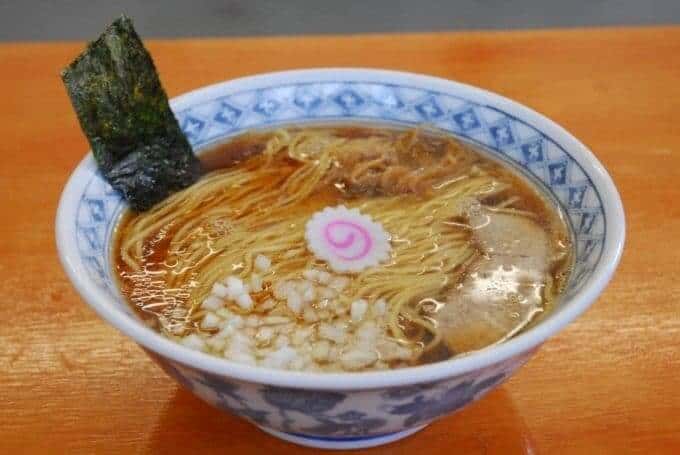
Hachioji ramen is a Tokyo-style shoyu ramen known for raw chopped onions and pork lard. It comes from Hachioji City, roughly 40 kilometers west of central Tokyo. What sets it apart from other Japanese ramen styles is the combination: a clear soy-sauce broth, generous raw onions on top, and just enough lard to round out the sharp edge of those onions. Simple on the surface, surprisingly complex in the bowl.
What Is Hachioji Ramen? Tokyo’s Onion-Forward Shoyu Ramen
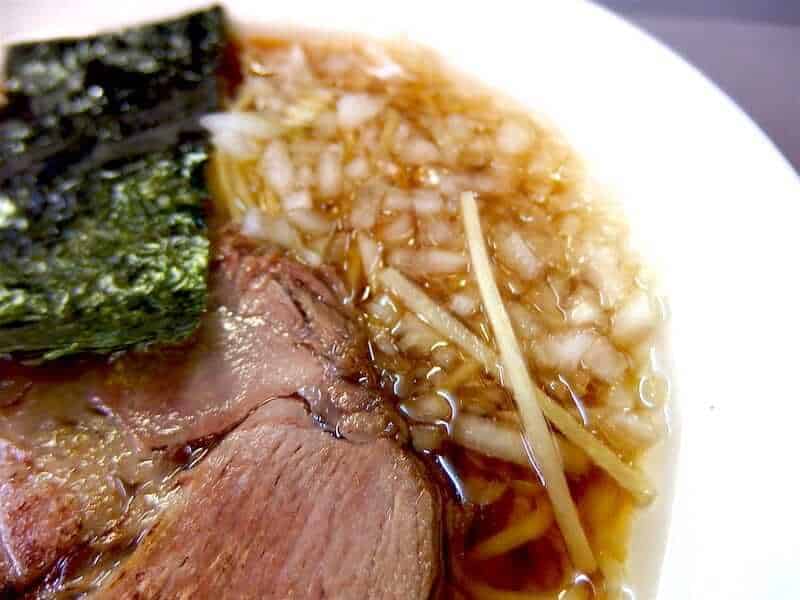
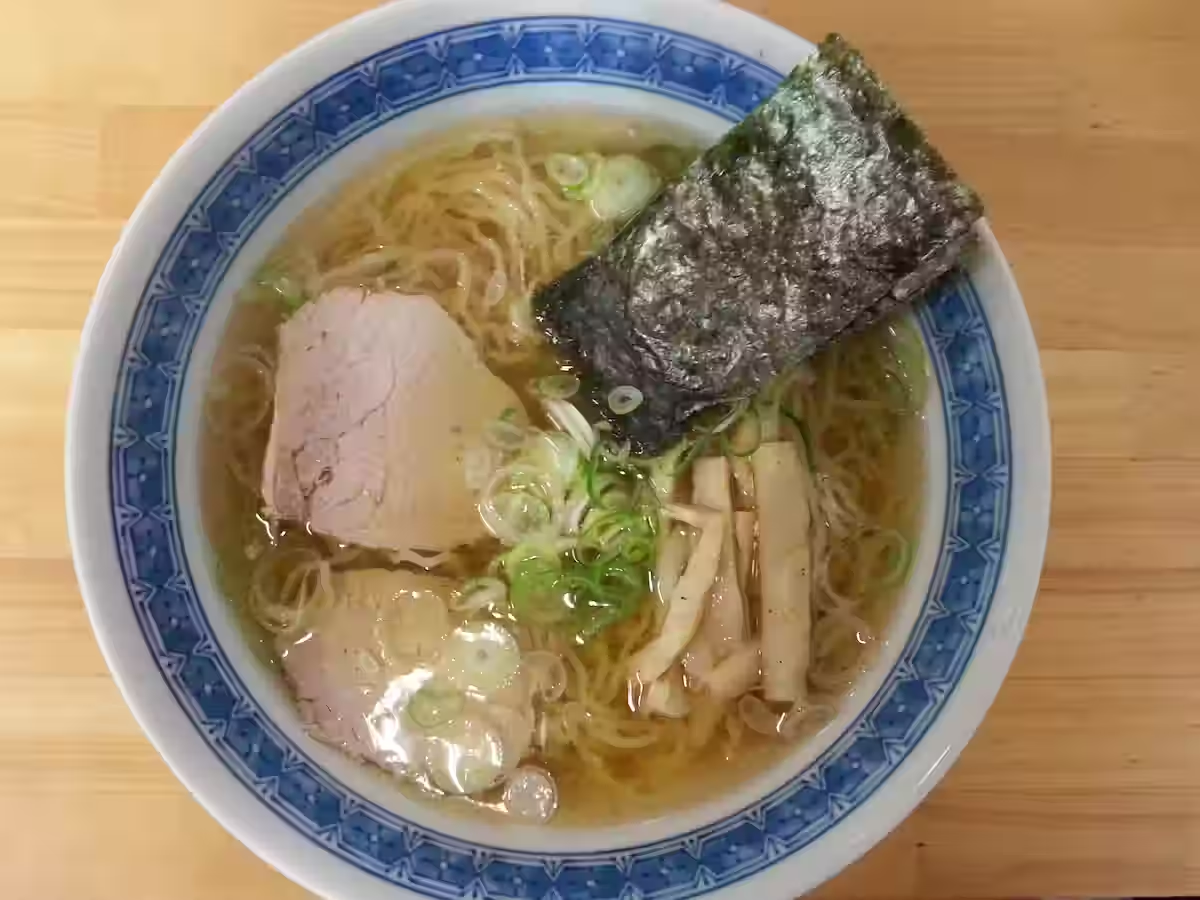
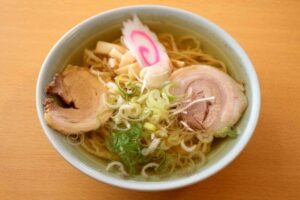
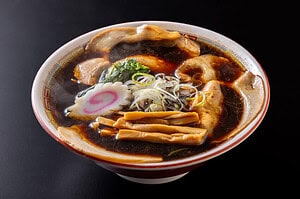
Hachioji ramen (八王子ラーメン) sits within the broader shoyu ramen family. The broth combines chicken and pork stock with a soy-sauce tare, producing a clear, amber-colored soup that is lighter than tonkotsu but still deeply savory. Chefs serve the noodles with char siu, bamboo shoots, and a heavy mound of raw chopped onions. A spoonful of lard finishes the bowl before it leaves the kitchen.
This is not the elegant, restrained ramen of Tokyo’s trendier neighborhoods. Hachioji ramen is honest, filling food. It was built for working people and has stayed that way. Locals treat it as an everyday meal rather than a special occasion, and most bowls cost under 1,000 yen. That accessibility is a feature, not an afterthought.
Why Raw Onions Define Hachioji Ramen
The onion question comes up fast for anyone trying this ramen for the first time. Why raw? And why so many? The answer is partly practical and partly about flavor balance. Raw onions add sharpness and crunch that cut through the richness of the lard and the depth of the soy broth. That textural contrast keeps each spoonful from feeling heavy.
There is also a temperature dynamic at work. The cold, raw onions slow down the heat of the soup slightly, which gives the diner a chance to taste the broth more clearly before it all blends together. Locals often stir the onions in at different points during the meal, adjusting the flavor as they go. Some prefer to eat them early for maximum bite; others hold them back and let them soften in the heat. Either way, removing the onions entirely would make it a different bowl entirely.
Why Pork Lard Is Essential
Lard in Hachioji ramen is not about adding richness for its own sake. Its original purpose was to suppress the pungency of raw onions. The founder of Hatsufuji, the shop credited with creating this style, discovered this through trial and error. He wanted the onion flavor without the harsh aftertaste, and a small amount of rendered pork fat achieved exactly that.
Beyond pungency control, lard coats the surface of the broth with a faint, fragrant layer that carries aroma to the nose before the soup even reaches the mouth. Goemon, one of Hachioji’s most respected shops, ages its lard for two full weeks before use. That aging process deepens the flavor and removes any raw, greasy quality. The result is subtle enough that many diners do not notice it consciously, but would miss it immediately if it were gone.
The Origin of Hachioji Ramen
The story begins with a small side-dish shop near Kitano Station. Postwar urban development forced the owner to relocate to Koyasumachi, a different kind of neighborhood with different foot traffic. Selling side dishes no longer made sense in the new location. The owner pivoted to ramen.
Chinese restaurants dominated the area at the time, and nearly all of them offered ramen delivery. Competing on the same terms seemed difficult. So the owner made one deliberate decision: no delivery, dine-in only. That choice forced him to develop a bowl worth sitting down for. He drew inspiration from ramen he had tasted in Hokkaido, then began adjusting the recipe to suit western Tokyo tastes. Chopped onions went in early. The pungency bothered him, so lard joined the recipe. After many iterations, he arrived at something he was satisfied with. That shop was Hatsufuji, and it became the founding document of Hachioji ramen.
Western Tokyo, including Hachioji, developed as an industrial and manufacturing hub through much of the 20th century. Workers in factories and workshops wanted food that was affordable, filling, and strong in flavor. Hachioji ramen fit that profile precisely. Its bold onion-forward taste and straightforward pricing made it a natural match for the neighborhood’s character, and that relationship between food and place still holds today.
How Hachioji Ramen Differs from Tokyo Shoyu Ramen
Both styles share a soy-sauce base, but the similarities thin out quickly from there. Tokyo ramen typically uses a delicate double-stock broth combining chicken with seafood, producing something light and nuanced. Hachioji ramen takes a bolder path: heavier soy, more prominent pork stock, and the raw onion-lard combination that no other Tokyo ramen style uses.
Tokyo ramen tends toward refinement. Hachioji ramen tends toward directness. Neither approach is wrong; they simply reflect different neighborhoods and different intentions. If you appreciate the clarity and balance of Tokyo shoyu, Hachioji will feel more robust. That is the point.
How to Make Hachioji Ramen
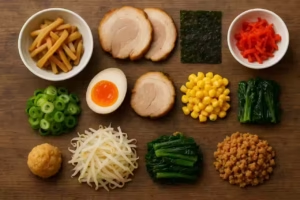
Recreating Hachioji ramen at home is genuinely achievable. The ingredients are not exotic, but the balance between them matters. Below is a guide to the core components for one serving.
| Ingredient | Role in the Bowl | Approximate Amount (1 serving) |
|---|---|---|
| Soy-sauce tare | Flavor base and seasoning | 30–40 ml |
| Chicken and pork stock | Broth body and umami | 350–400 ml |
| Ramen noodles (medium wavy) | Texture and body | 100–120 g |
| Char siu (pork) | Protein and richness | 2–3 slices |
| Raw chopped white onion | Sharpness and crunch | 3–4 tablespoons |
| Pork lard | Pungency control and aroma | 1 teaspoon |
Cook the noodles in a large pot of boiling water, stirring to keep them separate. While the noodles cook, warm the stock and combine it with the tare in the serving bowl. Drain the noodles and add them to the broth. Layer the char siu on top, pile the raw onions generously over the noodles, and finish with a small spoonful of lard. Serve immediately. The onions should still be cold when the bowl reaches the table.
For a plant-based version, replace the pork stock with kombu and dried shiitake dashi, swap the char siu for seasoned tofu or mushrooms, and use a small amount of fragrant sesame or scallion oil in place of lard. The onion topping remains unchanged. The result will not be identical, but the core character of the bowl transfers well.
Restaurants That Serve Hachioji Ramen
Several shops in Hachioji have built loyal followings over decades. Here is a quick comparison to help you choose.
| Restaurant | Known For | Price Range | Nearest Station |
|---|---|---|---|
| Minmin Ramen Main Store | Classic lard-onion style, long queues, family-run | Around 810 JPY | Hachioji area |
| Ramen Motsuke | Flat noodles, generous char siu, quick fill | Around 800 JPY | 8 min from Hachioji Station |
| Goemon | Aged lard, slow-cooked shoulder char siu, local favorite | Varies by order | 3 min from Hachioji Station |
Minmin Ramen Main Store
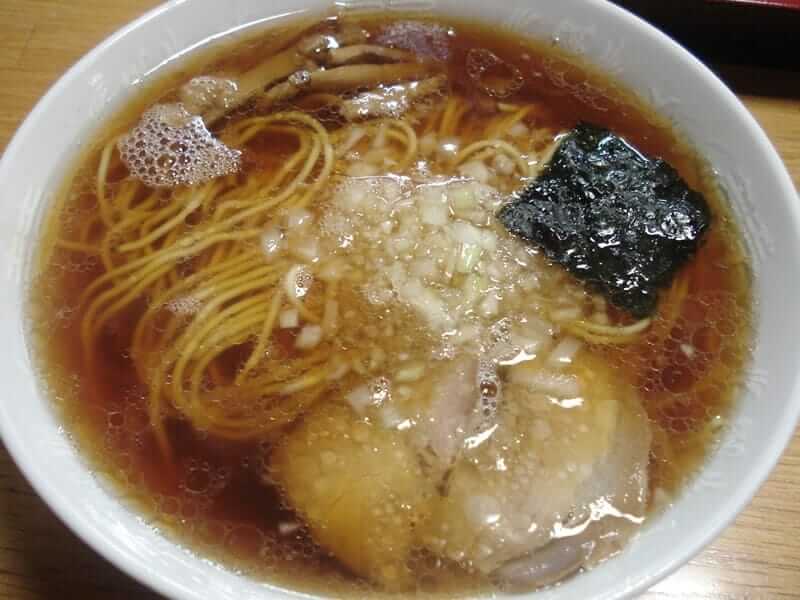
Noriko Okamoto founded Minmin Ramen in 1982. She and her son Soraya have run it together ever since. The restaurant keeps things simple: no elaborate decor, no seasonal menu changes. Regulars come back for the consistency. The lard-onion balance here is straightforward and satisfying, and the char siu gets consistent praise for its texture. Expect a queue, especially at lunch.
Ramen Motsuke
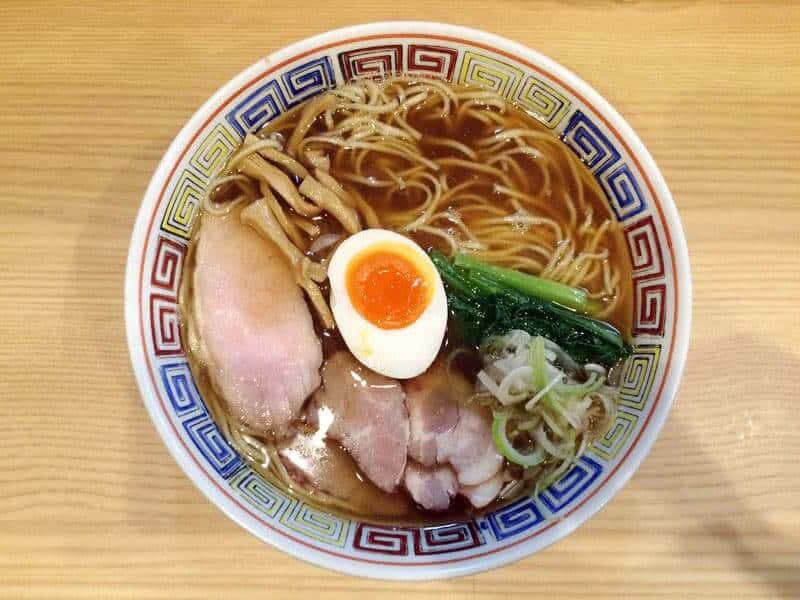
Motsuke sits about eight minutes from Hachioji Station on foot. Its flat noodles distinguish it from most other local shops, giving each bite a slightly different chew and sauce-carrying capacity. Char siu portions lean generous here. At around 800 JPY, the value is hard to argue with. Arrive before the lunch rush or expect to wait.
Goemon
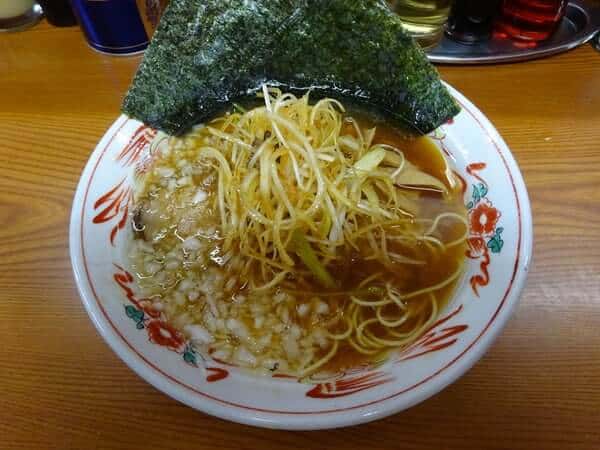
Yasuyuki Ishikawa opened Goemon in 1996 at age 25. He grew up in Hachioji and spent years working in various restaurants before opening his own. His approach to the onion topping involves a specific chopping method designed to release more flavor with each bite. The lard at Goemon ages for two weeks before use, which deepens the aroma and removes any sharpness. Char siu here uses shoulder butt, boiled for two hours in house seasoning until it reaches a soft, yielding texture. The shop is a three-minute walk from Hachioji Station.
Key Points at a Glance
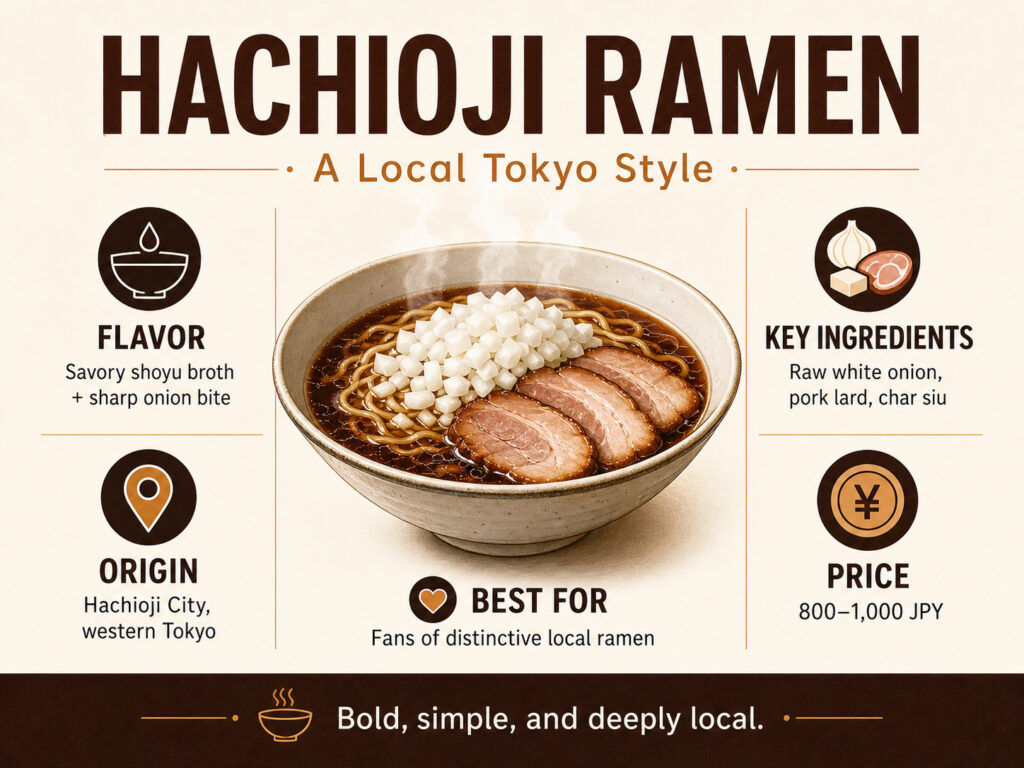
- Flavor: Savory, bold shoyu broth with sharp onion bite and gentle lard richness
- Defining features: Raw chopped white onions, pork lard, clear soy-sauce broth, char siu
- Origin: Hatsufuji shop in Hachioji City, western Tokyo, postwar era
- Price range: 800–1,000 JPY for a standard bowl
- Best for: Ramen fans who want something distinctly local rather than a well-known national style
Hachioji ramen will not suit everyone’s taste on the first encounter. The raw onions can feel like a lot. But there is a reason the shops near Hachioji Station have been full for decades. Once the balance clicks, it is one of the most satisfying and personal ramen styles in the Tokyo area. Worth a detour, and worth sitting down for.
Interested in more Tokyo noodle culture? Explore our guide to Tokyo ramen for the broader shoyu tradition behind this style, or read about shoyu ramen to understand the flavor base that Hachioji ramen builds on.
Hachioji Ramen FAQ
What does Hachioji ramen taste like?
The broth is savory and clear, with the soy-sauce base providing most of the flavor structure. Raw onions contribute sharpness and crunch. Lard adds a faint, rounded richness without making the soup heavy. The overall impression is bold and direct, noticeably more assertive than standard Tokyo shoyu ramen. Some people find the onion presence strong at first; most find it addictive by the second visit.
Why do they put raw onions on Hachioji ramen?
The founder of Hatsufuji introduced raw onions as a signature topping from the beginning. Onions add textural contrast, flavor sharpness, and a cooling element that balances the hot broth. They also interact with the lard to moderate each other’s intensity. The pairing was deliberate, and it became the defining characteristic of this ramen style.
How is Hachioji ramen different from Tokyo shoyu ramen?
Both use a soy-sauce base, but Tokyo shoyu ramen typically blends chicken and seafood stocks for a lighter, more delicate result. Hachioji ramen uses a heavier pork-forward stock and adds the raw onion and lard combination that does not appear in mainstream Tokyo ramen. The flavor is more robust and the presentation is less refined. They are related styles, but not interchangeable.
How much does Hachioji ramen cost?
Most bowls at established Hachioji ramen shops cost between 800 and 1,000 JPY. This pricing reflects the style’s roots as everyday working food rather than a destination dining experience. Specialty toppings or extra char siu will add to that base cost, but even a fully loaded bowl rarely exceeds 1,300 JPY.
References
Food in Japan – Tokyo Ramen (accessed 2026, May)
Food in Japan – Japanese Ramen: Regional Styles and Ramen Culture (accessed 2026, May)
Food in Japan – Tokyo Food Guide (accessed 2026, May; regional context for western Tokyo food culture)



Comments