



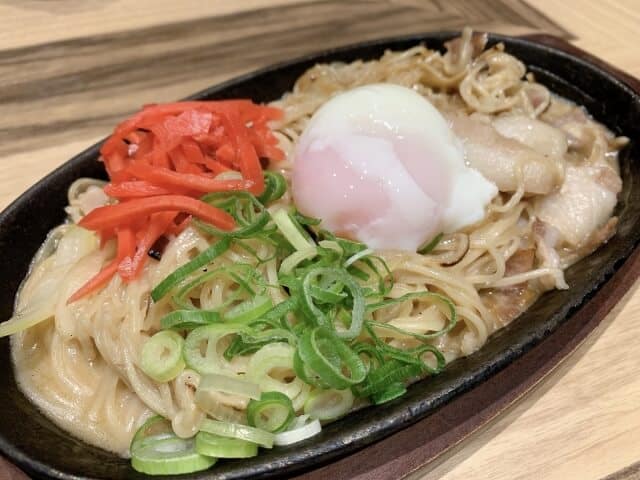
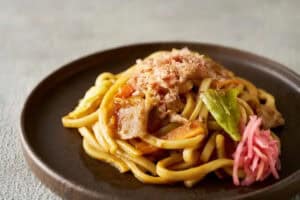
焼きラーメン Yaki ramen is a Japanese grilled ramen dish born in Fukuoka’s street food stall culture. Thin ramen noodles are stir-fried on a hot iron plate with tonkotsu pork bone broth and Worcestershire-style sauce, producing something between a soup noodle and a dry stir-fry. It has no broth bowl. No soup spoon needed. Just a plate of smoky, savory noodles that smell like Hakata on a summer night.
What is Yaki Ramen?
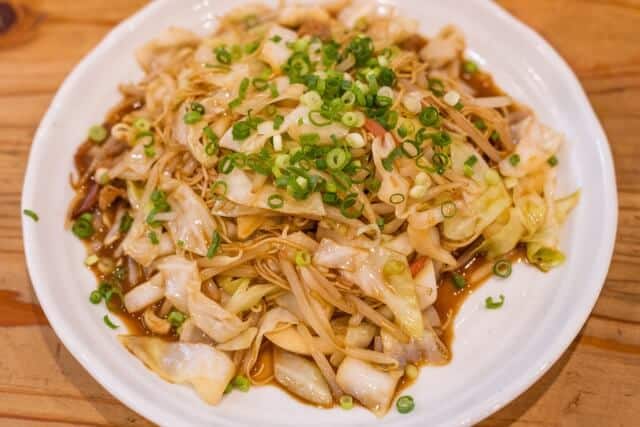
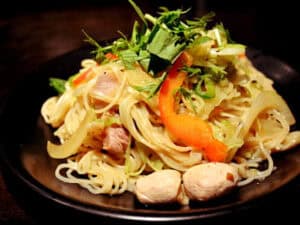
Yaki ramen (焼きラーメン) is a soupless ramen dish from Fukuoka Prefecture. Boiled ramen noodles are drained and stir-fried on an iron plate with pork belly, cabbage, bean sprouts, and a sauce built on reduced tonkotsu broth. The noodles pick up the flavor directly from the pan rather than floating in a bowl of soup. It is a hot, smoky, filling dish most associated with Fukuoka’s famous yatai outdoor stalls, particularly those in the Tenjin and Nakasu districts.
The dish sits in an interesting position in Japanese food culture. It looks familiar at first glance, resembling yakisoba. But the noodle type, the cooking method, and the seasoning are all different. Understanding those differences helps explain why Fukuoka residents consider yaki ramen its own thing rather than a variation of something else.
Yaki Ramen vs. Yakisoba: The Key Differences
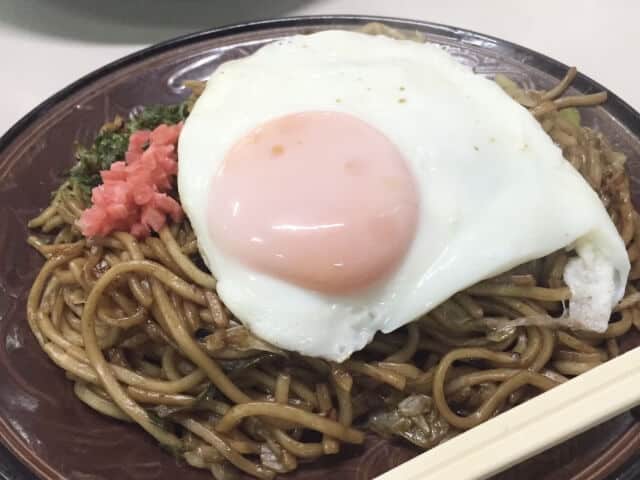
This comparison comes up immediately for anyone encountering yaki ramen for the first time, and the differences are more meaningful than they might appear.
The Noodles
Yakisoba uses steamed wheat noodles that have been pre-cooked and are often sold in vacuum-sealed packs. Yaki ramen uses boiled ramen noodles, the same ultra-thin straight variety used in Hakata tonkotsu ramen. The noodles are boiled from dry or fresh, drained thoroughly, and then stir-fried. The difference in noodle type creates a different texture in the finished dish: yaki ramen noodles are smoother and more delicate.
The Seasoning
Yakisoba is seasoned with a sweet, tangy Worcestershire-style sauce that is poured over the noodles during stir-frying. Yaki ramen uses a reduced tonkotsu pork bone broth as its primary flavor, often with a small amount of Worcestershire or soy sauce added for depth. The broth is cooked down before adding to the pan so it coats the noodles without making them wet. The result tastes like ramen but with the texture of a dry stir-fry.
That tonkotsu base is not incidental. It is the reason yaki ramen tastes distinctly Fukuokan rather than like a generic stir-fried noodle dish. The rich, milky depth of Hakata tonkotsu ramen runs through every bite.
Born at the Yatai: Fukuoka Street Food Culture
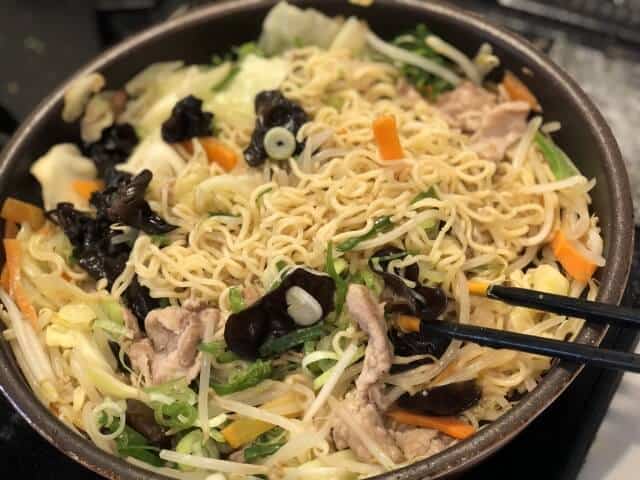
How It Started: A Summer Problem at Kogane-chan
Yaki ramen was invented in 1968 at Kogane-chan, a yatai stall in the Tenjin district of Fukuoka City. The story behind it is practical rather than dramatic. During hot summer months, customers at the stall were reluctant to eat ramen because drinking a hot bowl of soup in the heat was unappealing. The owner responded by cooking the ramen noodles differently: boiling them, draining the soup away, and stir-frying them on the iron plate with a concentrated version of the same tonkotsu broth as sauce.
The dish solved the problem. Customers got the flavor they wanted without having to drink hot soup. It became popular quickly, spread to neighboring stalls, and eventually moved into Fukuoka ramen restaurants. The yatai stall format, where you sit under a small canopy at a counter while the cook works in front of you on a flat iron griddle, is still the most atmospheric way to eat yaki ramen today.
From Street Stall to National Shelf
By the mid-2000s, the dish had attracted enough national attention that multiple major food companies released instant versions. Nagatanien, House Foods, Itsuki Foods, Myojo, Sanyo Foods, and others all launched packaged yaki ramen products. Kogane-chan itself also authorized a commercialized version. The dish had completed the journey from local street stall invention to national pantry staple within about forty years.
What Does Yaki Ramen Taste Like?
Flavor
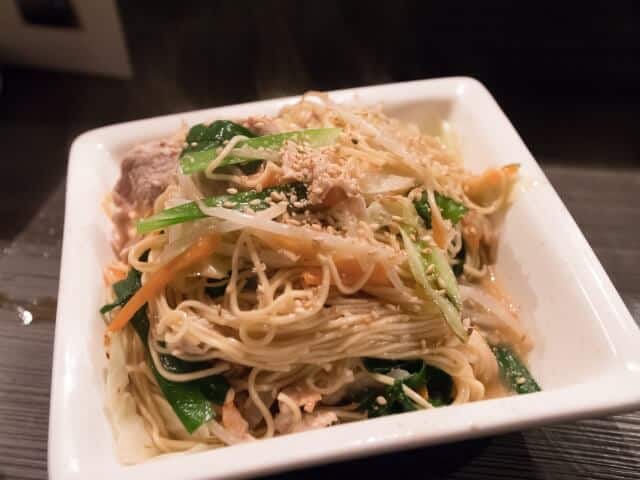
The dominant note is savory and rich, with the milky depth of tonkotsu running underneath a slight sharpness from Worcestershire sauce. It is not sweet like yakisoba. The flavor is more serious, more layered. A small amount of soy sauce adds a background saltiness that pulls the whole thing together.
Texture
The noodles develop a slightly crispy surface where they contact the iron plate directly, while the interior stays soft and chewy. This contrast is the defining textural experience of the dish. The vegetables, particularly the cabbage and bean sprouts, retain some bite and provide a fresh counterpoint to the richness of the noodles and pork.
Aroma
The iron plate does something to the tonkotsu broth that a regular cooking pan does not. The high heat caramelizes the reduced broth slightly as it hits the hot surface, producing a smoky, savory aroma that is recognizable from several stalls away. Red pickled ginger cut into thin strips is served on top, adding a sharp, bright fragrance that cuts through the richness when you take a bite.
How to Make Yaki Ramen at Home
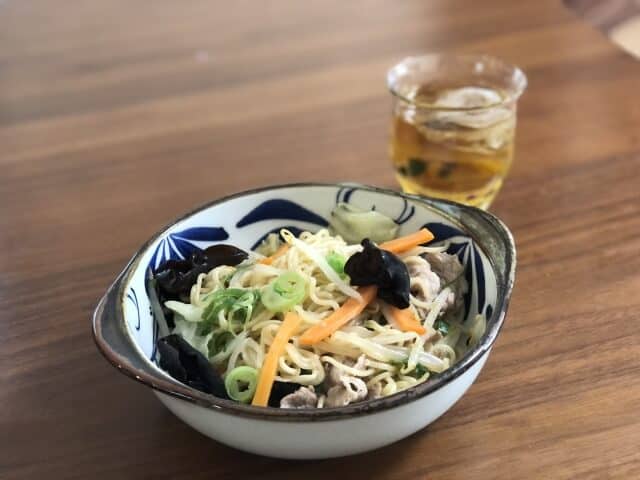
Ingredients (1 serving)
| Ingredient | Amount |
| Instant ramen noodles (tonkotsu variety) | 43g |
| Pork belly, sliced 2cm wide | 30g |
| Seafood mix (optional) | 30g |
| Cabbage, cut into 1cm strips | 60g |
| Bean sprouts | 50g |
| Green onion, finely sliced | 11g |
| Chicken stock powder | 7g |
| Soy sauce | 7g |
| Boiling water | 200ml |
| Instant ramen soup powder | 15g |
| Red pickled ginger | to taste |
Steps
Prepare all ingredients
Cut the cabbage into 1cm wide strips. Slice the pork belly to about 2cm pieces. Finely chop the green onion. Have everything ready before cooking starts. Yaki ramen moves quickly on high heat, and pausing mid-cook to chop vegetables will result in uneven noodles.
Boil and drain the noodles — water removal is critical
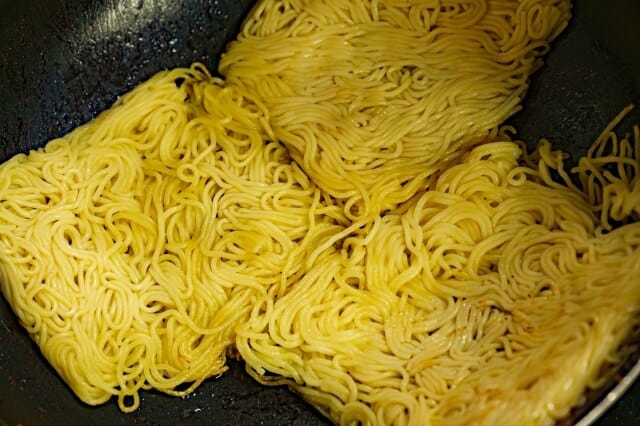
Bring water to a boil and cook the noodles with the seafood mix according to packet timing. Drain immediately and shake the colander well. Do not rinse with cold water here, unlike hiyashi chuka. The noodles should be hot and well-drained. Any residual water in the noodles will steam instead of fry, preventing the crispy surface. Reserve the cooking water for the sauce.
Stir-fry the pork and vegetables
Heat a frying pan or iron plate over medium-high heat. Add the pork belly and cook until the color changes. Add the cabbage, bean sprouts, green onion, and chicken stock powder. Stir-fry for about 90 seconds. The vegetables should soften slightly but still retain some crunch.
Add noodles and stir-fry for 1 minute
Add the drained noodles to the pan. Spread them across the surface and press them lightly against the hot iron. Leave them undisturbed for about 20 seconds before tossing. This creates the slightly crispy surface that defines yaki ramen’s texture. Stir-fry the whole mix for about 1 minute total.
Add the sauce and finish
Mix the ramen soup powder, hot reserved water, and soy sauce together to make a concentrated sauce. Pour it around the edges of the pan rather than directly onto the noodles. This lets the sauce reduce slightly on contact with the hot surface before mixing in, deepening the flavor. Toss everything together, plate immediately, and top with red pickled ginger.
The most important tip: drain the noodles as thoroughly as possible after boiling. Excess water prevents the noodles from crisping on the iron surface and dilutes the tonkotsu sauce. Shake the colander vigorously, or spread the noodles briefly on a tray before frying.
Ready-Made Yaki Ramen Products
Several packaged options make yaki ramen accessible without tracking down a Fukuoka stall.
7-Eleven Tonkotsu Yaki Ramen
Available at 7-Eleven convenience stores across Japan, this version uses a rich tonkotsu-based sauce finished with ma oil and green onion oil. It is ready to eat as purchased, which makes it one of the more convenient ways to try the dish without cooking.
Yamaichi Yaki Ramen Kit
A home cooking kit that includes fresh chewy noodles and a pre-made chin dashi sauce. Everything is portioned for one serving, which reduces guesswork when trying the dish for the first time at home.
Otafuku Kyushu Yaki Ramen Sauce
Otafuku, best known for its okonomiyaki sauce, also produces a dedicated yaki ramen sauce with Worcestershire as its base. Adding a small amount during cooking replicates the layered sweet-savory flavor of stall-style yaki ramen without needing to reduce tonkotsu broth from scratch.
Where to Eat Yaki Ramen in Fukuoka
The best yaki ramen is found at Fukuoka’s yatai outdoor stalls and specialist ramen restaurants in the Tenjin area. These three represent the original, the classic stall experience, and the ramen shop interpretation.
Kogane-chan (小金ちゃん) — The Originator
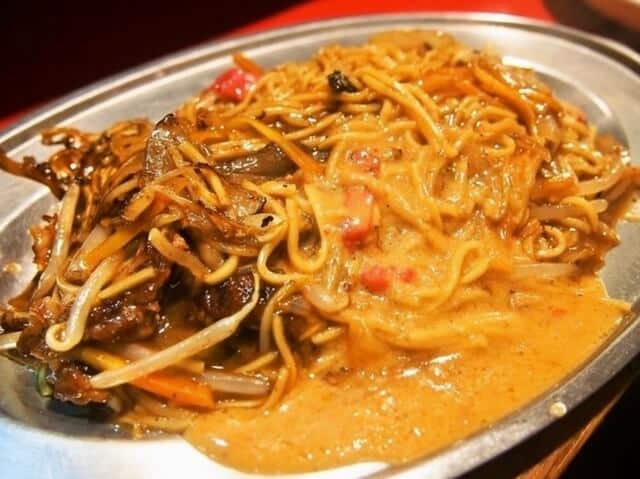
Kogane-chan in Tenjin is where yaki ramen was invented in 1968. The dish served here is the direct descendant of that first version: soft, well-simmered noodles in a thick, rich tonkotsu sauce. The flavor is deeply savory with concentrated broth that coats every strand. Waiting is common and considered worth it. This is the reference point against which all other versions are measured.
Unzen (雲仙) — The Classic Yatai Stall
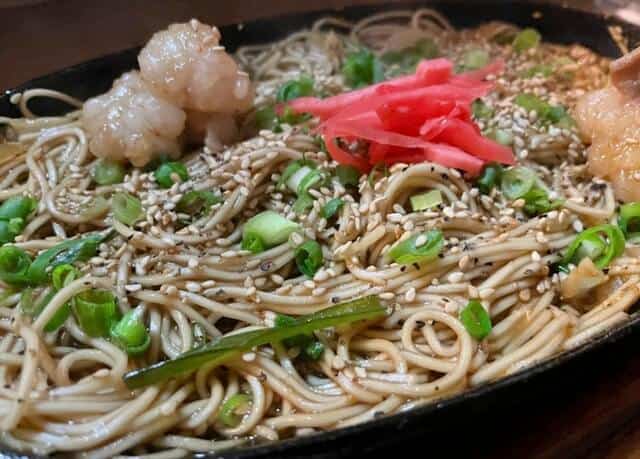
Unzen sits in front of the Fukuoka Bank head office and is easy to find even on a first visit. The stall format is accessible and unpretentious: pull up a stool and eat with whatever company you have. Unzen is technically more famous for its iron pot gyoza, but the yaki ramen earns its own loyal following. The bowl arrives loaded with bean sprouts and pork, topped with green onions, pickled ginger, and sesame seeds.
Hakata Ramen ShinShin (博多らーめん ShinShin) — The Ramen Shop Version
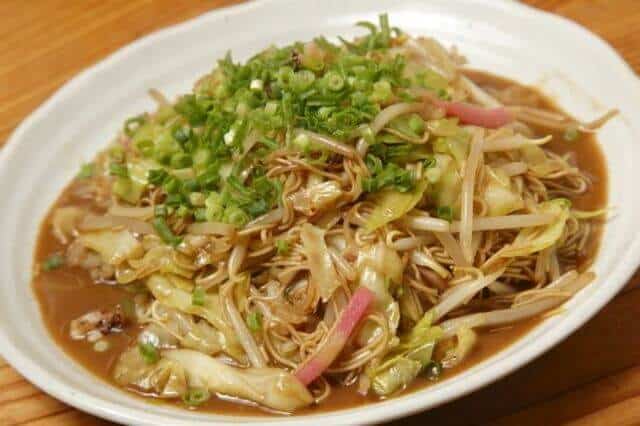
ShinShin is primarily known for its regular Hakata ramen, but the yaki ramen here is a genuine reason to visit on its own. As a dedicated ramen restaurant rather than a street stall, ShinShin uses its signature tonkotsu broth to season the stir-fried noodles, producing a cleaner, more precise version of the dish. The standard version includes bean sprouts, cabbage, kamaboko, pork, and green onions. A mentaiko (spicy pollock roe) version is also available, reflecting Fukuoka’s other famous local ingredient.
Final Thoughts
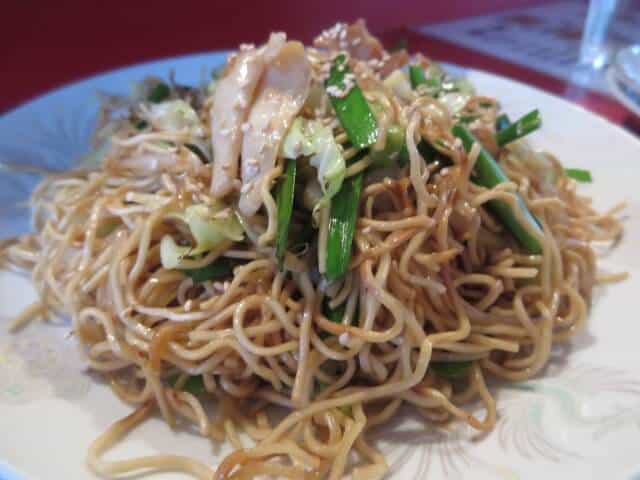
Fukuoka Yaki ramen is one of those dishes that makes complete sense once you understand where it came from. A practical solution to a hot-weather problem, invented at a street stall, built entirely on the tonkotsu culture that defines Fukuoka’s food identity. The fact that it is now sold nationwide in convenience stores and instant noodle packs does not change what it is at its core: stir-fried ramen from a yatai, eaten standing up or on a low stool in the summer heat.
If you want to explore Fukuoka’s food culture more broadly, the guides on Hakata ramen and mizutaki cover two more pillars of the same culinary tradition. For Japanese stir-fried noodle dishes in general, the noodles collection has a wide range of regional options.
Exploring Japanese noodle dishes? Browse soba, udon, noodles, and ramen on Food in Japan.
Yaki Ramen FAQ
What is yaki ramen?
Yaki ramen (焼きラーメン) is a soupless Japanese stir-fried ramen dish from Fukuoka. Boiled thin ramen noodles are drained and cooked on a hot iron plate with pork, cabbage, bean sprouts, and a sauce made from reduced tonkotsu broth. It has no soup bowl. The noodles absorb the broth flavor directly through stir-frying.
How is yaki ramen different from regular ramen?
Regular ramen is served in a bowl of hot broth. Yaki ramen has no soup. The noodles are stir-fried on an iron plate with a concentrated sauce, producing a smoky, slightly crispy dish with all the flavor of tonkotsu broth but none of the liquid. Think of it as soupless ramen rather than a soup with noodles.
What is the difference between yaki ramen and yakisoba?
Two main differences. First, the noodles: yakisoba uses pre-steamed wheat noodles, while yaki ramen uses boiled thin ramen noodles. Second, the seasoning: yakisoba uses Worcestershire-style sauce, while yaki ramen uses reduced tonkotsu pork bone broth as its primary flavor, sometimes with a small amount of sauce added. The result tastes distinctly different despite looking similar.
Why was yaki ramen invented?
It was created in 1968 at Kogane-chan yatai stall in Tenjin, Fukuoka, because customers did not want to drink hot soup in summer. The owner adapted the ramen noodles to a stir-fried format, using a reduced version of the tonkotsu broth as sauce instead. It solved a practical problem and became a local specialty.
What does yaki ramen taste like?
Savory, rich, and smoky. The tonkotsu base provides a milky depth, while the Worcestershire element adds a slight sharpness. The noodles develop a lightly crispy surface from the hot iron plate, with a chewy interior. Red pickled ginger on top adds a sharp, bright contrast.
Where can I eat yaki ramen in Fukuoka?
The best places are the yatai outdoor stalls in Tenjin and Nakasu. Kogane-chan is the original. Unzen is a well-known stall nearby. Hakata Ramen ShinShin offers a restaurant version with the same tonkotsu pedigree. Most stalls operate from early evening until the early hours of the morning.
Can I make yaki ramen at home?
Yes, and it is straightforward. Use instant tonkotsu ramen noodles, boil and drain them thoroughly, stir-fry with pork and vegetables, then add a sauce made from the soup powder and a small amount of water. The key is draining the noodles well so they fry rather than steam on the pan.
Is yaki ramen soupless ramen?
Yes, that is an accurate description. The broth flavor is present but it has been reduced to a sauce and absorbed into the noodles during stir-frying. There is no soup to drink. It is closer in format to yakisoba than to a bowl of ramen, but the flavor is distinctly ramen due to the tonkotsu base.
References
- Fukuoka Yatai Guide — Unzen (雲仙): yatai.fukuoka.jp/fukugin/unzen
- Hakata Ramen ShinShin official site: hakata-shinshin.com



Comments