ngothuyhuong– Author –
ngothuyhuong
Huong Ngo is a Vietnamese writer who has studied Japanese language and culture for over five years. She previously lived and worked in Japan for three years, gaining firsthand experience of Japanese society, culture, and everyday life.
She writes about Japanese food, culture, and travel, while also enjoying the opportunity to explore cuisines and traditions from around the world. Her interests include traveling, discovering local foods, and learning about the cultural stories behind them. She is also a longtime Doraemon fan, with a particular fondness for dorayaki.
Her experience living in Japan and background in Japanese studies inform her approach to exploring Japan beyond the most familiar tourist destinations.
-
Type
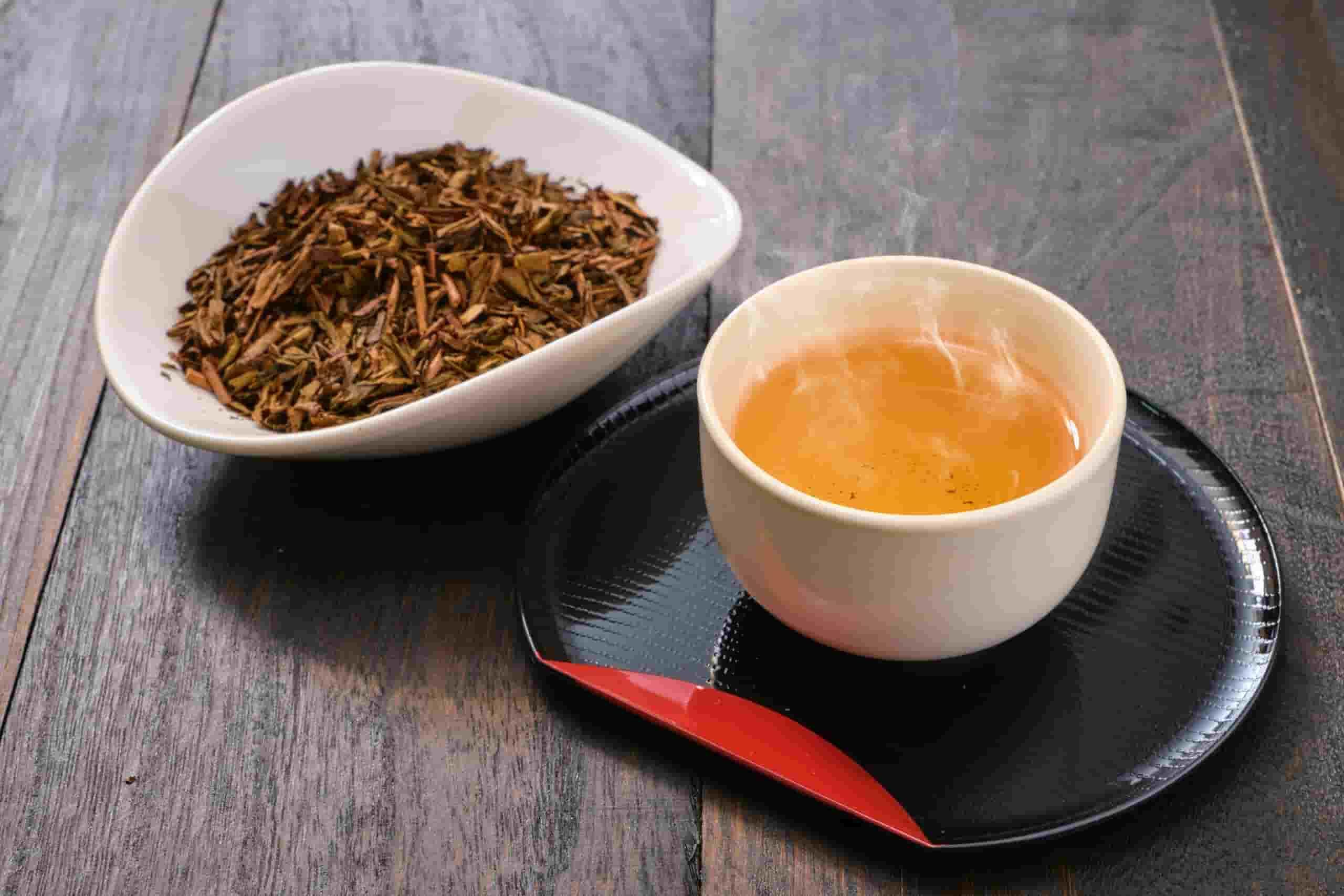
Karigane Hōjicha (雁が音ほうじ茶)
Karigane Hōjicha (雁が音ほうじ茶) is a roasted Japanese tea. Producers make it from karigane: the stems, stalks, and leaf veins they sort out while processing gyokuro and other high-grade, shade-grown tea. It starts from gyokuro-grade pl... -
Type
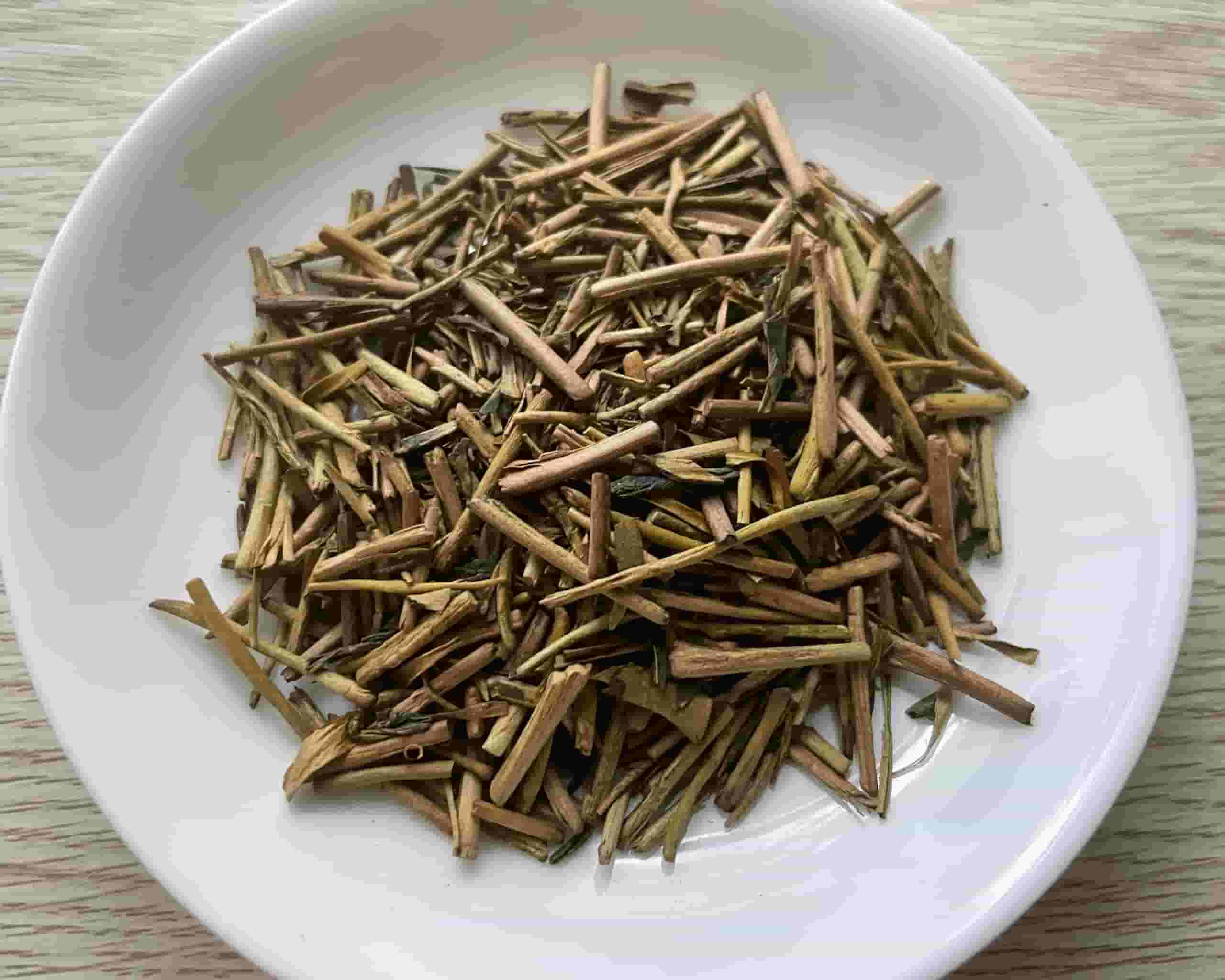
Kaga Bōcha (加賀棒茶)
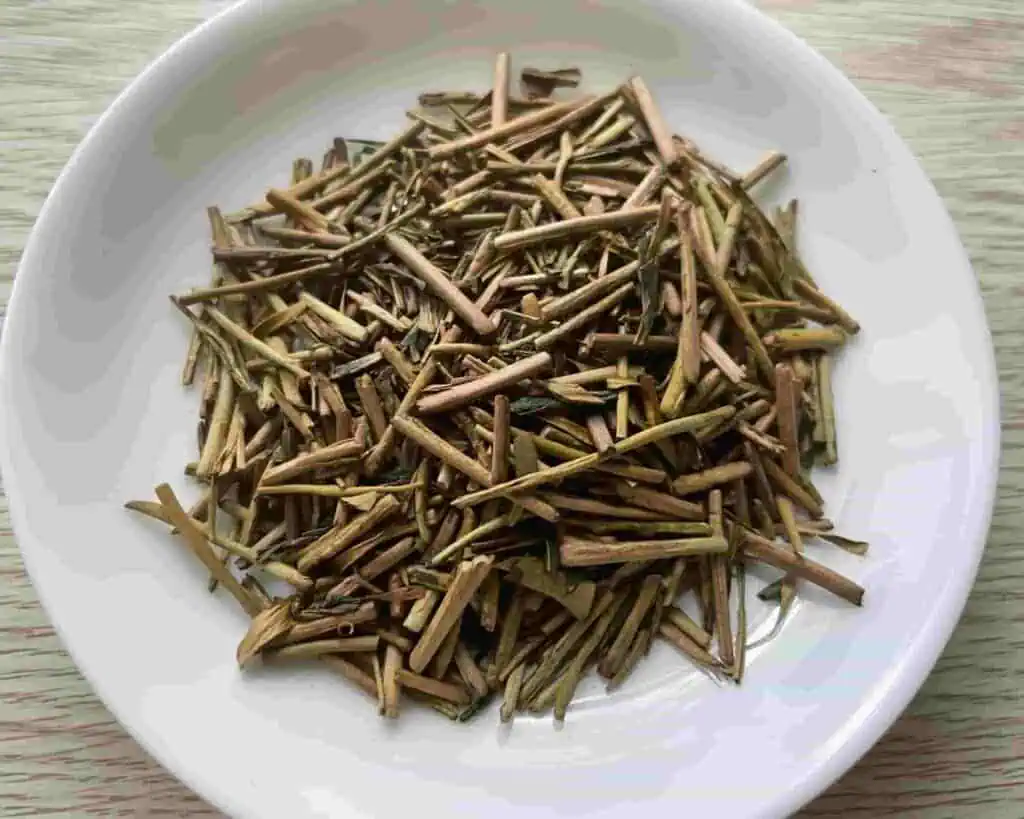
Kaga Bōcha (加賀棒茶) is a roasted Japanese tea made almost entirely from tea stems rather than leaves. It comes from Kanazawa, in Ishikawa Prefecture. Dozens of local roasting houses there turn separated tea stems into a naturally sweet... -
Type
Sannen Bancha (三年番茶)
Sannen Bancha (三年番茶), or "three-year bancha," is a Japanese tea named for its production timeline, not a single home region. Producers either age mature tea leaves and stems for three years before roasting them. Or they let a tea bus... -
Type
Kyobancha(京番茶)
Kyobancha (京番茶), also sold as Iribancha, is Kyoto's own style of roasted green tea: large, unrolled leaves with an intensely smoky aroma, brewed into a surprisingly mellow, low-bitterness cup. It's made from the coarse, mature leaves ... -
Type
Bancha(番茶)
Bancha (番茶) is Japan's everyday green tea. It's an inexpensive, mild-tasting brew made from more mature leaves, picked later in the season than the tender young growth used for sencha or gyokuro. Many households in Japan keep it in the... -
Type
Usucha(薄茶)
Usucha (薄茶), or "thin tea," is the light, faintly foamy bowl of whisked matcha. It's what most people picture when they imagine Japanese tea. You whisk it briskly with a bamboo chasen until the surface turns pale green and lightly frot... -
Type
Koicha (濃茶)
Koicha (濃茶), or "thick tea," is the dense, syrup-like matcha that hosts prepare and guests share during the formal Japanese tea ceremony. The host kneads it slowly into a smooth, glossy paste rather than whisking it into a light, foamy... -
Type
Culinary Matcha
Culinary Matcha is a commercial term. Sellers use it for matcha they process and price for recipes, not for drinking straight with water. The label usually points to a bolder, more assertive flavor. That boldness lets it hold its own aga... -
Type
Ceremonial Matcha
Ceremonial Matcha is a commercial term for matcha intended to taste good when whisked with water and enjoyed without milk or sugar. The label usually suggests a fine texture, clear fragrance, strong umami, and controlled bitterness. Howe... -
Type
Chumushi Sencha (中蒸し煎茶)
Chumushi Sencha (中蒸し煎茶) is a medium-steamed type of Japanese sencha green tea. It sits between Asamushi, lightly steamed sencha, and Fukamushi, deeply steamed sencha, offering a balanced cup with fresh aroma, gentle umami, moderate ...