



.jpg)
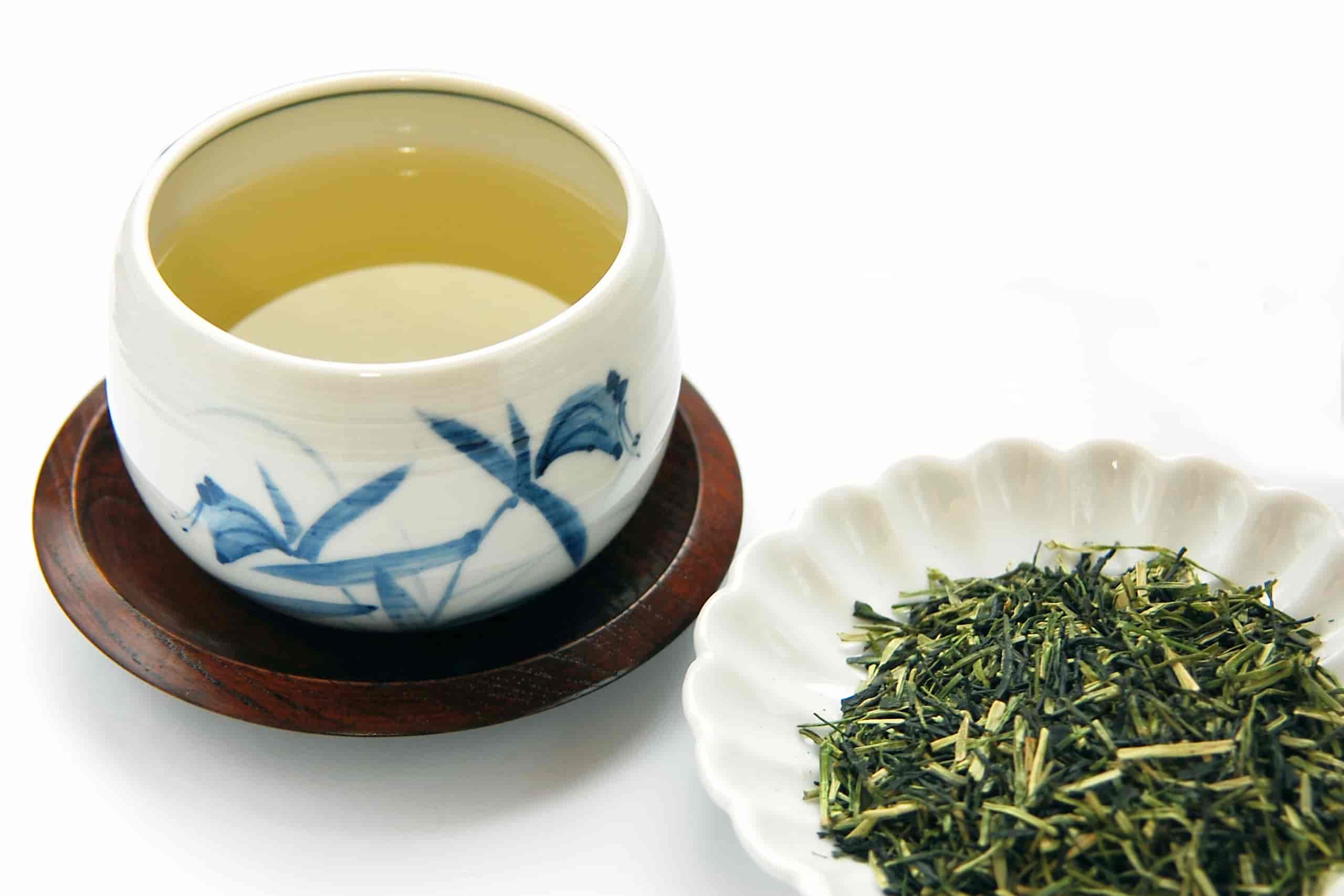
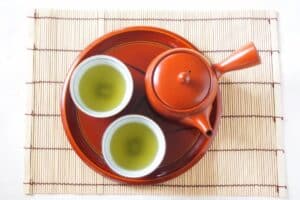
Sencha (煎茶) is Japan’s everyday green tea, known for its fresh aroma, gentle sweetness, grassy flavor, and balanced umami. People drink it at home, in offices, with meals, and at restaurants, so it offers one of the easiest ways to experience Japanese tea culture.
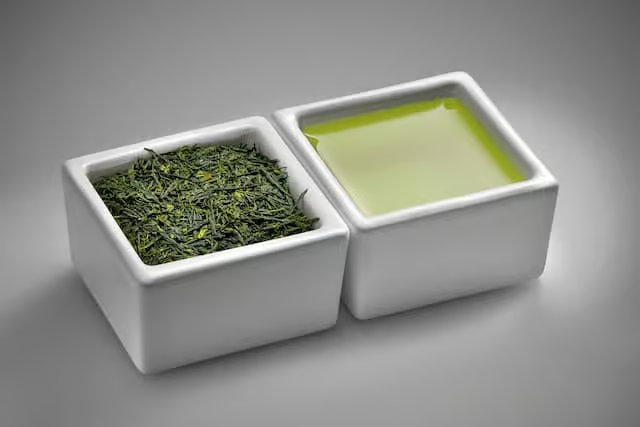
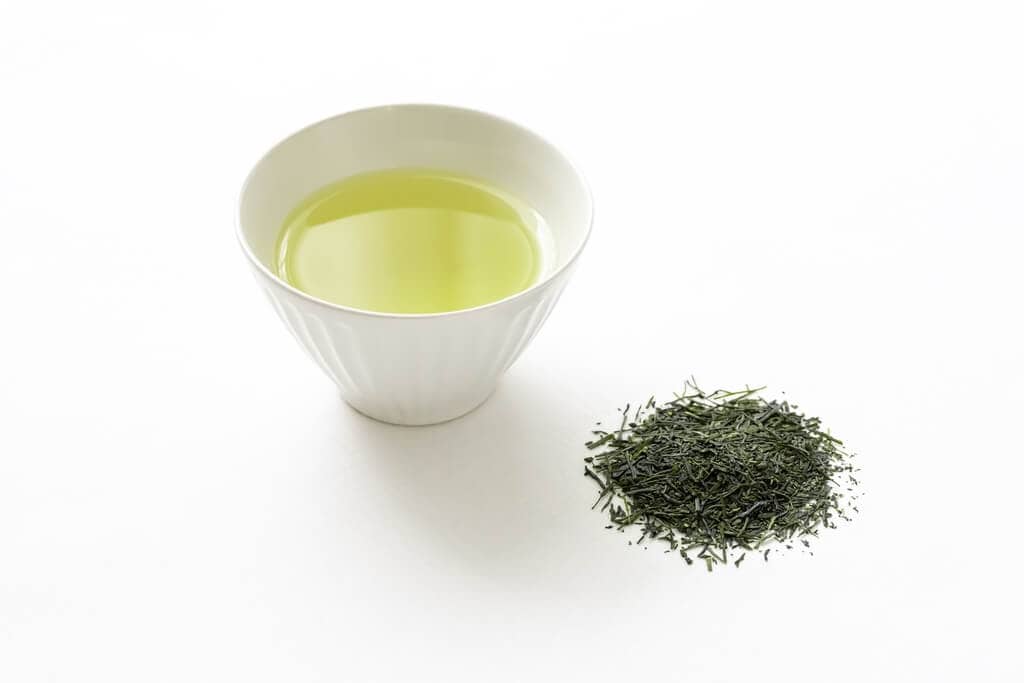
Unlike matcha, which uses powdered leaves, this tea uses whole leaves. You steep the leaves in hot water, remove them, and enjoy a clear green infusion. As a result, the drink feels lighter than matcha but still carries the refreshing character that many people associate with Japanese green tea.
Quick Facts
| Item | Details |
|---|---|
| Japanese Name | 煎茶 |
| Tea Type | Japanese green tea |
| Processing | Steamed, rolled, shaped, and dried |
| Main Regions | Shizuoka, Kagoshima, Uji, Mie, Fukuoka, Miyazaki |
| Flavor | Grassy, vegetal, refreshing, lightly sweet, umami-rich |
| Caffeine | Medium |
| First Infusion | 70–80°C, about 60 seconds |
| Best For | Daily drinking, meals, wagashi, and cold brew |
What Is Sencha?
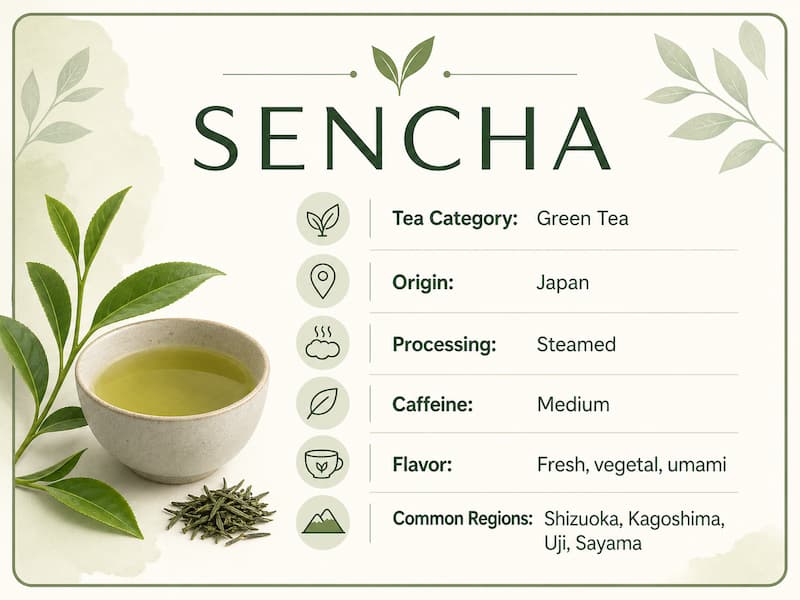
The word “sencha” means “infused tea.” In simple terms, producers make sencha from tea leaves that drinkers steep in hot water rather than whisk into the cup. This preparation style gives the tea a clean taste and a smooth mouthfeel.
Most Japanese green teas use steaming soon after harvest. This step stops oxidation and helps preserve the leaves’ vivid color, fresh aroma, and vegetal taste. Therefore, the cup tastes brighter than roasted teas such as hojicha and less dense than powdered teas such as matcha.
Developed during the Edo period, sencha gradually moved from a refined drink for tea lovers to a familiar part of daily life. Today, it represents one of the largest categories of ryokucha, or Japanese green tea.
History of Sencha
The history of sencha began to take shape during the Edo period, when Japanese tea culture expanded beyond formal tea ceremony. Before that shift, many people associated refined tea with powdered styles connected to samurai culture, Buddhist temples, and chanoyu.
A major turning point came in 1738. Nagatani Soen, a tea farmer from Uji, developed a new method called Aosei Sencha Seiho. His method created leaves with a clearer taste, fresher aroma, and vivid green color. Because of this achievement, many people call him the father of sencha.
Afterward, the method spread through major tea areas and shaped modern Japanese green tea production. Uji already had a strong reputation, and the region continued to influence high-quality leaf tea. Later, in 1835, Yamamoto Kahei reportedly developed the production method for gyokuro, which further expanded Japan’s culture of brewed tea.
At first, sencha still felt like a luxury for many households. However, mechanized and larger-scale production during the Taisho and early Showa periods made it easier to buy and enjoy. As a result, it became a familiar everyday drink across Japan.
Today, sencha remains central to Japanese tea culture. People prepare it in a kyusu teapot, buy it as bottled green tea, or serve it with meals and sweets. For official background on Japanese tea processing, the Ministry of Agriculture, Forestry and Fisheries also introduces green tea under Japan’s traditional food culture resources: MAFF Traditional Foods in Japan: Beverages.
How Sencha Is Made
The sencha production method strongly affects taste, color, aroma, and texture. Although each producer has a slightly different approach, the basic process usually follows these steps.
Sencha usually begins in tea fields exposed to full sunlight. The tea bushes are regularly pruned to encourage young leaf growth and make harvesting easier.
Young shoots and tender leaves are picked when they reach the right stage of growth. The first spring harvest produces the most prized leaves for shincha and high-grade ichibancha.
The leaves are steamed soon after harvest to stop oxidation. This step preserves the distinctive green color, fresh aroma, and vegetal flavor.
After steaming, the leaves are cooled quickly to remove excess heat and moisture. This helps keep the leaves from becoming overcooked and prepares them for rolling.
The leaves are rolled while warm to reduce moisture and begin shaping. This stage also helps bring out the tea’s aroma and flavor.
The leaves are rolled again with more pressure to further remove moisture and create a more even texture.
The final rolling stage shapes the leaves into the thin, needle-like form often associated with high-quality sencha.
Finally, the leaves are dried to stabilize the tea for storage and transport. This finished tea is known as aracha before sorting and final refining.
In addition, some producers use a finishing process that sorts, fires, or blends the leaves before sale. This final adjustment can make the aroma cleaner, sweeter, or deeper.
Sencha Flavor Profile
A good cup of sencha tastes fresh, green, and lively. However, the flavor can range from crisp and lightly floral to rich, cloudy, and deeply savory. Harvest timing, region, cultivar, and steaming level all change the final cup.
Common tasting notes include fresh-cut grass, young spinach, steamed vegetables, seaweed, sweet corn, chestnut, and marine umami. Meanwhile, the finish often brings a clean bitterness or light astringency that balances the sweetness.
If the cup tastes harsh, the water may have been too hot or the steeping time too long. On the other hand, cooler water brings out more sweetness and softness.
Types of Sencha
Sencha covers many styles rather than one fixed taste. The easiest way to understand the differences is to look at harvest time, steaming method, and cultivation or blending.
By Harvest Time
Shincha, or new tea, comes from the first young leaves of spring. It often tastes vivid, sweet, and aromatic. Because winter helps the plant store nutrients, this early harvest can show strong umami and a fresh green fragrance.
Ichibancha also means the first harvest of the year. The term overlaps with shincha, although shincha often emphasizes freshness and seasonal release.
Nibancha means second harvest. It usually appears in early summer and tends to taste stronger, brisker, and more affordable. Therefore, many people choose it for daily drinking.
Sanbancha means third harvest. It often has a bolder body and more astringency. Producers may use these leaves for everyday tea, blends, or other processed styles.
By Steaming Method
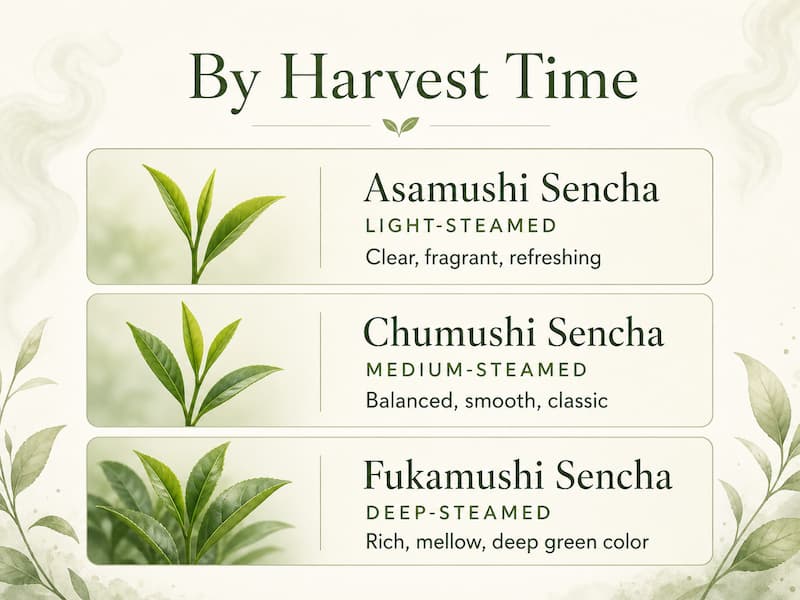
Asamushi means lightly steamed. The leaves keep more of their shape, and the tea usually looks clear and pale. It often tastes crisp, elegant, and refreshing.
Chumushi means medium steamed. This standard style offers a balanced mix of sweetness, body, aroma, and mild astringency.
Fukamushi means deep steamed. Longer steaming breaks the leaves more, so the cup often looks darker and cloudier. However, the texture becomes fuller, and the bitterness usually feels softer.
By Cultivation or Processing
Kabusecha uses short-term shading before harvest. Farmers cover the bushes to increase the mellow, umami-forward character. For that reason, kabusecha often tastes sweeter and smoother than standard unshaded green tea.
Matcha-iri blends leaf tea with finely ground matcha powder. The added powder gives the drink a more vivid green color and a richer body. It also works well for people who want a stronger taste without preparing full matcha.
Sencha Growing Regions
Sencha region matters because climate, soil, altitude, fog, sunlight, and local processing traditions all influence flavor. Below are some major areas to know.
Shizuoka
Shizuoka cha comes from Japan’s best-known tea prefecture. The region offers many styles, from fragrant mountain teas to rich deep-steamed teas from flatter areas. In general, Shizuoka tea feels balanced, refreshing, and versatile.
Kagoshima
Kagoshima sits at the southern tip of Kyushu. Its warm climate supports an early harvest and a wide range of cultivars. As a result, teas from this region often taste bold, bright green, sweet, and full-bodied.
Uji (Kyoto)
Uji tea has deep historical prestige. The area is especially famous for matcha and gyokuro, but careful producers also make elegant leaf teas with fine aroma and refined umami.
Sayama (Saitama)
Sayama lies near Tokyo and has a cooler climate than many southern tea regions. Producers often use a strong final firing technique called Sayama hi-ire. Therefore, the teas can have a sweet roasted fragrance and a deep finish.
Mie
Mie ranks among Japan’s major tea-producing prefectures. The area produces both everyday green teas and shaded teas, especially around Ise and surrounding districts. Many cups from Mie taste mellow, rounded, and easy to drink.
Fukuoka, Miyazaki, Shiga, and Nara
Fukuoka, especially Yame, has a strong reputation for high-grade shaded teas. Miyazaki offers clean, bright teas and diverse cultivars. Shiga has one of Japan’s oldest tea histories, while Nara produces Yamato tea with a gentle and traditional character.
Sencha Cultivars Used
Cultivar choice changes aroma, color, sweetness, bitterness, and harvest timing. Although many blends combine several cultivars, single-cultivar teas help drinkers notice these differences clearly.
| Cultivar | Typical Character |
|---|---|
| Yabukita | Balanced, reliable, classic Japanese green tea flavor |
| Saemidori | Bright green color, sweetness, soft umami |
| Okumidori | Smooth body, deep color, mild bitterness |
| Yutakamidori | Rich body, strong green color, often used in deep-steamed tea |
| Tsuyuhikari | Fresh aroma, clean sweetness, elegant finish |
| Asatsuyu | Natural sweetness, strong umami, sometimes called “natural gyokuro” |
| Gokou | Deep umami, often used for shaded teas and premium styles |
In addition, newer cultivars continue to appear as producers respond to climate, quality goals, and changing consumer tastes. For example, Japan’s National Agriculture and Food Research Organization discusses cultivar development in relation to quality, yield, and suitability for shaded tea production: NARO: Green tea cultivar development.
How to Brew Sencha
Water temperature matters more than many beginners expect. If the water is too hot, the cup can become bitter. However, if the water is too cool, the aroma may feel weak. The table below gives a practical starting point.
| Infusion | Water Temperature | Time | Flavor Aim |
|---|---|---|---|
| First | 70°C | 60 seconds | Sweet, balanced, umami-rich |
| Second | 80°C | 15 seconds | Fresh, bright, aromatic |
| Third | 90°C | 30 seconds | Light, brisk, refreshing |
Use about 2–3 grams of leaves per 100 ml of water. Also, pour out every drop from the teapot before the next infusion. This prevents the remaining liquid from over-steeping the leaves.
For a sweeter cup, use cooler water and slightly more leaves. For a sharper cup, use hotter water and a shorter steep. Finally, adjust the method to match the tea in front of you, since deep-steamed leaves often extract faster than lightly steamed leaves.
Cold Brew Sencha Method
Cold brewing creates a sweeter, smoother drink with less bitterness. It works especially well in summer, but many people enjoy it throughout the year.
- Add 5–8 grams of leaves to 500 ml of cold water.
- Place the bottle in the refrigerator for 3–6 hours.
- Shake gently or turn the bottle once.
- Strain the leaves and serve chilled.
Because cold water extracts fewer bitter compounds, the result often feels round and easy to drink. Meanwhile, the green aroma stays clean and refreshing.
Common Sencha Brewing Mistakes
Using boiling water: Very hot water can make the tea harsh.
Steeping too long: Long steeping increases bitterness and astringency.
Using too few leaves: Weak tea often comes from too little leaf, not only too little time.
Leaving water in the pot: Remaining liquid continues to extract flavor and can ruin the second infusion.
Sencha vs Other Japanese Teas
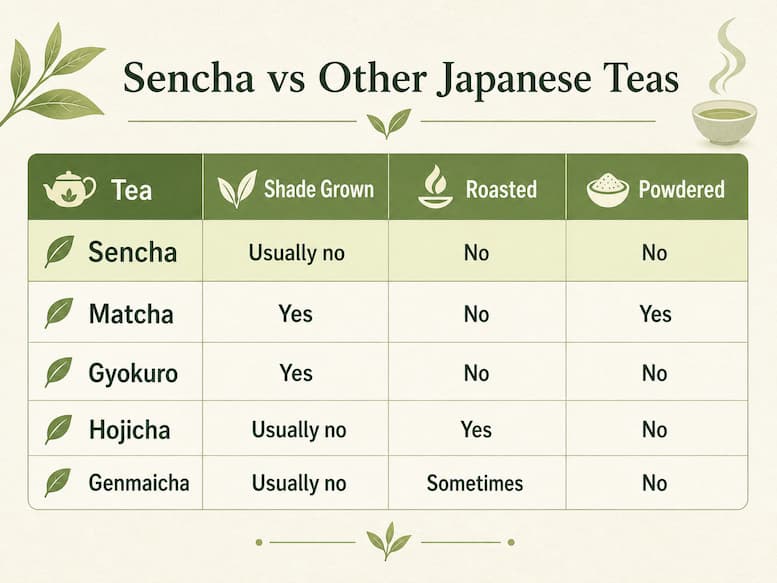
| Tea | Shade-grown | Powder | Caffeine | Flavor |
|---|---|---|---|---|
| Sencha | No, usually | No | Medium | Fresh, grassy, balanced |
| Matcha | Yes | Yes | High | Rich, creamy, umami-forward |
| Gyokuro | Yes | No | High | Sweet, mellow, brothy |
| Hojicha | No | No | Low | Roasted, nutty, warm |
| Bancha | No | No | Low to medium | Mild, earthy, everyday |
| Genmaicha | No | No | Low to medium | Toasty, nutty, comforting |
How It Differs from Chinese Green Tea
Japanese green tea often uses steaming to stop oxidation, while many Chinese green teas use pan-firing. Consequently, Japanese styles tend to taste greener, more vegetal, and more marine. Chinese styles often show nutty, chestnut-like, floral, or pan-roasted notes.
Neither style is better. Instead, the difference comes from processing choices, local taste preferences, and tea-making history.
Sencha Caffeine Content
Sencha contains a medium amount of caffeine. It generally has less caffeine than matcha or gyokuro, but more than roasted teas such as hojicha and many later-harvest teas.
| Tea | Typical Caffeine Level |
|---|---|
| Matcha | High |
| Gyokuro | High |
| Sencha | Medium |
| Bancha | Low to medium |
| Hojicha | Low |
If you are sensitive to caffeine, drink it earlier in the day or choose hojicha in the evening. Also, keep in mind that leaf amount, water temperature, and steeping time can change the caffeine level in your cup.
Sencha Health Benefits
Japanese green tea contains catechins, including EGCG, as well as vitamin C, L-theanine, caffeine, and other polyphenols. Together, these compounds may support alertness, calm focus, and overall wellness as part of a balanced diet.
However, it should not be treated as medicine. People who are pregnant, very sensitive to caffeine, or managing specific health conditions should drink it in moderation and follow professional medical advice when needed.
For a broader export-oriented overview of Japanese green tea types, JETRO also provides a Japanese green tea guide: JETRO Japanese Green Tea Guide.
Food Pairings
The fresh, slightly bitter taste pairs well with Japanese food because it balances salt, oil, sweetness, and umami. For example, it works beautifully with sushi, grilled fish, rice dishes, tempura, and light sweets.
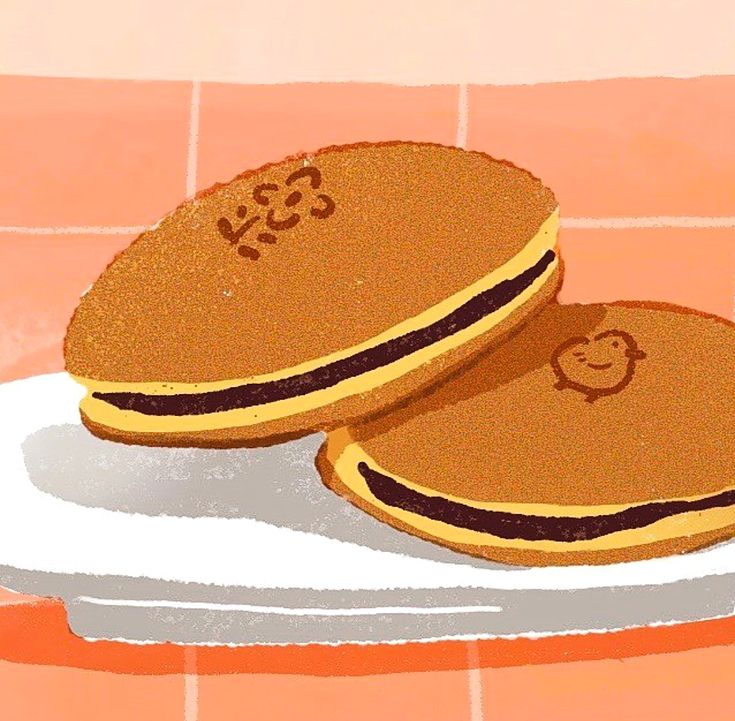
With wagashi, the tea’s briskness balances sugar and red bean paste. Meanwhile, with savory foods, its clean finish refreshes the palate between bites.
How Japanese People Drink It Today
In Japan, people drink this green tea in many ways. Families may serve it after meals or when welcoming guests. Offices may offer it during breaks or meetings. Restaurants may serve it hot or cold with set meals.
At the same time, bottled green tea has made the drink even more casual. You can find it in convenience stores, supermarkets, vending machines, and train stations. Therefore, the tradition continues not only in teapots but also in modern daily life.
Sencha Buying Guide
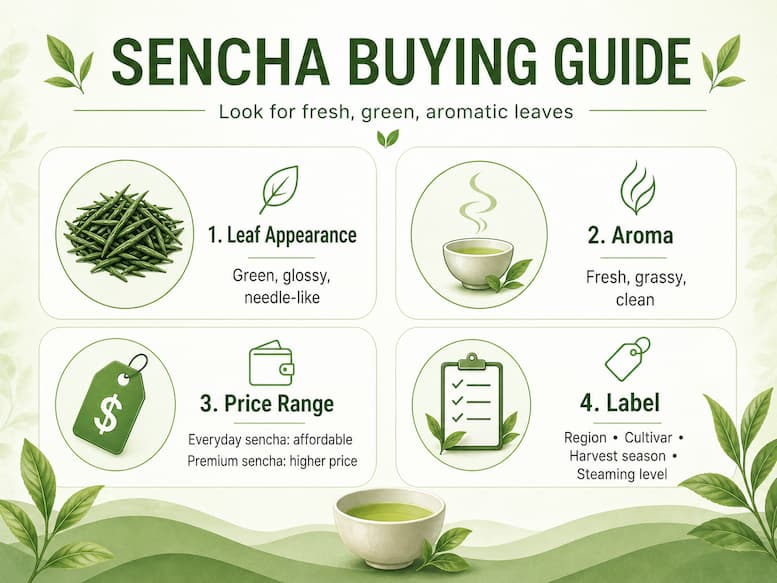
| Buying Choice | Best For | What to Look For |
|---|---|---|
| Loose leaf | Best flavor and aroma | Green color, fresh smell, clear origin details |
| Tea bags | Convenience | Individually packed bags and recent packing date |
| Premium tea | Gifts or slow brewing | First harvest, cultivar, region, careful packaging |
| Daily drinking | Meals and office use | Good price, balanced flavor, reliable producer |
| Organic | Preference for certified farming | Recognized organic certification on the label |
| Single cultivar | Tasting and comparison | Cultivar name such as Saemidori or Okumidori |
| Blended tea | Consistency | Balanced flavor and clear producer information |
Beginners can start with medium-steamed tea from Shizuoka or Kagoshima. After that, try a deep-steamed style for more body or a lightly steamed style for a clearer and more delicate cup.
How to Store Sencha Properly
Sencha loses aroma when it meets heat, light, oxygen, and moisture. Therefore, storage makes a big difference.
- Keep unopened tea in a cool, dark place.
- After opening, seal the package tightly or move the leaves to an airtight container.
- Avoid storing it near spices, coffee, or strong-smelling foods.
- Use opened tea within one to two months for the freshest aroma.
If you store unopened tea in the refrigerator, let the package return to room temperature before opening. Otherwise, condensation can damage the leaves.
Seasonality of Sencha
Spring brings the most anticipated sencha harvest. Shincha season usually attracts tea lovers because the first young leaves offer freshness, sweetness, and a seasonal feeling. Later harvests, however, still have value. They often cost less and work well for daily drinking, iced tea, or food pairings.
Final Thoughts
Sencha remains one of the clearest windows into Japanese tea culture. It feels simple enough for daily drinking, yet it also offers impressive depth through harvest timing, region, cultivar, steaming level, and brewing style. Once you understand these differences, every cup becomes easier to appreciate.
Sencha (煎茶) is Japan’s most widely consumed green tea and one of the easiest ways to experience Japanese tea culture. Fresh, grassy, gently sweet, and rich in umami, sencha is enjoyed at home, in offices, at restaurants, and with everyday meals across Japan.
Unlike matcha, which is made from powdered tea leaves, sencha is brewed by steeping whole leaves in hot water and removing them before drinking. Its refreshing flavor, moderate caffeine, and wide range of styles make it the everyday green tea of Japan.
To explore more Japanese tea culture, read these related guides:
Sencha FAQ
Is sencha healthier than matcha?
Not necessarily. Both teas offer beneficial compounds, but matcha lets you consume the whole leaf in powdered form, while sencha involves steeping the leaves and removing them before drinking.
Does sencha contain caffeine?
Yes. Sencha contains a medium amount of caffeine.
What does sencha taste like?
It tastes fresh, grassy, slightly sweet, mildly bitter, and umami-rich.
How do you brew sencha?
Use 70–80°C water, 2–3g of tea per 100ml, and steep for about 60 seconds.
Can sencha be cold brewed?
Yes. Cold-brewed sencha tastes sweeter and less bitter. Steep it in cold water for several hours.
Is sencha the same as green tea?
Sencha is a type of green tea, but not all green tea is sencha.
What food goes with sencha?
Sencha pairs well with sushi, tempura, grilled fish, rice dishes, and wagashi.
Why is sencha steamed?
Steaming stops oxidation, keeps the leaves green, and preserves the fresh aroma.
What is the difference between sencha and gyokuro?
Gyokuro is shade-grown before harvest and has stronger umami. Sencha is usually grown in sunlight and tastes fresher and more brisk.
References
- Ministry of Agriculture, Forestry and Fisheries of Japan (MAFF), Traditional Foods in Japan: Beverages, for background on Japanese green tea, including steaming, rolling, drying, and the role of tea in Japanese food culture. (Surveyed: July 2026)
- JETRO, Japanese Green Tea Brochure, on the main types of Japanese green tea, including sencha, gyokuro, matcha, hojicha, and their production methods and flavor characteristics. (Surveyed: July 2026)
- Ministry of Agriculture, Forestry and Fisheries of Japan (MAFF), Geographical Indication: Fukamushi Kikugawacha, on the registered GI product “Fukamushi Kikugawacha,” its production area in Shizuoka Prefecture, and its deep-steamed green tea characteristics. (Surveyed: July 2026)
- National Agriculture and Food Research Organization (NARO), on green tea cultivar research, including the development of Japanese tea cultivars related to yield, color, taste, umami, and suitability for high-quality green tea production. (Surveyed: July 2026)



Comments