




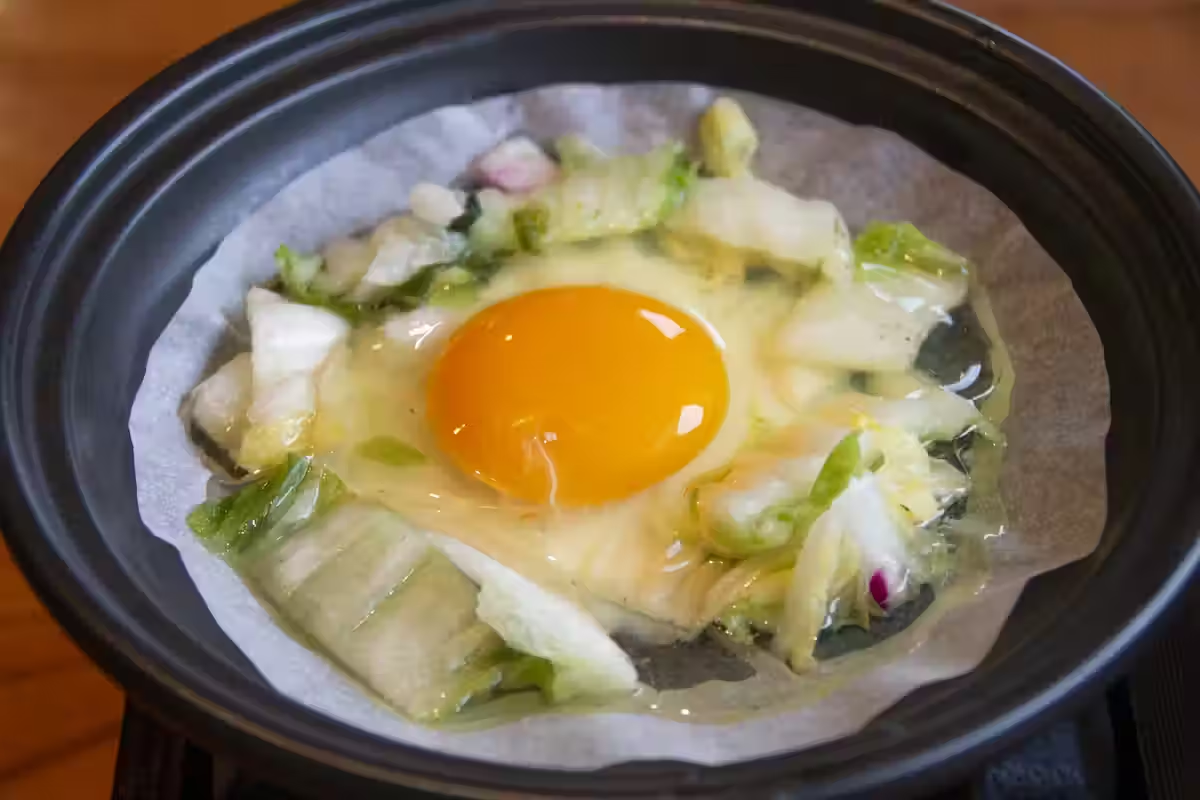
Picture a snowy night in the mountains of central Japan. Outside, the cold bites hard. Inside a small izakaya, a sizzling iron plate arrives at your table. Golden egg and a scatter of bonito flakes crown the top. This is tsukemono steak, and the name confuses almost everyone at first. There is no beef here. Instead, you get fried Japanese pickles (tsukemono), and a soft, beaten egg pulls them together.
The dish comes from the Hida region of Gifu Prefecture, especially around the old town of Takayama. Locals shorten the name to “tsuke-sute” and treat it as everyday comfort food. To an outsider, frying pickles sounds strange. Yet one bite tends to win people over quickly. So let us look at what tsukemono steak is, how it tastes, and why Hida Takayama invented it.
What Is Tsukemono Steak (Japanese Pickled Vegetable Steak)?
At its core, tsukemono steak is pan-fried pickled cabbage topped with a beaten egg. Cooks usually start with napa cabbage pickles, then brown them on a hot skillet or iron plate. They season the pickles with soy sauce or miso, gather everything to the center, and pour egg over the top. A finish of katsuobushi, green onion, and pickled ginger completes the plate.
The word “steak” throws people off, of course. It does not refer to meat at all. Restaurants in Hida often serve it on a sizzling metal or ceramic plate. Think of the kind that holds a real steak. Because of that presentation, the playful name simply stuck. This makes tsukemono steak a rare Japanese pickle steak with no animal protein, apart from the egg.
Quick Facts
- Japanese name: 漬物ステーキ (tsukemono suteki), also called “tsuke-sute”
- Region: Hida region of Gifu Prefecture, centered on Takayama
- Main ingredients: pickled napa cabbage or red turnip, beaten egg, soy sauce or miso
- Toppings: bonito flakes, green onion, pickled ginger, sometimes shichimi pepper
- Served at: home kitchens and izakaya across Hida Takayama
- Best season: winter, though many shops offer it year round
- Category: regional B-class gourmet and warm winter comfort food from Hida Takayama
You might wonder whether every family makes it the same way. They do not. Each household tweaks the seasoning, the char, and the toppings. Some cooks reach for butter and soy sauce. Others lean on miso or a splash of mentsuyu. That variety is part of the charm, and it explains why no two plates taste quite alike.
What Does Tsukemono Steak Taste Like?
Honestly, I hesitated the first time a plate landed in front of me. Warm pickles sounded wrong. Then the aroma hit, a mix of toasty soy sauce, smoky bonito, and something faintly sour from the cabbage. My skepticism faded fast.
The flavor lands somewhere between salty, tangy, and gently sweet. Frying softens the sharp acidity of aged pickles. Meanwhile, the beaten egg wraps each bite in a mellow, custardy layer. The result feels far heartier than you would expect from a plate of cabbage. As for texture, the cabbage keeps a slight bite while the egg stays soft and loose.
The bonito flakes add a smoky, savory finish that dances a little in the rising steam. On top of that, green onion brings freshness, and pickled ginger cuts through the richness. It pairs beautifully with hot rice. Even better, it partners beautifully with local sake. No wonder it thrives as a Japanese izakaya dish with pickles and egg.
How Tsukemono Steak Compares to Similar Dishes
Frying or cooking leftover pickles is not unique to Gifu. Cooks across Asia have long turned sour, aged vegetables into warm dishes. Korean kimchi jjigae works from the same instinct, and so does Chinese stir-fried pickled mustard. Still, the egg-bound style of Hida stands apart. The table below sorts out the differences.
| Dish | Origin | Main pickle | Key feature |
|---|---|---|---|
| Tsukemono steak | Hida Takayama, Gifu | Napa cabbage or red turnip | Fried, then bound with beaten egg |
| Nitakumoji | Chuno area, Gifu | Napa cabbage or turnip leaf | Simmered soft rather than fried |
| Kimchi jjigae | Korea | Aged kimchi | Served as a bubbling stew |
| Hoba miso | Hida region, Gifu | None (uses miso) | Grilled on a magnolia leaf |
Nitakumoji offers the closest cousin, since both dishes rescue sour pickles from the barrel. However, one simmers the cabbage while the other browns it. The Ministry of Agriculture, Forestry and Fisheries lists nitakumoji among Gifu’s traditional home dishes. Both belong to the same thrifty mountain tradition. If you enjoy this warm, savory style, you might also like Aomori’s ginger miso oden, another winter favorite.
The History and Origins of Tsukemono Steak
To understand this dish, you have to understand a Hida winter. The mountains here sit deep in snow for months. In the old days, fresh vegetables all but vanished from the table. Pickles filled the gap, and every household packed barrels of them each autumn.
Frozen Pickles by the Hearth
Winters got so cold that the pickles themselves froze solid in the barrel. People needed a way to thaw them. According to local accounts, families set the frozen pickles on a large magnolia leaf, or sometimes a scallop shell. Then they warmed them slowly beside the irori hearth. At first, folks simply called this “grilled pickles.” Locals widely cite that warming trick as the dish’s true starting point. Over time, cooks began mixing in an egg and seasoning the pan.
There was a second, thriftier reason too. Pickles that had fermented too long turned sharply sour. Rather than waste them, resourceful home cooks fried the sour batch and softened its edge. In other words, using sour aged pickles in tsukemono steak was both practical and delicious. That spirit of “eat it all, waste nothing” runs deep in Hida kitchens.
From Red Turnip to Napa Cabbage
Early versions may have leaned on Hida red turnip pickles rather than cabbage. The Hida beni-kabu turnip appeared in Takayama around 1918, as a crimson mutation of the local Haga turnip. Pickled into akakabu-zuke, it became a vital winter preserve when fresh vegetables ran scarce. Its vivid red also gave the plate a festive look. Napa cabbage later became the more common base, partly because it is milder and easier to source. Today you will find both, though the Gifu Hida-style pickled cabbage and egg skillet dominates most menus.
A Newer Dish Than It Looks
Here is a point that surprises many visitors. Tsukemono steak may not be truly ancient. Some food researchers note the near-total absence of old written records for it. One theory suggests the egg-and-pickle style emerged during Japan’s postwar boom, once eggs grew cheap and common. It may have started in restaurants rather than farmhouses. The habit of grilling pickles is old, yet the modern plate we know today probably came later.
Whatever its exact birthday, the dish is now a proud symbol of the region. Nearly every izakaya in Hida keeps it on the menu. Tourists sometimes travel just to taste it beside a plate of Hida beef and a cup of local sake. In 2018, Calbee even released a regional “tsukemono steak” flavored potato chip for central Japan. Not bad for a dish born from frozen leftovers.
How to Make Tsukemono Steak at Home
The good news is that this recipe asks very little of you. If you can fry cabbage and scramble an egg, you can manage it. The key lies in the pickles. Slightly sour, well-aged napa cabbage works best, because frying tames that acidity. Below is a simple home method for Japanese fried pickles with egg.
- Squeeze the liquid from about 200g of pickled napa cabbage, then chop it into 3cm pieces. If the pickles taste very salty, rinse and soak them first.
- Beat two eggs in a bowl and set them aside for later.
- Heat sesame oil or butter in a skillet over medium heat.
- Add the cabbage and fry until light brown spots appear, roughly one to two minutes.
- Season with soy sauce, mentsuyu, or a little miso, then gather the pickles to the center.
- Pour the beaten egg over the top and cook until it turns soft and just set.
- Finish with bonito flakes, green onion, and pickled ginger. Serve hot.
That is the whole thing. For a richer version, some cooks add canned mackerel, tuna, carrot, or a couple of cherry tomatoes. Others swap in a slice of grilled miso on a magnolia leaf, echoing the region’s love of hoba (magnolia) leaves. Once you nail the base, the tweaks are endless. A generous pile of katsuobushi on top rarely hurts.
Why This Humble Dish Endures
Tsukemono steak tells a bigger story than its plain looks suggest. It grew from a cold climate, a full pickle barrel, and a refusal to waste food. That is the heart of the Hida Takayama local dish tsukemono steak. It also reflects the wider culture of Japanese pickles. Fermented cabbage carries live lactic acid bacteria, and frying it turns humble preserves into a warm, satisfying meal.
So next time you visit central Japan, look for it on an izakaya board. Order a plate of tsukemono steak topped with bonito flakes and green onions. Pair it with sake, and you taste a small piece of mountain history. For more of the area’s specialties, browse our guide to the Chubu region’s local dishes. You may find your next favorite there.
Tsukemono Steak FAQ
Is there any meat in tsukemono steak?
No, there is no meat at all. The name refers to the sizzling steak plate on which restaurants serve it. The dish uses fried pickled cabbage and a beaten egg instead. So the “steak” is entirely about presentation, not the ingredients.
Where did tsukemono steak come from?
It comes from the Hida region of Gifu Prefecture, centered on Takayama. Cold winters once froze the local pickle barrels solid. People warmed the frozen pickles over a hearth to thaw them. From that habit, the modern egg-bound dish gradually developed.
What kind of pickles work best?
Pickled napa cabbage is the usual choice, and slightly sour, aged pickles shine here. Frying mellows their sharp acidity nicely. Hida red turnip pickles also work and add bright color. Feel free to use whichever fermented cabbage you have on hand.
Does frying pickles ruin their health benefits?
Heat does reduce live lactic acid bacteria in the pickles. However, the fiber, minerals, and much of the flavor remain. Many people also find the dish easier to eat in larger amounts once cooked. So it still offers nutritional value, just in a different form.
How is tsukemono steak different from nitakumoji?
Both dishes give sour pickles a warm second life. The main difference lies in the method. Tsukemono steak fries the cabbage and binds it with egg. Nitakumoji, by contrast, simmers the pickles until soft. Both belong to Gifu’s thrifty mountain cooking.
What should I drink with it?
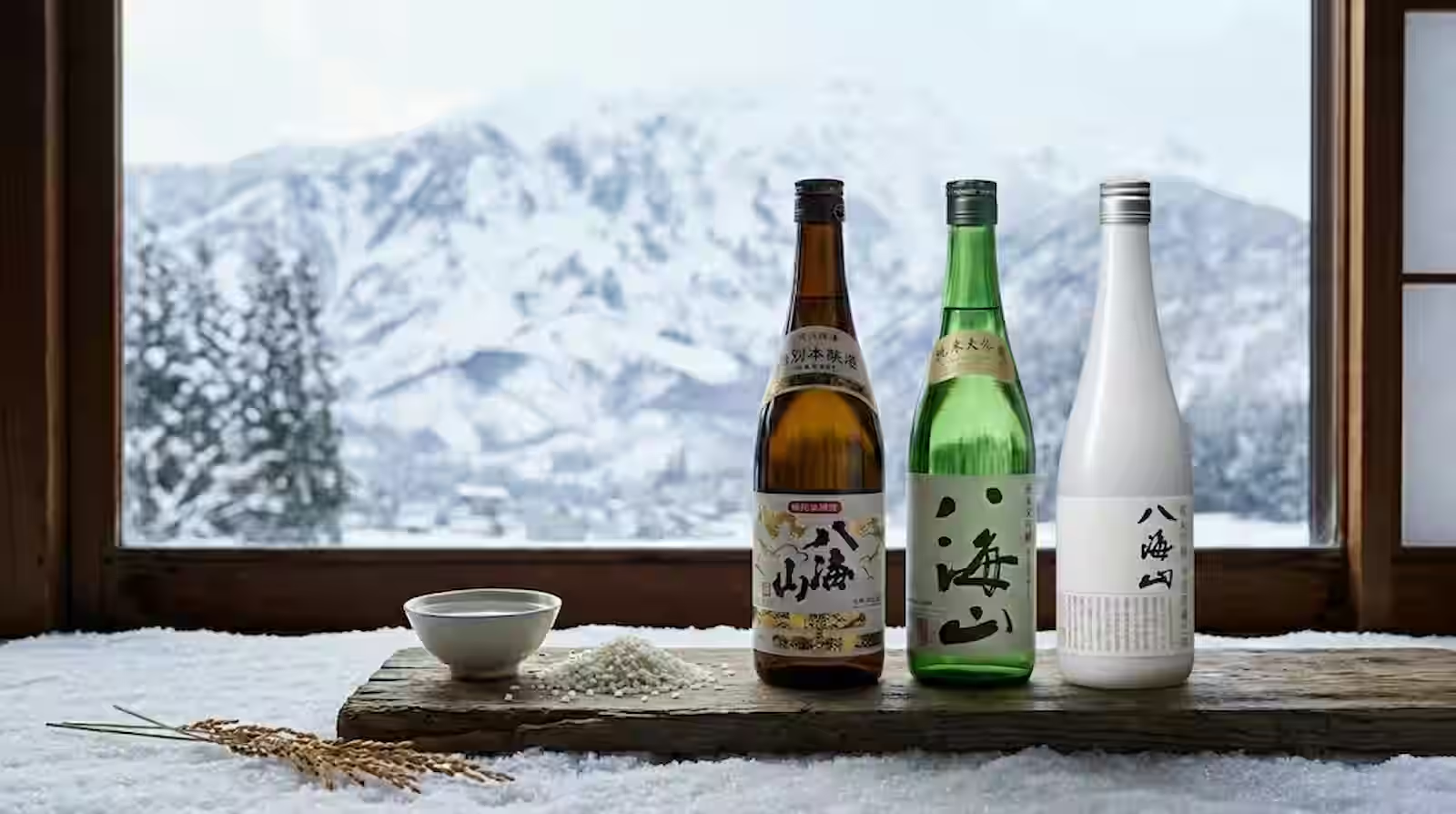
Local Hida sake is the classic partner, and the pairing feels almost inevitable. The salty, tangy pickles play well against a clean, dry sake. Beer also works nicely for a casual meal. Of course, a simple bowl of hot rice suits it just as well.
Can I make tsukemono steak outside Japan?
Yes, and it is quite forgiving. Look for pickled napa cabbage at an Asian grocery, or use a mild fermented cabbage. Then follow the basic fry-and-egg method at home. The toppings, such as bonito flakes and green onion, add the finishing touch.
Is tsukemono steak an old traditional dish?
The answer is a little surprising. Grilling pickles is genuinely old here in Hida. Yet the egg-topped version may be fairly modern. Some researchers link it to the postwar era, when eggs became cheap. So it blends old tradition with newer creativity.
References
- Ministry of Agriculture, Forestry and Fisheries, Local Cuisine of Gifu Prefecture (Uchi no Kyodo Ryori), https://www.maff.go.jp/j/keikaku/syokubunka/k_ryouri/area_stories/gifu.html (Surveyed: July 2026)
- Gifu Tourism Federation, Tsukemono Steak (Gifu Travel Guide), https://www.kankou-gifu.jp/gourmet/detail_6367.html (Surveyed: July 2026)
- Chunichi Shimbun, Why Was Tsukemono Steak Born in Hida?, https://www.chunichi.co.jp/article/124308 (Surveyed: July 2026)
- Nikkei, Calbee Releases Hida “Tsukemono Steak” Flavored Potato Chips, https://www.nikkei.com/article/DGXMZO36554520W8A011C1L91000/ (Surveyed: July 2026)
- Masuda, M., Ide, M., Utsumi, H., Niiro, T., Shimamura, Y., & Murata, M. (2012). Production potency of folate, vitamin B12, and thiamine by lactic acid bacteria isolated from Japanese pickles. Bioscience, Biotechnology, and Biochemistry, 76(11), 2061-2067, https://doi.org/10.1271/bbb.120414 (Surveyed: July 2026)
- National Center for Biotechnology Information, Complete genome sequence of Lactiplantibacillus brownii strain MH-1 isolated from Japanese traditional homemade pickled Chinese cabbage, https://www.ncbi.nlm.nih.gov/pmc/articles/PMC11812383/ (Surveyed: July 2026)
Related Articles
- Tsukemono – Pickled Vegetables, Recipe, and more! (Surveyed: July 2026)
- The Art of Pickling in Japan (Exploring Different Tsukemono) (Surveyed: July 2026)
- Hida-Gyu / Hida Beef (Surveyed: July 2026)
- Hoba Sushi – Gifu’s Leaf-Wrapped Rice & History (Surveyed: July 2026)
- 10 Local Dishes You Absolutely Must Eat in the Chubu Region (Surveyed: July 2026)




Comments