





「kyoto」の検索結果
-


Japanese whiskey (日本のウイスキー)
Many people know that Japanese whiskey, like other words Japanese whiskey, is admired around the world. Although Japanese whiskey production has a short history, it counted among the five major whiskeys in the world and established itsel... -
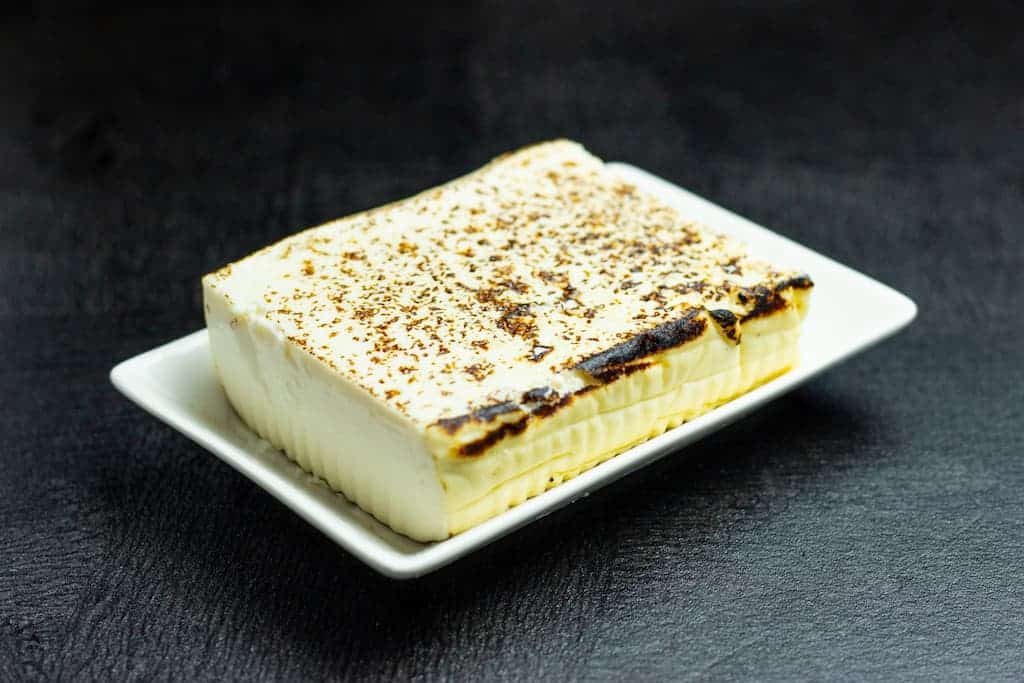

Yaki Tofu (焼き豆腐)
Speaking of Japanese tofu, you may think of the common types such as firm (momen) tofu or silken (kinugoshi) tofu. However, have you ever heard of tofu that is often used in hot pot dishes such as sukiyaki? In this article, we would like... -
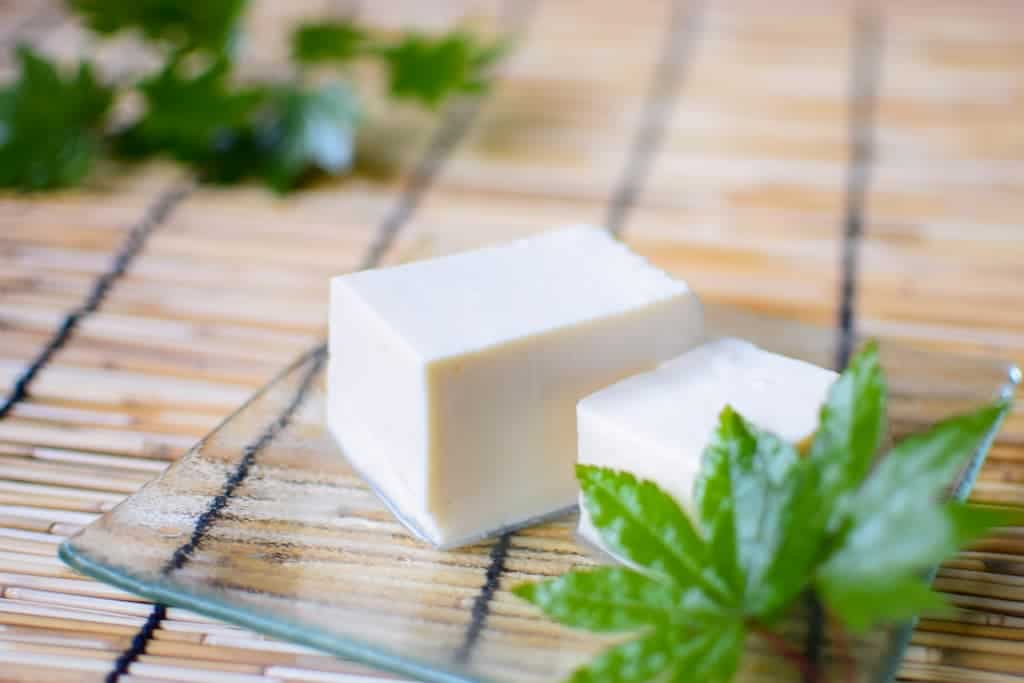
Kinugoshi Tofu (絹ごし豆腐)
Tofu plays an important role in Japanese traditional cuisine and is loved by most of Japanese. There are so many types of tofu that are on sales in supermarkets in Japan. However, firm tofu (or momen tofu) and silken tofu (or kinugoshi t... -


Jizake (地酒)
"Jizake" is Japanese sake made by sake breweries all over Japan. With the number of unique local sake increasing in each region, there must be many people who want to enjoy more but lack the knowledge. Therefore, we have summarized the b... -
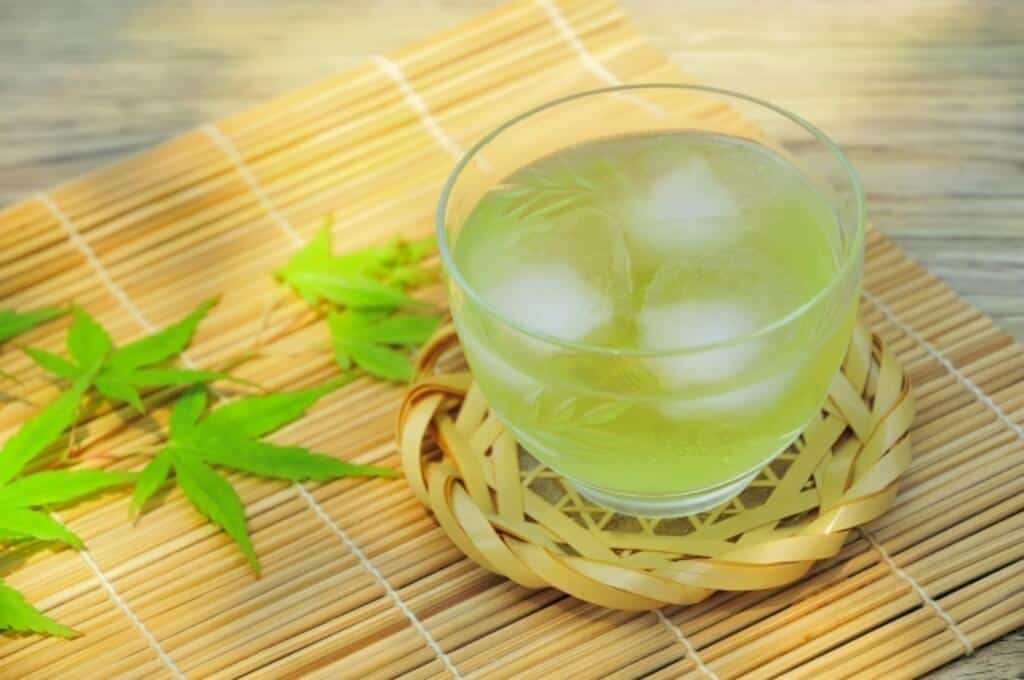

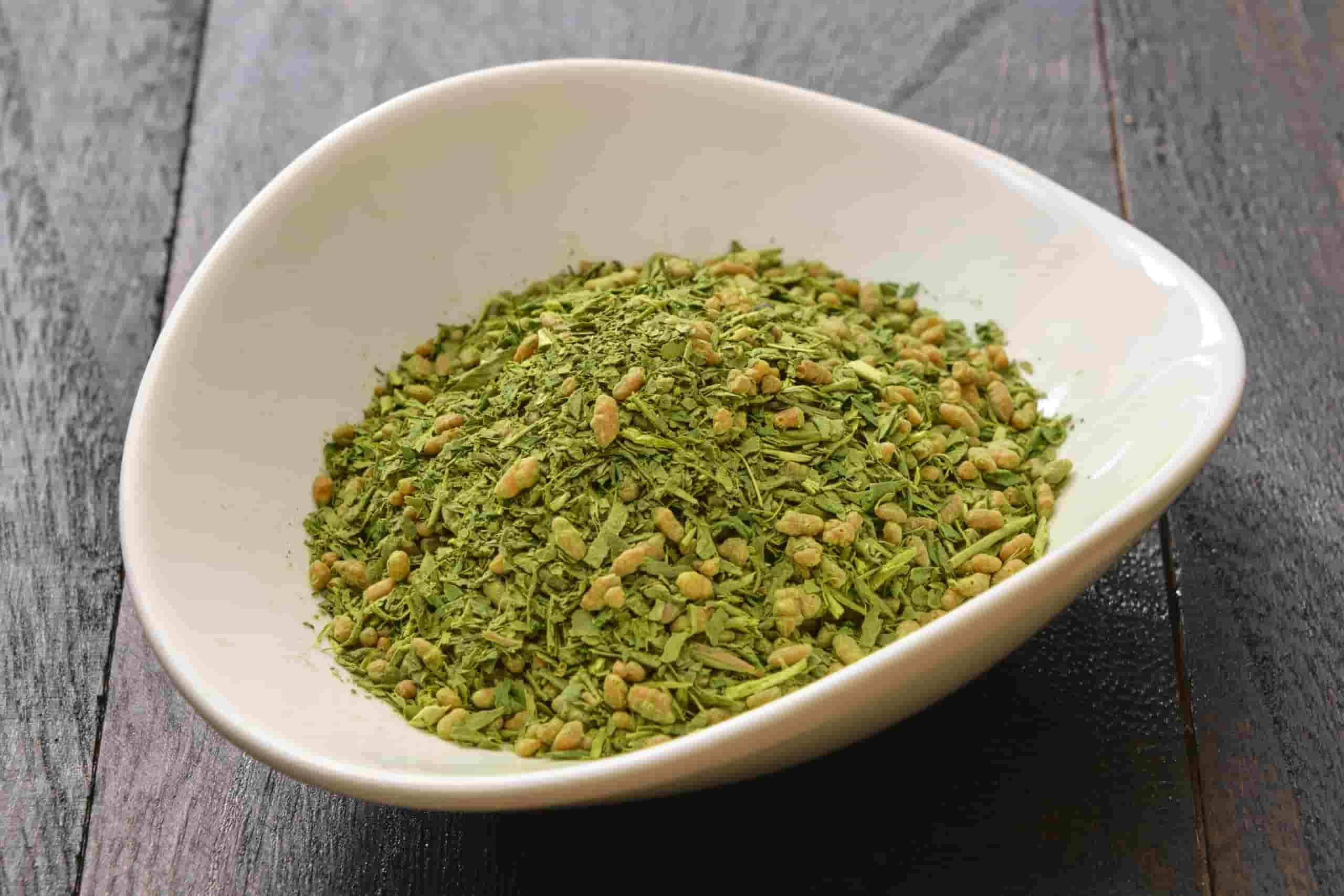
Genmai cha (玄米茶)
Have you tried a tea that combines high-quality green tea leaves with toasted brown rice? The combination of the two ingredients produces Genmai cha which is both refreshing and filling, making it an excellent choice at any time of day. ... -
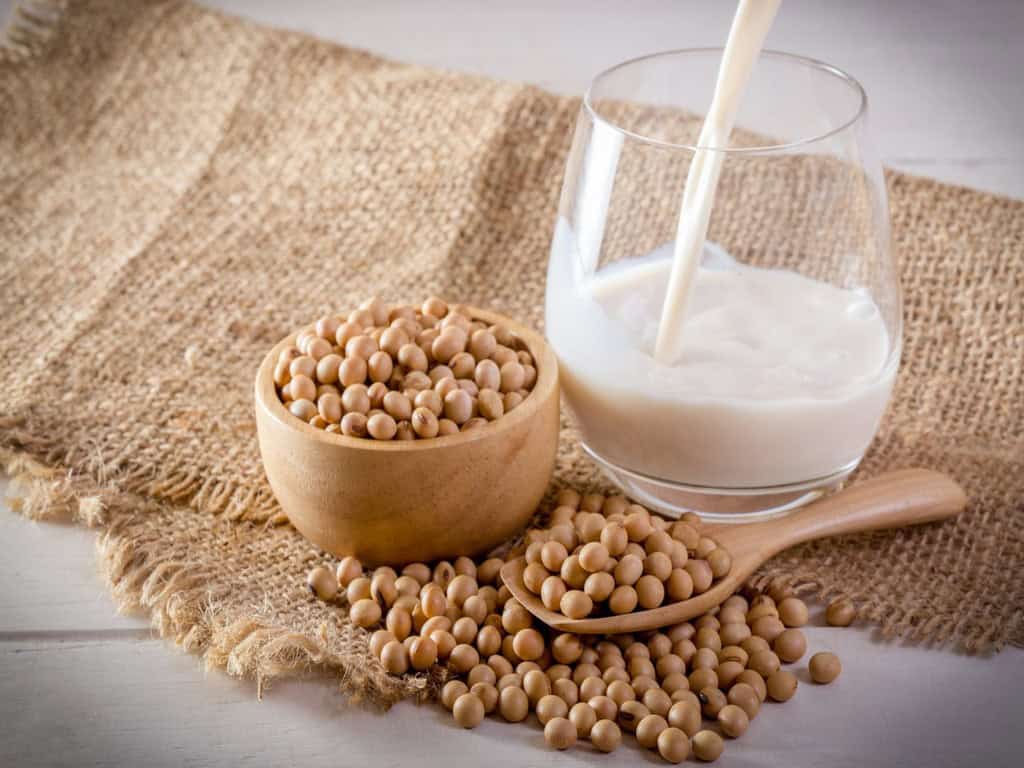

Tonyu (豆乳)
It's no doubt that Tonyu or soy milk is popular in Asian countries. It's not just healthy, but it's also a perfect alternative to cow's milk. In Japan alone, supermarkets and convenience stores sell different kinds of soy milk. Japan Agr... -
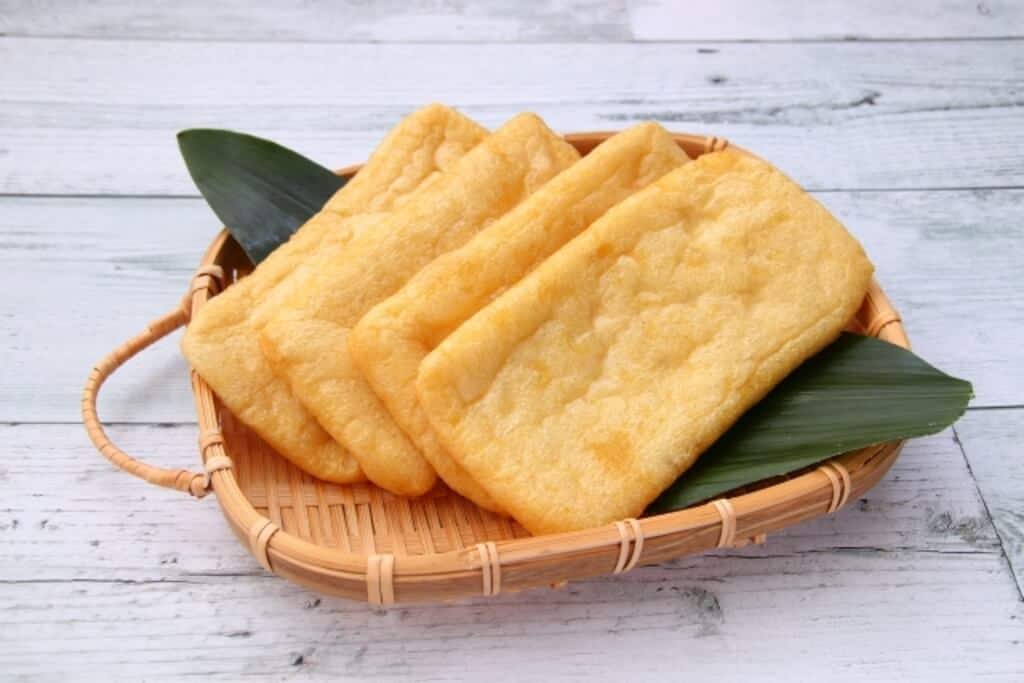
Aburaage (油揚げ)
Aburaage (油揚げ) is thin Japanese deep-fried tofu with a golden, spongy texture. Cooks across Japan add it to miso soup, inari sushi, and noodle dishes. It looks simple, but it changes the depth of a dish remarkably fast. You make it by... -
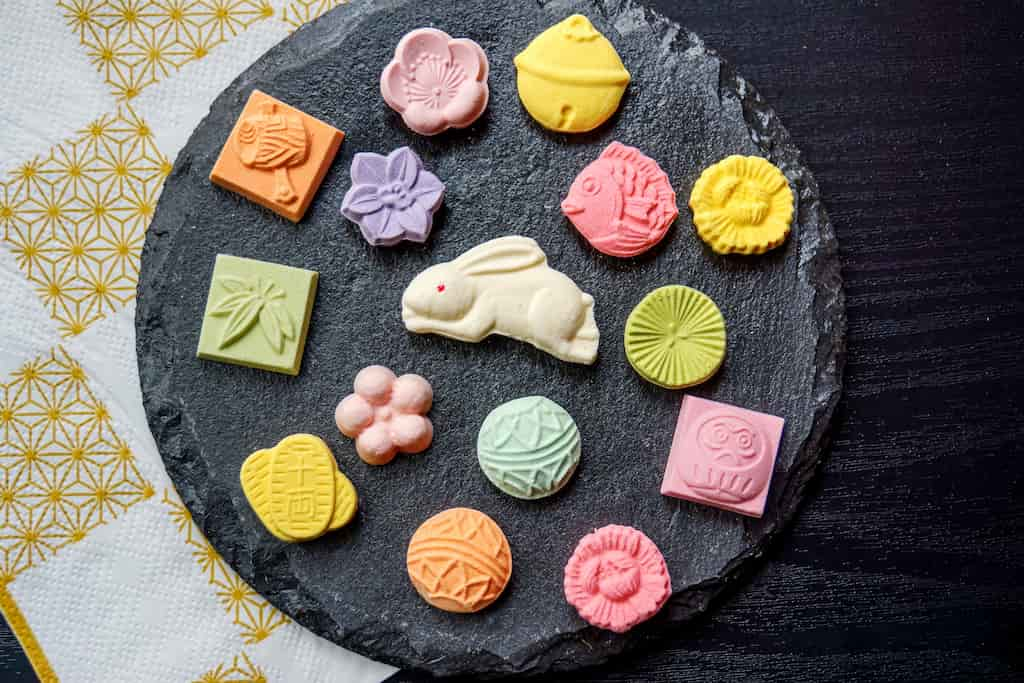
Rakugan (落雁)
Among Japanese sweets, you may often hear of mochi, dorayaki, etc. However, today we would like to introduce a sweet that has a strong impression as an offering. The interesting fact is that many people have seen it but do not know its t... -
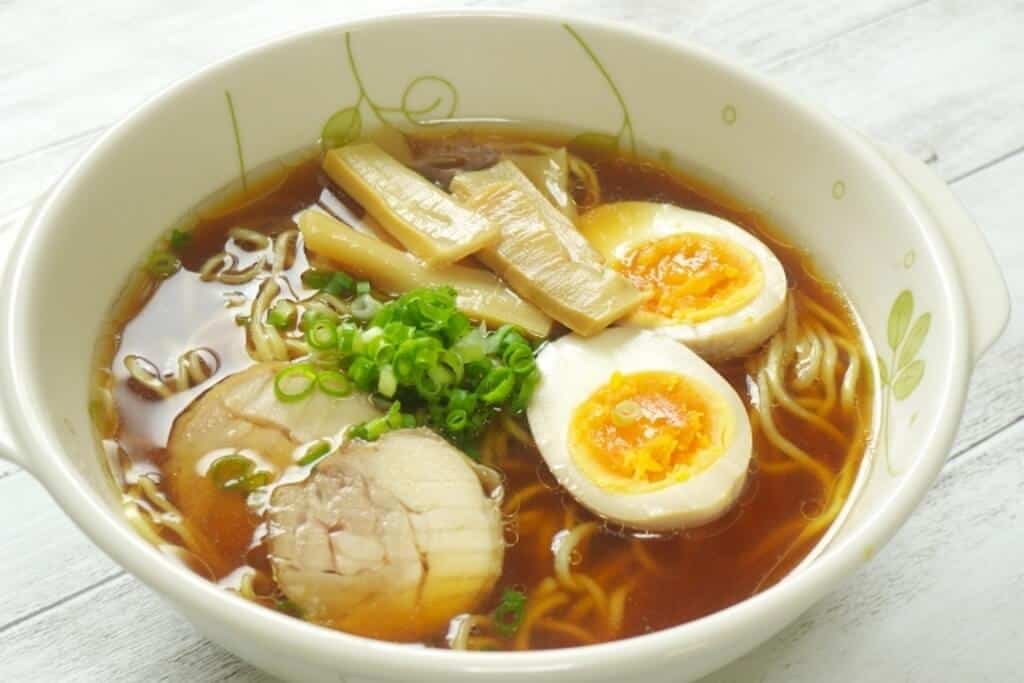
Shoyu ramen (醤油ラーメン)
Japanese ramen has a lot of depth and is difficult to explain simply. The most important thing in ramen is the noodles. Ramen tends to focus on the soup and its classification of taste such as Shoyu ramen or soy sauce ramen that we will ... -
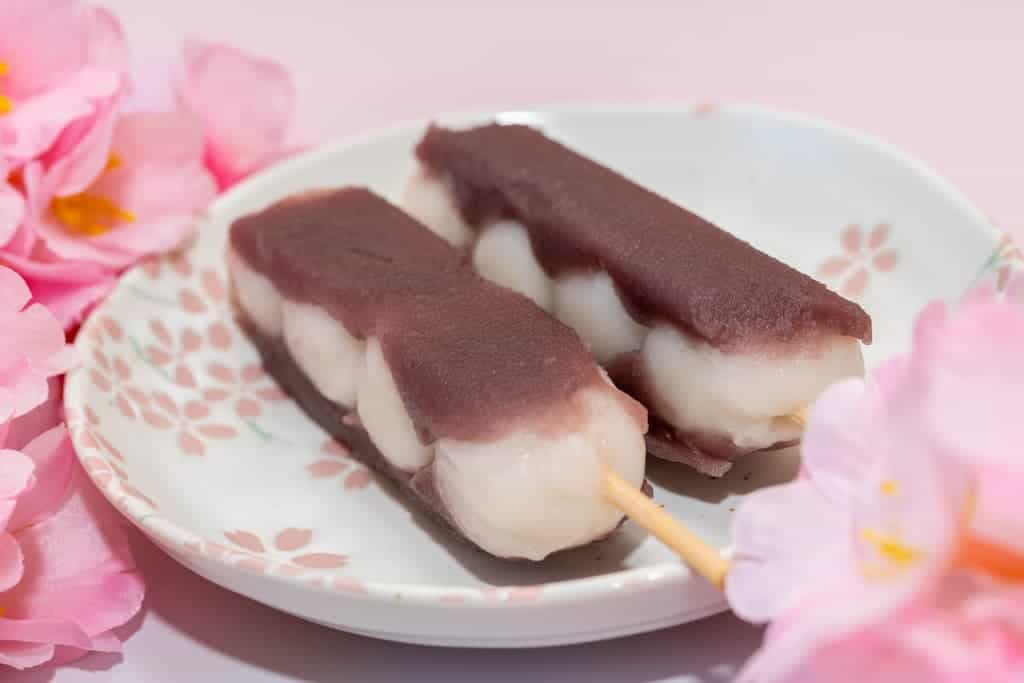
Anko Mochi (あんこ餅)
Among Japanese sweets, mochi is a very popular one not only in Japan but also all around the world. However, do you know that there is not only one type of mochi? Today, we would like to introduce Anko Mochi. In Japan, this is an indispe...